
Call us today
01202 986262
Businesses across Dorset and the South Coast are looking for ways to manage electricity costs and make better use of the energy available to them. Commercial solar panels can help by generating electricity on site, giving your business another way to meet its energy needs.
Flexible energy markets are creating new opportunities for some businesses to adjust when they use electricity. The National Energy System Operator’s Demand Flexibility Service, for example, allows eligible businesses to take part through registered suppliers or providers. However, installing solar panels does not automatically give a business access to these schemes. Participation depends on factors such as eligibility, metering and the arrangements offered by a supplier or aggregator. National Energy System Operator
For businesses considering their next energy investment, commercial solar can be a practical starting point. A system designed around your premises and electricity use can help you make informed decisions about on site generation, battery storage and future flexibility.
Save Energy UK designs and installs commercial solar systems for businesses across Dorset and the wider South Coast. Every site has different demands, from a warehouse with a large roof to an office, retail premises or farm with changing patterns of electricity use.
The right system depends on how your business operates. A survey can help establish whether your roof or available land is suitable, how much electricity you use and when demand is highest. This information helps shape a system around your premises rather than relying on a standard design.
You can find out more about commercial solar panel installation from Save Energy UK.
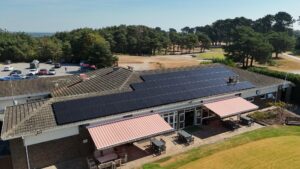
Solar panels generate electricity during daylight hours. Your business can use this electricity on site, reducing the amount it needs to import from the grid at those times. The value of this generation depends on how closely it matches your business’s demand.
A business that uses more electricity during the day may be able to use a greater proportion of its solar generation directly. Where generation exceeds immediate demand, some electricity may be exported, subject to the relevant connection, metering and tariff arrangements. Under the Smart Export Guarantee, eligible generators can be paid for exported electricity by a participating supplier. Rates and contract terms vary, so businesses should check the available options before making financial assumptions. Ofgem
Battery storage may also be considered as part of a wider energy system. Depending on its design, a battery can store some generated electricity for use later. It may also help a business respond to certain energy tariffs or flexibility opportunities. A battery alone does not guarantee access to a flexibility market or a particular payment. The system, supplier, provider and eligibility requirements all need to be considered.
Commercial solar works best when the design reflects the way your business uses energy. During the assessment, Save Energy UK can consider your site layout, electricity requirements and installation goals before preparing a proposal.
The process includes an initial consultation, system design, a technical survey, installation, handover and aftercare. Save Energy UK says its commercial systems are tailored to each business, with its team working around the business’s schedule to reduce disruption. The company also works with a range of solar panel manufacturers rather than limiting every project to one brand. Save Energy UK
This planning is particularly useful if you are considering flexible tariffs or future participation in demand response schemes. A clear picture of when your business consumes electricity can help inform decisions about panel capacity, battery storage and any changes to operating patterns. It can also help you ask better questions of your energy supplier or flexibility provider.
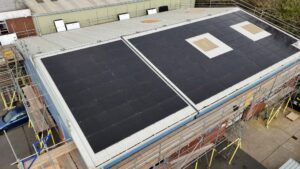
Before requesting a proposal, it may help to gather recent electricity bills and information about your operating hours. If your business has seasonal peaks or plans to add energy intensive equipment, mention this during the consultation.
A commercial solar assessment may consider:
Projected savings and generation depend on the individual site, system design, energy use and tariff. A tailored assessment is the best way to understand what may be suitable for your business. No installer can accurately promise that a system will deliver the same result for every property.
Save Energy UK has been designing and installing solar systems since 2005. The company provides commercial solar installations across Dorset and the wider UK, with experience working on buildings including offices and warehouses. Its commercial solar page states that it is CHAS Elite accredited and offers a bespoke process from consultation through to aftercare. Save Energy UK
If your business is based in Dorset or the South Coast and you are considering solar panels, the next step is to discuss your site and energy requirements. Save Energy UK can arrange a survey and prepare a proposal based on your premises and goals.
Request a commercial solar quote from Save Energy UK to discuss your requirements.
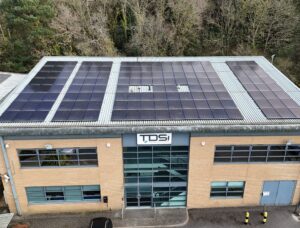
It may support a broader energy strategy, particularly when combined with suitable controls or battery storage. However, solar panels do not automatically make a business eligible for a flexibility service. Requirements vary between schemes and providers.
Not necessarily. The suitability of a battery depends on your electricity use, operating hours, system design and objectives. A site assessment can help determine whether storage is worth considering.
Some eligible generators may receive payment for electricity exported to the grid through an export arrangement such as the Smart Export Guarantee. Eligibility, rates and contract terms depend on the supplier and installation. Ofgem