
Call us today
01202 986262
From 1 October 2026, qualifying domestic electricity supplies in Great Britain are subject to zero VAT. The temporary measure will remain in place until 31 March 2027, reducing the tax previously added to household electricity bills from 5 per cent to zero. GOV.UK
For households in Dorset and across the South Coast, any reduction in electricity costs will be welcome. However, homeowners considering solar panels may reasonably wonder whether cheaper grid electricity will reduce the savings available from generating their own power.
The short answer is that the VAT reduction will have some effect on the value of each unit of electricity avoided, but it does not remove the wider financial case for solar panels. The measure is temporary, while a professionally designed solar energy system can continue generating electricity for many years.
There is also another important VAT deadline to consider. Qualifying domestic solar panel and battery installations currently benefit from zero VAT, but this relief is scheduled to end on 31 March 2027. From 1 April 2027, qualifying installations are expected to return to the reduced VAT rate of 5 per cent. GOV.UK
If you are considering solar panels in Dorset or elsewhere on the South Coast, now is a sensible time to request a personalised quotation and understand what the two VAT changes could mean for your home.
Domestic electricity was previously subject to VAT at the reduced rate of 5 per cent. From 1 October 2026 until 31 March 2027, qualifying electricity supplied to homes in England, Scotland and Wales is subject to VAT at zero per cent.
This means that electricity suppliers should no longer add VAT to qualifying domestic electricity charges during this period. The relief applies to electricity rather than every type of domestic fuel. VAT on other domestic fuels remains unchanged.
The measure provides some assistance during the colder months, when many households consume more energy. However, it is temporary. Under the current policy, the zero rate will end on 31 March 2027.
It is also important to recognise what the change does not do. Removing VAT does not alter the underlying wholesale cost of electricity, network charges or other elements that contribute to a household tariff. Future prices may still move as energy markets, government policies and regulated charges change.

Solar panels save money principally by reducing the amount of electricity a household needs to purchase from its supplier.
When your panels are generating electricity and your home uses that power immediately, you avoid importing the equivalent amount from the grid. The value of this avoided electricity depends partly on the rate you would otherwise have paid.
Because removing VAT reduces the final cost of imported electricity, the immediate value of avoiding each imported unit will be slightly lower during the temporary relief period. In simple terms, a unit of electricity bought from the grid will cost a little less than it would have done with VAT included.
Nevertheless, the practical effect should be considered in proportion.
The electricity VAT reduction lasts for six months. A solar panel system, by contrast, represents a long term investment. Its financial performance should not be assessed solely against one temporary tax measure or a single seasonal tariff.
Electricity prices can rise or fall considerably over the life of a solar installation. A credible savings forecast should therefore consider the household’s consumption, the expected generation of the system and reasonable assumptions about future electricity prices.
The fundamental purpose of domestic solar panels has not changed. They allow your household to generate electricity from daylight and reduce the amount of power purchased from an energy supplier.
For homeowners in Poole, Bournemouth, Christchurch and across Dorset, a suitable solar installation may offer several lasting advantages.
Every unit of solar electricity used directly within your home is one less unit that must be purchased from your supplier.
This remains true whether electricity is subject to VAT at zero or 5 per cent. The precise monetary value may change with your tariff, but reducing grid consumption can still lower your overall electricity costs.
Households without solar panels remain dependent on retail electricity prices. Although the VAT reduction offers temporary relief, it cannot guarantee that electricity prices will remain at their present level.
Generating electricity at home can give you greater control over how much electricity you need to import. This does not make a household completely independent from the grid, but it can reduce its exposure to future price changes.
When a solar panel system produces more electricity than the property is using, the surplus can be exported to the grid or stored in a suitable home battery.
Eligible households may receive payments for electricity exported through an appropriate tariff. Export rates vary between suppliers, so they should be considered alongside the value of using solar electricity within the home.
The temporary VAT reduction applies to qualifying electricity supplied to the property. It does not automatically change the amount an energy supplier may pay for exported solar electricity.
The temporary zero rate on domestic electricity is due to end on 31 March 2027. Unless government policy changes again, electricity VAT will return to 5 per cent from 1 April 2027.
Solar panels installed now can continue generating electricity after the temporary relief has ended. The long term value of the system should therefore be assessed over many years rather than against the six month VAT period alone.

Solar panels often produce their greatest output during the middle of the day. Many households, however, use more electricity in the morning and evening.
Without battery storage, surplus daytime generation may be exported while electricity is purchased from the grid later. A suitably sized battery can store some of this surplus electricity for use after solar generation has fallen.
This may help a household increase the proportion of its solar electricity that it uses at home.
A battery can also offer additional flexibility. Depending on the system, tariff and household requirements, it may be possible to charge the battery using lower cost electricity and use the stored power during more expensive periods.
Save Energy UK supplies battery storage options including the EcoFlow Ocean 2, Tesla Powerwall 3 and Hanchu ESS. The right choice will depend on matters such as household consumption, existing solar equipment, available installation space, desired capacity and whether backup power is required. Save Energy UK
A larger battery is not automatically a better investment. If the capacity considerably exceeds the amount of surplus solar electricity available, part of the battery may remain unused. Conversely, an undersized battery may be unable to store enough energy to support the household through the evening.
A professional assessment can help establish what level of storage is appropriate rather than relying on a standard package.
General figures found online rarely provide a reliable answer for an individual property. Two neighbouring households can achieve different results because they use electricity in different ways.
An accurate solar proposal should consider the property itself, the household’s energy consumption and the objectives behind the installation.
Roof size, orientation, condition and shading will influence how many panels can be installed and how much electricity they may generate. The times at which electricity is used will affect how much solar power can be consumed directly. Battery capacity, import tariffs and export rates can also influence the financial result.
Future plans matter as well. A household expecting to purchase an electric vehicle, install electric heating or spend more time working from home may require a different system from one designed solely around present consumption.
Save Energy UK begins its process by discussing the customer’s energy usage and objectives. The company then designs a bespoke system and carries out a technical survey to assess the roof and electrical arrangements before installation. Save Energy UK
This tailored approach provides a more meaningful basis for estimating savings than a generic national average.
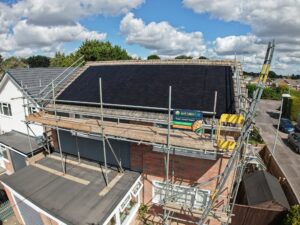
There are two separate VAT policies that homeowners need to understand.
The first is the temporary zero rate on qualifying domestic electricity supplied between 1 October 2026 and 31 March 2027.
The second concerns the installation of qualifying energy saving materials, including solar panels and electrical battery storage. These installations currently benefit from a temporary zero rate of VAT. Under the present rules, the relief will end on 31 March 2027 and qualifying installations will return to 5 per cent VAT from 1 April 2027.
This creates an important consideration for anyone already planning to install solar panels or battery storage.
Waiting for a temporary reduction in grid electricity costs may provide limited short term relief, but delaying an installation beyond March 2027 could mean paying VAT on the installation itself. The precise financial effect will depend on the value and eligibility of the proposed work.
Homeowners should not rush into an unsuitable system merely to meet a tax deadline. However, those already considering solar panels may benefit from arranging an assessment early enough to explore the options, review a detailed proposal and allow time for the installation process.
For many households, there is a strong reason to investigate solar before the current VAT relief ends.
Installing earlier may allow you to benefit from the present zero rate on a qualifying domestic installation while also beginning to generate electricity sooner. However, suitability should always come before speed.
The right decision depends on your roof, electricity consumption, budget and future plans. A professionally prepared quotation should explain the proposed system, likely generation, battery capacity where applicable and the assumptions used to estimate potential savings.
It should also make clear which elements qualify for VAT relief and whether the proposed completion date could affect the final price.
Availability may become more limited as the deadline approaches. Surveys, system design, equipment supply and installation all require time. Beginning the process early can provide a better opportunity to make an informed decision without unnecessary pressure.
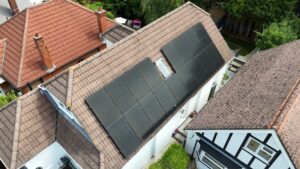
Save Energy UK designs and installs bespoke solar photovoltaic and battery storage systems for homeowners throughout Dorset and the South Coast.
From its base in Poole, the company serves customers in Bournemouth, Christchurch and surrounding areas. Its team has more than 21 years of experience and offers a complete process covering consultation, bespoke design, technical surveying, installation, system handover and ongoing aftercare.
Save Energy UK is MCS certified and works with established solar and battery brands, including EcoFlow and Tesla. Customers can also arrange an appointment to visit the company’s showroom at The Glenmore Centre in Poole and view available technology in person. Save Energy UK
Rather than assuming that one solar package will suit every property, the team can examine your electricity use, discuss what you wish to achieve and recommend an appropriate system.
The temporary removal of VAT from domestic electricity bills is welcome, but it does not remove the long term value of generating electricity at home.
Solar panels can still reduce the amount of electricity you need to purchase, while battery storage may help you retain more of the energy your system produces. At the same time, the current zero VAT rate on qualifying domestic solar and battery installations is scheduled to end on 31 March 2027.
If you are considering solar panels or battery storage in Dorset or across the South Coast, contact Save Energy UK to request a free quotation.
The team can assess your property, review your energy consumption and prepare a tailored proposal based on your household rather than a generic savings estimate.
The temporary zero rate took effect on 1 October 2026. It applies to qualifying domestic electricity supplies in England, Scotland and Wales until 31 March 2027.
Not under the current policy. The measure is temporary and is due to end on 31 March 2027. Electricity suppliers are expected to return qualifying supplies to the appropriate VAT rate after that date unless the government announces a further change.
It slightly reduces the price of electricity purchased from the grid during the relief period, so it can affect the immediate value of each unit of electricity avoided. However, the measure lasts for six months, while solar panels can generate electricity for many years. The overall value of solar depends on your property, consumption, tariffs and system design.
Qualifying installations of energy saving materials in residential accommodation currently benefit from zero VAT. This temporary relief is scheduled to end on 31 March 2027, after which qualifying installations are expected to return to 5 per cent VAT.