
Call us today
01202 986262
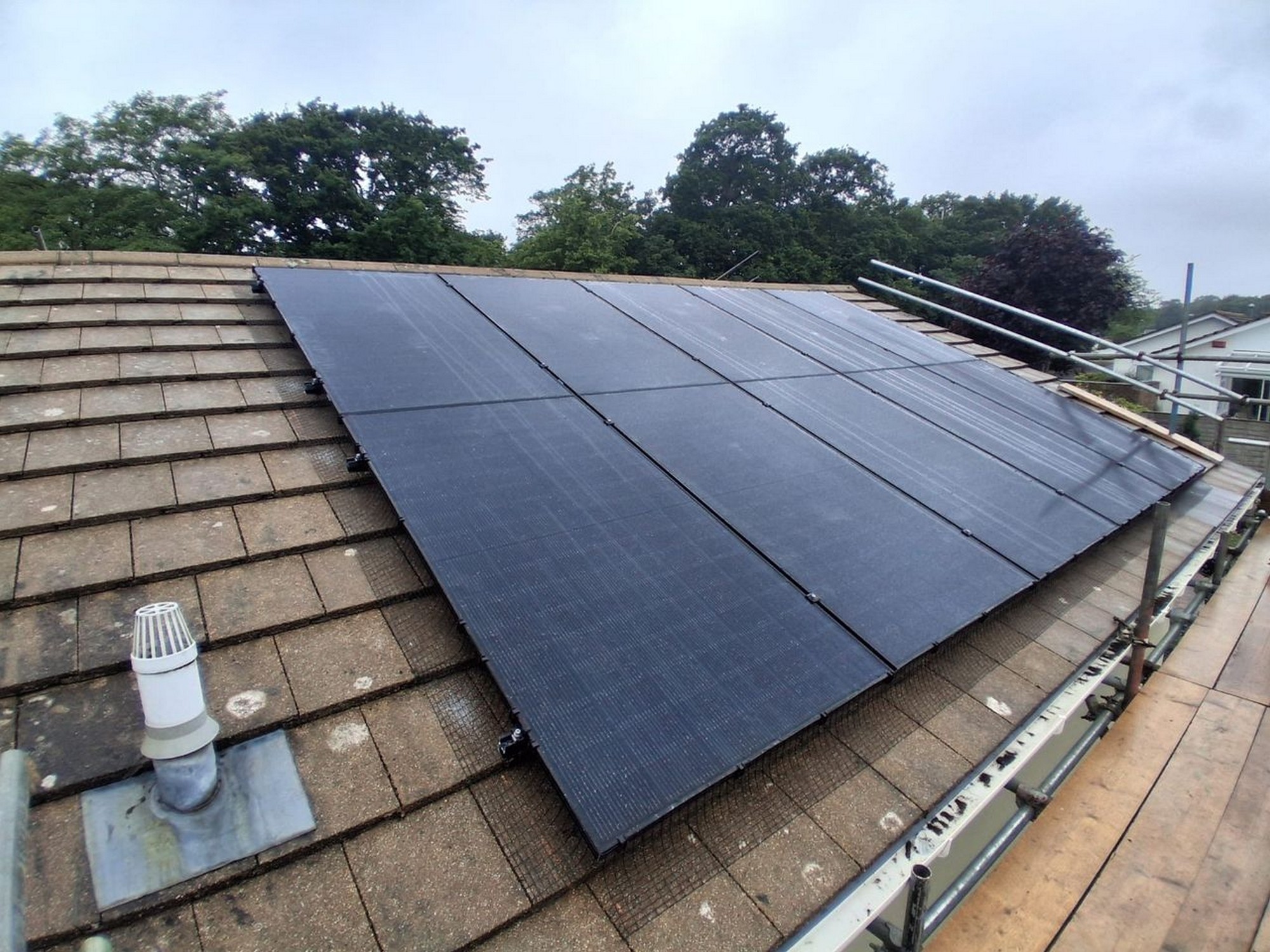
If you are considering solar panels for your home or business, choosing an experienced installer is an important first step. A well planned system can help you generate electricity on site and make better use of your roof.
Save Energy UK provides solar panel installation in Bath for residential and commercial customers. Every property has different requirements, so the right system depends on factors such as roof design, available space, electricity use and your plans for the future.
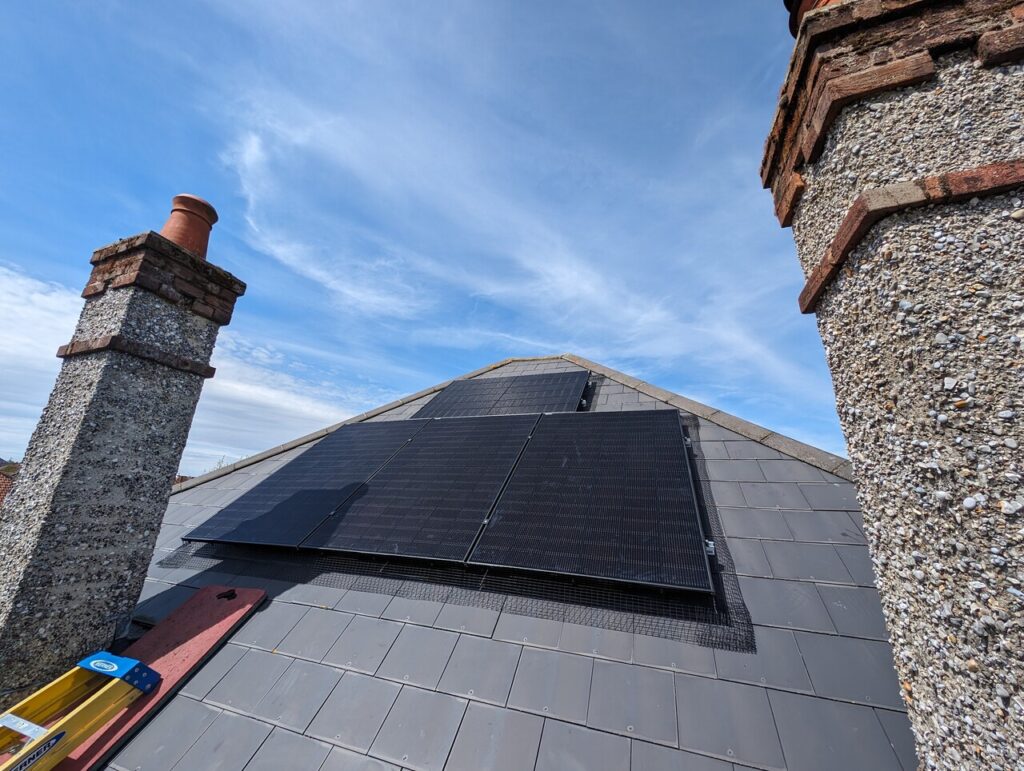
Solar panels convert daylight into electricity that can be used by your property. This can help reduce the amount of electricity you need to buy from your supplier, depending on how much your system generates and when you use power.
For homeowners, solar panels can support everyday energy use, from lighting and appliances to working from home. For businesses, generating electricity on site may help meet some of the demand created by equipment, lighting and other operations.
The suitability of a system cannot be determined from a property’s location alone. Roof orientation, shading, condition and the pattern of electricity use all matter. A professional assessment helps establish what may work for your particular property in Bath.
A suitable solar panel installation begins with understanding the building and its energy needs. During an assessment, an installer can consider the available roof area, its condition, potential shading and how the property uses electricity.
This is especially useful when a roof has an unusual shape, several sections or limited clear space. The assessment can help identify a practical panel layout and whether any additional equipment may suit your requirements.
For a business, the discussion may also consider operating hours and periods of high electricity demand. For a home, it may be helpful to consider when household members are most likely to use appliances and other electrical equipment.
The aim is to recommend a system that fits the property and its needs. A quotation should explain the proposed work and equipment, along with any relevant assumptions. You can then review the details and ask questions before deciding how to proceed.
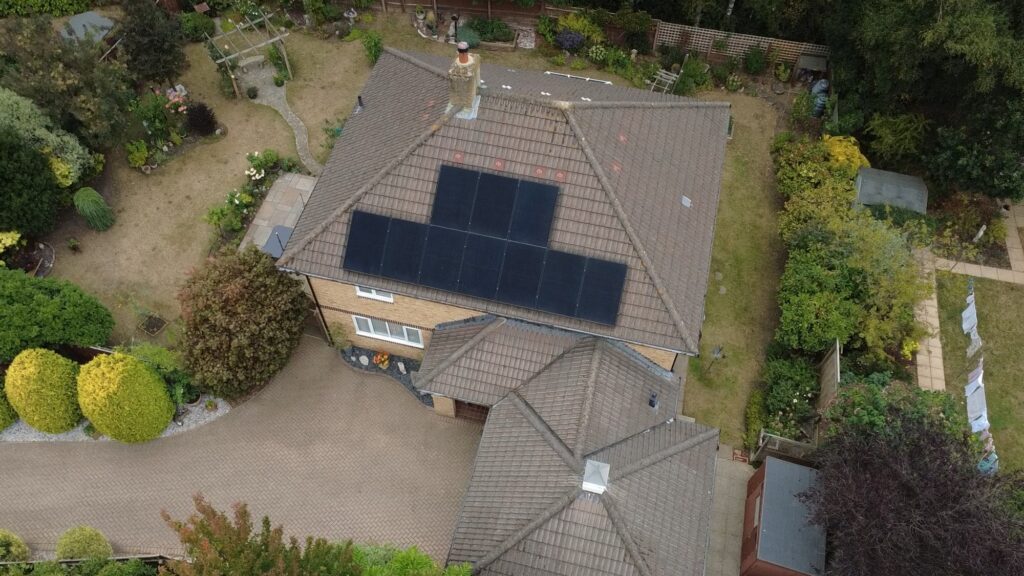
The process usually starts with an initial conversation about your property and what you hope to achieve. This gives the installer a chance to understand your requirements and decide what information is needed for an assessment.
After reviewing the property, the installer can discuss a suitable design and provide a quotation. If you choose to go ahead, they will agree the installation arrangements with you. The work will involve fitting the panels and connecting the relevant system components.
Before the installation is completed, you should be given information about your system and how to use it. Ask your installer to explain the equipment, answer any questions and clarify what is included in the work.
Each property is different, so the time and arrangements involved can vary. Your installer should discuss the expected process with you before work begins.
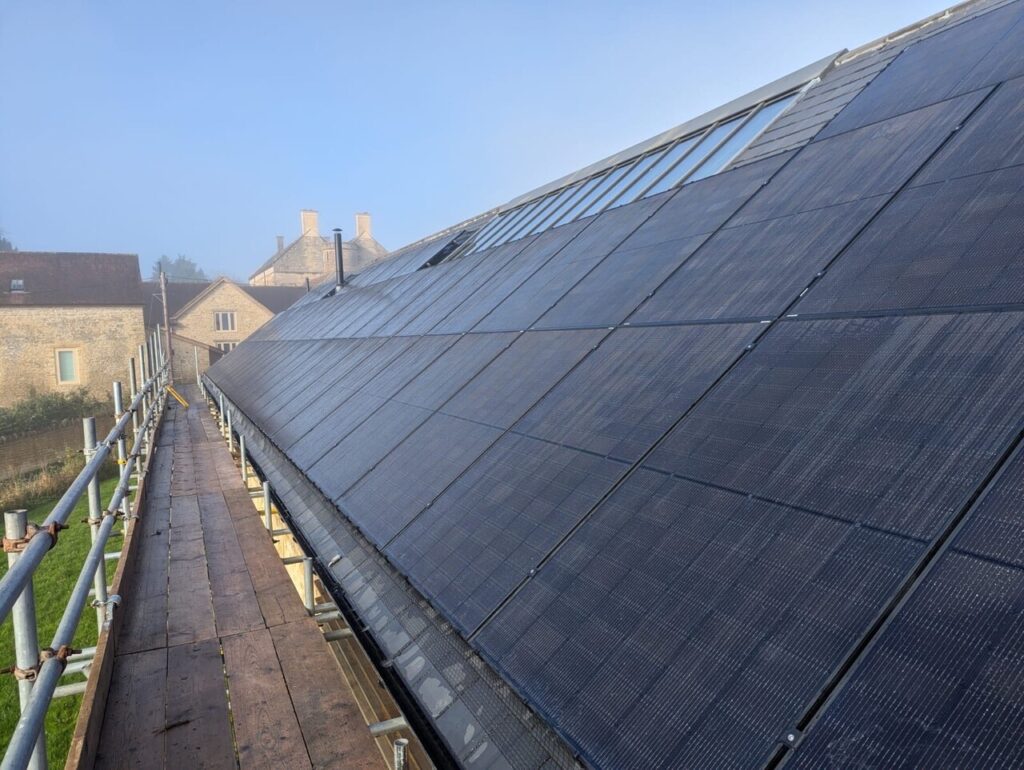
Solar panels generate electricity during daylight. A battery may allow some of the electricity generated to be stored for use later, subject to the system design and your household or business requirements.
Whether a battery is appropriate depends on how you use electricity, the proposed system and your budget. It may be useful to discuss the available options when requesting a quotation, even if you have not yet decided whether you want one.
An installer can explain how a battery could work with your proposed solar panel system. They should also make clear what is included in the quotation so you can compare the options and make an informed decision.
Before choosing an installer, look for clear communication and a detailed explanation of the proposed system. You should be able to understand how the design relates to your property and what the installation involves.
It is also sensible to ask about the steps involved, what preparation may be required and who to contact if you have questions. A professional installer should discuss your requirements and provide information that helps you decide whether the proposed work is right for you.
Taking time to compare quotations can help you understand differences in system design and installation. Consider the details of the work as well as the overall price. If anything is unclear, ask for an explanation before making a decision.
The suitability of solar panels depends on factors such as roof condition, available space, shading and your electricity use. An assessment can help determine whether an installation may be suitable for your property.
Solar panels may be considered for commercial properties as well as homes. The proposed system should take account of the building and how the business uses electricity.
The cost depends on the design and requirements of the property, including the equipment and installation work involved. Requesting a quotation is the best way to understand the likely cost for your specific project.
A battery is not essential for every installation. It may allow you to store some generated electricity for later use, but its suitability depends on your energy needs and the system design.