
Call us today
01202 986262
Industrial premises often have one considerable asset sitting unused above the business: a large expanse of roof. Installing solar panels on industrial units in Bournemouth can turn that space into a productive source of electricity, helping companies reduce their dependence on the grid and gain greater control over long term operating costs.
For warehouses, manufacturing facilities, distribution centres and other commercial properties, solar power can represent a sound investment. However, achieving the right result requires more than filling the available roof with panels. The system must reflect the condition of the building, its electricity consumption, operating hours and future energy plans.
Save Energy UK designs and installs commercial solar systems for businesses across Bournemouth, Poole, Christchurch and wider Dorset. A professional survey provides the clearest way to establish whether your industrial unit is suitable and what level of return your proposed system may deliver.
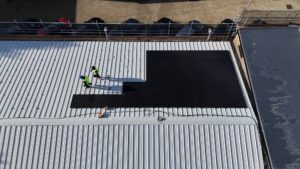
Yes, solar panels can be installed on many industrial units, warehouses and manufacturing facilities. These buildings frequently offer extensive roof space and consume substantial amounts of electricity during daylight hours. This can make them particularly suitable for commercial solar. Before installation, the roof structure, condition, orientation, shading and available electrical infrastructure must all be assessed.
Industrial buildings can offer excellent conditions for solar generation. Their roofs are commonly larger than those found on offices, shops or residential properties. Consequently, they may be able to accommodate a substantial number of panels without taking up valuable operational space at ground level.
Many industrial businesses also use most of their electricity during the day. Machinery, lighting, heating, cooling, ventilation, office equipment and charging facilities can create a steady daytime demand. Solar panels generate electricity during these working hours, allowing the business to use a meaningful proportion of the power directly.
This relationship between generation and consumption is important. Electricity used at the point of generation reduces the amount that the business needs to purchase from its supplier. Therefore, a carefully designed system may help lower operating costs from the moment it becomes active.
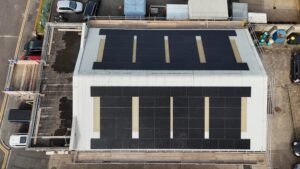
Electricity can represent a significant overhead for manufacturers, warehouses and other industrial operators. Generating power on the premises can reduce the amount drawn from the grid.
The precise saving will vary between sites. It depends on the size of the solar array, annual generation, electricity prices and how much of the generated power the business consumes directly. Save Energy UK can assess consumption information and prepare a tailored projection rather than relying on a generic estimate.
Energy prices can fluctuate, which makes long term budgeting difficult. A commercial solar installation allows a business to generate part of its electricity at the premises. Although no system can remove every element of uncertainty, solar can reduce exposure to changes in grid electricity prices.
This greater degree of control may be particularly valuable for businesses with energy intensive equipment or narrow operating margins.
Installing industrial solar panels allows a business to make productive use of a roof that would otherwise generate no direct financial value. There is usually no need to surrender storage, production or parking space.
A large roof may also provide sufficient room for a system that covers a meaningful proportion of the property’s electricity requirements. However, the available area alone should never determine the system size. The design must also reflect the business’s actual consumption.
Commercial solar panels can help a company reduce the amount of electricity it purchases from conventional grid sources. They may also support environmental policies, tender submissions, carbon reporting and wider sustainability objectives.
Businesses should base any environmental claims on genuine system data. Modern monitoring platforms can record generation and provide useful evidence for internal reporting.
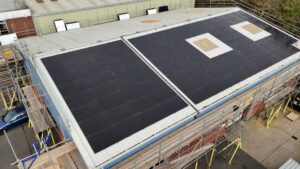
Most industrial roofs require a detailed assessment before an installer can confirm suitability.
The existing roof should have sufficient remaining life to support a long term solar installation. If significant repair or replacement work is likely to be required soon, it may be sensible to complete that work before fitting the panels.
This approach can prevent the unnecessary cost and disruption of removing the solar array to undertake roof repairs at a later date.
A structural assessment can determine whether the roof can safely carry the panels, mounting equipment and associated loads. The survey must consider the building’s design, construction materials, age and present condition.
Industrial roofs vary considerably. Therefore, assumptions based on appearance or floor area alone are not sufficient.
A southerly aspect can offer strong generation, but it is not the only practical option. Roofs facing east and west may produce electricity across a broader part of the working day, which can suit businesses operating from morning until late afternoon.
Nearby buildings, roof equipment, trees and other obstructions may create shade. A proper survey will account for these features when estimating likely output.
Roof lights, ventilation systems, access routes and safety requirements can reduce the area available for panels. The proposed layout must allow for safe installation, maintenance and emergency access where required.
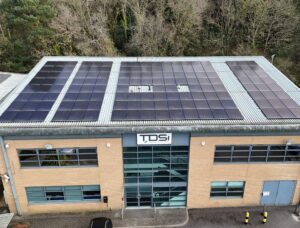
A commercial solar system should be designed around evidence rather than guesswork. Electricity bills provide a useful starting point, although half hourly consumption data can offer a much clearer picture of when the business uses power.
An installer can compare this demand with the anticipated solar generation throughout the day and across the seasons. This helps determine an appropriate system size and provides a more reliable estimate of how much electricity the business may use directly.
A larger system is not automatically a better investment. If the array regularly produces far more electricity than the business can consume or store, the financial return may depend heavily on export arrangements. A well considered design aims to balance roof capacity, electricity demand, budget and future plans.
Businesses should also mention anticipated changes during the survey. New machinery, longer operating hours, electric vehicle charging or planned expansion could all influence the most suitable design.
Commercial battery storage allows a business to retain surplus solar electricity for use later. This may be valuable when the premises remain active after solar generation falls or when consumption varies considerably during the day.
A battery may also help a company increase the proportion of its generated electricity used on site. In some circumstances, it can store electricity purchased during cheaper tariff periods for later use, subject to the chosen tariff and system design.
However, battery storage is not essential for every industrial solar installation. A business with consistent daytime consumption may already use most of its solar electricity as it is generated. In that situation, adding a battery may not provide the strongest commercial return.
Save Energy UK can assess both options and explain whether storage is likely to add practical and financial value to the project.
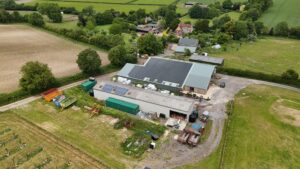
Commercial solar installations require careful attention to planning and electrical network requirements.
Roof mounted panels on commercial premises may fall within permitted development rights when the relevant conditions are met. Nevertheless, listed buildings, conservation areas and properties with particular planning restrictions may require further consideration. Businesses should confirm the position for their specific premises before work begins.
Most commercial installations also require involvement from the local Distribution Network Operator. The application process depends on the proposed system and how it will interact with the electricity network. In some cases, the network operator may place a limit on the amount of electricity that the property can export.
Save Energy UK can consider these requirements as part of the planning and design process. Starting this work early can reduce the risk of avoidable delays. Further information is available in the company’s guide to installing solar panels on commercial property.
The process begins with an initial discussion about the property, its electricity consumption and the objectives behind the investment.
Save Energy UK can then assess the premises and gather the information needed to design an appropriate system. This may include roof measurements, shading, structural considerations, electrical infrastructure and access requirements.
The proposed design should set out the system size, panel layout, expected generation and estimated commercial benefits. It should also explain whether battery storage would be worthwhile and identify any relevant planning or grid connection requirements.
Once the design and quotation have been approved, the installation can be scheduled around the needs of the business. Careful planning can help limit disruption to staff, tenants, deliveries and normal operations.
After commissioning, a monitoring system can allow the business to review generation and understand how the installation is performing.
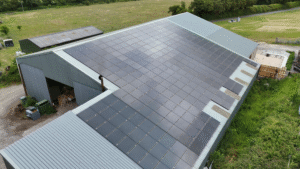
Save Energy UK has designed and installed commercial solar projects for a range of organisations in Bournemouth and the surrounding area.
Its commercial work includes a 50kW solar PV system for the warehouse and showroom at PC Flooring in Poole. The company has also delivered a 320kW installation for Bowmill Engineering, a precision engineering manufacturer. Another large Dorset project involved 440 solar panels at Dorset Glass in Poole.
In Bournemouth, Save Energy UK installed 31 solar panels with an inverter and battery storage at the Applewood Hotel. The company states that solar now generates 70 per cent of the hotel’s energy. These examples demonstrate how commercial solar design can be adapted to different buildings, consumption profiles and operational priorities. Details of these and other projects are available through Save Energy UK’s commercial solar case studies.
Commercial solar requires a considered approach. The installer must understand roof suitability, electricity demand, system design, grid applications, battery storage and long term performance.
Save Energy UK has more than 21 years of experience designing, installing and maintaining solar PV and battery storage systems across Dorset and the wider UK. Its local presence also makes the company well placed to support businesses in Bournemouth, Poole and Christchurch.
Most importantly, the system can be designed around the property rather than selected from a standard package. This gives business owners the opportunity to understand the likely costs, generation and savings before deciding whether to proceed.
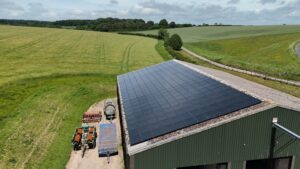
The cost depends on the number of panels, roof construction, access, electrical work, inverter requirements and any battery storage included. A site survey is necessary before an accurate quotation can be prepared.
The timescale varies according to the size and complexity of the system. Planning considerations, structural work and network approval can also affect the schedule. Save Energy UK can provide a clearer programme after assessing the premises.
A commercial tenant will usually need the property owner’s consent before altering the roof or electrical infrastructure. The lease should also be reviewed to establish responsibility for maintenance, insurance and reinstatement.
Installing solar panels on industrial units in Bournemouth can help businesses reduce electricity costs, make better use of existing roof space and support long term environmental goals. However, the value of an installation depends on intelligent design and an accurate understanding of the premises.
Save Energy UK can assess your industrial unit, examine its energy consumption and design a commercial solar system around the needs of your business. The team supports organisations throughout Bournemouth, Poole, Christchurch and wider Dorset.
Contact Save Energy UK today to arrange a free commercial solar survey and request a tailored quotation for your industrial property.