Over 20 years as your solar system specialists
"We pride ourselves on good products, good pricing and good backup service"
Tel: 01202 986262
Supporting


For homeowners living in listed buildings, the idea of installing solar panels often raises an immediate and understandable question. Is it even allowed? With the growing importance of renewable energy and rising energy costs, many owners of historic properties want to do their part without falling foul of planning law or harming the character of their home.
The short answer is that solar panels can be installed on listed buildings in the UK, but they are subject to stricter controls than standard residential properties. Understanding how the rules work is essential before taking the next step.
This guide explains the regulations clearly and calmly, helping homeowners in Dorset and across the UK understand what is possible, what consent is required, and how applications are assessed.
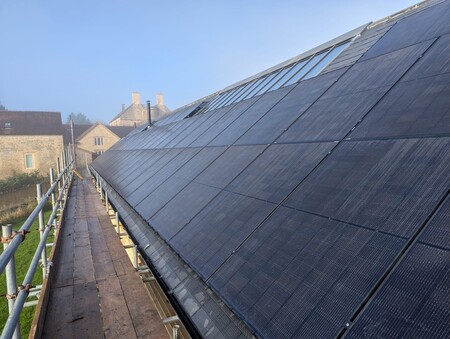
A listed building is a property recognised by the UK government as having special architectural or historic interest. These buildings are legally protected to ensure that their character is preserved for future generations.
There are three grades of listing.
Grade I buildings are of exceptional interest and represent a very small percentage of listed properties.
Grade II star buildings are particularly important and of more than special interest.
Grade II buildings are of special interest and make up the majority of listed homes across England.
If your property is listed, it means that any changes affecting its character, both internal and external, are carefully controlled.
Yes, solar panels can be allowed on listed buildings, but they are not automatically approved. Unlike most modern homes, listed buildings do not benefit from permitted development rights when it comes to solar installations.
This means that you will almost always need Listed Building Consent and in some cases planning permission as well. Approval depends on whether the proposed installation preserves the building’s historic character and whether the changes are considered reversible and proportionate.
Local councils are not opposed to renewable energy, even on historic buildings, but they must balance environmental benefits against heritage protection.
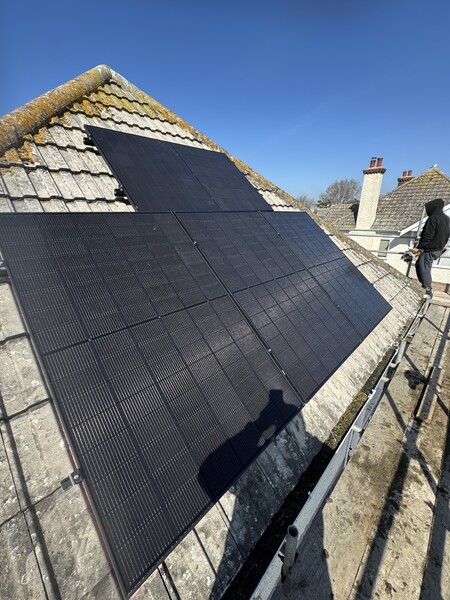
One of the most common points of confusion is the difference between planning permission and Listed Building Consent.
Planning permission relates to how a development affects the wider area, including visual impact and local amenity.
Listed Building Consent focuses specifically on the building itself and whether the proposed works would alter its historic or architectural significance.
For listed buildings, Listed Building Consent is almost always required for solar panels, even if planning permission is not. Installing panels without consent is a criminal offence, so it is essential to follow the correct process.
Local planning authorities assess applications using national planning policy alongside guidance from Historic England. Each case is judged on its own merits, but there are common considerations.
Councils will look closely at the visibility of the panels, particularly from public viewpoints. Front facing roof slopes are more likely to raise concerns than rear or hidden elevations.
They also assess whether the installation would permanently damage historic materials. Proposals that are reversible and avoid cutting or altering original features are viewed far more favourably.
The overall significance of the building plays a role as well. Higher grade listings are subject to closer scrutiny, although approval is still possible with a sensitive design.
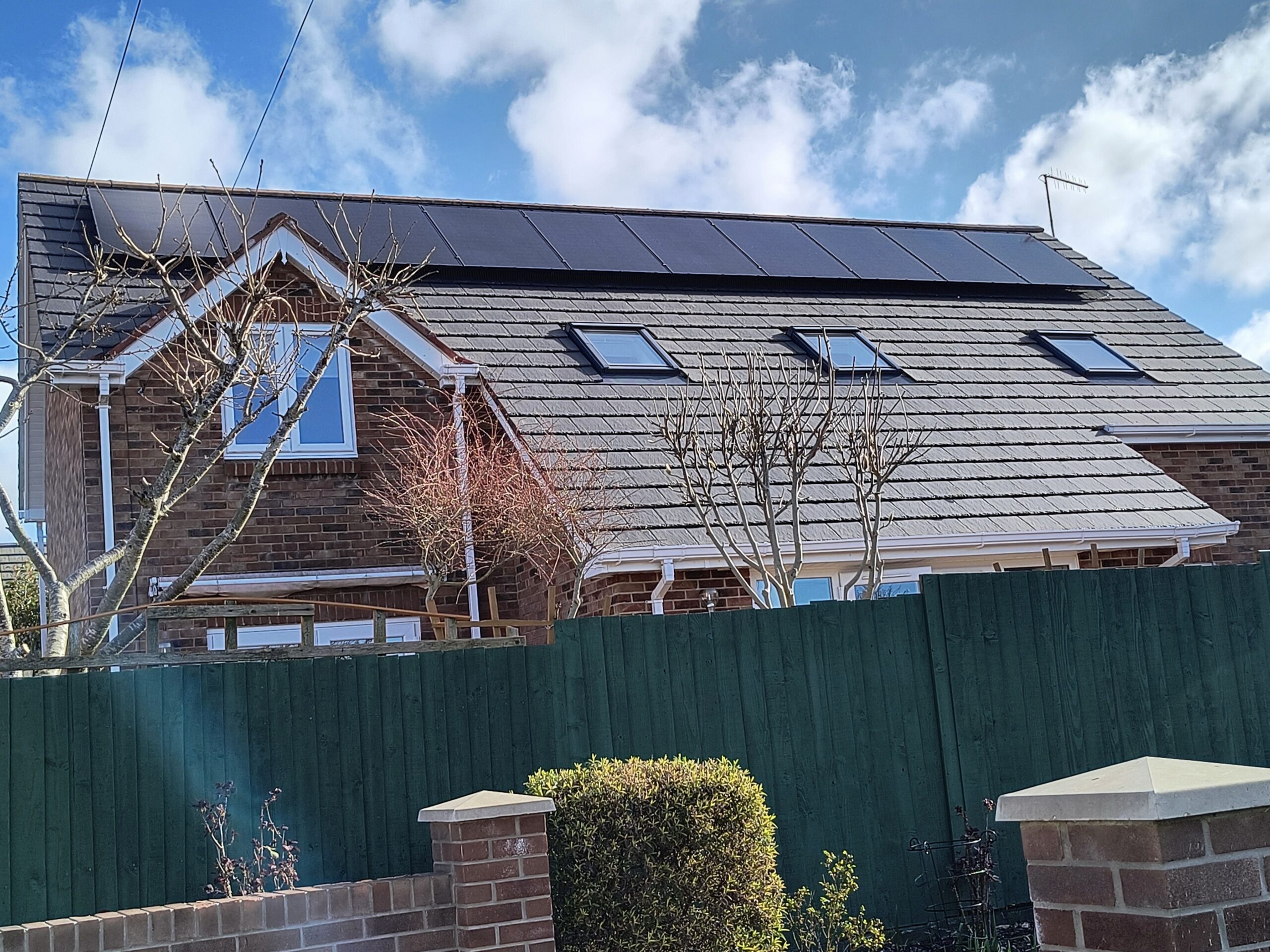
While traditional roof mounted panels may be challenging in some cases, there are several options that are often more acceptable.
Rear facing roof installations that are not visible from the street are commonly approved, especially on Grade II properties.
Ground mounted solar panels within the property boundary can be a strong alternative where space allows, as they avoid altering the building fabric altogether.
Solar slates and other heritage style systems are increasingly popular. These sit flush with the roof and closely resemble traditional materials, significantly reducing visual impact.
Each solution must still be assessed individually, but careful design dramatically improves the chances of success.
In Dorset, local authorities are generally supportive of renewable energy, provided heritage assets are respected. Conservation areas, coastal views, and historic streetscapes can all influence decisions.
Early engagement with both a solar specialist and the local council is strongly recommended. Many applications succeed because potential issues are identified and resolved before submission.
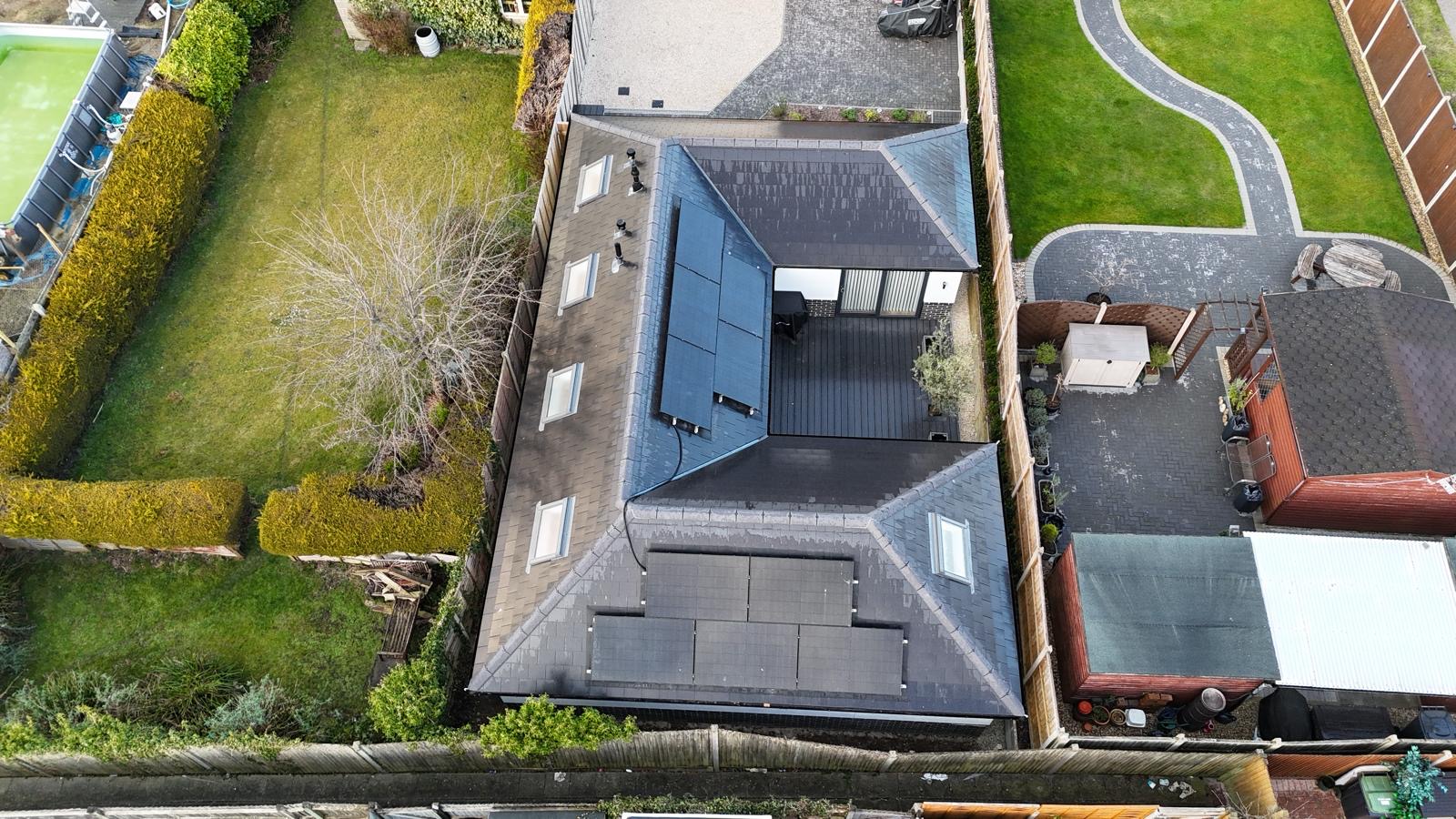
Refusals usually occur when proposals are visually intrusive, affect prominent elevations, or involve irreversible changes to historic fabric.
Applications are also more likely to fail when insufficient detail is provided. Councils expect clear drawings, heritage statements, and an explanation of why the chosen solution is the least harmful option.
Working with an experienced installer who understands listed building consent can make a significant difference.
Not necessarily. Many applications are approved each year, particularly where panels are discreetly positioned or alternative solutions such as solar slates are used.
No. Listed buildings always require Listed Building Consent, regardless of visibility.
Often yes, as they integrate more naturally with traditional roofing materials and reduce visual impact.
While national policy applies across England, local authorities do have discretion, which is why professional advice and local knowledge are so important.
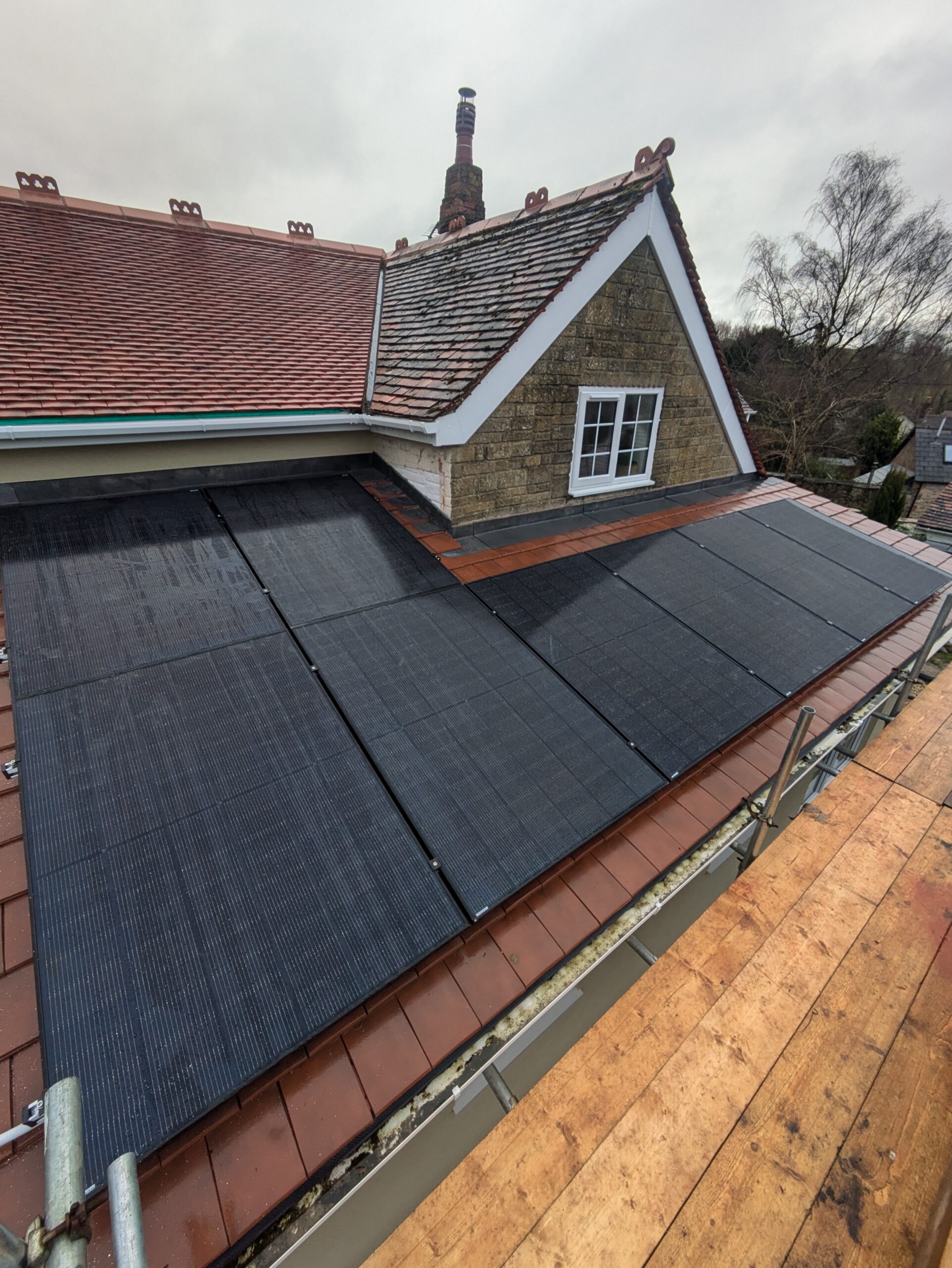
Owning a listed building does not mean you have to rule out renewable energy. With the right approach, solar panels and other low carbon solutions can be installed in a way that respects heritage while reducing energy bills and environmental impact.
If you are considering solar panels for a listed building in Dorset or elsewhere in the UK, speaking to an experienced specialist before approaching your local planning authority can save time and uncertainty. Save Energy UK offers clear, practical guidance to help homeowners understand their options and move forward with confidence.