Over 20 years as your solar system specialists
"We pride ourselves on good products, good pricing and good backup service"
Tel: 01202 986262
Supporting


Energy costs remain one of the most pressing concerns for businesses across England. From manufacturing units in Dorset to office developments across the South West, rising electricity prices and mounting sustainability obligations are forcing directors to reassess how their power is sourced and financed. Commercial solar panels offer a credible and increasingly compelling solution. The question is not whether solar makes sense, but whether it is wiser to lease or to buy.
For many organisations the decision rests upon capital allocation, tax efficiency, cash flow priorities and long term strategy. Each route carries distinct financial and operational implications. This guide sets out a clear and considered comparison to help businesses in Dorset and surrounding areas determine which approach best aligns with their commercial objectives.
Before examining finance structures, it is worth recognising why commercial solar panels have become such an attractive investment.
Electricity prices in the United Kingdom have risen sharply in recent years, and volatility remains a concern. By generating electricity on site, businesses can reduce reliance on the grid and protect themselves from future price shocks. A well designed commercial system can reduce electricity bills by a significant margin, often between thirty and sixty per cent depending on usage patterns.
For many Dorset businesses, particularly those operating warehouses, hospitality venues, agricultural facilities or office parks, roof space is underutilised. Installing commercial solar panels transforms that unused asset into a productive energy source.
In addition to financial savings, solar generation supports environmental commitments and strengthens a company’s public profile. Increasingly, clients and supply chains favour partners who demonstrate credible sustainability credentials.
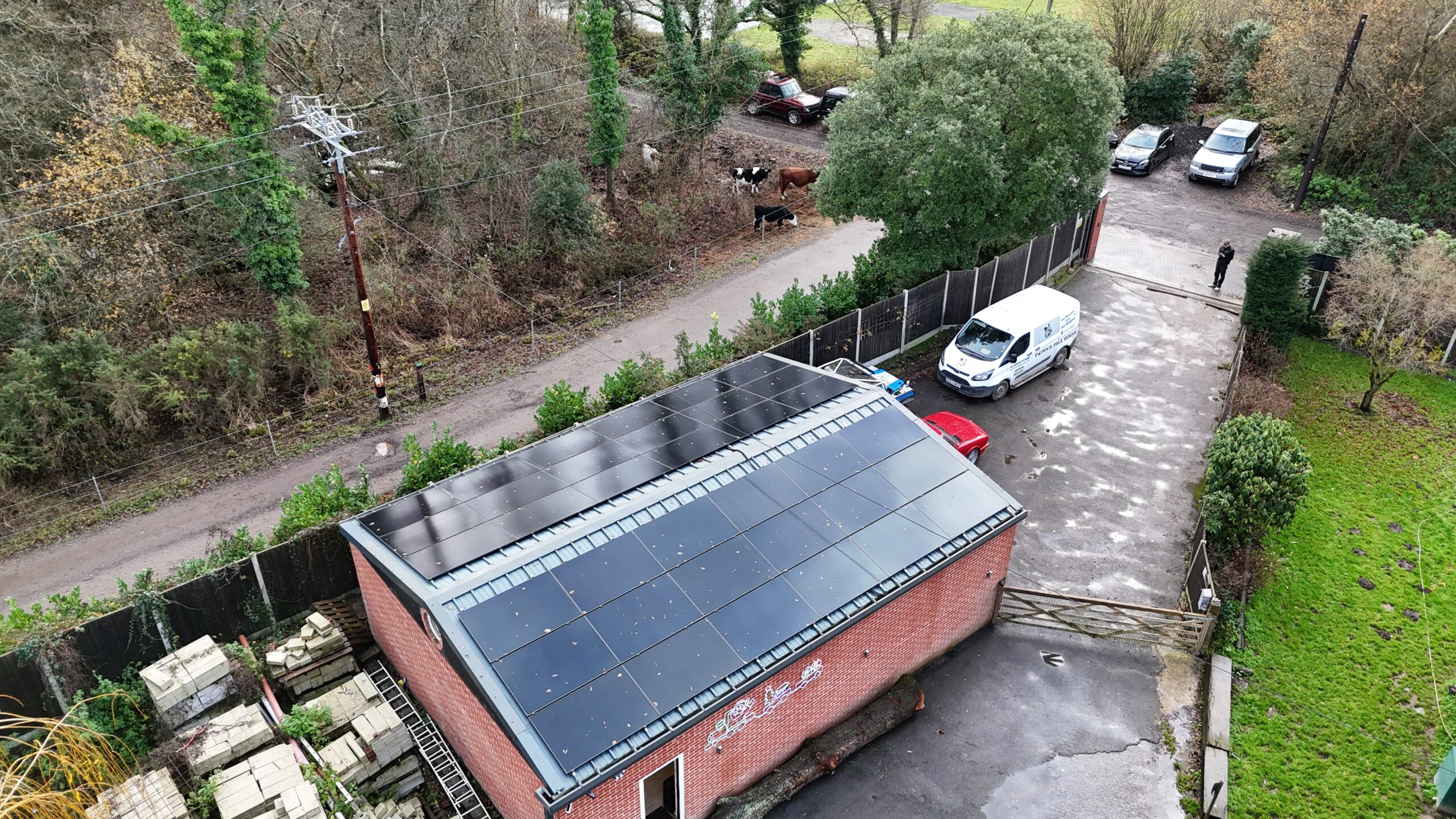
Purchasing commercial solar panels outright involves paying the full installation cost upfront, either from retained profits or financed through a loan or asset finance agreement.
System costs vary according to size and complexity. As a broad guide:
A small commercial system of around fifty kilowatts may cost between forty five thousand and sixty thousand pounds
A medium sized system of one hundred to two hundred kilowatts may range from ninety thousand to one hundred and eighty thousand pounds
Larger industrial installations will scale accordingly
While the capital requirement is significant, the financial return can be equally substantial.
For many Dorset businesses with strong daytime electricity usage, payback periods commonly fall between four and seven years. After this point, electricity generated is effectively free aside from minimal maintenance costs.
Given that commercial solar panels typically have a lifespan exceeding twenty five years, the long term return can be considerable. Internal rates of return frequently outperform traditional low risk investments.
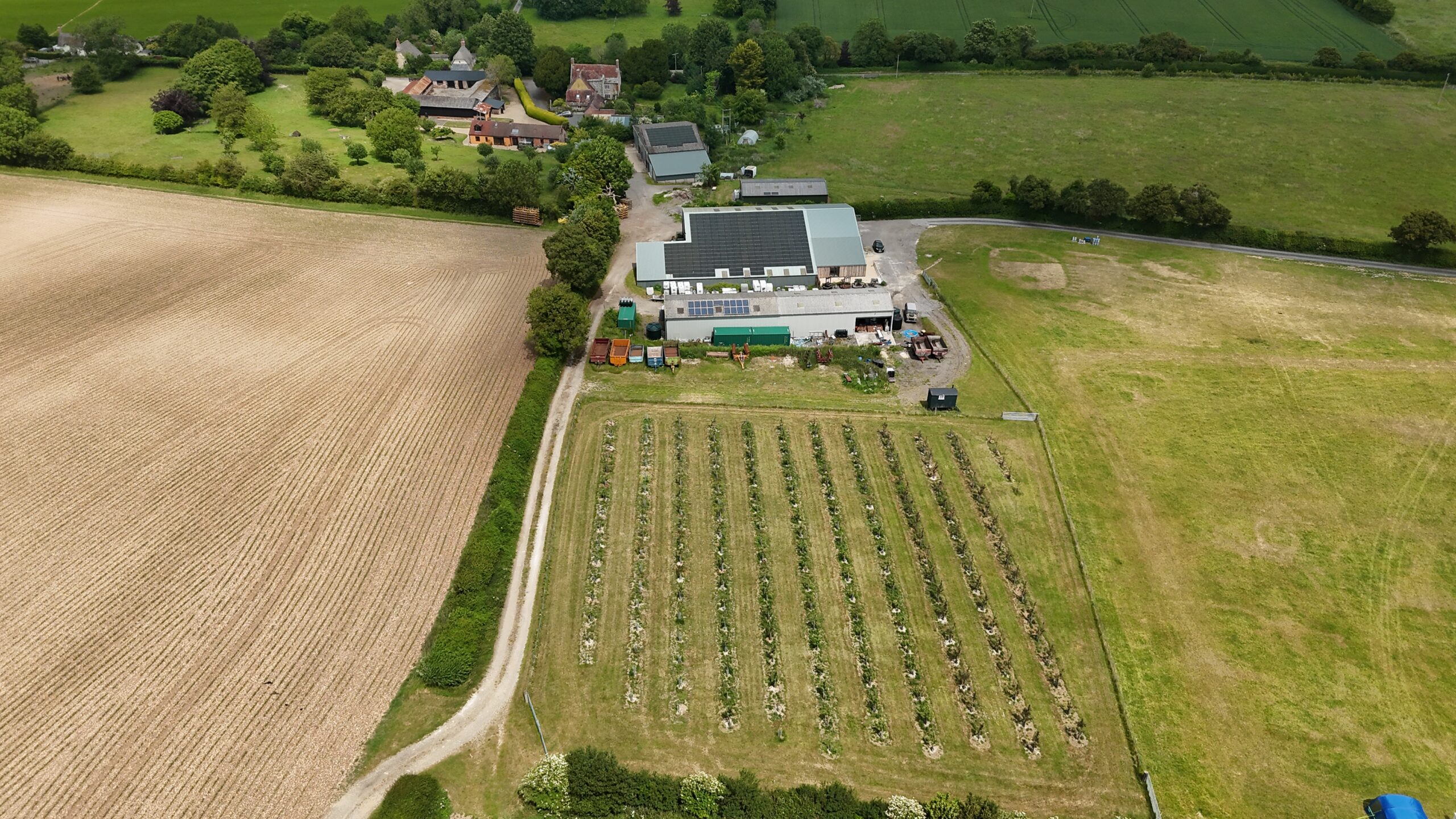
One of the most compelling arguments for purchasing is tax efficiency. Under current United Kingdom tax rules, businesses may claim capital allowances on qualifying plant and machinery. The Annual Investment Allowance enables many firms to deduct the full cost of solar equipment from taxable profits in the year of purchase, subject to prevailing limits.
This can materially reduce corporation tax liability in the first year, improving overall project economics. For up to date guidance, businesses should consult official information published on GOV.UK.
Owning commercial solar panels means the system becomes a company asset. It can enhance the value of commercial premises and strengthen sustainability credentials. From a balance sheet perspective, the investment is treated as capital expenditure and depreciated over time.
For organisations with healthy cash reserves or access to competitive finance, ownership often delivers the strongest long term financial outcome.
Leasing removes the need for substantial upfront capital. Instead, a third party funds and installs the system, and the business pays either a fixed lease fee or purchases electricity generated at an agreed rate.
There are two common structures.
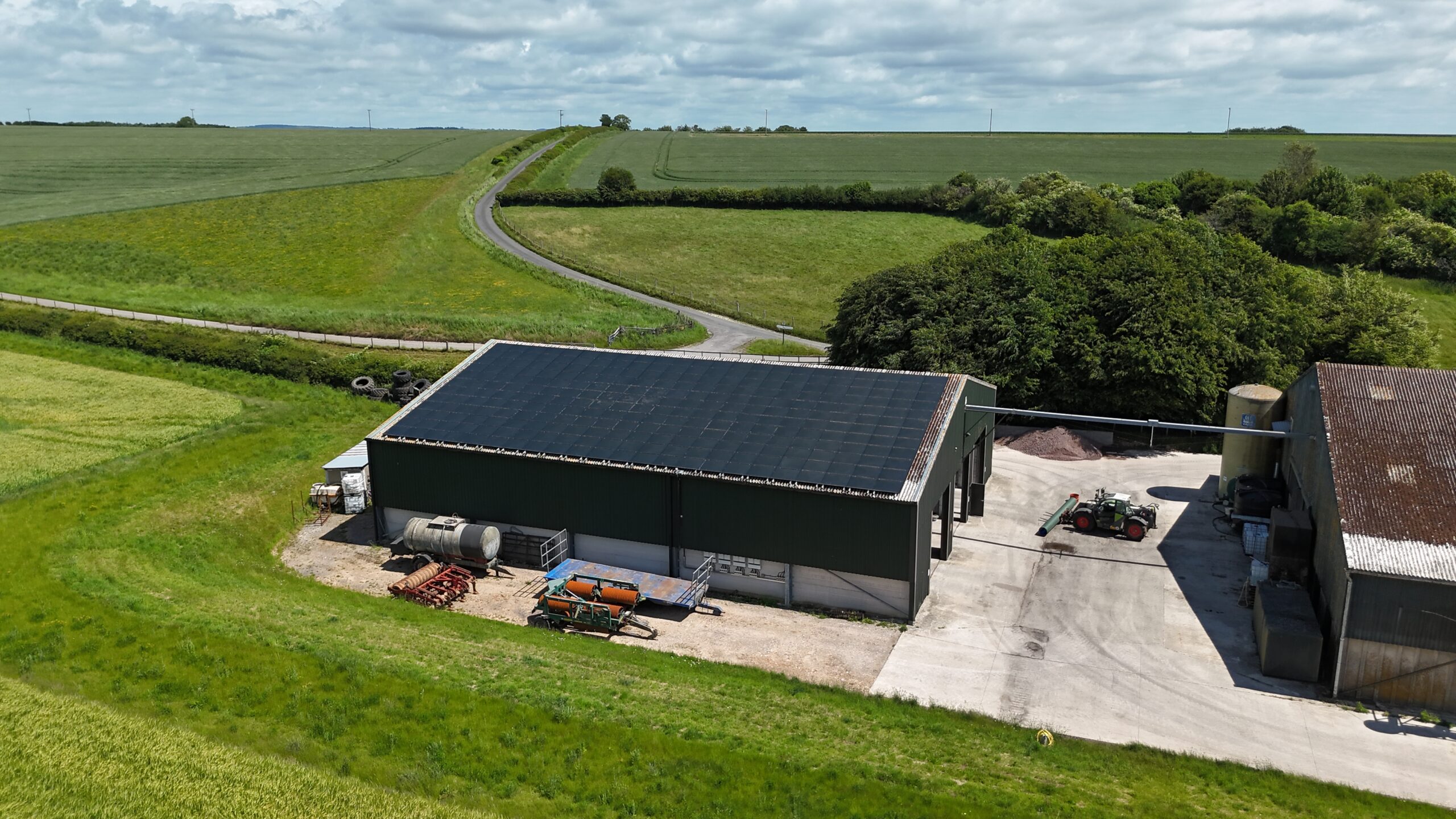
Under a Power Purchase Agreement, often referred to as a PPA, a provider installs commercial solar panels on the business premises at little or no upfront cost. The business then agrees to purchase the electricity produced at a predetermined rate, typically lower than grid prices.
This arrangement can deliver immediate savings without capital investment. However, long term savings are usually lower than under outright ownership.
Some organisations opt for asset finance or dedicated green business loans. These structures allow the business to spread the cost over several years while still retaining ownership.
Monthly repayments are offset against energy savings, easing pressure on cash flow while preserving the long term benefit of ownership.
Leasing arrangements are typically treated as operational expenditure rather than capital expenditure. For businesses seeking to conserve capital for expansion, recruitment or other strategic investments, this can be advantageous.
However, over the full term of the agreement, total payments may exceed the cost of purchasing the system outright.

For small and medium sized enterprises in Dorset, cash flow often determines the decision more than theoretical return.
Buying requires significant initial outlay but delivers higher savings over time. Leasing reduces immediate financial strain and provides predictable monthly costs, though the lifetime return may be lower.
A careful assessment of projected electricity usage, available capital and borrowing capacity is essential. Modelling should consider future energy price increases, as higher grid prices strengthen the case for ownership.
Commercial solar panels require minimal maintenance. Occasional inspections and inverter servicing are typically sufficient.
Under a lease or PPA, maintenance responsibilities are often retained by the provider. With ownership, responsibility lies with the business, though many companies choose to engage a specialist for ongoing support.
In practice, maintenance costs represent a small fraction of overall savings.
There is no universal answer.
Businesses with strong balance sheets, stable premises and long term operational plans often benefit most from purchasing commercial solar panels outright. The tax advantages, superior lifetime returns and asset ownership provide compelling value.
Conversely, companies prioritising liquidity or operating from leased premises may prefer a leasing structure or PPA. This approach allows immediate participation in renewable energy without significant capital exposure.
Each site is unique. Roof structure, energy profile, export potential and planning considerations all influence the optimal solution.

For many organisations, yes. Strong daytime energy consumption and rising electricity costs mean commercial solar panels can deliver attractive financial returns and environmental benefits.
Typical payback periods range from four to seven years depending on system size, usage and available tax allowances.
Leasing requires less upfront capital and can produce immediate savings. However, buying usually delivers greater total savings over the lifespan of the system.
Yes. Under current rules, qualifying businesses may claim capital allowances, including the Annual Investment Allowance, subject to prevailing legislation.
The decision to lease or buy commercial solar panels rests upon financial priorities, tax position and long term strategy. Both routes can reduce energy costs and strengthen sustainability credentials for businesses across Dorset and surrounding areas.
Ownership typically yields the highest lifetime return and valuable tax advantages. Leasing offers flexibility and preserves capital. The most prudent course is to undertake a detailed site assessment and financial appraisal tailored to your organisation.
Save Energy UK provides independent, expert guidance to businesses throughout Dorset and the wider region. If you are considering commercial solar panels and would value a clear assessment of leasing versus purchasing for your premises, our team would be pleased to offer considered and practical advice.