Over 20 years as your solar system specialists
"We pride ourselves on good products, good pricing and good backup service"
Tel: 01202 986262
Supporting


As electric vehicle adoption continues to grow across the United Kingdom, more homeowners are beginning to think beyond simply owning one. A common and increasingly important question is whether solar panels can be used to charge an electric vehicle at home. On the surface, it seems like the perfect pairing. You generate clean electricity from your roof and use it to power your car, reducing both your energy bills and your carbon footprint.
At Save Energy UK, we regularly speak with homeowners across Dorset who are exploring this exact possibility. The reality is encouraging. Not only can solar panels charge your electric vehicle, but with the right setup, it can also be a highly efficient and cost effective solution over time. That said, understanding how it works and what is required is essential before making any decisions.

To begin with, it is helpful to understand how solar panels generate electricity and how that energy can be used within your home. Solar panels capture daylight and convert it into usable electricity. This electricity is then used to power your home appliances, and any surplus energy can be redirected or stored.
When it comes to charging an electric vehicle, the process is surprisingly straightforward. During daylight hours, your solar panels generate electricity which is first used within your home. If there is excess energy available, it can then be directed towards your home EV charger. As a result, your electric vehicle can be powered using renewable energy produced on your own property.
In addition, if you have battery storage installed, any unused electricity generated during the day can be stored for later use. This is particularly useful if you prefer to charge your vehicle overnight, as the stored solar energy can then be used instead of relying on the grid.
Naturally, many homeowners in Dorset and across the UK question whether solar panels are effective enough given our weather conditions. While it is true that the UK does not experience constant sunshine, modern solar technology is designed to perform efficiently even in overcast conditions.
Solar panels do not require direct sunlight to function. Instead, they generate electricity from daylight, which means they continue to produce energy even on cloudy days. Although output levels will vary throughout the year, the overall annual generation remains strong enough to make a noticeable difference.
For example, during the summer months, solar panels often generate more electricity than a household needs. This surplus can be used to charge your electric vehicle or stored for later use. In contrast, during winter, output is lower, but it still contributes to reducing your reliance on grid electricity. Therefore, while solar charging may not cover one hundred per cent of your needs year round, it can significantly offset your energy usage.
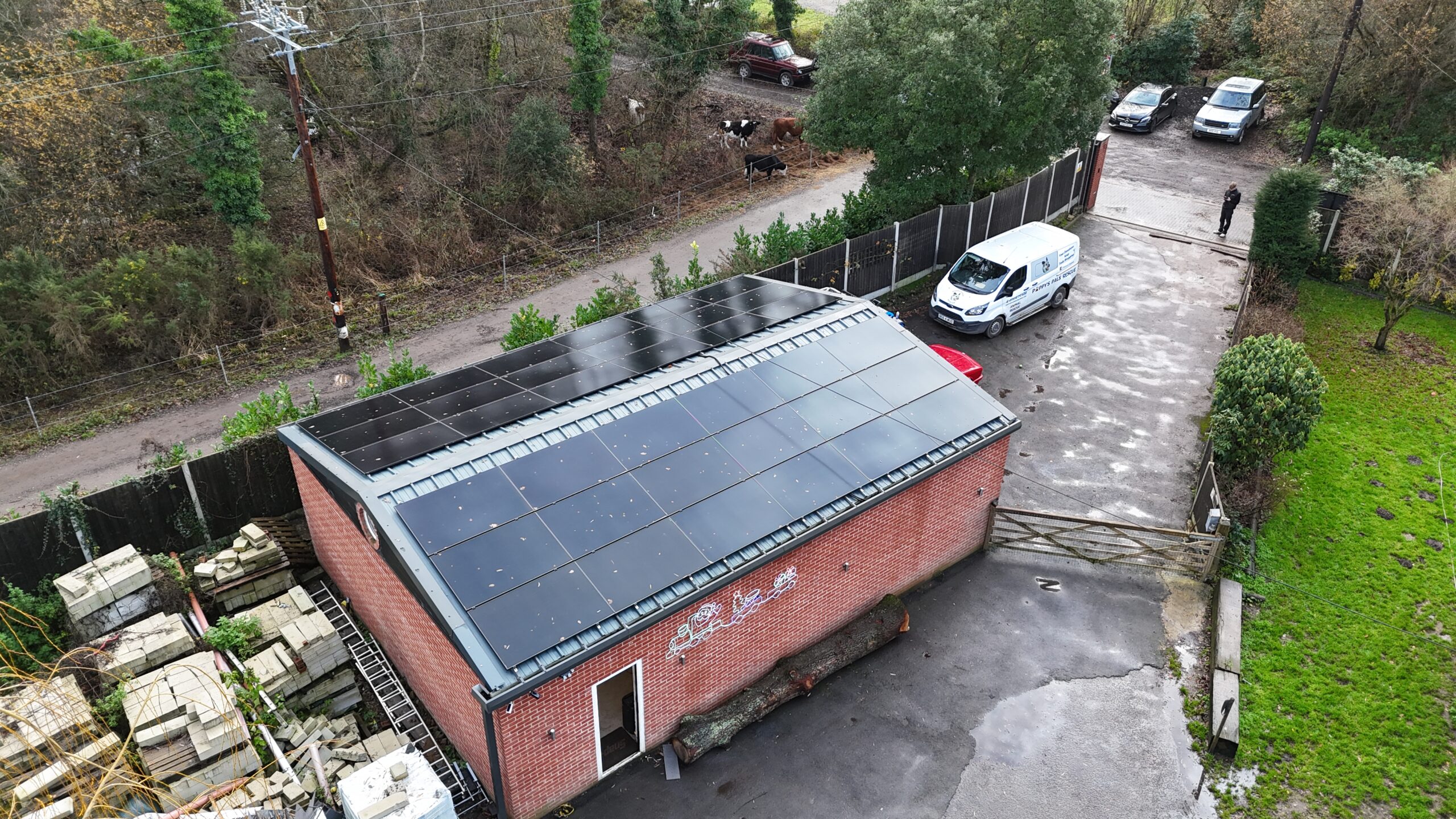
If you are considering charging your electric vehicle with solar panels, it is important to understand the key components involved. A complete system includes several elements working together to maximise efficiency.
Firstly, solar panels are installed on your roof to generate electricity. The size of the system will depend on your energy usage and how much of your electric vehicle charging you wish to cover.
Secondly, an inverter is required to convert the electricity generated by the panels into a usable form for your home. Without this, the energy produced cannot be used effectively.
In addition, a dedicated home ev charger is essential. This allows you to charge your vehicle safely and efficiently. Some advanced chargers can even prioritise solar energy, ensuring that your electric vehicle uses as much renewable power as possible.
Finally, while not mandatory, battery storage can make a significant difference. Systems such as the Tesla Powerwall allow you to store excess solar energy generated during the day and use it later. This is particularly beneficial for evening or overnight charging and can dramatically improve the overall efficiency of your system.
When considering solar panels and electric vehicle charging, cost is naturally one of the most important factors. While the initial investment can seem substantial, it is important to look at the long term financial picture.
Installing solar panels, along with optional battery storage and a home EV charger, involves upfront costs. However, these costs are often offset over time through reduced electricity bills. By generating your own energy, you rely less on your energy supplier, which can protect you from rising energy prices.
Charging an electric vehicle using grid electricity can become expensive over time, particularly as energy costs fluctuate. In contrast, using solar energy allows you to significantly reduce these running costs. Over several years, many homeowners find that their system effectively pays for itself.
Furthermore, properties with renewable energy systems are often more attractive to buyers, which can increase the overall value of your home.
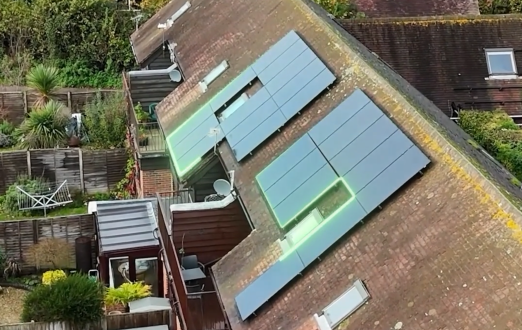
There are several clear advantages to using solar panels to charge your electric vehicle at home. Not only does it make financial sense, but it also supports a more sustainable lifestyle.
One of the most significant benefits is the reduction in running costs. By using energy generated from your own solar panels, you reduce the amount of electricity you need to purchase from the grid.
In addition, solar energy is clean and renewable. Charging your electric vehicle in this way further reduces your environmental impact, making your transport even more sustainable.
Another important benefit is energy independence. By producing and storing your own electricity, you are less affected by changes in energy prices. This provides greater control over your household energy usage.
Finally, installing solar panels alongside an EV charging solution helps future proof your home. As electric vehicles become more common, having an integrated system in place can make your property more appealing in the long term.
While the advantages are compelling, it is important to approach solar EV charging with realistic expectations. Like any energy system, there are certain limitations to consider.
Solar energy generation varies throughout the year, meaning you may still need to rely on grid electricity during periods of lower output. Additionally, the effectiveness of your system will depend on factors such as roof orientation, available space, and shading.
There is also an initial investment required, which may not suit every budget immediately. However, with careful planning and expert guidance, these challenges can be managed effectively.
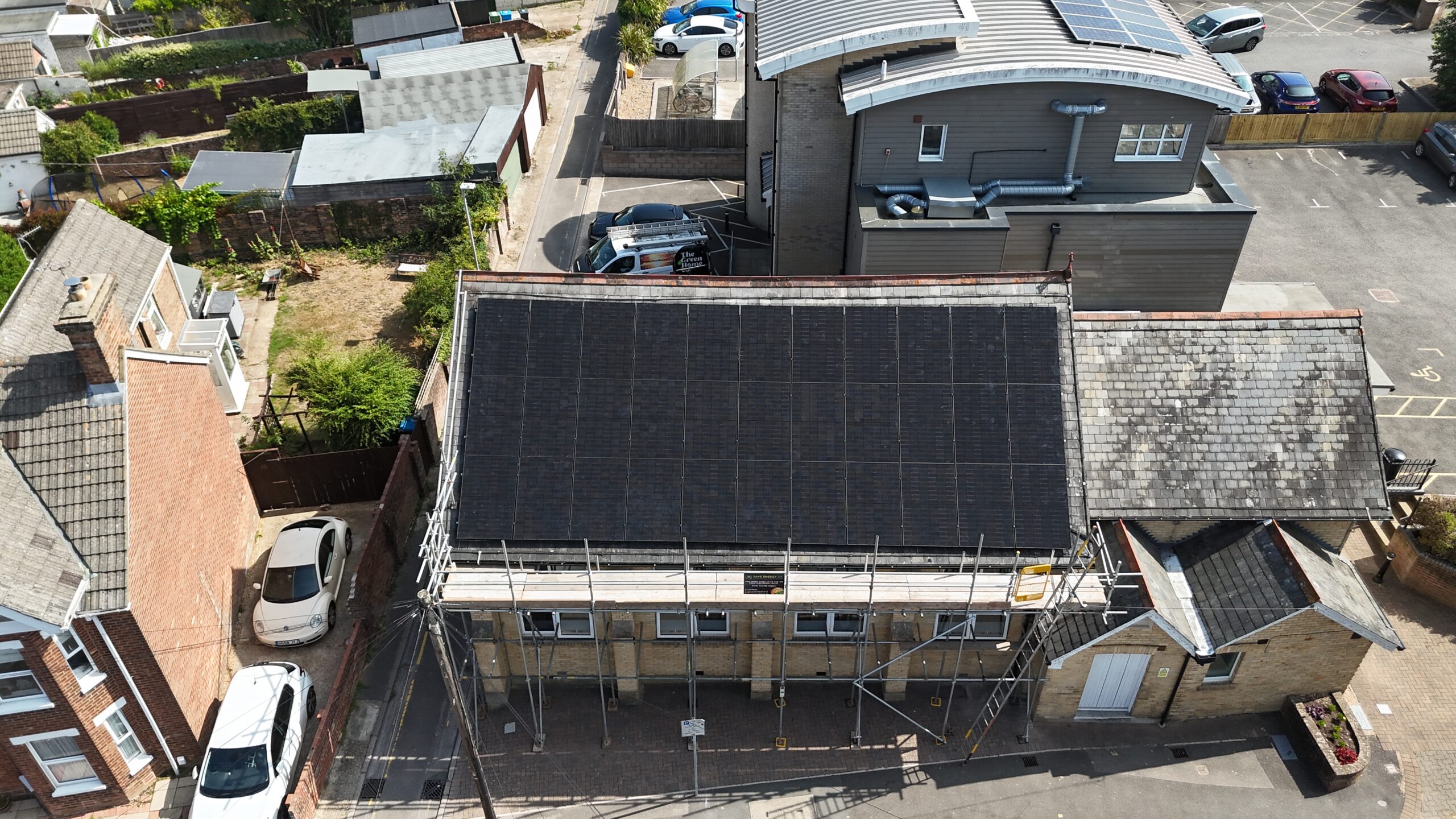
For homeowners in Dorset, solar panels offer a particularly attractive opportunity. The region benefits from a good balance of daylight throughout the year, making solar energy a viable and reliable option.
With the right system in place, you can generate your own electricity, charge your electric vehicle using renewable energy, and significantly reduce your reliance on the grid. Over time, this can lead to meaningful savings and a more sustainable way of living.
At Save Energy UK, we specialise in helping homeowners across Dorset design and install systems that are tailored to their specific needs. Whether you are just starting to explore solar panels or looking to integrate EV charging into your home, expert advice can make all the difference.
Yes, in many cases they can. However, this depends on the size of your solar panel system, your energy usage, and whether you have battery storage.
No, but it is highly recommended. Battery storage allows you to use solar energy even when your panels are not actively generating electricity.
Yes, despite the weather, solar panels in the UK can generate enough energy over the course of a year to make EV charging both practical and cost effective.
Savings will vary depending on your system and usage, but many homeowners see a significant reduction in their electricity bills over time.

If you are considering solar panels and want to explore whether they can power your electric vehicle at home, Save Energy UK is here to help. As a trusted local specialist in Dorset, we provide tailored advice, high quality installations, and ongoing support to ensure you get the most from your investment.
Get in touch today to request a free quote, speak with our team, or submit an enquiry through our contact form. Your journey towards cleaner, more affordable energy starts here.