
Call us today
01202 986262
If you are considering installing solar panels, you may be wondering whether the British weather makes them a worthwhile investment. After all, the UK experiences plenty of cloudy days, shorter winter daylight hours and the occasional spell of snow.
The reassuring answer is that solar panels work throughout the year. They continue generating electricity during winter and can produce power when the sky is cloudy. However, the amount of electricity they generate will naturally change according to the available daylight, the position of the sun and the design of your solar panel system.
A professionally designed system will account for these seasonal variations from the outset. At Save Energy UK, we design and install bespoke solar panel and battery storage systems for homes throughout the South of the UK.
If you would like to understand how much electricity solar panels could generate at your property, contact Save Energy UK for a free, tailored quotation.
Yes, solar panels work in winter. Solar photovoltaic panels generate electricity from sunlight rather than heat, which means they do not require hot weather to operate.
When sunlight reaches the solar cells within a panel, it creates an electrical current. The inverter then converts this electricity into a form that can be used by appliances throughout your home.
Solar panels can therefore continue generating electricity on bright winter days, even when the temperature is very low. In fact, solar cells can operate efficiently in cooler conditions. Excessively high temperatures can reduce the efficiency of solar panels, so cold weather is not necessarily a disadvantage.
However, solar panel output is generally lower during winter. This is primarily because winter days are shorter and the sun sits lower in the sky. Your panels have fewer daylight hours in which to generate electricity, while cloud cover and shading can reduce the amount of sunlight reaching them.
The important distinction is that cold weather does not prevent solar panels from working. Reduced winter generation is largely caused by lower levels of available sunlight.
The amount of electricity your solar panels generate during winter will depend on several factors, including:
Solar generation changes throughout the year, so it is important to consider anticipated annual performance rather than judging a system by an individual winter day.
A correctly prepared solar quotation should provide an estimated annual generation figure based on the characteristics of your property. This gives you a far more useful picture of the potential value of solar panels than relying on general national averages.
Save Energy UK carries out a detailed assessment before recommending a system. We consider your roof, electricity consumption and future energy requirements to create a design suited to your home.
Request a free solar panel quote to discover what your property could generate.
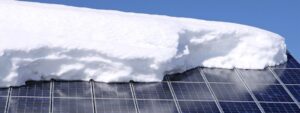
Solar panels continue generating electricity when it is cloudy because daylight still reaches the surface of the panels. Direct, bright sunlight usually produces the strongest output, but solar panels do not stop working simply because the sun has moved behind a cloud.
Output will normally be lower during heavily overcast weather because less sunlight reaches the solar cells. The precise reduction will vary according to the thickness of the cloud, the season, the time of day and the efficiency of the system.
This is why solar panels remain a practical option in the UK. Although Britain may not experience the same climate as southern Europe, there is still sufficient daylight to generate a meaningful amount of renewable electricity over the course of the year.
Modern solar panels are designed to produce electricity in a range of daylight conditions. Choosing efficient panels and arranging them carefully can help maximise the available generation from your roof.
Solar panels continue working when it rains, although generation is usually lower because rain is often accompanied by dense cloud.
Rain can also provide a modest maintenance benefit. On suitably angled panels, it may wash away some loose dust and surface debris that could otherwise restrict the amount of light reaching the solar cells.
However, rainfall should not be treated as a substitute for maintenance. Bird droppings, leaves, lichen and stubborn dirt may remain on the panels. Your system monitoring can help identify an unexplained fall in performance, while a professional inspection can determine whether cleaning or maintenance is required.
Never attempt to access a roof or clean rooftop panels without suitable training and safety equipment.
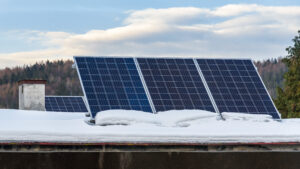
Light snow may have a limited effect, particularly if sections of the panels remain exposed. However, a thick and continuous covering of snow can temporarily restrict generation by preventing sunlight from reaching the solar cells.
In many parts of southern England, heavy snow is relatively uncommon and usually remains for a limited period. Solar panels are also installed at an angle, which can help snow slide away as conditions change.
You should not climb onto your roof to remove snow from solar panels. The risk of falling or damaging the panels is considerably more serious than the value of the electricity temporarily lost.
Once the snow has cleared and daylight reaches the panels again, the system should resume generating electricity normally.
A solar battery storage system can help you use a greater proportion of the electricity generated by your solar panels.
Without a battery, solar electricity must either be used as it is generated or exported to the electricity network. A battery can store surplus electricity for later, allowing you to use it during the evening or when household demand exceeds current solar generation.
During winter, there may be fewer occasions when your panels produce a large surplus. However, a suitable battery can still form an important part of a carefully designed home energy system.
Depending on the battery, your electricity tariff and the system configuration, you may also be able to charge the battery from the grid during less expensive periods. You can then use the stored electricity when grid prices are higher. The financial benefit will depend on your tariff, energy consumption and chosen equipment.
Save Energy UK supplies a selection of modern battery storage systems, including Tesla Powerwall 3 and EcoFlow PowerOcean solutions. Our team can explain which options are compatible with your property and how battery storage could support your energy goals.
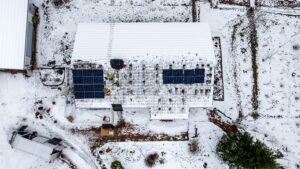
Solar panels can be a worthwhile investment for UK homeowners who want to reduce their reliance on electricity purchased from the grid.
The value of a system will depend on several individual factors. These include the installation cost, system size, roof suitability, household electricity consumption, future energy prices and how much generated electricity you use within the home.
You may be able to improve the value of your system by:
There is no universal solar panel system that is right for every home. A household with high daytime electricity use may require a different solution from a household that is usually empty during the day.
For this reason, Save Energy UK designs every system around the property and its occupants rather than offering a standard package.
The performance of a solar panel system begins with its design. Panel placement, roof orientation, shading and equipment selection can all influence how much electricity the system produces.
An unshaded south facing roof will often offer excellent generation, but east and west facing roofs can also be suitable. Panels installed across different roof orientations may generate electricity over a broader part of the day, which can complement some household usage patterns.
Before installation, Save Energy UK carries out a detailed technical survey to confirm measurements, inspect the roof and review the electrical system. Our designers can then recommend an appropriate combination of solar panels, inverter technology and battery storage.
Once installation is complete, system monitoring allows you to see how much electricity your panels are producing. Understanding when your system generates the most energy can help you adjust the times at which you use washing machines, dishwashers, electric vehicle chargers and other appliances.
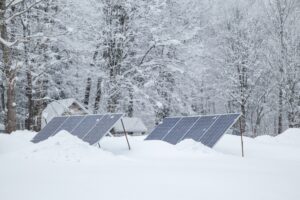
Save Energy UK has been designing and installing solar energy systems since 2005. From our base in Poole, Dorset, we serve homeowners and businesses throughout the South of the UK.
We provide a complete service covering consultation, bespoke system design, technical surveys, professional installation, handover and continuing aftercare.
Customers choose Save Energy UK because we offer:
Our aim is to recommend an energy system that suits your property, consumption and priorities. We will explain the available options clearly and help you make an informed decision without relying on unrealistic promises about performance.
No. Solar panels can generate electricity from daylight and will continue working when the sky is cloudy. However, they usually produce more electricity in strong, direct sunlight.
No. Solar panels generate electricity from sunlight rather than heat. Cold temperatures do not prevent them from operating, although shorter winter days result in less generation overall.
Solar panels generally produce the most electricity during spring and summer because the days are longer and the sun is higher in the sky. However, they continue contributing to your household electricity throughout autumn and winter.
This depends on the size of your system, the weather and how much electricity your household uses. You may still need electricity from the grid, particularly during evenings and periods of low winter generation.
Yes. A compatible battery can store surplus solar electricity for use later. Battery capacity should be selected according to your generation, consumption and energy goals.
A professional solar survey can assess your roof, orientation, available space, shading and electrical installation. Save Energy UK can then prepare a bespoke design and quotation for your property.
Solar panels work in winter, on cloudy days and throughout the changing British seasons. Although output naturally rises and falls with available daylight, a carefully designed system can generate valuable renewable electricity across the year.
The best way to determine whether solar panels are right for your home is to obtain an assessment based on your property and actual energy consumption.
Contact Save Energy UK to discuss solar panels, battery storage and complete home energy systems. Call us on 01202 986262 or request your free quotation online.