Over 20 years as your solar system specialists
"We pride ourselves on good products, good pricing and good backup service"
Tel: 01202 986262
Supporting


Installing solar panels is one of the most effective ways to save electricity, reduce energy bills, and invest in long term energy efficiency solutions. For homeowners and businesses across the UK, solar energy has become an increasingly attractive option, but one of the most common questions we hear is simple and entirely reasonable: how long does it actually take to install solar panels?
The short answer is that the physical installation is usually much quicker than people expect. However, the full process involves several carefully managed stages to ensure your system is safe, compliant, and designed to perform efficiently for decades. Below, we explain the complete timeline from first enquiry to final switch on, drawing on our experience installing solar panels on homes and commercial properties throughout the UK.
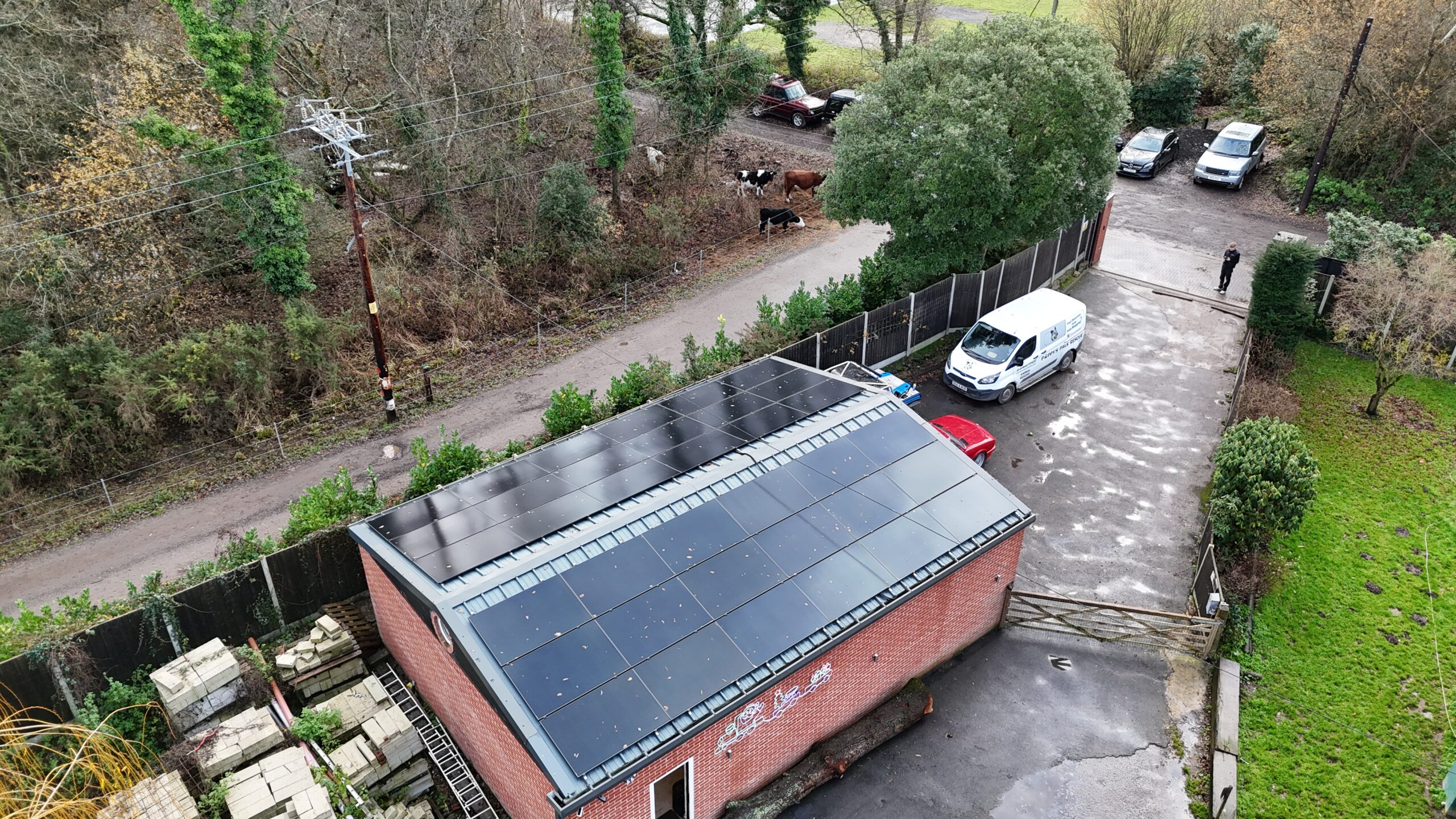
The process begins with an initial conversation. At this stage, we discuss your property, your energy usage, and what you hope to achieve by switching to solar energy. For homeowners, this often centres on lowering electricity bills and reducing reliance on the grid. For businesses, the focus may be on long term cost control, sustainability targets, and commercial solar return on investment.
This first step usually takes very little time. In most cases, the consultation can be completed within a day or two of your enquiry. It allows us to determine whether solar panels are suitable for your property and what size system may be required.
Once you decide to proceed, the next stage is the site survey. This is a crucial part of the solar panel installation process. During the survey, we assess roof orientation, roof structure, shading, available space, and electrical infrastructure. For commercial solar installation projects, this stage may also include load assessments and future expansion considerations.
A residential site survey typically takes less than an hour on site. Commercial surveys can take longer depending on the size and complexity of the building.
After the survey, we design a system tailored to your property. This includes selecting suitable solar panels, inverters, and solar batteries if required. System design usually takes a few days, as accuracy at this stage ensures optimal performance and long term reliability.
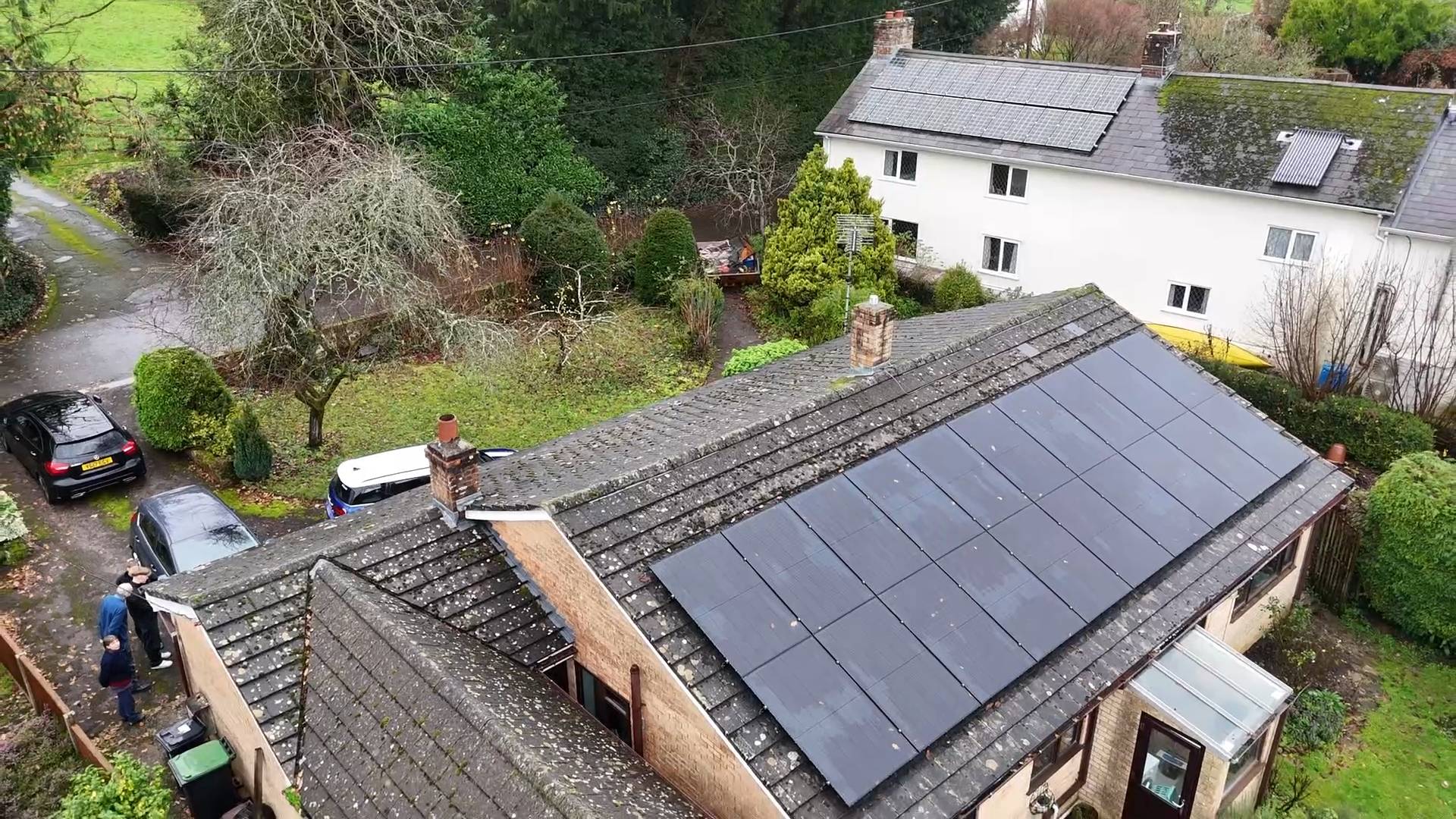
Many homeowners are pleased to learn that solar panels can often be installed under permitted development rights. In these cases, no formal planning application is required, which keeps the timeline moving smoothly.
However, there are situations where planning permission may be needed, such as listed buildings or properties in conservation areas. Commercial solar projects are also more likely to require additional approvals. If planning permission is required, this can add several weeks to the process, depending on local authority timescales.
Alongside planning considerations, all systems must comply with UK regulations. We ensure installations meet MCS certification standards and handle Distribution Network Operator approval where required. This compliance stage typically runs in parallel with system design and does not usually cause delays for standard residential installs.
Once approvals are in place and equipment has been ordered, installation can be scheduled. For most homes, this happens within a few weeks of the survey, subject to availability and weather conditions.
Commercial solar installation timelines vary more widely. Larger systems may require phased scheduling, access planning, and coordination with on site teams. Even so, careful preparation ensures installation proceeds efficiently once work begins.
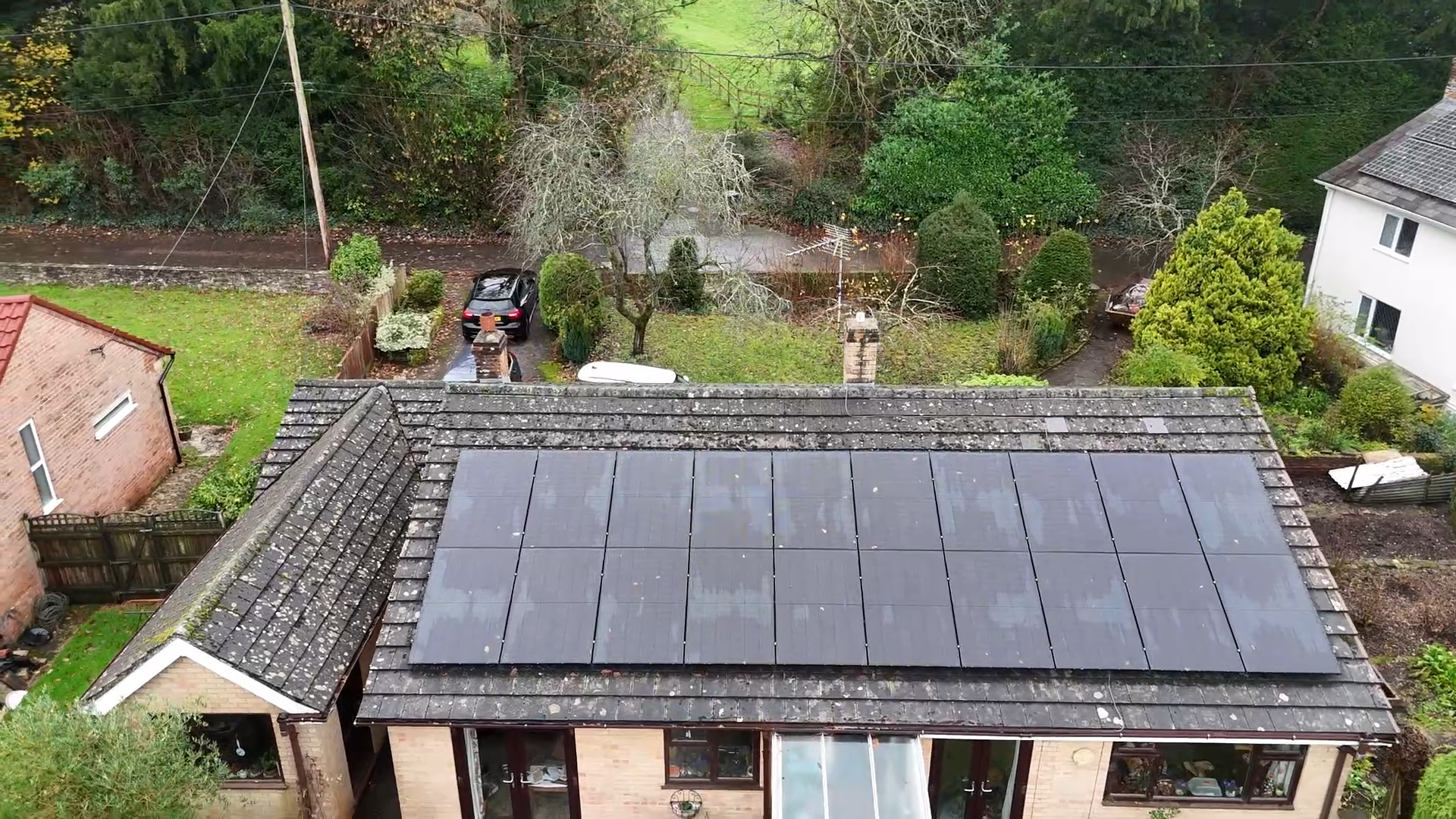
The installation itself is often surprisingly quick. For a typical residential system, installing solar panels on a home usually takes one to two days.
On the first day, scaffolding is erected if required, mounting systems are installed, and panels are secured to the roof. Electrical wiring is carefully routed and connected to the inverter. If solar batteries are included, these are typically installed indoors, often in a garage or utility space.
The second day, if needed, focuses on final electrical connections, system testing, and ensuring everything operates exactly as it should. In many cases, smaller systems can be completed in a single day.
Commercial solar projects naturally take longer due to their scale. A small commercial system may take several days, while larger installations can take a few weeks. Factors such as roof size, structural requirements, and operational constraints all influence timing.
Despite the longer installation period, businesses often find the disruption minimal. Work is planned carefully to avoid interfering with daily operations wherever possible. The result is a system capable of delivering significant long term savings and supporting wider energy efficiency solutions.
If your system includes solar batteries, installation typically adds very little extra time. Batteries are usually fitted alongside the inverter and integrated into the system during the same visit.
Once installation is complete, the system is commissioned. This involves testing performance, checking safety systems, and ensuring the solar panel installation meets all regulatory standards. Commissioning usually takes a few hours but is an essential step in delivering reliable solar energy UK systems.

The final stage is connecting your system to the grid and completing any remaining paperwork. In most cases, this happens quickly once installation and commissioning are complete.
After this, your system is officially live. You can begin generating your own electricity, saving electricity from day one, and reducing your dependence on rising energy costs.
From first enquiry to completion, a typical residential solar panel installation usually takes between four and eight weeks. This includes consultation, survey, system design, approvals, installation, and commissioning.
Commercial solar projects can take longer, ranging from a few months for complex systems to shorter timelines for smaller installations. While this may seem lengthy, it is a modest investment of time for a system designed to deliver benefits for twenty five years or more.
Disruption is minimal for most installations. Residential systems are usually completed within one or two days, and commercial projects are carefully planned to minimise impact on operations.
Poor weather can occasionally cause short delays, particularly during roof work. However, most installations proceed as scheduled with only minor adjustments.
Solar panel cost does not directly affect installation time, but system size and complexity can. Larger systems may take longer to install due to additional equipment and wiring.
Commercial solar systems can offer substantial savings, long term price stability, and improved sustainability credentials. Installation time is short relative to the operational lifespan of the system.
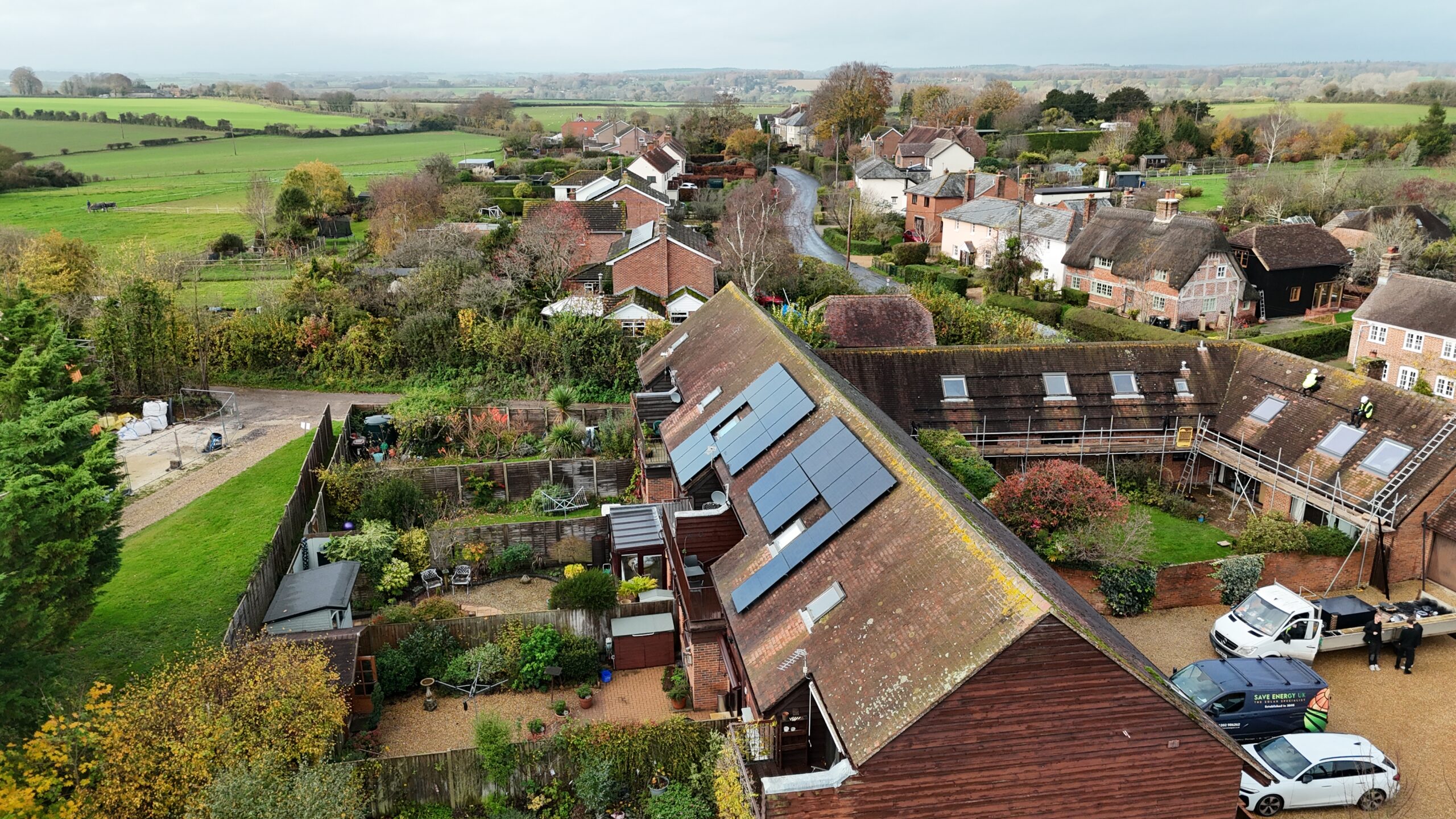
Installing solar panels is a straightforward process when handled by an experienced team. Whether you are a homeowner exploring solar panels for your property or a business considering commercial solar installation, we guide you through every stage with clarity and care.
If you would like to find out whether solar energy is right for your property, speak to our team today and request a free consultation. We are here to help you make a confident, informed decision about your energy future.