Over 20 years as your solar system specialists
"We pride ourselves on good products, good pricing and good backup service"
Tel: 01202 986262
Supporting


For businesses across Dorset, the South Coast, and the Midlands, investing in commercial solar panels is a smart move towards reducing energy costs and improving sustainability. However, like any system, solar panels do not always operate at peak performance. A range of factors can affect their efficiency, sometimes significantly, if not properly managed.
Understanding what reduces the performance of commercial solar panels is essential for protecting your investment and ensuring long term returns. In this guide, we explore the key issues that can impact performance and, more importantly, what can be done to prevent them.
One of the most common causes of reduced solar panel performance is shading. Even partial shading from nearby buildings, trees, or rooftop equipment can have a disproportionate impact on energy output.
Solar panels are typically connected in strings, meaning that if one panel is shaded, it can reduce the performance of the entire system. Studies suggest that shading can reduce output by as much as 20 to 50 percent, depending on severity.
To minimise this risk, professional system design is crucial. Panels should be positioned to maximise sun exposure throughout the day. In some cases, technologies such as optimisers or microinverters can help mitigate the impact of shading.
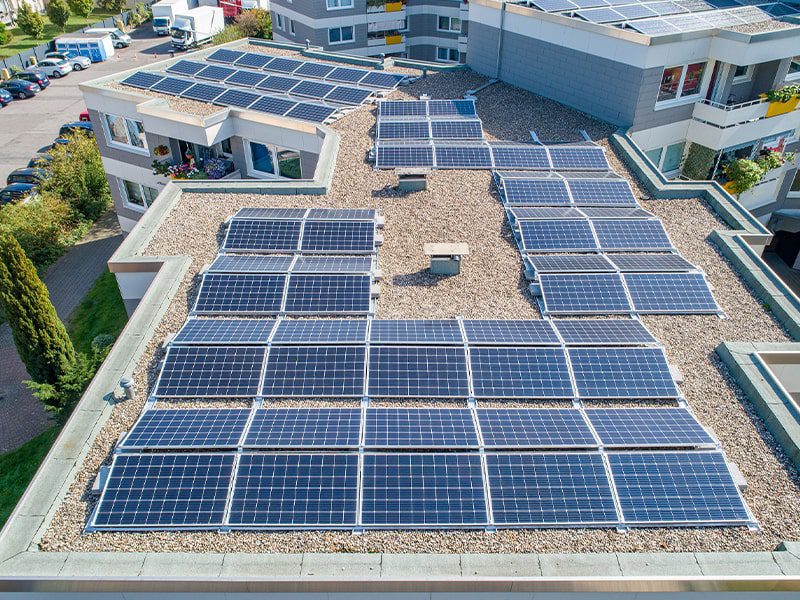
Over time, solar panels accumulate dirt, dust, bird droppings, and other debris. This layer can block sunlight and reduce the system’s ability to generate electricity.
Research indicates that dirty panels can lose between 5 and 25 percent of their efficiency, depending on environmental conditions. In coastal regions such as the South Coast, salt deposits can further exacerbate the issue.
Regular cleaning is therefore essential. While rainfall can help to some extent, it is rarely sufficient for commercial systems. Scheduled maintenance ensures panels remain clean and operating efficiently.
The British climate presents its own challenges for solar panel performance. While solar panels do not require direct sunlight to function, prolonged periods of cloud cover will naturally reduce output.
Temperature also plays a role. Contrary to common belief, excessive heat can decrease efficiency. Most panels operate optimally at around 25 degrees Celsius, with performance declining as temperatures rise beyond this point.
Additionally, factors such as heavy rainfall, snow, and high winds can temporarily affect performance or even cause physical damage if systems are not properly installed.
A well designed system takes local environmental conditions into account, ensuring durability and consistent performance throughout the year.
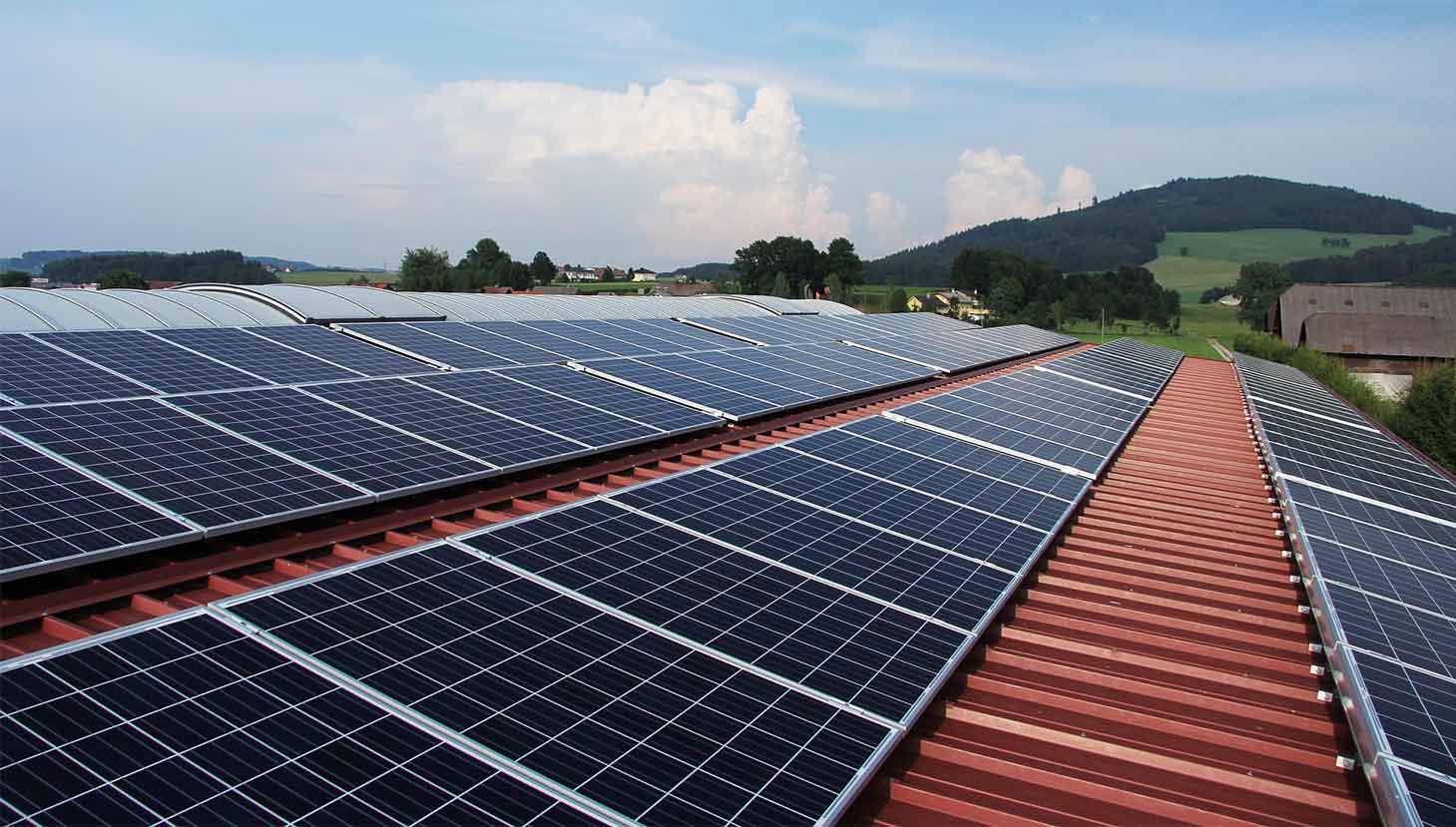
The quality of the initial design and installation has a profound impact on long term performance. Poorly positioned panels, incorrect tilt angles, or substandard components can all limit efficiency from the outset.
In some cases, systems are undersized or incorrectly configured, preventing businesses from achieving their full energy saving potential. According to industry data, poorly designed systems can result in efficiency losses of 10 to 30 percent.
Working with experienced professionals ensures that every aspect of the system is optimised, from panel placement to electrical configuration.
Learn more about our commercial solar services.
All solar panels experience gradual degradation. On average, panels lose around 0.5 percent of their efficiency each year. Over a 25 year lifespan, this can equate to a reduction of approximately 10 to 15 percent in overall performance.
While this decline is inevitable, high quality panels degrade more slowly and maintain better performance over time. Investing in reputable products and ensuring proper installation can significantly reduce the rate of degradation.
Routine monitoring can also help identify underperforming panels early, allowing for timely intervention.
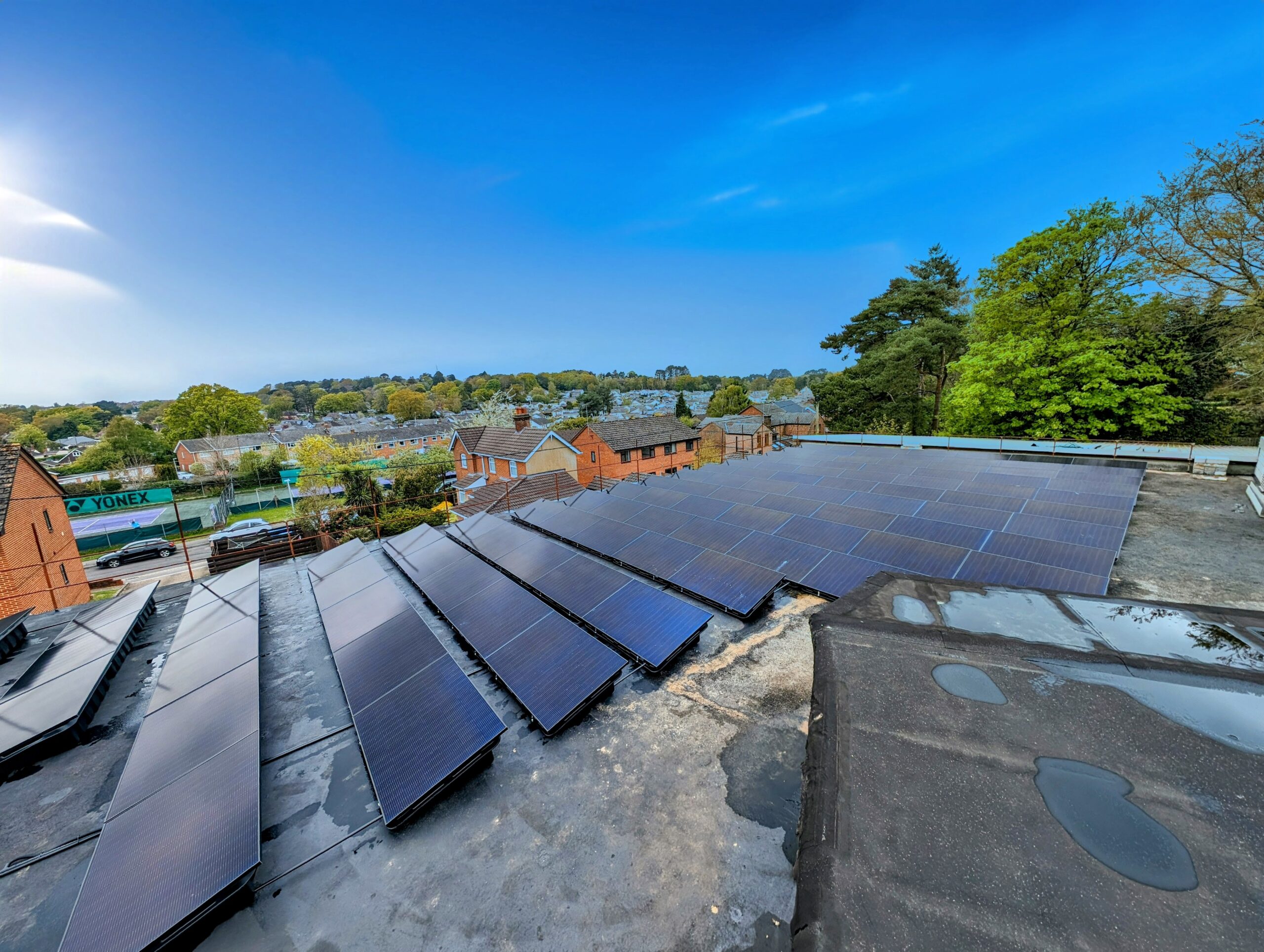
The inverter is a critical component of any solar system, converting the electricity generated by panels into usable power. If the inverter fails or operates inefficiently, the entire system’s performance is affected.
Inverters typically have a shorter lifespan than panels, often lasting between 10 and 15 years. Faulty wiring, loose connections, or electrical imbalances can also lead to reduced output.
Regular system checks and timely replacement of ageing components are essential to maintaining optimal performance.
Perhaps the most overlooked factor is simple neglect. Without regular maintenance, minor issues can escalate into significant performance losses.
A well maintained system can operate at near optimal efficiency for decades, while a neglected one may suffer from compounding issues such as dirt build up, undetected faults, and reduced output.
Professional maintenance services typically include cleaning, performance monitoring, and system inspections, all of which are vital for long term reliability.
Businesses that actively manage their solar systems consistently achieve better returns. Monitoring performance data allows for early detection of issues, while scheduled maintenance ensures that systems continue to operate efficiently.
In many cases, proactive management can recover lost efficiency and extend the lifespan of the system, delivering greater value over time.
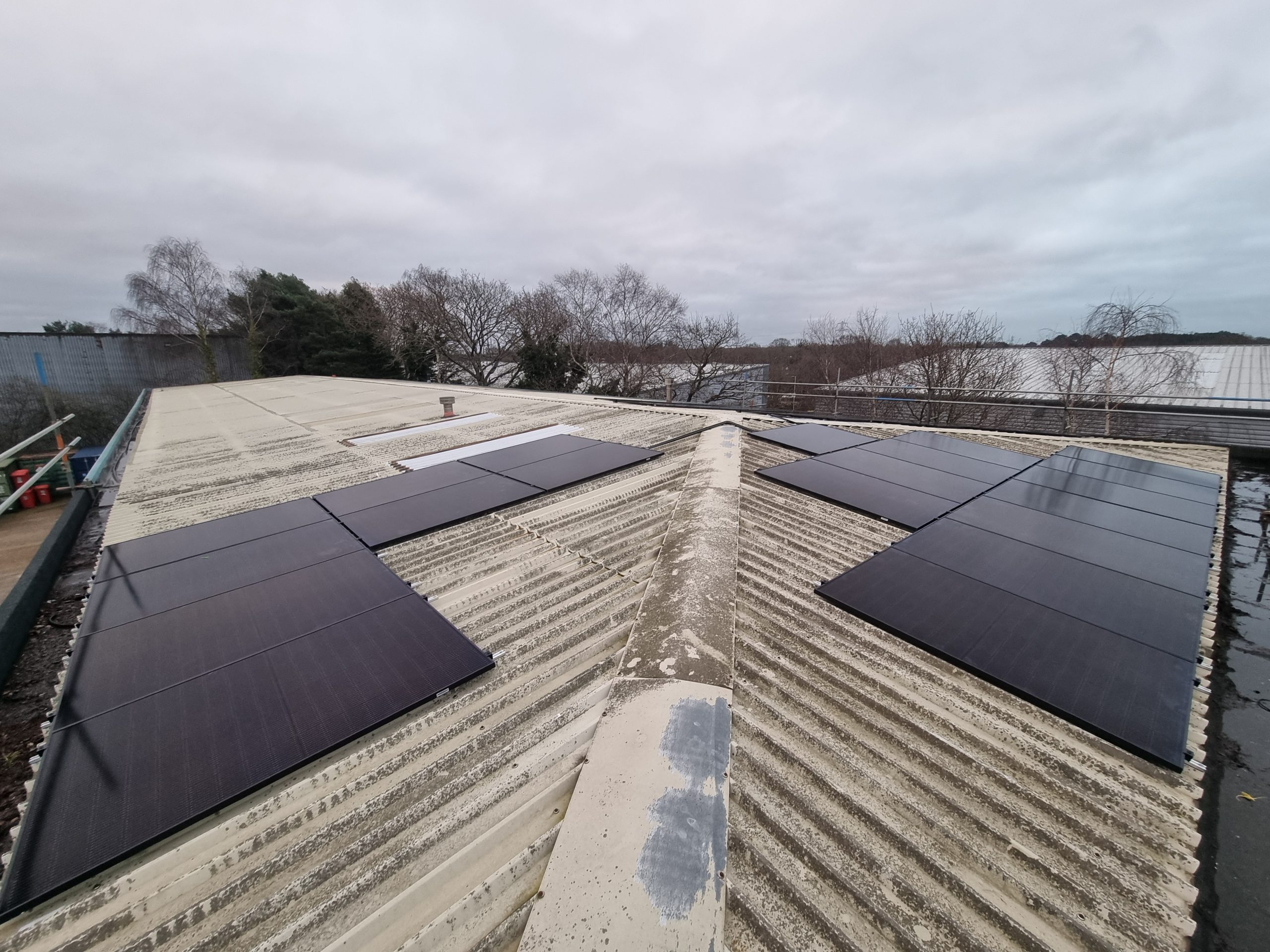
Most solar panels lose around 0.5 percent efficiency per year. Over 25 years, this typically results in a total reduction of 10 to 15 percent.
Yes, especially in areas with high levels of dust, pollution, or coastal salt. Regular cleaning can improve efficiency by up to 20 percent.
Yes, in traditional string systems, shading on one panel can reduce the performance of the entire string.
It is recommended to have a professional inspection at least once a year, along with periodic cleaning depending on environmental conditions.
Most inverters last between 10 and 15 years and may need replacing during the system’s lifetime.
Commercial solar panels remain one of the most effective ways for businesses to reduce energy costs and carbon emissions. However, their performance is not immune to external and internal factors.
From shading and dirt to system design and maintenance, each element plays a role in determining overall efficiency. By understanding these factors and taking proactive steps to address them, businesses across Dorset, the South Coast, and the Midlands can ensure their systems perform at their best for years to come.
If you want to maximise the performance of your commercial solar panels, expert guidance makes all the difference. At Save Energy UK, we specialise in designing, installing, and maintaining high performance solar systems tailored to your business needs.
Do not let avoidable issues reduce your return on investment. Get in touch today to request a quote or book a consultation and discover how we can help your business generate smarter, more efficient energy.