

Roof Space
If you are considering solar panels for your home, one of the first practical questions you are likely to ask is how much roof space you actually need. It is a sensible concern. While solar energy is an excellent way to save electricity and improve long term energy efficiency, not every roof is the same, and system size plays a significant role in determining suitability.
In this guide, we will explore how much roof space is typically required for a 4kW or 6kW solar system in the UK, what factors influence those requirements, and how to make an informed decision based on your property. The aim is to give you a clear, realistic understanding without unnecessary technical language.
Understanding Solar System Sizes
Before looking at roof space, it is helpful to understand what 4kW and 6kW solar systems actually mean.
A solar system’s size is measured in kilowatts and refers to its maximum power output under ideal conditions. A 4kW system is one of the most common choices for UK homes and is often suitable for small to medium sized households. A 6kW system is larger and typically chosen by households with higher energy use or those planning to add solar batteries or electric vehicles.
Both systems use solar panels installed on the roof to generate electricity, but the number of panels required and the space they occupy will differ.
Typical Roof Space for a 4kW Solar System
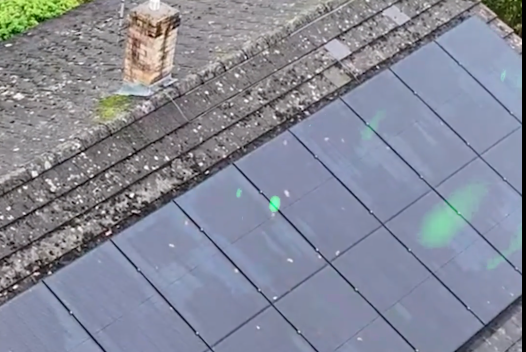
A standard 4kW solar panel installation in the UK usually requires between 10 and 12 solar panels, depending on the wattage of each panel.
Most modern residential solar panels produce between 350 and 420 watts each. Using current averages, a 4kW system will typically need:
Approximately 20 to 25 square metres of usable roof space
This space does not need to be perfectly rectangular, but it does need to be relatively unobstructed. Chimneys, skylights, vents and changes in roof direction can reduce the amount of usable area.
For many detached and semi detached homes in Dorset and across the UK, a 4kW system fits comfortably on a single roof slope.
Typical Roof Space for a 6kW Solar System
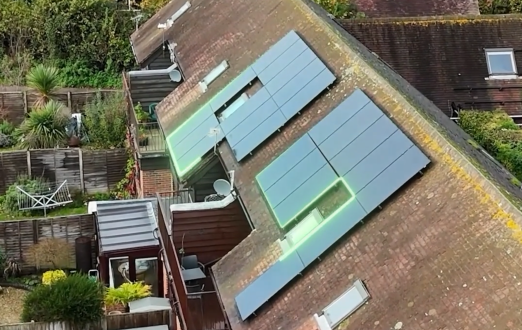
A 6kW system requires more panels and therefore more roof space. In most cases, this means around 14 to 18 solar panels.
For roof space, you should expect:
Approximately 30 to 40 square metres of usable roof space
This often means using more than one roof slope, particularly on homes with complex roof shapes. While this is still achievable for many properties, it does require a more detailed assessment to ensure optimal performance.
Larger systems are also more sensitive to shading, as even partial obstruction can affect overall output.
Factors That Affect Roof Space Requirements
While the figures above provide a useful guide, several important factors can increase or reduce how much roof space you need.
Panel Efficiency and Wattage
Higher efficiency panels produce more electricity in a smaller area. If roof space is limited, choosing higher wattage panels can allow you to install a 4kW or 6kW system using fewer panels.
This can sometimes increase the upfront solar panel cost, but it may be the best option where space is restricted.
Roof Orientation and Pitch
In the UK, south facing roofs generally provide the highest solar generation, but east and west facing roofs can still perform very well.
A steeper or shallower roof pitch can affect how panels are arranged, which in turn impacts how much space is needed. A well designed layout can often overcome these limitations, but orientation should always be considered early in the process.
Shading and Obstructions
Trees, neighbouring buildings, chimneys and dormer windows can all cast shadows that reduce performance. In some cases, panels need to be spaced differently or avoided in shaded areas, which increases the total roof space required.
A professional survey will assess shading throughout the year rather than just at one point in time.
Property Type
Detached homes generally offer the most flexibility for solar panels on a home, while terraced properties may have more limited options. That said, many terraced homes can still support a 4kW system, particularly with modern high efficiency panels.
Practical Examples
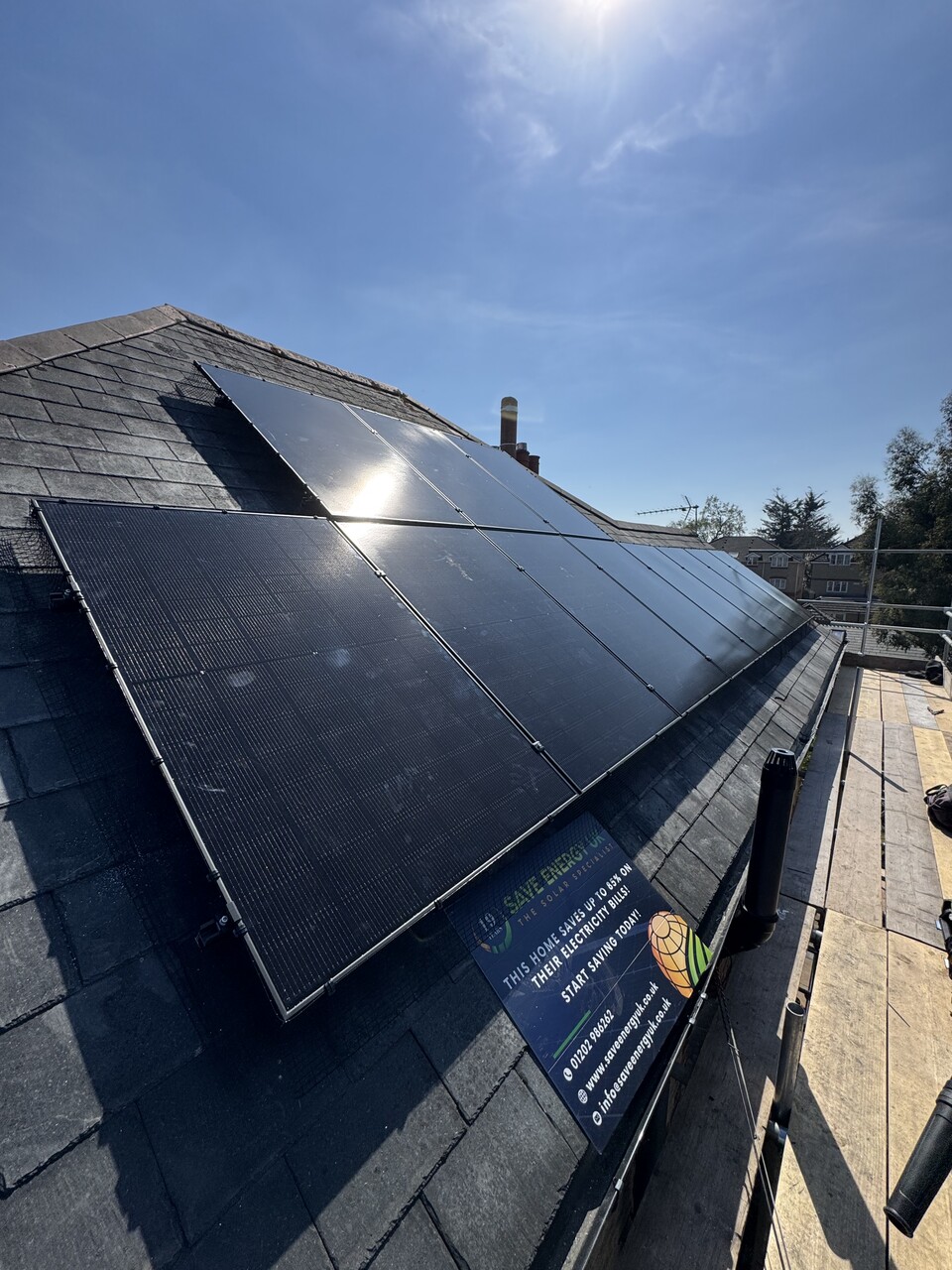
To put this into context, consider a typical three bedroom semi detached house in Dorset.
If the household uses an average amount of electricity and wants to improve energy efficiency solutions without overinvesting, a 4kW system using around 22 square metres of roof space may be ideal.
For a larger household with higher daytime energy use, or plans to install solar batteries, a 6kW system spread across two roof slopes using around 35 square metres could offer greater long term savings.
In both cases, the exact layout will depend on roof shape and orientation rather than size alone.
Solar Panels, Batteries and Future Planning
When thinking about roof space, it is wise to consider future plans. Adding solar batteries allows you to store excess energy and use it later, helping you save electricity even when the sun is not shining.
A slightly larger system can make more sense if you expect your energy use to increase, for example through electric heating or vehicle charging. Planning ahead can avoid the need for costly changes later.

What About Commercial Solar?
While this guide focuses on residential properties, the same principles apply to commercial solar installation. Businesses typically require far larger systems and roof space, but modern solar energy UK solutions are highly adaptable.
Warehouses, offices and agricultural buildings often provide excellent opportunities for commercial solar, delivering long term cost savings and improved sustainability.
Is Your Roof Suitable?
The best way to determine whether your roof can support a 4kW or 6kW solar panel installation is through a professional assessment. This considers roof size, structure, orientation, shading and your household’s energy use together rather than in isolation.
Frequently Asked Questions
Can a small roof still have solar panels installed?
Yes. High efficiency solar panels can generate significant power even on smaller roofs, making solar panels install possible for many homes that might initially seem unsuitable.
Does a 6kW system always perform better than a 4kW system?
Not necessarily. Performance depends on roof orientation, shading and how much electricity you actually use. A well matched system often delivers better value than a larger one.
Will solar panels damage my roof?
When installed correctly, solar panels protect the roof beneath them and do not cause damage. Professional installation is essential.
Are solar batteries worth it?
Solar batteries can significantly improve how much of your generated energy you use yourself, especially in the evenings. They are particularly valuable for households aiming to maximise energy independence.

Final Thoughts
Understanding how much roof space you need for solar panels is an important step in making an informed decision. While general guidelines are helpful, every home is unique, and the right solution balances space, energy use and long term goals.
If you are exploring solar energy as part of a broader approach to saving electricity and improving efficiency, expert guidance can make all the difference. Save Energy UK offers clear, honest advice and tailored assessments to help homeowners choose the system that truly fits their property and lifestyle.
If you would like to understand what is possible for your roof, a free, no obligation solar assessment can provide clarity and confidence before you take the next step.