Over 20 years as your solar system specialists
"We pride ourselves on good products, good pricing and good backup service"
Tel: 01202 986262
Supporting


As more homeowners across Dorset look for ways to save electricity and reduce reliance on rising energy prices, solar panels have become one of the most effective and practical energy efficiency solutions available. Yet one of the most common and important questions remains surprisingly simple.
What size solar panel system does a Dorset home actually need?
The answer depends on a combination of factors including household electricity use, roof characteristics, future energy plans and budget. This guide is designed to explain those considerations clearly and calmly, helping Dorset homeowners make informed decisions about solar panels on a home without feeling overwhelmed by technical detail.
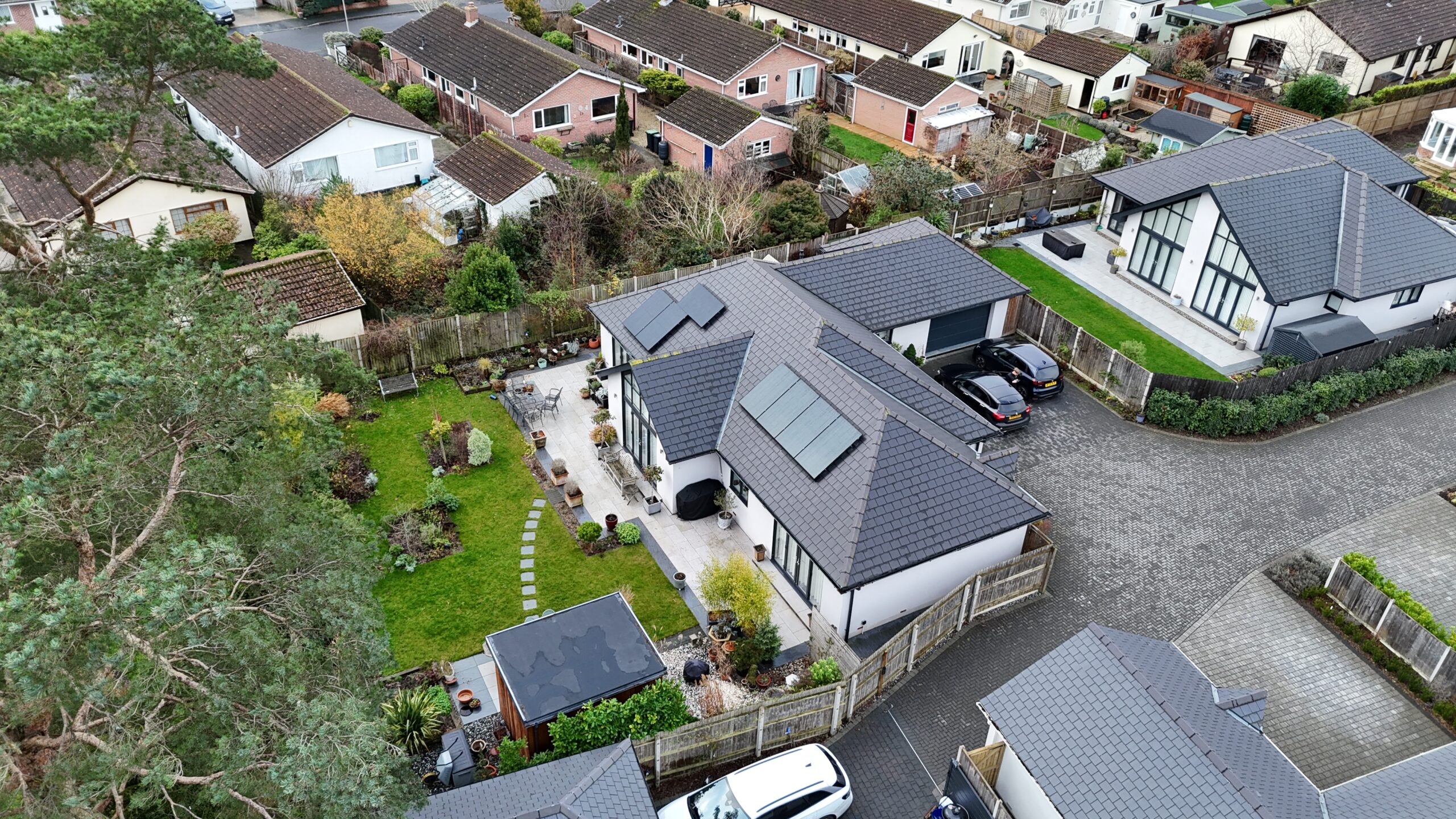
Choosing the correct solar panel system size is essential. A system that is too small may not generate enough electricity to meet household demand, limiting savings and value. A system that is too large may cost more than necessary and produce excess energy that is not fully used.
A well sized solar panel installation should balance generation with consumption, allowing homeowners to make the most of solar energy UK conditions while achieving long term efficiency and reliability.
The starting point for sizing any solar panel system is understanding how much electricity a household uses.
Most Dorset homes consume between 3000 and 4500 kilowatt hours of electricity per year. Smaller households or energy efficient homes may fall below this range, while larger family homes or properties with electric heating systems may exceed it.
Electricity usage can be found on annual energy statements or smart meter records. This figure provides a reliable baseline for estimating the size of solar panels required.
As a general guide:
A home using around 3000 kilowatt hours per year may require a system of approximately 3 to 4 kilowatts
A home using around 4000 kilowatt hours per year may require a system of approximately 4 to 5 kilowatts
These figures are indicative rather than exact, but they provide a useful framework when considering solar panels install options.
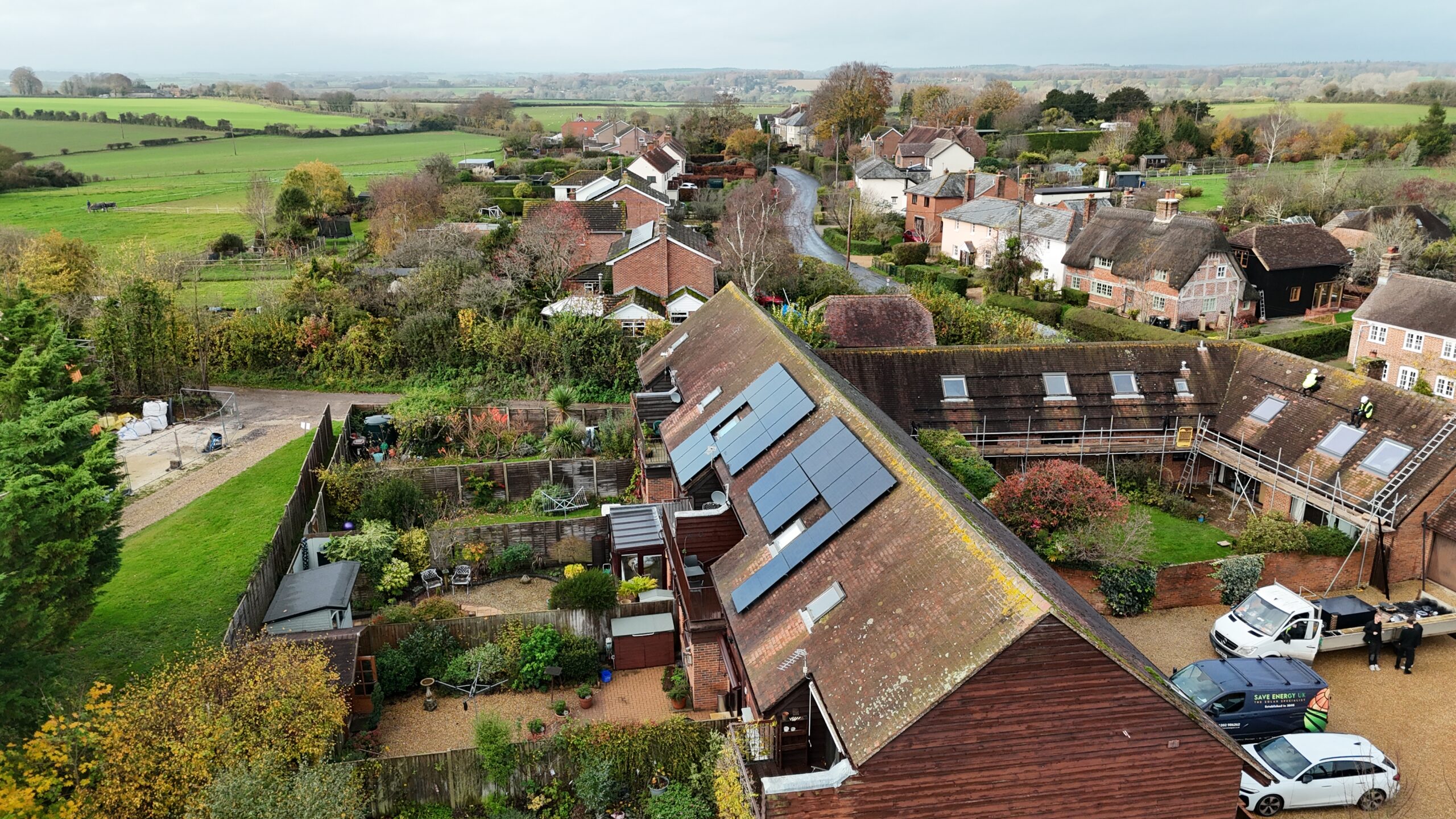
Not every roof is the same and roof characteristics play a significant role in determining system size and performance.
South facing roofs typically produce the most electricity, though east and west facing roofs can still deliver excellent results across the course of the day. Roof pitch also matters, with angles between 30 and 40 degrees generally offering optimal performance in the UK climate.
Shading from trees, neighbouring buildings or chimneys can reduce output, particularly if it affects panels for long periods of the day. In Dorset towns such as Bournemouth, Poole, Christchurch and Dorchester, roof layouts vary widely, making individual assessment essential.
A larger roof area allows for more panels, but this does not mean more panels are always required. The aim is efficiency, not excess.
Dorset benefits from relatively good sunlight compared with many parts of the UK, particularly along the coast. While the UK is not known for year round sunshine, modern solar panels are highly efficient and continue to generate electricity even on cloudy days.
A typical 4 kilowatt system in Dorset can generate approximately 3400 to 3800 kilowatt hours of electricity per year, depending on location and roof conditions. This makes solar panels a reliable and practical solution for local homeowners seeking to reduce energy costs and reliance on the grid.
Seasonal variation is normal, with higher generation in spring and summer and lower output in winter. This is where thoughtful system sizing and energy use planning become important.

To make this clearer, consider a typical three bedroom home in Dorchester using around 3800 kilowatt hours of electricity per year.
A 4 kilowatt solar panel system could generate close to this amount annually. If the household uses more electricity during daylight hours, such as running appliances or working from home, more of that energy can be used directly, increasing savings.
Adding solar batteries allows excess electricity generated during the day to be stored and used later, further improving efficiency and reducing reliance on evening grid electricity.
When considering solar panel cost and system size, it is important to think beyond current usage.
Many Dorset homeowners are planning for electric vehicles, heat pumps or home office setups, all of which increase electricity demand. Installing a slightly larger system now can be more cost effective than upgrading later.
Solar batteries are particularly valuable in these situations, helping households manage increased consumption while maintaining flexibility and resilience.
Solar panel installation costs vary depending on system size, roof complexity and whether solar batteries are included. While larger systems cost more initially, they often provide better long term value by increasing energy independence and reducing electricity bills.
Rather than focusing purely on upfront cost, it is more useful to consider overall return on investment, energy savings and future proofing. A well planned system supports both environmental responsibility and financial stability.
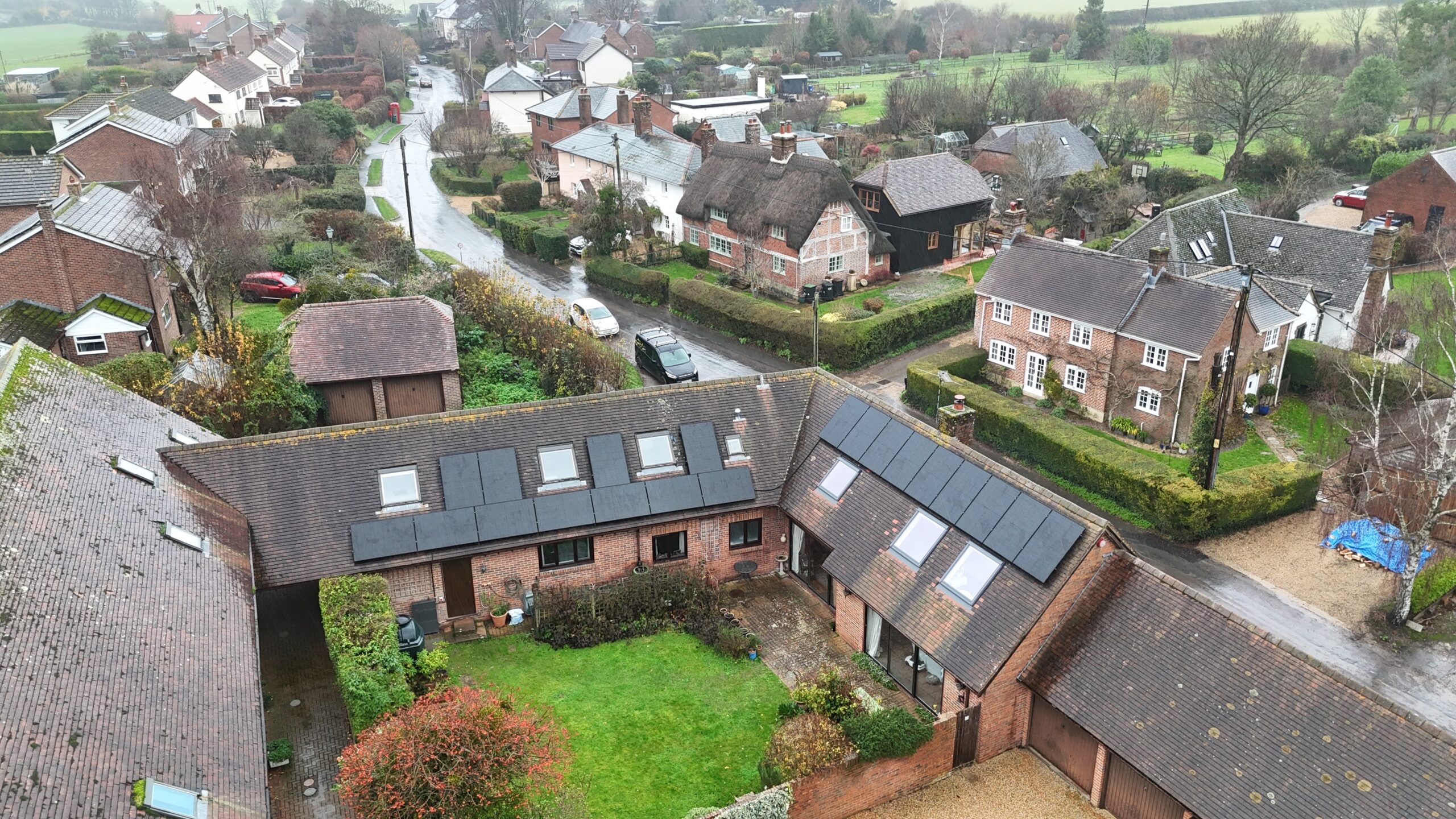
Although solar energy UK solutions also include commercial solar and commercial solar installation for businesses, this guide focuses solely on residential properties. Homeowners benefit most when systems are designed specifically for domestic energy patterns rather than scaled down commercial models.
Residential solar panels on a home should feel unobtrusive, efficient and quietly effective, supporting everyday life without complication.
Most Dorset homes require between 8 and 14 panels, depending on panel efficiency and energy usage. Modern panels are more powerful, meaning fewer panels can often achieve the same output as older systems.
Solar batteries are not essential but they significantly improve how much solar energy a household can use. They are particularly helpful for homes where energy use is higher in the evening.
Yes. While output is lower in winter due to shorter daylight hours, solar panels continue to generate electricity year round.
Yes, and in many cases this is advisable. Planning for future energy needs can make a larger system a sensible long term decision.
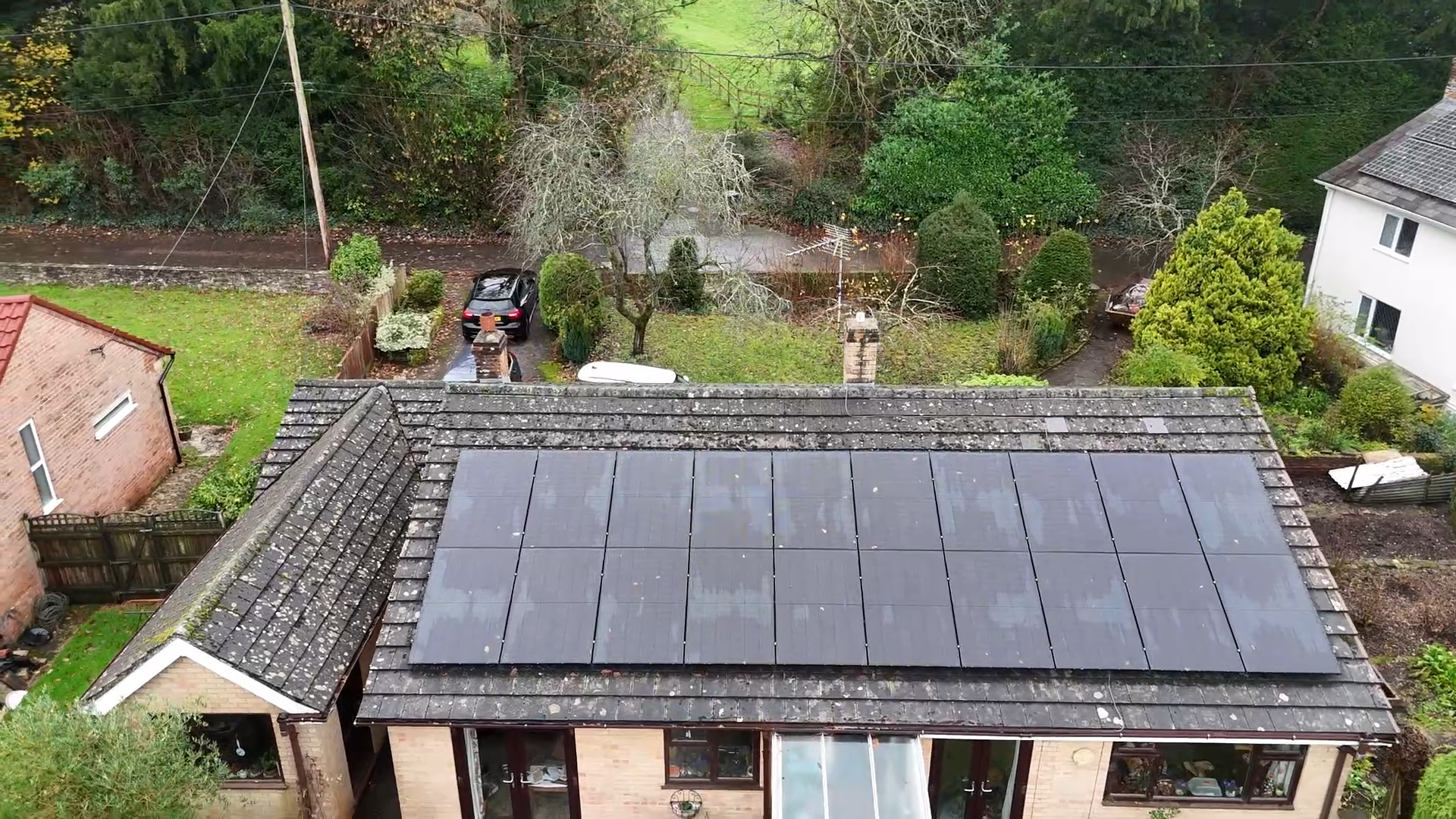
Determining the right solar panel system size is not about chasing maximum output or following generic figures. It is about understanding how a home uses energy and how solar technology can support that lifestyle efficiently and sustainably.
Save Energy UK supports Dorset homeowners by providing clear guidance rooted in experience, technical understanding and local knowledge. By approaching solar panel installation thoughtfully, households can make confident decisions that benefit both their finances and the environment.
Solar panels are no longer an experimental technology. They are a proven, dependable way to save electricity and improve energy efficiency in homes across Dorset.
Choosing the right size is simply the first and most important step.