Over 20 years as your solar system specialists
"We pride ourselves on good products, good pricing and good backup service"
Tel: 01202 986262
Supporting


As solar energy becomes an increasingly popular choice for UK homeowners, solar batteries are now seen as a natural next step. A battery allows you to store excess electricity generated by your solar panels and use it later, reducing reliance on the grid and making your home more energy efficient. However, not all solar batteries are created equal. One of the most important things to understand before investing is whether a battery meets the correct UK certifications and safety standards.
At Save Energy UK, we believe informed homeowners make better long term decisions. In this guide, we explain which certifications a solar battery should have in the UK, why they matter, and how they help protect both your home and your investment.
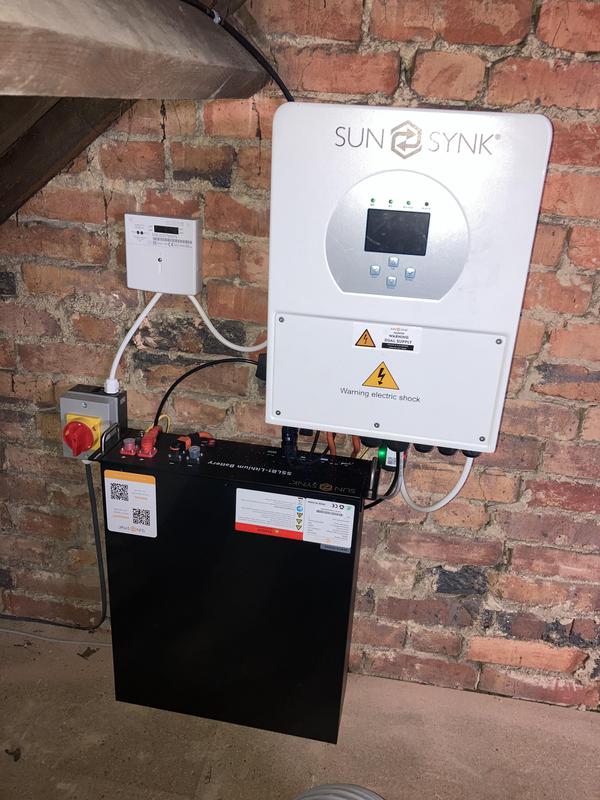
Solar batteries are complex electrical systems that store significant amounts of energy. When installed correctly and manufactured to recognised standards, they are safe, reliable and highly effective. Without proper certification, however, a battery may not meet UK safety requirements, may not work correctly with your solar system, or may even invalidate warranties and insurance.
Certifications exist to ensure that a solar battery has been independently tested for safety, performance and compatibility with UK electrical networks. They also give homeowners confidence that the system complies with UK law and industry best practice.
One of the most important standards in the UK solar industry is MCS certification. While batteries themselves are not always individually MCS certified, the installation must be carried out by an MCS certified installer using approved equipment.
MCS certification confirms that a system has been designed and installed to recognised quality and safety standards. It is also a requirement if you wish to access certain benefits, such as export tariffs through the Smart Export Guarantee.
At Save Energy UK, we only install solar batteries as part of compliant, professionally designed systems, ensuring everything meets MCS requirements from start to finish.
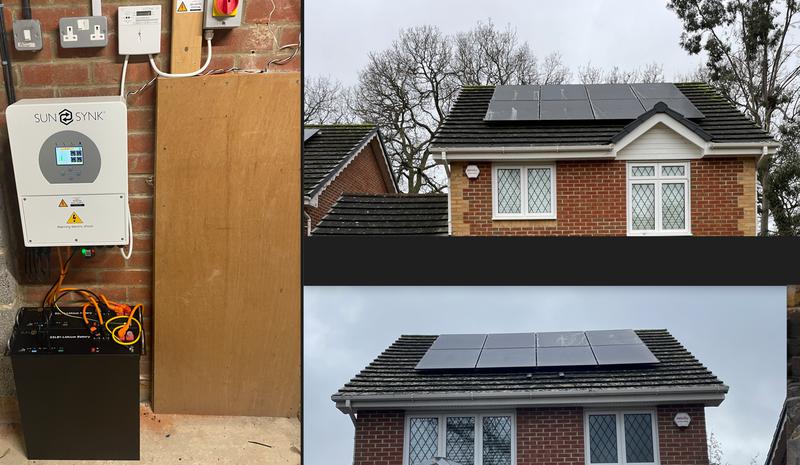
Every solar battery sold and installed in the UK must carry either a UKCA mark or a CE mark. These markings show that the product complies with relevant safety, health and environmental protection regulations.
UKCA marking is the UK conformity assessed mark, introduced following Brexit. CE marking is still recognised for many products but is gradually being replaced. In practical terms, both marks indicate that the manufacturer has tested the battery against strict regulatory standards.
If a battery does not display UKCA or CE marking, it should not be installed in a UK home.
International Electrotechnical Commission standards play a major role in battery safety and performance. One of the most important for solar batteries is IEC 62619.
This standard focuses specifically on the safety of lithium ion batteries used in industrial and energy storage applications. It covers protection against overheating, electrical faults, mechanical stress and internal failures.
A solar battery that complies with IEC 62619 has been tested to ensure it can operate safely over many years of charging and discharging cycles. At Save Energy UK, we always recommend batteries that meet this standard, as it provides reassurance on both safety and longevity.
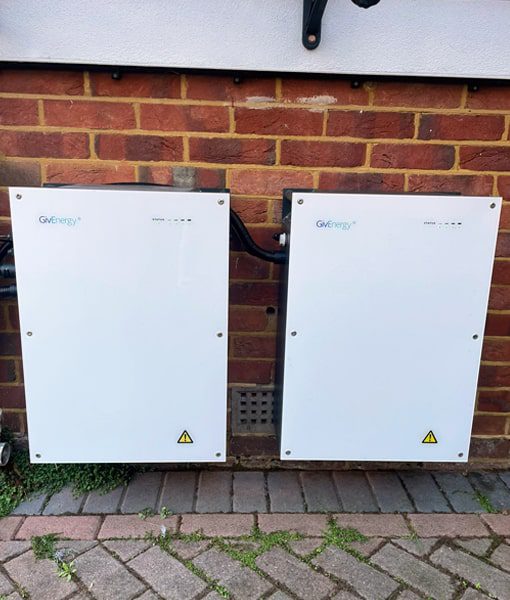
Before a battery even reaches your home, it must be transported safely. UN 38.3 certification confirms that a lithium battery has passed rigorous transport testing.
This includes tests for vibration, impact, altitude simulation and thermal stability. These tests ensure that the battery can be safely shipped without risk of fire or damage.
While homeowners may not think about transport certification, it is an important indicator of a responsibly manufactured and tested product.
Any solar battery system connected to the UK electricity grid must comply with G98 or G99 regulations. These standards govern how generation and storage systems interact with the national grid.
G98 applies to smaller systems, while G99 is required for larger or more complex installations. Compliance ensures that your battery operates safely alongside the grid, preventing issues such as voltage fluctuations or power export problems.
An experienced installer will handle G98 or G99 applications on your behalf. At Save Energy UK, we manage this process fully, ensuring your system is correctly approved and registered.
Fire safety is a key concern for many homeowners considering a solar battery. Certified batteries are designed with multiple layers of protection, including temperature monitoring, automatic shutdown features and robust casing materials.
Compliance with recognised lithium ion safety standards ensures the battery can respond safely to faults or extreme conditions. When installed correctly in a suitable location, certified batteries are considered very safe for residential use.
This is why professional installation and certified equipment go hand in hand.
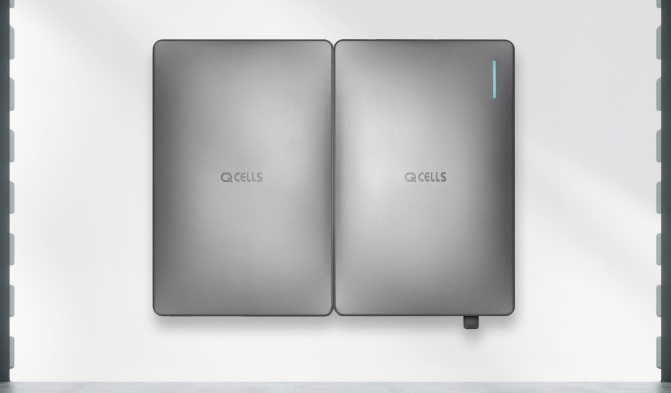
Choosing a certified solar battery offers several important benefits. It helps ensure the safety of your household, protects your property, and gives peace of mind that your system meets legal and insurance requirements.
Certified batteries are also more likely to perform as expected over their lifespan. This means better efficiency, fewer faults and stronger manufacturer warranties.
From a practical point of view, certification also makes future maintenance, upgrades or property sales much simpler.
The battery itself does not always carry MCS certification, but the overall system and installation must be completed by an MCS certified installer to meet UK standards and access export tariffs.
Yes. Any battery sold in the UK must carry UKCA or recognised CE marking to demonstrate compliance with safety regulations.
Certified batteries may cost slightly more upfront, but they offer better safety, reliability and warranty protection, making them better value in the long term.
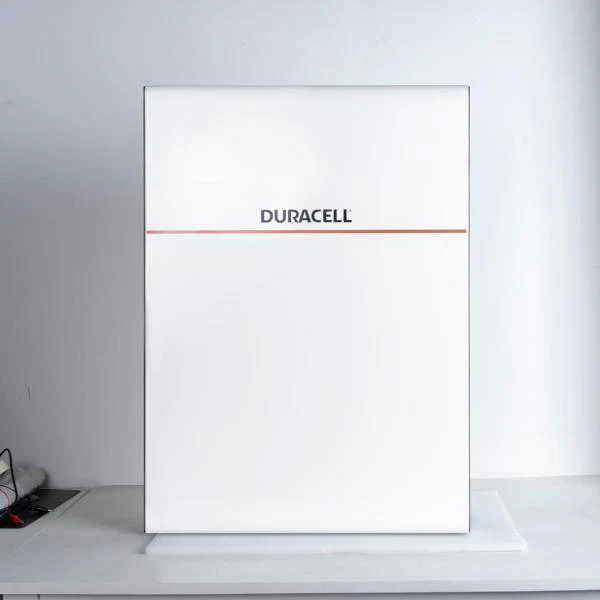
Solar batteries are a powerful addition to any renewable energy system, but only when they meet the correct standards. Certifications are not just technical details. They are essential safeguards that protect your home, your finances and your long term energy independence.
At Save Energy UK, we believe that every homeowner deserves clear, honest guidance. By choosing certified equipment and professional installation, you can invest in solar storage with confidence, knowing your system is safe, compliant and built to last.
If you would like expert advice on choosing or installing a certified solar battery system, we are always happy to help.