Over 20 years as your solar system specialists
"We pride ourselves on good products, good pricing and good backup service"
Tel: 01202 986262
Supporting

For many businesses across Dorset, sustainability is no longer a distant ambition. It has become an immediate priority shaped by rising energy costs, increasing environmental expectations, and a growing awareness of corporate responsibility. Among the many terms that surface in these discussions, Scope 2 emissions are often mentioned yet not always fully understood.
At the same time, commercial solar continues to gain attention as a practical solution. This raises a simple but important question. Is commercial solar truly the easiest way to reduce Scope 2 emissions, or is the reality more nuanced?
Scope 2 emissions refer to the indirect greenhouse gas emissions that result from the generation of purchased electricity, steam, heating, or cooling consumed by a business. In simpler terms, they represent the emissions created elsewhere in order to power your operations.
If your business relies on electricity from the grid, the emissions associated with generating that electricity fall into this category. Even if your premises appear clean and efficient, the environmental impact is still present, only shifted upstream to the power station.
Understanding Scope 2 emissions is essential because, for many businesses, they account for a significant portion of their overall carbon footprint. Offices, warehouses, manufacturing facilities, and hospitality venues all depend heavily on electricity, making this area one of the most accessible opportunities for meaningful change.

Dorset presents a unique environment for businesses. It combines a strong local economy with a deep connection to the natural landscape. This balance creates both an opportunity and a responsibility.
Energy prices across the United Kingdom have remained volatile in recent years, placing pressure on operating costs. For Dorset businesses, particularly those with larger premises or energy intensive operations, electricity bills can represent a substantial and unpredictable expense.
At the same time, there is growing expectation from customers, partners, and regulators that businesses will take visible steps towards sustainability. Demonstrating a commitment to reducing emissions is no longer simply a matter of reputation. It increasingly influences purchasing decisions, investment opportunities, and long term resilience.
Reducing Scope 2 emissions therefore addresses two pressing concerns at once. It can help stabilise energy costs while also contributing to wider environmental goals.
Commercial solar works by generating electricity directly on site using photovoltaic panels. Instead of drawing all power from the grid, a business produces its own renewable energy from sunlight.
This has a direct impact on Scope 2 emissions. Because solar energy is generated without burning fossil fuels, the electricity produced carries effectively zero associated emissions. Every unit of solar electricity used on site reduces the need to purchase grid electricity and therefore lowers the emissions attributed to your business.
The effect can be significant. For organisations with suitable roof space or land, solar installations can supply a meaningful proportion of daily energy demand. In some cases, they can even generate surplus energy during peak daylight hours.
Battery storage can further enhance this benefit. By storing excess solar energy for use later in the day, businesses can reduce reliance on the grid even when the sun is not shining. This leads to a more consistent reduction in Scope 2 emissions throughout the working day.
Maintenance requirements for solar systems are relatively low, which adds to their appeal. Once installed, they tend to operate quietly and efficiently with minimal intervention, making them a practical long term solution.
Funding and finance options also play a role in accessibility. Many businesses are able to spread the cost of installation over time, aligning payments with the savings generated through reduced energy bills.
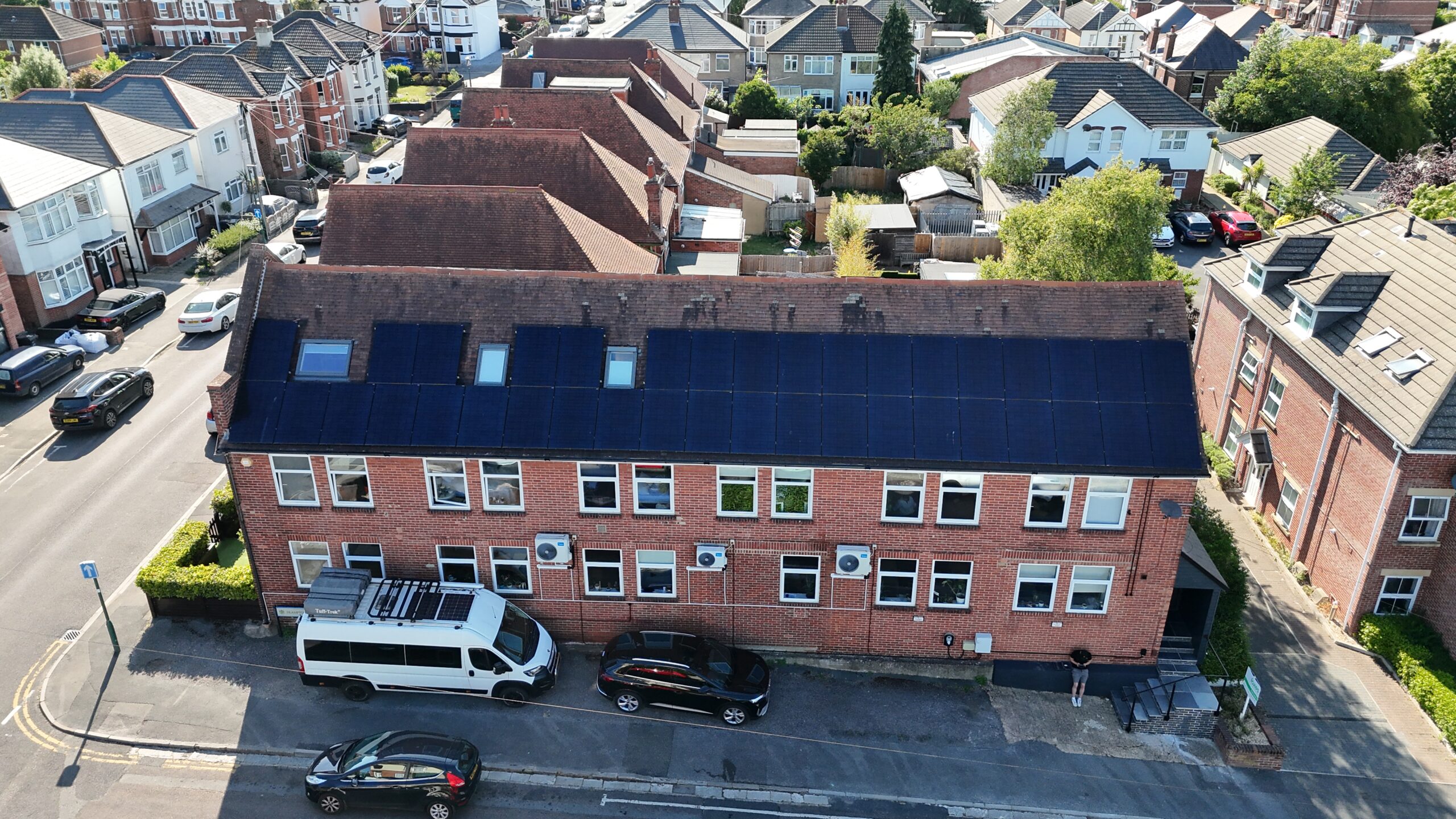
While commercial solar is often highlighted as a leading solution, it is not the only approach available. Businesses can take several steps to reduce their Scope 2 emissions, each with its own advantages.
Switching to a renewable energy tariff is one of the simplest measures. By choosing a supplier that provides electricity from renewable sources, a business can lower the emissions associated with its purchased energy. However, this does not reduce overall energy consumption or provide protection against future price increases in the same way that on site generation can.
Improving energy efficiency is another important strategy. Upgrading lighting systems, optimising heating and cooling, and investing in energy efficient equipment can all reduce electricity usage. This approach addresses the root cause by lowering demand, although it may require ongoing monitoring and periodic upgrades.
Power purchase agreements can also be considered. These involve buying electricity directly from renewable energy projects. While they can support the transition to cleaner energy, they are often more complex to arrange and may not be suitable for smaller businesses.
Each of these options contributes to reducing Scope 2 emissions, yet they differ in terms of control, cost, and long term impact.
The question of whether commercial solar is the easiest option depends on how ease is defined. If ease refers to simplicity of concept, solar is straightforward. It involves generating clean electricity on site and using it to power your operations.
If ease is measured in terms of implementation, there are factors to consider. Installation requires an initial assessment of the site, planning, and investment. Not every building will be equally suitable, although many commercial properties in Dorset offer favourable conditions.
However, when viewed over the longer term, solar often becomes one of the more manageable solutions. Once installed, it operates with minimal oversight. It reduces exposure to fluctuating energy prices and delivers consistent environmental benefits without requiring ongoing behavioural changes from staff.
In comparison, measures such as energy efficiency improvements may require continuous attention and adjustments. Renewable tariffs, while simple to adopt, do not provide the same level of independence or cost control.
Solar therefore occupies an interesting position. It may not be the easiest step to initiate, but it is often one of the easiest to live with once in place.
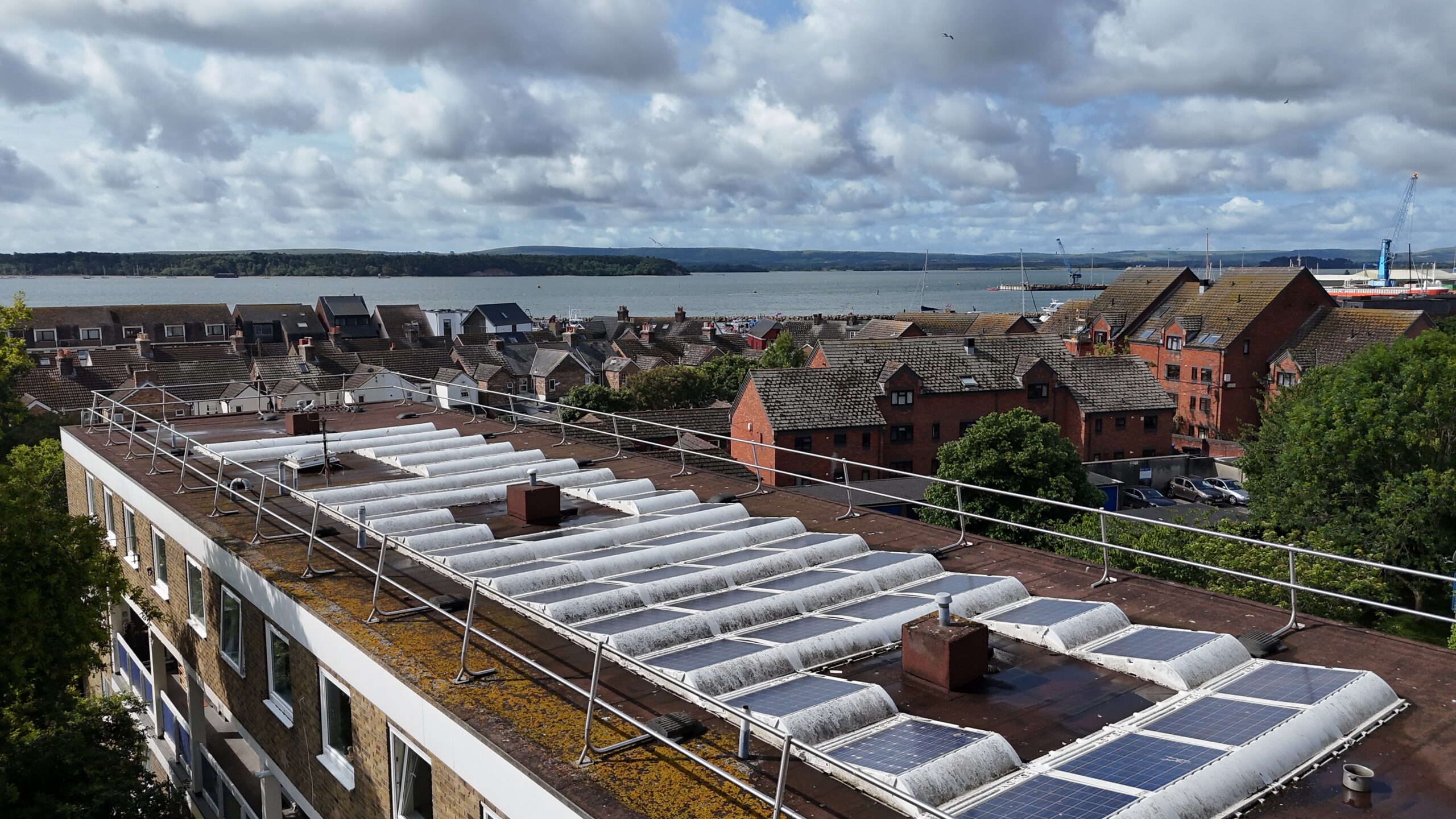
For businesses in Dorset, the decision to adopt commercial solar should be considered within a broader strategy. Reducing Scope 2 emissions is not about choosing a single solution in isolation. It is about combining approaches in a way that aligns with operational needs and long term goals.
Solar can form a central pillar of this strategy. It offers a tangible and visible commitment to sustainability while also delivering practical benefits. When paired with energy efficiency measures and thoughtful energy management, it can significantly reduce both emissions and costs.
The local context also matters. Dorset enjoys a reasonable level of sunlight throughout the year, making solar a viable option for many sites. The presence of supportive infrastructure and expertise further strengthens its appeal.
Reducing Scope 2 emissions is an important step for any business seeking to operate more sustainably. It addresses the environmental impact of electricity use while also offering opportunities for greater energy independence.
Commercial solar stands out as a compelling option. It provides a direct and measurable way to cut emissions by generating clean energy on site. Although it requires initial planning and investment, its long term simplicity and reliability make it an attractive choice for many Dorset businesses.
That said, it is not the only path available. A thoughtful combination of renewable sourcing, efficiency improvements, and energy management will often deliver the best results.
For those considering their next step, it may be worth exploring how solar could fit into a wider strategy. A conversation or site assessment can provide valuable insight into what is possible and what would make the most sense for your specific circumstances.