
Call us today
01202 986262
As energy costs continue to rise and sustainability becomes a central concern for businesses across Dorset, many organisations are turning to large scale solar systems as a long term solution. While the concept of generating electricity from sunlight is widely understood, the way that energy is distributed across a commercial site is often less clear.
Understanding how a large scale solar system works, particularly how it distributes energy efficiently, can help businesses make informed decisions about their energy strategy. From warehouses in Poole to industrial units in Bournemouth and commercial premises in Christchurch, the principles remain consistent, yet the impact can be transformative.
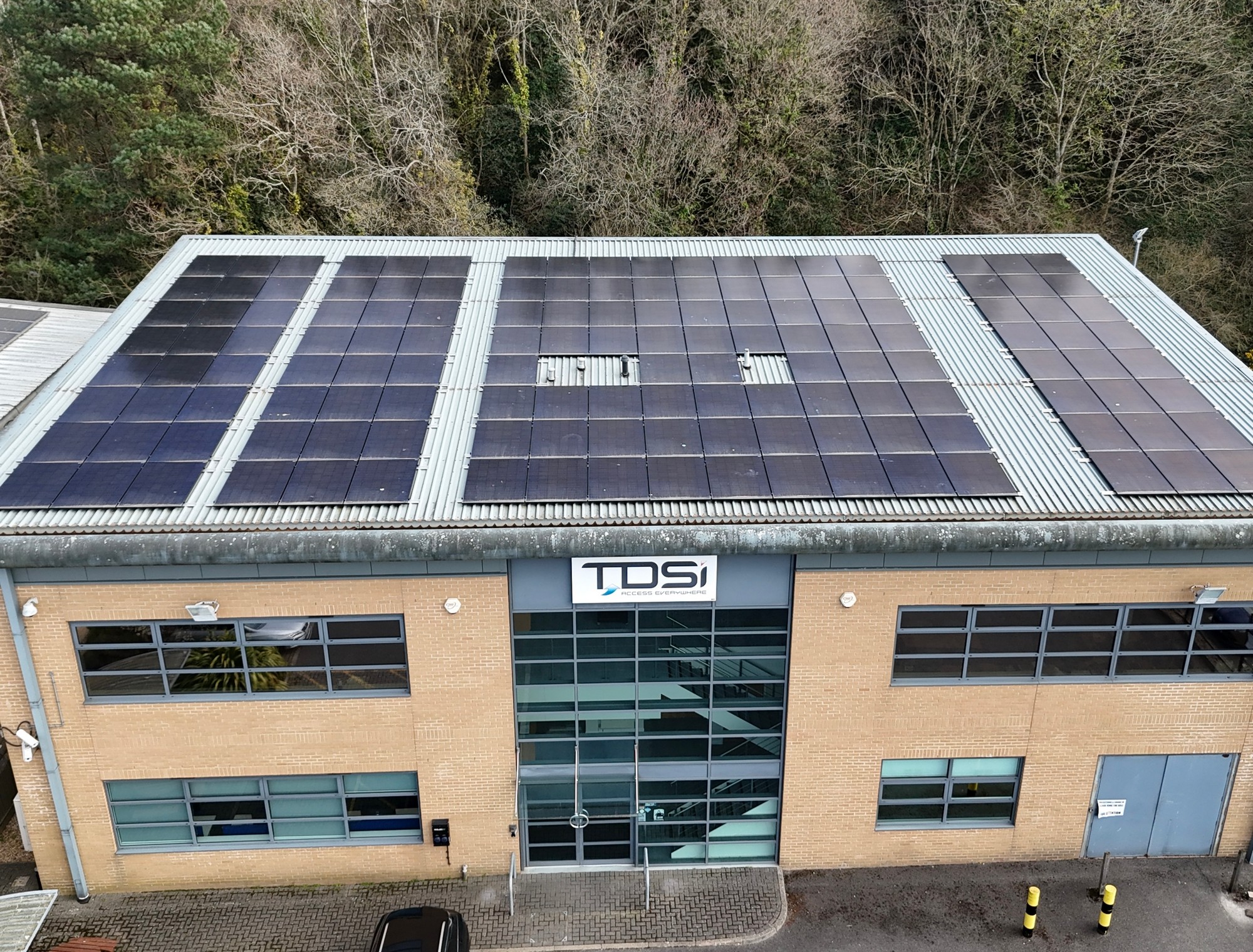
A large scale solar system is designed to generate substantial amounts of electricity for commercial or industrial use. Unlike residential systems, these installations are tailored to meet higher energy demands and often include advanced components such as battery storage and intelligent energy management systems.
For businesses in Dorset, this means the ability to produce clean electricity on site, reduce reliance on the national grid, and gain greater control over energy consumption.
At the heart of any solar installation are photovoltaic panels. These panels capture sunlight and convert it into direct current electricity. On a commercial site, hundreds or even thousands of panels may be installed across rooftops or open land to maximise generation.
The amount of electricity produced depends on several factors, including system size, orientation, and local weather conditions. In the United Kingdom, solar power remains highly effective despite the climate, with modern systems capable of generating significant output throughout the year.
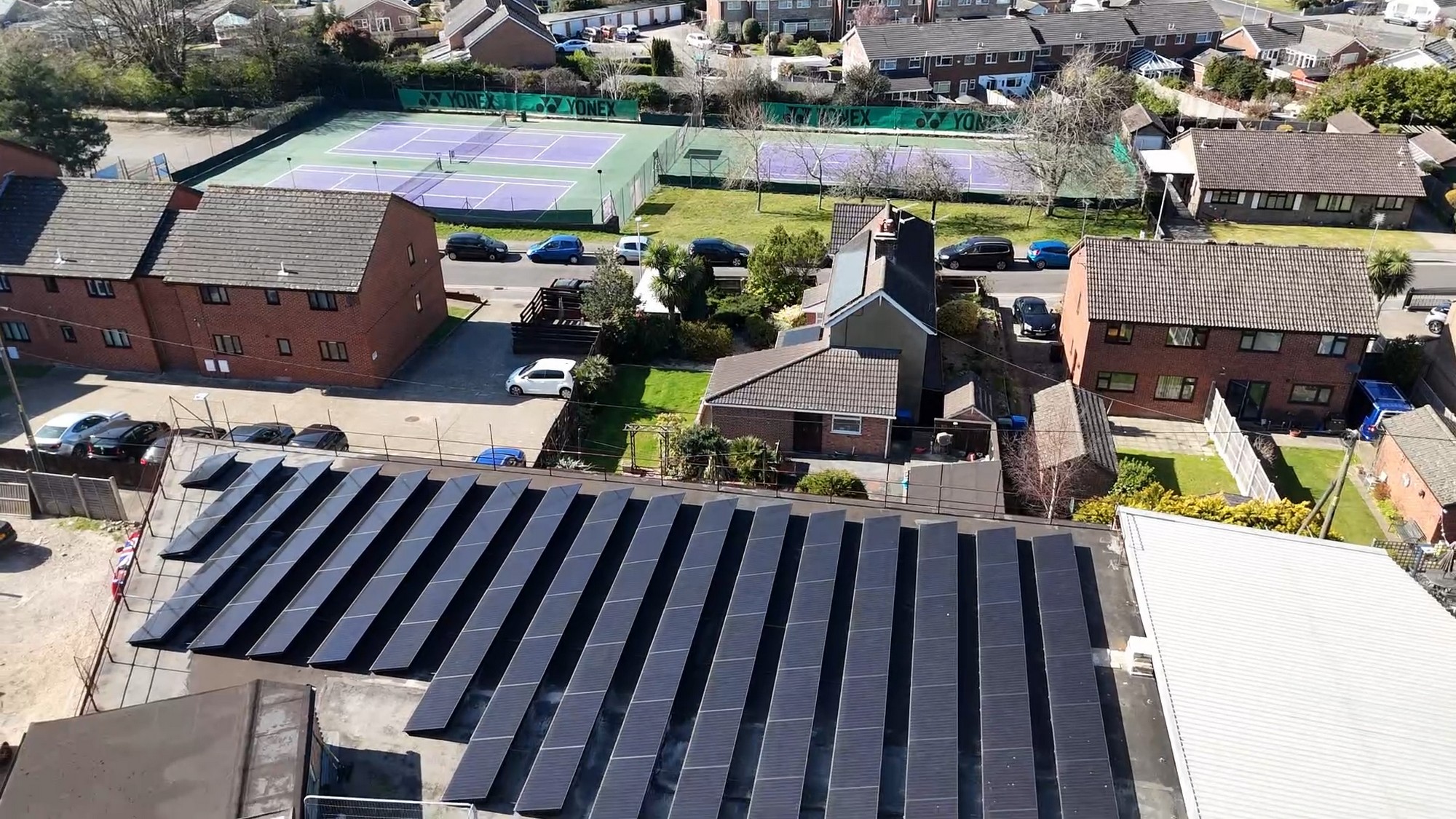
Once electricity is generated, it cannot yet be used by most commercial equipment. This is where inverters play a crucial role. They convert direct current into alternating current, which is the form of electricity used across business premises.
In larger systems, multiple inverters are often used to manage different sections of the installation. This improves efficiency and ensures that if one part of the system underperforms, the rest can continue operating effectively.
After conversion, electricity is fed into the site’s internal distribution network. This is where the real intelligence of a large scale solar system becomes apparent.
Energy is directed to where it is needed most, whether that is machinery, lighting, office equipment, or specialised industrial processes. Advanced systems prioritise on site consumption, ensuring that the electricity generated is used as efficiently as possible before any surplus is exported.
For example, a manufacturing facility in Bournemouth might use solar energy during peak production hours, significantly reducing its reliance on grid electricity during the most expensive periods of the day.
Battery storage is becoming an increasingly important component of commercial solar systems. Solutions such as Tesla and Growatt batteries allow businesses to store excess energy generated during the day and use it later when demand is higher or sunlight is limited.
This is particularly valuable for sites that operate beyond daylight hours. A logistics centre in Poole, for instance, may continue running into the evening, drawing on stored solar energy rather than purchasing electricity at higher evening tariffs.
Battery storage also provides resilience. In the event of fluctuations in supply or rising energy costs, businesses can rely more heavily on their own stored power.
Even with efficient on site use and battery storage, there are times when a solar system generates more electricity than a business requires. In these cases, the excess energy can be exported back to the national grid.
Through schemes available in the United Kingdom, businesses may receive payment for this exported energy, creating an additional financial benefit. This not only improves the return on investment but also contributes to a more sustainable national energy system.
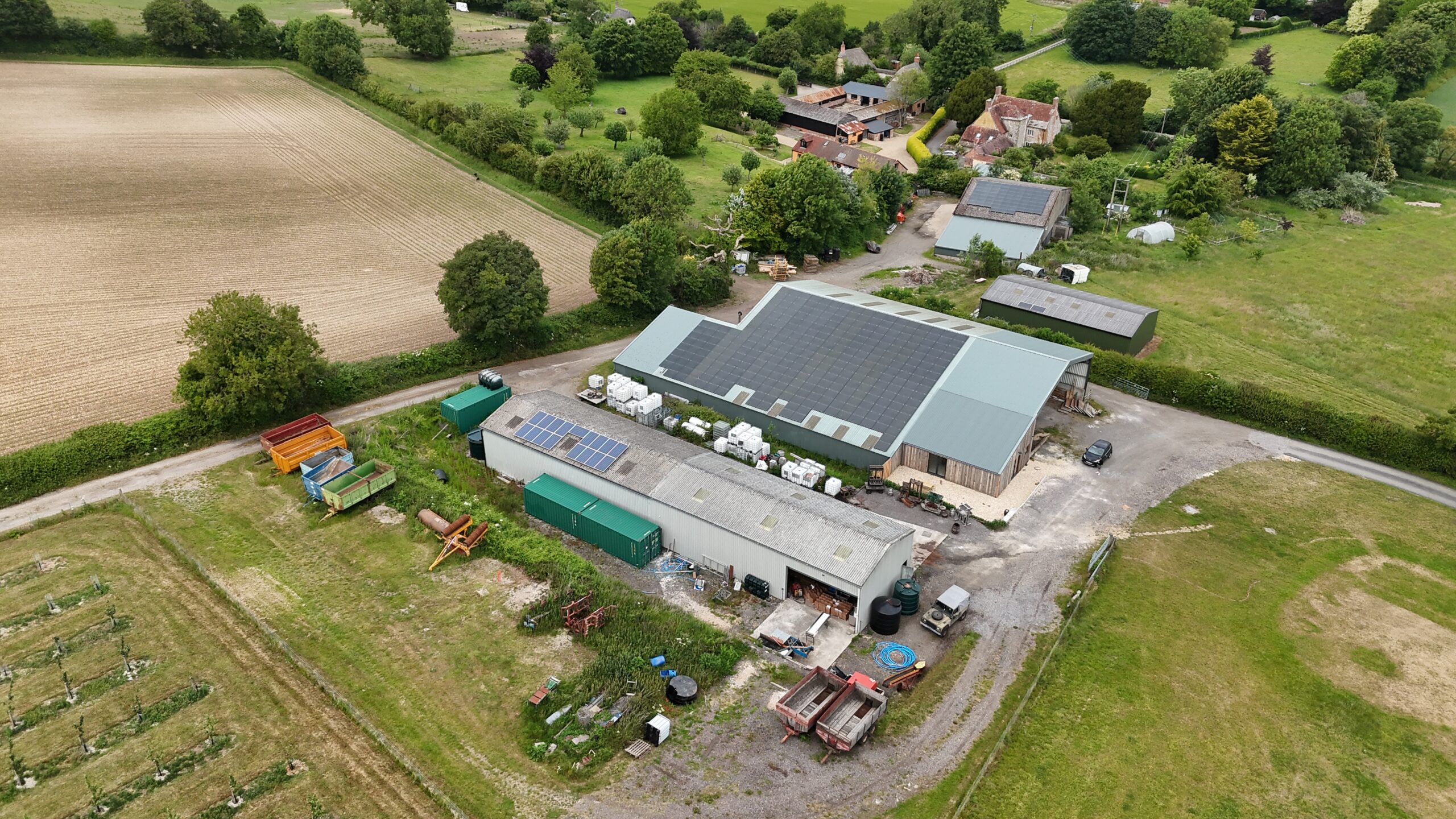
One of the most sophisticated aspects of a large scale solar system is load balancing. This refers to the ability to match energy supply with demand across different parts of a site.
Smart energy management systems monitor usage in real time and adjust distribution accordingly. If one area of a site requires more power, energy can be redirected without disruption. This ensures optimal efficiency and minimises waste.
According to UK energy data, businesses that implement intelligent energy management alongside solar generation can reduce overall energy costs by a significant margin. This is particularly relevant in energy intensive sectors such as manufacturing, logistics, and food production.
Across Dorset and surrounding areas, large scale solar systems are already delivering measurable results.
A commercial warehouse in Christchurch might use solar panels to power lighting and automated systems throughout the day, while storing excess energy for evening operations. Meanwhile, an industrial facility in Bournemouth could integrate solar with battery storage to stabilise energy costs and protect against market volatility.
These examples demonstrate that solar is not simply an environmental choice, but a strategic business decision.
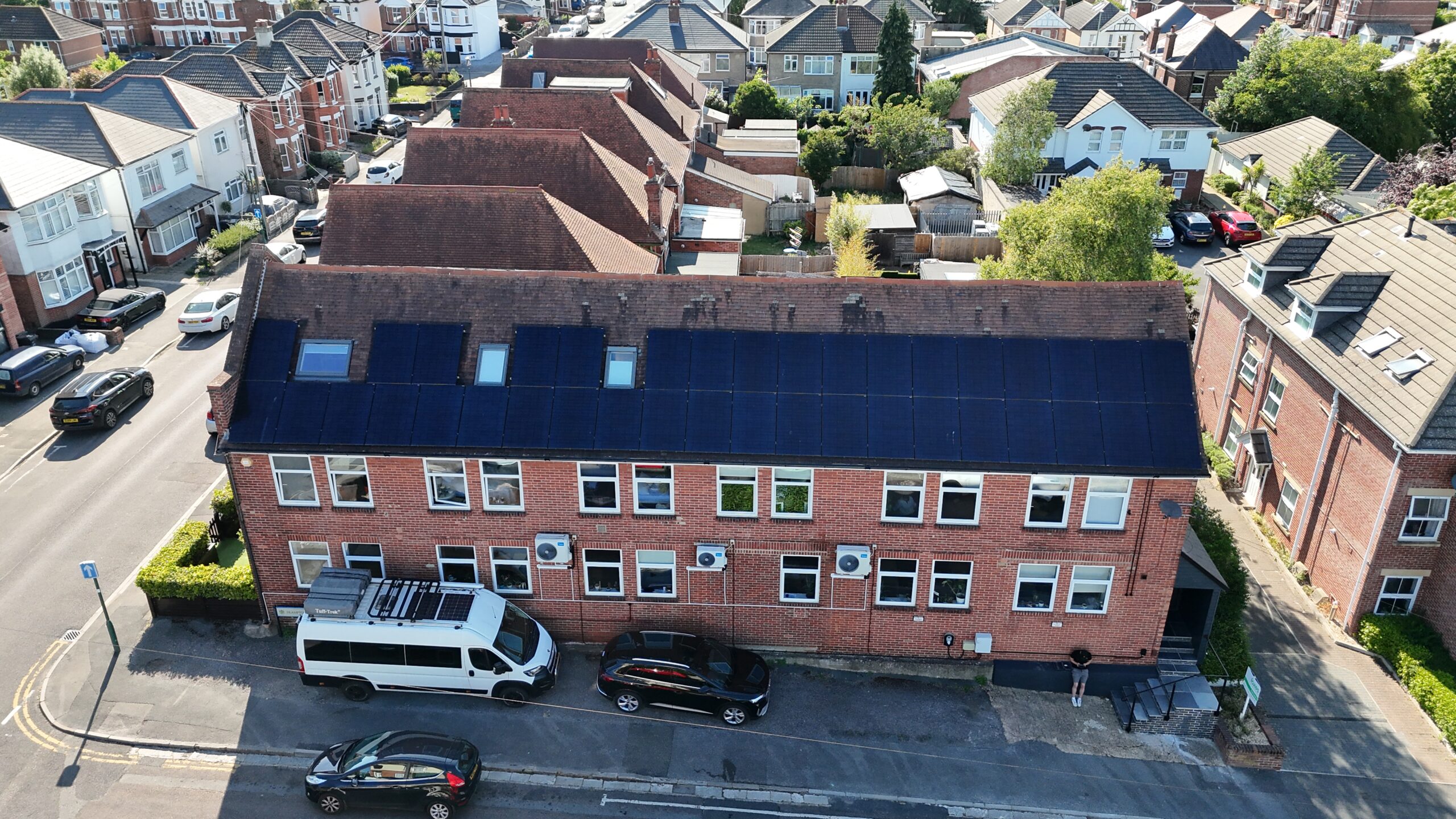
There are several compelling reasons why commercial organisations are investing in large scale solar systems.
Reducing operational costs is often the primary driver. By generating electricity on site, businesses can significantly lower their energy bills and protect themselves from future price increases.
Sustainability is another key factor. With increasing pressure to reduce carbon emissions, solar energy provides a practical and visible way to meet environmental targets.
Finally, energy independence offers long term security. By relying less on external suppliers, businesses gain greater control over their operations and financial planning.
For businesses in Dorset, navigating the transition to solar energy can seem complex. From system design to installation and ongoing optimisation, each stage requires careful planning and expertise.
Save Energy UK works closely with commercial clients to develop tailored solutions that meet specific energy needs. Whether you are exploring solar for the first time or looking to expand an existing system, having the right guidance can make all the difference.

A large scale solar system generates electricity through panels, converts it using inverters, and distributes it through the site’s electrical network, prioritising on site usage before exporting any surplus.
Yes, battery storage systems such as Tesla and Growatt allow businesses to store excess energy and use it when needed, improving efficiency and reducing reliance on the grid.
Modern solar systems are highly efficient and can generate significant electricity even in the UK climate, particularly when combined with battery storage and smart energy management.
Businesses can reduce energy bills, earn from exporting excess energy, and protect themselves from rising electricity costs over time.