Over 20 years as your solar system specialists
"We pride ourselves on good products, good pricing and good backup service"
Tel: 01202 986262
Supporting


Solar energy has become an increasingly popular choice for homeowners across Bournemouth and Dorset who are looking to reduce energy bills and embrace a more sustainable future. While solar panels are highly effective, many homeowners notice that their energy output can vary throughout the day and across different seasons.
Understanding what causes fluctuations in solar energy output is essential if you want to get the most from your investment. At Save Energy UK, we regularly help homeowners optimise their systems and improve overall solar panel performance through expert installation and advice.
In this guide, we explore the key factors that influence solar energy efficiency and what you can do to maintain consistent performance.
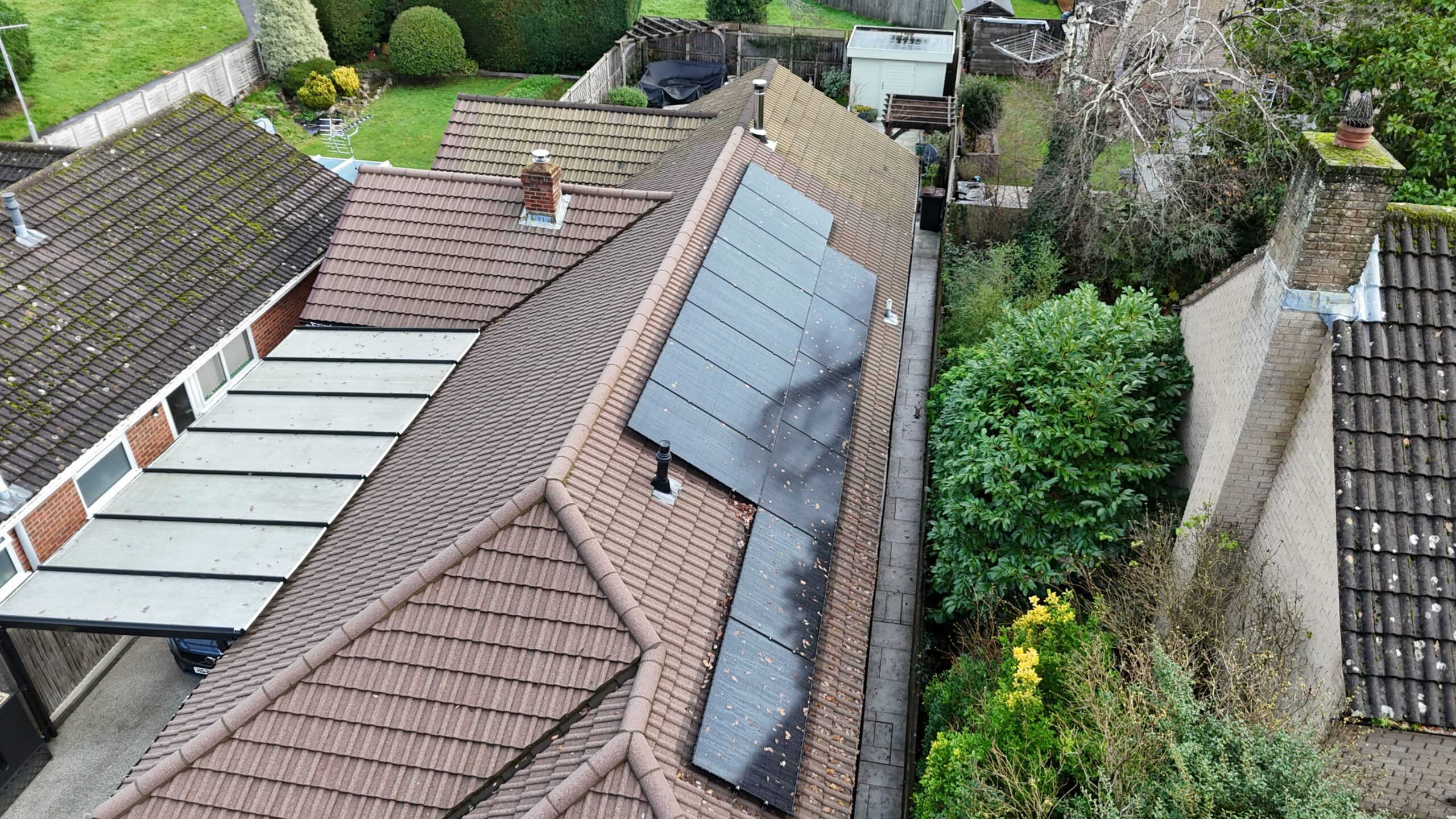
Weather is one of the most influential factors in solar energy production. In areas such as Bournemouth and across Dorset, changing weather patterns can have a noticeable effect.
Clouds reduce the amount of sunlight that reaches your panels. While solar panels still generate electricity on overcast days, output levels are lower compared to bright sunshine.
Rain can temporarily reduce performance, though it often helps clean panels, which can improve efficiency over time.
It may come as a surprise, but solar panels do not always perform better in extreme heat. In fact, very high temperatures can slightly reduce their efficiency. Mild, sunny conditions are typically ideal for optimal output.
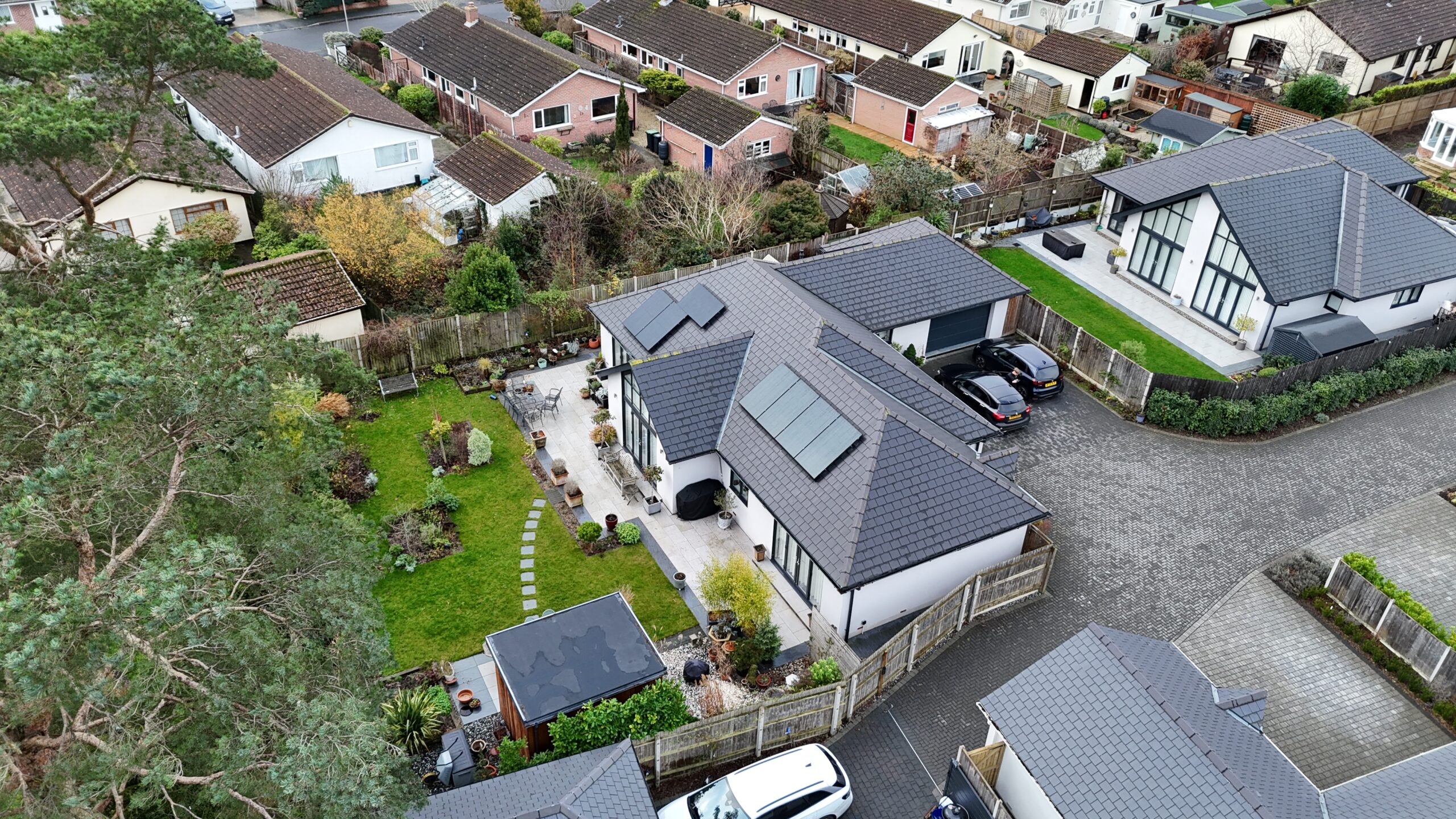
Solar energy output follows a natural pattern throughout the day and year.
Energy production is highest when the sun is at its peak, usually around midday. Output is lower in the early morning and late afternoon when sunlight is less direct.
During summer, longer daylight hours mean greater energy production. In contrast, winter brings shorter days and lower sun angles, which reduces output.
For homeowners searching for solar panels Bournemouth, it is important to understand that these seasonal changes are entirely normal and expected.
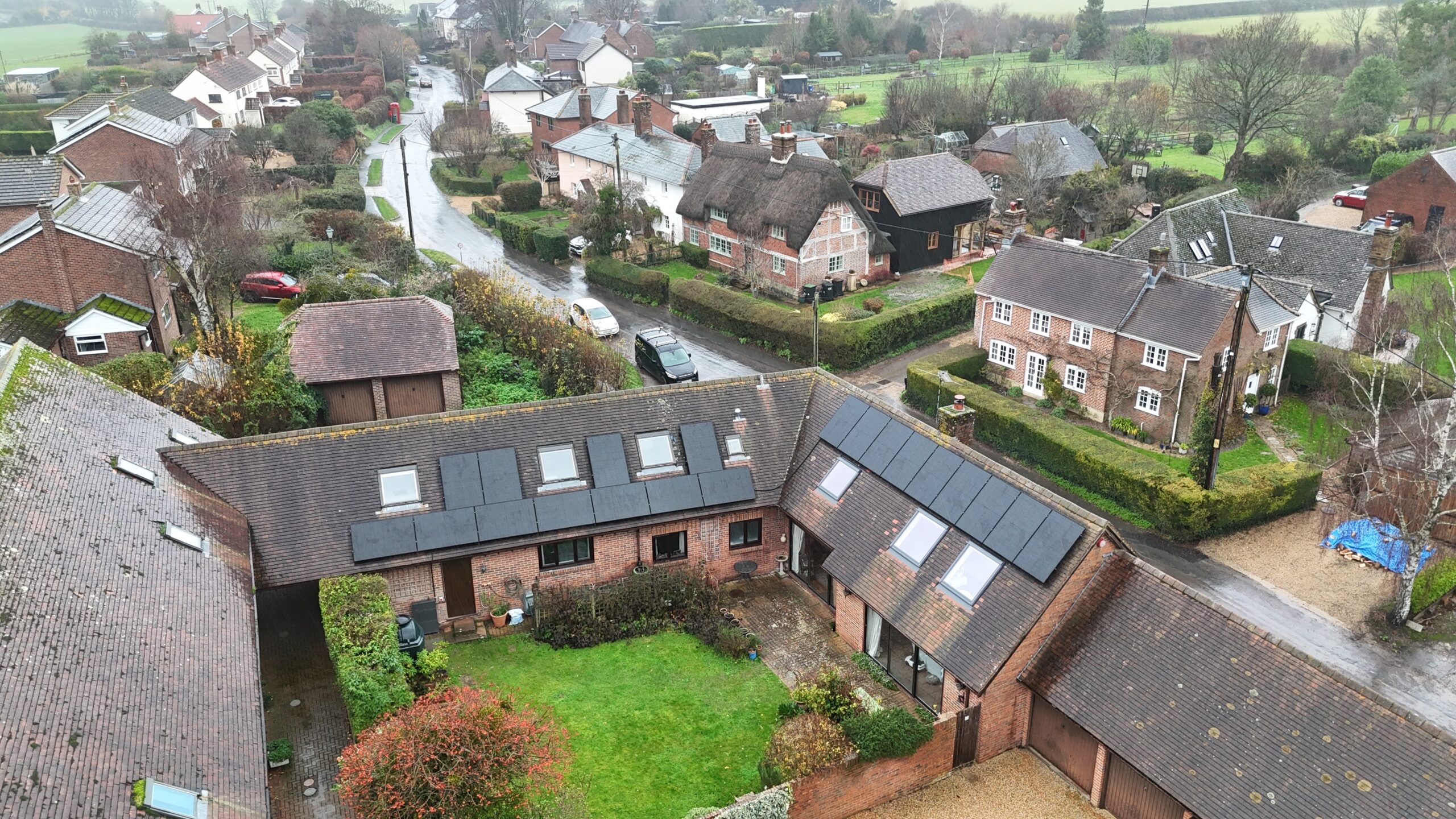
Shading is one of the most common causes of reduced solar panel performance.
Even partial shading can affect the performance of an entire system, depending on how panels are connected.
The way your solar panels are installed plays a crucial role in their efficiency.
In the United Kingdom, south facing roofs typically achieve the best results. The angle of the panels also affects how much sunlight they capture throughout the year.
Choosing experienced solar companies near me, such as Save Energy UK, ensures your system is designed to maximise exposure and minimise energy loss.
Poor installation can lead to long term performance issues and reduced energy output.
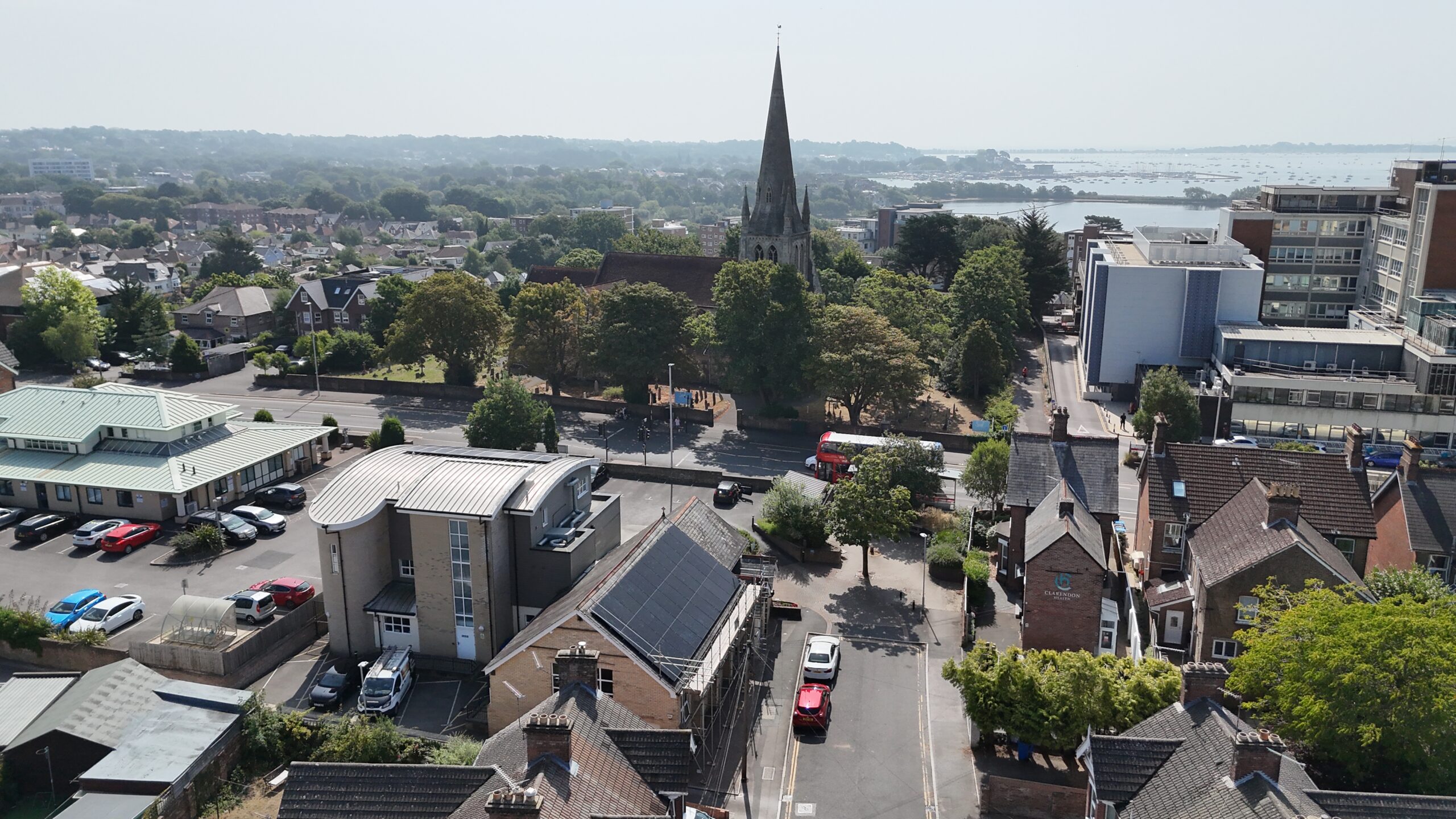
Like any home system, solar panels require occasional care to perform at their best.
Neglecting maintenance can lead to gradual efficiency losses over time.
Advancements in solar technology have made it easier than ever to manage fluctuations in energy production.
Tesla solar panels are designed for high efficiency and durability. Their sleek design and advanced technology allow for consistent performance even in less than ideal conditions.
A Qcell battery allows homeowners to store excess energy generated during the day. This stored energy can then be used during the evening or on lower production days, helping to balance fluctuations.
For homeowners across solar panels Dorset searches, combining panels with battery storage is becoming an increasingly popular solution.
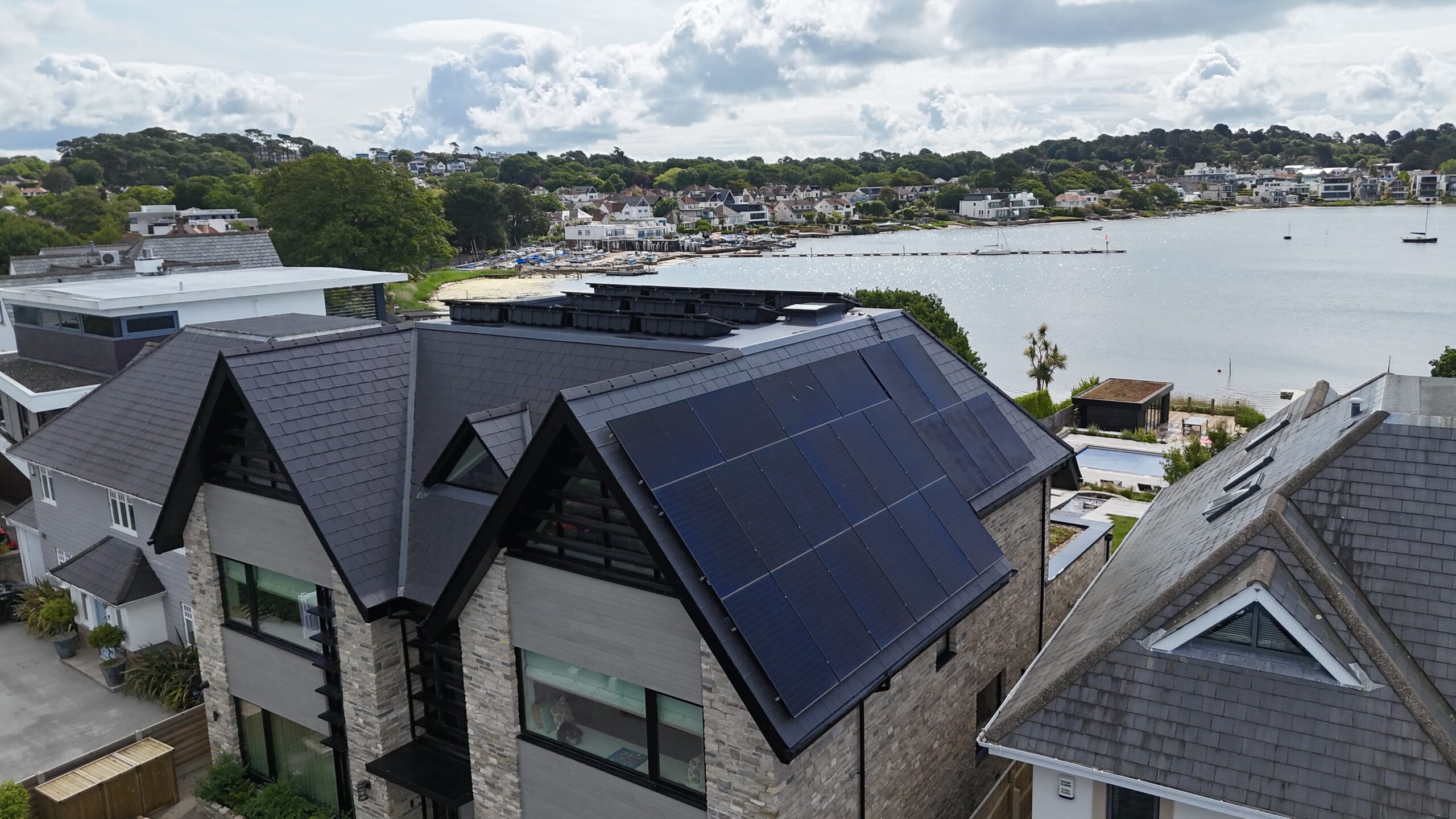
If you want to maximise your solar energy efficiency, there are several simple steps you can take:
These small improvements can make a noticeable difference in long term performance.
Solar output changes due to weather conditions, sunlight intensity, and the position of the sun throughout the day.
Yes, solar panels still generate electricity in cloudy conditions, though at a reduced level.
Solar panels produce less energy in winter due to shorter daylight hours, but they remain an effective energy source.
Yes, even partial shading can reduce the efficiency of multiple panels depending on system design.
Battery systems such as a Qcell battery allow you to store unused energy, making your system more efficient and reliable.

Fluctuations in solar energy output are completely normal and are influenced by a range of natural and technical factors. From weather conditions and seasonal changes to shading and system design, each element plays a role in how much energy your panels produce.
The good news is that with the right installation, regular maintenance, and modern technology, these fluctuations can be managed effectively. Save Energy UK works with homeowners across Bournemouth and Dorset to design systems that deliver reliable and efficient performance all year round.
If you are looking to get the most from your solar investment, our team is here to help.
Contact Save Energy UK today for a free quote, speak directly with one of our experts, or send us an enquiry through our website. Let us help you achieve greater efficiency and long term savings with a system tailored to your home.