Over 20 years as your solar system specialists
"We pride ourselves on good products, good pricing and good backup service"
Tel: 01202 986262
Supporting


As energy prices continue to rise across the United Kingdom, more homeowners are searching for practical ways to reduce household costs without sacrificing comfort. In places such as Bournemouth, Dorset, the South Coast, and throughout the Midlands, solar battery storage has quickly become one of the most discussed renewable energy solutions available today.
The idea is understandably appealing. Instead of relying heavily on expensive electricity from the National Grid during peak hours, homeowners can store excess solar energy generated during the day and use it later in the evening when energy demand is highest. For many households, this has the potential to make a noticeable difference to monthly bills.
But can solar battery storage genuinely reduce energy costs by as much as 50 per cent, or is the promise overly optimistic?
The answer lies somewhere between expectation and reality. For some households, particularly those already using solar panels and consuming large amounts of electricity during evenings, the savings can indeed be substantial. However, the extent of those savings depends on several important factors including energy usage habits, battery size, property location, and the efficiency of the system itself.
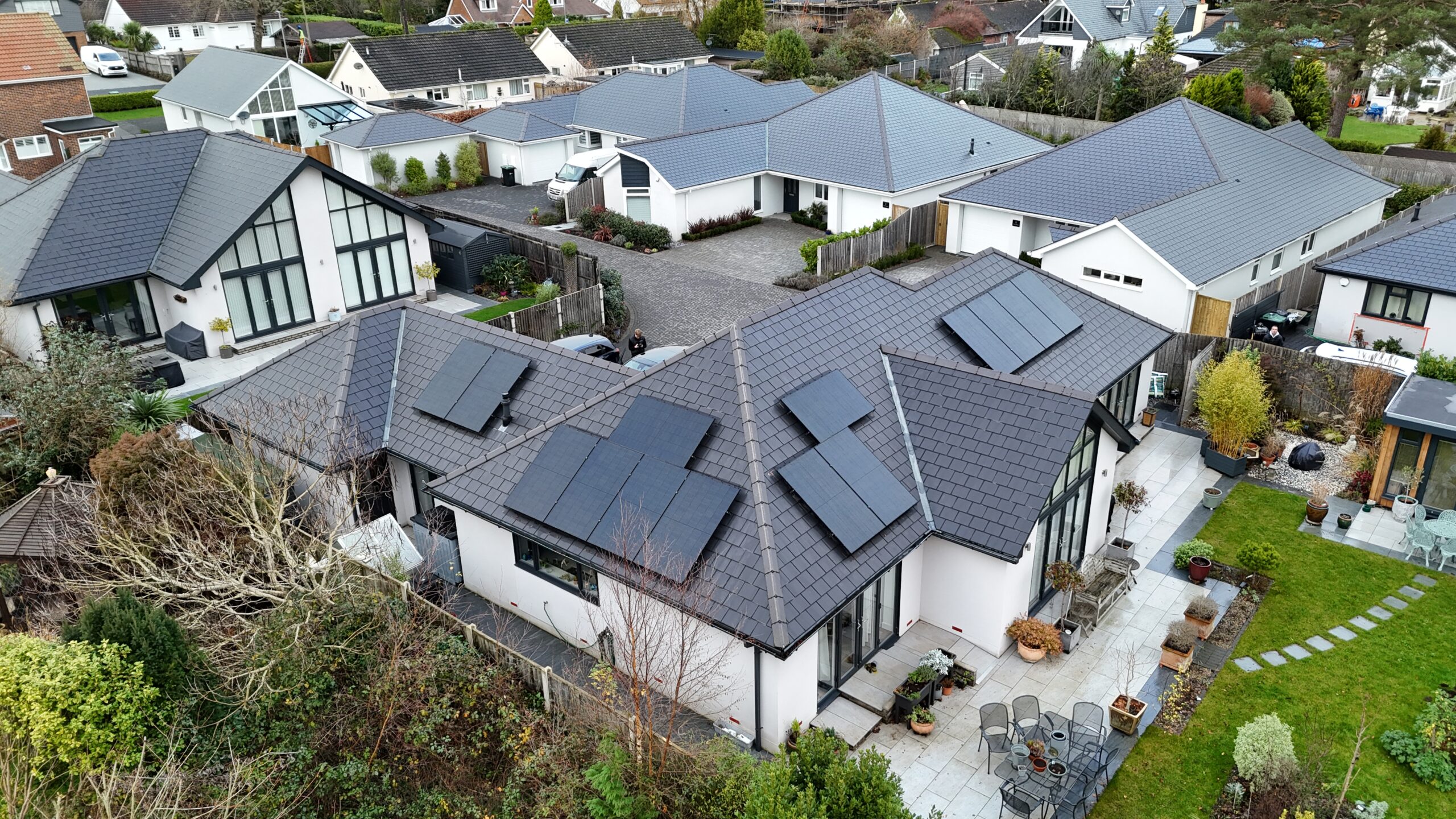
A solar battery stores unused electricity produced by solar panels during daylight hours. Rather than exporting all surplus energy back to the grid, homeowners can keep that energy for later use.
This means that instead of purchasing electricity during expensive peak periods, the home can draw from stored solar power instead.
In practical terms, a battery allows homeowners to use more of the renewable energy they generate themselves.
Without battery storage, many homes use only a portion of the electricity their solar panels create. The remainder is often exported to the grid for a relatively modest return through schemes such as the Smart Export Guarantee. With a battery in place, far more of that energy can be retained and used within the home.
For households in Bournemouth and along the South Coast where sunlight levels are often favourable compared with other parts of the UK, this can lead to particularly strong long term savings.
One of the main reasons battery storage has become increasingly popular is the continuing instability of UK energy prices.
According to Ofgem, the energy price cap has increased significantly in recent years due to wholesale market pressures, international supply issues, and growing demand. Many homeowners now face electricity costs far higher than they were only a few years ago.
As a result, households are becoming more conscious of when and how they consume energy.
Peak time electricity is typically more expensive, especially for homes using time of use tariffs. Battery systems help reduce dependence on the grid during these costly periods.
For example, a household may charge its battery using excess solar energy during the afternoon and then rely on stored power throughout the evening when televisions, cooking appliances, heating systems, and lighting are all in use.
This shift alone can create meaningful savings over time.
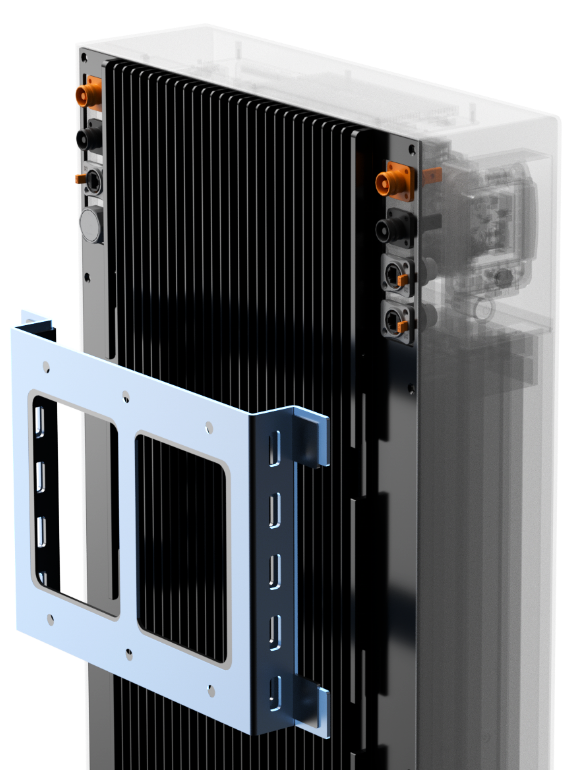
For some homeowners, yes.
However, the figure depends heavily on the household’s energy consumption patterns and the quality of the system installed.
A home with solar panels and battery storage that consumes a large amount of electricity in the evenings may dramatically reduce grid reliance. Families working from home or operating electric heating systems often see particularly noticeable reductions.
On the other hand, households with lower energy usage may experience more modest savings.
In general, the highest savings are usually achieved when homeowners:
For many households across Dorset and the Midlands, reductions of between 30 and 50 per cent are considered realistic over time, especially as energy prices continue to rise.
Battery technology has improved enormously in recent years.
Modern systems are more efficient, longer lasting, and better suited to British homes than earlier generations of renewable storage products.
Several battery systems have become particularly popular across the UK market including Tesla Powerwall, Growatt, GivEnergy, and Qcells.
Tesla Powerwall is often praised for its sleek design and intelligent energy management features. Growatt systems are widely recognised for offering strong performance alongside affordability. GivEnergy has built a strong reputation within the UK market for flexibility and customer support, while Qcells products are increasingly respected for efficiency and reliability.
The right solution depends largely on household size, energy goals, and existing solar infrastructure.
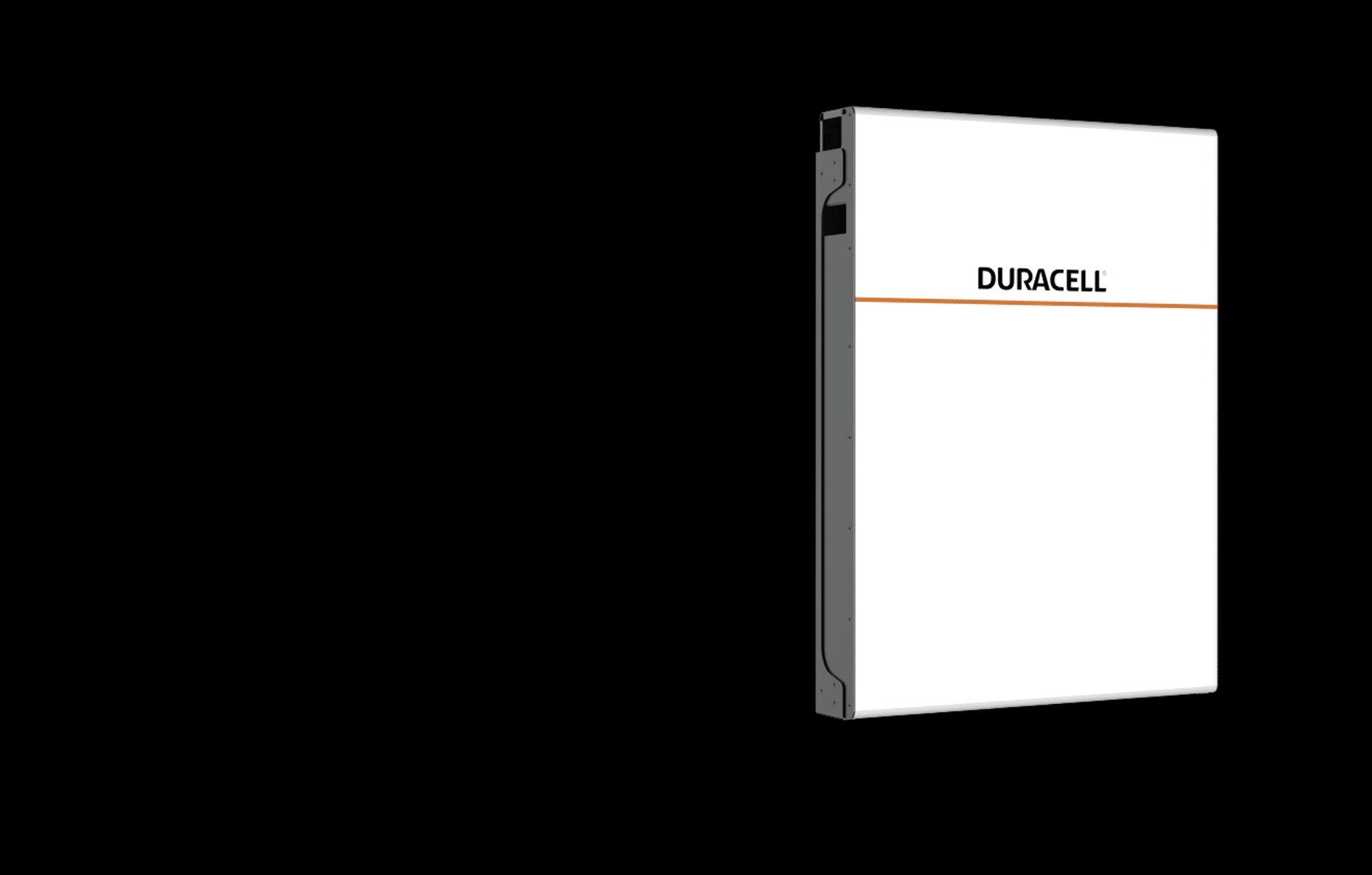
The growing interest in battery storage is not solely about financial savings.
Many homeowners are also motivated by energy independence and sustainability.
Some of the key benefits include:
For environmentally conscious households along the South Coast, battery storage can provide reassurance that more renewable energy is being used effectively rather than wasted.
While battery storage offers substantial advantages, it is important to approach the technology realistically.
No energy solution is perfect for every property.
Battery systems require an upfront investment, and savings vary considerably depending on how the household consumes electricity. Some homes may not generate enough excess solar energy to justify a large storage system.
Battery lifespan is another consideration. Although most modern batteries are designed to last many years, performance gradually declines over time.
There is also the issue of seasonal variation.
During winter months, shorter daylight hours mean solar panels naturally generate less electricity. As a result, batteries may store less energy during colder periods when households often consume more power.
Even so, many homeowners still benefit from reduced peak time electricity usage during winter.

| Advantages | Considerations |
|---|---|
| Lower electricity bills | Initial installation costs |
| Greater energy independence | Savings vary by household |
| Better use of solar energy | Reduced winter generation |
| Reduced carbon footprint | Battery performance declines over time |
| Protection from rising energy costs | Not all homes require large systems |
The future of domestic energy increasingly appears to centre around smarter energy management.
As renewable technology becomes more advanced and accessible, battery storage is likely to play a central role in how homes across Bournemouth, Dorset, and the Midlands consume electricity.
Government support for low carbon technologies continues to evolve, while public awareness surrounding sustainability grows stronger each year.
At the same time, improvements in battery efficiency and intelligent energy software are making these systems more attractive to ordinary homeowners.
Many industry experts believe battery storage will eventually become as common as solar panels themselves.
For many households, battery storage represents a sensible long term investment rather than a short term saving.
The financial benefits are often strongest when combined with solar panels, efficient energy usage habits, and rising electricity prices.
Although not every home will achieve a 50 per cent reduction in bills, many homeowners can still make meaningful savings while gaining greater energy security and reducing reliance on the grid.
The technology is no longer viewed as futuristic or experimental. It has become an increasingly practical option for homeowners seeking smarter, more sustainable energy solutions.
For those considering battery storage in Bournemouth, the South Coast, or the Midlands, speaking with experienced renewable energy specialists can help determine which system is most suitable for the property and lifestyle involved.
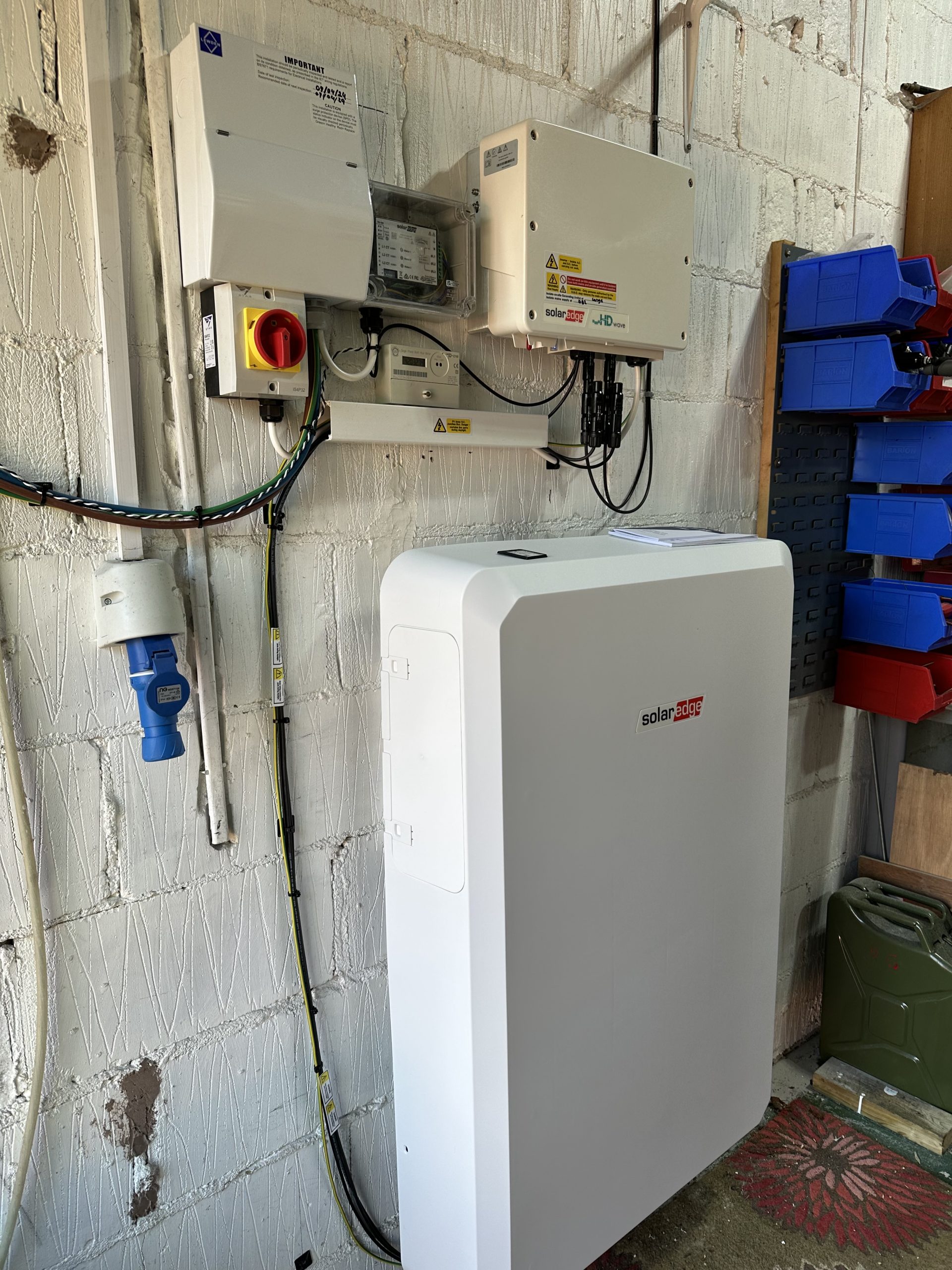
Most modern solar batteries last between ten and fifteen years depending on usage patterns, charging cycles, and maintenance.
Yes. Many homeowners retrofit battery systems to existing solar panel installations.
Yes, although solar generation is lower during winter months. Batteries can still help reduce peak electricity usage and improve energy efficiency.
The best system depends on household size, energy usage, and budget. Popular options include Tesla Powerwall, Growatt, GivEnergy, and Qcells.
For many households, especially those with solar panels, battery storage can provide long term savings, improved energy independence, and greater protection against rising electricity prices.