Over 20 years as your solar system specialists
"We pride ourselves on good products, good pricing and good backup service"
Tel: 01202 986262
Supporting


For many business owners, the prospect of investing in commercial solar installations brings one important question to the forefront. Will the installation process disrupt everyday operations?
It is a reasonable concern. Whether you operate from an office, warehouse, retail premises, industrial unit or commercial property, keeping your business running smoothly is always the priority. The encouraging news is that experienced installers carefully plan modern commercial solar installations to minimise disruption. With the right installer, most businesses are able to continue operating throughout the majority of the project with very little impact on staff, customers or productivity.
At Save Energy UK, every commercial solar project begins with meticulous planning to ensure that your renewable energy investment fits around your business rather than interrupting it.
Experienced installers generally complete commercial solar installations without disrupting daily operations. They carry out most of the work on the roof and schedule any necessary electrical connections at convenient times to minimise interruptions.
Every building is unique, but experienced installers work closely with business owners to ensure the installation programme causes as little inconvenience as possible.
Successful commercial solar installations begin long before the first solar panel arrives on site.
An experienced installer will undertake a detailed survey of the property, assessing everything from roof structure and electrical infrastructure to access points and safety requirements. This planning stage allows the installation team to develop a clear programme of works that fits around your business.
Rather than arriving on site without preparation, experienced installers organise every stage well in advance, allowing business owners to understand exactly what will happen and when.
This level of planning significantly reduces unexpected delays and helps ensure normal operations continue wherever possible.
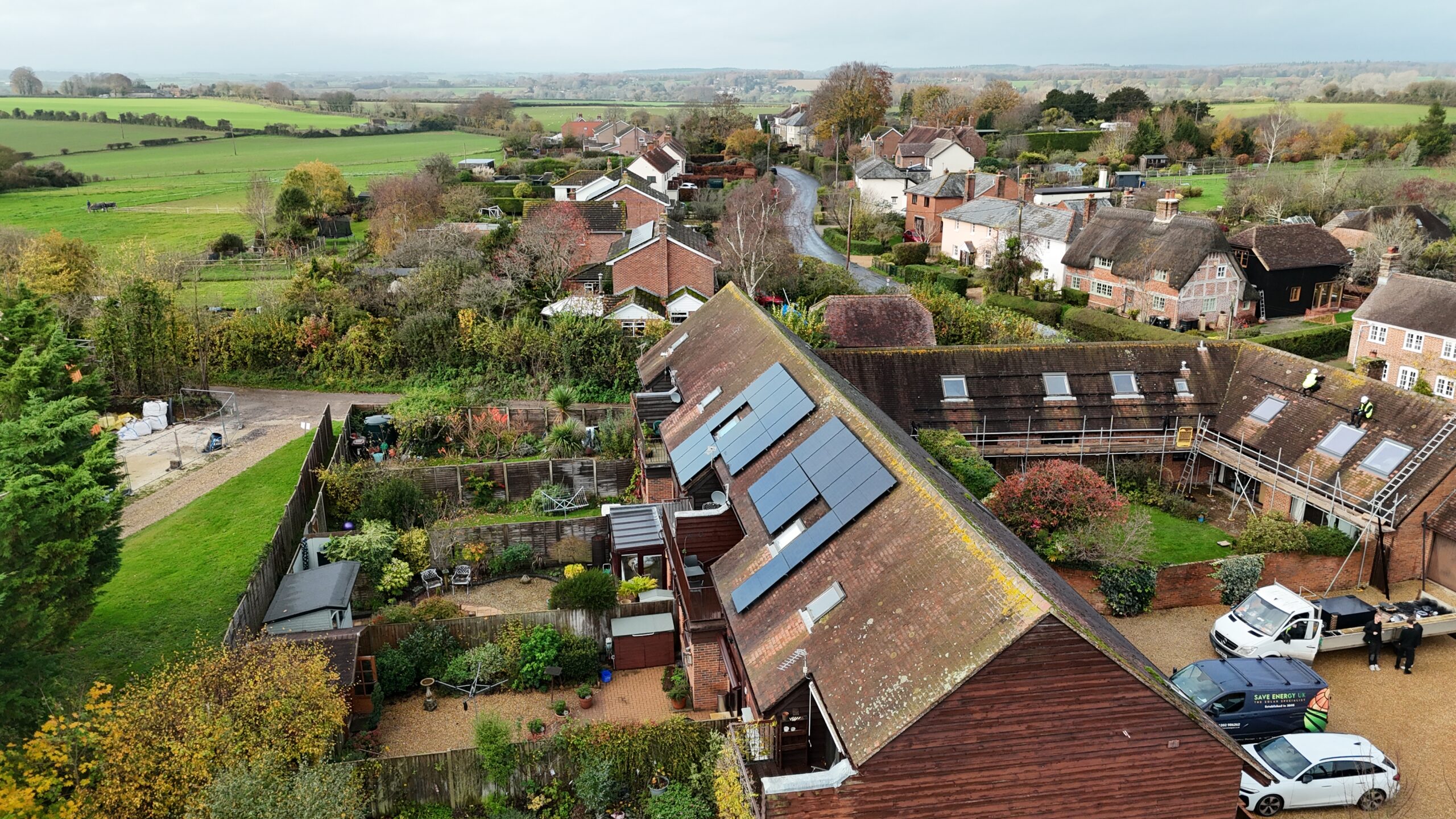
One of the reasons commercial solar installations are far less disruptive than many businesses expect is because the majority of the installation takes place on the roof.
Installation teams spend much of their time fitting mounting systems, securing solar panels and completing external cabling. This means employees can often continue working inside the building with little awareness that work is taking place overhead.
Noise levels are generally modest and are often no greater than those associated with routine building maintenance.
For many businesses, daily operations continue almost entirely uninterrupted during this phase.
Every business operates differently. Some welcome work during standard office hours, while others prefer installations to be completed during quieter periods.
A professional commercial solar installer understands this and will discuss scheduling before work begins.
Depending on the nature of the premises, the installation team can often schedule certain activities during quieter trading periods, outside normal working hours or during planned maintenance windows.
This flexibility helps reduce disruption and ensures that essential business functions remain operational throughout the project.
This is one of the most common concerns among business owners.
The answer is that installers usually need a short period to complete the electrical connections safely. However, they plan these brief shutdowns well in advance to minimise disruption.
Rather than unexpected power interruptions, businesses receive clear communication about when the connection work will take place.
In In many cases, installers complete the electrical shutdown within a relatively short period before restoring normal power. By carefully coordinating this stage, they keep disruption to an absolute minimum
Commercial solar installations involve working at height and connecting equipment to electrical systems. For this reason, health and safety procedures are followed throughout every project.
Qualified installers establish secure working areas, use appropriate access equipment and ensure staff and visitors remain safe while work is taking place.
These measures are designed not only to protect the installation team but also to allow businesses to continue operating safely during the project.
Professional planning means safety and productivity go hand in hand.
Every project is different, but many commercial solar installations are completed far more quickly than business owners expect.
Smaller commercial systems may take only a few days to install, while larger and more complex projects naturally require longer.
Several factors influence installation times, including:
Despite these variables, experienced installers work efficiently to complete projects within agreed timescales.
Good communication is often the difference between a smooth installation and a stressful experience.
Throughout the project, businesses should receive regular updates explaining what work is taking place and what to expect next.
Knowing when contractors will be on site, when equipment will be delivered and when electrical works are scheduled allows managers to plan accordingly.
This transparency removes uncertainty and helps businesses continue operating with confidence.
One of the biggest misconceptions is that businesses must stop operating while solar panels are installed.
In reality, professional installers understand that downtime costs money.
Experienced installers make every effort to ensure staff can continue working, customers can continue visiting the premises and business activities can carry on as normal wherever possible.
From delivery logistics to scaffold positioning and electrical commissioning, the installation team carefully coordinates every aspect of the project.
The goal is simple. Deliver a high quality renewable energy system while allowing the business to function with minimal interruption.
Even where minor disruption is unavoidable, it is important to consider the lasting advantages commercial solar installations provide.
Businesses benefit from reduced electricity costs, greater protection against rising energy prices and improved sustainability credentials.
Generating renewable electricity on site also helps reduce reliance on the National Grid while lowering carbon emissions.
For many organisations, commercial solar demonstrates a long term commitment to environmental responsibility, something increasingly valued by customers, employees and stakeholders alike.
Businesses quickly move beyond the installation period as they begin enjoying substantial savings year after year.