Over 20 years as your solar system specialists
"We pride ourselves on good products, good pricing and good backup service"
Tel: 01202 986262
Supporting


For many homeowners living in small homes and terraced houses, the same question quietly lingers. Is my property simply too small for solar panels to make financial sense
With energy prices in England remaining unpredictable and household budgets under pressure, solar panels are no longer viewed as a luxury reserved for large detached properties. Increasingly, owners of compact homes are exploring whether a modest roof can still deliver meaningful savings.
The reassuring truth is this. Solar panels can be highly effective for small homes. In many cases they offer an excellent return on investment when designed and installed correctly.
At Save Energy UK, we regularly install systems on terraced and smaller properties across England. Size is rarely the obstacle people imagine it to be.
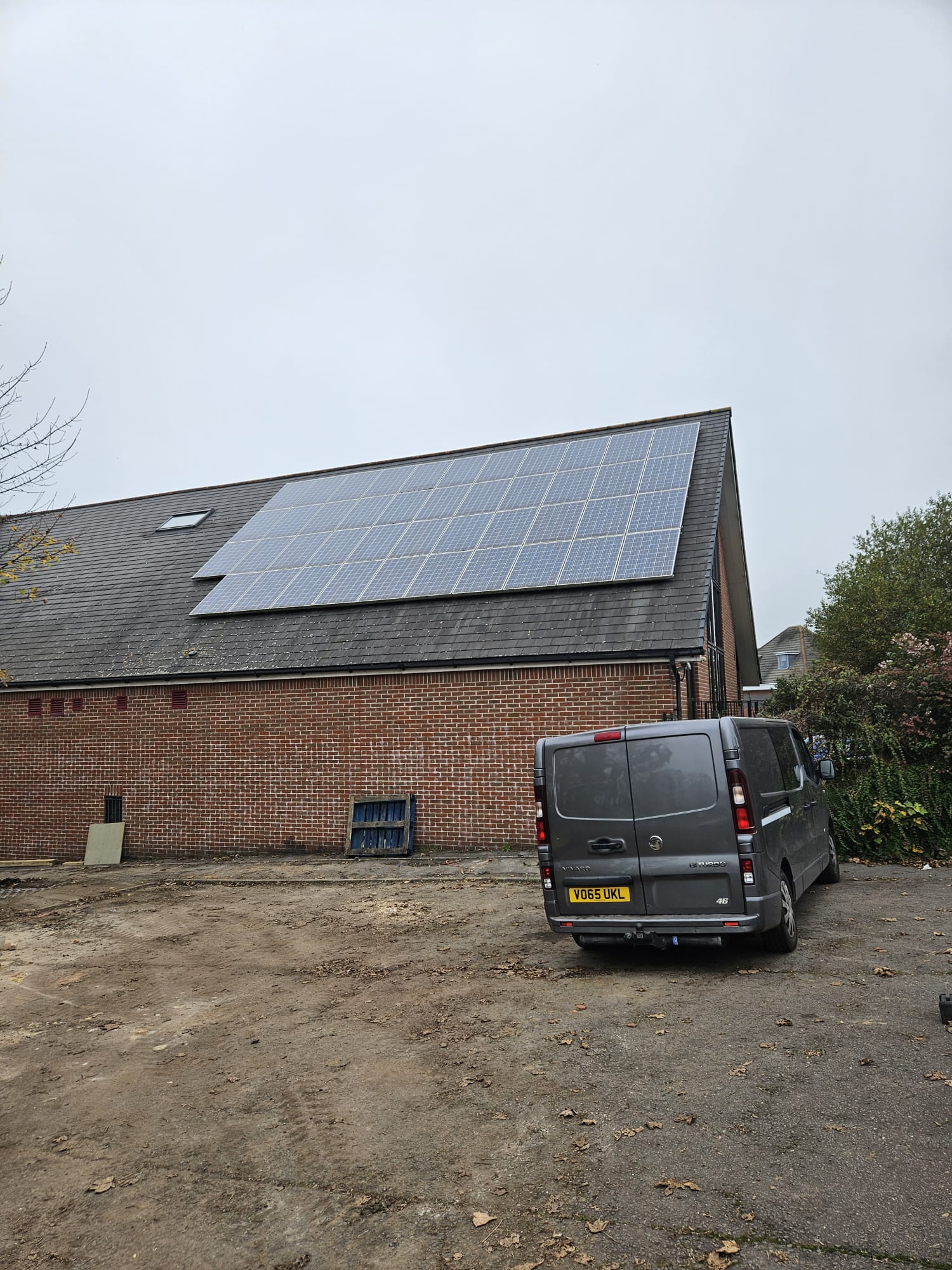
A smaller roof does not mean solar is unsuitable. It simply means the system must be carefully designed to maximise efficiency.
Modern solar panels are far more efficient than those installed a decade ago. Even with fewer panels, a well planned system can generate substantial electricity for everyday household use.
Most small homes in England can accommodate a system between 3 kilowatts and 4 kilowatts depending on roof layout. A 3 kilowatt system may require around eight to ten panels, while a 4 kilowatt system may require ten to twelve panels. Many terraced houses comfortably support this.
The key factors are:
Roof orientation
South facing roofs offer optimal output, though east and west facing roofs can still perform very well
Roof pitch
A pitch between thirty and forty degrees is typically ideal in England
Shading
Limited shading from neighbouring buildings or trees improves generation
Even if roof space is restricted, careful panel placement often achieves impressive results. In truth, most small homes use less electricity than larger properties, which means a smaller system can still offset a significant proportion of usage.
Terraced houses often raise specific concerns. Shared walls, narrower rooflines, and potential shading from adjacent properties can seem problematic.
However, terraced houses are among the most common properties for solar installations in England.
Many terraces benefit from uninterrupted roof slopes. While the roof may be narrower, it is often long and clear of obstructions. Installers can configure panels in portrait or landscape arrangements to maximise available space.
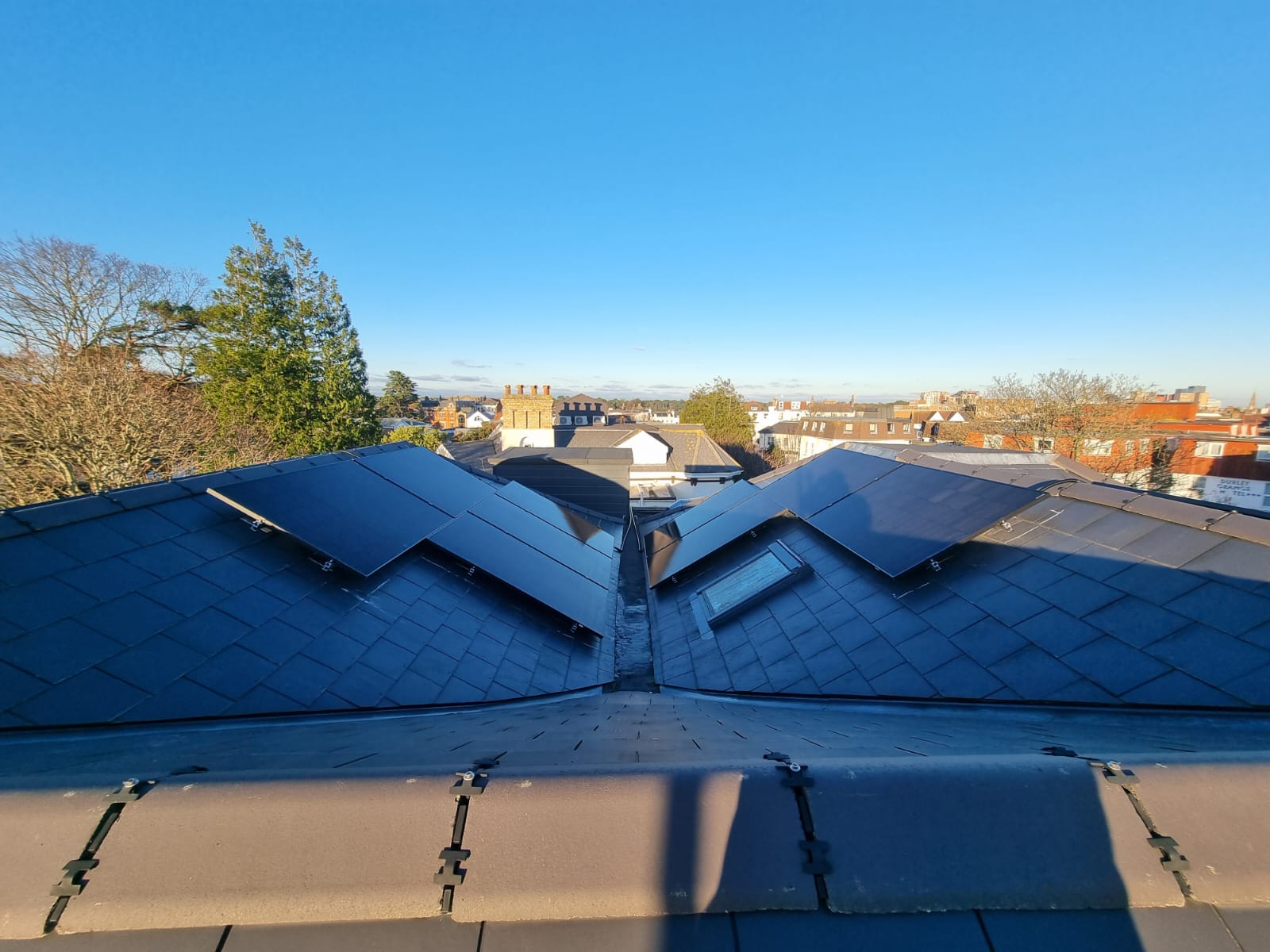
Split roof layouts are also manageable. If the front roof faces east and the rear roof faces west, generation can be balanced across the day. This can actually be advantageous, providing electricity in both morning and afternoon peaks.
In conservation areas or listed properties, additional considerations may apply. Yet in most cases across England, solar panels fall under permitted development and do not require planning permission, provided they meet standard height and projection limits.
With professional assessment, terraced housing is rarely a barrier.
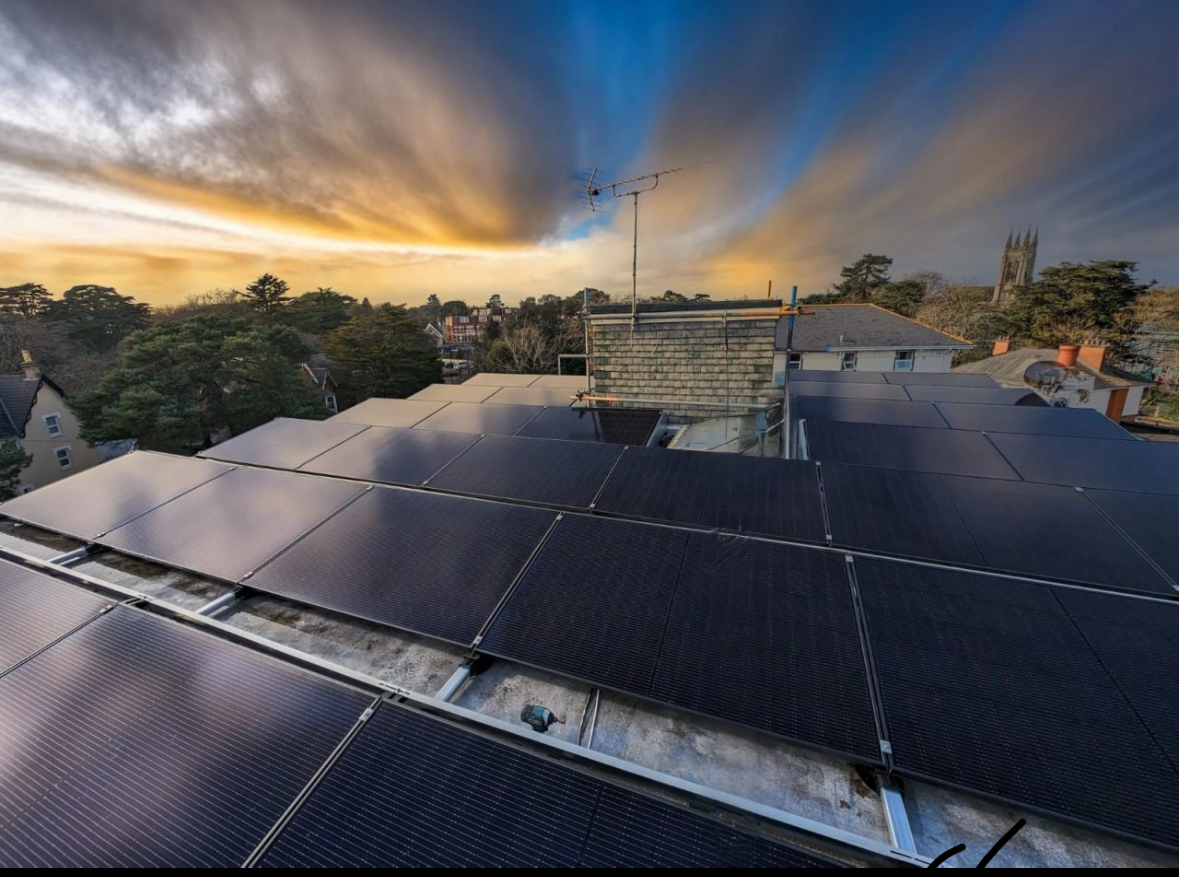
The central question remains financial. Are solar panels worth it for small homes when costs are considered carefully
In England, a typical 3 to 4 kilowatt system for a small home may cost between five thousand and seven thousand pounds, depending on equipment quality and installation complexity.
Annual savings depend on usage patterns and electricity tariffs. A well utilised system can save between seven hundred and one thousand pounds per year when combining reduced grid consumption with export payments.
The solar panel payback period for small homes commonly ranges between six and nine years. Given that panels are designed to last twenty five years or more, this leaves many years of reduced energy bills once the system has effectively paid for itself.
It is also worth noting that energy prices have shown consistent volatility. The higher grid prices rise, the more valuable each unit of self generated electricity becomes.
For many small households, the proportion of electricity covered by solar can be surprisingly high. Daytime users working from home often see even greater benefit.
The Smart Export Guarantee, known as SEG, allows homeowners to receive payment for surplus electricity exported to the grid.
Even a modest system on a small home can produce excess energy during bright periods. Rather than wasting this generation, it is exported and credited.
SEG rates vary by supplier, but they provide an additional income stream that improves overall returns. While export payments alone will not repay a system, they meaningfully shorten the solar panel payback period.
When combined with direct savings from reduced grid reliance, the financial case strengthens considerably.
Battery storage has transformed the economics of solar panels for small homes.
Without a battery, unused daytime electricity flows back to the grid. With solar battery storage, that electricity is retained for evening use when demand is typically highest.
For small properties, this can be particularly valuable. Storage increases self consumption and reduces reliance on peak rate electricity.
Leading options such as the Tesla Powerwall and Qcell battery systems offer compact designs suitable for garages, utility rooms, or discreet external installation. Their capacity can be matched to household needs without requiring excessive space.
While adding a battery increases upfront cost, it can significantly enhance long term savings and energy independence. For many small homes in England, it also provides reassurance during grid instability.
In most parts of England, solar panels on domestic properties fall within permitted development rights.
Planning permission may be required if:
The property is listed
It lies within a designated conservation area and panels face a public highway
The installation exceeds projection limits
A professional installer such as Save Energy UK will assess these considerations in advance and provide clear guidance.
Quality installation is essential. Solar panels represent a long term investment and must be installed to rigorous standards.
Save Energy UK operates in accordance with MCS certification requirements and industry best practice. This ensures eligibility for SEG payments and confirms that systems meet recognised safety and performance benchmarks.
Professional design also ensures that small homes receive systems precisely matched to roof size and energy demand. Oversizing or undersizing can undermine returns.

When examined carefully, the answer for many households in England is yes.
Small homes often consume less electricity, meaning a modest system can cover a significant share of demand. Modern panel efficiency, combined with SEG payments and optional battery storage, creates a compelling financial case.
Terraced houses are not excluded from the benefits of renewable energy. In fact, they are increasingly well suited to it.
While every property requires individual assessment, roof size alone should not deter homeowners from exploring solar.
Do solar panels work on very small roofs
Yes provided there is sufficient uninterrupted space for several panels. Even smaller arrays can generate meaningful savings.
Are solar panels worth it for terraced houses in England
In many cases they are. Orientation and shading matter more than the property type itself.
How long is the solar panel payback period for small homes
Typically between six and nine years depending on system size, energy usage, and tariff rates.
Is battery storage necessary for small homes
It is not essential but it can significantly increase savings by storing unused electricity for evening use.
Do I need planning permission for solar panels in England
Most domestic installations fall under permitted development, though listed buildings and conservation areas may require additional approval.
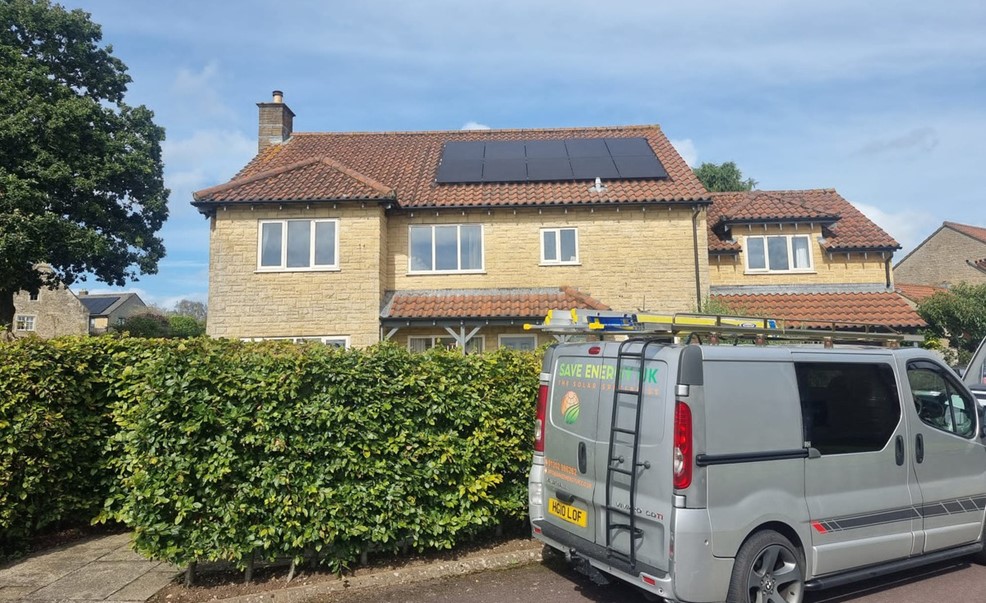
If you live in a small home or terraced house and have wondered whether solar panels are worthwhile, the most reliable way to find out is through a tailored assessment.
At Save Energy UK, we design systems specifically suited to the scale and structure of your property. Our experienced team will evaluate roof space, orientation, shading, and energy usage to provide clear projections of savings and payback.
You may be surprised by what your roof can achieve.
Book your free solar assessment today and discover how much your small home could save with expertly installed solar panels in England.