Over 20 years as your solar system specialists
"We pride ourselves on good products, good pricing and good backup service"
Tel: 01202 986262
Supporting


As more households embrace electric vehicles, one question increasingly comes to the forefront: can solar panels power EV chargers at home? The thought of fuelling a car using sunlight alone is undeniably appealing. It promises lower running costs, greater energy independence and a gentler impact on the planet. For many homeowners, it also sparks curiosity about how solar energy can support everyday living and how it fits into the wider picture of energy efficiency solutions in the United Kingdom.
The short answer is yes. Solar panels can absolutely power an EV charger at home. Yet, as with all renewable technologies, the reality is slightly more nuanced. The amount of energy you can generate, the consistency with which you can rely on it and the overall effectiveness of the system will depend on a combination of thoughtful planning, system design and the particular needs of the home.
This guide sets out everything you need to know, from solar panel installation and practical considerations to how solar batteries add flexibility to domestic charging.
Solar panels convert sunlight into electricity. When this electricity is produced on a home, it flows through an inverter which converts direct current into usable alternating current for household circuits, including an EV charger.
Electric vehicle chargers typically require a considerable amount of power. A standard home charger rated at around seven kilowatts will draw far more electricity than most other appliances in the home. While solar panels can generate impressive amounts of energy, the generation rate varies throughout the day and depends heavily on weather and season.
This is where system design becomes important. The goal is not to match the maximum charging rate using solar alone but to produce enough energy over time to meaningfully contribute to the energy the EV uses. When combined with solar batteries, even modest systems can achieve a remarkable level of self sufficiency.
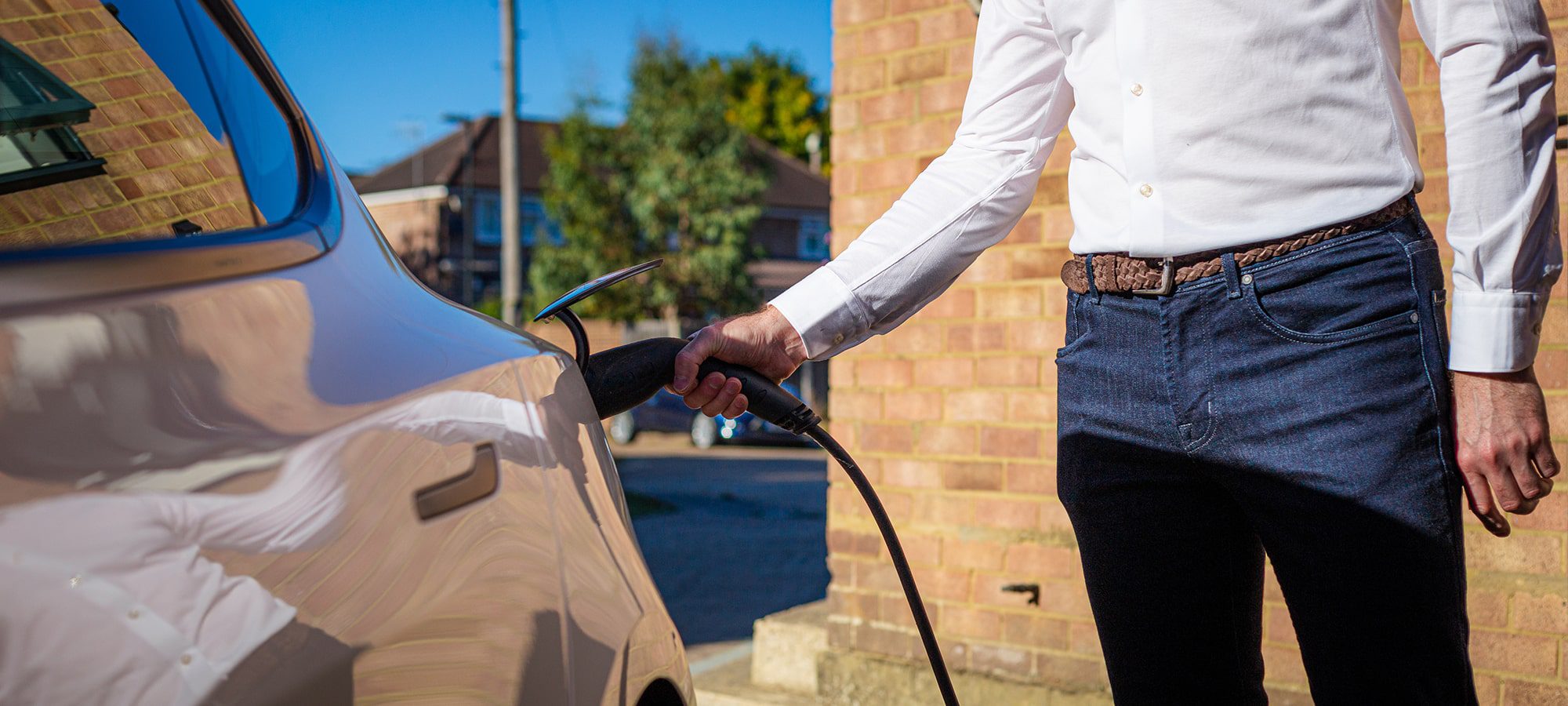
The number of solar panels needed depends on several factors, including the vehicle’s daily mileage, the efficiency of the panels and the size of the installation.
A typical electric car uses about three to four miles per kilowatt hour. An average UK daily commute might require between six and ten kilowatt hours of electricity. A well installed domestic solar system of around fourteen to sixteen panels can produce enough electricity across the year to cover at least a significant portion of this demand.
It is worth remembering that solar energy generation varies widely between summer and winter. In the brighter months, solar panels produce far more electricity than the home requires at any one time. In winter, the output declines. This is another reason why solar batteries can be valuable, as they allow surplus energy to be stored and used at times of low generation.
Solar batteries are becoming increasingly common in British homes and for good reason. They capture unused solar electricity and store it for later. This allows a homeowner to charge an EV even when the panels are not generating energy, such as during the evening or early morning.
A battery does not need to be enormous to be useful. Even a relatively small unit can contribute enough energy to support overnight charging sessions or top up the car during cloudy periods. Many households choose batteries because they help them save electricity, reduce reliance on grid power and make the most efficient use of their renewable investment.
Solar batteries also allow homeowners to manage energy in a more strategic way. If you combine solar generation with off peak electricity tariffs, it becomes possible to ensure that the car is charged at the lowest possible cost without compromising convenience.
Solar panel cost varies depending on the size of the system, the type of panels chosen and the complexity of the installation. The phrase solar panels install may sound straightforward, but it is a process that benefits from professional assessment and careful planning. A typical British home can expect a system to last at least twenty five years, so longevity and reliability matter.
Installers will assess the structure of the roof, its orientation, the available space and the presence of shading from trees or neighbouring buildings. They will also consider how best to integrate the EV charger with the existing electrical supply. A good installer will ensure that the system is tailored not simply to the home but to the lifestyle and energy habits of its residents.
The initial investment in solar panel installation is offset by long term savings on household electricity. Homeowners also gain protection from rising energy prices and are able to rely more on their own generation rather than the grid. Solar energy UK wide has become increasingly accessible, and Government policy continues to recognise the value of renewable systems both for homes and for commercial solar installations.
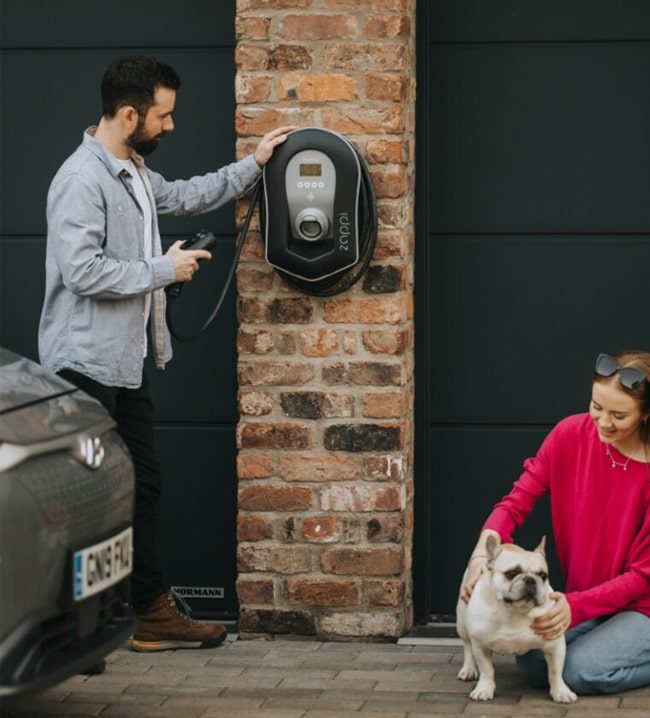
Although the focus of this article is homeowners, the rise of commercial solar and commercial solar installation is also highly relevant for EV installers. As businesses shift towards electric fleets, many are investing in solar panels and solar batteries to reduce operational costs. Installers themselves benefit from understanding how renewable technologies integrate with charging infrastructure, as customers increasingly expect informed guidance on energy efficiency solutions.
In both domestic and commercial settings, solar energy is becoming an essential part of long term planning around electric transport.
One of the most common questions homeowners ask is whether solar panels still work in winter. The answer is yes. Solar panels do not require direct sunlight. They generate electricity even on cloudy days, although the output is significantly lower than in summer.
During winter, most EV charging will rely partly on grid power. However, the savings made during the brighter months still make solar panels on a home highly worthwhile. Over the course of a full year, the energy produced typically more than offsets the lower winter generation, ensuring a net benefit to the household.
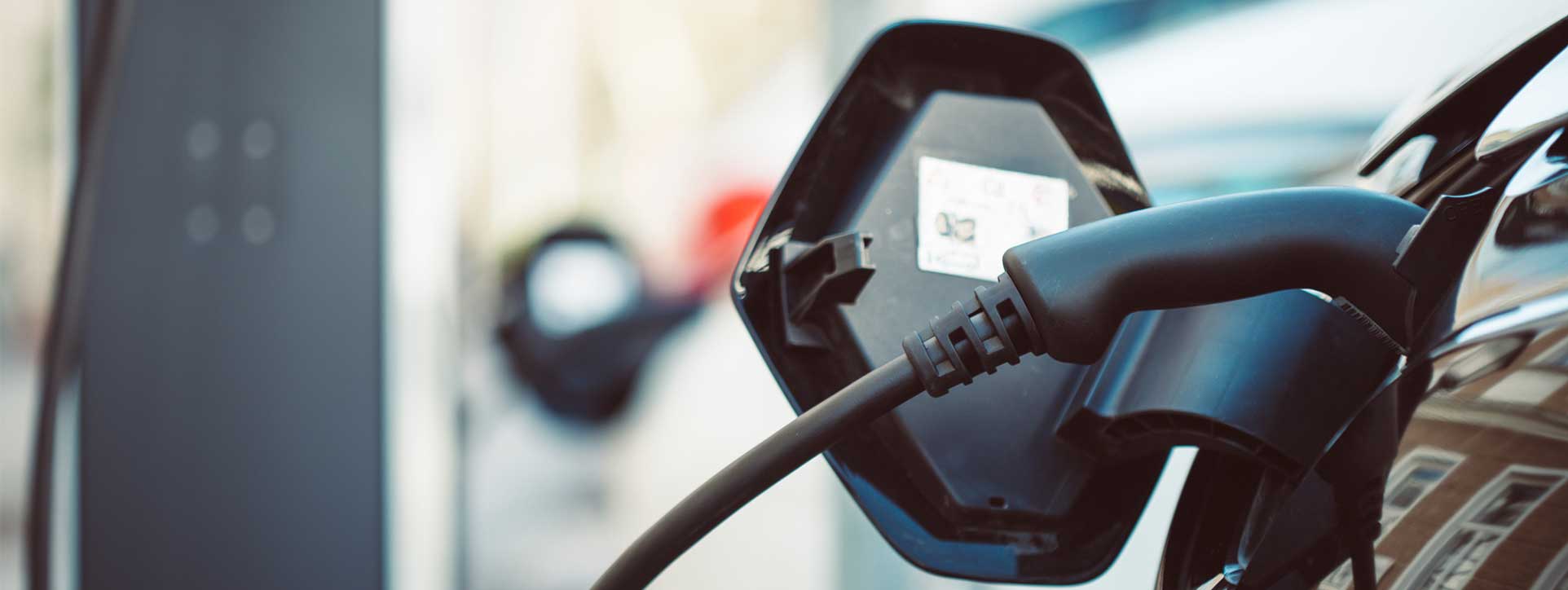
If you are considering using solar panels to power an EV at home, the following points will help you make an informed decision.
Choose a reputable installer with experience in pairing solar systems with EV chargers.
Think carefully about daily driving habits. A household with low daily mileage may find solar an excellent primary charging solution.
Consider installing solar batteries to smooth out fluctuations between day and night and to store surplus energy.
Request a professional assessment of roof suitability and the expected annual output of the panels.
Review potential savings on electricity and compare them with the solar panel cost to understand long term value.
Can solar panels fully charge an electric vehicle on their own?
Yes, but this depends on system size, battery storage and available sunlight. Many households find that solar contributes a substantial proportion of their charging needs rather than covering them entirely.
Do I need a solar battery to charge an EV using solar panels?
No, but it certainly helps. A battery allows you to charge the vehicle even when the panels are not generating electricity.
Will a seven kilowatt home charger work with solar energy?
Yes. Even if your system does not produce the full seven kilowatts at all times, the charger will automatically draw any shortfall from the grid.
Does solar work on cloudy or cold days?
Yes. Solar panels produce electricity in daylight, even without direct sunlight, though output will be lower.
Can solar cut the cost of running an electric vehicle?
Absolutely. Generating your own electricity helps you save electricity, reduces exposure to rising tariffs and contributes to long term savings.
Is solar energy worthwhile in the United Kingdom?
Very much so. Despite its reputation for cloudy weather, the UK produces enough daylight year round to make both solar panels and solar batteries highly effective.
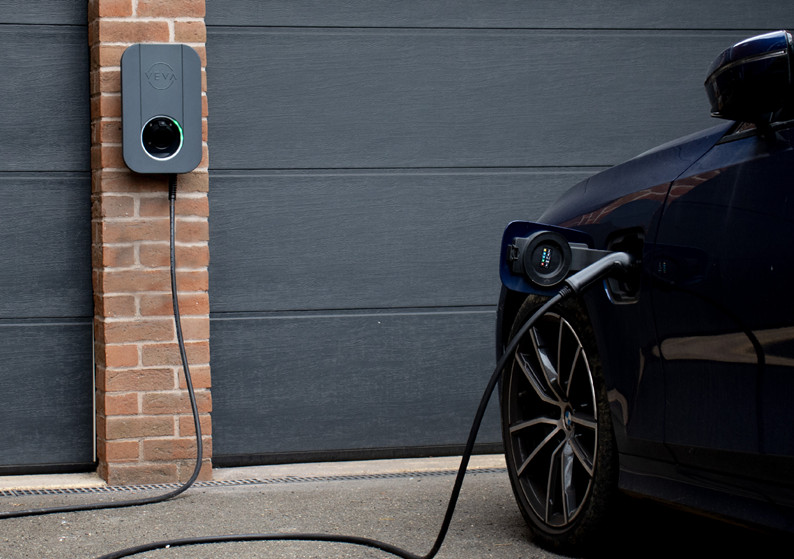
If you are thinking about using solar panels to charge an electric vehicle at home, the best place to begin is with a tailored assessment of your property and energy habits. Every home is different and a well designed system can help you save electricity, reduce running costs and adopt more sustainable habits without compromising convenience.
If you would like expert guidance or wish to understand what a solar system might look like for your home, you are welcome to request a quote from Save Energy UK. There is no pressure and no obligation, simply clear information to help you make the right choice for your property and lifestyle.