Over 20 years as your solar system specialists
"We pride ourselves on good products, good pricing and good backup service"
Tel: 01202 986262
Supporting


Across the United Kingdom, homeowners are increasingly asking an important question. How much difference can one household truly make in the fight against climate change? While national policies and global agreements dominate the headlines, the reality is that meaningful change often begins at home.
One of the most effective steps a household can take is installing solar panels. By producing clean electricity directly from sunlight, solar energy allows homes to reduce their reliance on fossil fuel generated power. The result is a measurable reduction in carbon dioxide emissions.
For homeowners in Bournemouth, Poole, Christchurch and across Dorset, solar energy is becoming an increasingly attractive option. Not only can it reduce electricity bills, it can also dramatically shrink the environmental footprint of a home.
But how much carbon can the average household realistically cut by switching to solar power? Let us explore the science, the numbers, and the real environmental impact.
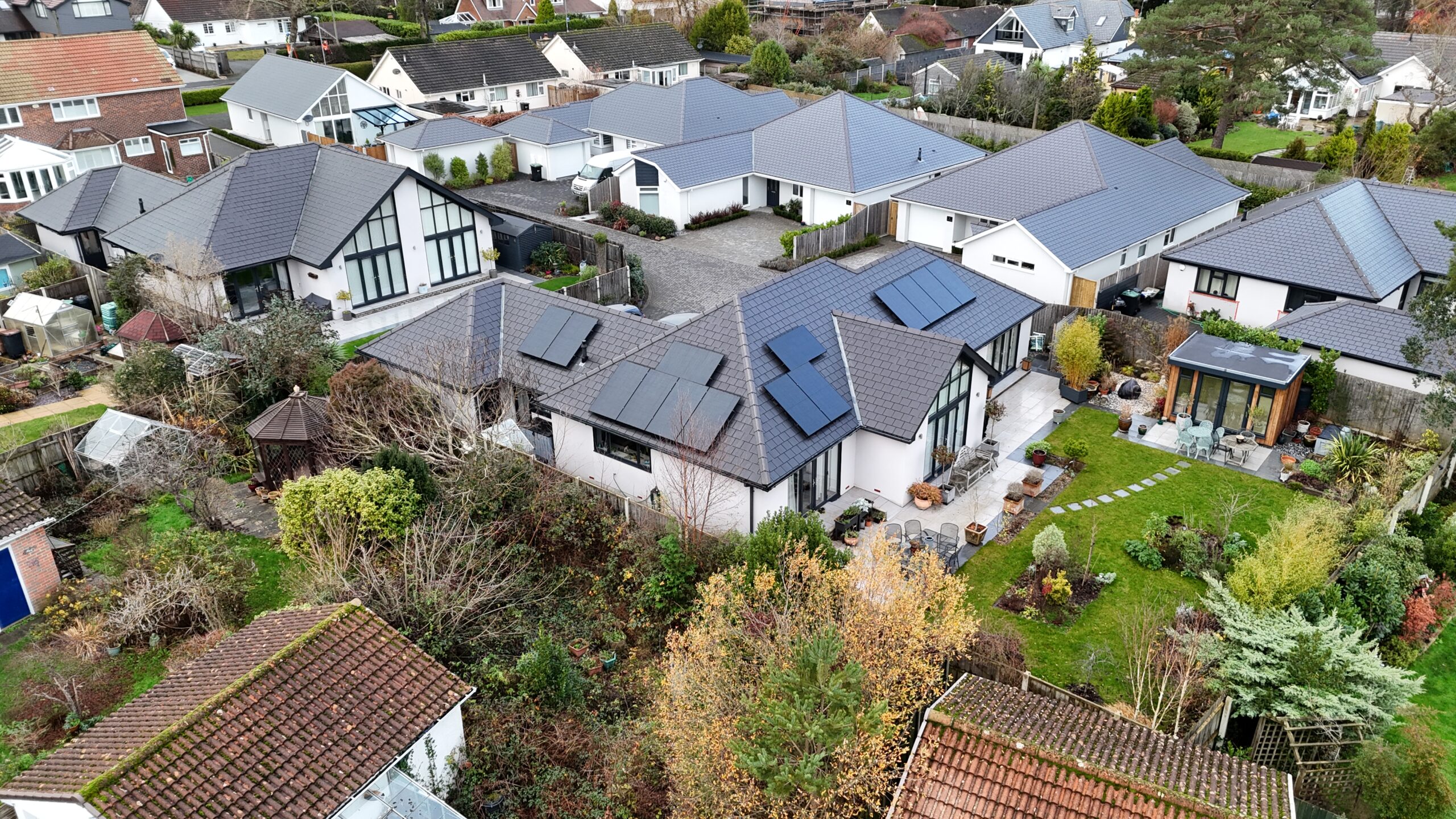
Carbon dioxide, often abbreviated as CO₂, is one of the primary greenhouse gases responsible for climate change. It is released whenever fossil fuels such as coal, oil, or natural gas are burned to produce energy.
In the United Kingdom, a large proportion of electricity still comes from gas powered generation. Although the grid is becoming greener each year, conventional electricity still carries a significant carbon footprint.
Homes contribute to carbon emissions in several ways:
• Electricity consumption
• Gas used for heating and hot water
• Household appliances and electronics
• Electric vehicle charging
Every time electricity is drawn from the grid, it carries the emissions associated with how that electricity was generated.
Solar panels change this equation entirely.
To understand the potential impact of solar panels, we first need to consider the average carbon footprint of a home.
Studies estimate that a typical household in the United Kingdom produces a significant amount of carbon emissions each year through energy consumption and daily activities. In terms of electricity alone, solar can make a considerable dent in this figure.
Even modest reductions at the household level can scale into enormous national benefits when millions of homes participate.
For example, if large numbers of UK homes installed rooftop solar systems, millions of tonnes of carbon emissions could be prevented every year.

Solar panels generate electricity by converting sunlight into usable power through photovoltaic cells. This process produces no direct carbon emissions.
When your solar panels produce electricity, your home uses that power first. This means you draw less electricity from the national grid.
Each unit of solar electricity replaces power that would otherwise have been generated by fossil fuel power stations.
This is the fundamental mechanism through which solar reduces emissions.
The environmental advantages of solar energy include:
• Electricity generation with no direct emissions
• Reduced reliance on gas powered electricity stations
• Long operational lifespans of twenty five years or more
• Rapid carbon payback after manufacturing
Research suggests that solar panels typically repay the carbon produced during their manufacturing within just a few years of operation. After that point, they provide decades of clean electricity.
The most important question for many homeowners is simple. How much carbon can solar actually reduce?
For a typical UK home with a standard rooftop system, the annual carbon savings are substantial.
A typical solar panel system installed on a UK home can save around 0.7 to 1 tonne of CO₂ every year, depending on system size and household electricity usage.
In some cases, a well sized solar installation can reduce emissions even further.
Other studies suggest an average household solar system can cut over 900 kilograms of CO₂ annually.
To put this into perspective:
• Around one tonne of CO₂ is comparable to driving a petrol car for roughly 3,600 miles
• Over twenty five years, solar panels could prevent 20 to 40 tonnes of carbon emissions from entering the atmosphere
For a single household, this is a remarkable environmental contribution.
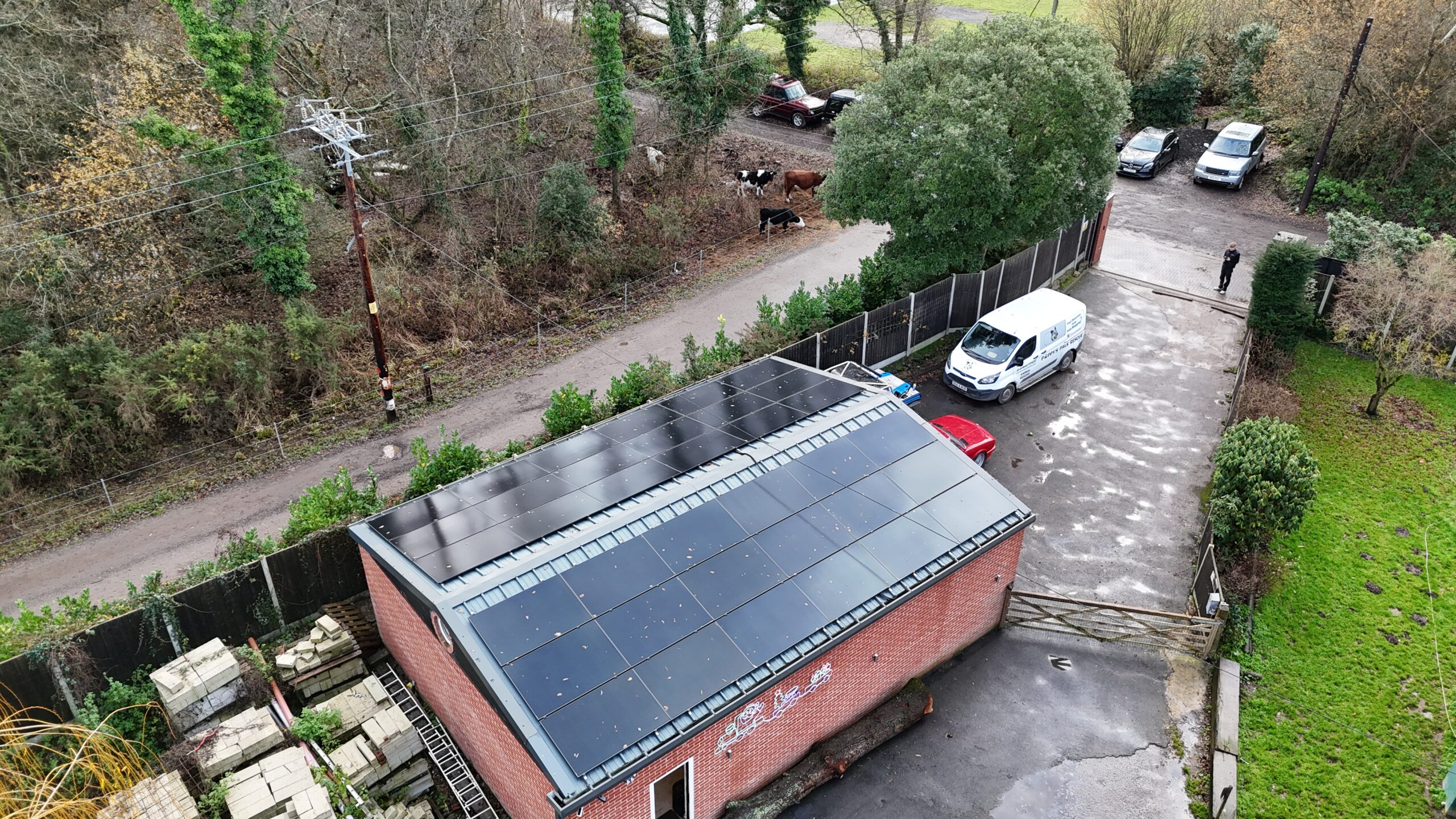
While solar panels deliver impressive carbon reductions, the exact savings will vary between homes.
Several factors influence how much carbon a household can cut.
South facing roofs typically produce the most electricity, although east and west facing roofs can still generate significant power.
Larger solar systems produce more electricity and therefore displace more grid energy.
Homes that consume more electricity during the day will benefit from using their solar energy directly.
Although the United Kingdom is not known for tropical sunshine, modern solar panels work effectively even in cloudy conditions.
Homes in Dorset, Bournemouth, Poole and Christchurch receive plenty of daylight throughout the year, making solar a reliable renewable energy source.
Solar panels generate electricity during daylight hours. However, households often use the most electricity in the morning and evening.
Battery storage helps bridge this gap.
By storing surplus electricity generated during the day, a battery allows homeowners to use solar energy long after the sun has set.
Advanced systems such as the Qcell battery can dramatically increase the proportion of solar electricity used within the home.
The environmental benefits include:
• Reduced reliance on grid electricity during evenings
• Greater use of renewable energy generated at home
• Improved energy independence
For many households, pairing solar panels with battery storage significantly increases the carbon savings achieved over time.
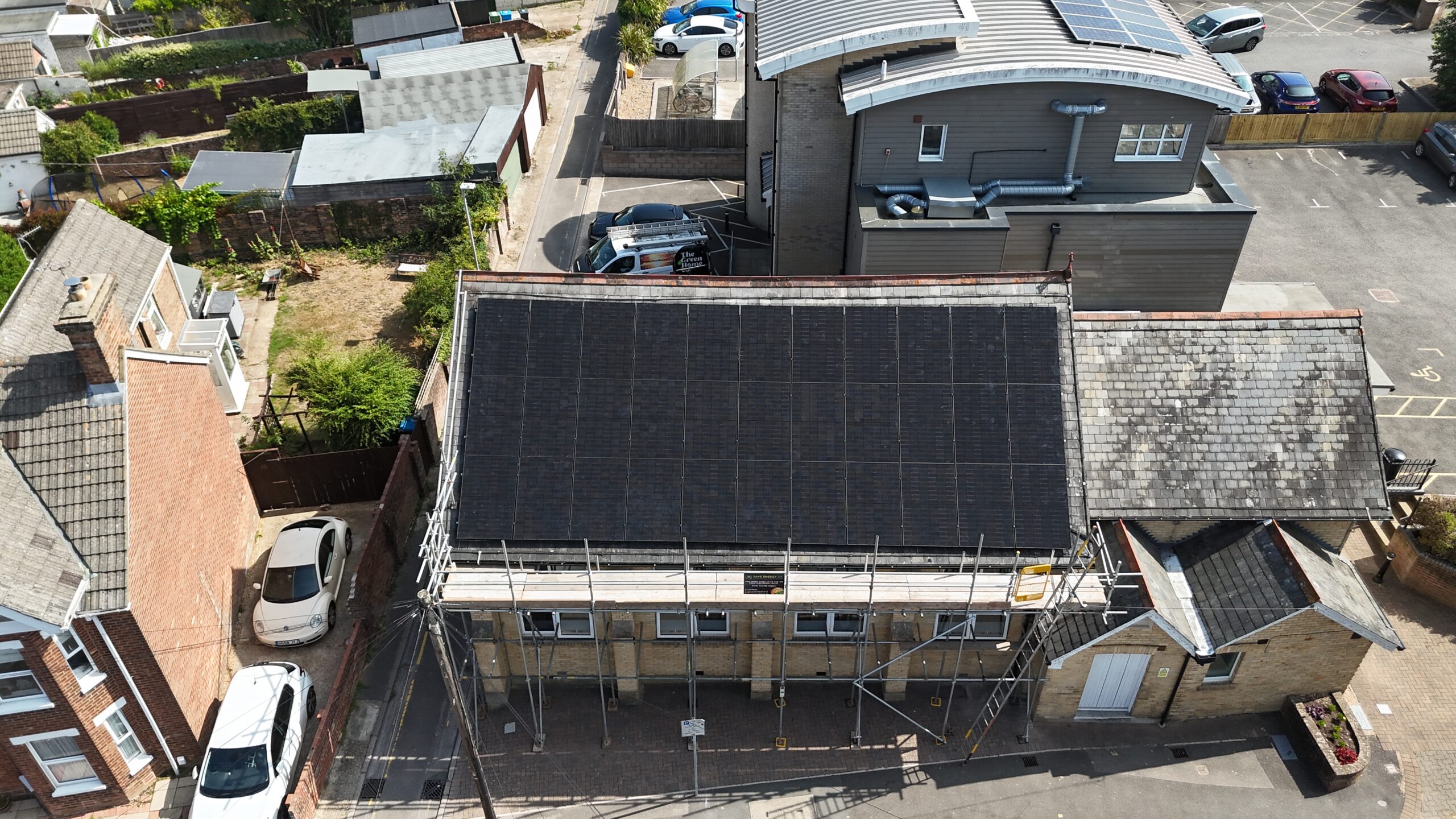
Numbers alone can sometimes feel abstract, so it is helpful to visualise the impact.
If a typical UK solar system saves roughly one tonne of CO₂ per year, that could be equivalent to:
• Planting around forty trees every year
• Avoiding thousands of miles of petrol car travel
• Preventing many tonnes of carbon emissions over the lifespan of the system
Over the course of twenty five years, a household solar installation could prevent the equivalent emissions of several cars driving around the Earth many times.
When multiplied across thousands of homes, the environmental impact becomes enormous.
Solar adoption across the United Kingdom has accelerated in recent years.
Several factors are driving this shift.
First, electricity prices have risen significantly, prompting households to seek greater energy independence.
Second, solar technology has improved dramatically. Panels are now more efficient, longer lasting, and more affordable than ever before.
Third, homeowners are increasingly aware of their environmental impact and want to contribute to a cleaner future.
For homeowners in Dorset and across the South Coast, solar panels offer a practical and meaningful way to reduce both energy costs and carbon emissions.
Many properties in Bournemouth, Poole and Christchurch have favourable roof space for solar panels.
The South Coast also enjoys strong daylight hours compared with many northern regions of the country.
Combined with modern solar technology, this makes Dorset an excellent location for residential solar installations.
Local homeowners are increasingly searching for solar companies near me to explore how renewable energy can transform their homes.
With expert design and installation, solar panels can deliver reliable clean energy for decades.
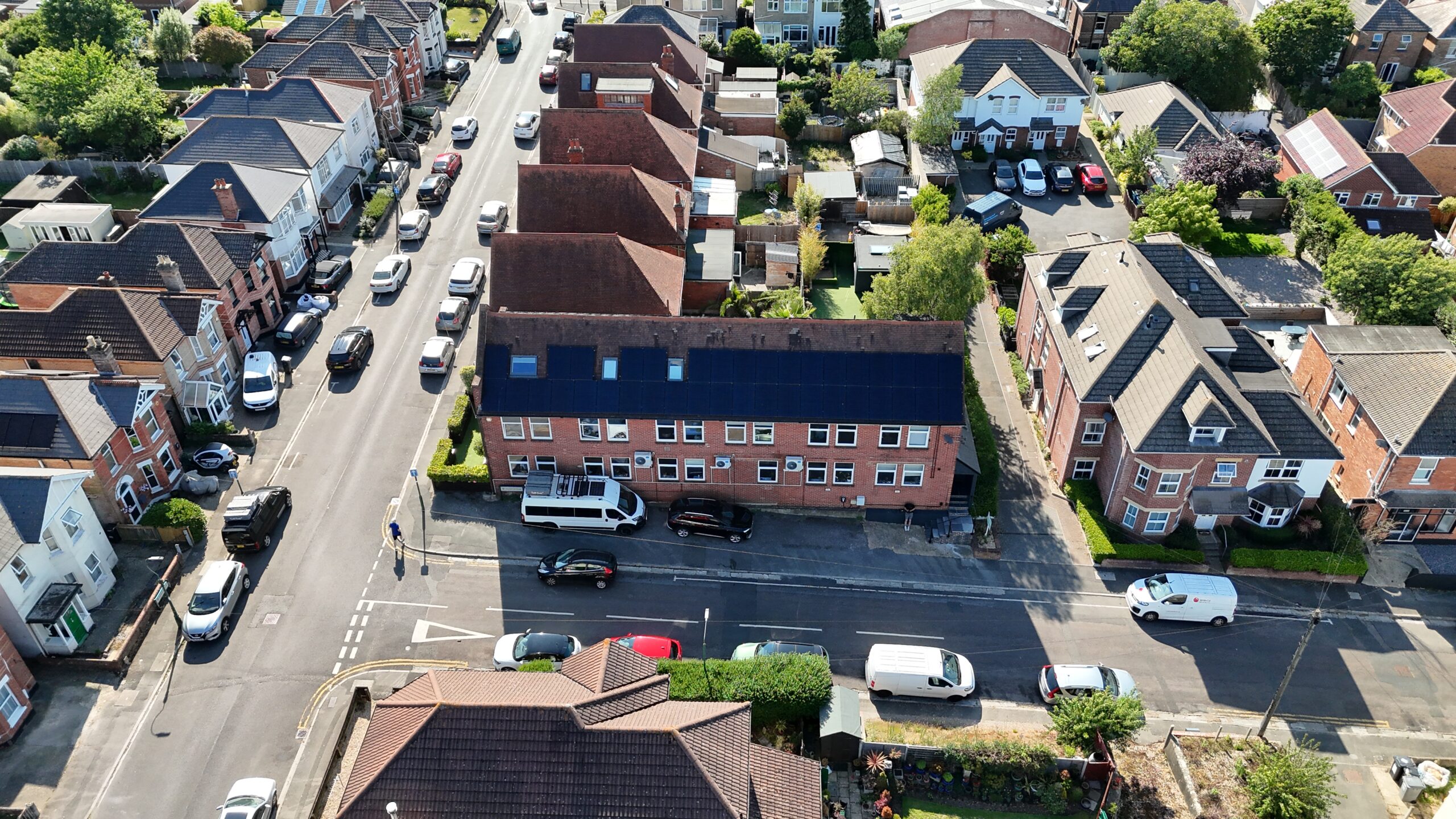
Solar energy represents one of the most effective ways households can reduce their environmental impact.
Unlike many lifestyle changes, installing solar panels delivers measurable carbon reductions year after year.
Over the lifespan of a typical system, homeowners can prevent tens of tonnes of carbon emissions from entering the atmosphere.
At scale, widespread solar adoption has the potential to transform the UK energy landscape and accelerate the journey towards net zero.
If you are considering solar panels in Bournemouth, Poole or Christchurch, working with a trusted local installer is essential.
Save Energy UK specialises in designing high quality solar systems tailored to each home. Their team helps homeowners maximise both energy savings and environmental benefits.
From system design to installation and battery integration, they guide customers through every step of the process.
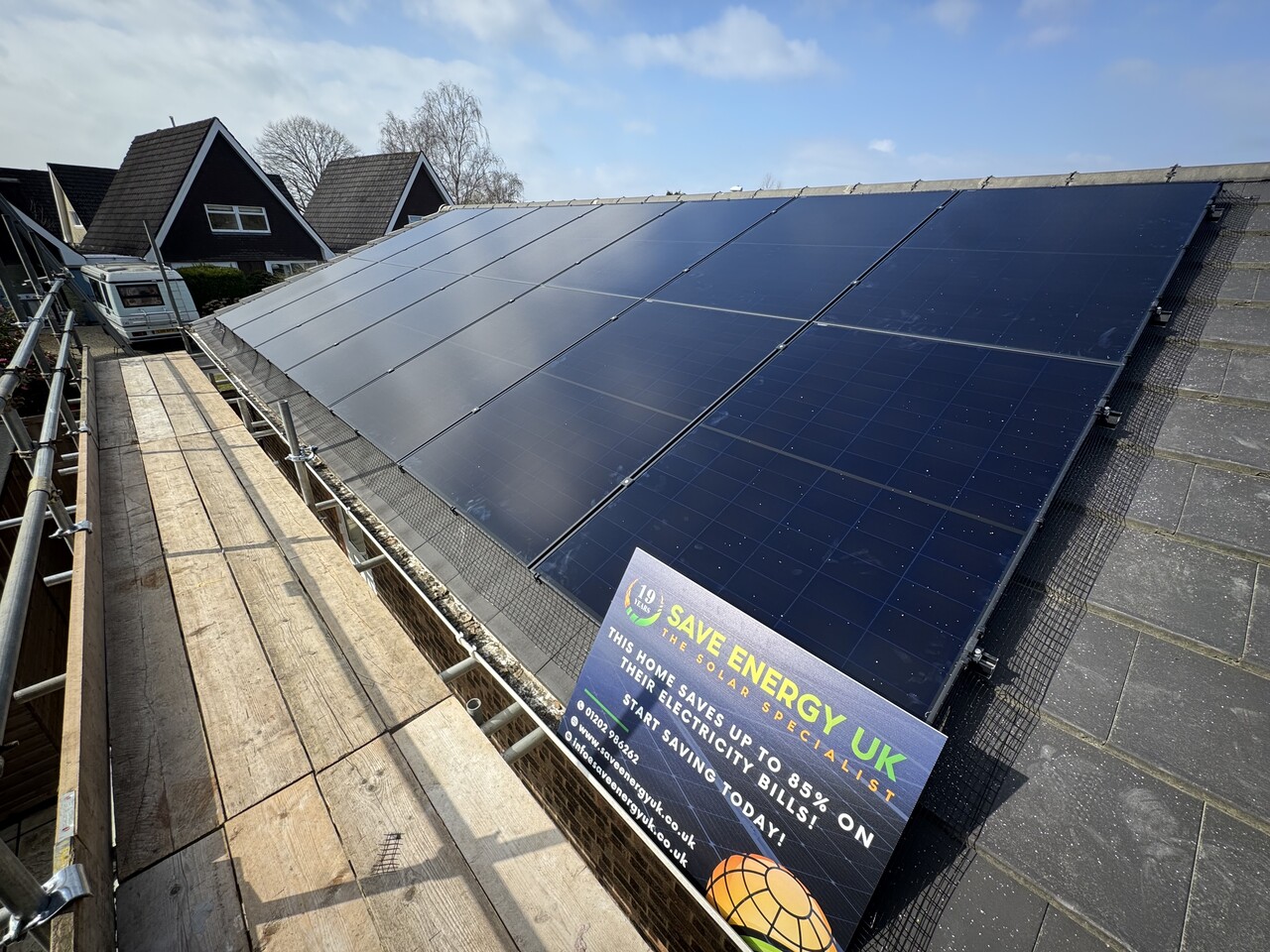
Solar panels offer a rare combination of financial and environmental rewards. They reduce electricity bills, increase energy independence, and dramatically cut household carbon emissions.
For the average UK home, solar panels can prevent close to a tonne of carbon dioxide from entering the atmosphere every single year.
If you would like to discover how much your home could save, contact Save Energy UK today for expert advice and a personalised solar consultation.
A cleaner, more sustainable home may be closer than you think.