Over 20 years as your solar system specialists
"We pride ourselves on good products, good pricing and good backup service"
Tel: 01202 986262
Supporting


Commercial energy costs continue to rise and businesses across the UK are looking for reliable ways to reduce their long term electricity bills. Commercial solar and commercial battery storage have become two of the most powerful tools for reducing operational energy expenditure, enabling companies to take greater control of how and when they use electricity. One question appears more frequently than almost any other: is it cheaper to charge a commercial battery purely from solar generation, or is it more cost effective to charge it from the grid during off peak hours
Although this sounds like a straightforward comparison, the answer depends on several interconnected elements. The cost of electricity, the efficiency of the battery system, the size and orientation of the solar array, the business’s operating hours, and the structure of its tariff all play a part. In this article, we explore each of these considerations in depth to help you understand which approach delivers the greatest return on investment.
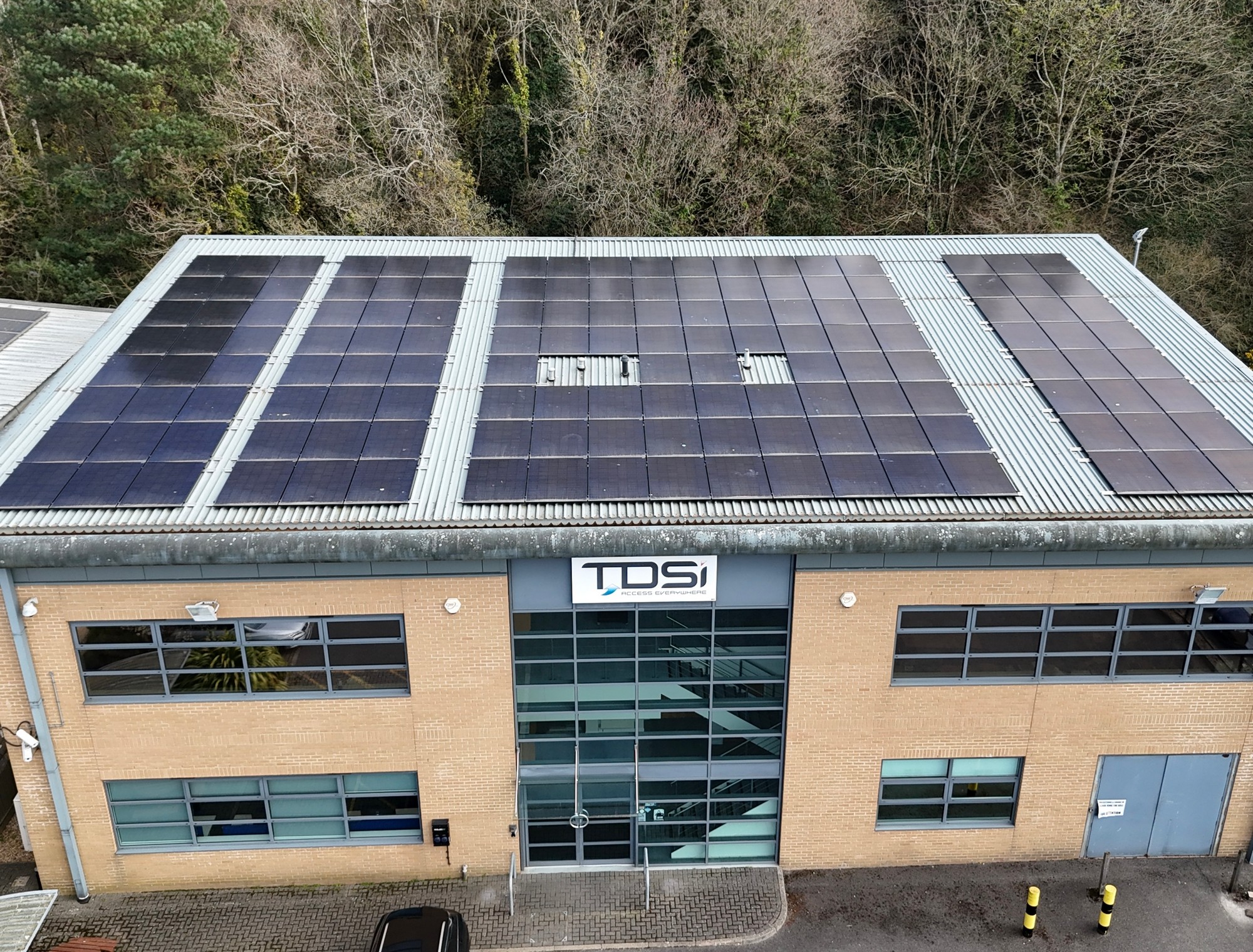
Before comparing solar charging with off peak charging, it is important to understand the role of a commercial battery in day to day business operations. A commercial battery stores electricity for use at a later time. It works alongside a commercial solar installation or the grid, allowing a business to:
Reduce reliance on peak time electricity
Store surplus energy generated during sunny periods
Avoid wasting solar energy that would otherwise be exported
Smooth the power supply for equipment sensitive to fluctuations
Lower overall energy bills by controlling when electricity is drawn
Modern commercial battery systems are highly efficient, with very low losses during charging and discharging. This makes them an excellent partner for a well designed commercial solar system.
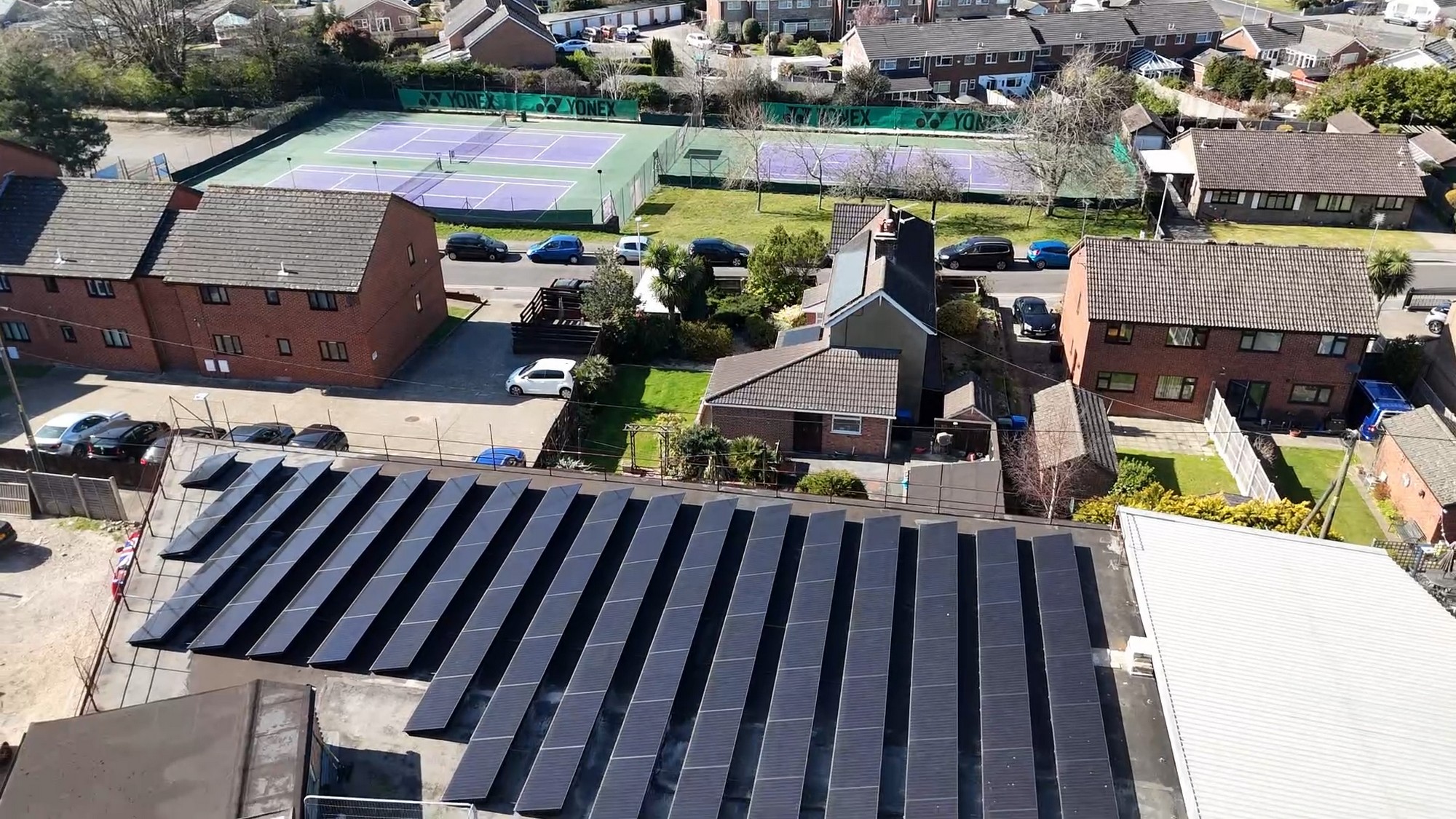
Charging a commercial battery solely through solar generation is often seen as the purest and most sustainable method. After all, sunlight is free and the energy produced by the panels costs nothing once the initial installation has been completed.
The most significant benefit is that solar energy itself has no direct cost. Once the commercial solar installation is in place, the business pays nothing for the electricity generated. Charging the battery using solar alone therefore results in an exceptionally low marginal cost per kilowatt hour.
Solar charging allows a business to minimise the amount of electricity it purchases from the grid. During sunny periods, a well sized commercial solar system can produce more than enough energy to power daily operations while still filling the battery.
Charging from solar only is a strong choice for businesses wanting to demonstrate environmental responsibility. For organisations with carbon reduction targets or sustainability goals, solar charging is the most attractive method.
Solar charging can help a business avoid drawing electricity from the grid during expensive periods. If the battery is charged during the day, it can be discharged during evening peak windows when grid electricity is at its most expensive.
The UK’s climate means that sunlight levels vary throughout the year. During winter, commercial solar generation is significantly lower, leading to reduced charging capacity. This means that during colder months, solar alone may not keep the battery sufficiently charged.
A business must have a sufficiently sized solar array to generate enough surplus to charge the battery. Many commercial properties simply do not have the available roof or ground space for a large system.
Some businesses receive payments for exporting solar electricity to the grid. Using all solar generation for battery charging instead means giving up export income. This is often a sensible trade off, but it must be considered carefully.

Off peak charging has become highly attractive for many businesses, particularly those on time of use tariffs. These tariffs offer significantly cheaper electricity during periods of lower national demand, often late at night.
Unlike solar generation, which depends on weather conditions, the grid offers consistent and predictable supply. This means a business can charge its commercial battery reliably every day, regardless of season or climate.
Off peak electricity can be considerably cheaper than daytime or peak time rates. For businesses on the right tariff, the savings can be substantial. When the battery is charged overnight and discharged during peak hours, the financial advantage can be significant.
Factories, workshops, and other energy intensive organisations benefit from the ability to guarantee a full battery before operations begin the next day.
Even at off peak rates, electricity drawn from the grid has a direct cost. Although it may be cheaper than daytime electricity, it is still more expensive than sunlight, which has no fuel cost.
Some energy suppliers impose limits on how much off peak electricity can be used at discounted rates. Others change tariffs frequently, making forecasting more difficult.
Although off peak electricity tends to be cleaner than peak time energy because more renewable generation is present on the grid at night, it is still not as environmentally friendly as charging exclusively from solar.
The answer depends entirely on the specific conditions of the site, the business’s daily load profile, and the design of the commercial solar system.

The commercial solar installation is large enough to generate a consistent daily surplus
The business has high electricity consumption during the day
The organisation has sustainability targets or wishes to reduce carbon emissions
Export payments are low or non essential
The site has good solar exposure throughout the year
The business operates predominantly in the early morning or evening
The solar array is too small to meet daytime demand and charge the battery
Winter demand exceeds winter generation
The company is on a highly favourable off peak tariff
Reliability and predictability of stored energy are crucial

For most businesses, the most economical strategy is a hybrid of the two methods.
By prioritising solar charging when conditions allow and relying on off peak grid charging during winter or periods of cloud cover, businesses achieve:
Maximum reduction in electricity costs
Greater control over when power is drawn
Improved resilience during high demand periods
Better utilisation of the commercial solar installation
Lower long term operational expenditure
This balanced approach is particularly effective for businesses in regions such as Dorset and the South Coast where sunlight is relatively generous in summer but more limited during winter months.
Regardless of the charging method, commercial solar combined with commercial battery storage leads to:
Lower annual electricity bills
Protection against rising energy prices
More efficient use of generated power
Reduced reliance on peak grid electricity
Better energy security
Stronger environmental credentials
The key lies in designing a system correctly from the beginning. A battery that is too small cannot store enough energy to be effective, while one that is too large may not provide a justifiable return. The solar array must be sized carefully to support both operational load and battery charging.
Save Energy UK specialises in designing systems that balance these factors, ensuring every commercial client receives the highest possible return on their investment.

So is it cheaper to charge a commercial battery from solar only or from the grid at off peak rates
Solar charging is the least expensive on a per kilowatt hour basis, because sunlight has no associated cost. However, off peak charging provides reliability and consistency that solar alone cannot always deliver, particularly during the darker months. For many UK businesses, especially those seeking resilience, predictability, and maximum long term savings, the most cost efficient solution is a combination of both.
Whether your business is located in Dorset, the South Coast, or anywhere else in the UK, commercial solar and commercial battery storage remain some of the strongest tools available for reducing operational energy expenditure.
If you would like tailored advice, a detailed quotation, or a full assessment of your site, Save Energy UK is ready to help you plan a future of stable, predictable, and dramatically lower energy costs.