Over 20 years as your solar system specialists
"We pride ourselves on good products, good pricing and good backup service"
Tel: 01202 986262
Supporting


Farming has always been an industry shaped by changing conditions. Weather, crop prices and market demand are all factors farmers must navigate carefully. In recent years, however, one challenge has become increasingly significant for agricultural businesses across Dorset and the wider South Coast. Energy costs have risen sharply, placing additional pressure on farms that already operate on tight margins.
As a result, many farmers are now exploring renewable energy as a practical solution. Solar power has emerged as one of the most attractive options, offering long term cost savings, energy independence and a more sustainable approach to powering agricultural operations. For farms with large roofs, open land and substantial electricity demands, solar panels can represent a particularly compelling investment.
The question many farmers ask is simple. Is solar truly a smart financial decision for farms and agricultural businesses? In many cases the answer is yes.
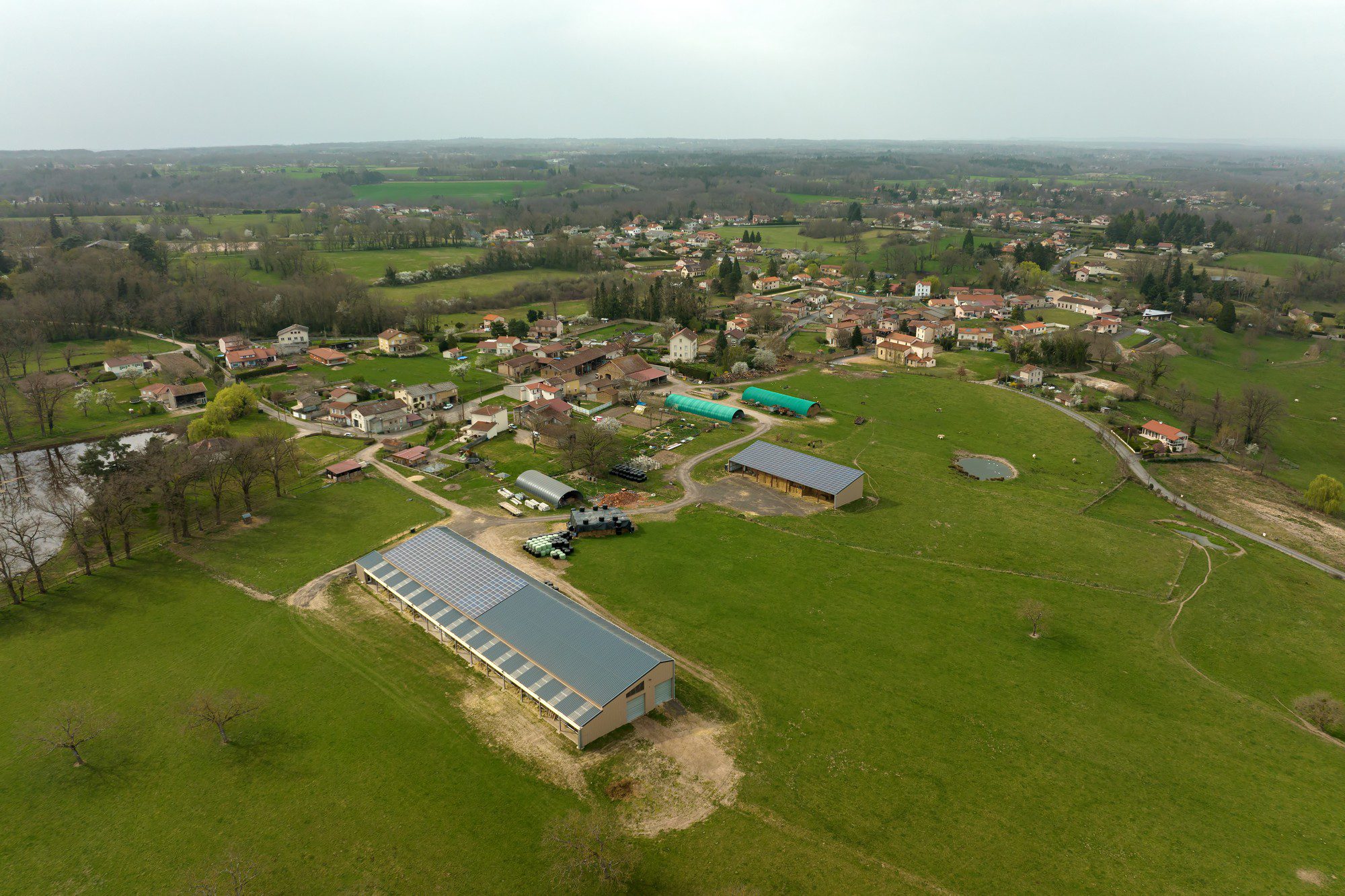
Agriculture is an energy intensive industry. Farms rely on electricity to power refrigeration systems, lighting, irrigation equipment, machinery, grain dryers, milking parlours and storage facilities. Many operations run equipment for long hours, especially during harvest or peak production periods.
With electricity prices rising across the United Kingdom, energy has become one of the most significant overheads for agricultural businesses. For farms in Dorset and the South Coast, where operations may include dairy farming, arable agriculture or food processing, these costs can quickly accumulate.
Reducing reliance on grid electricity can therefore make a meaningful difference to the long term financial stability of a farm. Solar panels provide a way to generate electricity directly on site, allowing agricultural businesses to produce their own power and reduce exposure to fluctuating energy prices.
Solar energy has gained considerable popularity in the farming sector over the past decade. Unlike many other renewable technologies, solar panels are relatively straightforward to install and require minimal ongoing maintenance.
Farms are uniquely well suited to solar energy. Agricultural properties often have several features that make solar installations highly effective. Large barn roofs, storage buildings and unused land provide excellent locations for solar arrays. These spaces typically receive unobstructed sunlight, making them ideal for capturing solar energy.
In addition, farms tend to consume electricity during daylight hours when solar panels are producing the most energy. Milking equipment, cooling systems and processing machinery are often used during the day, meaning a large proportion of the generated electricity can be used directly on site.
This alignment between energy production and energy consumption is one of the reasons agricultural solar installations can deliver strong financial returns.
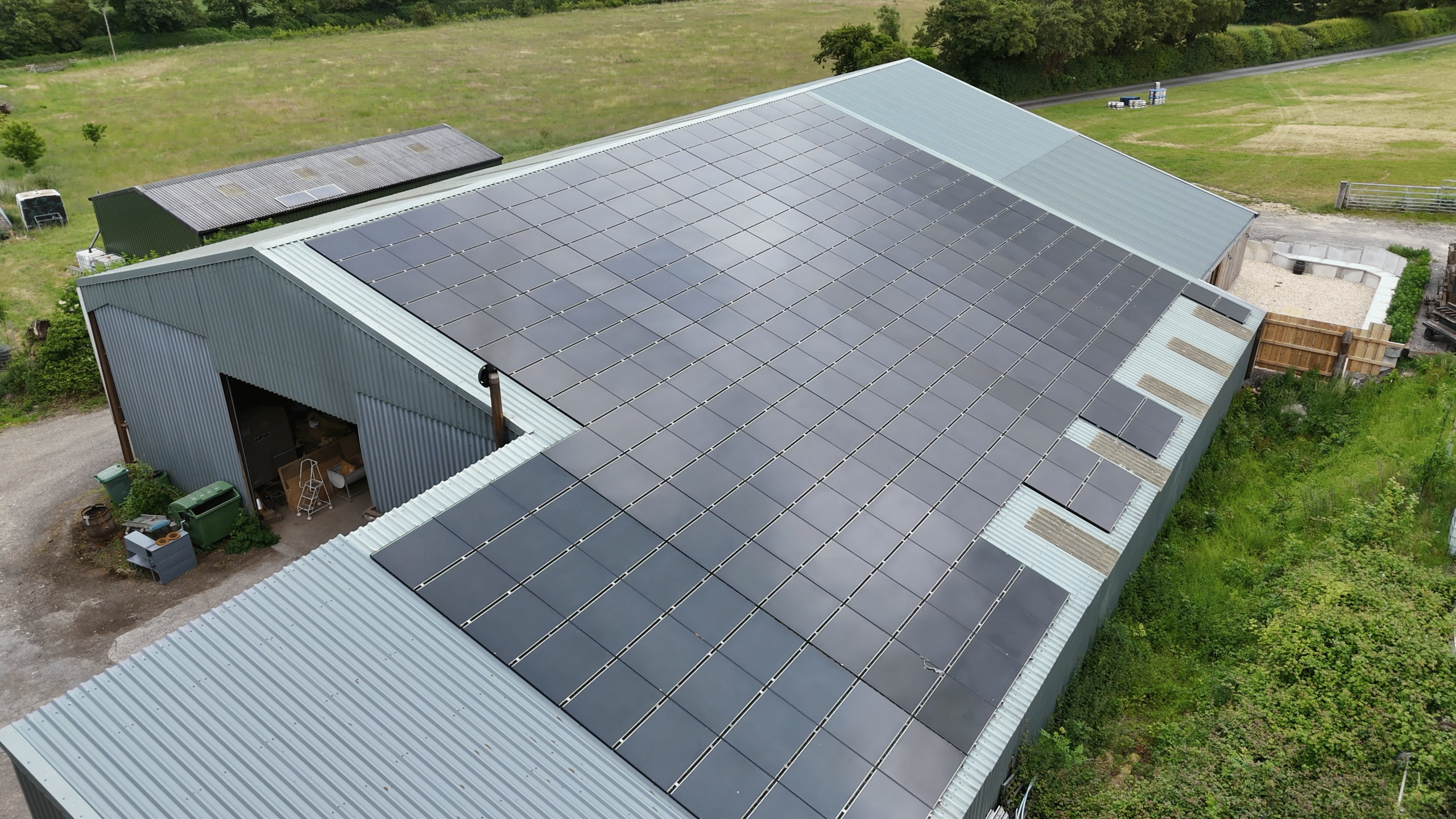
Installing solar panels for farms can offer a range of practical benefits beyond simple cost reduction.
One of the most immediate advantages of agricultural solar panels is the reduction in electricity bills. By generating power on site, farms can significantly lower the amount of electricity they need to purchase from the grid.
Over time these savings can be substantial, particularly for businesses with high energy usage.
Energy prices have become increasingly unpredictable. By investing in farm solar panels in the United Kingdom, agricultural businesses gain greater control over their energy supply and reduce their exposure to future price increases.
This stability allows farmers to plan more effectively and manage their operating budgets with greater confidence.
Many agricultural businesses are keen to improve their environmental credentials. Solar energy provides a clean and renewable source of electricity that helps reduce carbon emissions.
For farms supplying supermarkets or food manufacturers, demonstrating sustainable practices can also strengthen business relationships and support long term contracts.
Agricultural properties often include large roof areas that are otherwise unused. Installing solar panels on barns or storage facilities allows farmers to make productive use of these spaces without affecting day to day operations.
In some cases ground mounted systems can also be installed on suitable areas of land while still allowing agricultural activity around them.
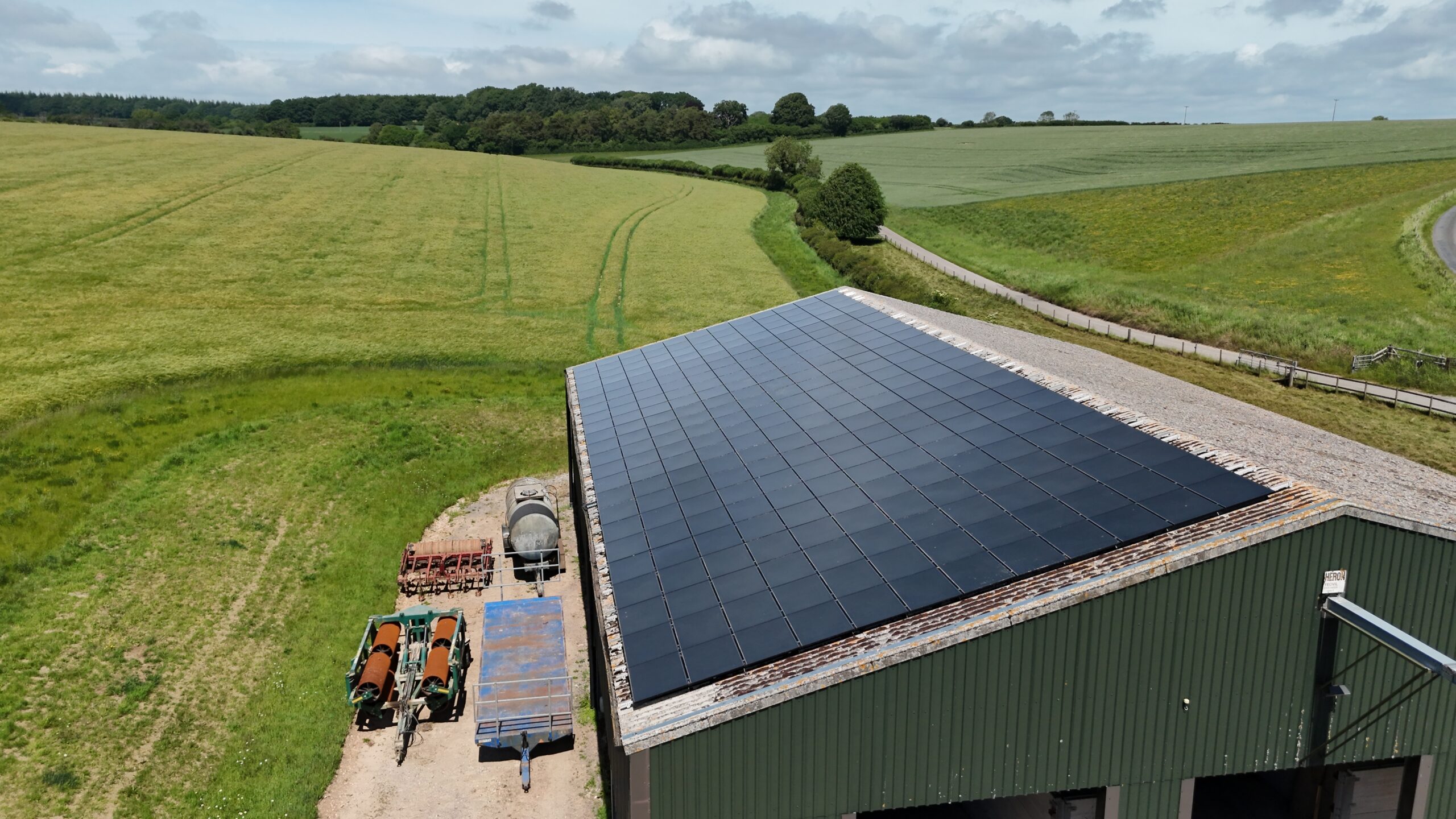
One of the reasons solar panels for farms are so effective is the availability of suitable installation locations. Barn roofs, livestock housing and machinery storage buildings frequently provide large south facing surfaces that receive excellent sunlight.
These roofs often have the structural strength required to support solar panels, making them an efficient and practical location for installation.
Ground mounted systems can also be an option where roof space is limited. Agricultural land that is difficult to cultivate or rarely used may be suitable for solar arrays, providing an additional income generating asset for the farm.
A professional solar assessment can help determine the most suitable installation approach based on the layout of the property, energy usage and long term business goals.
While solar panels generate electricity during daylight hours, farms may require energy at other times of day. This is where solar battery storage becomes particularly valuable.
Solar batteries store excess electricity produced during sunny periods so it can be used later when solar generation is lower. For agricultural businesses this can be extremely useful, particularly during early morning or evening operations.
Battery storage allows farms to make the most of the electricity they generate, further reducing reliance on the national grid. It also provides an additional layer of resilience by offering backup power during grid interruptions.
For many agricultural businesses combining solar panels with battery storage creates a highly efficient and reliable energy system.
One of the most important considerations for any agricultural business is financial return. Solar panels represent a capital investment, but the long term savings they provide can make them highly attractive.
Many farms see significant reductions in their electricity bills immediately after installation. Over time these savings accumulate, helping to offset the initial installation cost.
In many cases agricultural solar installations can achieve payback within several years, after which the electricity generated is effectively free for the remainder of the system’s lifespan.
Solar panels are also extremely durable. Modern systems often continue generating electricity for twenty five years or more, making them a long term asset for the farm.
For farms with high energy usage the financial benefits can be particularly strong.
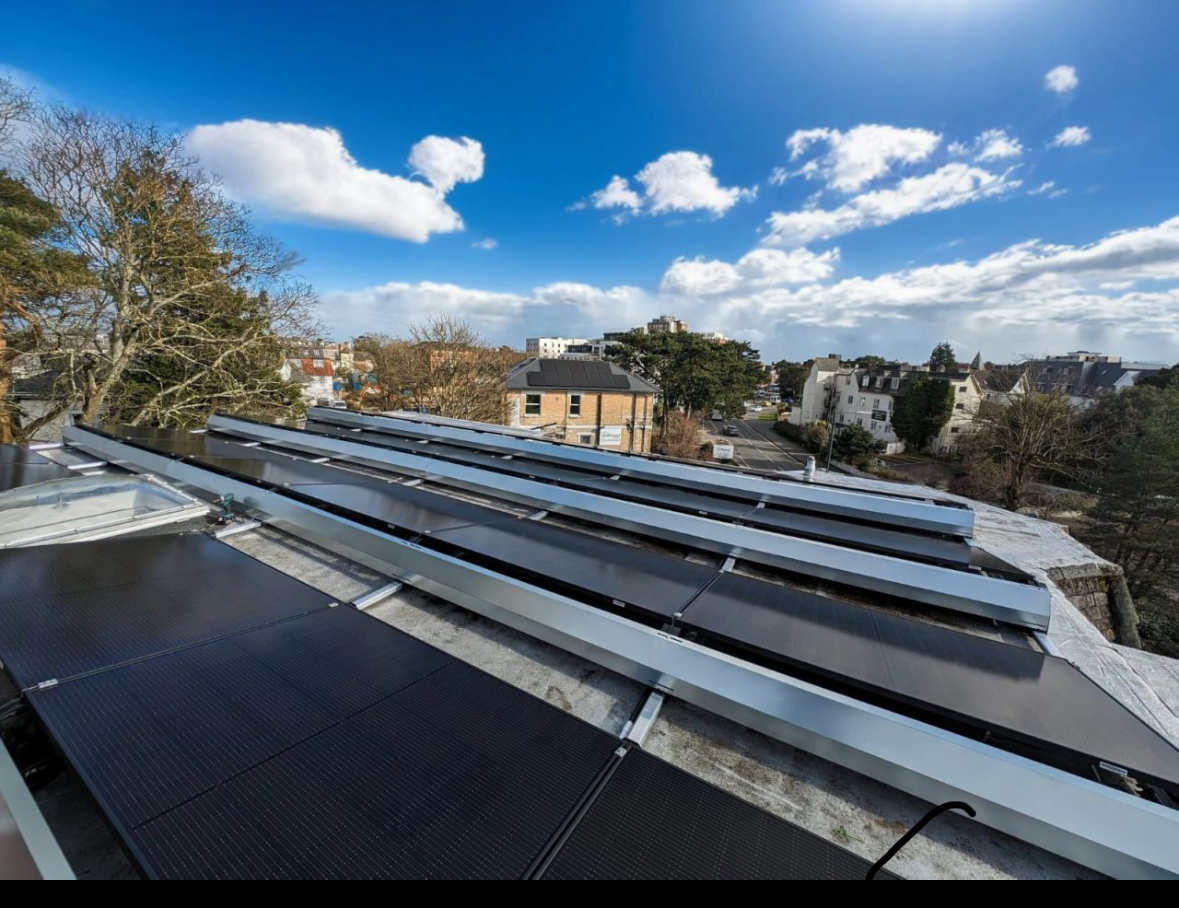
The United Kingdom government has introduced various initiatives designed to encourage the adoption of renewable energy. While specific schemes may change over time, there are often opportunities for farms and agricultural businesses to benefit from financial support or favourable export arrangements.
In some cases farms can receive payments for surplus electricity exported back to the grid. This can create an additional revenue stream and further improve the financial case for solar energy.
Agricultural businesses considering solar installation should always explore the available incentives and support schemes when planning their project.
Farms in Dorset and across the South Coast are particularly well positioned to benefit from solar power. The region receives a healthy level of sunlight throughout the year compared with many other parts of the United Kingdom.
Combined with the large roof spaces commonly found on agricultural buildings, this creates excellent conditions for solar energy generation.
In addition, many farms in the area operate diversified businesses including food production, farm shops, cold storage or processing facilities. These operations often require a consistent supply of electricity, making solar an especially practical solution.
As more agricultural businesses in the region adopt renewable energy, solar power is becoming an increasingly familiar sight across the Dorset countryside.
For many farms and agricultural businesses, solar energy represents far more than an environmental statement. It is a practical financial decision that can deliver measurable long term benefits.
Solar panels allow farms to reduce operating costs, protect themselves from volatile energy prices and strengthen their commitment to sustainable farming practices. With suitable roofs, available land and significant electricity demands, agricultural properties are often ideal candidates for solar installations.
As energy costs continue to rise, the ability to generate reliable power on site will become increasingly valuable for rural businesses.
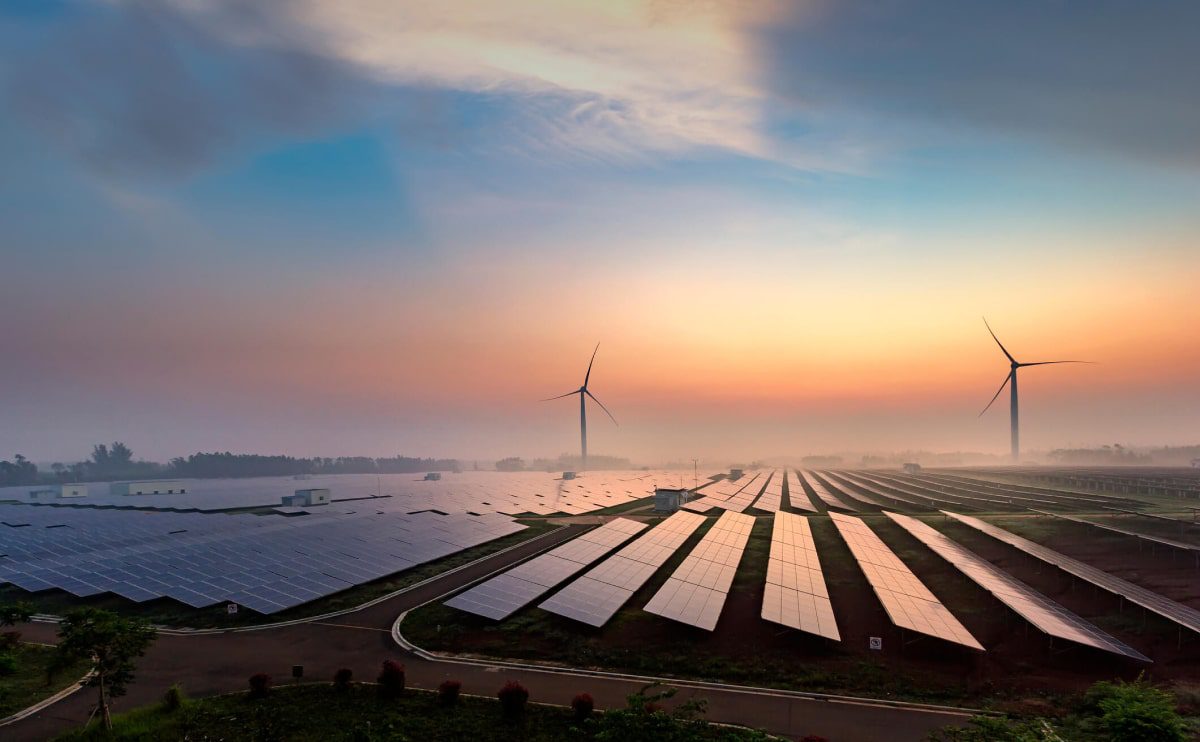
Solar energy is rapidly becoming one of the most effective ways for farms and agricultural businesses to manage rising energy costs while improving sustainability. With large roof spaces, consistent energy demand and access to open land, many farms are perfectly suited to solar installations.
By investing in solar panels and battery storage, agricultural businesses can generate their own electricity, reduce operating expenses and build greater resilience for the future.
If you are a farm owner or agricultural business in Dorset or the South Coast and are considering solar energy, the team at Save Energy UK can help.
Contact Save Energy UK today for a free solar assessment and discover how solar power could transform the energy efficiency and profitability of your farm.