Over 20 years as your solar system specialists
"We pride ourselves on good products, good pricing and good backup service"
Tel: 01202 986262
Supporting


Energy bills remain a pressing concern for households across the United Kingdom. Even in 2026, many families are searching for meaningful ways to reduce their reliance on volatile energy markets and take greater control of their household spending. Renewable energy for homes has shifted from a niche interest to a serious financial consideration. Two technologies dominate the conversation: solar panels UK and heat pumps UK.
Both promise lower bills, reduced carbon emissions, and greater energy independence. Yet they operate in entirely different ways. One generates electricity from daylight. The other extracts heat from the air to warm your home. The question many homeowners ask is simple. Which is better?
The answer depends upon your property, your budget, and your long term goals. Let us explore the matter carefully and with clarity.
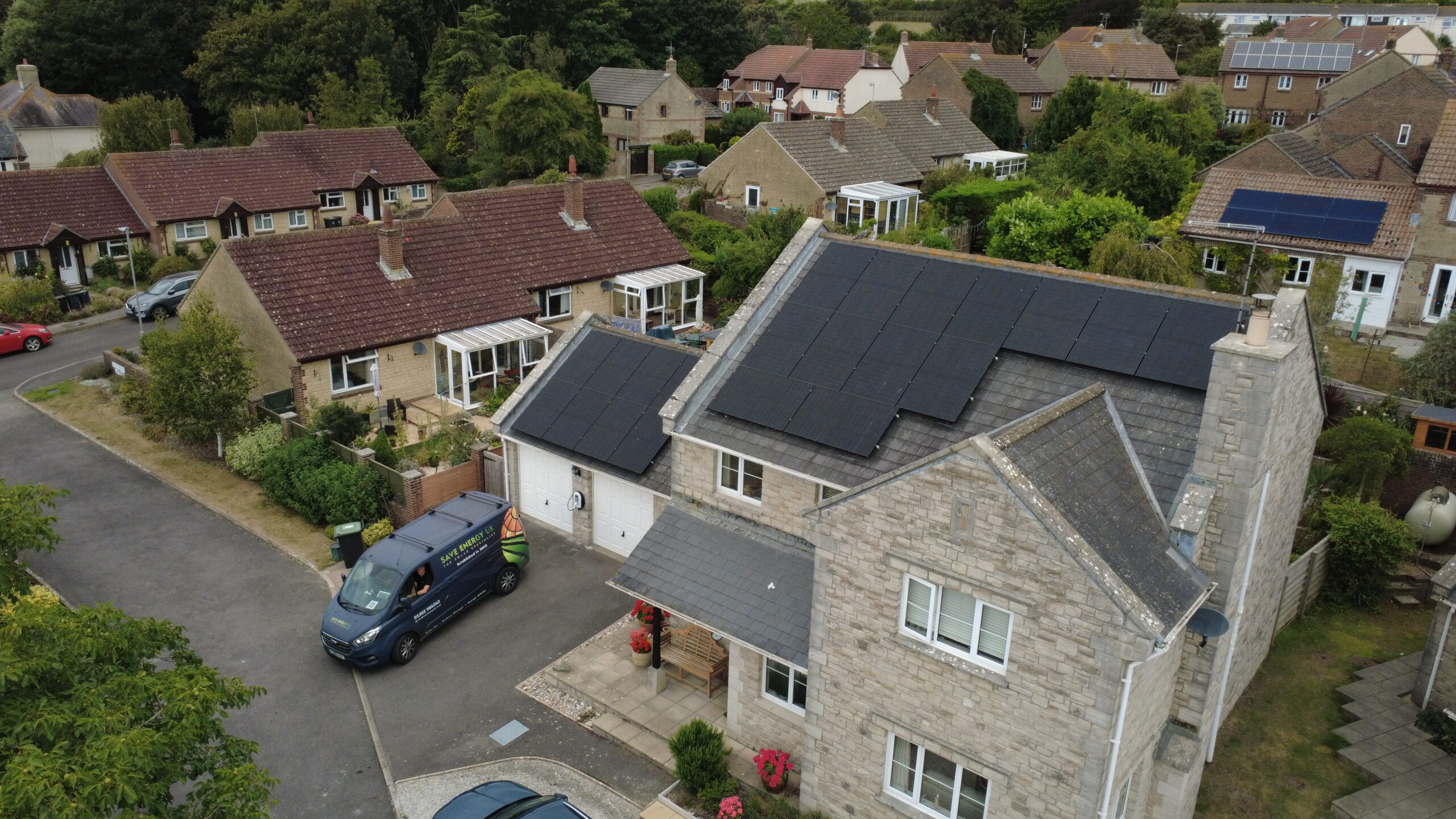
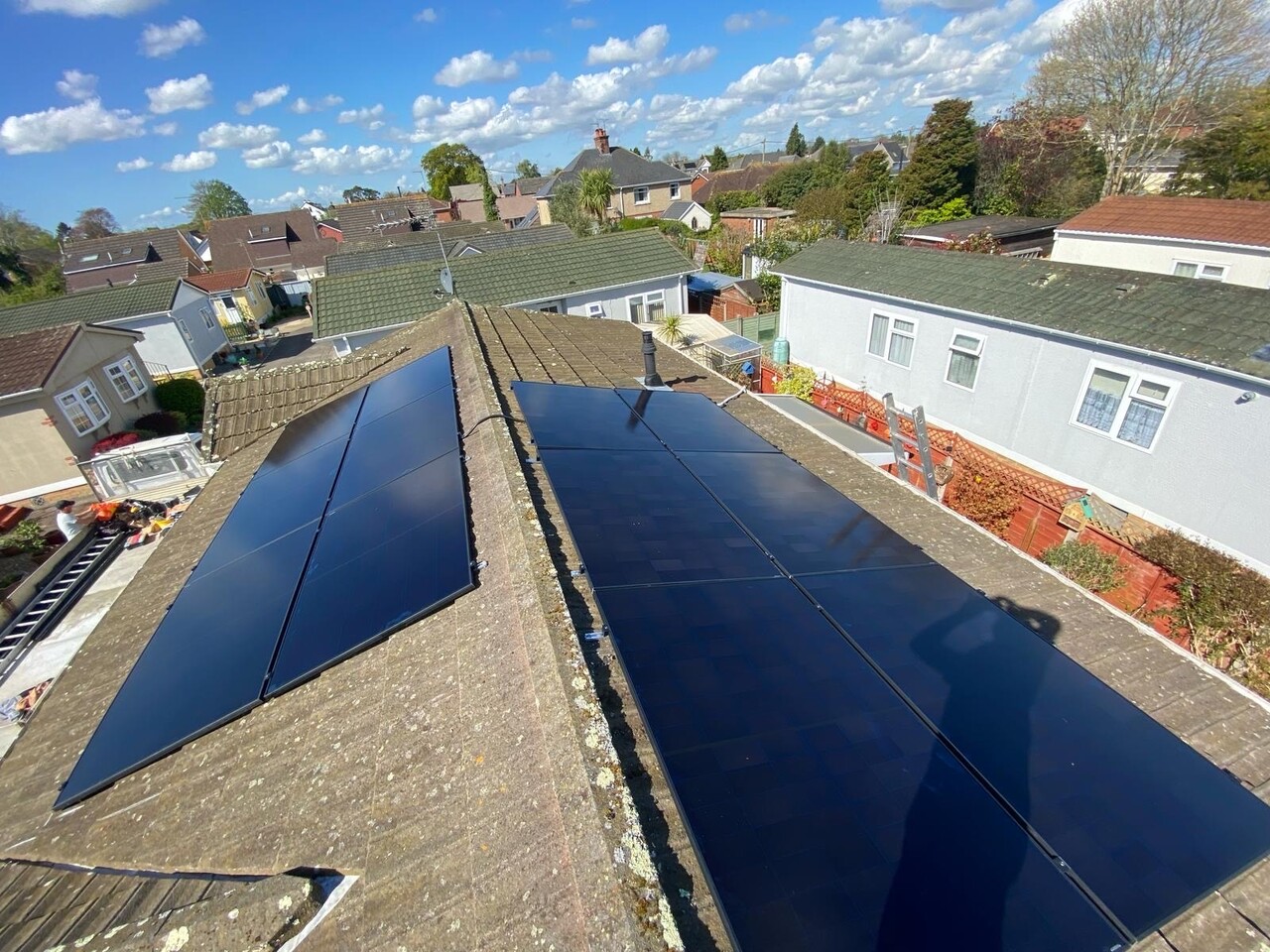
Solar panels convert daylight into electricity. Even on overcast British days, modern systems generate meaningful power. A typical domestic solar panel installation UK in 2026 costs between £6000 and £9000 for an average three bedroom property, depending on system size and roof orientation.
When paired with solar battery storage, excess electricity generated during the day can be stored for evening use. This significantly increases savings and reduces reliance on the grid.
Solar panels primarily reduce your electricity bill. If your home uses electricity for appliances, lighting, and possibly electric vehicle charging, the impact can be considerable.
Solar panels are remarkably durable. Most systems come with performance warranties of twenty five years or more. Maintenance requirements are minimal. Occasional cleaning and periodic checks are usually sufficient.
Government grants for solar panels have evolved in recent years. While direct national grants are limited, schemes such as ECO4 may provide support for eligible households, particularly those on lower incomes or in less efficient homes. In addition, zero VAT on domestic solar installations continues to make the technology more accessible.
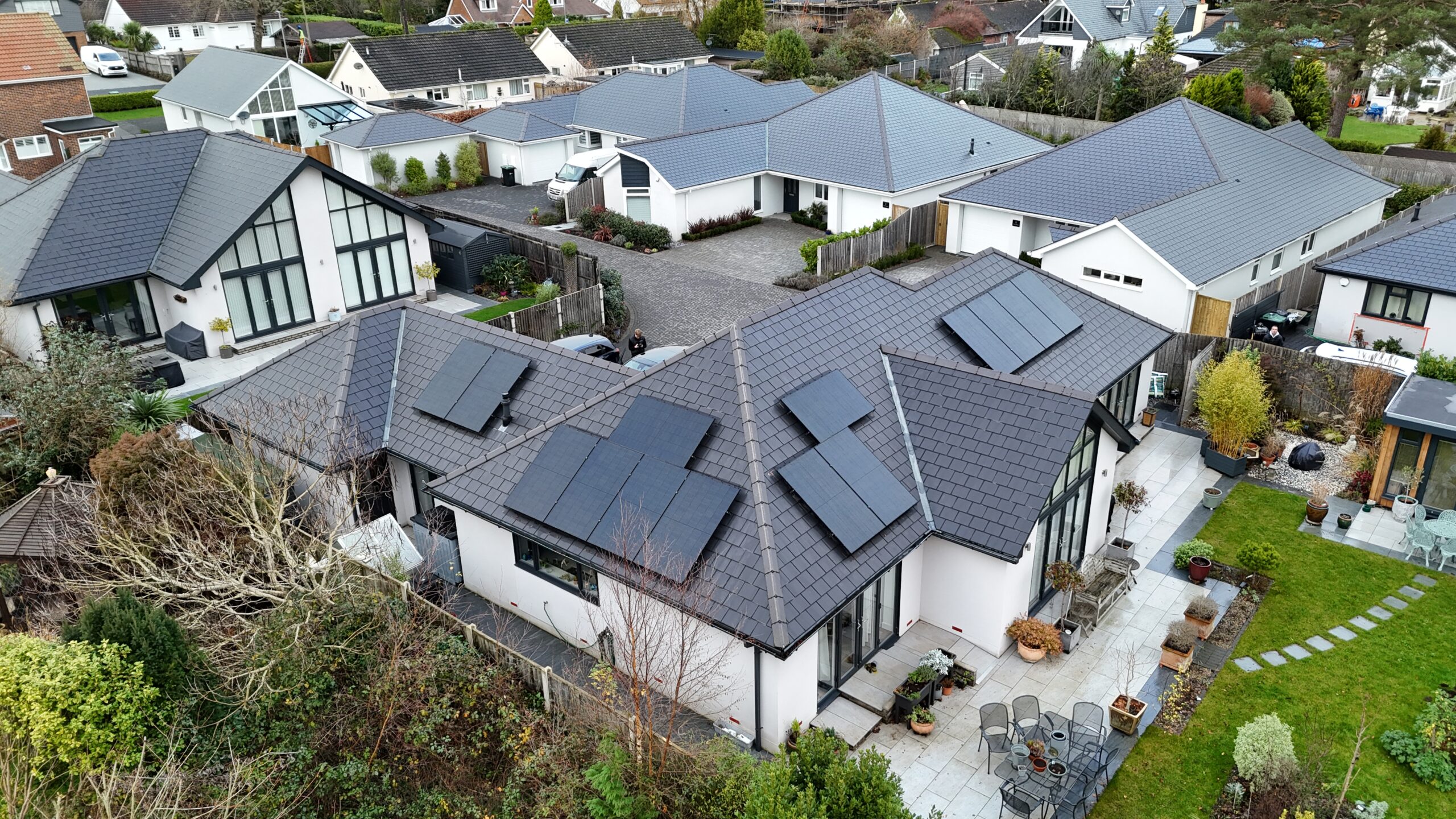
Heat pumps operate very differently. Rather than generating electricity, they transfer heat from outside air into your home. The most common system in Britain is the air source heat pump.
In 2026, air source heat pump cost typically ranges from £10000 to £16000 depending on property size and required upgrades. This is a more significant initial investment than solar panels.
Heat pump running costs depend heavily on insulation levels and radiator compatibility. A well insulated home can see substantial savings compared with traditional gas boilers. Poorly insulated properties may require additional upgrades to maximise efficiency.
Heat pumps run on electricity. This means that electricity prices directly influence operating costs. For this reason, many homeowners choose to combine heat pumps with solar panels to offset electricity consumption.
The Boiler Upgrade Scheme remains one of the most significant incentives available. In 2026, eligible households can receive a grant of £7500 towards the installation of an air source heat pump. This reduces the financial barrier considerably, though the remaining investment is still substantial.
ECO4 scheme support may also apply in certain cases, particularly where improvements to insulation are required.
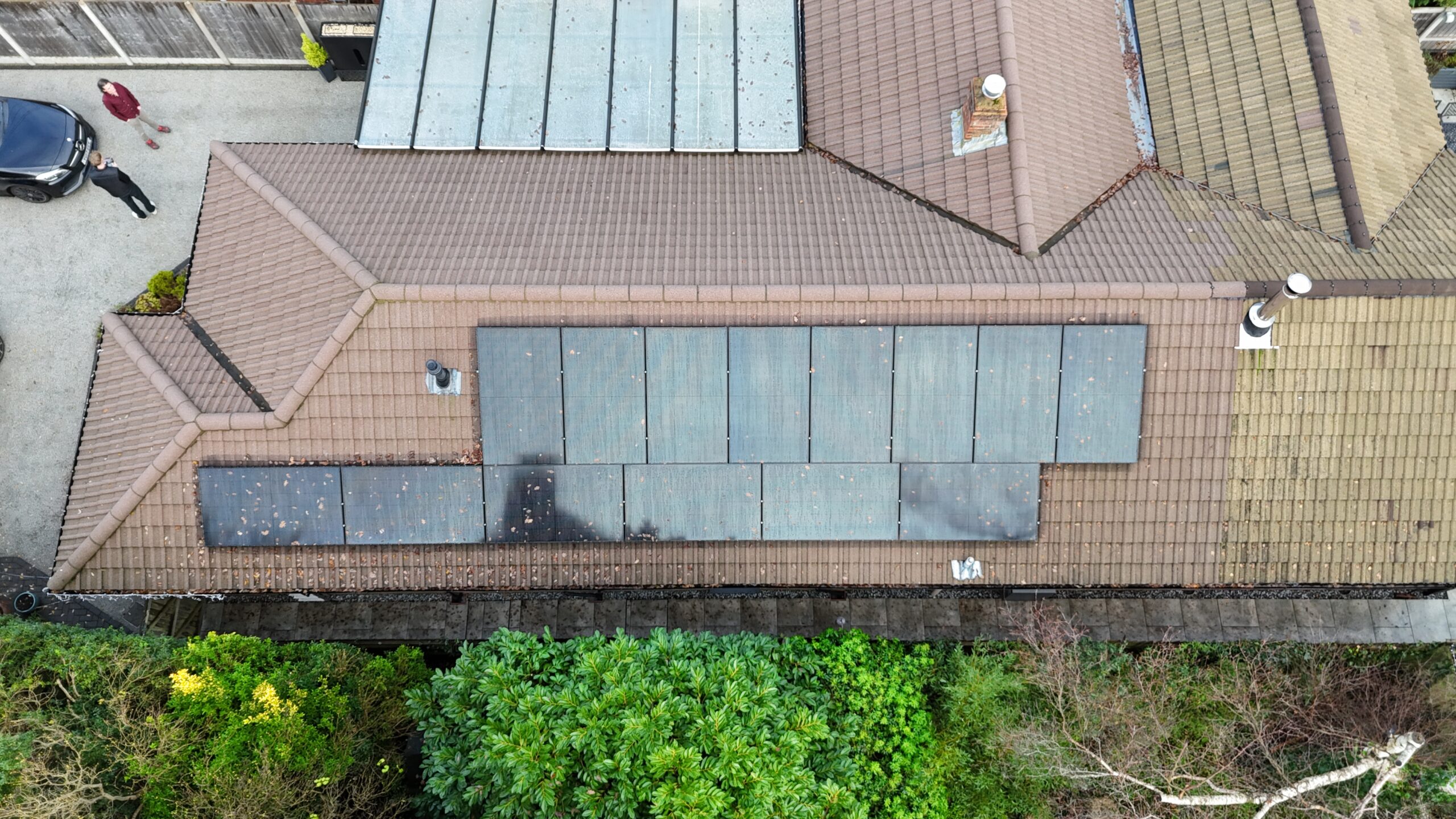
Solar panels UK typically require a lower initial outlay than heat pumps. For many households, this makes solar the more accessible first step.
A typical comparison might look as follows:
Aspect | Solar Panels | Heat Pumps
Initial cost | £6000 to £9000 | £10000 to £16000
Government support | ECO4 eligibility and zero VAT | Boiler Upgrade Scheme £7500 grant
Primary saving | Electricity bills | Heating bills
Disruption level | Low | Moderate
While grants narrow the gap, heat pumps still demand a greater financial commitment and often require radiator upgrades or insulation improvements.
Solar panel installation UK is generally straightforward. Panels are mounted on the roof, an inverter is installed, and the system is connected to your consumer unit. Most installations are completed within one to two days.
Heat pump installation is more involved. It may require new pipework, upgraded radiators, or even internal system redesign. Installation can take several days and involves more disruption within the home.
For households seeking a simpler and less intrusive upgrade, solar panels are often the easier choice.

Solar panels reduce electricity bills immediately. A well sized system can cover a significant portion of a household’s daytime electricity use. When paired with battery storage, savings increase further by reducing peak time grid usage.
Heat pumps reduce heating costs by replacing gas or oil systems with a more efficient electric alternative. However, the savings depend heavily on insulation quality and electricity tariffs.
For properties that already have modern gas boilers and average insulation, the financial difference may not be dramatic in the short term. In contrast, solar panels offer visible electricity savings from the outset.
Heat pump running costs are closely linked to electricity prices. If electricity tariffs rise, operational costs follow.
Solar panels, by contrast, generate free electricity once installed. There are no fuel costs. Over a twenty five year lifespan, this creates significant cumulative savings.
When considering long term financial resilience, solar panels provide protection against future electricity price volatility.
Heat pumps perform best in well insulated homes with underfloor heating or large radiators. New build properties are particularly well suited.
Older housing stock, which represents a substantial portion of homes in Dorset and across the South West, may require insulation upgrades before a heat pump can operate efficiently.
Solar panels are more universally adaptable. If your roof has adequate space and reasonable orientation, solar is usually viable. Planning restrictions are minimal in most residential settings.
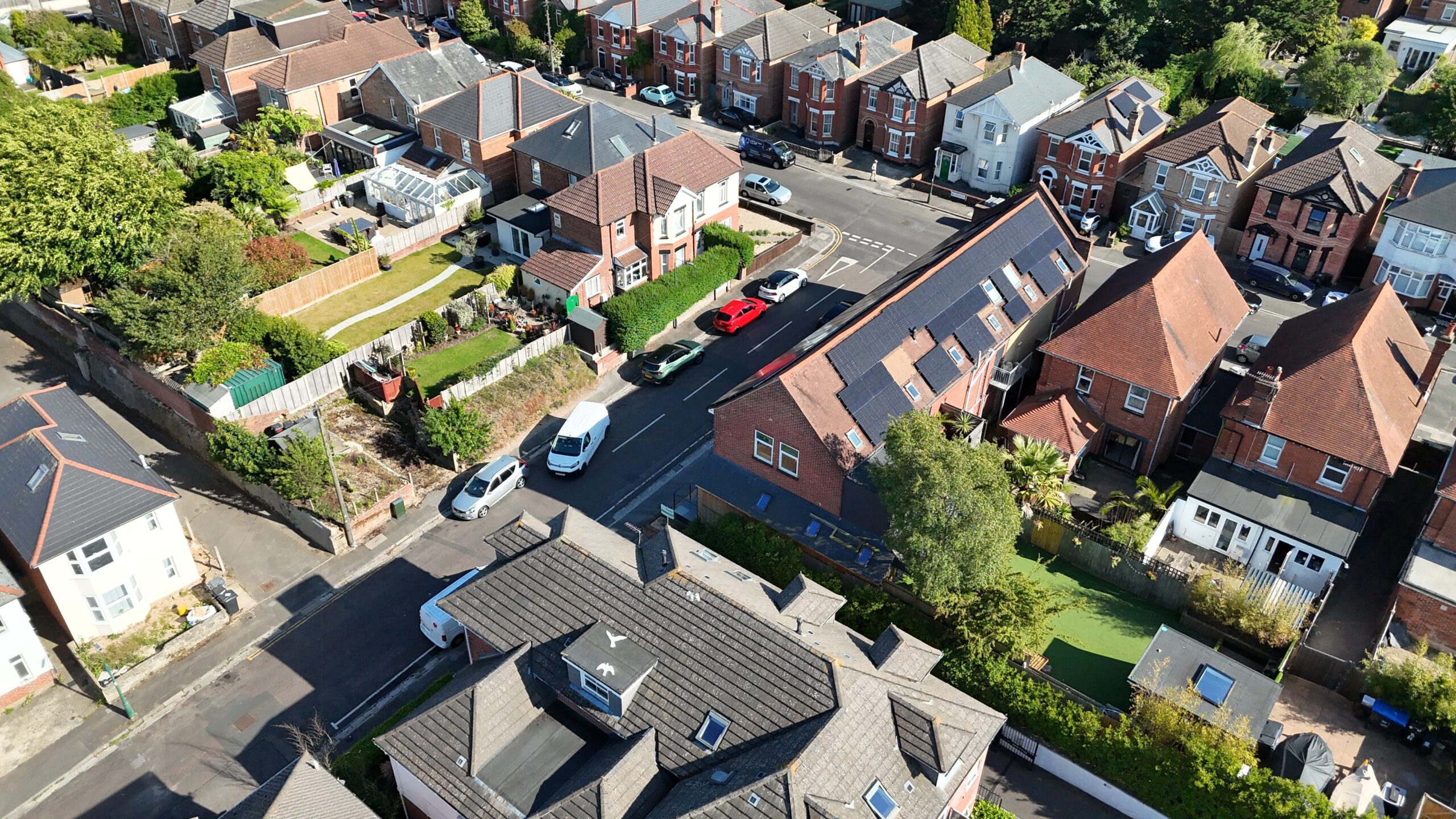
Solar panels demand very little attention. Inverters may require replacement after ten to fifteen years, but panel degradation is slow and predictable.
Heat pumps require more regular servicing, similar to traditional heating systems. While modern units are reliable, they contain moving components that inevitably experience wear over time.
Over decades, simplicity often proves financially advantageous.
The most effective renewable strategy is often a combination of technologies. Installing solar panels alongside a heat pump allows homeowners to generate the electricity required to power their heating system.
This hybrid approach can dramatically reduce running costs and carbon emissions. However, it represents a larger overall investment and may not be necessary for every household.
For many UK homeowners, beginning with solar panels provides immediate savings and establishes a foundation for future upgrades.
There is no universal answer, yet patterns do emerge.
If your priority is reducing electricity bills with minimal disruption and moderate upfront cost, solar panels UK are often the most practical starting point.
If your primary concern is replacing a failing gas boiler and decarbonising your heating system, heat pumps UK may be the appropriate solution, particularly when supported by the Boiler Upgrade Scheme.
For the average British household in 2026, solar panels typically offer faster visible savings, lower installation complexity, and broader property compatibility.
Yes. Modern solar technology performs efficiently even in cloudy conditions. The United Kingdom receives sufficient daylight throughout the year to generate meaningful electricity savings.
Most installations range between £10000 and £16000 before grants. The Boiler Upgrade Scheme currently offers £7500 towards eligible installations.
Studies suggest that energy efficient homes are increasingly attractive to buyers. Solar installations can enhance an Energy Performance Certificate rating, which may positively influence market appeal.
Yes. Solar battery storage allows you to power your heat pump using electricity generated during the day, reducing reliance on the grid.
Savings depend upon property type and energy usage. For many households, solar panels provide consistent long term electricity savings with lower complexity.
Choosing between solar panels and heat pumps should not feel overwhelming. Both technologies represent meaningful progress towards cleaner, more efficient homes.
If you are unsure which solution best suits your property in Dorset, the South West, or elsewhere in the United Kingdom, a professional assessment is invaluable. At Save Energy UK, our advisors take the time to understand your home, your budget, and your ambitions.
A free home assessment can clarify projected savings, available government support, and installation requirements. Whether you are exploring solar panel installation UK, considering solar battery storage, or evaluating heat pumps UK, informed guidance ensures sound decisions.
Rising energy costs need not dictate your future. With thoughtful investment and expert support, your home can become more efficient, more resilient, and more economical for decades to come.
To discuss your options and receive a personalised quotation, speak with the team at Save Energy UK today. Your journey towards lower bills and sustainable living begins with a single conversation.