Over 20 years as your solar system specialists
"We pride ourselves on good products, good pricing and good backup service"
Tel: 01202 986262
Supporting


Rising energy costs continue to place sustained pressure on British businesses. Across England and particularly in Dorset, commercial property owners are facing unpredictable electricity pricing, tighter margins and growing expectations around environmental responsibility. In this climate, commercial solar installation is no longer viewed as an optional sustainability measure. It has become a strategic investment.
For organisations with substantial daytime energy demand, solar panels offer a practical route to stabilising expenditure, reduce reliance on the grid and improve long term resilience. When paired with solar batteries, businesses can further enhance control over energy usage and future proof operations against volatility in the wider solar energy UK market.
Below are the 10 industries in the United Kingdom that stand to benefit most from commercial solar installation, with particular relevance to enterprises operating in Bournemouth, Poole, Weymouth, Dorchester and the wider Dorset region.
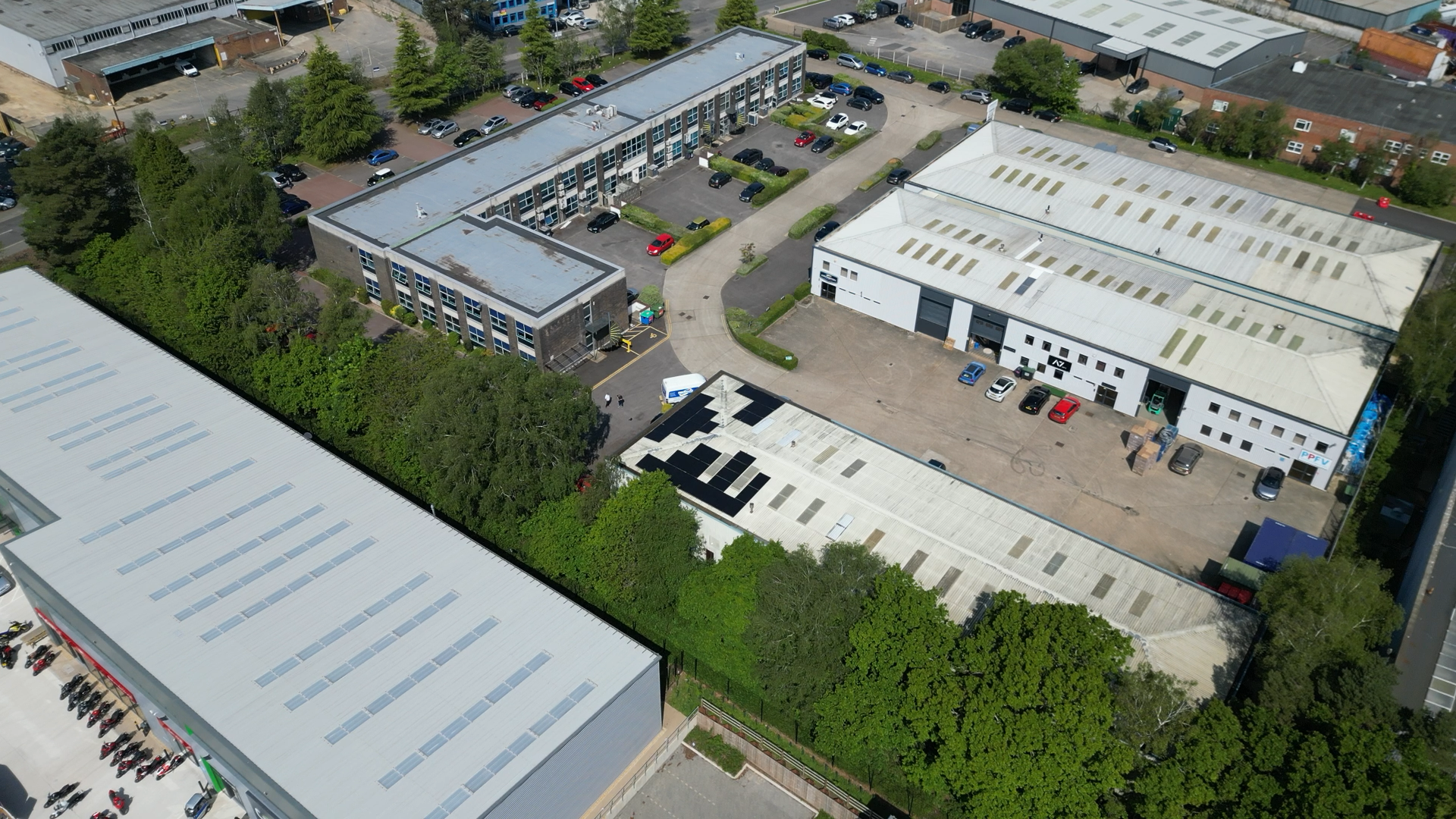
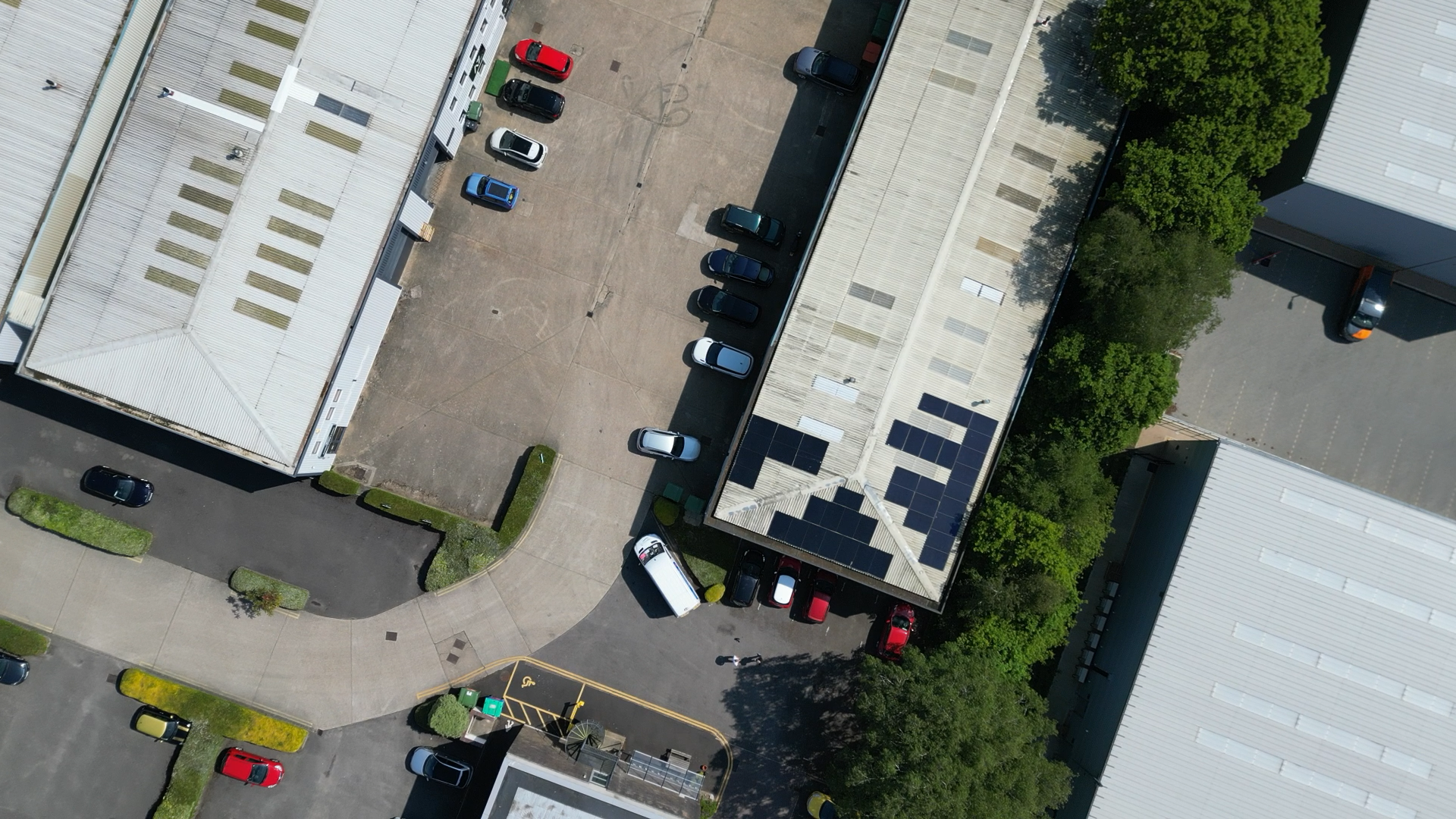
Manufacturing sites are among the highest energy consumers in the commercial sector. Heavy machinery, production lines and ventilation systems require continuous power throughout working hours.
Commercial solar installation allows factories to offset a significant proportion of daytime electricity demand. Given that production activity often aligns with peak solar generation, the financial return can be compelling. With current solar panel cost trends and available capital allowances, many facilities achieve payback within three to six years.
Solar batteries can further support operations by storing surplus generation for later use, helping maintain productivity during grid interruptions. For industrial estates in Poole and Dorchester, roof space is rarely a limitation, making solar panel installation particularly attractive.
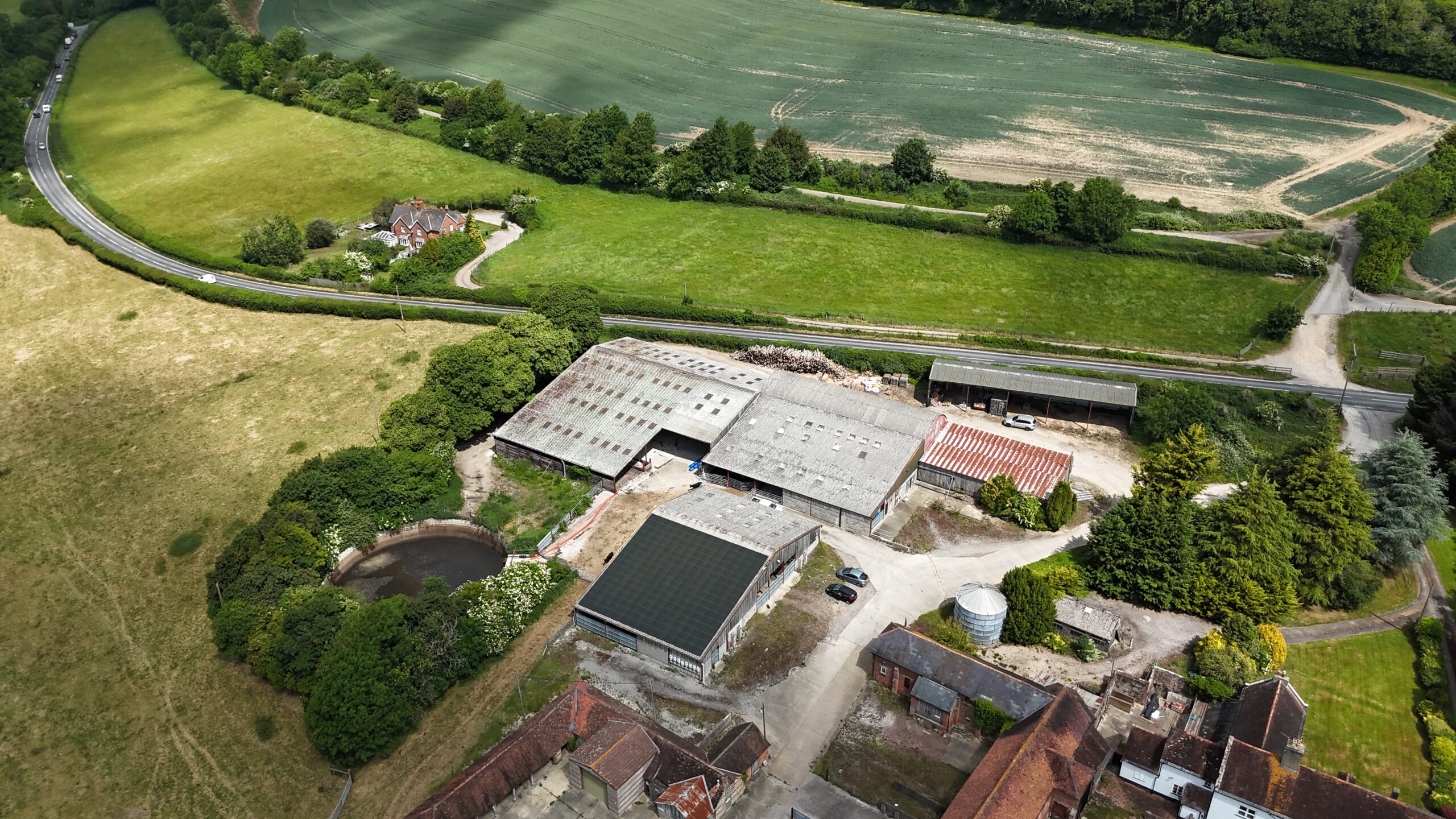
Dorset’s agricultural sector remains a cornerstone of the regional economy. Farms consume substantial energy through refrigeration, irrigation, lighting and processing equipment.
Commercial solar presents farmers with an opportunity to convert unused barn roofs into productive assets. Given the seasonal nature of many operations, solar batteries provide flexibility by storing excess generation during peak sunlight hours.
With careful system design, solar energy UK solutions can dramatically reduce operational overheads while enhancing sustainability credentials. This is increasingly valuable for farms supplying major retailers who demand environmental accountability.

Large scale warehouses in Bournemouth and Poole often feature expansive roof areas that are ideally suited to solar panels. Distribution centres operate long hours with significant lighting and mechanical handling requirements.
Commercial solar installation reduces reliance on high tariff daytime electricity and improves cost predictability. As logistics firms compete in tight margin markets, controlling solar panel cost through efficient system sizing can translate directly into stronger profitability.
Solar batteries can support electric vehicle fleet charging, further enhancing long term savings.
Hotels, restaurants and coastal hospitality venues in Weymouth face substantial energy consumption due to heating, cooling, kitchens and laundry facilities.
Commercial solar enables hospitality businesses to align energy generation with peak daytime usage. In a sector where guest expectations include environmental awareness, visible solar investment also strengthens brand perception.
With carefully structured financing such as asset finance or power purchase agreements, hospitality operators can reduce upfront expenditure while benefiting from immediate savings.
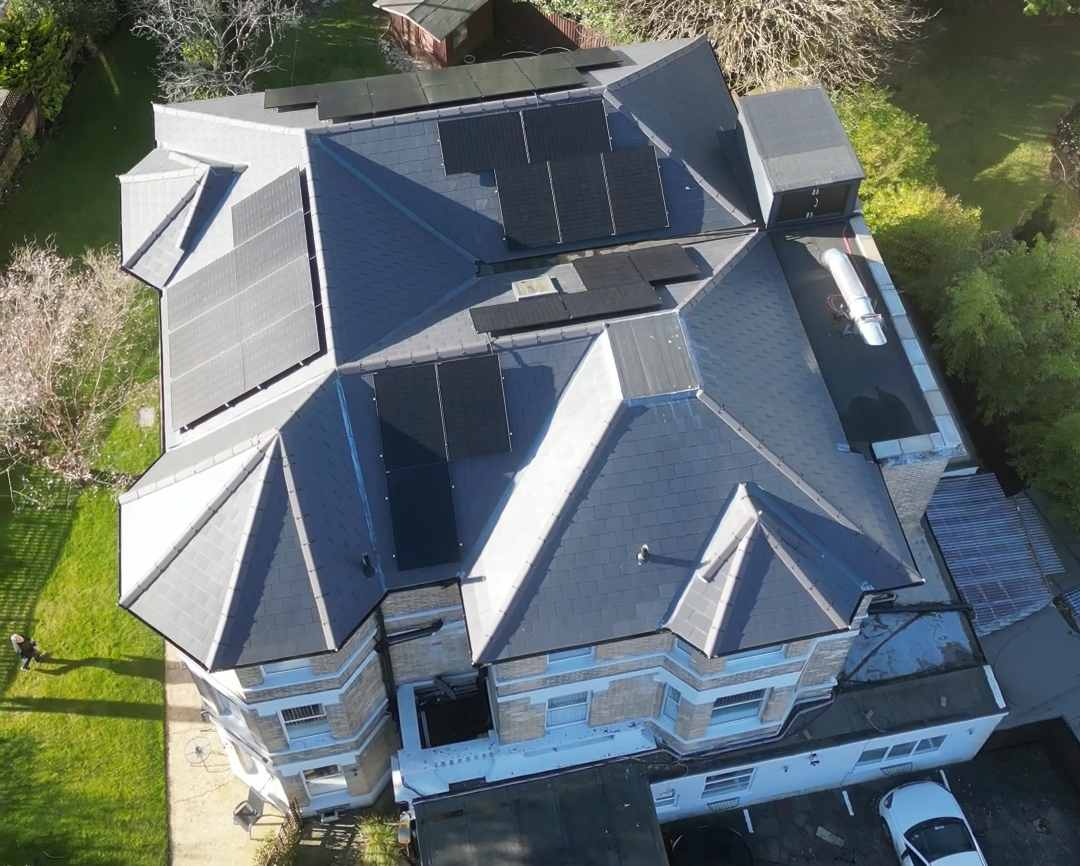
Retail premises require constant lighting, refrigeration and climate control. For supermarkets in Dorset and across England, electricity costs represent a considerable operating expense.
Solar panel installation can offset a meaningful portion of this demand, particularly during peak shopping hours when sunlight is abundant. With the addition of solar batteries, excess generation can be retained for evening trading.
Given rising grid tariffs, commercial solar installation offers retailers a hedge against long term price instability.
Modern office developments increasingly prioritise sustainability as part of corporate governance commitments. Energy intensive systems such as air conditioning, data infrastructure and lighting contribute significantly to operational costs.
Commercial solar supports businesses in meeting environmental targets while delivering measurable savings. For professional firms in Bournemouth and Dorchester, the reputational advantage of adopting renewable energy can enhance client confidence.
When combined with current tax incentives, the return on investment remains attractive.
Schools, colleges and universities operate predominantly during daylight hours, aligning perfectly with solar generation patterns.
Commercial solar installation can substantially reduce public sector energy expenditure, freeing resources for educational investment. Solar batteries allow facilities to store surplus energy for evening events or community use.
Given the educational value of visible renewable infrastructure, institutions also benefit from enhanced community engagement.
Healthcare environments require dependable power for medical equipment, lighting and climate control. Care homes in Dorset face similar continuous energy demands.
Solar energy UK solutions can offset a portion of this consumption, reducing exposure to volatile grid pricing. Although healthcare facilities must maintain stringent reliability standards, professionally designed commercial solar systems integrate seamlessly with existing infrastructure.
With appropriate battery storage, resilience is further strengthened.
Swimming pools, gyms and sports complexes are particularly energy intensive due to heating and lighting requirements.
Commercial solar installation offers a means to reduce long term operating costs while demonstrating environmental responsibility to members and local authorities. Facilities with extensive roof space can achieve strong returns, particularly when systems are optimised to match daytime usage patterns.
Food processing plants demand refrigeration, machinery operation and strict temperature control. Energy expenditure is therefore substantial.
By adopting commercial solar, producers can lower overheads while protecting margins in a competitive marketplace. Given the scrutiny placed on supply chain sustainability, renewable energy adoption strengthens compliance credentials.
When solar batteries are incorporated, producers gain additional control over peak demand charges and load management.
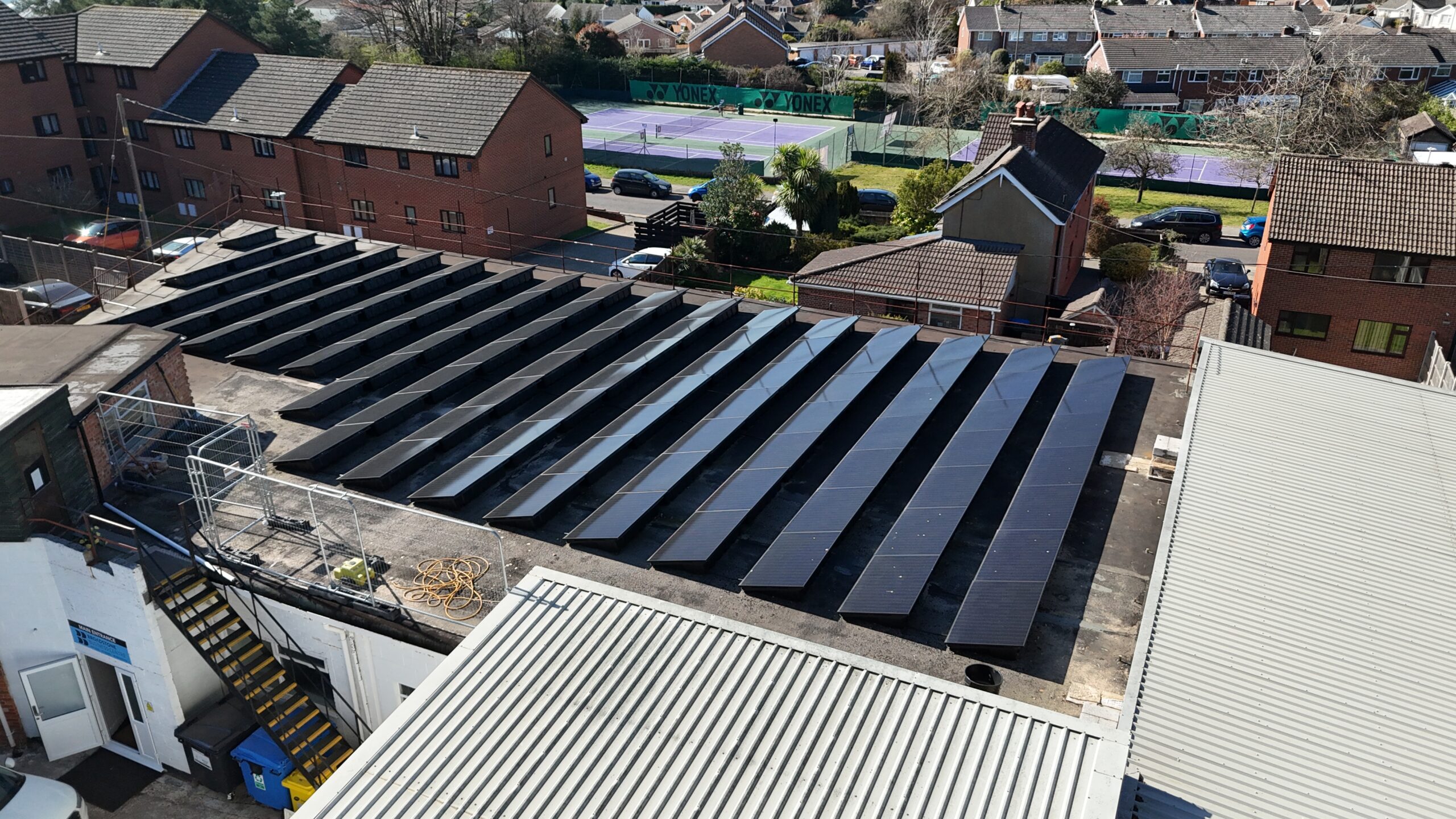
One of the most common questions raised by commercial property owners concerns solar panel cost. While system pricing depends on size and site complexity, declining equipment costs and improved efficiency have made commercial solar installation increasingly accessible.
In many cases, structured finance options allow businesses to install solar panels with minimal upfront capital. Leasing arrangements and power purchase agreements enable immediate savings while spreading expenditure over time.
With electricity prices remaining elevated across solar energy UK markets, the economic rationale continues to strengthen.
Businesses across England may benefit from capital allowances and other incentives that improve the financial case for solar panel installation. While schemes evolve over time, commercial solar remains aligned with national decarbonisation objectives.
Careful consultation ensures that companies in Dorset and beyond maximise available benefits.
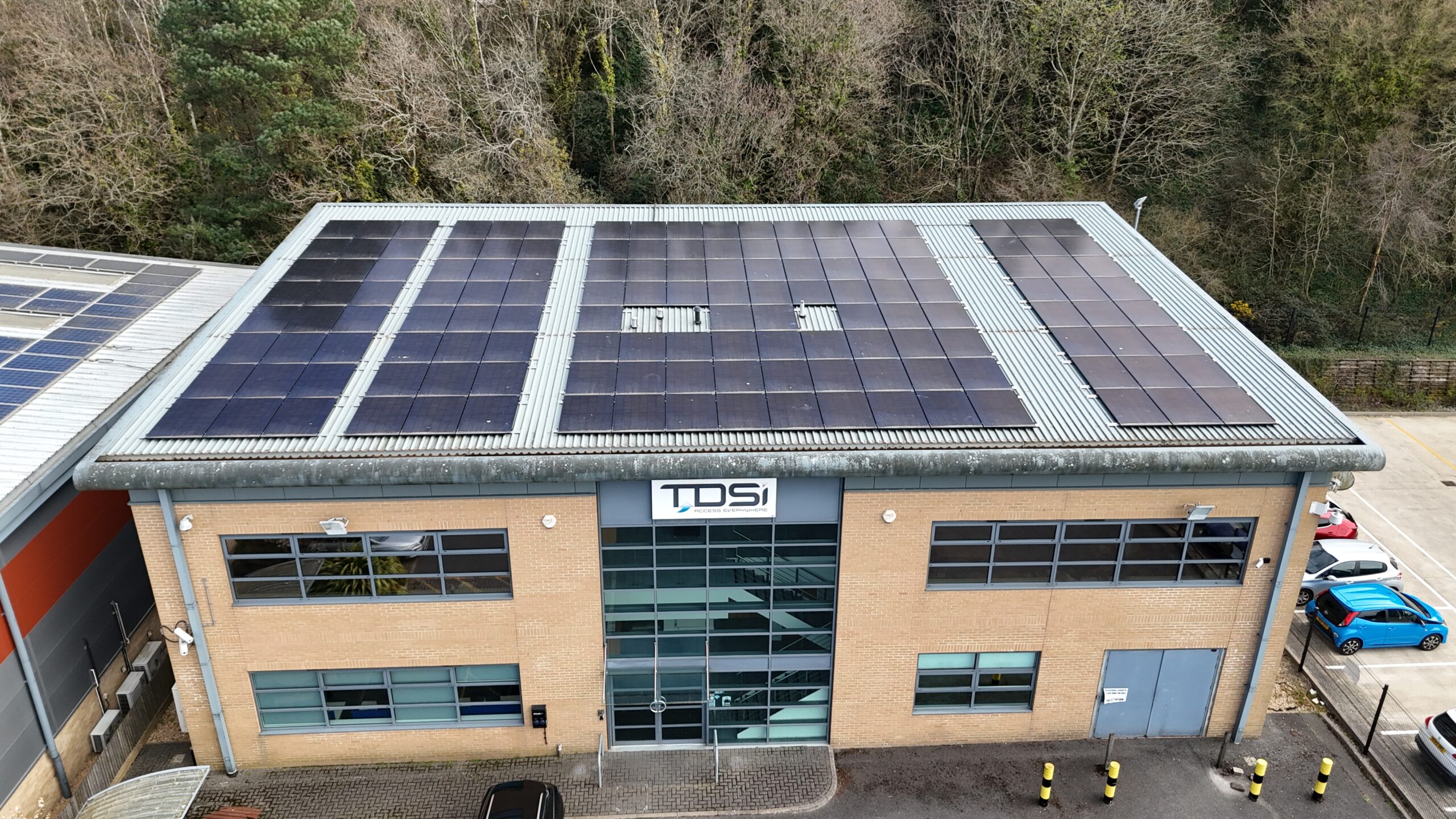
Beyond immediate savings, commercial solar installation provides long term strategic resilience. Organisations reduce dependence on grid volatility, improve environmental credentials and demonstrate leadership within their sectors.
For many enterprises, the decision is no longer whether to invest in solar panels, but when.
Costs vary depending on system size and site conditions, but many businesses achieve payback within three to six years.
Solar batteries are not essential but significantly enhance energy independence and maximise savings.
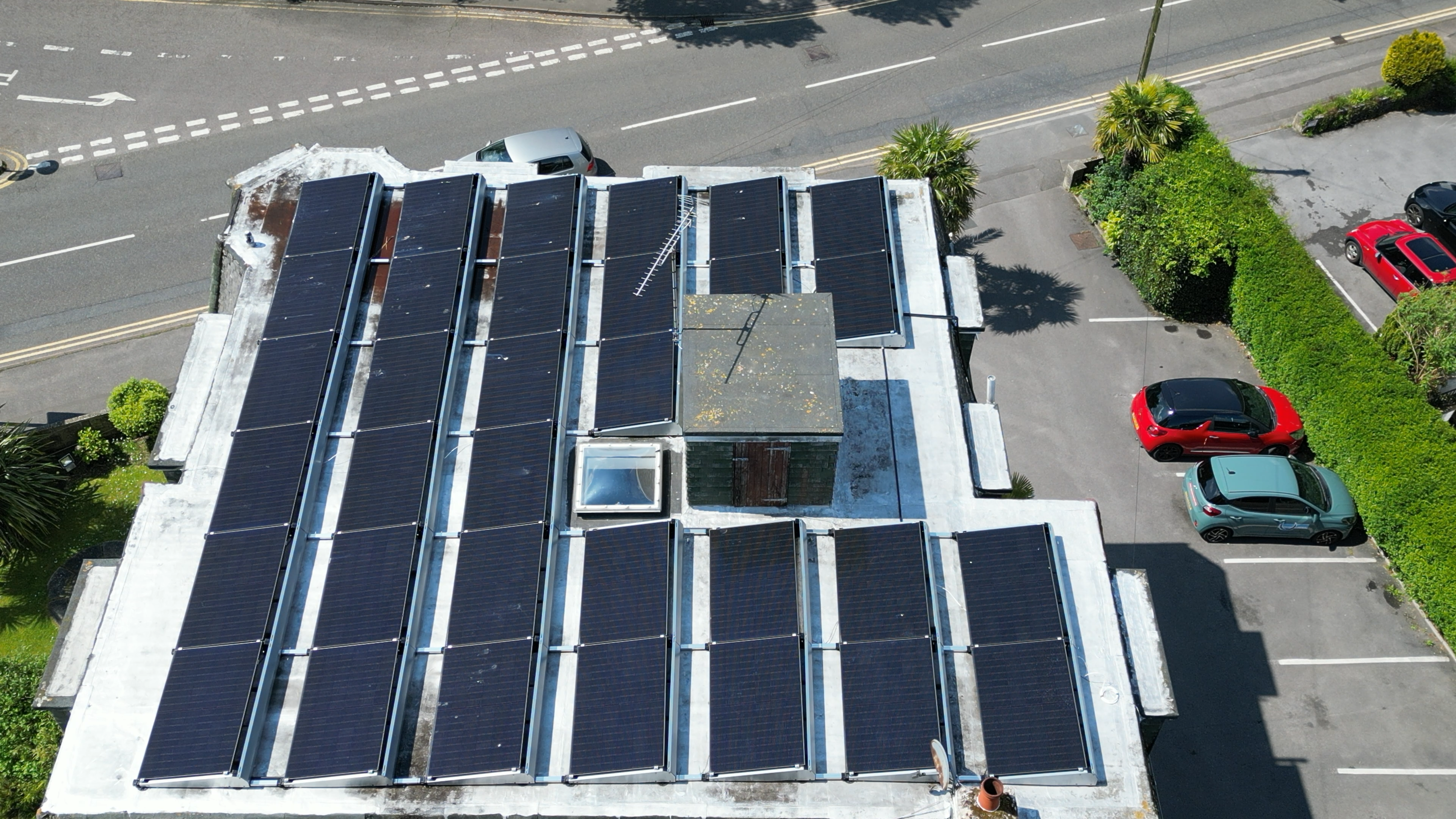
For businesses across Bournemouth, Poole, Weymouth, Dorchester and the wider Dorset region, commercial solar installation represents a practical, forward thinking investment.
Save Energy UK provides comprehensive assessments, tailored system design and professional solar panel installation to ensure maximum return on investment.
If you are ready to reduce operating costs and strengthen your organisation’s long term resilience, request a free commercial solar assessment today and discover how solar energy can transform your business.