Over 20 years as your solar system specialists
"We pride ourselves on good products, good pricing and good backup service"
Tel: 01202 986262
Supporting


As energy prices continue to fluctuate and sustainability becomes a growing priority for UK households, more homeowners are turning to solar power as a long term solution. While reducing your electricity bills is a clear benefit, many are now asking an equally important question. Can solar panels actually generate income?
The answer lies in the Smart Export Guarantee, commonly referred to as SEG. This government backed scheme allows homeowners to earn money by exporting unused solar energy back to the grid. In 2026, SEG remains a key part of the financial case for solar, but how much can you realistically earn?
This guide explains everything you need to know, from how SEG works to real world earning potential and how to maximise your return.
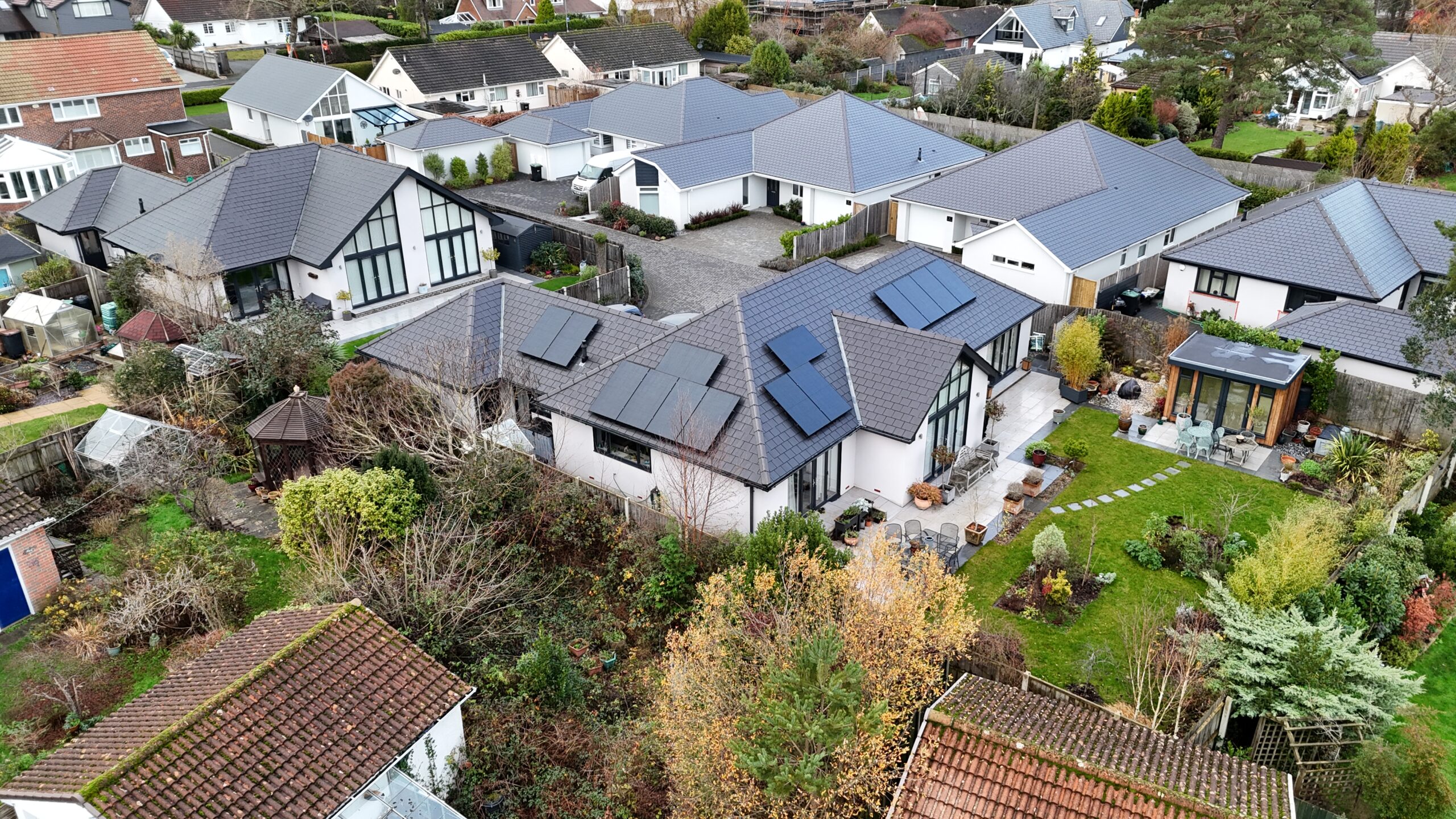
SEG payments are part of a UK government scheme that requires energy suppliers to pay homeowners for surplus electricity generated from renewable sources such as solar panels.
If your system produces more electricity than your home uses, the excess energy is exported to the national grid. Under SEG, you are paid for that exported energy.
To qualify, your solar system must be installed by an MCS certified installer and your property must have a smart meter capable of recording export readings.
In simple terms, SEG turns your home into a small energy generator, allowing you to earn money from power you would otherwise waste.
Once your solar system is installed and registered, you can sign up with an energy supplier offering an SEG tariff. Each supplier sets their own rates, which means payments can vary.
Here is how it works step by step:
Payments are usually made quarterly, although this can differ depending on the provider.
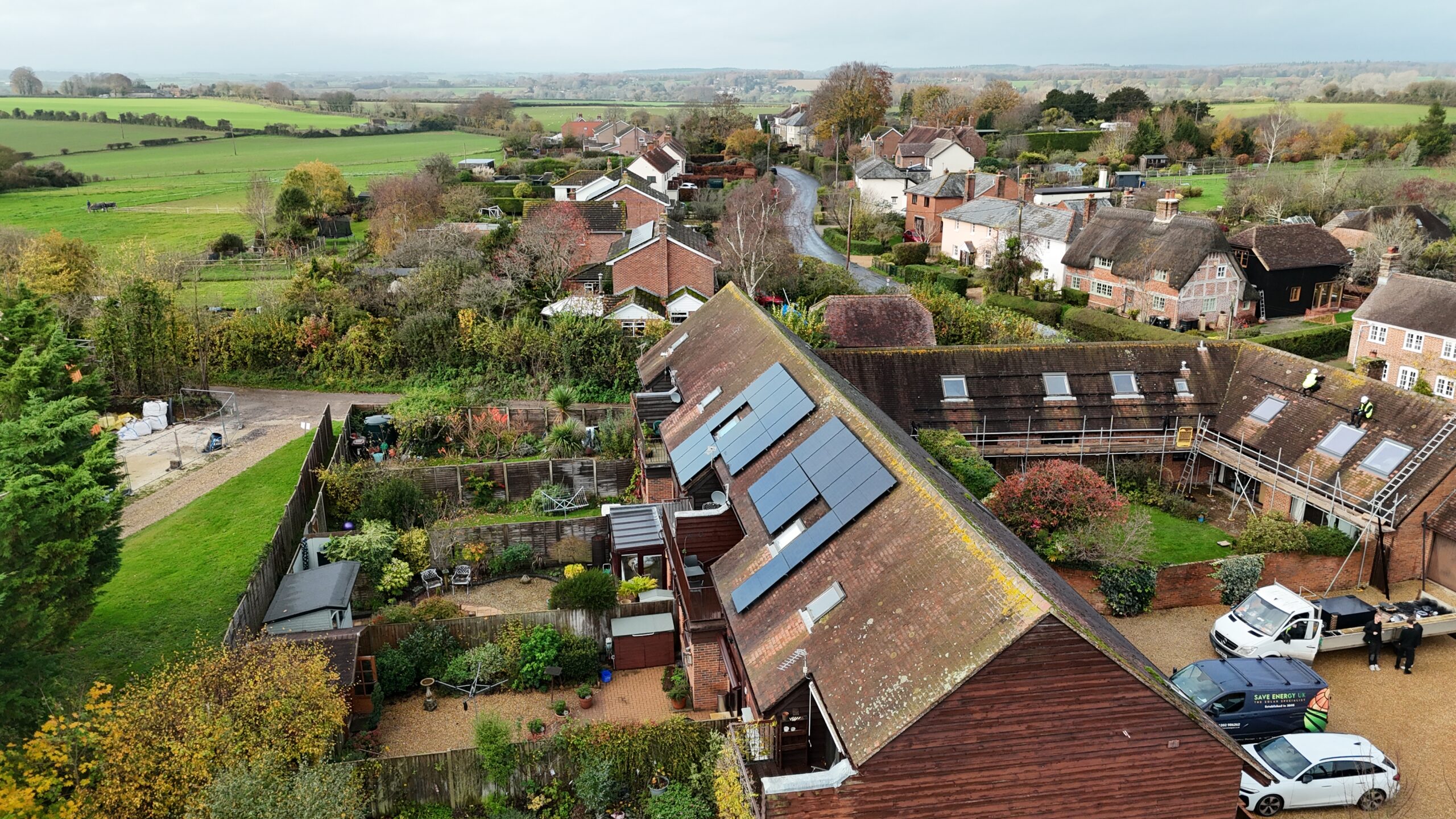
SEG rates are not fixed, and in 2026 they continue to vary between suppliers. Most tariffs fall within a typical range of around 3p to 15p per kWh.
Some suppliers offer higher rates, particularly those encouraging smart export or time of use tariffs. However, these often come with conditions such as specific battery systems or smart energy management.
While the highest rate may seem appealing, it is important to consider overall value, including flexibility and compatibility with your system.
The amount you can earn through SEG depends on several factors, including the size of your system and how much energy you export.
While SEG income alone will not cover installation costs, it plays a valuable role alongside energy savings to improve overall return on investment.
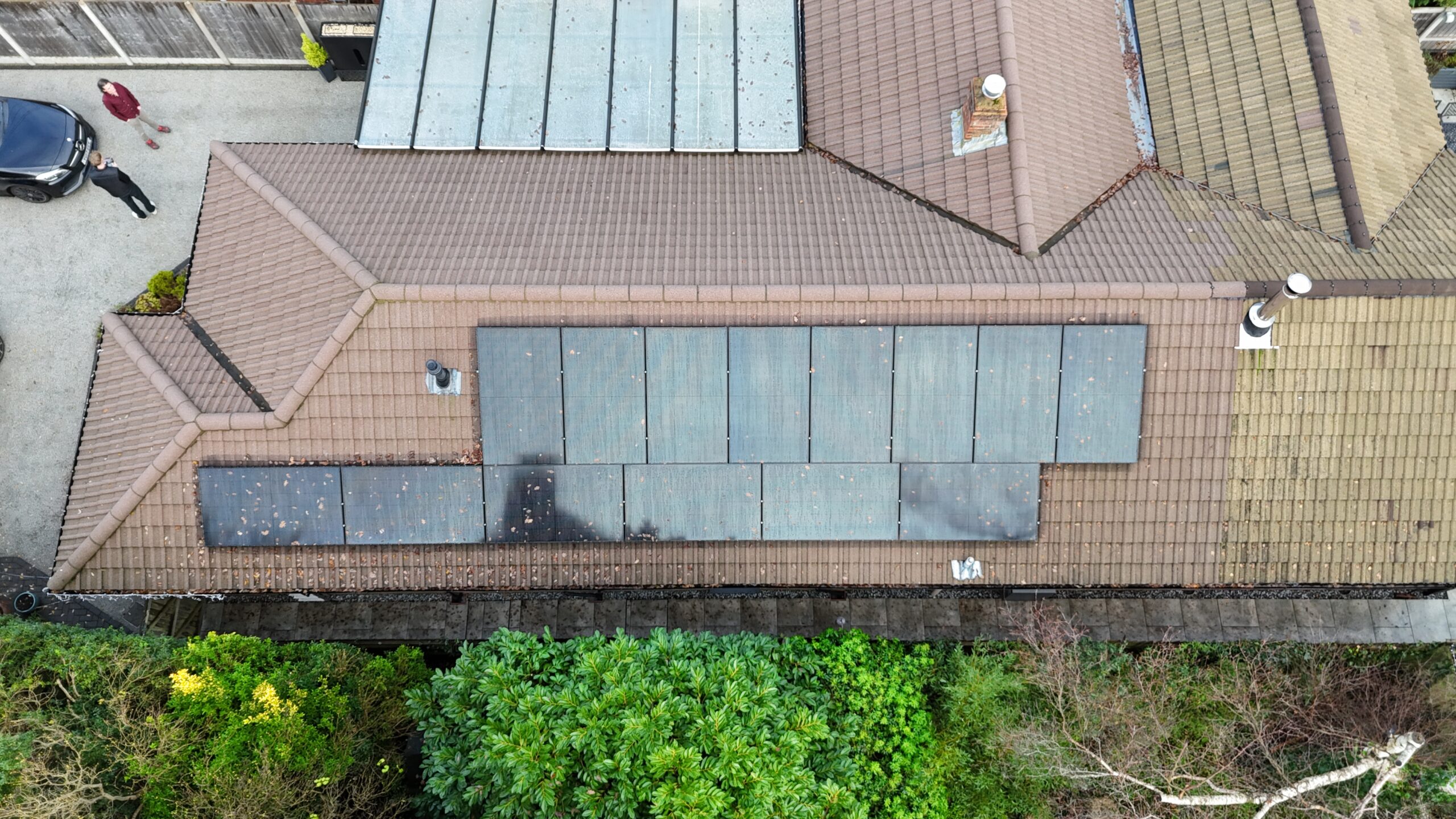
Several factors influence how much you can earn through SEG.
Larger systems generate more electricity, increasing the potential for export and higher earnings.
Homes in southern areas such as Dorset tend to benefit from stronger solar generation compared to northern regions.
If you are at home during the day and use more of your solar energy directly, you will export less. This reduces SEG income but increases bill savings.
Different suppliers offer different rates. Choosing the right tariff can significantly affect your earnings.
Installing a battery allows you to store excess energy rather than exporting it immediately. This can reduce SEG payments but often increases overall savings by allowing you to use stored energy in the evening when electricity is more expensive.
Battery storage is becoming increasingly popular and for good reason. Systems such as the Tesla Powerwall and Growatt battery solutions allow you to store surplus energy for later use.
Rather than exporting electricity at a relatively low SEG rate, you can use that stored energy to power your home during peak times.
This approach often delivers greater financial benefit overall, even if it reduces your SEG income slightly.
For many homeowners, the ideal setup is a balance between exporting some energy for SEG payments while storing enough to maximise self consumption.

Not all SEG tariffs are equal. Some of the main UK providers include:
When comparing providers, consider:
Choosing the right provider can make a noticeable difference to your annual returns.
A typical solar panel system in the UK costs between £6000 and £9000 depending on size and specification. Adding battery storage can increase this by several thousand pounds.
However, the financial benefits come from two key areas:
Most homeowners see a payback period of around 7 to 10 years, depending on usage and system size. After this point, the electricity your system generates is effectively free, aside from minimal maintenance.
When combined with rising energy costs, solar remains one of the most reliable long term investments for homeowners.
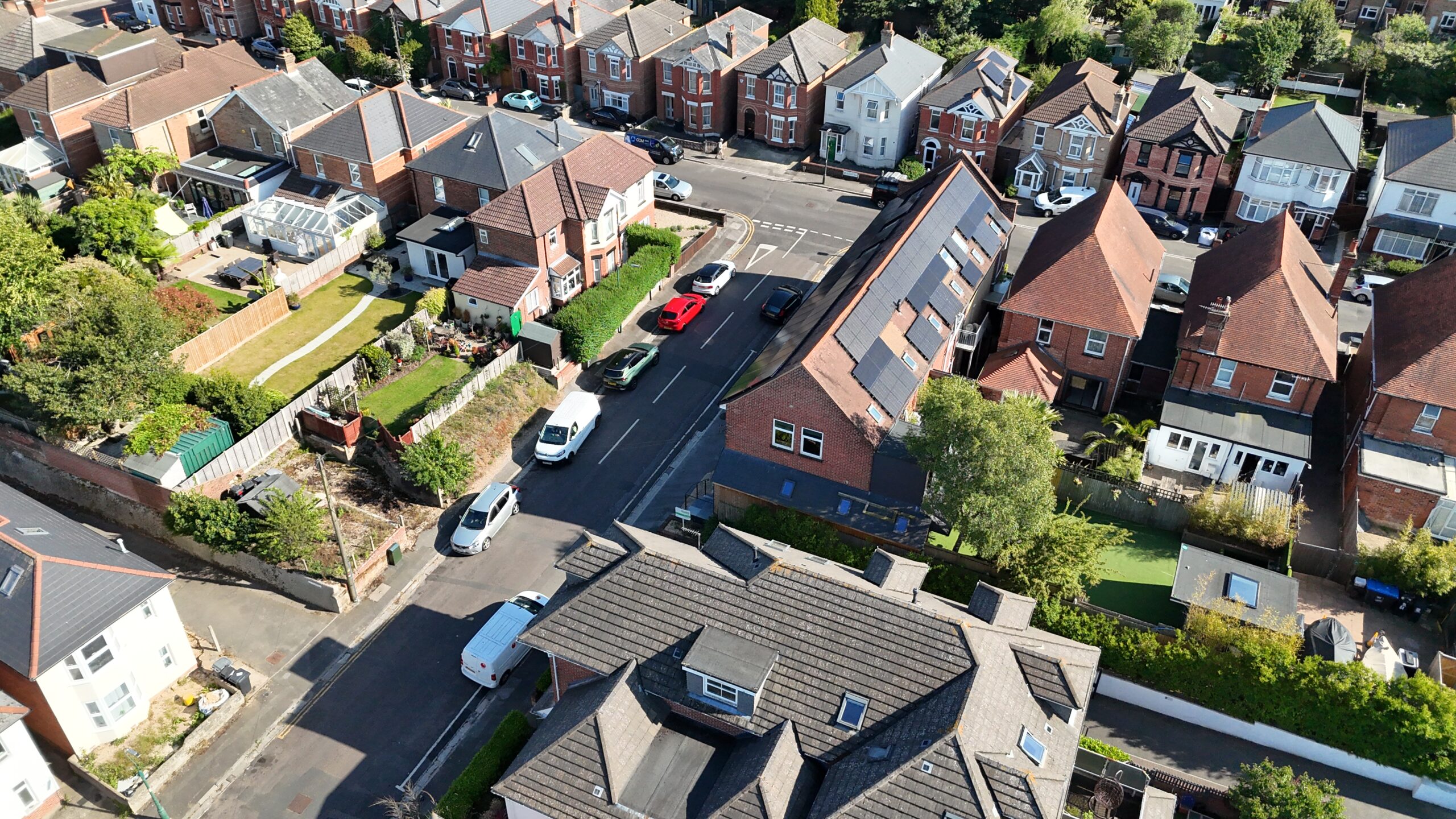
For homeowners searching for solar panels Dorset or solar panels Bournemouth, Poole, and Christchurch, the local climate is well suited to solar generation.
With relatively strong sunlight levels compared to other parts of the UK, properties in these areas can achieve excellent performance and faster returns.
Choosing a trusted local installer ensures your system is designed to maximise efficiency based on your property and energy usage.
SEG payments are best viewed as a bonus rather than the primary financial driver.
The real value of solar comes from reducing your reliance on the grid and protecting yourself from rising energy prices. SEG simply enhances that value by providing an additional income stream.
For most homeowners, the combination of bill savings, SEG income, and increased property value makes solar a compelling investment.
Yes, although they are not the main source of savings. They provide an additional income stream alongside reduced energy bills.
Rates vary, but providers such as Octopus Energy often offer some of the more competitive tariffs.
No, but a battery can improve overall savings by allowing you to use more of your own energy.
If you are considering solar panels in Dorset or the surrounding areas, now is an excellent time to make the switch. With SEG payments continuing into 2026 and energy prices remaining unpredictable, investing in solar offers both financial and environmental benefits.
At Save Energy UK, we specialise in designing and installing high performance solar systems tailored to your home. Whether you are looking to maximise SEG income or reduce your energy bills, our team can guide you every step of the way.
Get in touch today for expert advice and a free, no obligation quote.