Over 20 years as your solar system specialists
"We pride ourselves on good products, good pricing and good backup service"
Tel: 01202 986262
Supporting


As energy costs continue to rise and grid constraints become more pronounced, commercial battery storage is increasingly viewed as a practical and strategic solution for UK businesses. Whether paired with commercial solar installations or deployed as a standalone system, battery storage can help organisations save electricity, improve resilience, and support wider energy efficiency solutions.
However, installing battery storage in the UK is not simply a technical exercise. It is governed by a framework of regulations, grid connection rules, and safety standards, many of which are overseen by Distribution Network Operators, commonly referred to as DNOs. Understanding these requirements is essential for avoiding delays, ensuring compliance, and protecting long term investment.
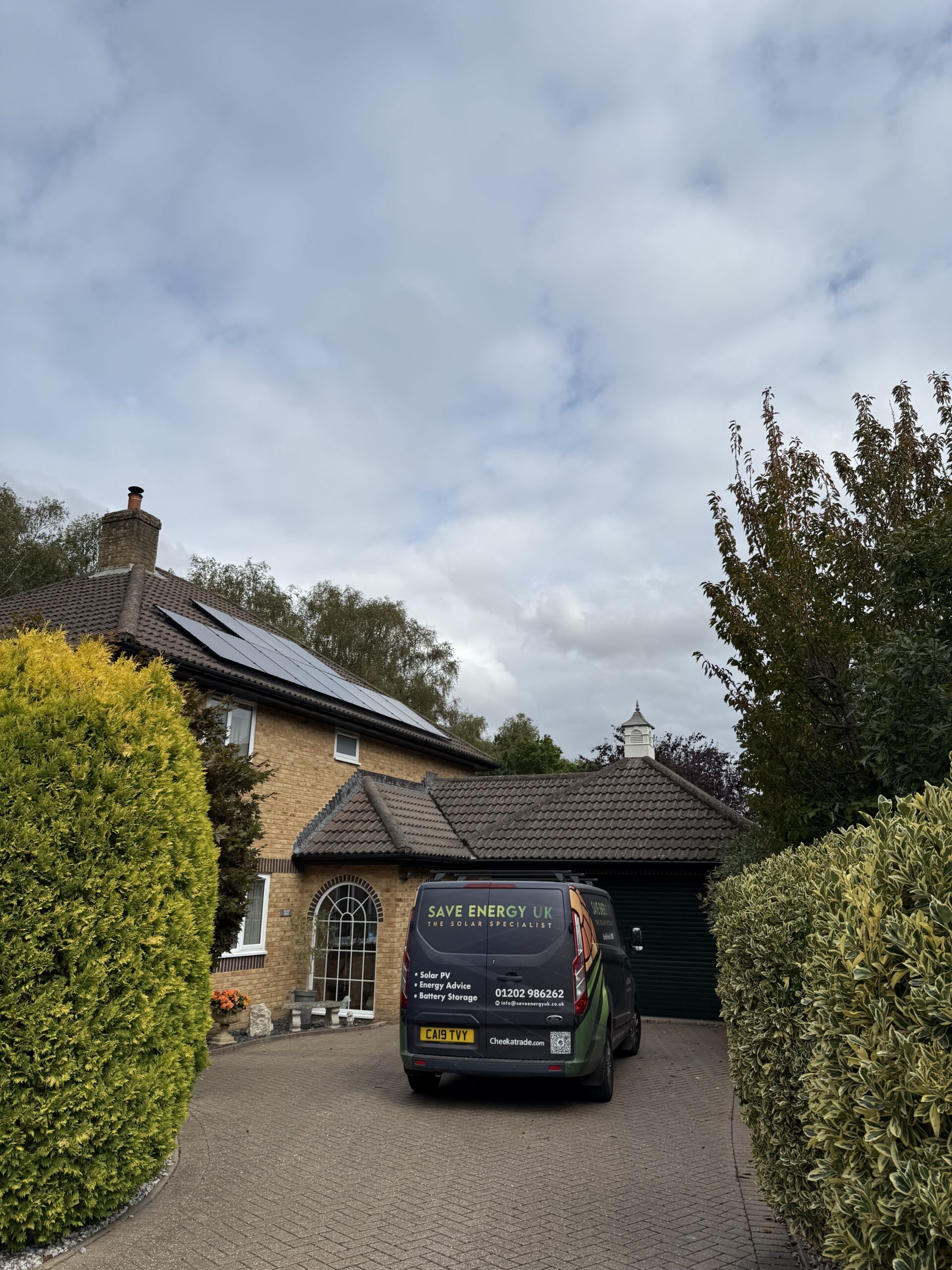
Commercial battery storage in the UK requires careful consideration of DNO approval processes, grid connection regulations such as G99 and G100, planning requirements, and fire safety standards. Businesses must engage early with their local DNO, understand the technical classification of their system, and allow sufficient time for approvals. Failure to do so can result in costly delays or non compliance. When approached correctly, battery storage can play a vital role in commercial solar strategies and broader solar energy UK initiatives.
Commercial battery storage systems store electricity for later use, either generated on site through solar panels or imported from the grid during off peak periods. For businesses investing in commercial solar installation, batteries allow excess generation to be stored rather than exported, improving self consumption and reducing reliance on the grid.
Although residential systems such as solar panels on a home are typically small and subject to simplified rules, commercial installations are larger, more complex, and therefore subject to more rigorous regulatory oversight.

Distribution Network Operators manage the local electricity networks across the UK. Any commercial battery storage system that connects to the grid must be assessed and approved by the relevant DNO to ensure network safety and stability.
DNO approval is required because battery systems can both import and export electricity. This bi directional flow affects voltage levels, fault currents, and network capacity. Even systems installed primarily to save electricity on site must be reviewed.
Each region of the UK has its own DNO, and while the regulations are national, application processes and timelines can vary.
G99 is the primary engineering recommendation governing the connection of generation equipment to the electricity network. This includes commercial solar, commercial solar installation, and battery storage systems capable of exporting power.
Most commercial battery storage systems fall under G99 rather than the simpler G98 process used for small domestic installations. Under G99, approval must be granted before installation begins.
A G99 application typically requires detailed technical information including inverter specifications, protection settings, export capacity, and system schematics. The DNO will assess whether the local network can accommodate the system without reinforcement.
Approval times can range from several weeks to several months depending on system size and network constraints.

G100 applies where export from a site is limited through technical controls. This is common where a business wishes to install solar batteries but restrict export to avoid network upgrades.
An export limitation scheme must be robust, failsafe, and independently verified. The DNO must be satisfied that export limits cannot be exceeded even in fault conditions.
While G100 can make some projects viable, it adds complexity and must be designed carefully. Poorly implemented schemes are a common cause of rejection or delay.
In many cases, commercial battery storage does not require full planning permission, particularly if installed internally or within existing plant rooms. However, there are exceptions.
External battery containers, installations in conservation areas, listed buildings, or sites with visual or noise impacts may require planning approval from the local authority.
Early consultation with planning officers is advisable, especially for larger systems or those installed alongside commercial solar panels.
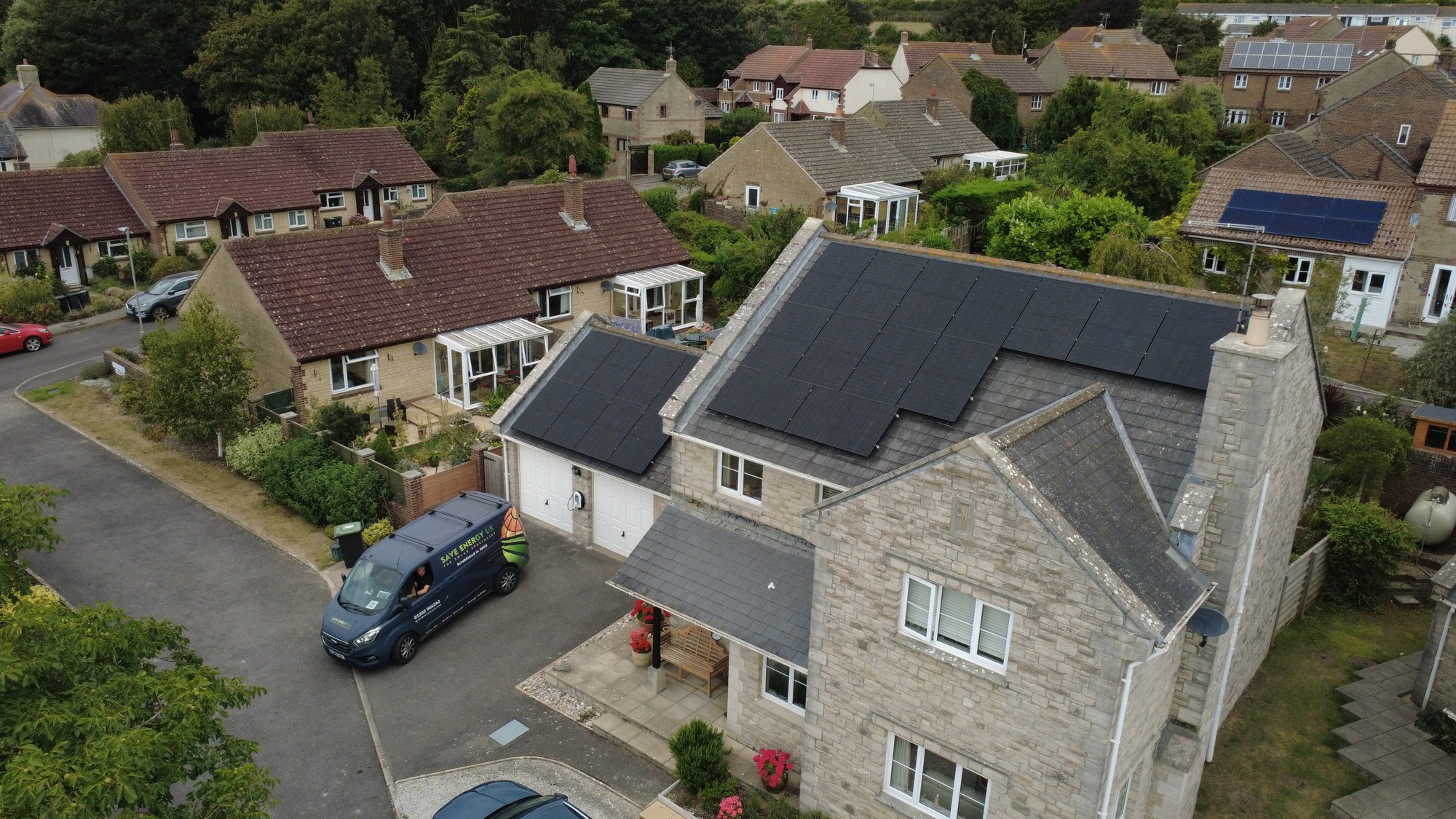
Fire safety is a critical consideration for battery storage. While there is currently no single battery specific law in the UK, compliance is governed through a combination of standards, guidance, and general safety legislation.
Relevant frameworks include the Regulatory Reform Fire Safety Order, British Standards relating to electrical installations, and emerging guidance such as PAS 63100 for fire safety in battery energy storage systems.
Risk assessments, appropriate spacing, ventilation, and emergency procedures must all be addressed. Insurers increasingly expect clear evidence of compliance before offering cover.
Battery storage is often installed as part of a wider solar energy UK strategy. For businesses already considering solar panels install or reviewing solar panel cost, batteries can significantly improve the financial and operational performance of a system.
Although residential solar panel installation is simpler, commercial solar systems require careful coordination between generation, storage, and grid connection approvals. This makes early technical design and regulatory engagement essential.
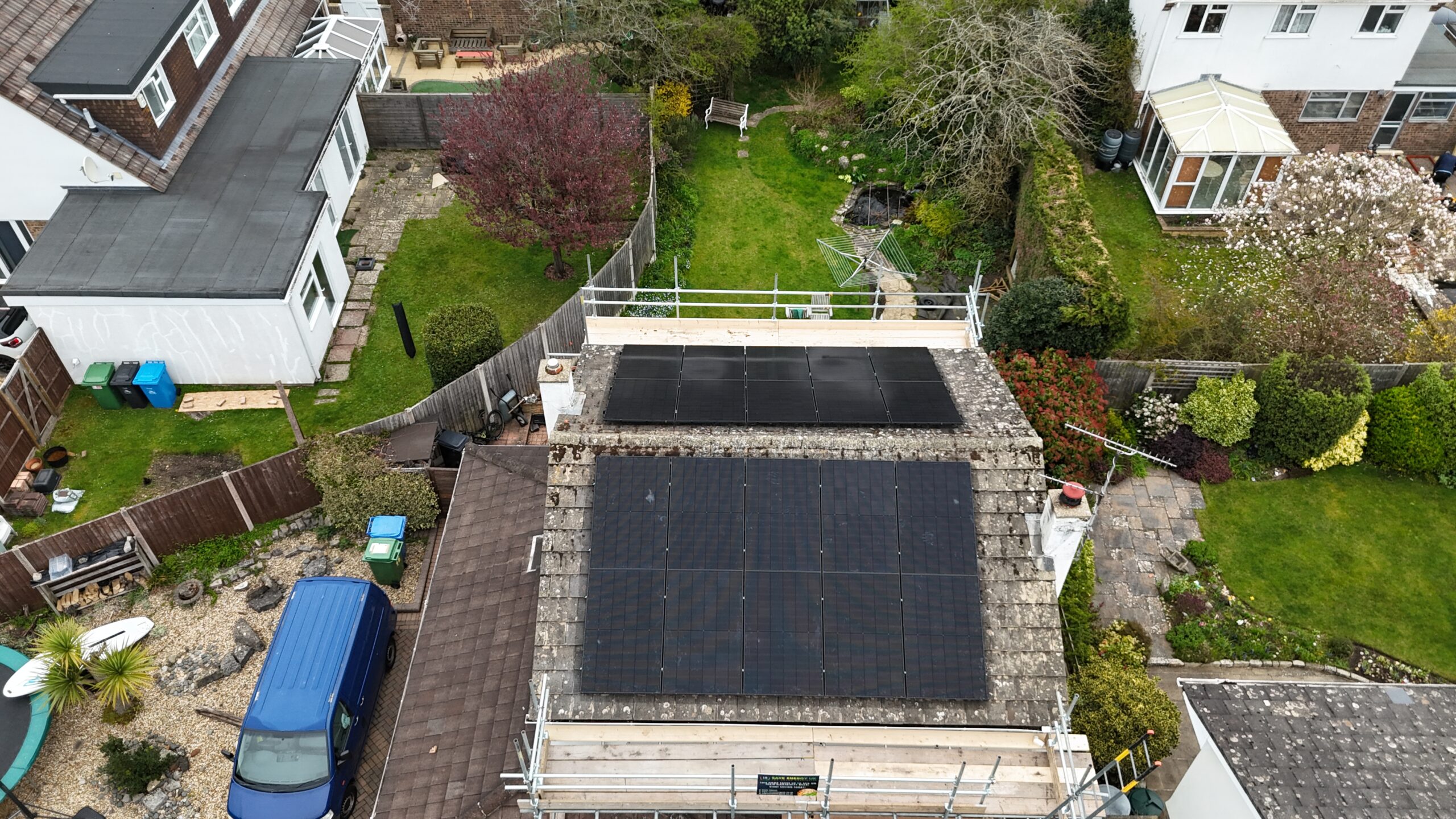
Many delays and additional costs arise from avoidable errors. Common issues include submitting incomplete G99 applications, underestimating DNO timelines, assuming export is not relevant, or failing to address fire safety at an early stage.
Another frequent mistake is treating battery storage as an afterthought to a solar installation, rather than as a regulated asset in its own right.
Businesses should allow several months from initial design to final approval, particularly for larger systems. DNO studies, reinforcement requirements, and planning considerations can all extend project timelines.
Early engagement and realistic scheduling are key to successful delivery.

Yes. Any system connected to the grid requires assessment, even if export is limited.
From a grid perspective, batteries are classed as generation because they can export electricity.
Export can be limited but must be approved and technically enforced under G100.
The regulations are national, but each DNO applies them locally, which can affect timescales.
Commercial battery storage offers clear benefits for businesses seeking to improve energy efficiency solutions, reduce costs, and strengthen energy resilience. Yet these benefits can only be realised through careful compliance with UK regulations and DNO requirements.
For organisations exploring solar batteries as part of a commercial solar strategy, expert guidance can help navigate approvals, avoid delays, and ensure systems are designed correctly from the outset.
If you would like clear, practical advice on battery storage compliance or integrating storage with commercial solar installation, Save Energy UK can provide informed guidance tailored to your site and objectives.