

Reliance on the Grid
As more homeowners across the South Coast look for ways to save electricity and reduce their reliance on the grid, solar energy has become an increasingly attractive solution. Yet once the decision to install solar panels has been made, another important question often follows. Is it better to invest in a larger solar system from the outset, or to add a solar battery first?
At Save Energy UK, we are asked this question frequently. The answer is not always straightforward, as it depends on how your household uses energy, your long term goals, and your budget. In this article, we explore both options in detail to help you make an informed and confident decision.
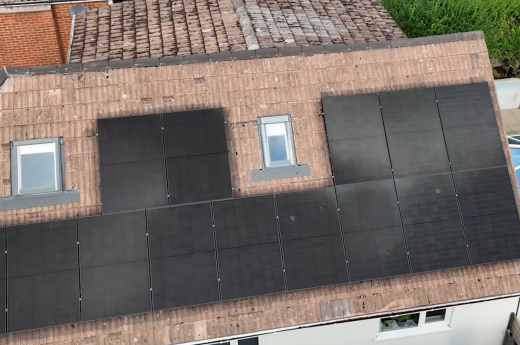
Understanding how solar panels work on a home
Solar panels on a home generate electricity during daylight hours, converting sunlight into usable energy for your household. Any electricity you use at the time it is generated reduces what you need to buy from the grid. If your system produces more energy than you use, the surplus is exported.
This simple principle underpins the decision between installing more panels or adding solar batteries. It all comes down to when you use electricity and how much of your solar energy you want to keep for yourself.
What does investing in a larger solar system mean?
A larger solar system typically involves installing more solar panels or higher output panels at the point of installation. This increases the amount of electricity your system can generate across the day.
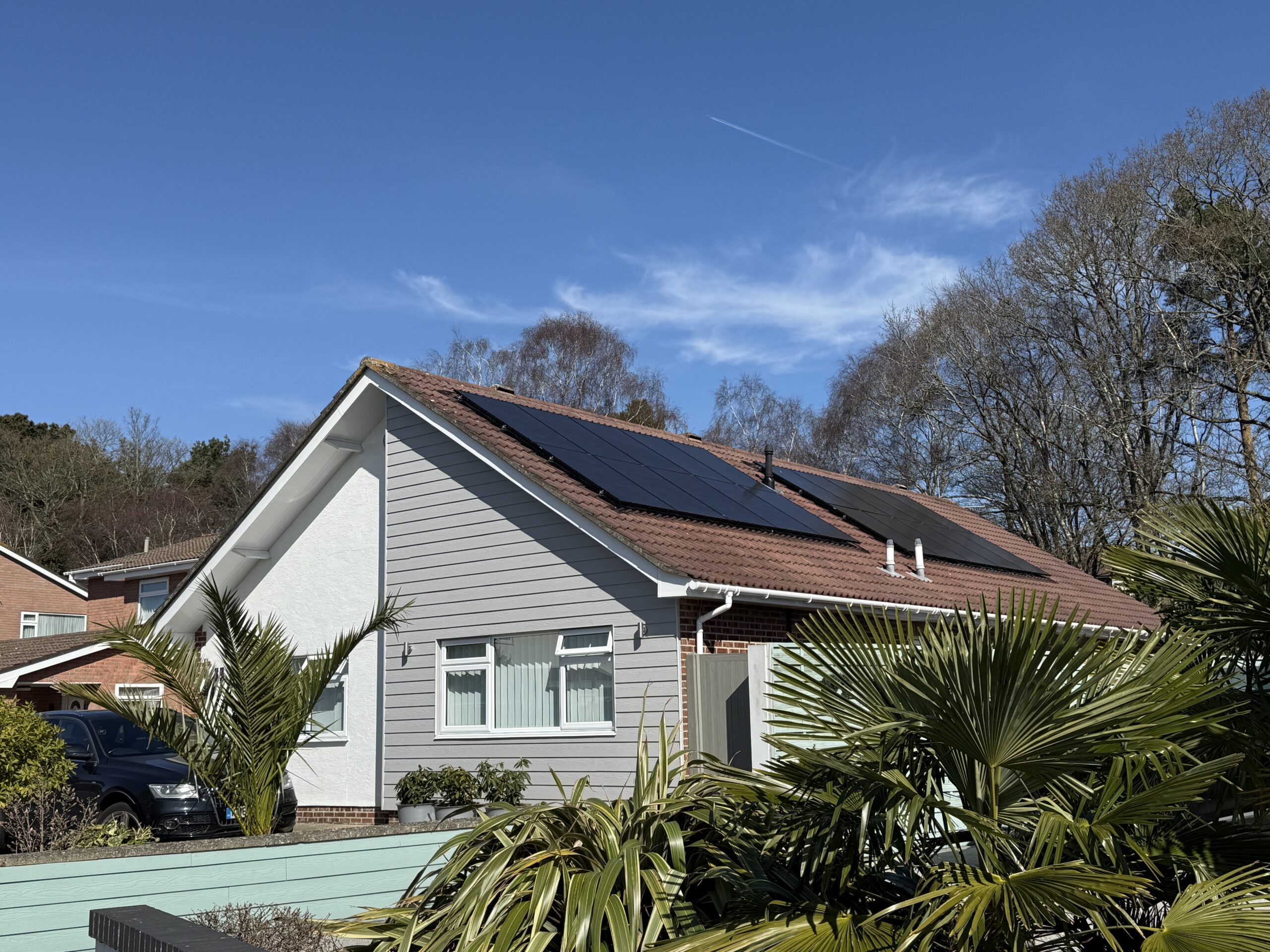
The advantages of a larger solar panel installation
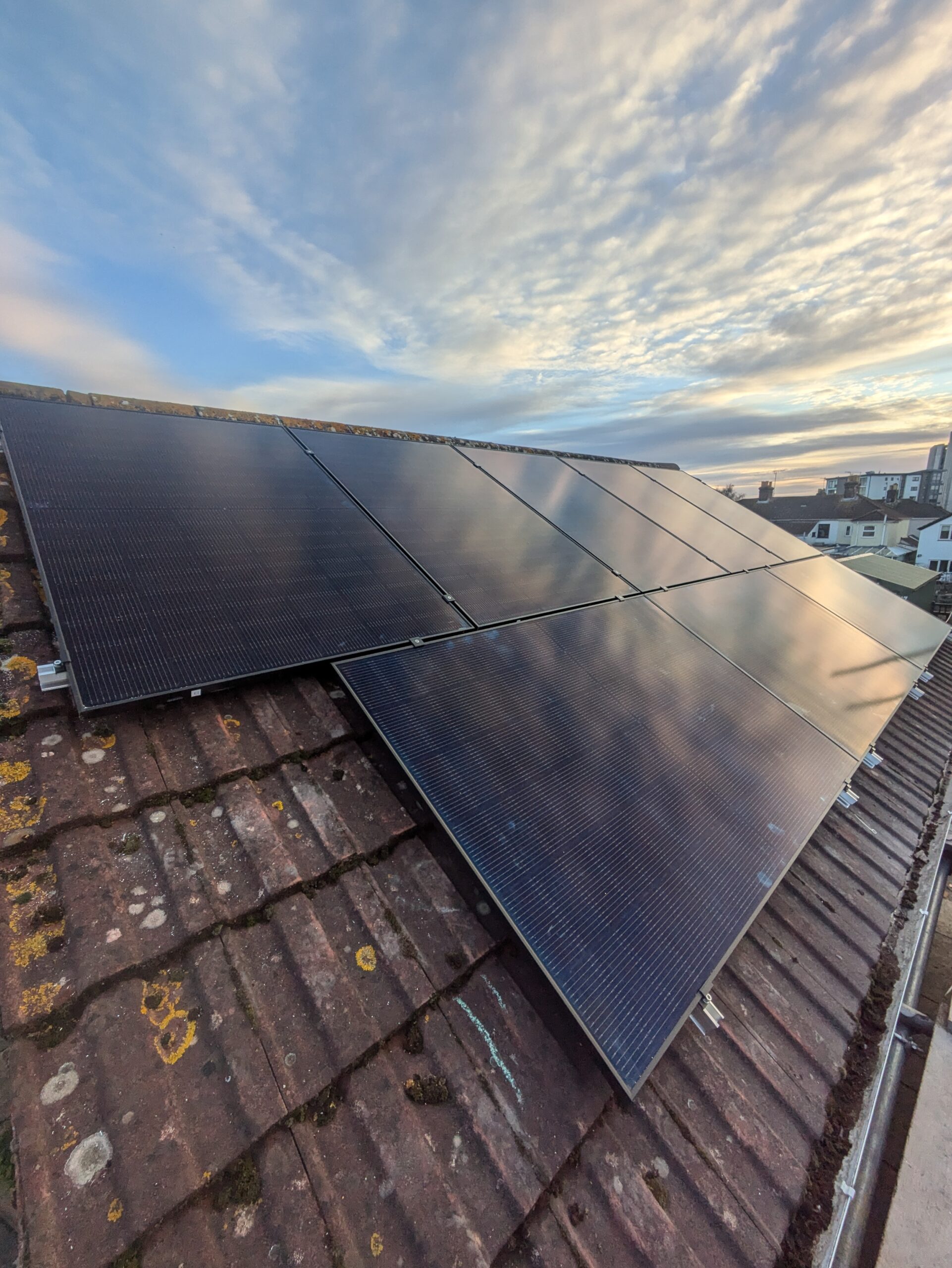
For households with higher daytime energy use, a larger solar panels install can be highly effective. If someone works from home, runs appliances during the day, or has an electric vehicle charging while the sun is shining, additional panels can significantly reduce reliance on the grid.
A larger system can also offer excellent long term value. Solar panel cost per unit of energy generated often decreases as system size increases, meaning you may achieve better overall efficiency from your investment. Over the lifespan of the system, this can translate into meaningful savings.
Another benefit is future proofing. Installing a larger system now can accommodate growing energy needs, such as heat pumps or electric vehicles, without needing further panel installation later.
The limitations to consider
The main limitation is that excess energy generated during the day is often exported rather than used. While export payments exist, they are usually lower than the cost of buying electricity back in the evening. If most of your energy use happens after sunset, a larger system alone may not deliver the full benefit you expect.
Roof space and orientation also matter. Not every home can accommodate additional panels, and shading or roof layout can limit how much capacity it makes sense to install.
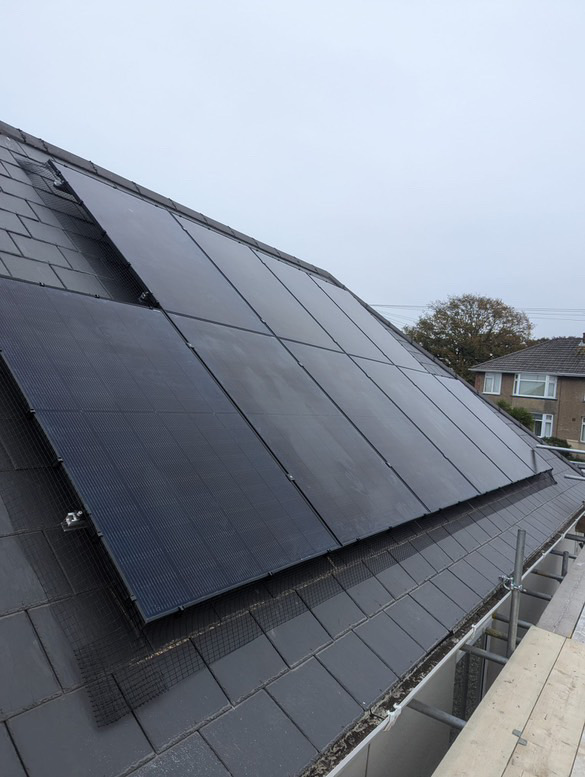
What does adding a solar battery first involve?
Solar batteries store surplus electricity generated during the day, allowing you to use it later in the evening or at night. Rather than exporting excess energy to the grid, you keep it within your home.
The benefits of solar batteries
For many households, energy use peaks in the early morning and evening. Cooking, lighting, heating controls and entertainment systems all draw power at times when solar panels are no longer producing energy. A battery allows you to save electricity generated earlier and use it when you need it most.
This can significantly increase self consumption, meaning more of your solar energy is used directly by your household. With energy prices remaining unpredictable, this added control can be reassuring.
Solar batteries also provide flexibility. They can be added to many existing systems, allowing homeowners to upgrade gradually rather than making all decisions at once. Well known battery solutions from manufacturers such as Tesla, Growatt, Panasonic and Qcells offer reliable performance and intelligent energy management.
The considerations to weigh up
Solar batteries represent a higher upfront cost per unit of stored energy compared to solar panels. While they enhance efficiency and independence, the payback period can be longer depending on usage patterns and battery size.
It is also important to ensure that your existing solar panel installation produces enough surplus energy to charge the battery effectively. Without sufficient generation, a battery may not reach its full potential.
Which option is better for South Coast homeowners?
There is no universal answer, but patterns do emerge.
If your household uses most of its electricity during the day, a larger solar system is often the most sensible first step. You maximise direct usage of solar energy and reduce grid dependence immediately.
If your energy use is concentrated in the evenings, solar batteries can deliver greater practical benefit by shifting solar energy to when it is most valuable.
In many cases, a balanced approach works best. A well sized solar panel installation paired with the option to add a battery later offers flexibility and long term resilience. At Save Energy UK, we often design systems with this progression in mind.
A note on commercial solar
While this article focuses on homeowners, it is worth noting that similar principles apply in commercial solar installation. Businesses with high daytime energy use often benefit from larger systems, while those operating beyond daylight hours may see greater value from energy storage. For homeowners, however, the priorities tend to centre on lifestyle and comfort rather than operating hours.
Making the right choice for your home
Choosing between a larger solar system and a battery is ultimately about understanding your own energy habits. Reviewing when and how you use electricity is the most valuable starting point. From there, the right energy efficiency solutions become much clearer.
A thoughtful solar panel installation should not be rushed. It should be designed around your home, your future plans, and your desire for greater energy independence.
Frequently asked questions
Is it cheaper to add more solar panels or a battery?
Generally, adding solar panels offers a lower cost per unit of energy generated. Batteries provide greater control but come with a higher upfront investment.
Can I add a battery later if I start with solar panels?
Yes. Many homeowners choose to install solar panels first and add solar batteries later as budgets allow or energy needs change.
Final thoughts
Both options have clear merits, and neither is inherently right or wrong. The best solution is the one that aligns with how you live now and how you plan to live in the future.
If you would like tailored advice on solar energy UK solutions, we are always happy to help. A simple conversation can often clarify which path will deliver the greatest benefit for your home, your budget, and your peace of mind.