Over 20 years as your solar system specialists
"We pride ourselves on good products, good pricing and good backup service"
Tel: 01202 986262
Supporting


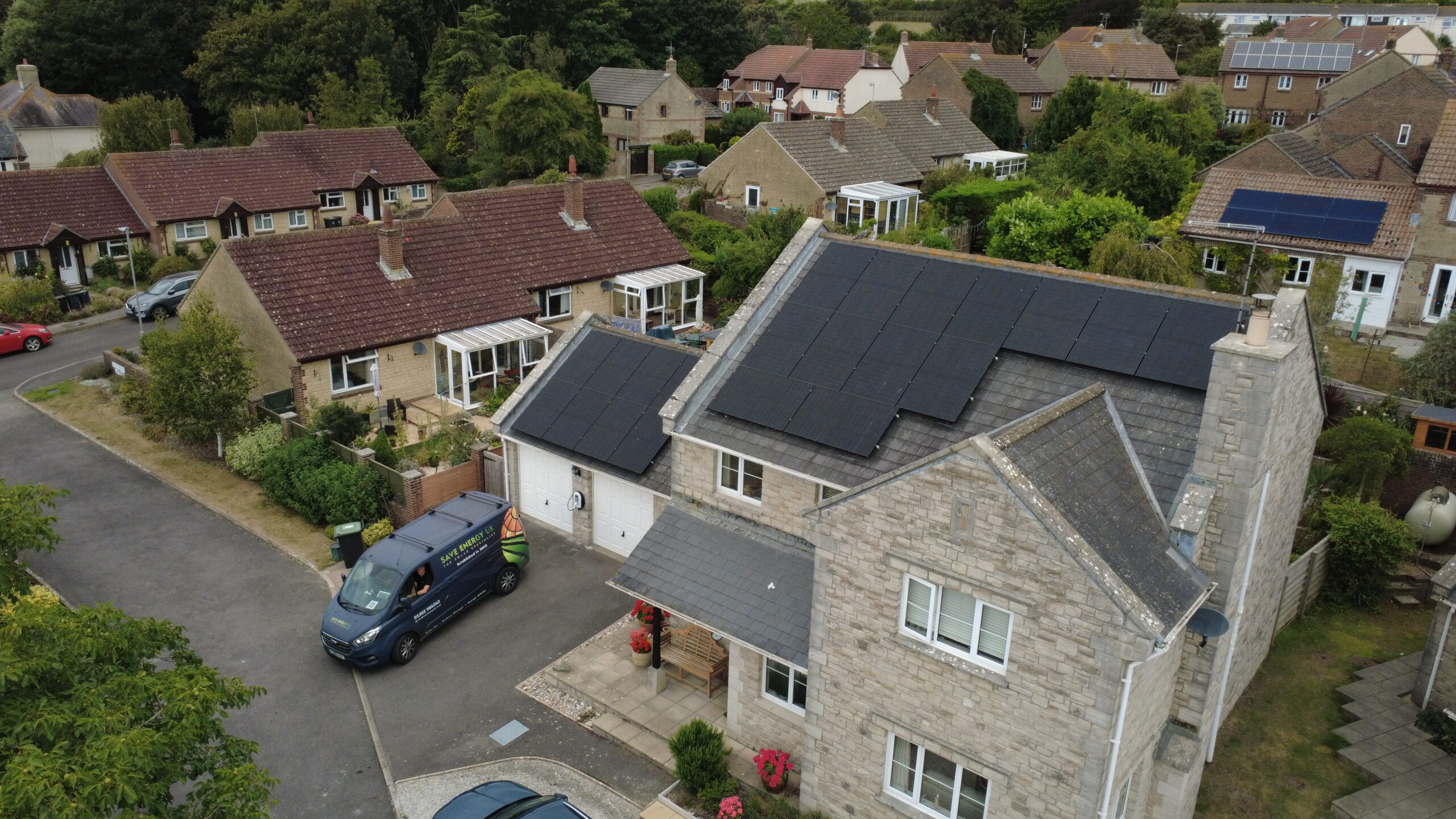
Everything begins on your roof. Solar panels capture daylight and convert it into direct current electricity. Even on cloudy days, which are common along the South Coast, modern systems still generate a surprising amount of power.
A typical residential system can generate between 250 and 400 watts per panel under optimal conditions. Over the course of a year, this can significantly reduce reliance on the grid, especially during brighter months.
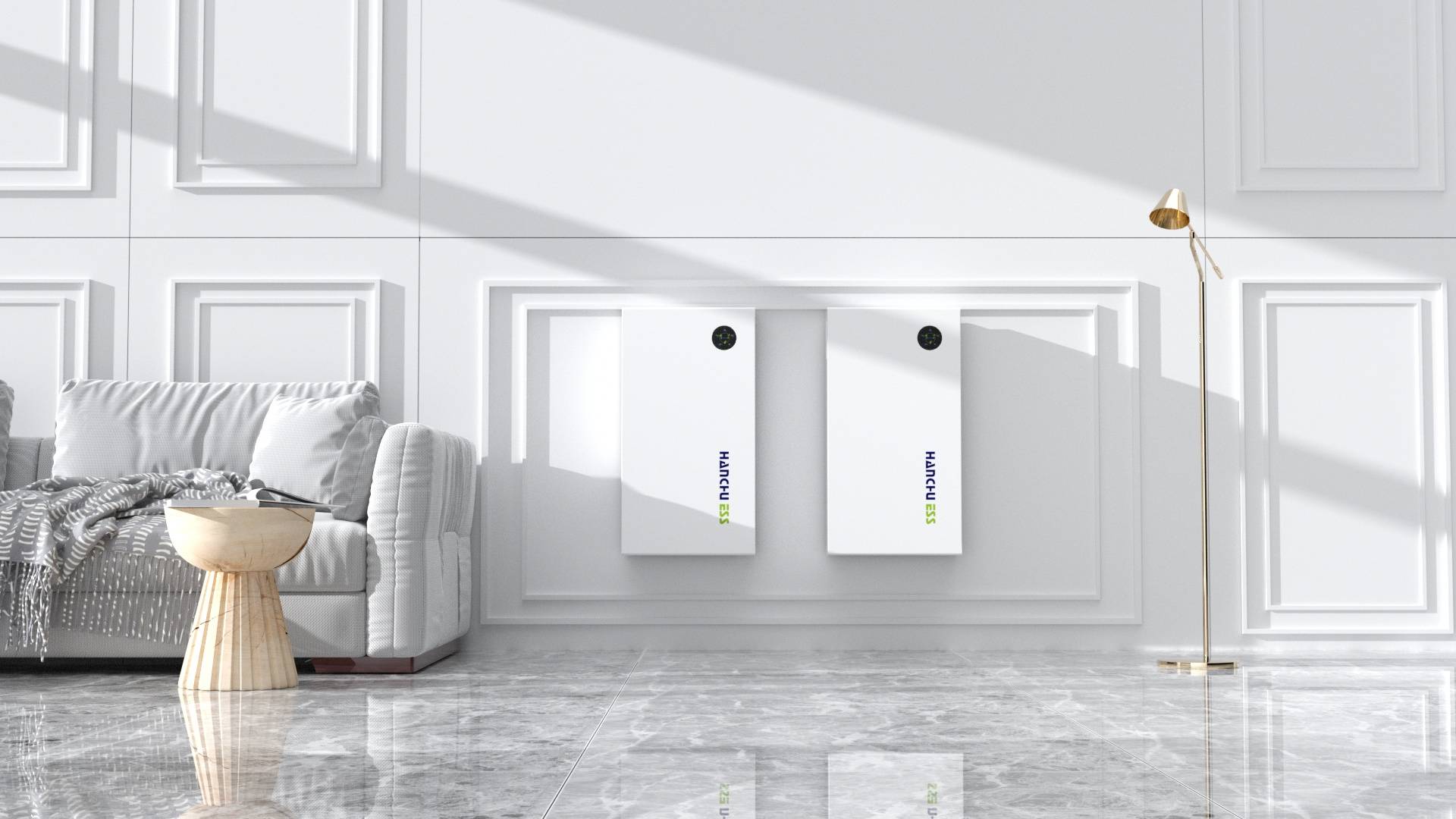
The electricity produced by solar panels is not immediately usable. Homes in the United Kingdom operate on alternating current, while solar panels generate direct current.
This is where the inverter becomes essential. It converts the electricity into a form that your home can use safely and efficiently. Without it, the energy generated would remain unusable.
Modern inverter systems are highly efficient and often come with monitoring tools, allowing homeowners to track energy production in real time through a mobile app.
Once converted, the electricity flows into your consumer unit, which acts as the central distribution point for your home.
From there, energy is directed to power your appliances. This includes everything from your fridge and lighting to your television and washing machine. The process is seamless. In fact, most homeowners do not notice any difference in how their home operates after installation.
What makes solar energy particularly efficient is that your home will always prioritise using the electricity you generate before drawing power from the grid. This means you are making the most of your system from the moment it is installed.
The consumer unit, often referred to as the fuse box, ensures that electricity is distributed safely throughout the home.
It regulates the flow of energy and protects circuits from overload. When solar energy enters this system, it is treated just like grid electricity, allowing it to be used instantly wherever it is needed.
This integration is one of the reasons solar panels in Bournemouth, Poole, and across Dorset have become increasingly popular. The system works quietly in the background without requiring any lifestyle changes.
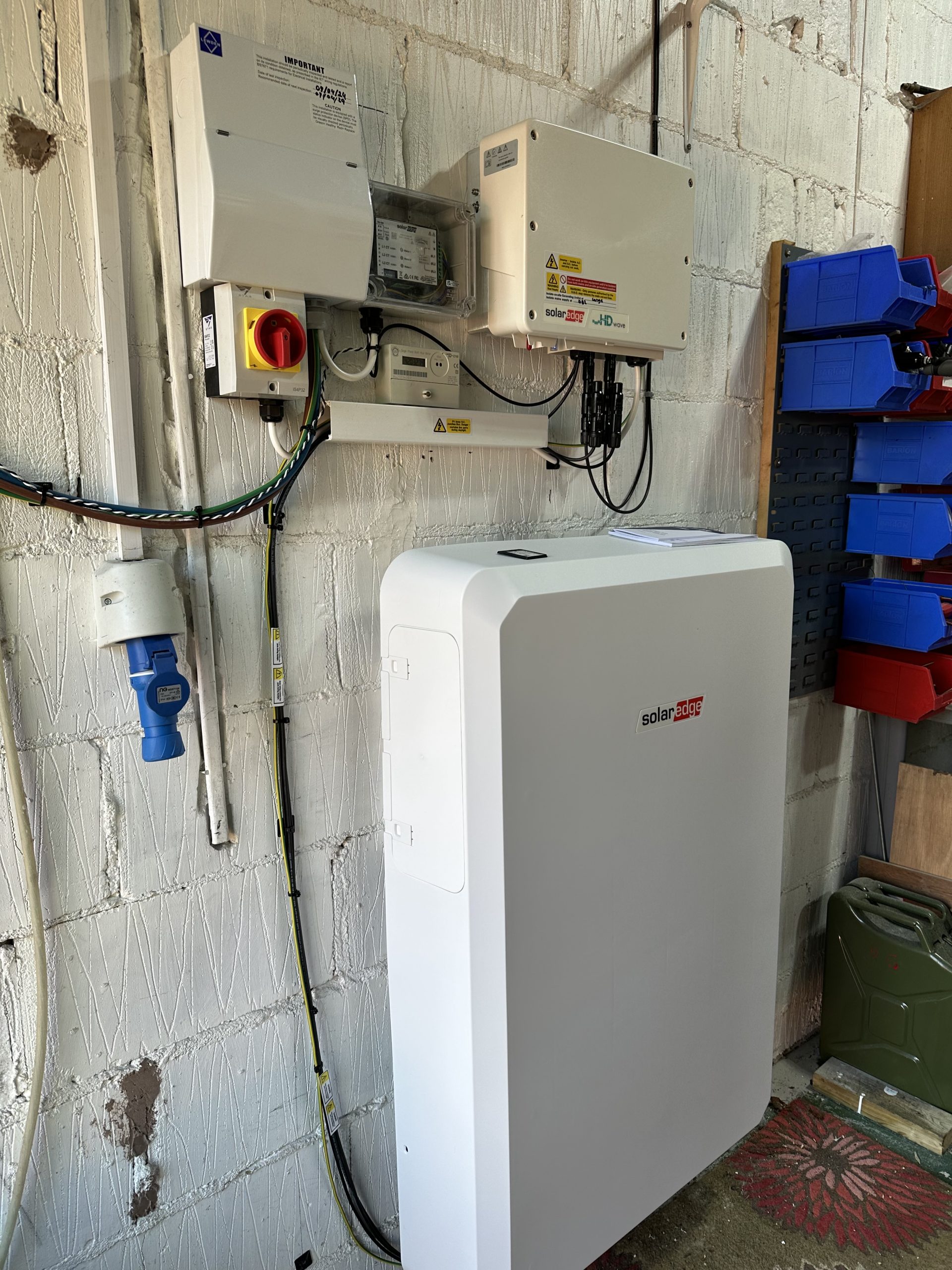
One of the most significant advancements in home solar power is battery storage. Rather than sending unused electricity back to the grid, homeowners can store it for later use.
Systems such as the Tesla Powerwall and Growatt battery allow you to use solar energy during the evening or on overcast days. This increases independence from energy suppliers and maximises savings.
For example, a homeowner in Poole might generate surplus energy during a bright afternoon. Instead of exporting it immediately, the energy is stored and then used later in the evening when demand is higher.
According to industry data, homes with battery storage can increase their solar self consumption by up to 70 percent.
If your system generates more electricity than your home needs and your battery is fully charged, the excess energy is exported back to the grid.
Through schemes such as the Smart Export Guarantee, homeowners can receive payments for this exported electricity. While rates vary, it adds an additional financial benefit to installing solar panels.
This means your home is not only consuming clean energy but also contributing to the wider energy network.
Homes along the South Coast are particularly well suited to solar energy. Despite the perception that the United Kingdom lacks sufficient sunlight, regions like Dorset receive enough daylight throughout the year to make solar a worthwhile investment.
In coastal areas, where energy costs can be higher and sustainability is increasingly valued, solar panels offer both financial and environmental advantages.
Choosing a trusted provider is equally important. Working with experienced solar companies near you ensures your system is designed to suit your property and maximise efficiency.
Installing solar panels offers several clear advantages:
For homeowners in Bournemouth, Poole, and across Dorset, these benefits are becoming increasingly compelling as energy prices continue to fluctuate.
If you are considering solar panels for your home, understanding how energy flows through your system is an excellent place to begin. It gives you confidence in the technology and helps you appreciate the value it brings.
Save Energy UK offers expert advice tailored to homes across the South Coast. Whether you are simply exploring your options or ready to take the next step, speaking with a specialist can provide clarity without any pressure.
Solar energy is first converted into usable electricity by an inverter, then distributed through your consumer unit to power your appliances directly.
No, but a battery allows you to store unused energy and use it later, improving efficiency and savings.
Your home will draw power from stored battery energy if available, or from the grid if needed.
Yes, through schemes like the Smart Export Guarantee, you can receive payments for exporting unused electricity back to the grid.
Yes, Dorset receives enough daylight throughout the year for solar panels to generate meaningful energy and savings.
Most solar panels last 25 years or more, with inverters and batteries typically requiring replacement sooner depending on usage.