Over 20 years as your solar system specialists
"We pride ourselves on good products, good pricing and good backup service"
Tel: 01202 986262
Supporting


It is a question many homeowners quietly ask once solar enters the conversation. Are solar panels actually suitable for my home, or are they only effective on certain types of properties?
Across Bournemouth, Dorset and the Midlands, more households are turning to solar energy as electricity costs continue to rise. Yet there remains a common concern that not every home is a perfect candidate. The truth sits somewhere in the middle. While not every property is ideal, far more homes are suitable than people realise.
In this guide, we will explore how solar panels perform across different property types, what factors truly matter, and how modern solutions have made solar accessible to a much wider range of homes.
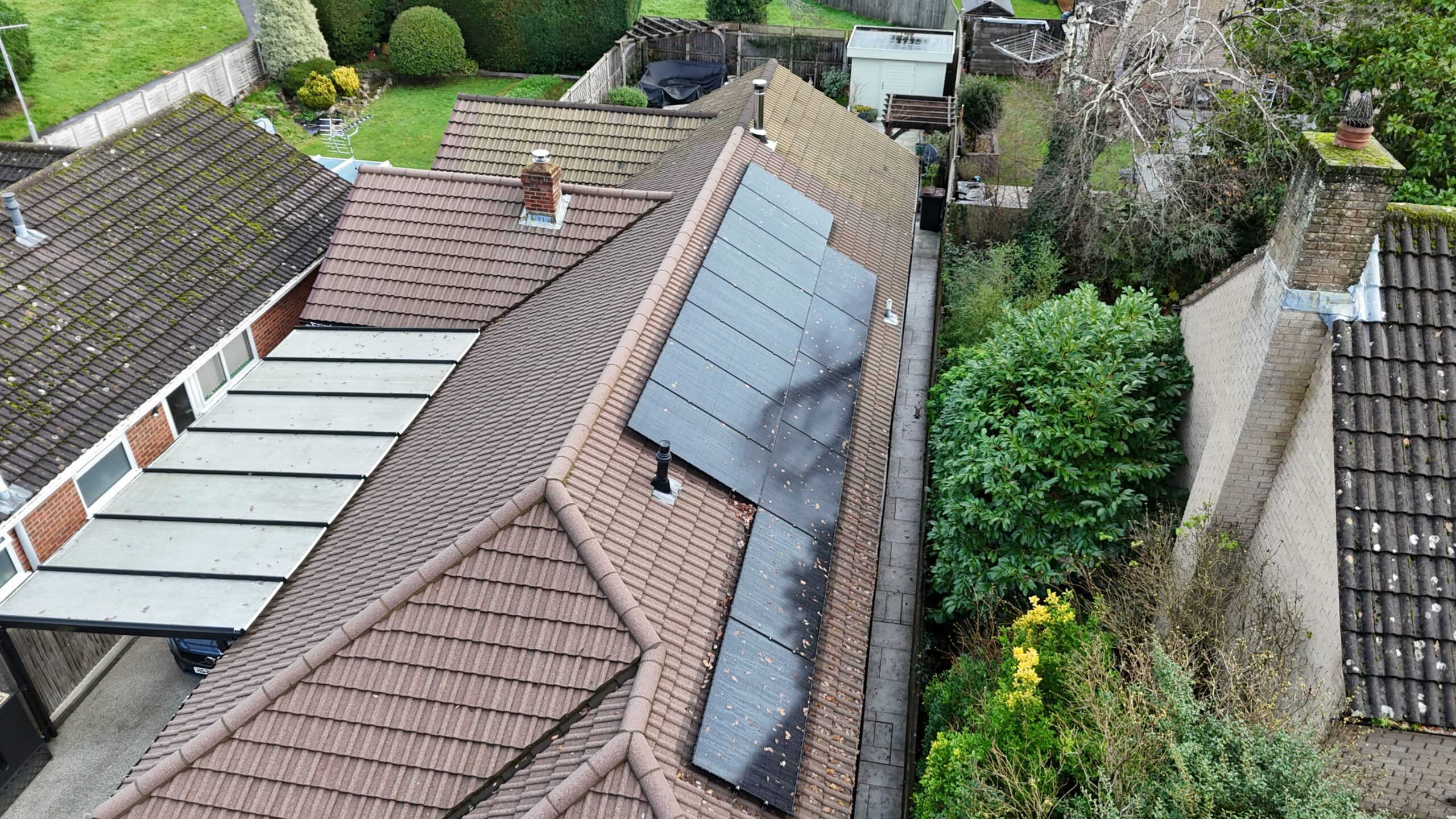
The honest answer is that most homes in the UK can benefit from solar panels, but suitability depends on a handful of practical factors rather than the type of house alone.
Advances in solar technology, battery storage and installation methods mean that even properties once considered unsuitable can now generate meaningful savings. Homes in solar panels Dorset searches are often surprised to discover that their property performs better than expected.
Rather than asking whether solar works for your type of home, it is more useful to ask how well it can work and how to optimise it.
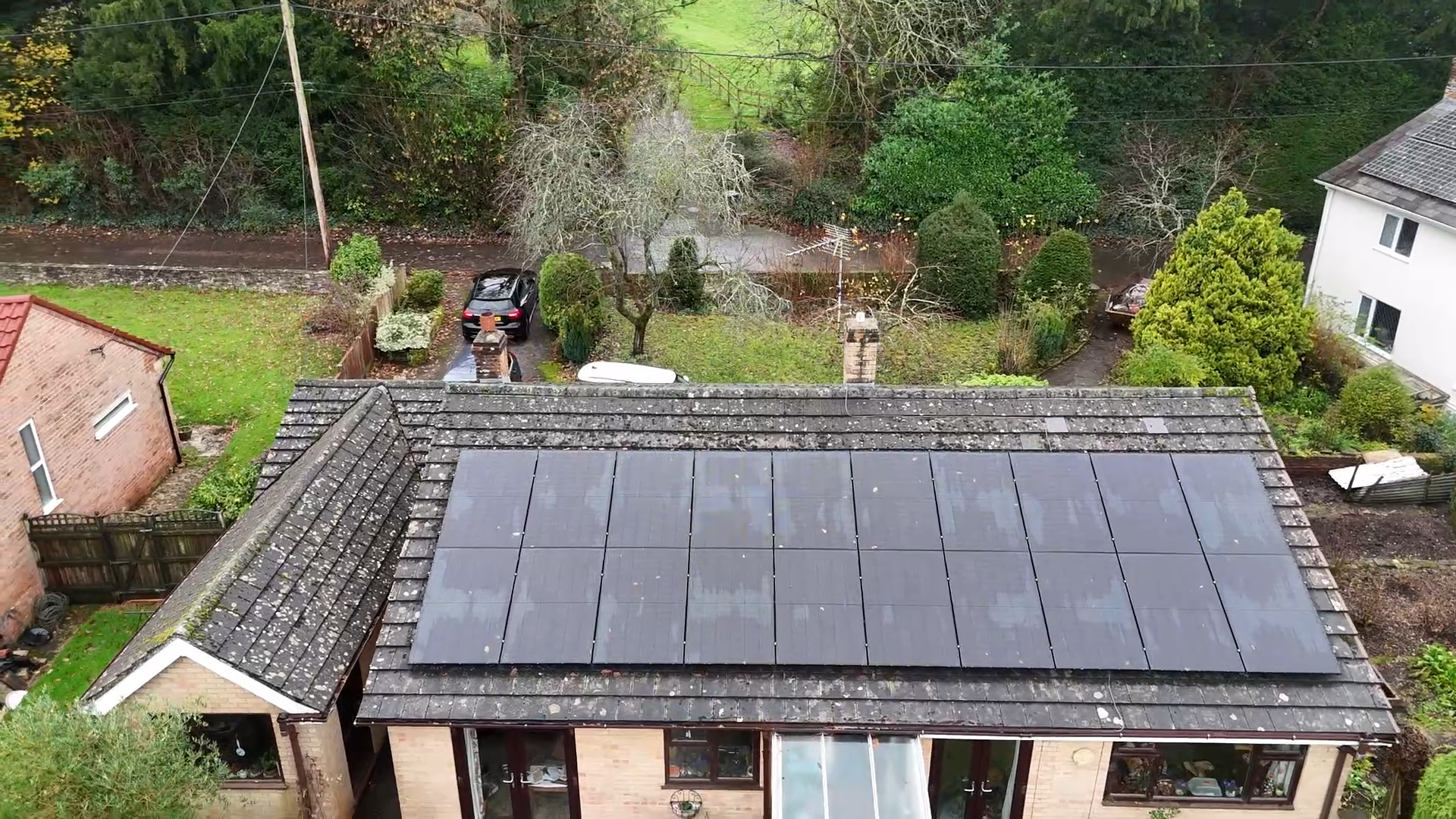
Detached properties are typically the most straightforward for solar installation. They often have:
This makes them ideal for maximising energy generation and incorporating battery storage systems such as Tesla Powerwall or Growatt battery solutions.
Semi detached homes are also well suited to solar panels. While roof space may be slightly more limited than detached properties, most still have ample room for a well sized system.
The key consideration tends to be roof orientation, but even east or west facing roofs can produce strong results.
Solar panels for terraced houses UK wide are becoming increasingly common. While space can be tighter, installations are still very viable.
Considerations include:
Despite this, many homeowners in Bournemouth and the Midlands achieve excellent returns by combining efficient panels with smart energy usage.
Flats and apartments can be more complex. In many cases, roof ownership and shared building structures limit installation options.
However, solutions do exist:
While not always straightforward, solar is not entirely out of reach for apartment living.
Properties in conservation areas or those that are listed require additional consideration. Planning regulations may restrict visible alterations, particularly on front facing roofs.
That said, options can include:
Each case is unique, and professional guidance is essential here.

South facing roofs are traditionally considered optimal in the UK, but east and west facing systems still perform well. The pitch of the roof also influences efficiency, though modern panels are adaptable.
Trees, chimneys and neighbouring buildings can reduce output. However, technologies such as optimisers and microinverters can minimise these losses significantly.
Larger roofs allow for more panels and greater energy generation. Structural integrity is also important, particularly for older homes.
Households that use electricity during the day benefit most from solar. Those who are out during daylight hours can still maximise savings by using battery storage solutions like Tesla Powerwall or Growatt battery systems.
Most UK homes fall under permitted development, meaning solar panels do not require planning permission. Exceptions apply to listed buildings and conservation areas.
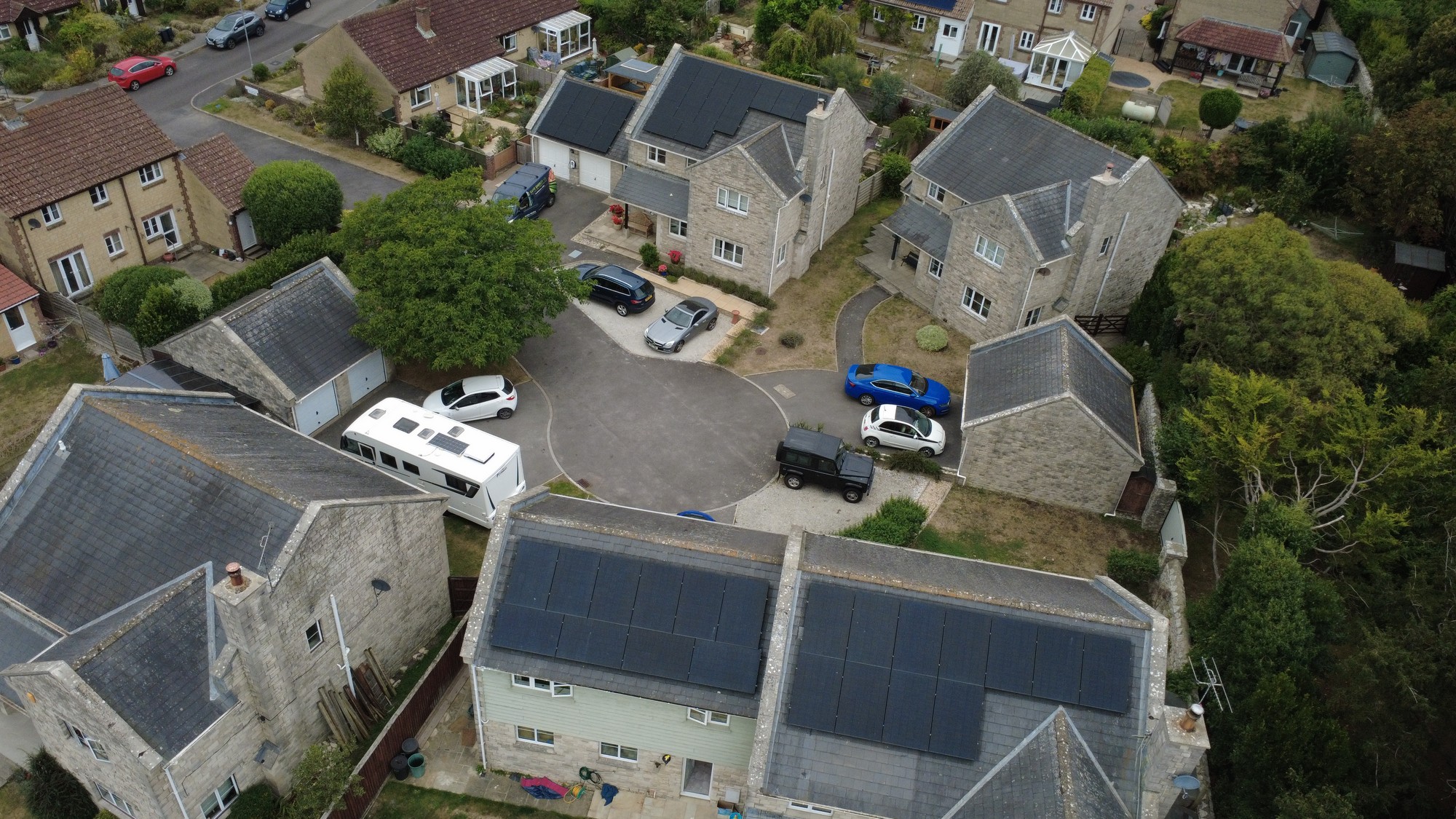
Even if your home is not perfect for solar, there are often practical solutions available.
High efficiency panels can generate more power from smaller areas, making compact systems highly effective.
Panel level technology allows each panel to perform independently, reducing the impact of partial shade.
The UK climate is often underestimated. Solar panels still generate electricity on cloudy days, and modern systems are designed for these conditions.
Battery storage is a game changer. Systems such as Tesla Powerwall and Growatt battery units store excess energy for use in the evening, dramatically improving efficiency.
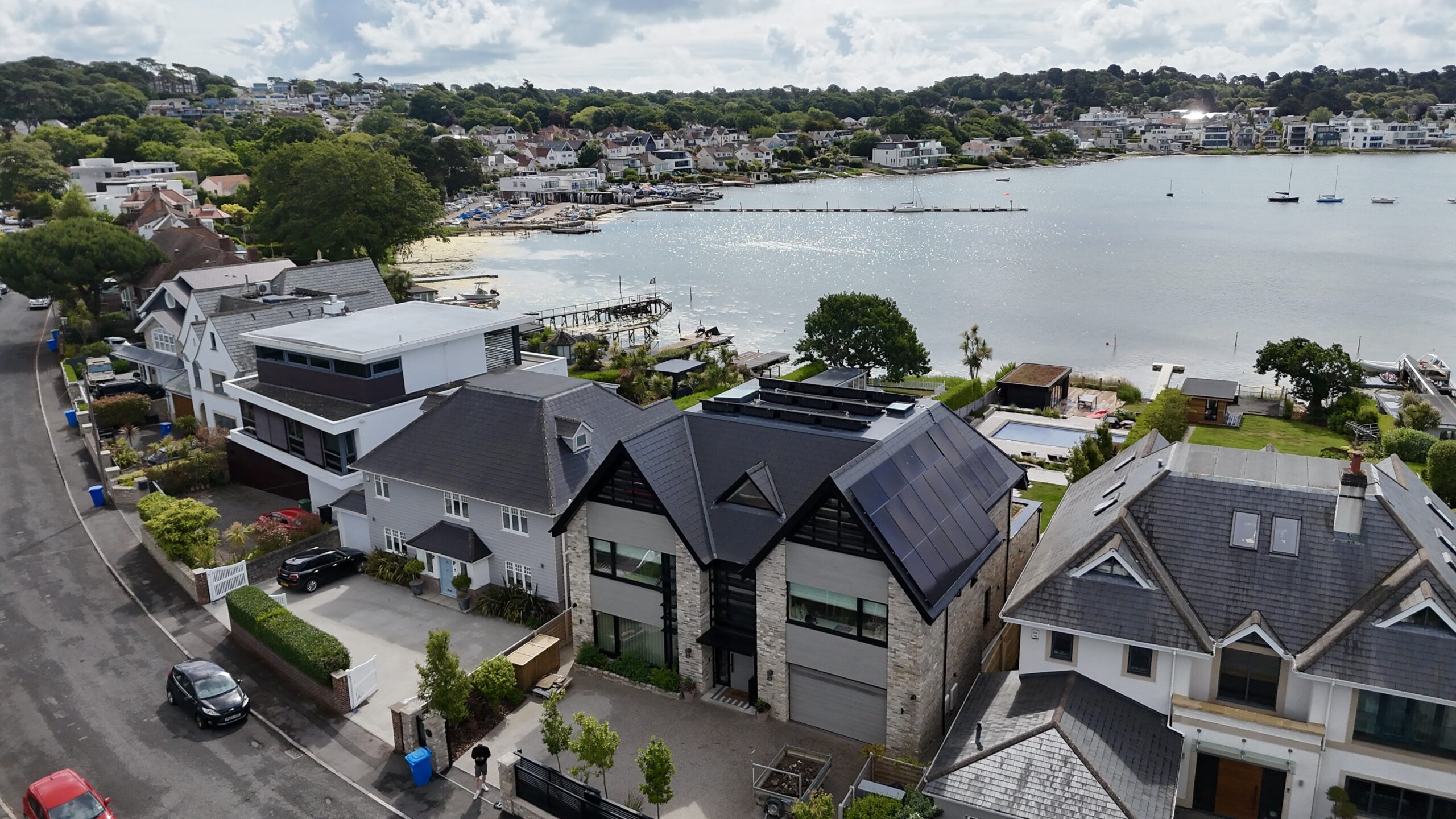
Even in less than perfect conditions, solar panels offer meaningful advantages.
For homeowners researching solar panels Bournemouth or solar panels Dorset, the financial and environmental benefits are becoming increasingly compelling.
If you are considering solar panels, a few simple steps can improve your results:
A professional assessment often reveals opportunities that are not immediately obvious.
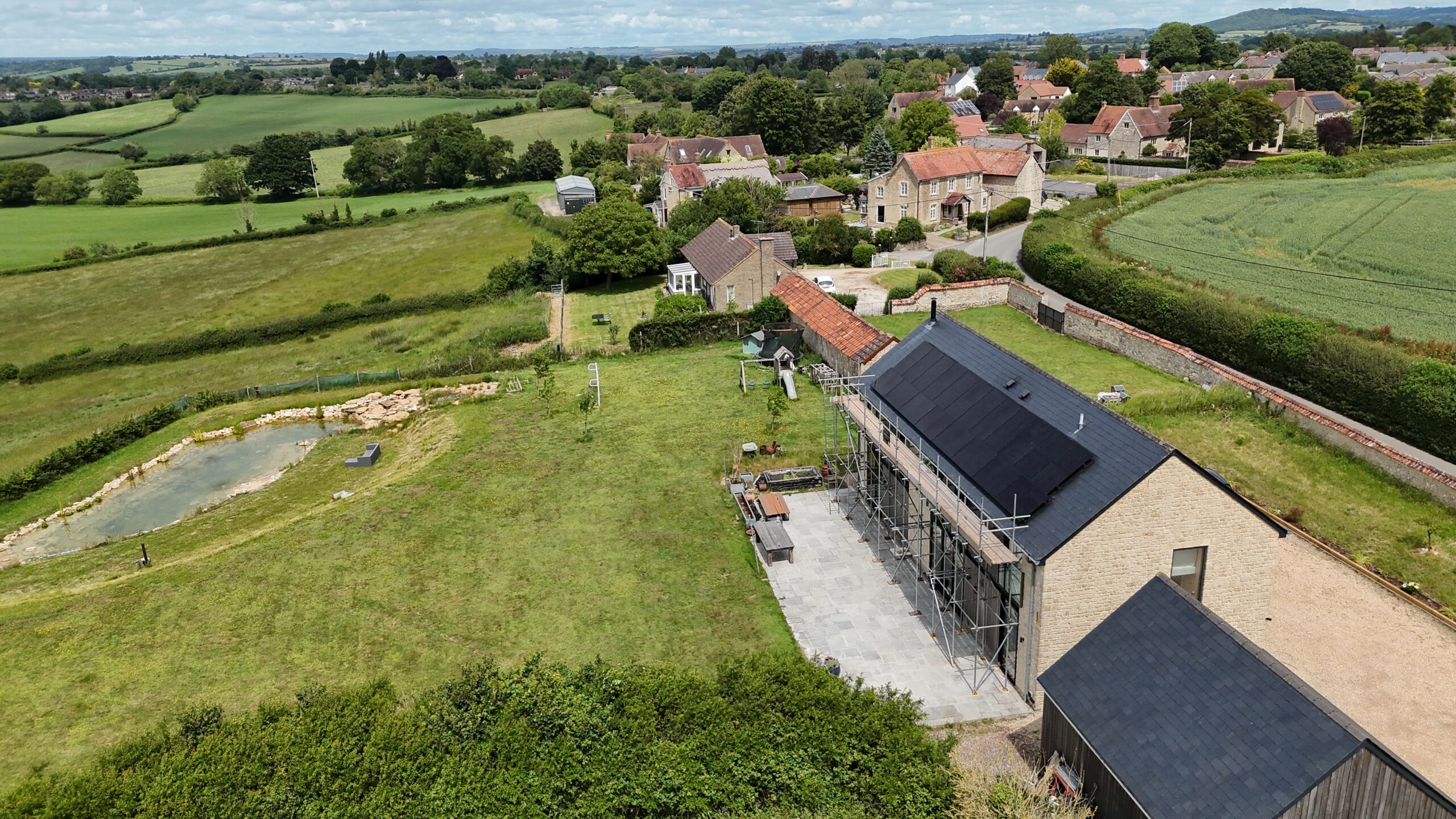
So, are solar panels suitable for all types of homes in the UK?
Not universally in the strictest sense, but in practice, most homes can benefit in some form. Whether you live in a detached property in Dorset, a terraced home in Bournemouth or a semi detached house in the Midlands, there is a strong chance solar can work for you.
The key lies in understanding your property and making informed decisions about system design and energy usage.
If you are unsure where your home stands, speaking to a specialist can provide clarity and confidence. Save Energy UK offers tailored advice to help you understand your options and make the most of solar energy in a way that suits your home.
Do solar panels work on cloudy days in the UK?
Yes, solar panels generate electricity from daylight rather than direct sunlight, so they continue to work even when it is overcast.
Can I install solar panels on a terraced house?
Yes, many terraced homes in the UK successfully use solar panels. The key factors are roof space and shading rather than property type alone.
Do I need planning permission for solar panels in Dorset?
Most installations fall under permitted development. However, listed buildings and conservation areas may require approval.
Are solar batteries worth it?
For many households, battery storage significantly increases savings by allowing you to use stored energy in the evening.
How do I know if my home is suitable for solar panels?
A professional assessment from a company like Save Energy UK will evaluate your roof, energy usage and surroundings to determine suitability.