Over 20 years as your solar system specialists
"We pride ourselves on good products, good pricing and good backup service"
Tel: 01202 986262
Supporting


For many UK businesses, rising energy costs have become more than a passing concern. They are now a serious operational challenge. Whether you run a warehouse in Southampton, a retail unit in Bournemouth, or a hospitality venue along the South Coast, the cost of electricity can quietly erode profits month after month.
Yet while many companies have invested in energy efficient lighting, upgraded equipment, or even commercial solar panels, one crucial piece of the puzzle is often missing. Battery storage.
Without battery storage, businesses frequently remain dependent on expensive grid electricity during peak hours, even when they are generating renewable energy themselves. The result is simple. Higher energy bills, wasted solar energy, and far less control over operating costs than many realise.
As UK energy prices continue to fluctuate, battery storage is rapidly becoming one of the most effective ways for businesses to improve efficiency, reduce long term costs, and protect themselves against future uncertainty.
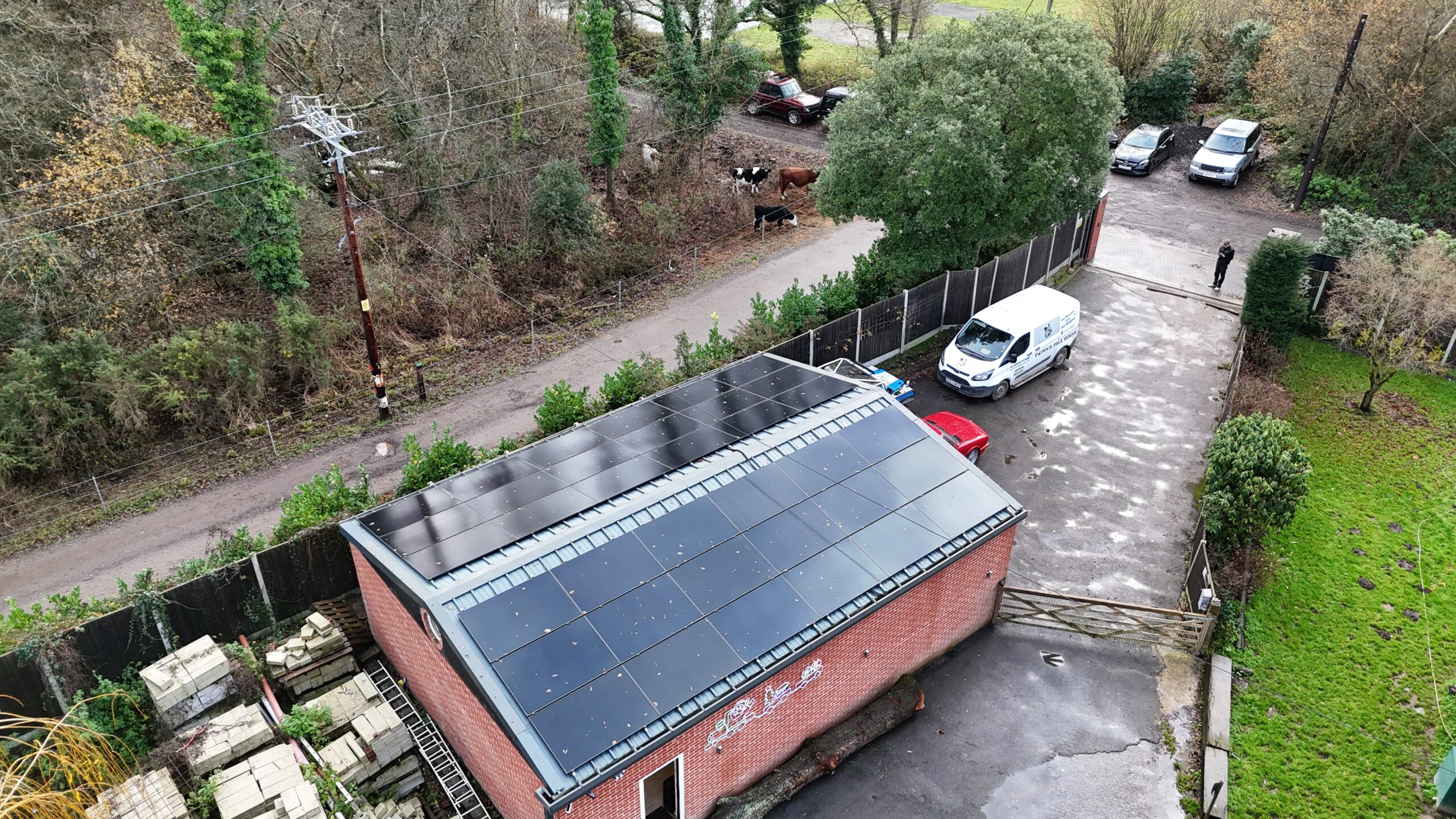
Electricity pricing in the UK is becoming increasingly complex. Many commercial tariffs now include higher charges during periods of peak demand, typically during the busiest hours of the working day. Unfortunately, these are often the exact times when businesses consume the most power.
Without a battery storage system, companies are forced to buy electricity directly from the grid at these elevated rates. Even businesses with commercial solar panels can struggle because excess solar energy generated during quieter periods is often exported back to the grid rather than stored for later use.
In practical terms, this means a business may produce free solar electricity during the afternoon but still pay premium electricity prices later in the evening when demand rises.
Battery storage changes this entirely.
Rather than wasting unused solar energy, a commercial battery storage system stores it for use when electricity costs are highest. Businesses can also charge batteries overnight using cheaper off peak tariffs and use that stored energy during expensive daytime periods.
The financial difference can be substantial.
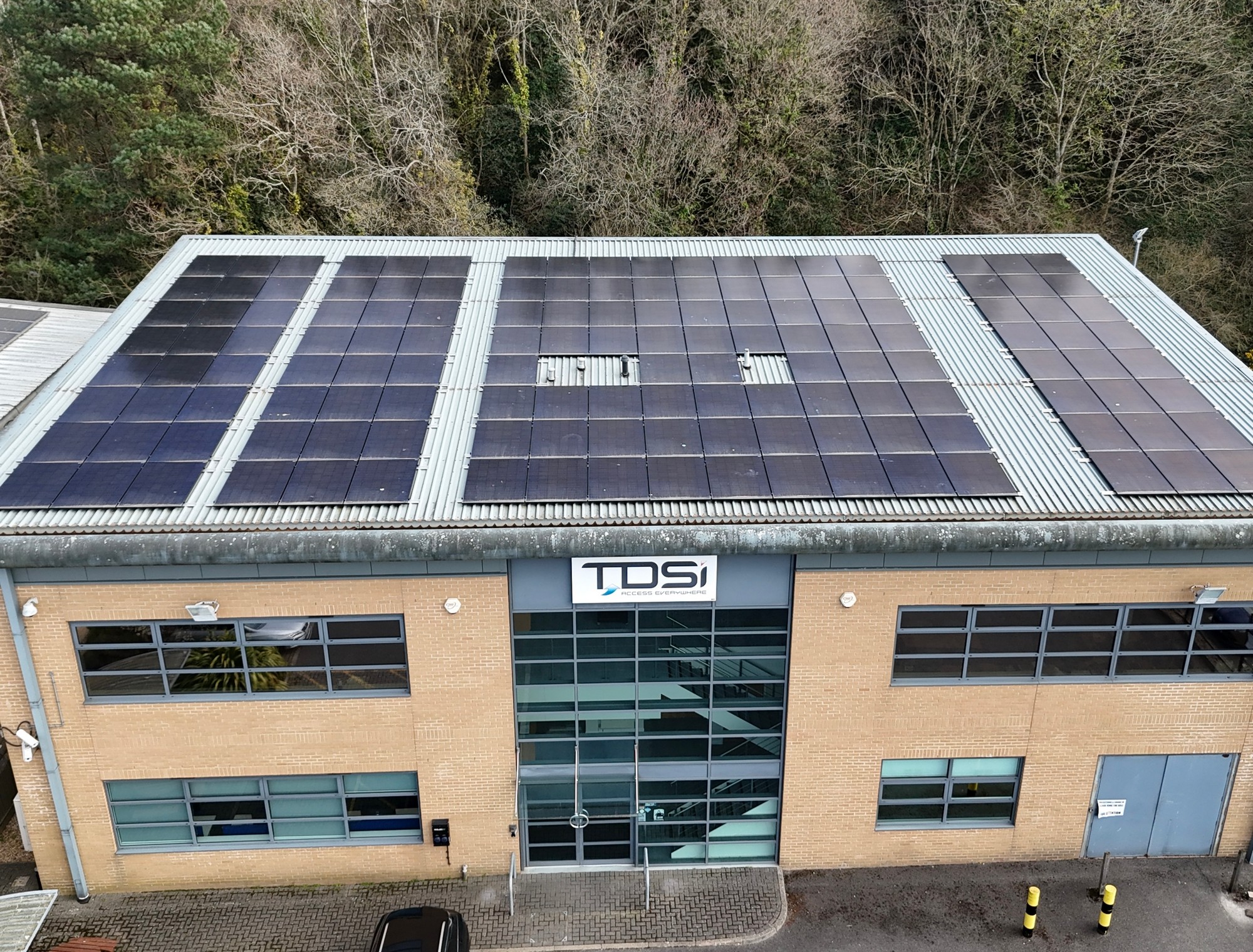
Battery storage systems allow businesses to store electricity for later use instead of consuming power directly from the grid in real time.
Modern commercial battery storage systems are designed to work intelligently alongside solar PV systems, energy management software, and smart monitoring technology. They can automatically determine when to store electricity, when to discharge it, and when to reduce reliance on the grid.
In essence, battery storage gives businesses far greater control over how and when they use electricity.
This stored energy can then be used to:
For businesses with existing commercial solar panels, adding battery storage often unlocks the full value of their renewable energy investment.
Many businesses assume that installing solar panels alone is enough to dramatically reduce electricity costs. While solar remains an excellent investment, businesses without battery storage frequently fail to use all the energy they generate.
Consider a typical office building in Dorset.
During the afternoon, the solar system may generate more electricity than the building requires. Without battery storage, that excess energy is exported back to the grid for a relatively modest return.
Later that evening, when staff are still working and electricity demand increases, the same business purchases expensive electricity back from the grid.
This cycle repeats daily across countless UK businesses.
Battery storage solves this problem by allowing companies to retain and use their own electricity when it matters most.
| Without Battery Storage | With Battery Storage |
|---|---|
| Excess solar energy exported | Excess energy stored for later |
| Higher peak hour electricity costs | Reduced reliance on peak tariffs |
| Greater grid dependence | Improved energy independence |
| Limited control over usage | Smart energy management |
| Higher long term energy spend | Improved return on investment |
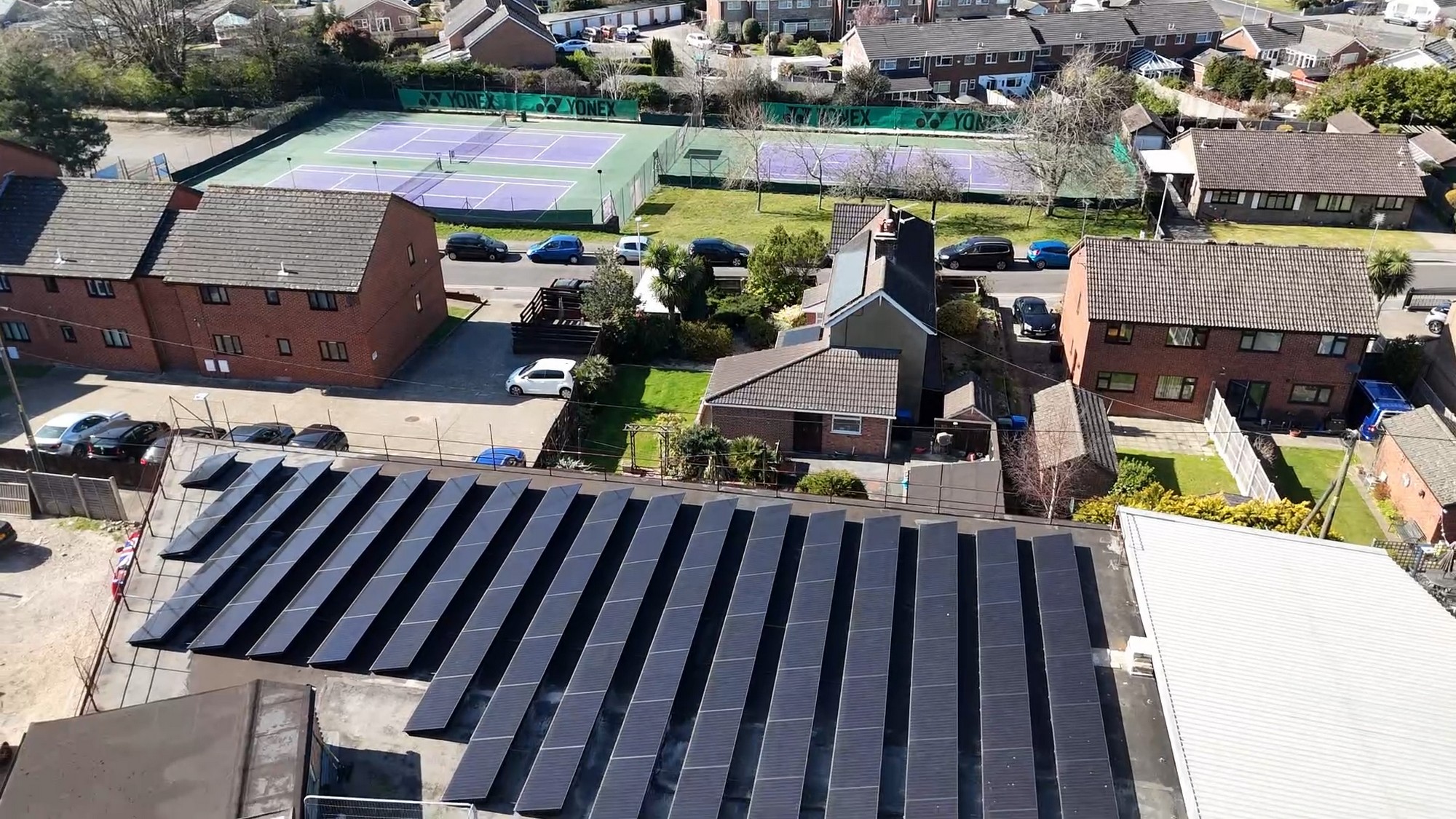
For many businesses, predictability matters just as much as savings.
Energy prices across the UK have experienced considerable volatility in recent years. For commercial operators, sudden increases in electricity costs can have a direct impact on cash flow and profitability.
Battery storage provides a degree of insulation from these fluctuations.
By storing cheaper electricity during lower demand periods and using it strategically throughout the day, businesses gain greater control over expenditure. Over time, this can produce significant savings, particularly for energy intensive industries such as manufacturing, hospitality, and warehousing.
Businesses operating refrigeration systems, machinery, data infrastructure, or electric vehicle charging systems often benefit most from battery storage because of their high and consistent electricity demand.
Yes, absolutely.
Although battery storage is often paired with commercial solar panels, it can also deliver meaningful savings independently.
Businesses can use standalone battery systems to purchase electricity during cheaper overnight periods and store it for use during expensive daytime hours. This approach is especially useful for businesses operating on time of use tariffs.
However, combining commercial solar battery storage with solar PV systems generally delivers the greatest long term value because businesses generate and store their own renewable electricity.
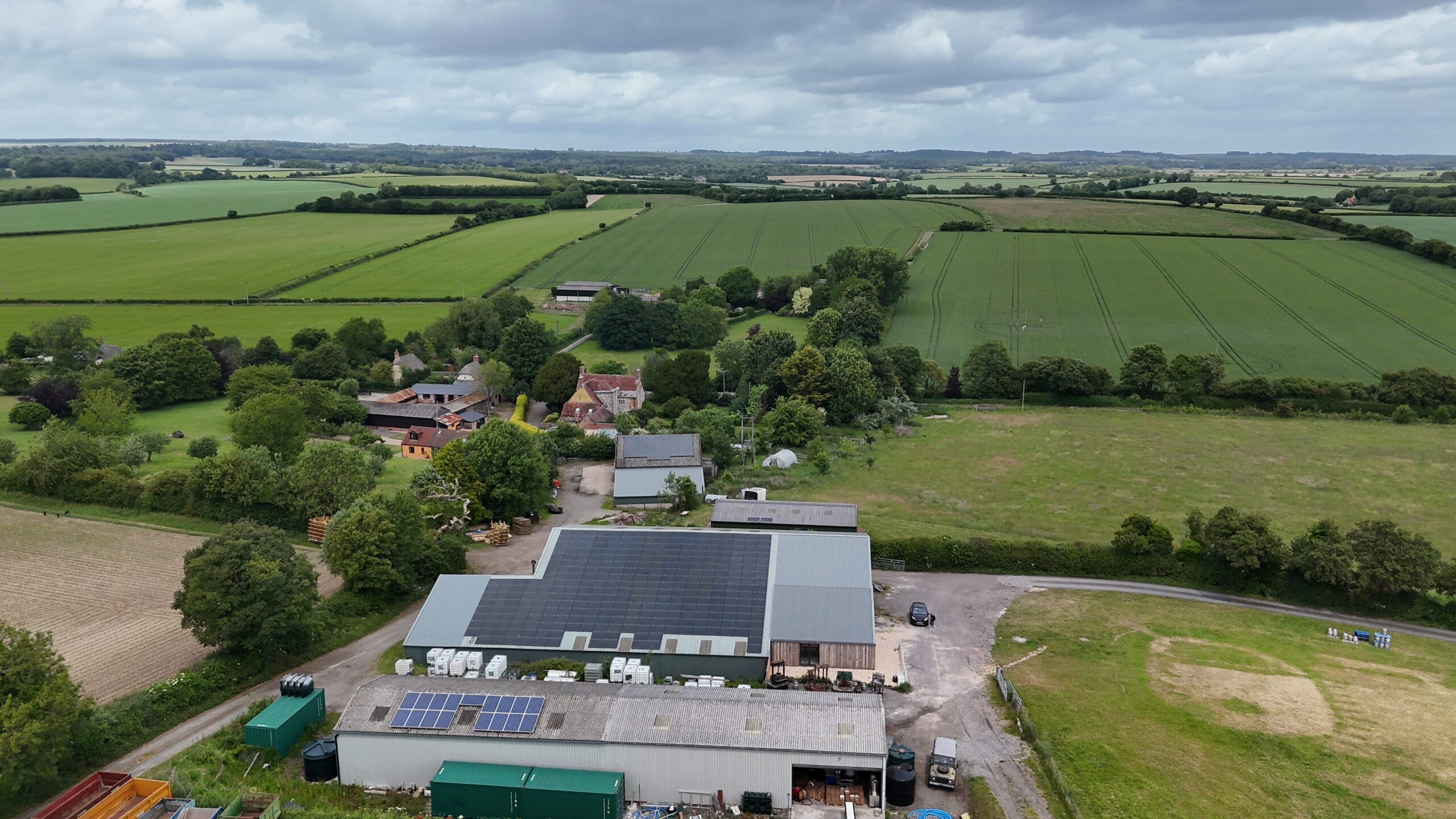
Power interruptions can be far more expensive than many businesses realise.
For hospitality venues, even a brief outage can disrupt service and damage customer experience. For offices, lost productivity can quickly accumulate. For industrial premises, outages can halt operations entirely.
Battery backup systems provide a valuable layer of protection.
Modern systems can automatically supply stored electricity during grid interruptions, helping businesses maintain operations and avoid unnecessary disruption.
This additional resilience is becoming increasingly important as businesses rely more heavily on digital infrastructure, cloud systems, electric vehicles, and automated technologies.
Today’s battery storage systems are far more sophisticated than many people imagine.
Advanced systems from manufacturers such as Tesla, GivEnergy, Sonnen, and Growatt use intelligent software to optimise energy usage automatically. These platforms monitor electricity demand, solar generation, weather forecasts, and tariff pricing in real time.
For example, a smart system may choose to:
This level of automation allows businesses to improve efficiency without adding operational complexity.
Tesla Megapack systems, in particular, are increasingly popular for larger commercial and industrial applications, while systems such as Tesla Powerwall and Growatt battery storage are well suited to smaller commercial premises.
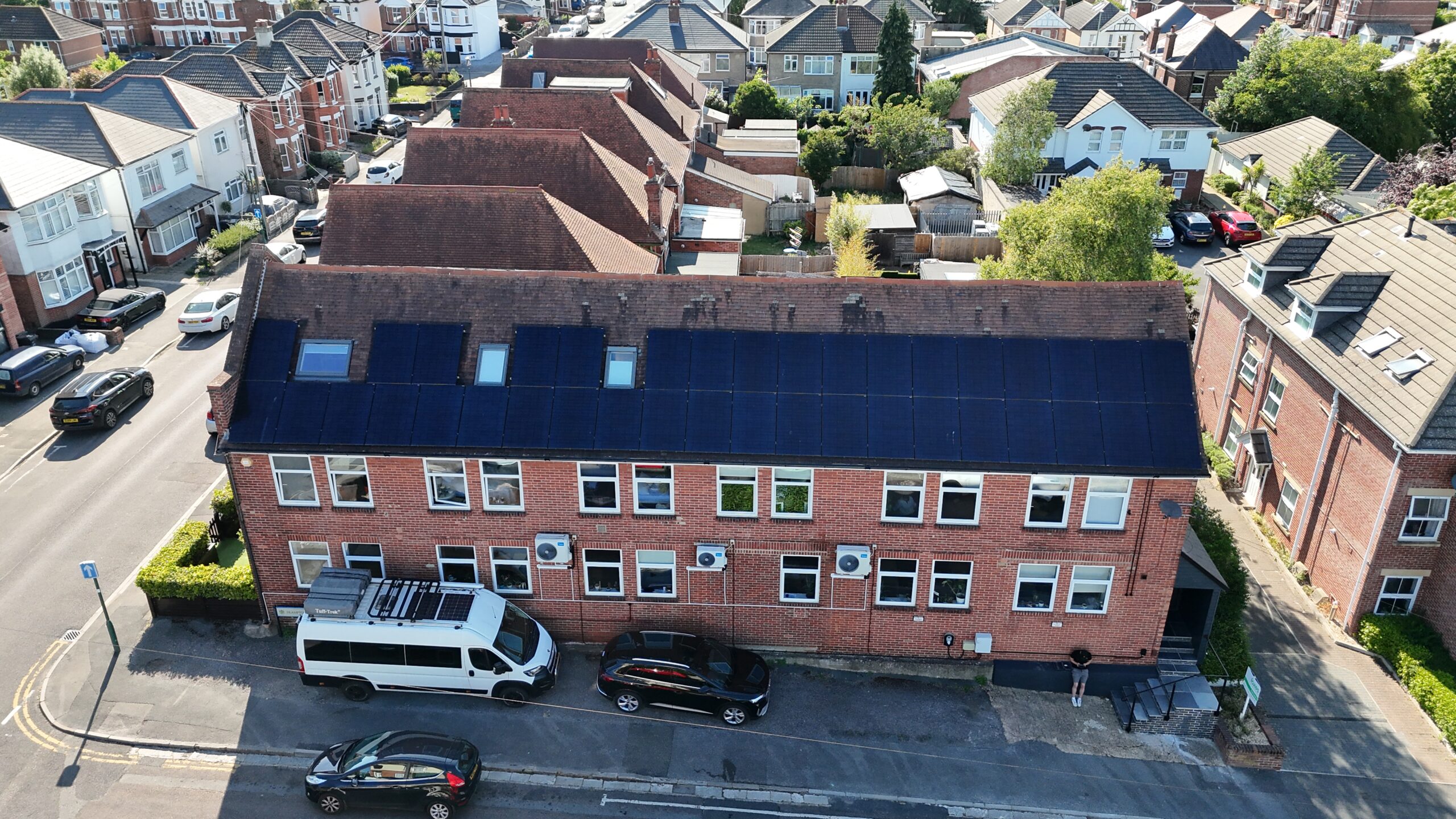
Reducing energy costs is often the initial motivation for investing in battery storage, but sustainability is becoming equally important.
Customers, investors, and suppliers increasingly expect businesses to demonstrate environmental responsibility. Many UK companies are also working towards Net Zero targets and broader sustainability commitments.
Battery storage supports these goals by allowing businesses to maximise renewable energy usage and reduce reliance on fossil fuel generated electricity from the grid.
For South Coast businesses in particular, environmental credentials can also strengthen brand reputation and improve competitiveness.
One of the most common questions businesses ask is whether battery storage is worth the investment.
The answer depends on several factors, including energy usage patterns, electricity tariffs, and whether solar panels are already installed. However, for many businesses, the long term savings and operational benefits make battery storage an increasingly attractive option.
Another concern is disruption during installation.
In reality, modern commercial battery systems can often be installed with minimal interruption to daily operations, particularly when managed by experienced specialists.
Battery lifespan is another frequent question. Most commercial lithium battery systems are designed to last many years, with some manufacturers offering warranties extending beyond a decade.
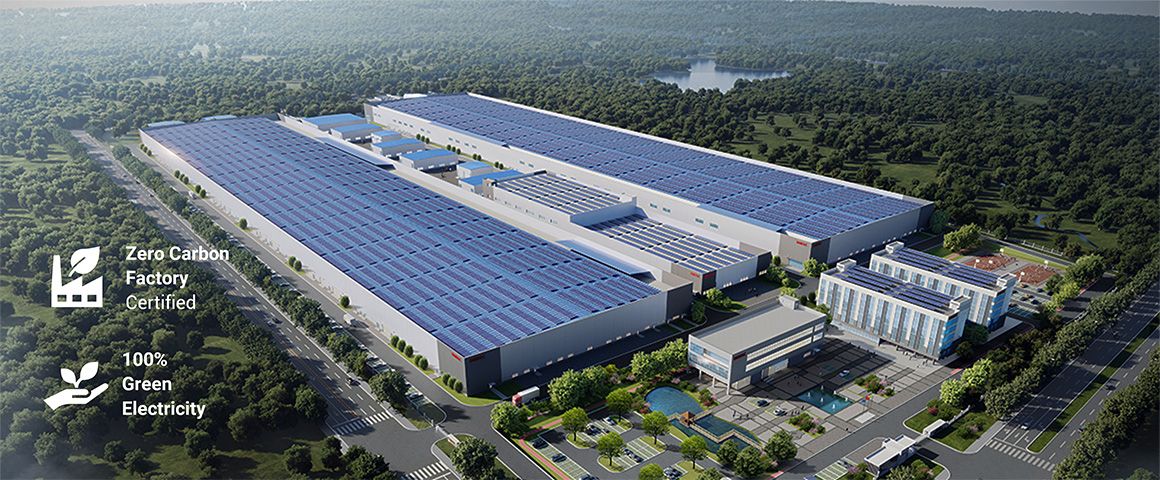
The direction of travel is clear.
As energy prices continue to rise and the UK accelerates its transition towards renewable energy, battery storage is likely to become a standard feature of commercial energy infrastructure rather than an optional upgrade.
Businesses that invest early may benefit from lower operational costs, improved resilience, stronger sustainability credentials, and greater protection against future market volatility.
Those who delay may find themselves paying considerably more for electricity than necessary.
Battery storage is no longer simply an emerging technology. For many businesses, it is becoming a practical and financially sensible solution to rising energy costs.
Whether paired with commercial solar panels or installed as a standalone system, battery storage offers businesses greater control, improved efficiency, and long term savings potential.
At Save Energy UK, we help businesses across Dorset, Bournemouth, Poole, Southampton, and the wider UK identify smarter commercial energy solutions tailored to their needs.
If you would like expert advice on commercial battery storage, solar energy storage, or reducing your business energy bills, contact Save Energy UK today for a free consultation and energy review.