Over 20 years as your solar system specialists
"We pride ourselves on good products, good pricing and good backup service"
Tel: 01202 986262
Supporting


Choosing the right battery storage system is one of the most important decisions homeowners make when investing in renewable energy. Whilst many people focus on the number of solar panels installed on their roof, the battery itself plays an equally significant role in reducing electricity bills, increasing energy independence and providing reliable power when it is needed most.
However, there is no single battery size that suits every property. The ideal EcoFlow battery depends on how much electricity your household uses, whether you already have solar panels, your future energy plans and how you want to use stored energy.
Whether you are installing battery storage alongside a new solar system or purchasing an EcoFlow battery before adding solar panels later, selecting the correct capacity helps you achieve the best balance between performance, value and long term savings.
For homeowners across Dorset and the South Coast, understanding these factors can make choosing the right system far simpler.
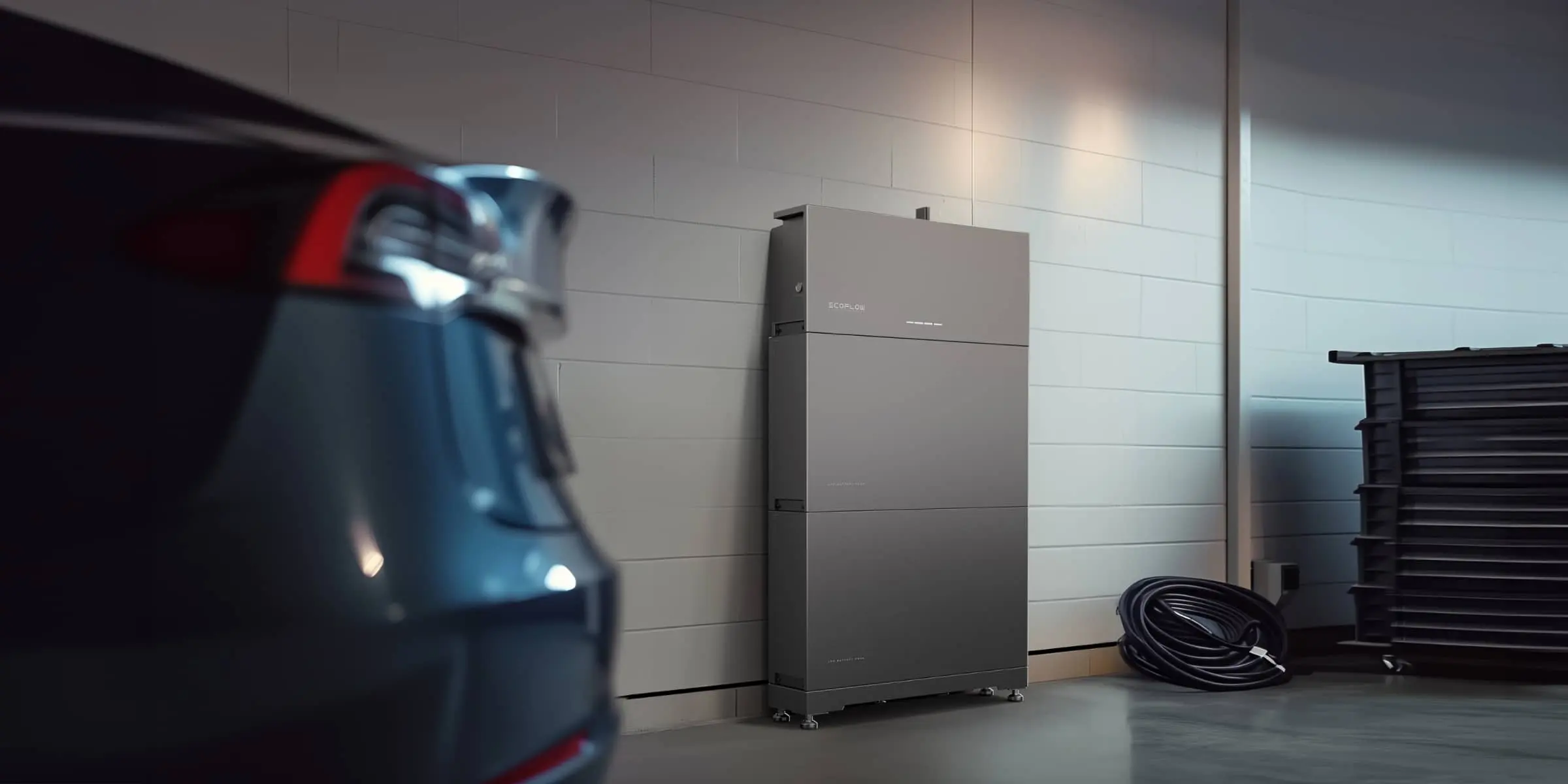
Battery storage is designed to capture electricity for use when your home needs it most. If you have solar panels, the battery stores surplus electricity generated during the day instead of allowing it to be exported to the National Grid. Later, when the sun has gone down, your home can use this stored energy instead of purchasing electricity from your supplier.
Even without solar panels, an EcoFlow battery can still reduce electricity costs. Many homeowners charge their battery overnight using lower off peak electricity tariffs before using that stored energy during more expensive daytime periods.
In both situations, choosing the correct battery size has a direct impact on your overall savings.
A battery that is too small may become fully charged before all available energy has been stored. It may also become empty before the end of the evening, forcing you to purchase electricity from the grid.
Conversely, a battery that is significantly larger than your household requires may leave much of its storage capacity unused for long periods. Whilst future proofing is sensible, installing substantially more capacity than you currently need may increase upfront costs without delivering proportional financial benefits.
Selecting the right size helps maximise self consumption, improve your return on investment and ensure your system performs efficiently throughout the year.
Every household uses electricity differently. Two similar properties can have completely different energy requirements depending on the people living there and how they use electricity each day.
Several important factors influence the ideal battery size.
Perhaps the most significant consideration is how much electricity your home uses every day.
Electricity consumption is measured in kilowatt hours. Your electricity bill or smart meter can usually provide this information.
A household using 8 kilowatt hours each day requires a very different battery from one consuming 25 or 30 kilowatt hours.
The more electricity your family uses, particularly during the evening when solar panels are no longer producing energy, the larger the battery capacity is likely to be.
If your battery will work alongside solar panels, the amount of electricity your panels generate also influences the most appropriate battery size.
A modest solar installation may not consistently produce enough surplus electricity to fully charge a very large battery.
Likewise, a substantial solar array may regularly generate excess electricity that could be stored rather than exported.
Matching battery capacity to expected solar generation helps maximise the amount of renewable electricity your household can use.
The number of people living in your home often affects electricity demand.
Larger families generally use more lighting, appliances, entertainment systems, hot water and electrical devices throughout the day.
However, occupancy alone should never determine battery size.
A retired couple spending most of the day at home may consume more electricity than a family whose property remains empty during working hours.
Understanding actual energy consumption always provides a more accurate picture than simply counting bedrooms or occupants.
Battery storage should not only meet your current needs.
It should also consider how your household may change over the coming years.
For example, you may be planning to purchase an electric vehicle, install a heat pump or increase your solar panel capacity.
Each of these additions increases electricity demand.
Choosing a modular battery system can make future expansion much simpler without replacing the original installation.
Many homeowners assume every battery specification measures the same thing.
In reality, two different figures are equally important.
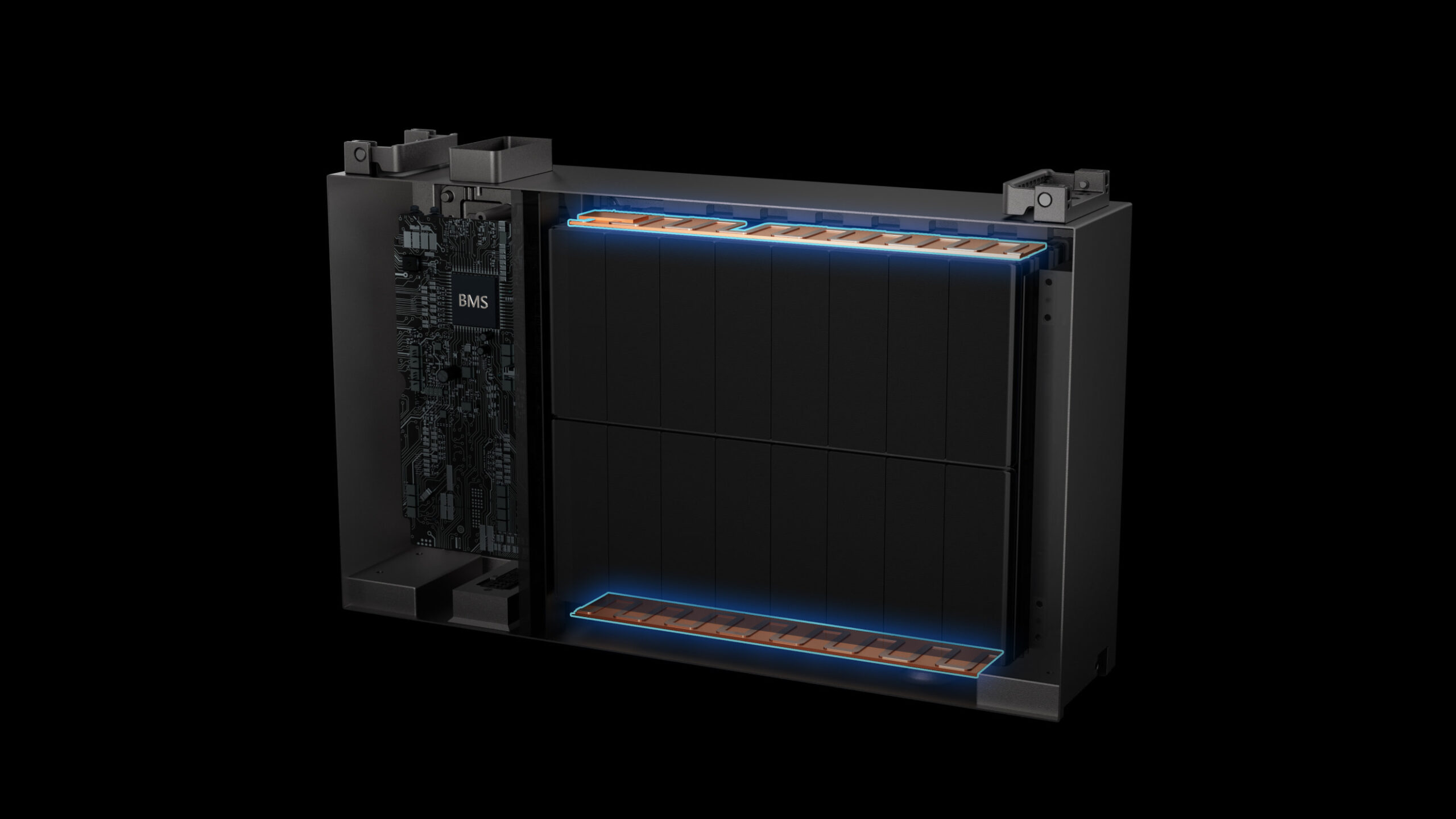
Battery capacity refers to how much electricity the battery can store.
This is measured in kilowatt hours.
The larger the kilowatt hour capacity, the more electricity the battery can hold for later use.
Power output, meanwhile, measures how much electricity the battery can deliver at any one time.
This is measured in kilowatts.
For example, a battery with a high storage capacity may hold enough electricity to power your home throughout the evening, whilst its maximum output determines how many appliances can operate simultaneously.
Understanding the difference helps homeowners compare battery systems more accurately and choose equipment suited to their lifestyle.
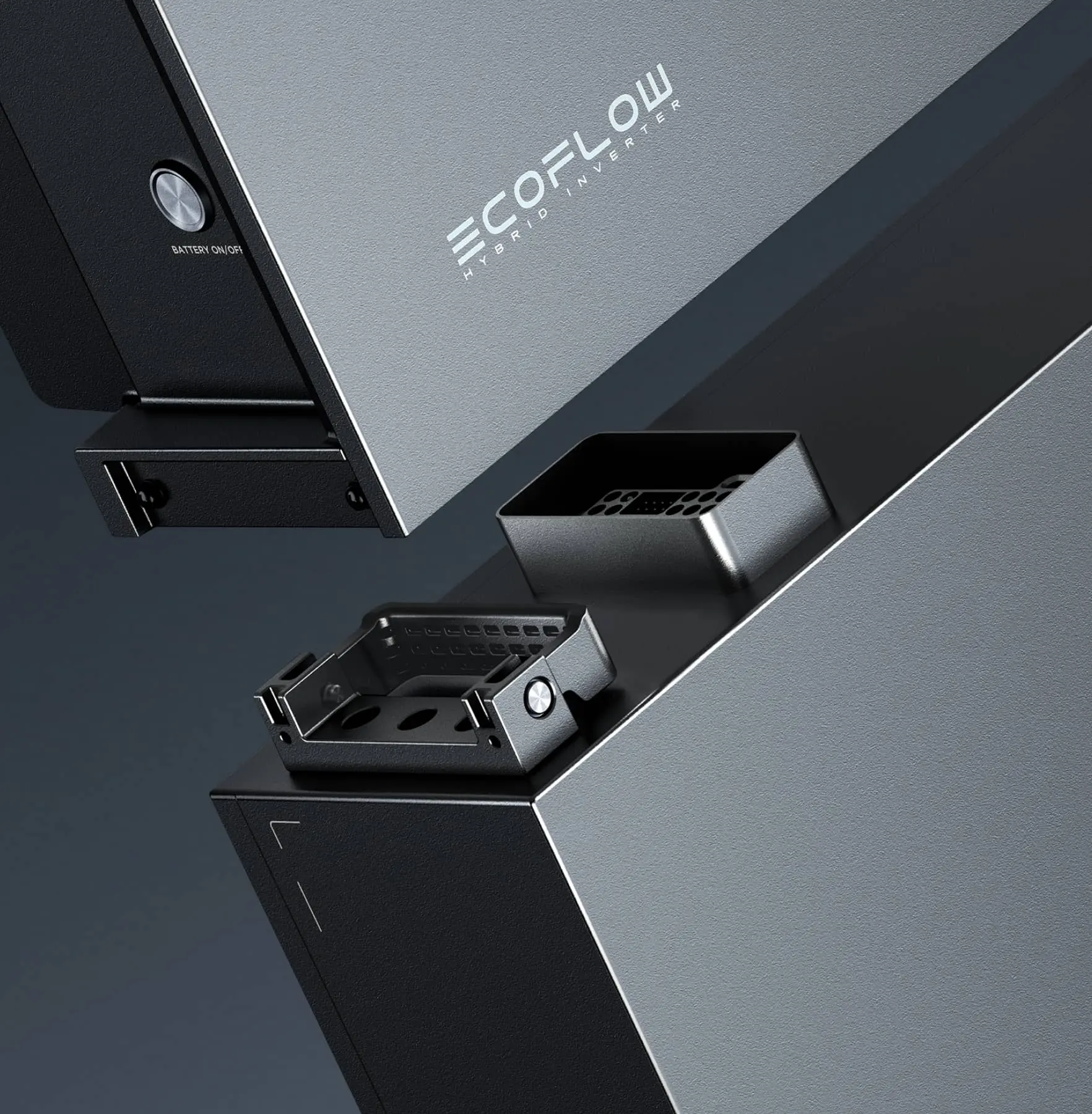
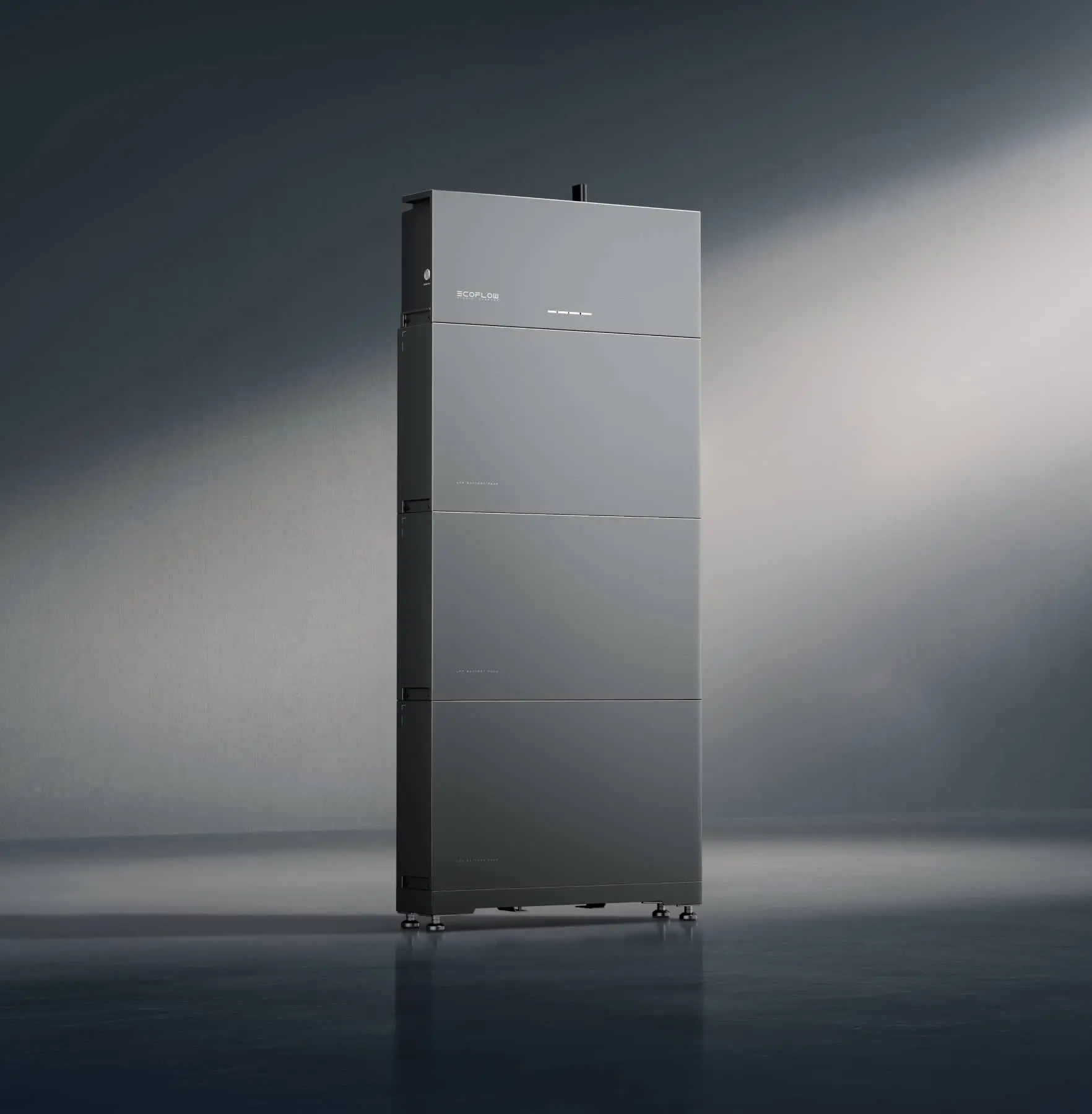
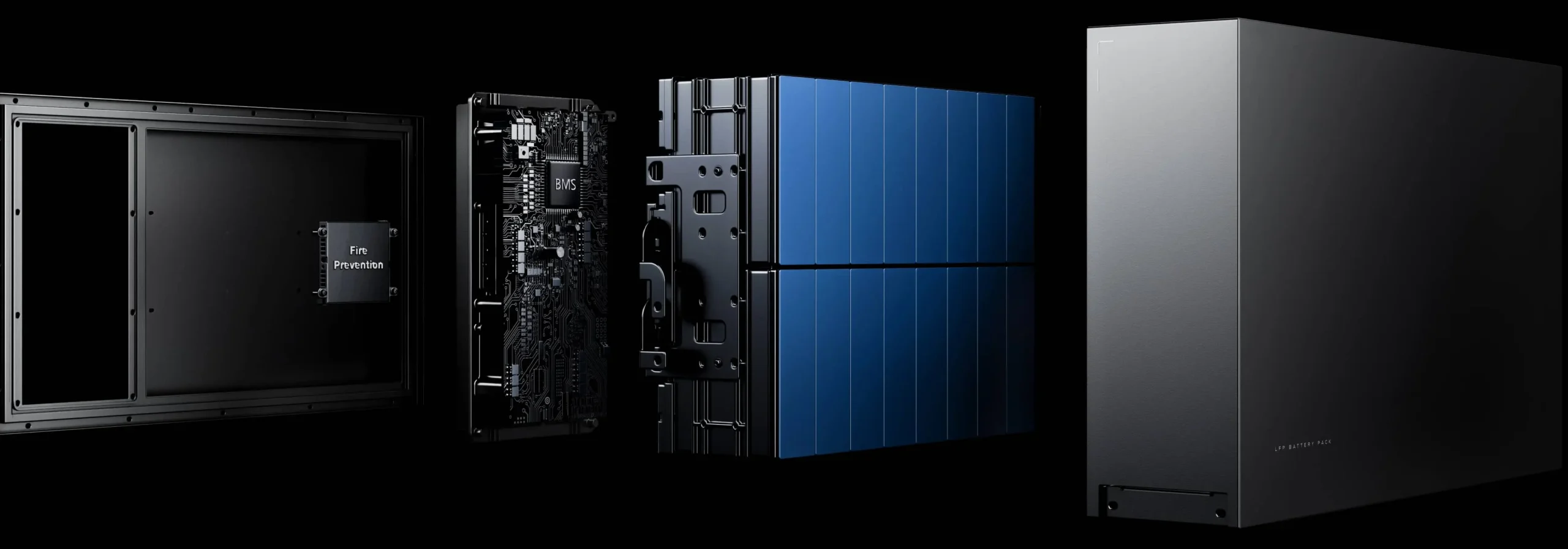
The EcoFlow Ocean 2 has become an increasingly popular choice for homeowners looking for flexible home battery storage.
One of its greatest advantages is its modular design.
Rather than forcing homeowners to install all their battery capacity at once, the system allows additional storage to be added as household energy demands increase.
This flexibility suits many modern households.
You may begin with a system that comfortably supports your existing electricity usage before expanding it later if you purchase an electric vehicle, install additional solar panels or introduce a heat pump.
The system also integrates seamlessly with residential solar installations, allowing homeowners to store surplus renewable electricity for use during the evening.
If solar panels are not yet installed, the battery can still charge from the National Grid during lower cost off peak periods, helping reduce electricity costs before renewable generation is added.
Another important consideration is reliability.
The EcoFlow Ocean 2 benefits from a comprehensive 15 year warranty, providing homeowners with confidence that their investment has been designed for long term performance.
Combined with intelligent energy management technology, this makes the system suitable for households seeking greater energy independence whilst preparing for future changes in electricity consumption.
Many people assume battery storage only makes sense when paired with solar panels.
In reality, that is not always the case.
An EcoFlow battery can provide immediate benefits even before solar panels are installed.
Many electricity suppliers now offer tariffs with lower overnight rates.
Homeowners can charge their battery during these cheaper periods before using that stored electricity throughout the following day when electricity prices are higher.
This approach allows households to reduce their reliance on expensive peak rate electricity whilst preparing for future solar installation.
When solar panels are eventually added, the battery simply becomes even more effective by storing renewable electricity generated on site.
For homeowners planning renewable energy improvements over several years, installing battery storage first can therefore be a practical and flexible solution.
Whilst every property should receive an individual assessment, the following examples provide a useful starting point.
A smaller one or two bedroom home with modest electricity usage may benefit from a relatively compact battery that comfortably stores enough energy to meet evening demand.
An average family home with three or four occupants often requires greater storage capacity to support lighting, cooking, entertainment systems and everyday appliances after sunset.
Larger households with electric vehicles, heat pumps or particularly high electricity consumption usually benefit from increased battery capacity to maximise self consumption and reduce reliance on the National Grid.
These examples should always be treated as general guidance rather than fixed recommendations. Every property uses electricity differently, making a professional assessment the most reliable way to determine the correct EcoFlow battery size.

Although every property is different, you can make a sensible estimate of the battery capacity you may require before arranging a professional survey.
Your annual electricity bill provides one of the best starting points. Most suppliers show your yearly electricity consumption in kilowatt hours.
Divide this figure by 365 to estimate your average daily electricity usage.
For example, if your home uses approximately 4,380 kilowatt hours each year, your average daily consumption is around 12 kilowatt hours.
This gives a useful indication of the battery capacity that may suit your household.
Daily consumption only tells part of the story.
It is equally important to understand when your home uses electricity.
Many households consume relatively little energy during working hours before demand increases significantly during the evening.
Cooking, lighting, televisions, computers, washing machines and charging devices often place the greatest demand on the battery after sunset.
A battery that stores enough electricity to cover these evening hours often provides the greatest financial benefit.
If you already have solar panels, your installer can review how much surplus electricity your system typically produces.
The aim is to size the battery so it captures as much unused solar electricity as possible without installing unnecessary capacity that remains empty for much of the year.
A well matched system allows homeowners to increase self consumption and reduce electricity purchased from the National Grid.
Many homeowners underestimate how quickly their electricity requirements can change.
Perhaps you intend to purchase an electric vehicle within the next few years.
You may be considering a heat pump or extending your property.
Family circumstances may also change, increasing daily electricity usage.
Planning for reasonable future demand often makes more sense than designing a system purely around today’s requirements.
The modular design of the EcoFlow Ocean 2 allows homeowners to increase storage capacity later, making future expansion far simpler than replacing an undersized battery.
Many homeowners also choose battery storage because they want greater protection during power cuts.
The EcoFlow Ocean 2 can provide backup power when configured appropriately as part of a professionally designed installation.
This allows selected household circuits to continue operating if the National Grid experiences an outage.
The amount of time backup power remains available depends on several factors, including battery capacity and the appliances drawing electricity.
Essential equipment such as lighting, refrigeration, internet routers and selected sockets may continue operating for significantly longer than high demand appliances such as electric showers or ovens.
Discussing your backup priorities during the design stage allows your installer to recommend the most suitable configuration for your home.
Online battery calculators can provide useful estimates, but they rarely consider every aspect of your household.
Professional installers evaluate your electricity usage, solar generation, future plans and property layout before recommending an appropriate battery capacity.
This creates a system tailored specifically to your home rather than relying upon broad assumptions.
At Save Energy UK, every recommendation is based on the individual needs of the property and the people living there.
Whether you already have solar panels or are beginning your renewable energy journey with battery storage, professional advice helps ensure your investment delivers lasting value.
Choosing the right EcoFlow battery is about understanding how your home uses electricity both today and in the years ahead.
Daily energy consumption, solar generation, household occupancy and future plans all influence the most suitable battery capacity.
The EcoFlow Ocean 2 offers homeowners exceptional flexibility through its modular design, allowing storage capacity to grow alongside changing energy requirements. Combined with its impressive 15 year warranty, intelligent energy management and ability to charge from both solar panels and off peak electricity tariffs, it provides a practical long term solution for many households.
If you are considering an EcoFlow battery for your home in Dorset or anywhere across the South Coast, the best place to start is with a professional assessment. A tailored recommendation ensures your system matches your energy needs, helping you reduce electricity bills, increase energy independence and make the most of every unit of electricity your home generates or stores.
There is no universal answer because every household uses electricity differently. Most homes benefit from a battery sized according to daily electricity consumption, evening energy use, future plans and whether solar panels are installed.
Yes. An EcoFlow battery can charge using lower cost off peak electricity before supplying stored energy during more expensive periods. Solar panels can also be added later.
Yes. The EcoFlow Ocean 2 features a modular design that allows additional battery capacity to be installed as your energy requirements increase.