
Call us today
01202 986262
A battery system may have enough stored energy to run a property for several hours, yet still struggle to start a large appliance. This is because some equipment briefly needs much more power at start up than it uses while running.
This brief surge can affect homes and businesses with equipment such as pumps, refrigeration units, air conditioning systems, compressors and workshop machinery. Before recommending a battery system, an installer needs to understand both the equipment’s normal running needs and its start up demands.
Motors and compressors often draw a higher current for a short time when they start. This is sometimes called inrush current. Once the motor is running, its power demand usually falls.
The start up requirement can be several times higher than the appliance’s normal running demand, although the amount varies between appliances. A pump and an air conditioning unit, for example, may have very different start up characteristics even if their everyday power use appears similar.
If the system cannot meet this brief demand, the inverter may limit its output or shut down to protect itself. The appliance may fail to start, or the battery system may register an overload. Battery manufacturers therefore specify the performance of each system, including its ability to start certain motor loads. Tesla Support United Kingdom
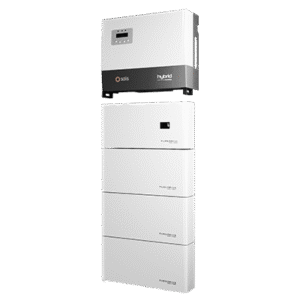
The assessment begins with the appliances the customer wants the battery to support. The installer may ask for equipment labels, manuals or technical specifications. These can show the rated power, operating current and, where available, the start up current.
For existing equipment, an installer may also use measurements to understand how it performs in practice. This can be helpful where the information is unclear or where several appliances operate as part of a wider system.
The installer will consider questions such as:
This gives the installer a clearer picture of the property’s demand. It also helps identify whether the customer needs backup for essential equipment or wants the battery to support a broader range of loads.
A battery does not supply household appliances directly. The inverter converts the battery’s direct current into the alternating current used by most equipment. Its power rating and surge capability are therefore central to the assessment.
The installer checks whether the inverter can provide enough power for the normal running demand and the short start up surge. They also check that the battery can supply the current the inverter requires. The battery and inverter must work together within the limits set by their manufacturers.
A battery with a large storage capacity may still have limits on how quickly it can deliver power. Capacity, measured in kilowatt hours, indicates how much energy a battery can store. Power, measured in kilowatts, indicates how much it can deliver at a given moment. Both figures matter, but they answer different questions.

The installer will assess the combined demand, not just the largest appliance in isolation. For example, a battery may be able to start a pump on its own, but the result could differ if another large appliance is running at the same time.
This is particularly relevant for businesses, where machinery, refrigeration and heating or cooling equipment may operate together. The installer may review energy use across the working day and discuss which equipment needs to keep running during a power cut.
For a three phase property, the installer also needs to consider how the loads are distributed across the electrical supply. The system design must suit the property’s electrical arrangement and the requirements of the equipment.
The assessment can differ depending on whether the customer wants to use the battery for everyday energy management, backup during a power cut, or both.
A system connected to the grid may work alongside electricity supplied by the grid. During a power cut, however, a backup system may need to support the selected appliances by itself. The installer must check which circuits are included in the backup supply and whether the battery and inverter can handle the loads that may start at the same time.
Starting several energy intensive appliances during a power cut can overload some battery systems. The equipment’s limits and the way the backup circuits are configured therefore need to be considered during the design. Tesla Support United Kingdom

In some cases, the equipment or its controls may be adjusted to reduce the initial demand. Depending on the appliance and system, options could include a soft starter, a variable speed drive or a control that prevents large appliances from starting simultaneously.
These measures are not suitable for every appliance. An installer needs to check the equipment manufacturer’s requirements and confirm that any proposed change is appropriate. The aim is to design a system around the actual loads, rather than assume that one solution will suit every property.
Save Energy UK works with homeowners and businesses in Bournemouth, Poole, Bath, Swindon, Reading, Guildford, Portsmouth, Southampton, Dorchester, Exeter, Salisbury and Taunton. You can view the full list on the Save Energy UK Locations page.
Each property has different energy requirements. A home may need backup for a heating pump or refrigerator, while a business may need to keep commercial equipment operating. A site survey gives the installer an opportunity to discuss these priorities, review the equipment and assess the property’s electrical system.

It may be able to, but this depends on the pump’s start up current and the battery and inverter specifications. An installer can check the pump’s requirements against the proposed system.
No. Capacity describes how much energy the battery stores. Power output describes how much energy it can deliver at one time. A system needs suitable capacity and power for the customer’s requirements.
Possibly, but the combined demand must stay within the system’s limits. The installer will consider whether the appliances may start together and whether the system can support them at that moment.
Yes, if you have them. Manuals, equipment labels and details of when appliances operate can help the installer understand your requirements. The survey can identify any further information needed.
The right battery system depends on the equipment you need to run, its start up demand and how you plan to use the stored energy. A professional assessment can help establish whether a proposed system is suitable for your home or business.
Contact Save Energy UK to request a free survey and discuss your battery storage requirements.