Over 20 years as your solar system specialists
"We pride ourselves on good products, good pricing and good backup service"
Tel: 01202 986262
Supporting


One of the most common misconceptions surrounding solar energy is the belief that battery storage can only be installed alongside a brand new solar panel system. It is an understandable assumption. After all, many advertisements showcase gleaming new roofs fitted with both solar panels and batteries as part of a complete package. However, the reality is rather different.
For thousands of homeowners across the United Kingdom, battery storage can be added to an existing solar installation with remarkable ease. Whether your solar panels were installed two years ago or more than a decade ago, there is every chance that a modern battery storage system could help you make better use of the electricity your home already generates.
As energy prices continue to fluctuate and households look for practical ways to reduce their dependence on the national grid, solar battery storage has become one of the most sought after home energy upgrades available. Rather than exporting excess electricity back to the grid during daylight hours, a battery allows you to store that energy for use later in the evening when demand within the home is often at its highest.
For homeowners in Bournemouth, Poole, Christchurch and throughout Dorset, this presents an opportunity to extract greater value from an existing solar investment without necessarily replacing the panels already installed.
In this guide, we will explore how battery storage works, whether it can be connected to older solar systems, the benefits and limitations of retrofitting a battery, and how solutions such as the Tesla Powerwall and Qcells Battery are helping homeowners take greater control of their energy consumption.

At its simplest, battery storage is a system designed to store electricity for later use.
When solar panels generate electricity during daylight hours, that energy is used to power appliances and electrical devices within the home. If the property does not consume all of the electricity being produced, the surplus is typically exported to the national grid.
Without a battery, much of the energy generated during sunny periods may leave the property altogether. While homeowners may receive payments through export schemes, the financial return is often lower than the cost of purchasing electricity back from the grid later in the day.
A solar panel battery changes this equation.
Instead of exporting all excess electricity, the battery stores surplus energy until it is required. This stored electricity can then be used during the evening, overnight, or during periods of poor weather when solar generation is reduced.
The result is a more efficient energy system that allows homeowners to use a greater proportion of the renewable electricity generated by their own solar panels.
The simple answer is yes.
In most cases, battery storage for existing solar panels is entirely achievable and has become increasingly popular as battery technology has improved and installation costs have become more accessible.
Many homeowners who installed solar panels several years ago did so before domestic battery systems became widely available or financially viable. As a result, there are countless properties throughout the United Kingdom generating renewable electricity without taking full advantage of the energy they produce.
Retrofitting a battery allows these households to capture excess solar generation and store it for later use.
The process generally begins with an assessment of the existing solar system. Factors such as inverter type, system age, electrical configuration, and available installation space will all influence the most suitable battery solution.
Fortunately, modern battery systems are designed with compatibility in mind. Many can be integrated with existing solar installations without requiring extensive alterations to the original system.
For homeowners with Solar Panels Bournemouth, Solar Panels Poole, or Solar Panels Christchurch installations, a professional assessment can quickly determine whether battery storage is a suitable addition and identify the most effective solution for the property.
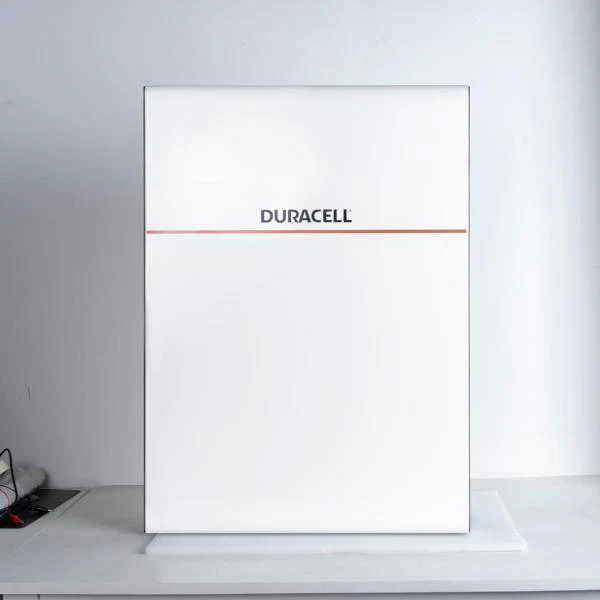
One of the most encouraging aspects of modern battery technology is its flexibility. Many existing solar installations can accommodate battery storage regardless of when they were originally installed.
The key factor is not necessarily the age of the solar panels themselves but the wider configuration of the system.
Solar panels are remarkably durable and frequently continue operating efficiently for twenty five years or more. As a result, a homeowner who installed panels a decade ago may still have a highly effective solar array capable of supporting a battery upgrade.
The most important consideration is often the inverter. This is the device responsible for converting the direct current produced by solar panels into the alternating current used within the home.
In some situations, an existing inverter can work seamlessly alongside a new battery system. In others, a replacement or supplementary inverter may be recommended to ensure optimal performance.
Homeowners may also encounter the terms AC coupled and DC coupled systems.
An AC coupled battery system is typically the preferred solution when adding battery storage to an existing solar installation. The battery operates independently from the original solar inverter, making installation relatively straightforward.
A DC coupled system is more commonly used when solar panels and battery storage are installed simultaneously. While highly efficient, this arrangement is generally associated with new installations rather than retrofits.
For many households, the decision to install battery storage is driven by a desire to make greater use of the electricity already being generated on the roof.
However, the advantages extend far beyond simple energy storage.
Perhaps the most immediate benefit is a reduction in electricity costs.
Without battery storage, homeowners often purchase electricity from the grid during the evening despite having exported surplus solar energy earlier in the day.
A battery allows that surplus electricity to be retained and used when needed, reducing the amount of energy that must be imported from the grid.
Energy independence has become an increasingly important consideration for many households.
By storing and using more self generated electricity, homeowners become less reliant on energy suppliers and less exposed to fluctuating electricity prices.
Battery storage helps maximise the environmental benefits of solar power.
Rather than allowing excess renewable energy to leave the property, homeowners can use a larger proportion of the clean electricity generated by their own system.
Adding a battery can increase the value derived from an existing solar installation.
For households already generating significant amounts of solar electricity, battery storage often enhances long term savings and improves the overall financial performance of the system.
Many modern home battery systems include sophisticated monitoring and management tools.
These technologies allow homeowners to track energy usage, optimise charging schedules, and integrate with smart tariffs to further increase savings.
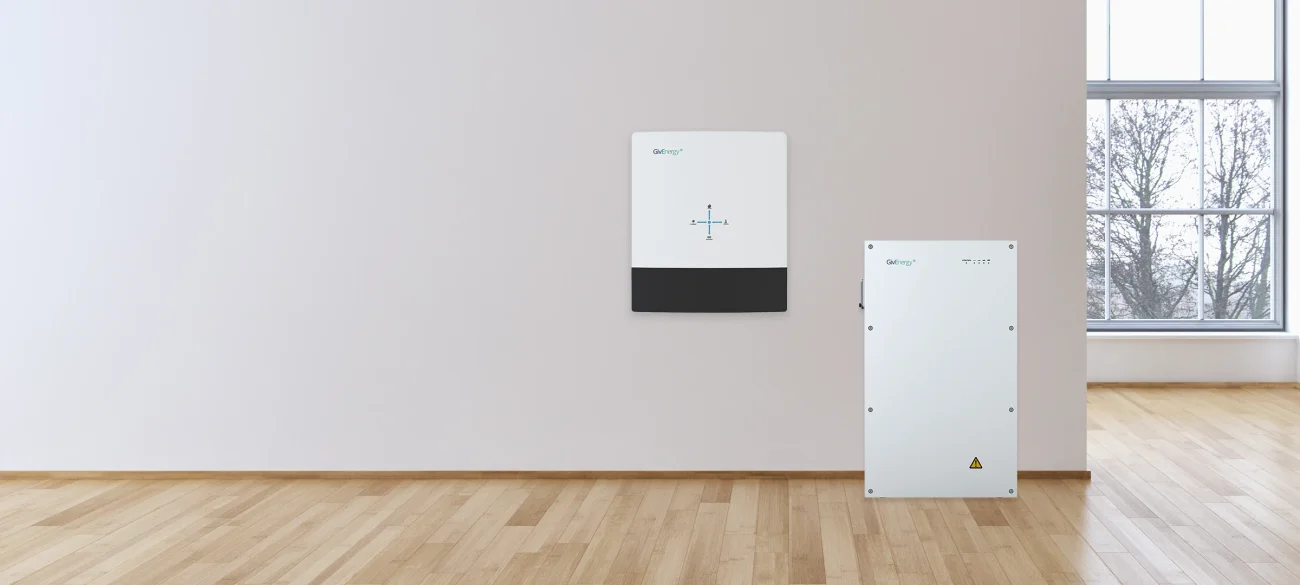
While battery storage offers significant benefits, it is important to approach any installation with realistic expectations.
Battery systems require an upfront financial commitment.
Although prices have fallen considerably in recent years, quality products such as the Tesla Powerwall and Qcells Battery remain substantial investments. The long term savings often justify the cost, but homeowners should carefully consider their energy consumption patterns and financial objectives.
Older systems may require upgrades to electrical components or inverters before battery storage can be installed.
This does not necessarily prevent installation, but it may influence the overall project cost.
Battery systems require suitable installation space.
Many homeowners choose to install batteries within garages, utility rooms, or other protected areas. A professional survey will identify the most appropriate location.
Every household uses electricity differently.
Properties that consume most of their energy during daylight hours may see a different financial return compared with households that use substantial amounts of electricity during evenings and overnight periods.
A detailed assessment can help determine whether battery storage is likely to provide meaningful savings.
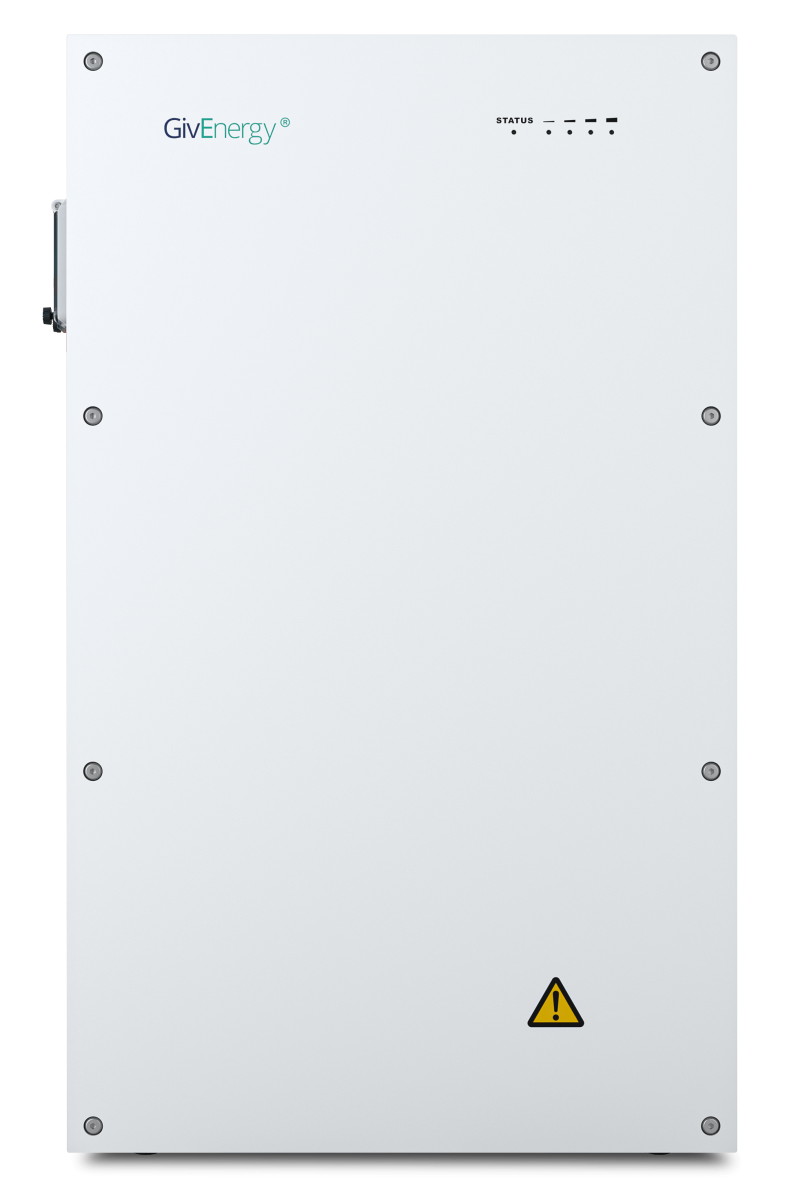
The domestic battery market has evolved rapidly, providing homeowners with a range of reliable and high performing solutions.
The Tesla Powerwall remains one of the most recognised battery systems available.
Known for its sleek design, substantial storage capacity, and intelligent energy management capabilities, it has become a popular choice among homeowners seeking premium performance.
The Powerwall can store excess solar energy, provide backup functionality in certain configurations, and integrate with smart energy tariffs to optimise savings.
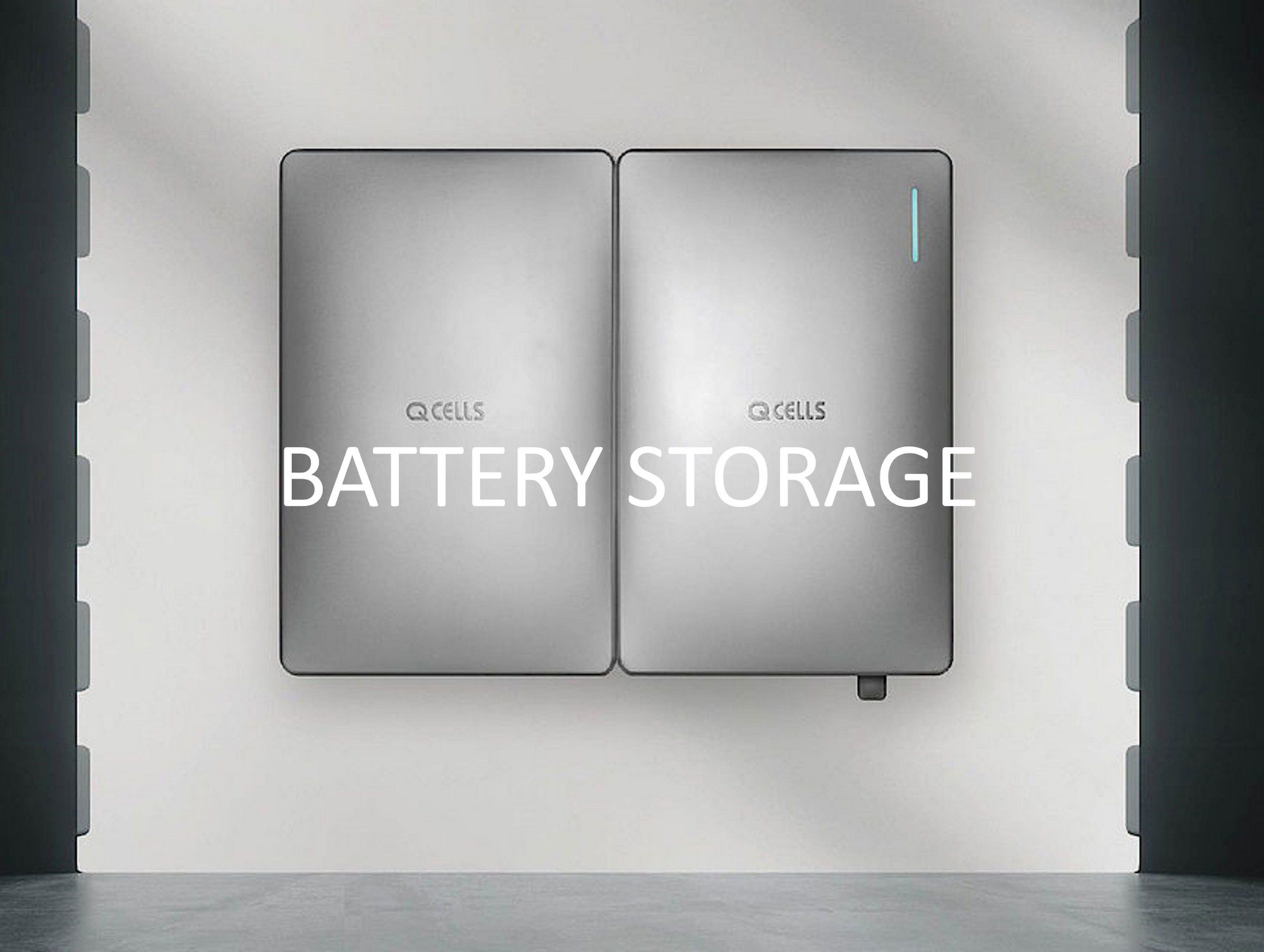
The Qcells Battery has also earned a strong reputation within the renewable energy sector.
Offering dependable performance, advanced technology, and compatibility with a variety of solar systems, it provides an attractive alternative for homeowners seeking efficient energy storage.
Selecting the most appropriate battery depends on several factors, including:
A professional consultation is often the most effective way to determine which system will deliver the greatest value over the long term.
For many homeowners, the answer is a resounding yes.
Consider a household that generates substantial solar electricity during the day while the occupants are at work. Without battery storage, much of that energy may be exported to the grid. The family then returns home in the evening and purchases electricity to power lighting, cooking, entertainment systems, and appliances.
Similarly, homeowners working remotely may benefit from combining solar generation with battery storage and smart energy management to further reduce ongoing energy costs.
While every property is unique, battery storage often delivers the greatest benefits when households wish to maximise self consumption and reduce dependence on external energy suppliers.
Choosing the right battery storage solution requires more than simply selecting a product from a catalogue. It requires expert guidance, careful system design, and professional installation.
At Save Energy UK, we help homeowners across Bournemouth, Poole, Christchurch, and the wider Dorset region understand how battery storage can work alongside both new and existing solar panel systems.
Our team remains committed to providing honest advice, tailored recommendations, and high quality installations that deliver genuine long term value. Whether you are considering your first solar battery or looking to enhance an existing solar array, we take the time to understand your property, your energy usage, and your objectives.
Our goal is simple: to help homeowners gain greater control over their energy consumption while making renewable technology accessible, practical, and financially rewarding.
Battery storage is no longer reserved for brand new solar installations. Thanks to advances in technology, many existing solar panel systems can be upgraded with battery storage, allowing homeowners to store excess electricity and use it when it matters most.
Whether your solar panels were installed recently or many years ago, battery storage could help reduce electricity bills, improve energy independence, and maximise the value of the renewable energy your home already generates.
If you would like to discover whether battery storage is suitable for your property, contact Save Energy UK today. Our experienced team can assess your existing system and recommend the most effective solution to help you make the most of your solar investment.
Yes. Many existing solar panel systems can be upgraded with battery storage. A professional assessment will determine compatibility and identify the most suitable solution.
Yes. Some battery systems can charge using electricity from the grid, particularly during cheaper tariff periods, although they are often most effective when paired with solar panels.
Most high quality solar batteries last between ten and fifteen years, with many manufacturers offering extensive performance warranties.
For many homeowners, Tesla Powerwall offers excellent performance, smart energy management features, and substantial storage capacity, making it a popular premium option.