Over 20 years as your solar system specialists
"We pride ourselves on good products, good pricing and good backup service"
Tel: 01202 986262
Supporting


For commercial property owners across Dorset and the Midlands, the shift towards solar energy is no longer a speculative environmental gesture. It is a strategic decision grounded in financial prudence, operational resilience and long term asset value. With electricity prices remaining volatile and corporate sustainability expectations rising, commercial solar installation has become one of the most effective ways to save electricity while strengthening energy security.
Installing solar panels on a commercial property, however, involves more than mounting modules on a roof. Planning regulations, grid connection approvals, system performance modelling and cost forecasting must all be carefully assessed. What follows is a comprehensive explanation of how commercial solar works in practice and what businesses in England should expect from the process.
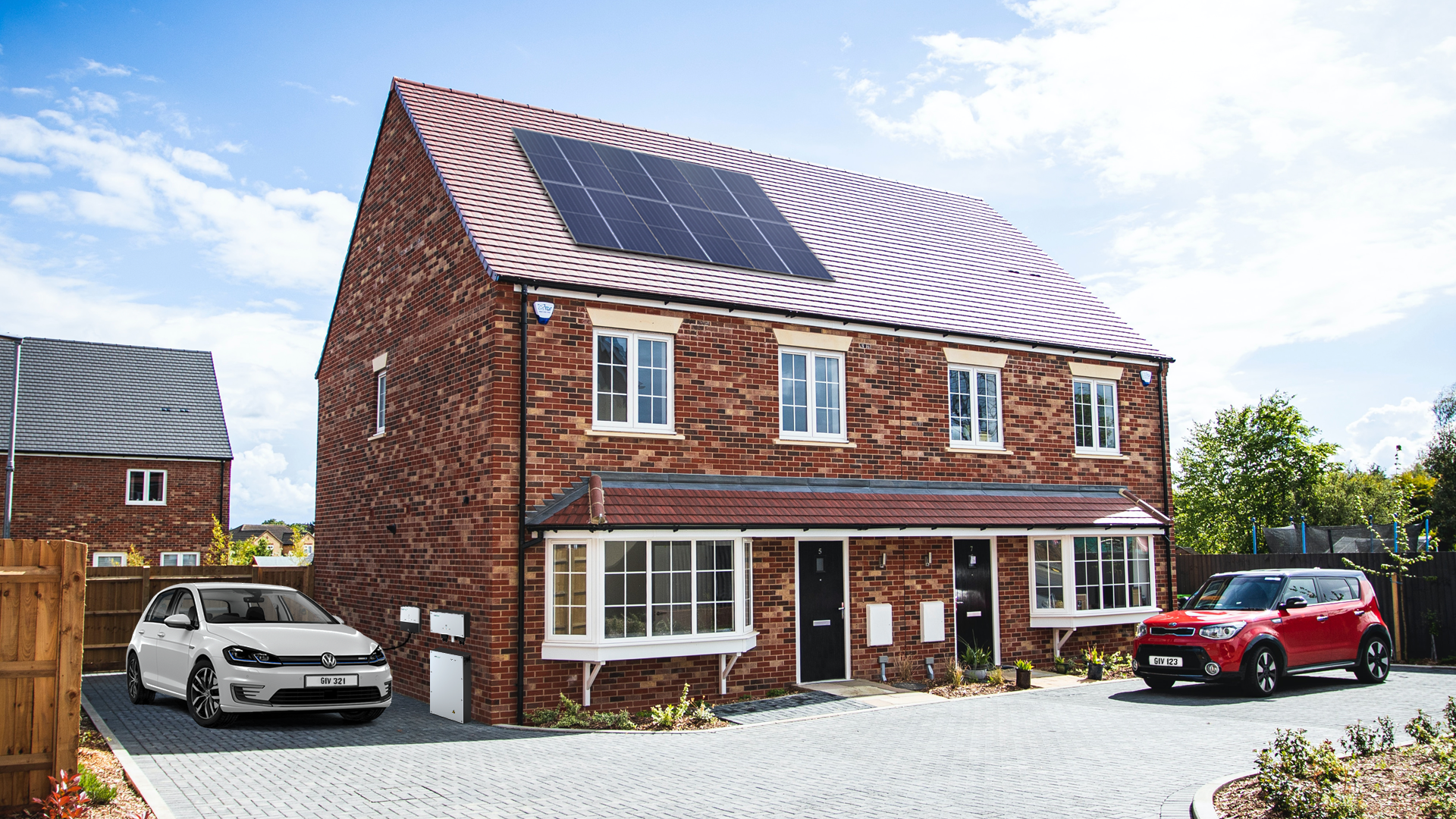
Commercial solar differs significantly from domestic systems. While solar panels on a home are typically designed to offset household consumption, commercial property installations are engineered around higher load profiles, daytime energy demand and complex infrastructure.
For businesses operating warehouses, manufacturing facilities, offices, retail parks or agricultural buildings in Dorset and the Midlands, solar panels can transform unused roof space into a productive energy asset. Commercial solar systems often range from 30 kilowatts peak to several hundred kilowatts peak depending on roof area and consumption patterns. Larger sites may even exceed one megawatt.
Unlike smaller domestic arrays, commercial solar installation focuses on maximising return on investment through scale, efficient system design and demand alignment. When properly specified, such systems can reduce grid dependency, hedge against future price rises and materially lower operating expenditure.
In many cases, installing solar panels on a commercial property falls within permitted development rights in England. This means formal planning permission may not be required, provided certain conditions are met.
Panels must not protrude excessively beyond the plane of the roof and installations should minimise visual impact. Properties located within conservation areas, listed buildings or sites of special interest may require additional approvals. Ground mounted commercial solar systems are subject to further restrictions regarding height, footprint and proximity to boundaries.
Before proceeding, it is essential to conduct a planning review specific to the property location in Dorset or the Midlands. A professional installer will assess whether the system qualifies under permitted development or whether a formal planning application is advisable.

One of the most critical stages in any commercial solar installation is the grid connection process. Unlike small domestic systems, most commercial arrays require formal approval from the local Distribution Network Operator.
The DNO assesses the capacity of the local network to accept additional generation. Depending on system size, the installer will submit either a G98 or G99 application. For larger systems, detailed engineering information, protection settings and export capacity data must be provided.
Export limitations may be imposed where local infrastructure cannot accommodate full generation output. In such cases, systems can be configured with export limiting devices to restrict power sent to the grid. This allows the commercial property to benefit from self consumption while remaining compliant with network constraints.
The grid connection stage can take several weeks or months depending on system size and network complexity. Early engagement with the DNO is therefore essential to avoid project delays.
Effective commercial solar installation begins with careful system sizing. This involves analysing half hourly electricity consumption data to understand load patterns, peak demand and seasonal variation.
Key considerations include roof orientation, pitch, structural integrity and shading. South facing roofs typically yield optimal performance, though east west configurations can improve generation spread across the day, aligning more effectively with business operating hours.
System capacity is expressed in kilowatts peak. A warehouse in Dorset with substantial daytime usage might accommodate a 200 kilowatts peak system, while a medium sized office in the Midlands may require 50 kilowatts peak.
Performance ratios, inverter efficiency and module degradation rates must also be factored into design modelling. Most modern solar panels degrade at approximately 0.4 to 0.5 per cent per year, meaning systems can continue producing efficiently for over 25 years.
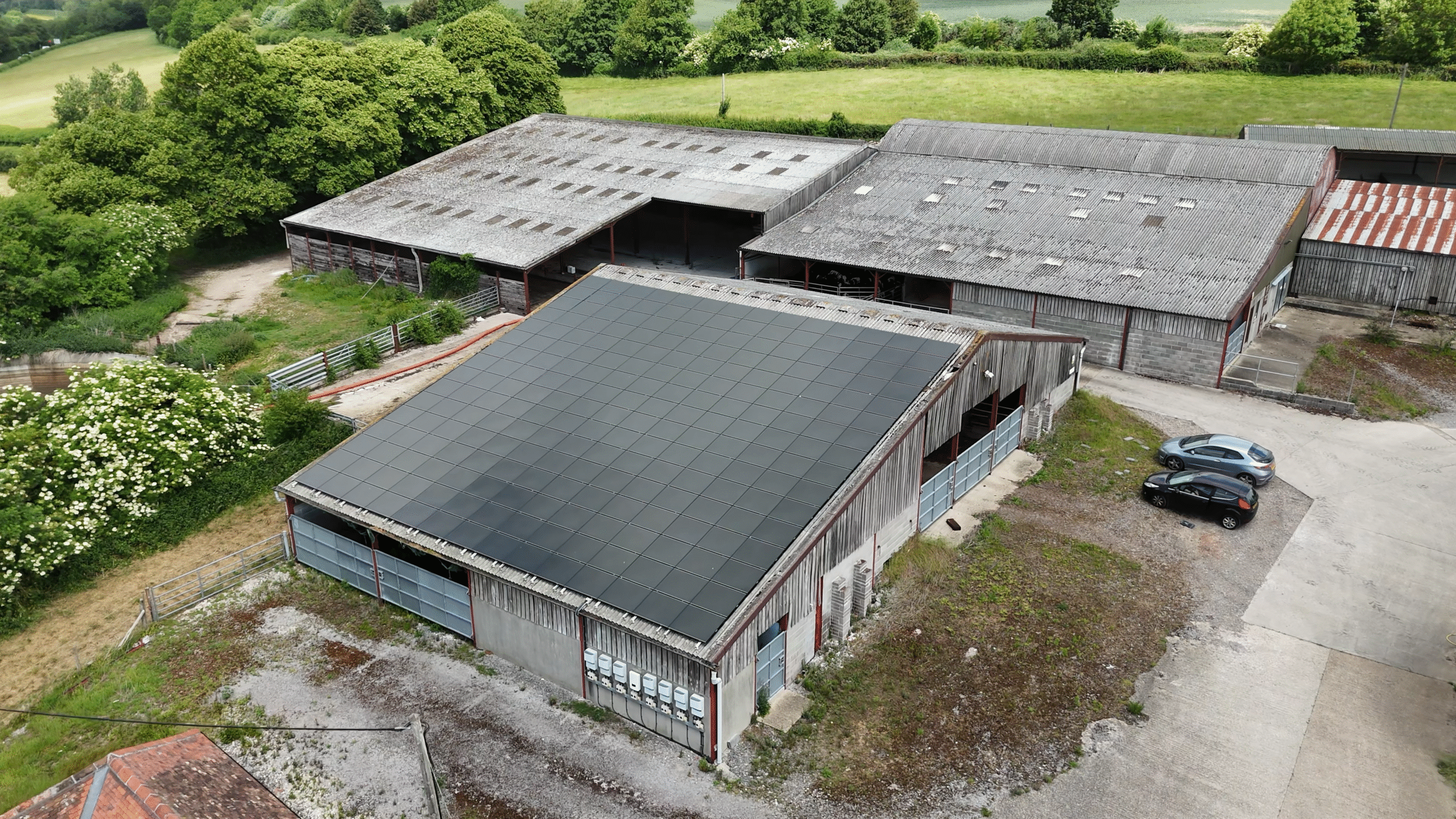
Solar panel cost for commercial property varies according to scale, roof complexity, access requirements and grid connection conditions. As a general principle, larger systems benefit from economies of scale, reducing the cost per installed kilowatt.
Costs typically include modules, inverters, mounting systems, electrical infrastructure, labour, DNO application fees and commissioning. Additional structural reinforcement may be required for older buildings.
While initial capital expenditure can appear significant, commercial solar must be evaluated against long term savings. Businesses that consume the majority of generated electricity on site can achieve payback periods commonly ranging between four and seven years, depending on energy tariffs and system size.
Beyond payback, electricity generated by the system effectively reduces future energy procurement costs, improving operational margins and increasing property value.
Commercial solar systems in southern England benefit from favourable irradiation levels. Dorset in particular offers strong annual yield potential. A well designed system may produce between 850 and 1,000 kilowatt hours per installed kilowatt annually, depending on site conditions.
Monitoring platforms allow businesses to track real time generation, consumption and export data. This visibility enhances operational control and supports broader energy efficiency solutions.
By integrating generation data into corporate reporting, organisations can also demonstrate measurable progress towards carbon reduction targets.
Solar batteries are increasingly integrated into commercial solar installations. While not essential in every case, they offer strategic advantages.
Battery storage enables businesses to retain surplus generation during low demand periods and deploy it during peak tariff windows. This reduces reliance on grid electricity and improves self consumption ratios.
In regions where export capacity is restricted by the DNO, solar batteries can mitigate curtailment losses. Instead of limiting output, excess generation is stored and later utilised on site.
When aligned with smart energy management systems, battery storage further enhances resilience and operational flexibility.
Solar panels on a home are typically smaller in scale and designed primarily for household consumption patterns. Domestic installations often prioritise aesthetic integration and modest export levels.
By contrast, commercial solar installation demands rigorous structural assessment, detailed load analysis and formal grid approval. Financial modelling is more complex, and system scale introduces additional engineering considerations.
The underlying technology remains consistent, but the commercial environment requires greater technical precision and regulatory coordination.
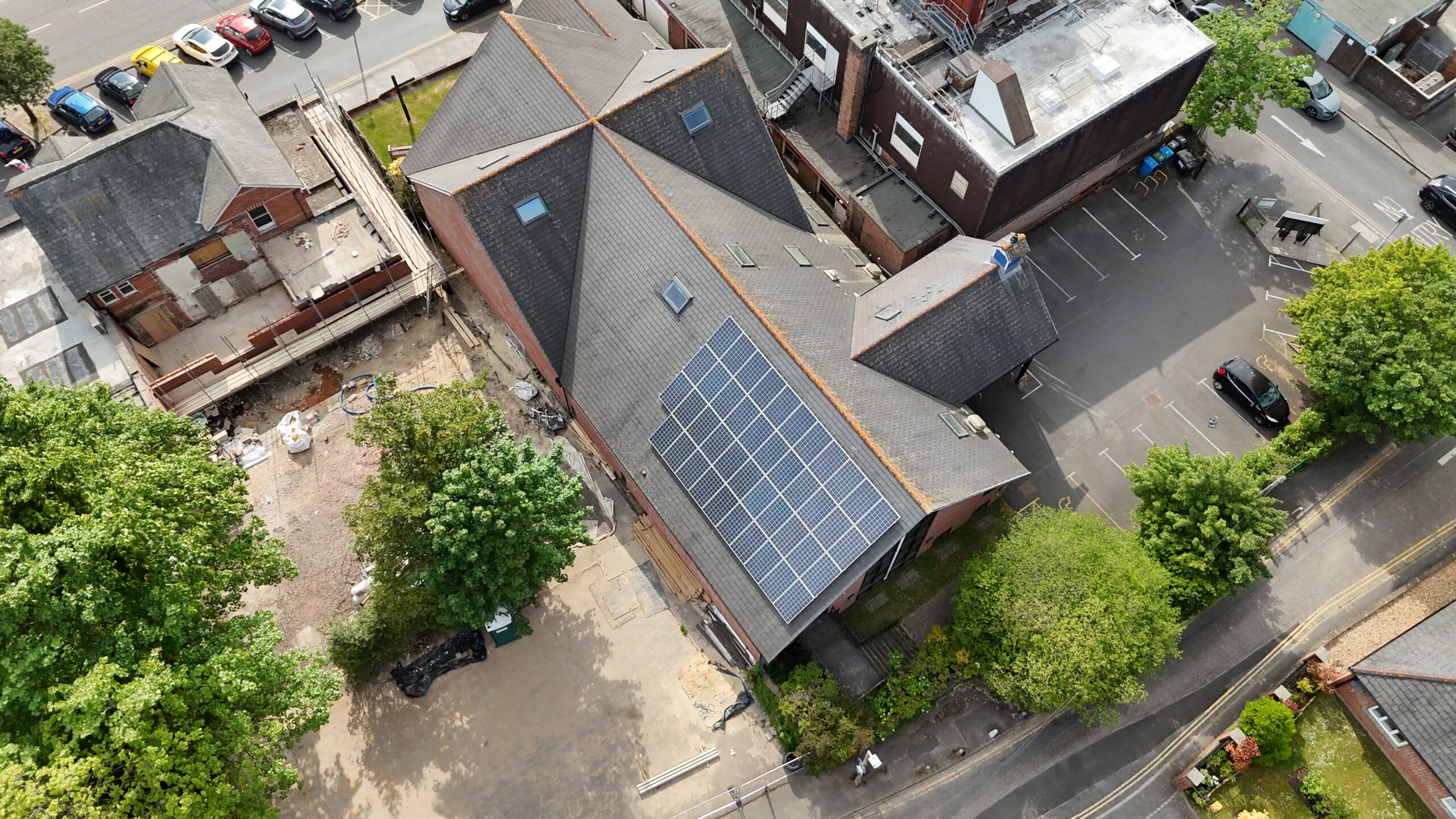
All commercial solar systems in England should comply with current electrical standards and be installed by accredited professionals. MCS certification remains a key benchmark of quality, while adherence to grid protection standards ensures safe integration with the distribution network.
A reputable installer will provide comprehensive design documentation, commissioning certificates and performance projections. Ongoing maintenance and periodic inspection safeguard long term output and warranty protection.
For businesses seeking to save electricity and future proof their operations, commercial solar represents a cornerstone of modern energy efficiency solutions. Rising energy costs and sustainability obligations are unlikely to diminish. By investing in solar energy UK infrastructure today, commercial property owners secure predictable operating costs and tangible environmental benefits for decades to come.
Across Dorset and the Midlands, commercial property presents significant untapped potential for solar panels. With proper planning, diligent grid coordination and intelligent system design, solar panel installation can convert underutilised roof space into a long term strategic asset.
If you are considering commercial solar for your premises, now is the time to act. Contact Save Energy UK to request a detailed commercial solar quote and begin the process of transforming your property into a high performing renewable energy asset.