Over 20 years as your solar system specialists
"We pride ourselves on good products, good pricing and good backup service"
Tel: 01202 986262
Supporting


As more homeowners across Dorset and the South Coast look for ways to save electricity and improve long term energy efficiency, solar batteries have become an increasingly important part of the conversation. If you already have solar panels on a home, or you are planning a new solar panels install, you may have come across two common options for battery storage. These are AC coupled batteries and DC coupled batteries.
While the terms can sound technical, the difference between them is easier to understand than many people expect. Choosing the right option can affect performance, efficiency, installation cost and how well your system supports your home in the years ahead. This guide explains the differences clearly and carefully, with enough technical depth to be useful, but without unnecessary jargon.
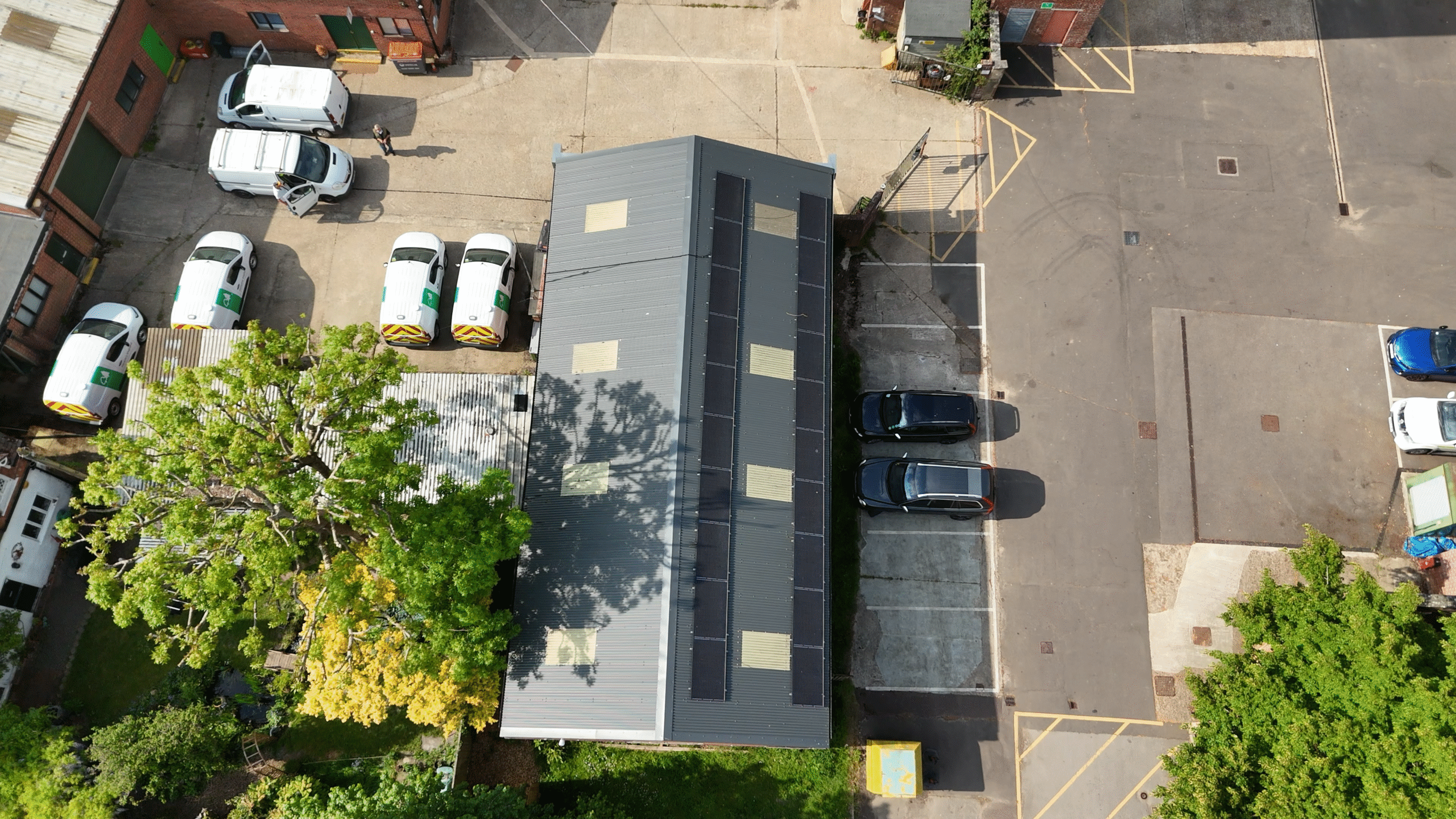
Solar panels generate electricity in the form of direct current, often referred to as DC. Homes and businesses use alternating current, known as AC. An inverter is needed to convert the electricity into a usable form for everyday appliances.
A solar battery stores excess energy generated during the day so it can be used later in the evening or during periods of low sunlight. The key difference between AC coupled and DC coupled batteries lies in where and how this energy conversion takes place.
An AC coupled battery connects to your home on the AC side of the system. In simple terms, the electricity generated by your solar panels is first converted from DC to AC by the solar inverter. If there is surplus energy, it is then converted back into DC by the battery inverter so it can be stored. When the battery supplies power to your home, the energy is converted once again into AC.
This may sound inefficient at first, but modern systems are well engineered and losses are usually modest.
AC coupled batteries are often chosen for homes that already have solar panels installed. They can be added without replacing the existing inverter, which makes them a flexible option for retrofitting battery storage.
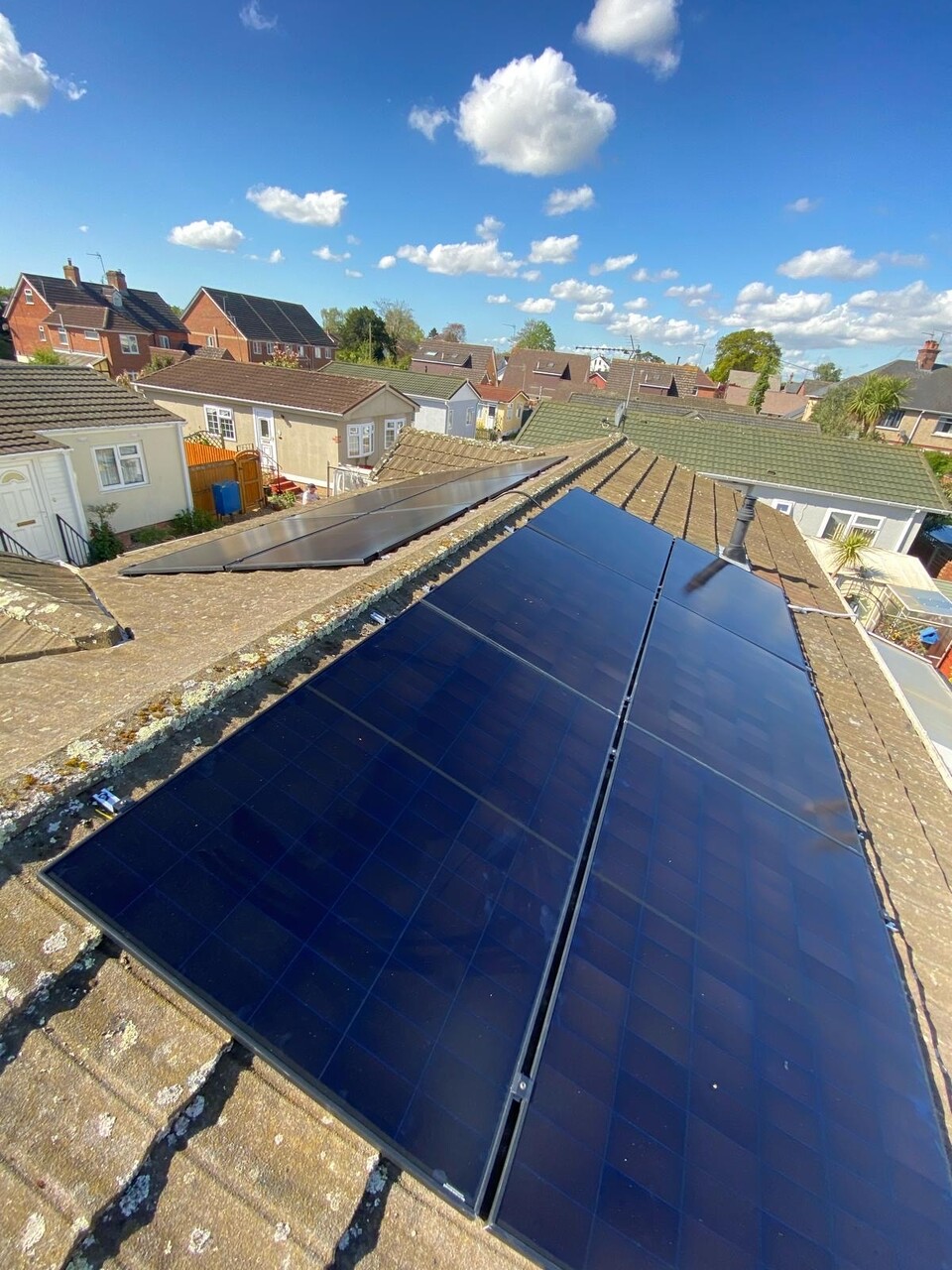
AC coupled systems are particularly well suited to homeowners who want to upgrade an existing solar panel installation. They also suit properties where future expansion is likely, as additional batteries can often be added more easily.
They are commonly used in both domestic and commercial solar projects across the UK, especially where flexibility and compatibility are priorities.
A DC coupled battery connects directly to the solar panels before the inverter. This means that electricity from the panels is stored in the battery as DC power without being converted first. When the energy is needed in the home, it passes through a single inverter to become AC.
Because there are fewer conversion steps, DC coupled batteries are generally more efficient at storing energy. This can result in slightly higher usable output over time.
DC coupled systems are most commonly installed as part of a new solar panels installation, where the battery and inverter are designed to work together from the outset.
DC coupled batteries are an excellent choice for new installations where efficiency is a key concern. They are often favoured by homeowners who want a clean and integrated system with strong long term performance.
They can also be well suited to larger systems and some commercial solar installation projects, particularly where maximum energy capture is important.
To decide which option is right for your home, it helps to compare the two approaches across a few important areas.
DC coupled systems are generally more efficient because electricity is converted fewer times. Over the lifespan of a battery, this can add up to meaningful savings.
AC coupled systems involve more conversions, but modern inverters are highly efficient, so the difference is often smaller than expected in real world use.
AC coupled batteries are easier to add to existing systems. If you already have solar panels on a home and do not want to replace your inverter, this option can be more practical.
DC coupled batteries are usually installed alongside new solar panels and often require a compatible hybrid inverter. This makes them less flexible for retrofits but very effective for new builds.
Solar panel cost and battery pricing depend on many factors, including system size and property layout. AC coupled batteries can sometimes be more expensive overall due to additional hardware, but installation may be simpler.
DC coupled systems can offer better value in new installations, as components are designed to work together. Over time, improved efficiency can also support better returns.
If you expect to expand your system later, such as adding more solar panels or increasing battery capacity, AC coupled systems often offer greater flexibility.
DC coupled systems can still be expanded, but this usually needs careful planning at the design stage.

There is no single answer that suits every property. Homes with existing solar panels often benefit from AC coupled batteries due to ease of installation. New solar energy UK installations may lean towards DC coupled systems for efficiency and simplicity.
Local factors such as roof space, electricity usage patterns and long term energy goals all play a role. Working with an experienced installer who understands both domestic and commercial solar systems can help ensure the right choice is made.
Solar batteries allow households to use more of the energy they generate, rather than exporting it back to the grid. This supports wider energy efficiency solutions and reduces reliance on rising electricity prices.
Whether paired with AC or DC coupling, solar batteries are a powerful way to save electricity and make better use of solar panels installed on your property.
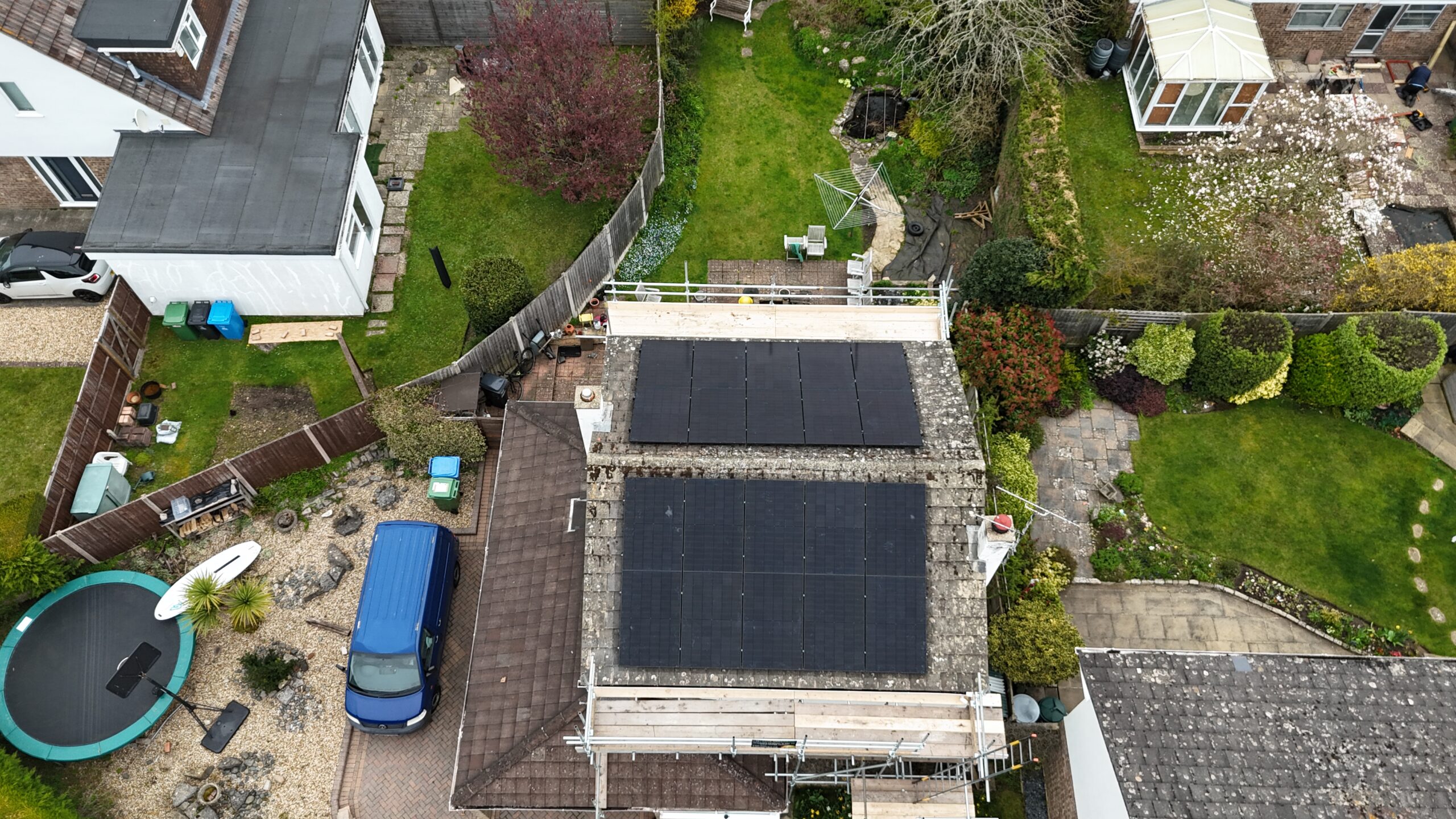
Most modern solar batteries last between ten and fifteen years. Performance depends on usage patterns, system design and battery quality.
Yes. In many cases an AC coupled battery can be added to an existing solar panel installation without major changes.
For many homeowners, solar batteries improve energy independence and reduce long term electricity bills. The value depends on how much solar energy you generate and use.
Understanding the difference between AC coupled and DC coupled batteries helps you make a confident decision about your solar investment. Both options can play an important role in improving efficiency, reducing energy costs and supporting a more sustainable home.
If you would like friendly, expert advice tailored to your property in Dorset or along the South Coast, speaking with a local specialist can help you choose the right solar battery solution for your needs.