Energy Prices
For many homeowners in England, the question of whether solar panels are still worth installing often begins and ends with one phrase feed in tariffs. When the scheme closed in 2019, it created understandable uncertainty. For years, feed in tariffs were presented as the principal financial incentive for domestic solar. Their withdrawal led some to assume that the opportunity had passed.
Yet energy prices have continued to rise. Households across England are paying substantially more for electricity today than they were even five years ago. Against that backdrop, the value of generating your own clean power has never been more compelling.
So is solar still worth it without feed in tariffs? The answer, when examined carefully and with current figures in mind, is a confident yes.

What Were Feed in Tariffs?
Feed in tariffs were introduced by the government in 2010 to encourage the adoption of renewable energy. Under the scheme, homeowners who installed solar panels were paid for every unit of electricity they generated, whether they used it themselves or exported it to the grid.
The system worked in two parts.
First, households received a generation payment for every kilowatt hour produced by their solar panels.
Second, they received an export payment for surplus electricity sent back to the grid.
Crucially, the generation payment was guaranteed for up to twenty years and was index linked. Early adopters secured particularly generous rates, making solar installations financially attractive and highly predictable investments.
However, as the cost of solar technology fell and installation volumes increased, the government gradually reduced the tariff rates before closing the scheme to new applicants in March 2019. The decision reflected a belief that solar had matured and required less direct subsidy.
Why Feed in Tariffs Ended
The end of feed in tariffs did not signal that solar had failed. On the contrary, it marked the success of the technology.
Between 2010 and 2019, the cost of solar panels fell dramatically. Manufacturing efficiencies improved, global supply expanded and installation expertise grew within the United Kingdom. What once required heavy subsidy became increasingly affordable without it.
The government therefore shifted its approach, replacing fixed generation payments with a more market driven export mechanism known as the Smart Export Guarantee.
Yet the lingering perception remains that without feed in tariffs, solar has somehow lost its financial logic. This is a misconception.
Myth Busting Common Concerns
Solar is not worth it anymore
This view assumes that the value of solar lay solely in government payments. In reality, the most significant financial benefit of solar has always been self consumption.
Every unit of electricity you generate and use in your own home is one you do not have to purchase from your supplier. With electricity prices in England remaining high in 2026, the savings from avoided grid electricity are substantial.
As tariffs rise, so too does the value of each unit you generate yourself.
You cannot earn anything from exporting power
While feed in tariffs are no longer available, the Smart Export Guarantee allows homeowners to receive payment for surplus electricity exported to the grid. Rates vary between suppliers, but the principle remains clear you can still be paid for excess energy.
When combined with intelligent usage and battery storage, this creates a modern and flexible income stream.
It takes too long to recover your investment
Payback periods have changed since the early days of feed in tariffs, but they remain attractive. With current installation costs and electricity prices in England, many homeowners achieve payback within seven to ten years.
Given that modern solar panels typically last twenty five years or more, the years beyond payback represent genuine financial gain.
What Replaced Feed in Tariffs?
The Smart Export Guarantee or SEG was introduced in January 2020. Under this scheme, licensed electricity suppliers with a certain number of customers must offer payment for electricity exported to the grid.
Unlike feed in tariffs, SEG does not pay for generation. It pays only for measured exports. Households therefore benefit most when they maximise self consumption and strategically export surplus energy.
This is where solar battery storage has transformed the equation.
The Role of Solar Battery Storage
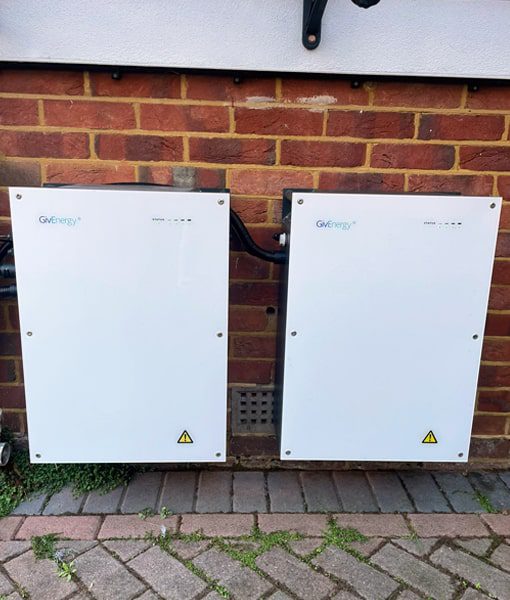
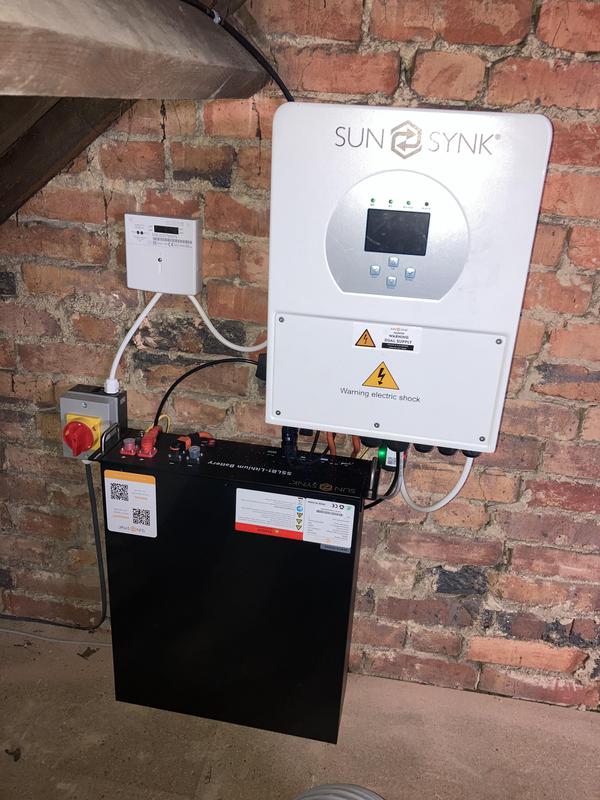
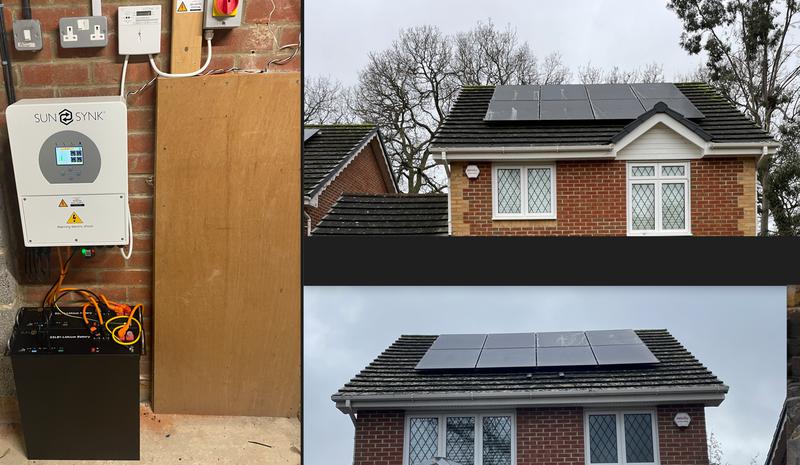
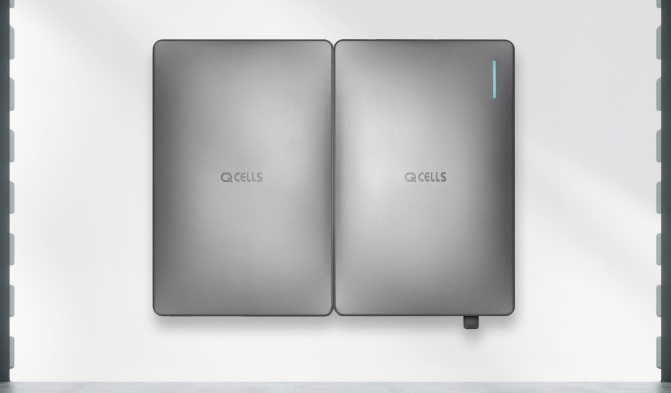
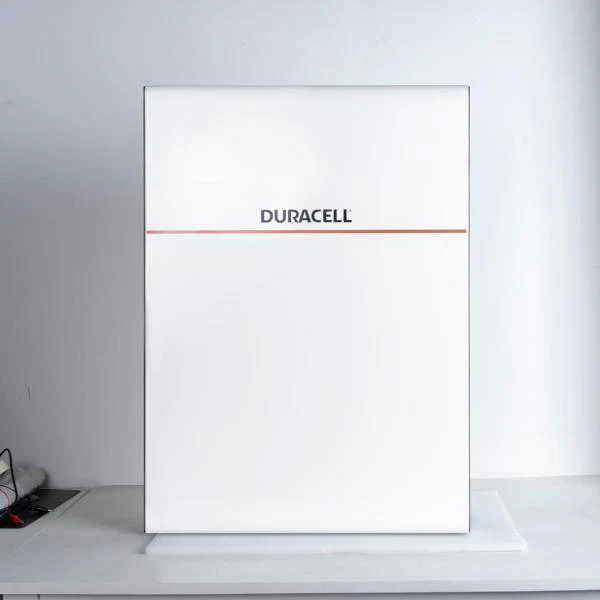
A battery allows you to store unused daytime electricity for use in the evening when demand is typically higher. Instead of exporting power at a modest rate and buying it back later at a higher retail price, you can use your own stored energy.
In practical terms, this increases the proportion of solar electricity you use yourself, often from around fifty percent to seventy or even eighty percent depending on lifestyle and system design.
Greater self consumption means greater savings and a shorter solar panel payback period.
The Financial Case in England in 2026
To understand whether solar is worth it today, we must examine realistic figures.
Average Installation Costs
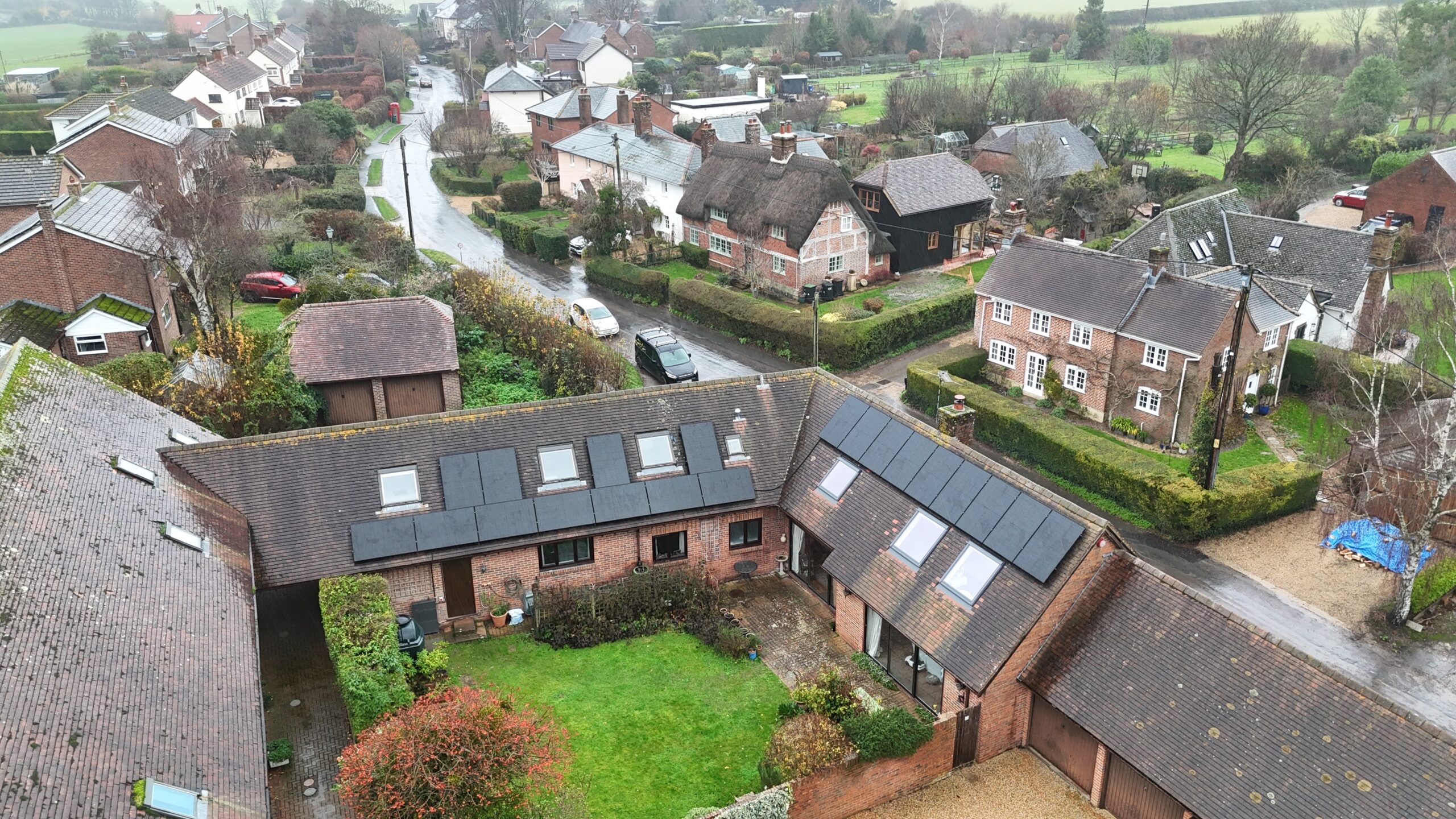
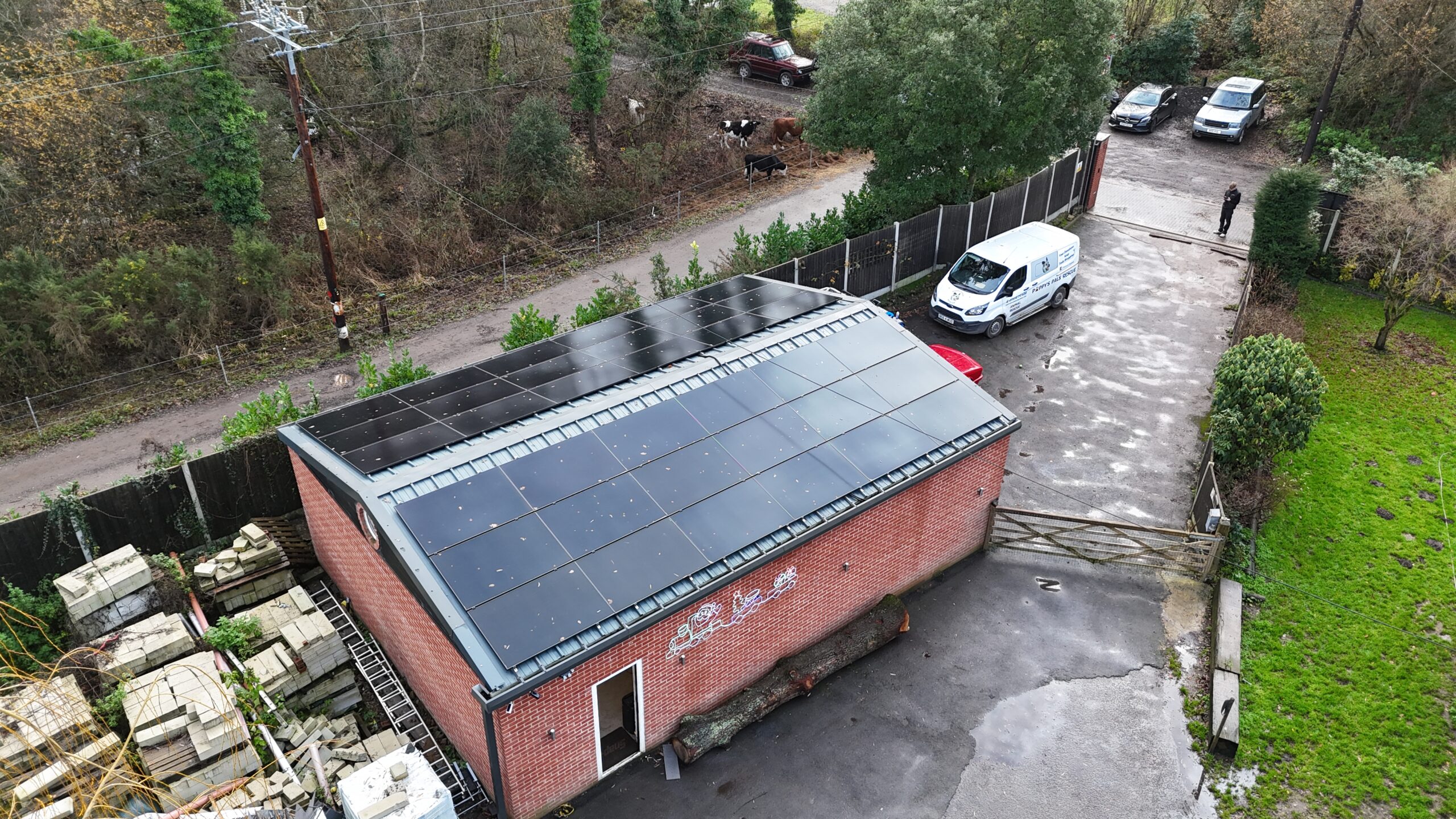
In 2026, the cost of solar panels in England for a typical three bedroom home ranges between five thousand and eight thousand pounds depending on system size and roof configuration.
Adding a solar battery storage system may increase the total investment to between nine thousand and twelve thousand pounds.
Prices vary, but they are significantly lower in real terms than they were a decade ago.
A Worked Example
Consider a household in England installing a six kilowatt solar system costing seven thousand pounds.
Annual generation might reach around five thousand kilowatt hours depending on orientation and location.
If the household uses sixty percent of that electricity directly, they avoid purchasing three thousand kilowatt hours from the grid.
At an electricity price of thirty pence per kilowatt hour, this equates to nine hundred pounds in annual savings.
The remaining two thousand kilowatt hours exported under a Smart Export Guarantee rate of fifteen pence per kilowatt hour would generate three hundred pounds.
Total annual financial benefit would therefore be approximately twelve hundred pounds.
At this level of performance, the system could recover its cost in around six years.
Even with more conservative assumptions, payback within eight to nine years is entirely realistic.
Over a twenty five year lifespan, total savings could comfortably exceed twenty five thousand pounds, particularly if electricity prices continue to rise.
Adding a Battery
If the same household added a battery and increased self consumption to eighty percent, avoided grid purchases could rise to four thousand kilowatt hours.
At thirty pence per unit, that represents twelve hundred pounds in direct savings alone, plus reduced but still valuable export income.
In this scenario, the financial case becomes even stronger, particularly for households with evening energy demand.
Wider Benefits Beyond Pure Finance
While feed in tariffs focused attention on income generation, the modern case for solar in England is broader.
Solar panels offer protection against future price volatility. They reduce reliance on imported fossil fuels. They lower household carbon emissions and contribute to national energy security.
In addition, properties with solar installations often appeal to buyers seeking energy efficiency. Though precise uplift varies, improved Energy Performance Certificate ratings can enhance marketability.

Frequently Asked Questions
Are feed in tariffs still available in England?
No. Feed in tariffs closed to new applicants in March 2019. Existing participants continue to receive payments under their original agreements, but new installations qualify instead for the Smart Export Guarantee.
How long do solar panels take to pay for themselves?
In England in 2026, typical payback periods range between seven and ten years depending on system size, electricity usage and whether battery storage is included.
Is the Smart Export Guarantee worth it?
Yes. While it does not offer generation payments like feed in tariffs, it ensures you are paid for surplus electricity exported to the grid. Combined with bill savings, it strengthens the overall financial return.
Do I need a battery without feed in tariffs?
A battery is not essential, but it significantly increases self consumption and can improve overall savings. For households with higher evening demand, it is often a prudent addition.
Does solar add value to my home?
Homes with solar panels may benefit from improved energy ratings and greater buyer appeal, particularly as energy efficiency becomes a priority for purchasers across England.
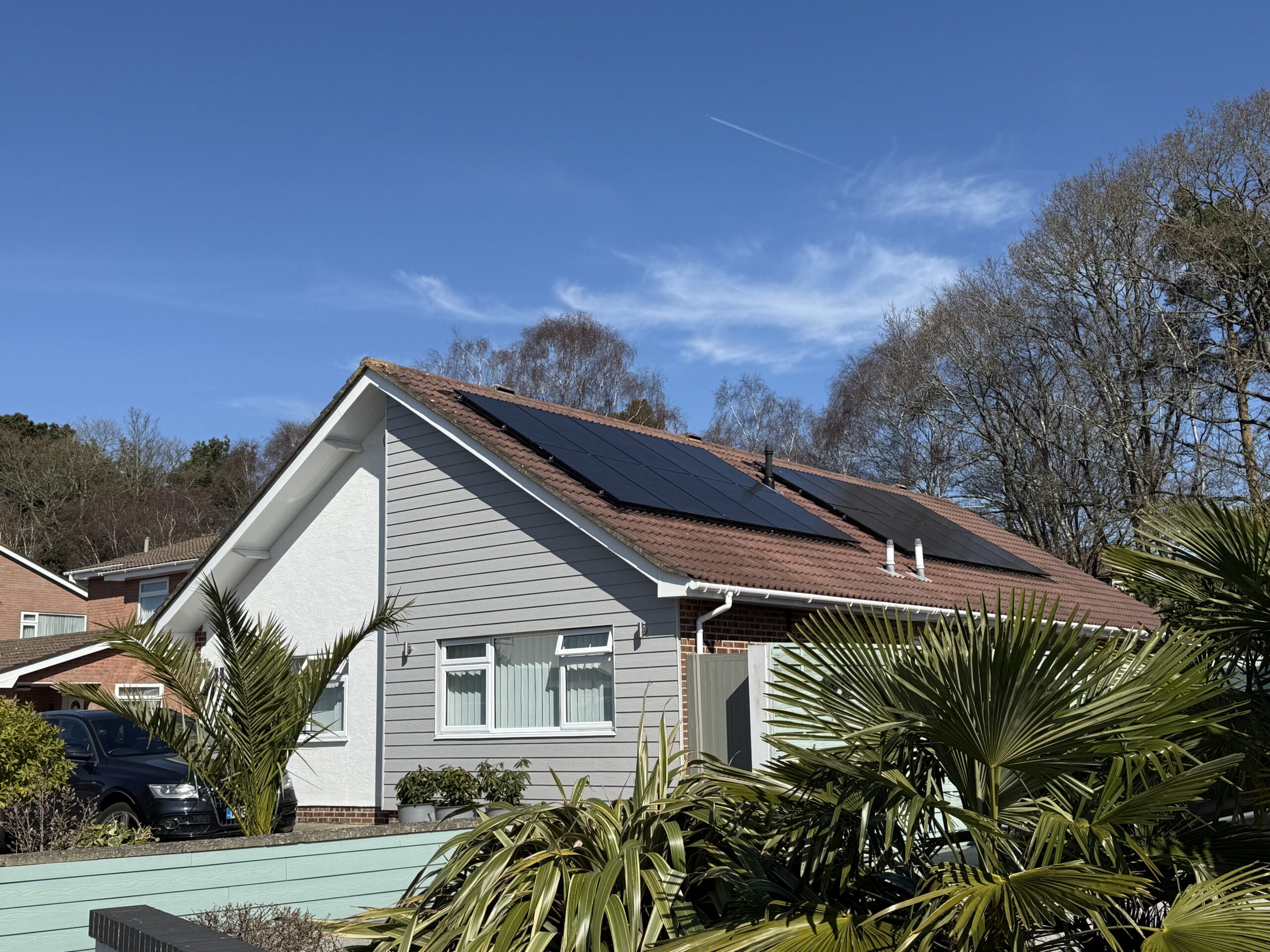
So Is Solar Still Worth It?
The end of feed in tariffs marked a shift, not a decline.
Today, the economics of solar in England are driven primarily by avoided electricity costs rather than fixed government payments. With energy prices remaining elevated and installation costs comparatively low, the financial argument remains compelling.
Solar is no longer simply a subsidised technology. It is a mature, dependable and increasingly essential component of domestic energy strategy.
For many households, the question is not whether solar is worth it without feed in tariffs, but whether it makes sense to continue paying high grid prices without taking action.
Take the Next Step with Save Energy UK
If you are considering solar panels in England, the most reliable way to understand your potential savings is through a tailored assessment.
Save Energy UK offers a free solar survey and personalised quotation designed around your property, energy usage and future plans. Our experienced team can advise on system size, battery options and finance solutions that suit your circumstances.
The era of feed in tariffs may have passed, but the opportunity to reduce your energy bills, increase your independence and invest in a cleaner future remains firmly within reach.
Book your free solar survey today and discover what solar could achieve for your home.