Over 20 years as your solar system specialists
"We pride ourselves on good products, good pricing and good backup service"
Tel: 01202 986262
Supporting  

The Science Behind Photovoltaic Cells and Solar Panels

PHOTOVOLTAIC CELLS

Harnessing the boundless energy of the sun has always been an aspiration for humankind. With the dire need to shift towards more sustainable energy sources, this aspiration has quickly turned into a reality. But how exactly do solar panels convert sunlight into electricity? Welcome to the wondrous world of photovoltaic cells.

The Basics of Photovoltaic Cells:

A photovoltaic (PV) cell, or solar cell, is a device that converts sunlight directly into electricity by a process called the photovoltaic effect. At its core, a PV cell is made up of semiconductor materials, typically silicon, which have properties allowing them to absorb sunlight and release electrons.

When photons (light particles) from the sun strike these semiconductor materials, they can release electrons from their atoms. Once these electrons are free, they can be directed and captured as electric current, effectively generating electricity.

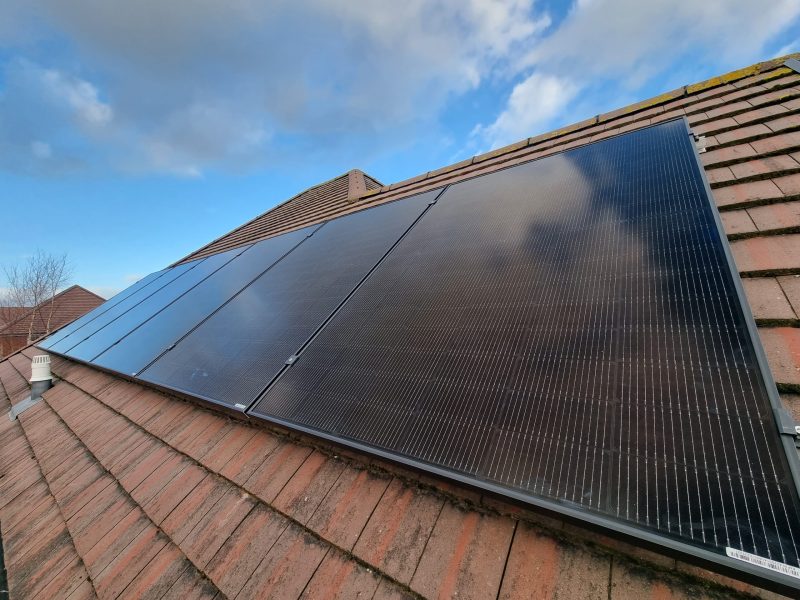
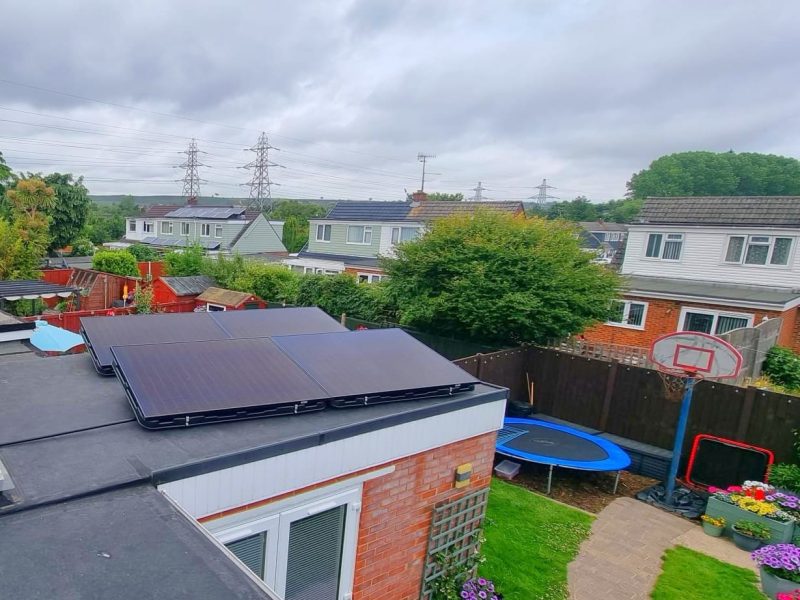
Solar Panel Installation 11 400x300

How a Solar Panel is Structured:

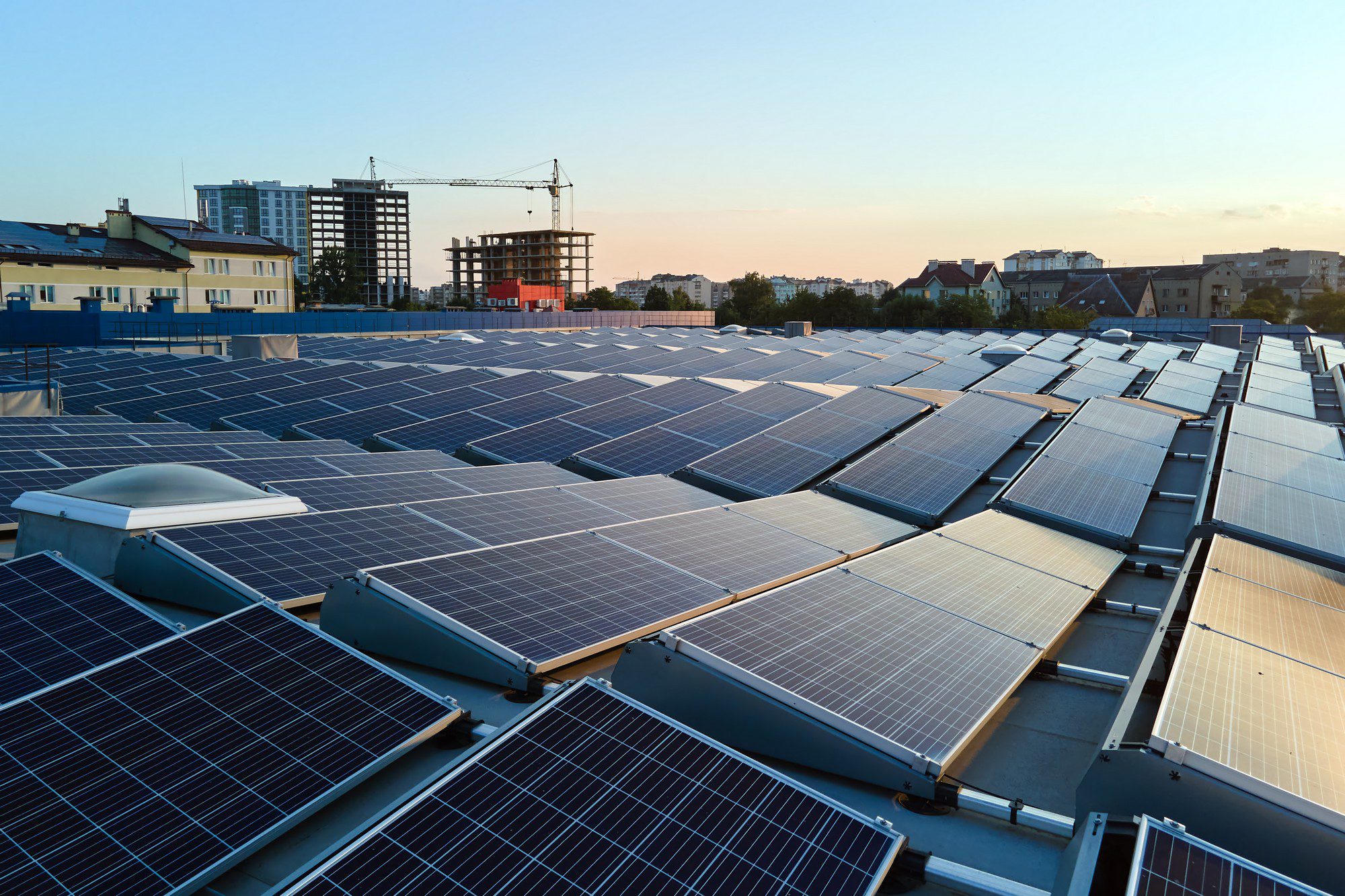
solar panel or photovoltaic module is not merely one cell but a combination of many cells connected together. This assembly ensures that a significant amount of electricity can be generated. Here’s a basic breakdown:

  • Front and Back Layers: These are typically made of glass or clear plastic, offering protection without obstructing sunlight.
  • PV Cells: They’re arranged in a grid pattern, capturing sunlight and turning it into electricity.
  • Back Sheet and Frame: Offering structural support and protection against various weather conditions.

Converting Sunlight into Electricity:

  • Absorption: The first step in the solar panel installation process starts with ensuring optimal sunlight absorption. As sunlight hits the PV cell, the energy of the absorbed photons is transferred to electrons in the semiconductor material.
  • Creation of Electron-Hole Pairs: When these electrons gain enough energy, they break free from their normal position in the atoms to become a part of an electric current. This leaves behind what we call “holes”.

The Role of Save Energy UK:

If you’re looking to leverage the science of solar panels to your advantage, choosing the right solar installer is crucial. Save Energy UK has a distinguished reputation as a leading solar panel installation company. With keywords such as “solar panel installation near me” or “solar panels Poole”, you’re likely to come across this trusted name.

For businesses looking to make a larger environmental impact, seeking “commercial solar panel installers” will also lead you to Save Energy UK, offering solutions tailored to large-scale energy needs

Beyond Solar Panels: The Solar Storage Battery:

The sun doesn’t shine all the time, so how do you ensure a steady power supply even during the night or cloudy days? Enter the solar storage battery. This technology allows you to store excess energy generated during sunny days to be used when sunlight is scarce.

Save Energy UK recognises the importance of this technology and incorporates it into their solutions, ensuring that users get the most out of their solar panel installations. So, alongside generating power, storing it efficiently is also a crucial aspect to consider.

Solar in Poole and Beyond:

For residents in Poole and surrounding areas, the move to solar energy has never been easier. With dedicated services like “solar panels Poole”, Save Energy UK ensures localised solutions tailored to specific needs. Such dedicated services make solar panel installation a seamless experience, no matter where you are.

Conclusion

The science behind photovoltaic cells and solar panels is not just fascinating but offers a promising solution to the world’s growing energy needs. Whether you’re a homeowner or a business, solar solutions offer a sustainable and efficient way to save energy and reduce carbon footprints.

As you consider embarking on this renewable journey, remember to opt for professionals who not only understand the science but also the art of installation. With companies like Save Energy UK, you can be assured of top-notch solar panel installations, bringing the power of the sun right to your doorstep.

Shell Energy purchased by Octopus


Octopus Energy is on track to ascend as the UK’s second-largest home energy supplier, following an agreement to purchase Shell’s domestic electricity and gas operations in the UK.

Octopus Energy is gearing up to become the UK’s second-largest residential energy supplier by taking over Shell’s domestic electricity and gas unit, expanding its customer base significantly.

The acquisition will result in Octopus providing energy services to 6.5 million homes, incorporating the 1.4 million customers currently with Shell Energy.

Octopus Energy’s recent growth has been largely fuelled by taking on customers from defunct energy companies, such as Avro and Bulb.

Industry analysts emphasize the importance of a competitive market for sustaining high levels of service quality and affordable pricing.

Natalie Mathie, an energy specialist at Uswitch, voiced concern over Shell Energy’s exit, citing its position as a viable competitor to larger market players.

Mathie remarked, “It’s unfortunate that Shell Energy is leaving the market; they’ve been a significant contender against larger energy companies. Maintaining robust competition is crucial for the industry’s long-term health, ensuring that providers continue to offer excellent service and competitive prices.”

Emily Seymour, Energy Editor at Which?, reassured Shell Energy customers saying, “Those currently with Shell Energy may have concerns about what the transition to a new provider means for them. There’s no cause for alarm—your utilities won’t be disrupted and your existing credit is secure. Typically, the customer transition process lasts a few weeks, and you’ll be informed by your new provider about the details of your new plan, payment arrangements, and any credit refunds.”

Consumers are encouraged to record meter readings, monitor any existing credit, and refrain from changing suppliers during the switch to ensure a seamless transition and proper credit settlement.

Contact us today

To learn more about how we can work with you to supply solar panels, battery storage or insulation for your project, fill out this form and we’ll be in touch as soon as we can.

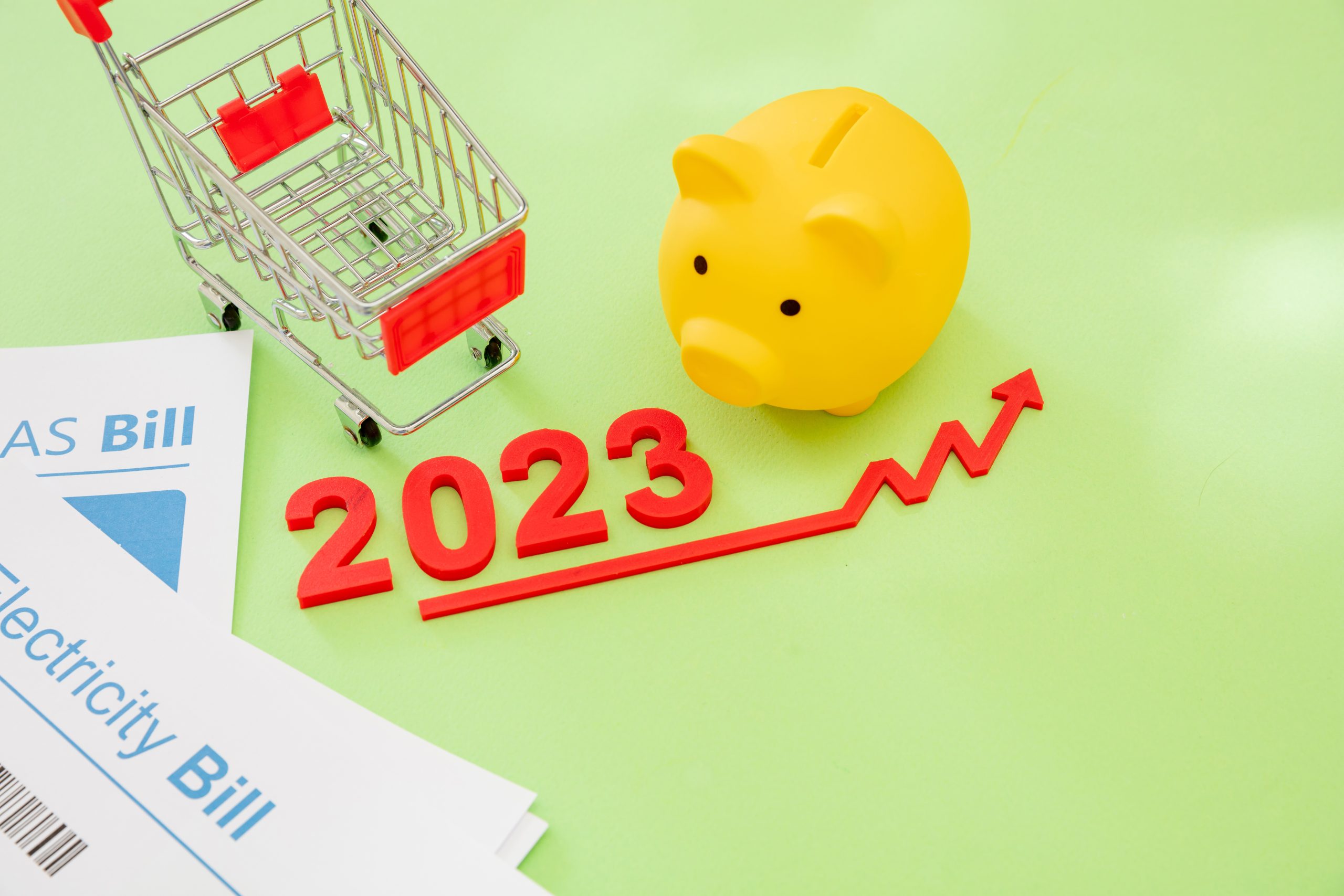
Energy bills may soar to over £2,000 once again


A report suggests that the expected January 1st price cap could drive annual energy bills up to £2,083.

According to recent projections by Investec, an asset management firm, annual energy bills may soon exceed £2,000 once more in the upcoming year. This expectation arises from the forthcoming energy price cap set to take effect on January 1st, which is anticipated to elevate the average cost of gas and electricity to £2,083. This would constitute an 8% increase compared to the current cap level.

Earlier, Cornwall Insight consultancy had predicted that the January price cap would likely rise to around £2,000 from its October level. Currently, the October cap is set at £1,923, representing the first time it has fallen below the £2,000 mark since last summer.

The exact amount of the January price cap has yet to be finalised and will be announced later this year.

If you would like to discuss this article or anything to do with your energy bills and how we can save you money, please get in touch with us now.

Contact us today

To learn more about how we can work with you to supply solar panels, battery storage or insulation for your project, fill out this form and we’ll be in touch as soon as we can.

EV drivers save £1000 with solar

The only smart solution for EV owners is a solar-compatible EV charger.

myenergi, manufacturer of the oft considered numero uno solar EV charger zappi, has called for UK households to seriously consider installing EV chargers that integrate with solar generation, to maximise future savings.

“While there are a number of excellent products available to specify, we believe that consumers should be thinking about the future. Charging your EV with mains electricity is typical today, but with decentralised domestic energy generation becoming ever-more commonplace across the UK, drivers should specify a device compatible with renewables to prevent buying twice,” said head of corporate communications at myenergi, Tom Callo.

“At myenergi, we believe that any EV driver who either has solar panels – or has the opportunity to install them in the future – should invest in a solar-compatible charger. With ongoing concerns around the rising cost of energy, taking advantage of solar power to keep costs down has become a hugely desirable option.

“Any EV driver installing a non-compatible device may come to regret their choice, as they will need to replace it if they choose to invest in renewables. Car manufacturers and leasing companies that are recommending non-solar chargers should therefore be making it clear that these chargers will not necessarily be future-proof for many.”

Find out more about the solar-compatible Zappi EV solution we offer.

Talk to us about the solar-compatible Zappi EV charger that we can install for you today!

Contact us today

To learn more about how we can work with you to supply solar panels, battery storage or insulation for your project, fill out this form and we’ll be in touch as soon as we can.

EV drivers could face £1,000 replacement fee by failing to use solar compatible charger

News source: https://www.current-news.co.uk/

Electric vehicle (EV) drivers may be costing themselves £1,000 in the long run by failing to install solar-compatible chargepoints, home tech manufacturer myenergi has warned.

As domestic solar installation rates continue to rise – rates in 2022 tripled to those in 2021 – myenergi has called for UK households to seriously consider installing EV chargers that integrate with solar generation, to maximise future savings.

“While there are a number of excellent products available to specify, we believe that consumers should be thinking about the future. Charging your EV with mains electricity is typical today, but with decentralised domestic energy generation becoming ever-more commonplace across the UK, drivers should specify a device compatible with renewables to prevent buying twice,” said head of corporate communications at myenergi, Tom Callo.

“At myenergi, we believe that any EV driver who either has solar panels – or has the opportunity to install them in the future – should invest in a solar-compatible charger. With ongoing concerns around the rising cost of energy, taking advantage of solar power to keep costs down has become a hugely desirable option.

“Any EV driver installing a non-compatible device may come to regret their choice, as they will need to replace it if they choose to invest in renewables. Car manufacturers and leasing companies that are recommending non-solar chargers should therefore be making it clear that these chargers will not necessarily be future-proof for many.”

Increasing the use of solar generated electricity to power EV chargepoints helps to tackle concerns surrounding energy supply for EVs and is bolstering support for solar’s integration into this market.

Find out more about the solar-compatible Zappi EV solution we offer.

Talk to Save Energy today about your solar-compatible Zappi EV installation.

Contact us today

To learn more about how we can work with you to supply solar panels, battery storage or insulation for your project, fill out this form and we’ll be in touch as soon as we can.

Brits Set to Face Another Increase in Energy Bills

Money guru Martin Lewis has issued a warning today regarding the government’s Energy Price Guarantee. This comes as we are all in the midst of cold and damp winter conditions.

The Energy Price Guarantee, which is currently capped at £2,500, is now set to increase in April to £3,000. The result of this will mean that, on average, people will spend more per unit of gas and electricity.

Many households are finding the constant increase in the cost of living unsustainable and are starting to consider more cost effective methods of sourcing energy into their homes.

One positive route is to consider installing a solar panel system for your home. Leading Dorset based solar installer, Save Energy have been at the forefront of clean energy for 17 years and have helped hundreds of households in the Poole, Bournemouth, Christchurch and the surrounding areas to shrink their energy bills, whilst also making huge reductions on their carbon footprint.

On average our customers save up to £1,000 a year with a Save Energy solar system.

We pride ourselves on good products, good prices and good backup service. Find out how much you can save on your energy bills today!

Contact us today

To learn more about how we can work with you to supply solar panels, battery storage or insulation for your project, fill out this form and we’ll be in touch as soon as we can.

Hydrogen-Producing Solar Panels Nearly Ready for Commercial Market

Belgian researchers from KU Leuven have created a hydrogen panel that uses solar energy to convert water vapour into hydrogen gas. The panel was created as part of the Solhyd project, a long-term project intended to make green hydrogen accessible to everyone around the world.

The researchers claim the panels have an efficiency of 15%, meaning they can produce 250 litres of hydrogen a day. The panels are currently being developed from a prototype into a commercial product.

What is a hydrogen panel?

A hydrogen panel is a type of solar panel that uses sunlight to separate water molecules and produce hydrogen gas. They work much like electrical solar panels, but are connected via gas tubes rather than an electric cable.

Hydrogen panels are made up of a spongy material with a hygroscopic fluid. This liquid absorbs water molecules from the air, which are then split into hydrogen and oxygen gas via electrolysis.

hydrogen graphic

What is the potential of hydrogen panels?

The researchers claim their panels can convert ambient moisture into 99% pure hydrogen gas, working in areas with as little as 4% relative humidity. The panels would allow zero-carbon hydrogen to be produced even in regions where water on land is scarce.

Dr Gang Kevin Li, the study’s lead author, said that a prototype produced hydrogen for more than 12 consecutive days in a monitored trial: “[For] one of them, we left it to run by itself for eight months.”

When will hydrogen panels be ready for commercial use?

Although the prototypes are still small in size, the team plans to create 1 sq metre and 10 sq metres units in the coming year. They hope to scale up production to 5,000 panels a year by 2026.

The panels have been designed to plug directly into most commercial modern PV modules, so they can benefit from the ongoing developments and cost reductions in the solar PV industry.

The team are aiming to keep hydrogen panels affordable by using only non-precious materials. When they achieve mass production, they predict the price will be close to that of conventional solar panels on sale today.

Looking into a solar system for your home or business? Save Energy UK are a well-established Dorset-based business with over 400 positive reviews on Checkatrade. Whether you require solar panels or solar battery storage, our team can help! Book a consultation online or call us on 01202 986262 to get started!

Contact us today

To learn more about how we can work with you to supply solar panels, battery storage or insulation for your project, fill out this form and we’ll be in touch as soon as we can.

Do Solar Panels Work in Winter?

Installing solar panels onto your home is a fantastic way to lower your energy bills and shrink your carbon footprint, but taking the first step can be daunting.

It’s only natural to wonder whether the value that solar panels provide outweighs the upfront cost – after all, is it really worth it if they only work on bright summer days? We do live in Britain, after all!

The good news: not only do solar panels work in the winter, but they even work when it’s cloudy!

Save Energy UK are experts in all types of solar technology, from solar PVs to solar storage batteries. In this post, we explain how well solar panels work in the winter compared to the rest of the year, as well as the impact clouds can have on performance.

How well do solar panels work in the winter?

Solar panels will continue to generate energy even when it’s below freezing. That’s because solar panels absorb the sun’s UV rays, not heat. In fact, cold temperatures actually improve solar panel output!

Electrons have low energy in cooler temperatures. When high-energy sunlight activates the electrons, the solar panels achieve a greater difference in voltage, resulting in more energy being generated.

There is a caveat, however. Because days in winter are shorter, the panels are exposed to less sunlight. This means they have less time to generate energy than they would in the spring and summer. Heavy snow can also be a barrier, as it can block UV rays from reaching the panels’ surface.

In conclusion: solar panels will still generate energy in winter, although they won’t generate as much as they would in months with more daylight exposure.

Investing in a solar battery is a great way to ensure that you make the most of the energy your solar panels generate, as it will allow you to store energy for times of the day and year when your solar panels are less efficient.

solar panel in snow

How well do solar panels work when it’s cloudy?

UV rays are powerful. Even with clouds in the way, they can still pass through and reach ground level, meaning they can still be captured by solar PVs. Although their output will be reduced, you’ll still be able to rely on your panels for much of your household’s energy needs.

As a bonus, rainfall can wash away dirt or dust that might block light, meaning better performance down the line!

Talk to the South’s solar specialists

Have more questions about solar power, or looking to take the leap and get panels installed at home? Save Energy UK can help!

We are a well-established Dorset-business with over 400 positive reviews on Checkatrade. Our team of designers and engineers will guide you through the world of solar, offering expert advice, system design work, and panel installation. No matter your solar energy needs, we’ll be by your side all the way.

Book a consultation online or call us on 01202 986262 to get started!

Contact us today

To learn more about how we can work with you to supply solar panels, battery storage or insulation for your project, fill out this form and we’ll be in touch as soon as we can.

Octopus Energy Doubles Fixed Export Tariff To Help Combat Energy Crisis

Winter is fast approaching, but the energy crisis shows few signs of slowing down.

Fuelled by an uptick in demand following the pandemic, coal trade disputes, and Russia’s invasion of Ukraine, the crisis has led to the cost of energy skyrocketing over the past year.

Although the government has introduced an annual cap limiting payments to £2,500, many people are worried that they’ll be unable to keep up with their energy bill payments this year.

Non-profit energy company Octopus Energy has decided to combat this issue by doubling their Fixed Outgoing tariff, which will provide customers with extra income to pay their bills.

What Is the Export Tariff, and What Has It Increased To?

Octopus Energy is a British energy company that only supplies energy from renewable sources. The Fixed Outgoing tariff is part of Octopus Energy’s Outgoing Octopus tariff, which lets customers sell their excess self-generated energy back for a profit.

Starting 20th September 2022, the rate for all customers on the tariff automatically increased from 7.5p / kWh to 15p / kWh. Whilst most customers on this tariff have solar panels, the tariff is also available to customers with solar batteries that store energy or small wind turbines. Octopus now pays self-generating customers three times more per kWh than any other UK energy supplier.

This is the second increase in Fixed Outgoing rates this year, following the rise from 5.5p / kWh to 7.5p / kWh in February.

Solar energy graphic

Why Is the Export Tariff Rate Increasing?

In a statement, Octopus’ CPO Rebecca Dibb-Simkin said: “We’re always looking at ways to put money back in people’s pockets. By doubling the payments to customers helping to grow the UK’s renewables footprint, we are doing just that.

“It has become abundantly clear that we need to wean ourselves off fossil fuels and become energy independent as a nation. While export tariffs are incredibly cost-intensive for energy suppliers, we still choose to give these best-in-market rates to turbocharge the rollout of renewables, accelerating the shift to a cheaper, cleaner energy future.”

As the energy crisis continues, it is hard to predict when prices will start to go down. For now, generating their own renewable energy is just one step people can take towards easing the strain on their bank accounts this winter.

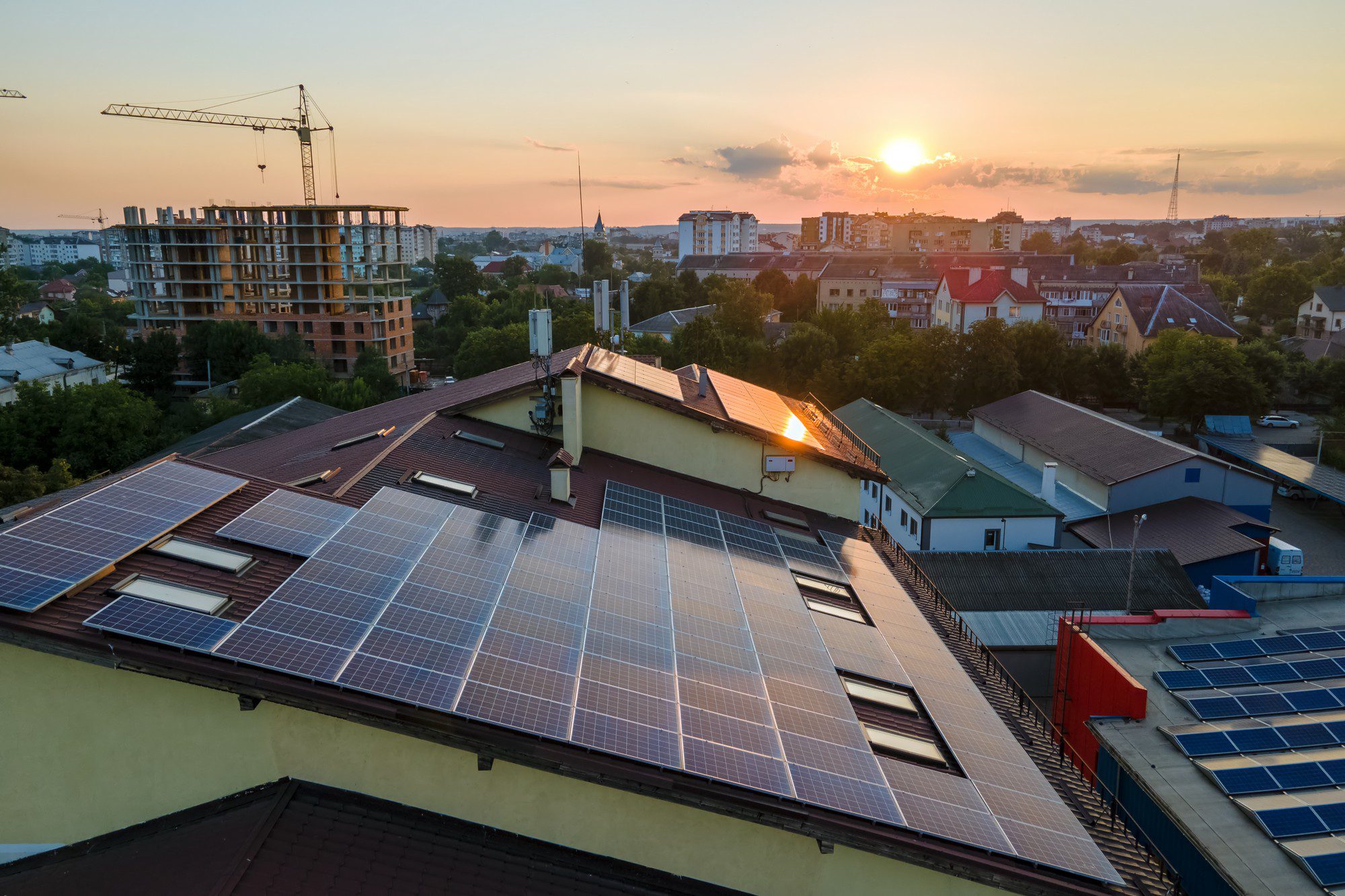
Solar panels on home roof

The Perfect Time to Adopt Solar Energy

Thinking of investing in solar energy? With over 16 years of experience in the green energy sector, Save Energy UK are the South’s leading specialists in solar panel installation and maintenance.

We will design and install a high-performance solar system for your home, cutting down your reliance on the National Grid and saving you thousands on your energy bills.

For a quote on your installation, fill out our online form or call us on 01202 986262!

Contact us today

To learn more about how we can work with you to supply solar panels, battery storage or insulation for your project, fill out this form and we’ll be in touch as soon as we can.