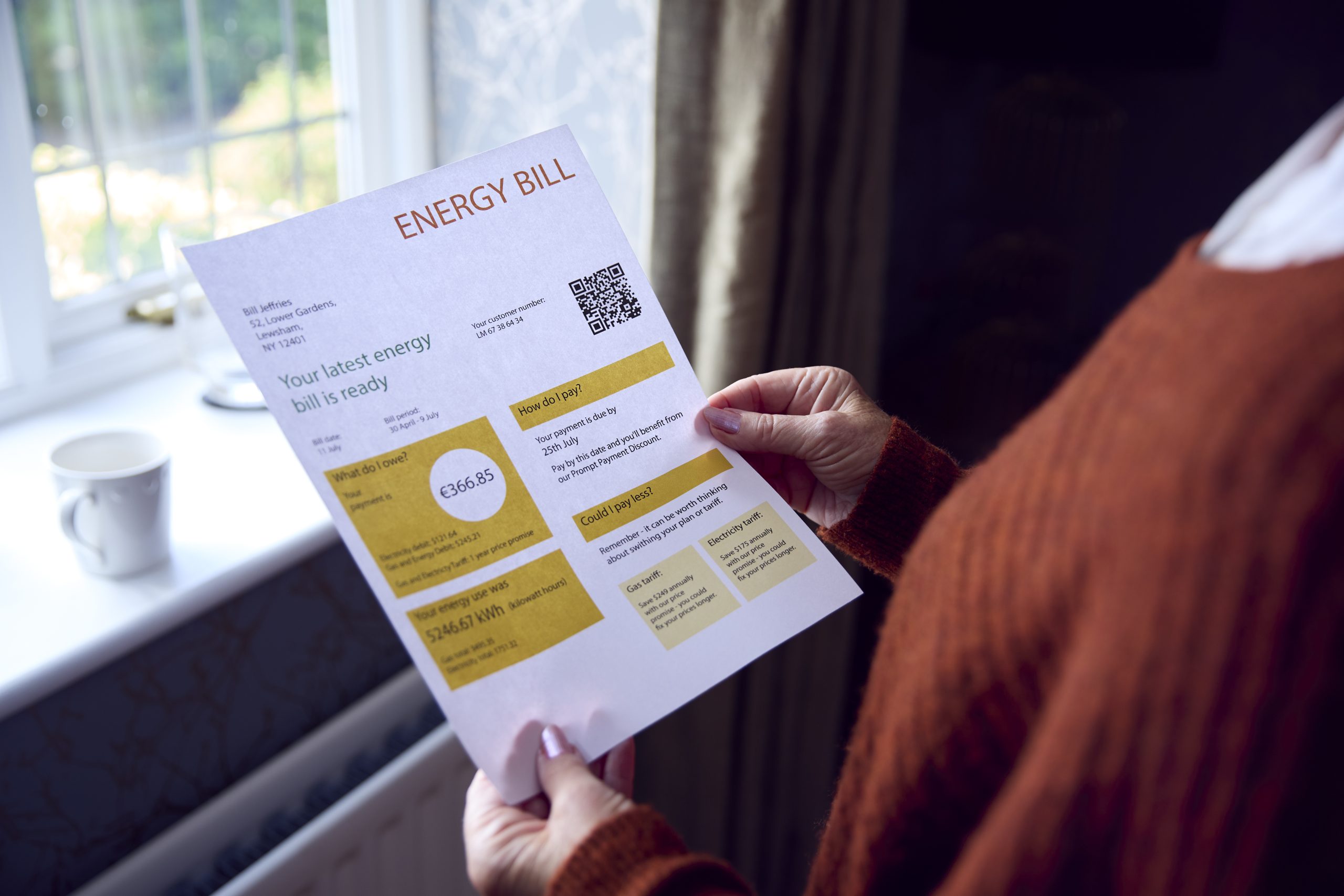

You’d be forgiven for thinking the energy market had at last turned a corner.
Ofgem’s price cap dropped at the beginning of the month, wholesale prices have begun to stabilise somewhat, and we’ve seen a quiet comeback of the fixed price tariff.
This might seem reminiscent of a more ‘usual’ market, but it’s one that has undergone fundamental change and is very much shaped by the energy crisis.
After so many suppliers went under two years ago, the big traditional providers have regained dominance, and focus has shifted to what they’re genuinely offering to customers.
Whilst wholesale prices have trended downwards, they remain significantly higher than pre-crisis and pre-pandemic levels, and this isn’t expected to change in the near future.
This means suppliers are now navigating uncharted waters: price isn’t the sole deciding factor anymore, and customers are expecting more from their providers.
Moreover, the previously fledgeling Octopus Energy has made a significant impact on the market, and the recent acquisition of Shell Energy customers could further disrupt the market as it contends for the leading position.
We explore why customers might find it challenging to secure affordable deals on both variable and fixed tariffs, where suppliers may seek to compete next, and the possibility of Octopus securing the top position.
How the Big 6 Regained Their Hold on the Energy Market
Two years back, Britain boasted 44 active domestic energy suppliers, a decrease from the 70-strong peak in 2018. Today, that number stands at merely 20.
An influx of smaller suppliers once meant consumers enjoyed reduced rates as they sought out the best deals, sidestepping the elevated costs that regular non-switchers faced.
However, the surge in wholesale energy prices in 2021 caught many off guard. Among them was Bulb Energy, with its sizeable clientele of 1.5 million. Sadly, their success became their undoing.
Martin Young, a utilities equity analyst at Investec, remarked, “There was a distinct push, both politically and by Ofgem, to view competition as the hallmark of success. It seemed to be about competition for the sake of it. The rates some were offering were clearly untenable.”
He further added, “You don’t need more than 70 suppliers to foster a competitive market, a fact made evident by the numerous collapses.”
A reduction in suppliers typically dampens competition. Now, with their hands tied due to elevated wholesale prices, the competitive deals of yesteryears are nowhere in sight.
Furthermore, many customers, previously aligned with smaller providers that folded, found themselves moved to Ofgem’s ‘supplier of last resort’ scheme, inadvertently expanding the customer base of the larger suppliers.
This widespread collapse prompted Ofgem to re-evaluate and strengthen the financial prerequisites for energy suppliers, thereby raising the entry and ongoing operational thresholds. According to Young, this is a prime factor behind the scarcity of competitive deals today.
The industry’s reshuffling left in its wake a cluster of ‘pragmatic’ suppliers, less likely to venture into the realm of unviable pricing.

Why Aren’t Fixed Price Tariffs More Competitive?
Following the decline in the October price cap, suppliers have discreetly rolled out fixed tariffs for their clientele. However, a glance at these offerings reveals that few are competitively positioned against the price cap, though they mark a step forward.
The majority of these tariffs hover slightly below or above the cap, making them redundant for those who aren’t seeking payment predictability in the coming months.
No Shift in Standing Tariffs
Standing charges – a consistent fee regardless of energy consumption – are anticipated to rise in the forthcoming months, drawing increased attention.
To truly foster competition, suppliers need to challenge the pricing of major players in the sector, opines Angharad Carrick. Yet, experts are sceptical about such a shift, noting the current trend seems to favour suppliers.
Ofgem has hinted at a provisional £17 bill hike to ‘safeguard the energy sector’. Reducing standing charges would impact suppliers’ profit margins, which might be questionable to consumers, especially in light of some suppliers’ impressive recent profits.
With wholesale prices descending as these tariffs came into play, why don’t they offer better value?
If you concur with Cornwall Insight’s energy specialists, who predict a price surge in January, these tariffs might be appealing. Their perceived non-competitiveness stems from market fluctuations, supplier strategies, and the energy price cap’s computation process.
With the price cap updated quarterly instead of biannually, Young believes it’s now more reflective of the prevailing market. “During the wholesale price surge, the cap was the most affordable option. Hence, many chose the cap at the end of their fixed deals,” he explained. “Due to the regular cap revisions, we’re unlikely to see huge deviations in fixed tariffs from the cap.”
Given the sustained elevated wholesale prices post-crisis, suppliers’ pricing flexibility is limited. Moreover, with a reduced number of emerging suppliers challenging the market, a significant departure from the price cap is improbable.
Energy specialist Gareth Kloet, associated with GoCompare, conveyed: “We don’t dictate that pricing. If energy’s future gets murkier, prices might soar. The regulator holds the cap, but their actions reflect market dynamics.”

Is Octopus Poised to Be Britain’s Premier Supplier?
While pricing competition may be stifled, suppliers aren’t about to halt their ambitions to expand their customer base.
Notably, Octopus Energy’s recent purchase of Shell Energy, following its acquisition of Bulb Energy, has made waves in the industry. With the Shell Energy deal and its 1.5 million customers, Octopus is close on the heels of British Gas for the title of the UK’s leading energy provider.
Gareth Kloet, energy expert at GoCompare, remarked, “Octopus has truly emerged as a formidable contender. If they manage to woo half a million British Gas customers, the market competition, especially between these giants, will intensify.”
According to Kloet, if he helmed British Gas, he’d be strategizing to retain their leadership. “Currently, British Gas’s strategy seems limited to reflecting the price cap. While Octopus might be preoccupied with customer transitions from Shell in the short term, there’s no doubt they have their sights set on the top spot.”
Considering the limitations on price adjustments due to the energy price cap and elevated wholesale prices, suppliers might differentiate themselves through customer service and diverse tariff options.
Young believes the rise of electric vehicles and solar panel setups presents an opportunity. Suppliers could focus on crafting innovative tariffs tailored to these sectors. “With the surge in EVs comes the demand for charging stations. Consumers with home chargers would prefer innovative tariff plans to benefit from cost-effective charging times,” Young stated.
Kloet adds that the provision of bundled services, like boiler coverage, might emerge as a way for suppliers to offer value beyond just energy, enhancing customer loyalty.
Recent Ofgem data indicates that, despite soaring prices, consumers are actively switching providers. In July 2023, switches increased by 18% from the previous month, marking a staggering 96% rise from July 2022. Although this is still 62% below figures from two years prior, the onset of colder months and the reintroduction of fixed-price tariffs might nudge more individuals to reconsider their choices.
Young opined, “A combination of pioneering tariffs and top-tier customer service will instigate change. The audience for this is expanding, and competition will thrive, albeit in a manner distinct from the traditional price-based rivalry.”
While consumers might not see a flurry of discounted deals this winter, the energy market’s temperature is undoubtedly rising.