Commercial Solar
The cost of installing commercial solar can prevent an otherwise suitable business from moving forward. Even when the projected savings are compelling, directors may prefer to preserve capital for recruitment, equipment, stock or expansion. A solar Power Purchase Agreement can offer another route.
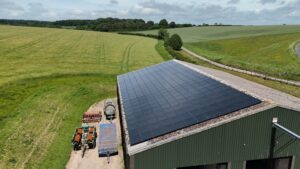
Under this arrangement, a third party typically finances, installs and maintains a commercial solar system. The business then purchases the electricity generated by the panels at an agreed rate. This can allow an organisation to benefit from solar without paying the full installation cost at the outset.
However, a PPA is a substantial commercial commitment. Whether it is suitable will depend on your electricity consumption, premises, financial position and long term plans. It is therefore important to compare the agreement with outright purchase and asset finance before reaching a decision.
What Is a Solar Power Purchase Agreement?
A solar Power Purchase Agreement is a contract between an electricity buyer and an energy generator or system provider. When the arrangement relates to a business, it may also be described as a Corporate Power Purchase Agreement.
For a typical onsite solar PPA, a provider arranges the funding and installation of solar panels at the business premises. The business purchases the renewable electricity produced by the system according to the pricing structure set out in the agreement.
Government guidance defines a PPA as a long term electricity purchase agreement between a generator and a buyer. It recognises onsite arrangements in which solar panels are installed on a business property and connected directly to the organisation using the electricity. GOV.UK
The business will usually continue to have a conventional electricity supply. Solar generation varies throughout the day and year, so the grid supplies additional electricity whenever the panels cannot meet demand.
How Does a Commercial Solar PPA Work?
Although every contract is different, an onsite commercial solar PPA will generally involve several stages.
First, the proposed provider examines the property, roof, electricity consumption and expected solar generation. It will also consider the financial strength of the business and the length of time it expects to remain at the premises.
If the site and organisation satisfy the provider’s criteria, the parties negotiate a contract. This should establish the electricity price, how that price may change, the length of the agreement, maintenance responsibilities and what happens when the contract ends.
The provider then finances and arranges the solar installation. It will normally retain ownership of the equipment during the agreement and remain responsible for specified maintenance and performance obligations.
The business purchases electricity from the solar system according to the agreed metering and payment structure. The rate may be fixed or linked to an index, so the method used to calculate future price changes requires careful examination.
Current Department for Education guidance describes a PPA model in which a private provider finances, installs and maintains solar panels without an upfront payment from the organisation. The organisation then purchases the electricity at a rate agreed in advance. GOV.UK
Why Might a Business Choose a Solar Power Purchase Agreement?
The principal attraction is the opportunity to use solar electricity without committing a substantial amount of capital at the beginning of the project.
This can be valuable for businesses that have large suitable roofs and consistent daytime electricity consumption but wish to protect their cash reserves. Solar may reduce the amount of electricity purchased from the grid, while the PPA can provide a clearer basis for forecasting part of the organisation’s energy expenditure.
Maintenance may also be simpler from the customer’s perspective. The provider will commonly retain responsibility for maintaining the installation during the term, although the exact extent of that obligation must be confirmed in the contract.
A PPA may also support environmental objectives. Using renewable electricity generated at the premises can contribute to a business’s efforts to reduce its operational emissions and demonstrate a practical commitment to sustainability.
Price certainty is another potential benefit. The Government’s 2026 review of Corporate Power Purchase Agreements notes that these contracts can help businesses secure more stable and predictable electricity prices. However, it also emphasises that pricing structures vary and must be assessed carefully. GOV.UK
Which Businesses Are Most Likely to Be Suitable?
A PPA is not automatically available to every organisation. Providers need confidence that the proposed installation and contract will remain commercially viable for many years.
Businesses with substantial daytime electricity demand may be more attractive because they can use a greater proportion of the solar electricity as it is generated. Examples may include manufacturers, warehouses, leisure facilities, offices, hotels, schools, care facilities and agricultural enterprises.
A provider is also likely to consider the financial standing of the organisation. Government evidence identifies creditworthiness, contract complexity and the need for a long term electricity commitment as important barriers within the wider corporate PPA market. GOV.UK
Suitability may depend on:
The condition and expected lifespan of the roof
The amount of usable roof or ground space
The orientation, pitch and level of shading
The building’s electrical infrastructure
The organisation’s daytime consumption pattern
The remaining term of any commercial lease
The property owner’s consent
The business’s credit position
Any anticipated sale, relocation or redevelopment
A company with low daytime consumption or uncertain plans for its premises may find it harder to justify a lengthy agreement.
Why Roof Condition and Occupancy Matter
A solar provider will not want to install equipment on a roof that may require substantial repairs during the contract. Removing and reinstating panels can be disruptive and expensive, so the roof should have a suitable remaining life.
This principle is reflected in current government guidance for the school solar PPA pilot, which states that applications will not be approved where roof condition is poor. The same guidance connects the PPA with an accompanying land lease, demonstrating how closely property rights and energy contracts can be linked. GOV.UK
Tenants will generally need the landlord’s written consent. Both parties should understand who is responsible for the roof, access, maintenance and reinstatement. The agreement must also address what happens if the lease expires, the tenant moves or the building is sold.
These matters should not be left until installation is approaching. They can determine whether the project is commercially and legally workable.
What Are the Potential Disadvantages?
A solar PPA removes or reduces the initial capital requirement, but the electricity is not free. The provider must recover its investment and generate a return through the electricity purchased over the contractual period.
Consequently, outright ownership will often deliver greater total savings over the full life of the system. Save Energy UK’s guidance explains that PPAs can produce savings without the same initial investment, while ownership usually offers a stronger long term financial return. Save Energy UK
The length of the commitment also deserves attention. Government evidence suggests that Corporate Power Purchase Agreements commonly run for ten to fifteen years, although individual onsite solar agreements may differ. Pricing may be fixed, linked to inflation or adjusted through another mechanism. GOV.UK
Before signing, a business should understand:
How the electricity price is calculated
Whether the rate increases during the term
Whether there is a minimum purchase obligation
Who receives income from exported electricity
Who is responsible for repairs and equipment replacement
What performance standards apply
What happens if the provider ceases trading
Whether the agreement can be transferred when the property is sold
What early termination would cost
Who owns the equipment when the agreement ends
Independent legal and financial advice can be particularly valuable because the contract may affect the property as well as the organisation’s future energy expenditure.
PPA Versus Outright Purchase and Asset Finance
A PPA is only one way to fund commercial solar.
Power Purchase Agreement
A PPA can reduce the need for initial capital. The provider typically owns and maintains the equipment, while the business purchases the electricity generated. This may suit organisations that value cash preservation and are comfortable with a lengthy contractual commitment.
However, the business does not initially own the solar asset, and its lifetime savings may be lower than they would be under ownership.
Outright Purchase
Purchasing the system gives the business ownership from the beginning. It receives the full value of the electricity generated, subject to operating and maintenance costs.
This route requires the greatest initial expenditure, but it can produce the strongest long term return for a suitable business. It also gives the owner greater control over the equipment, future upgrades and any exported electricity.
Asset Finance
Asset finance can spread the cost while still offering a route towards ownership. Repayments must be included in the financial assessment, but the business may retain more of the long term value than it would through a PPA.
The right choice depends on cash flow, borrowing capacity, tax position, energy use and plans for the premises. Businesses should obtain appropriate financial and tax advice rather than choosing solely on the apparent monthly cost.
What Does the Commercial Solar Process Involve?
A responsible commercial solar project begins with evidence, not assumptions.
The first stage should examine recent electricity bills and interval consumption data. This helps establish when the business uses energy and how closely its demand corresponds with expected solar production.
A technical survey can then assess the roof, electrical infrastructure, access requirements, shading and available installation space. The proposed system should be designed around the property and consumption profile rather than simply filling every available section of roof.
The business can then compare projected generation, consumption and costs under each funding route. Any PPA proposal should be reviewed alongside outright purchase and asset finance so that directors can consider both immediate cash flow and lifetime value.
Legal review, landlord consent, grid applications and structural assessments may also be required before installation begins.
Commercial Solar Experience from Save Energy UK
Save Energy UK has designed and installed solar systems for homes and businesses for more than twenty one years. The company is MCS certified and reports more than five thousand completed installations. Save Energy UK
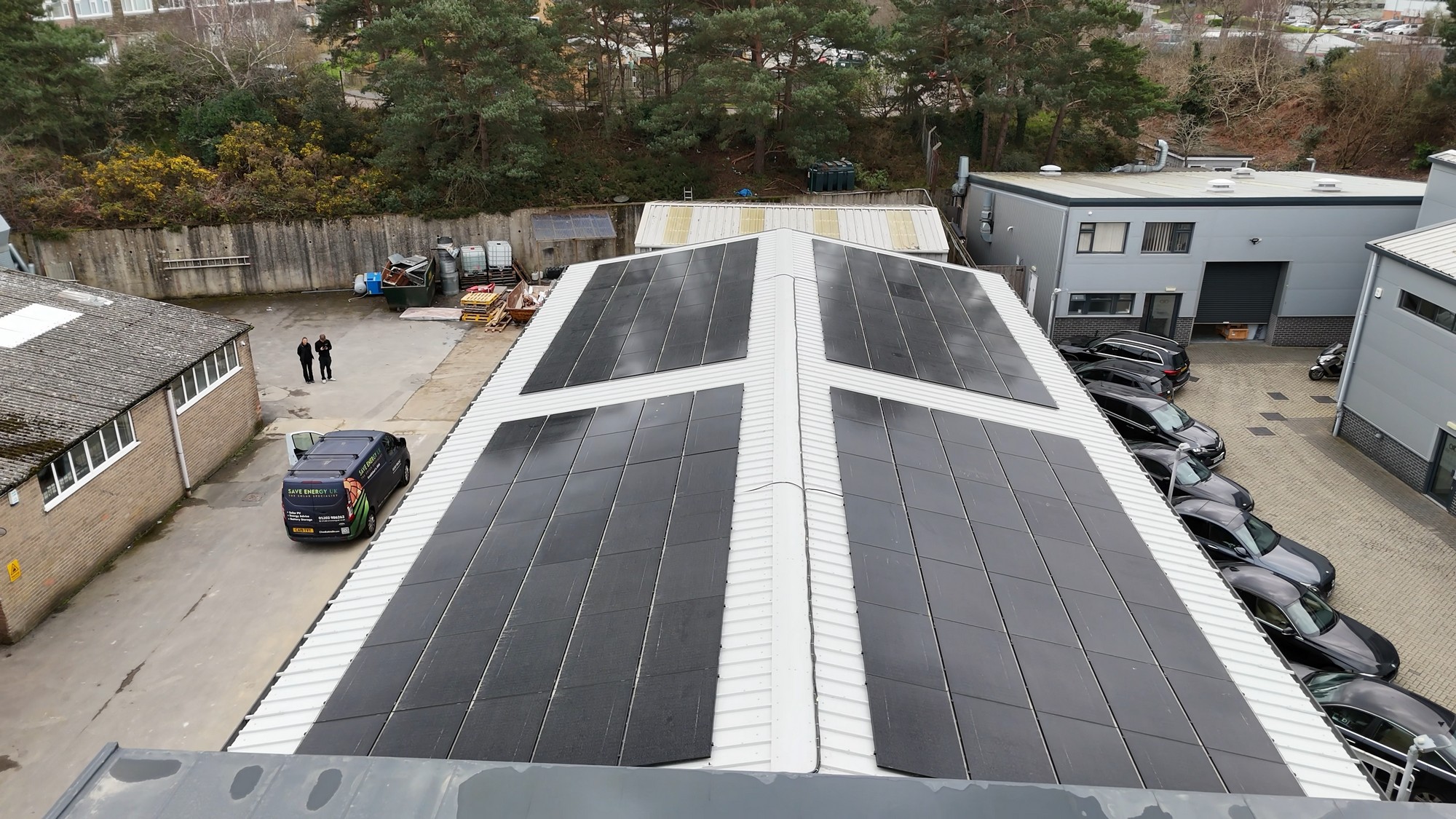
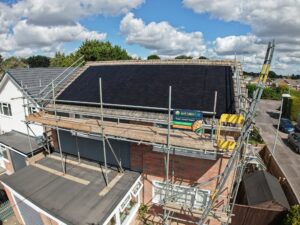
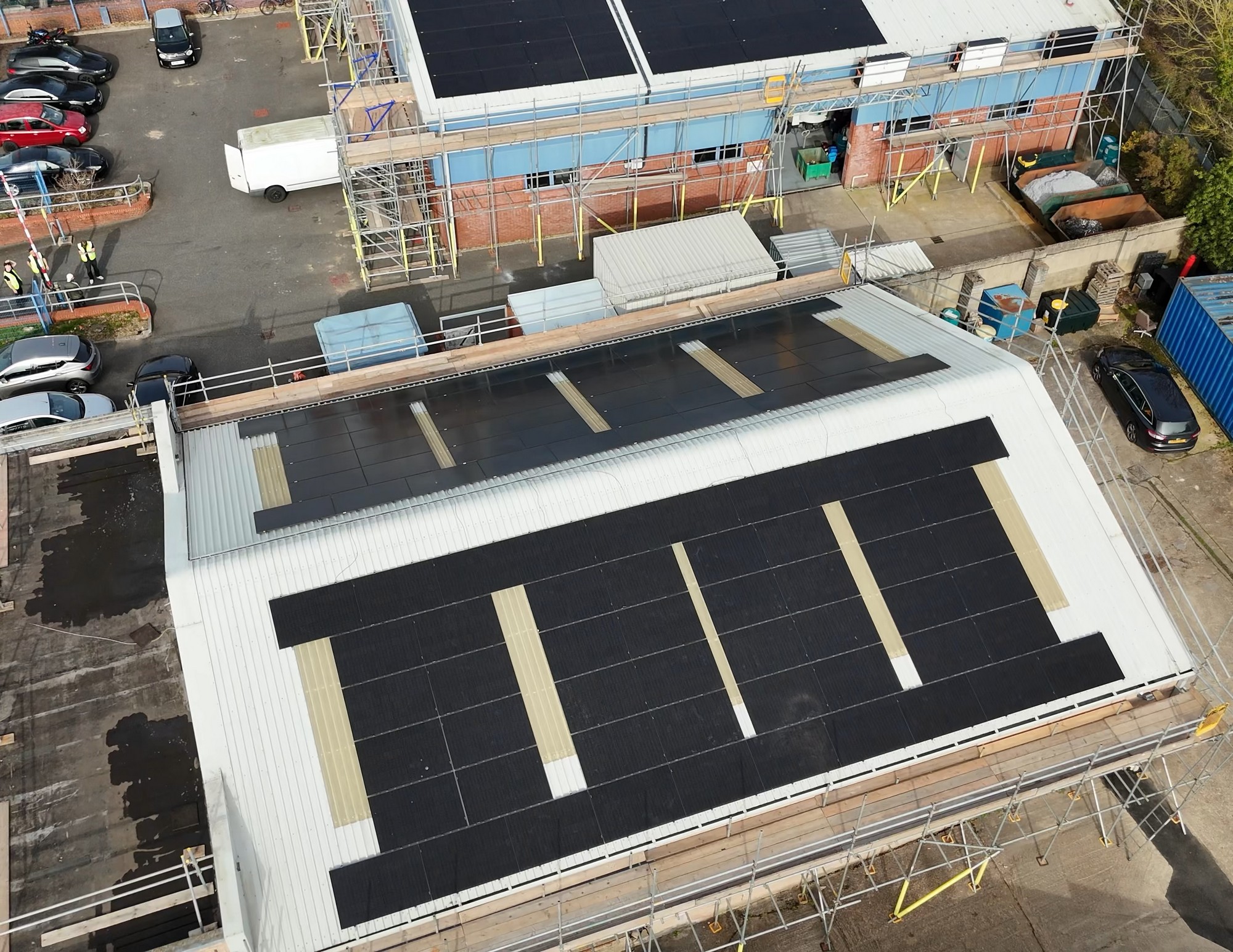
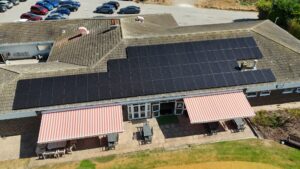
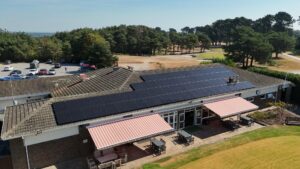
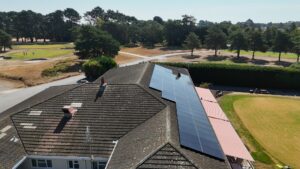
Its commercial portfolio demonstrates why each property requires an individual assessment. At Knighton Heath Golf Club, Save Energy UK installed a 30kW system comprising 75 panels, designed around the available clubhouse space and its electricity requirements. Save Energy UK
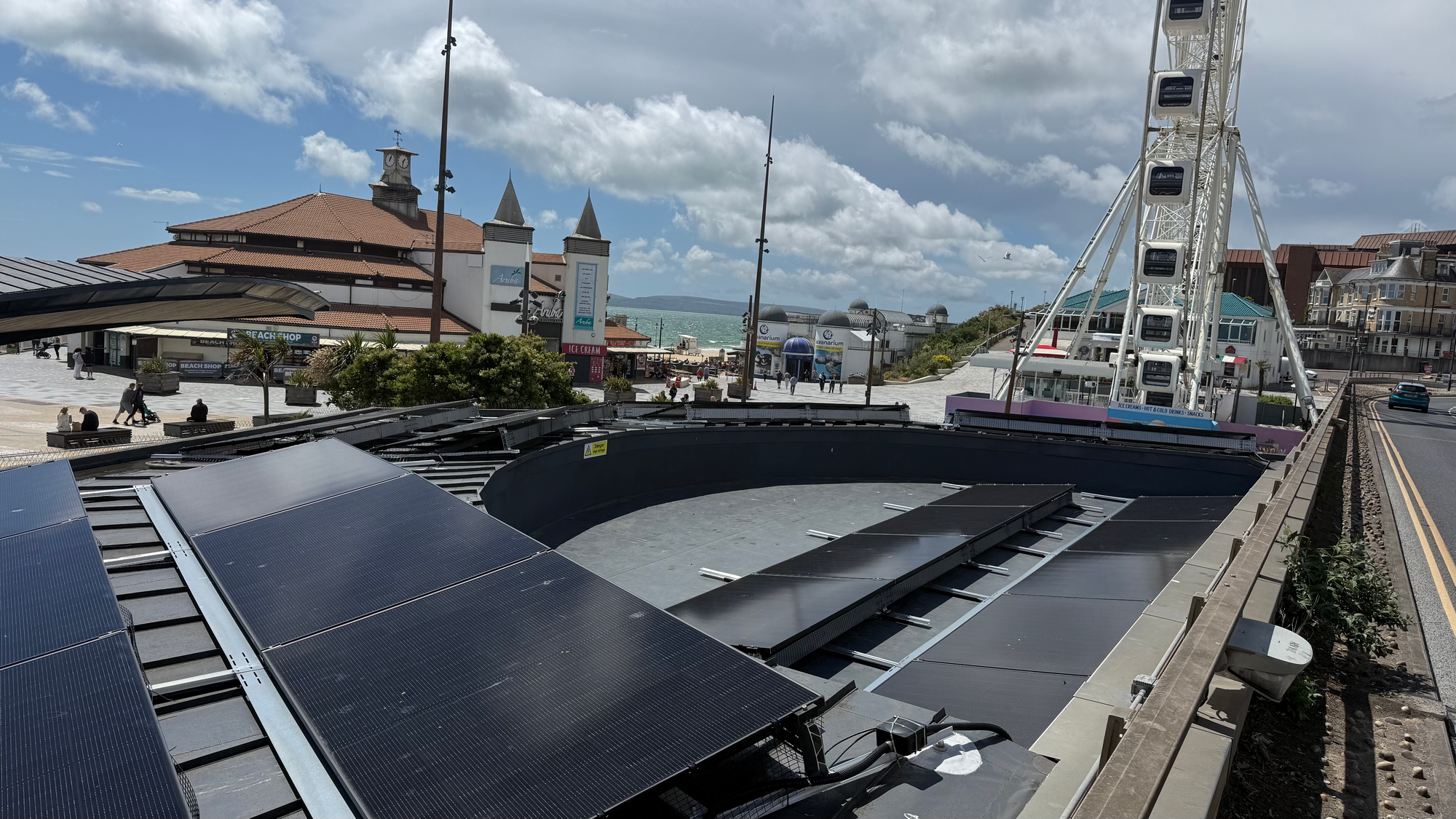
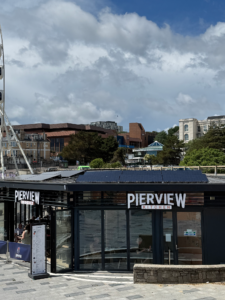
At PierView Café on Bournemouth Pier, the company installed a 12kW system with 27 panels. The project illustrates how commercial solar can be integrated into a busy public venue while supporting its operational and environmental aims. Save Energy UK
Save Energy UK discusses PPAs as one potential commercial solar funding model, but it does not present itself as a direct PPA provider. Its principal services include bespoke commercial solar design, installation and maintenance, with outright purchase and finance options forming part of the wider discussion.
Frequently Asked Questions
Can any business qualify for a solar Power Purchase Agreement?
No. Eligibility depends on the provider’s criteria. Electricity consumption, roof suitability, creditworthiness, property ownership and the organisation’s long term plans may all influence the decision.
How long does a commercial solar PPA last?
Terms vary. Government evidence indicates that Corporate Power Purchase Agreements commonly last between ten and fifteen years, although some agreements are longer. The precise term should be considered alongside price changes, exit provisions and property plans.
Who owns the solar panels during the agreement?
The provider commonly retains ownership during an onsite PPA. However, the contract should clearly state who owns the equipment, who maintains it and what happens to it when the agreement ends.
What happens at the end of a solar PPA?
Possible outcomes include transferring ownership, extending the agreement, replacing the system or removing the equipment. The contract must define the available options and any related costs.
Is a PPA better than purchasing commercial solar panels?
Not necessarily. A PPA may be attractive when preserving capital is a priority. Purchasing often provides greater lifetime savings and control. The better route depends on the business’s finances, energy consumption and long term plans.
Is a Solar Power Purchase Agreement Right for Your Business?
Your business may be able to install solar through a Power Purchase Agreement, provided the premises, electricity demand and financial circumstances meet the provider’s requirements.
A PPA can make commercial solar accessible without a large initial payment. Nevertheless, it also creates a long term commitment that must be examined carefully. Electricity pricing, property rights, maintenance obligations, transfer conditions and the eventual ownership of the system should all be clear before the agreement is signed.
Save Energy UK can assess your commercial property, analyse its electricity requirements and explain the solar options available. Businesses across the South Coast and Midlands can contact the team to arrange a free commercial solar survey and request a tailored quotation.