| Unit 20, Glenmore Centre, Poole, Dorset BH12 4FB | Mon–Fri 9:00am – 5:00pm
01202 986262 Get a Free Quote

What Should You Look for in a Solar Quote?

Solar Quote

For many businesses across England, the move towards solar energy is no longer a question of if, but when. Rising energy costs, environmental responsibilities, and long term financial planning are all driving organisations to consider commercial solar installation. Yet before any panels are installed, the journey begins with a solar quote.
Understanding what a solar quote should include is essential. It is not simply a price. It is a detailed proposal that outlines system design, projected performance, and long term value. Knowing how to read and assess a quote properly can make the difference between a sound investment and a costly misstep.

In this guide, we will explore exactly what to look for in a solar quote, helping businesses across the South Coast, the Midlands, and wider England make informed and confident decisions.

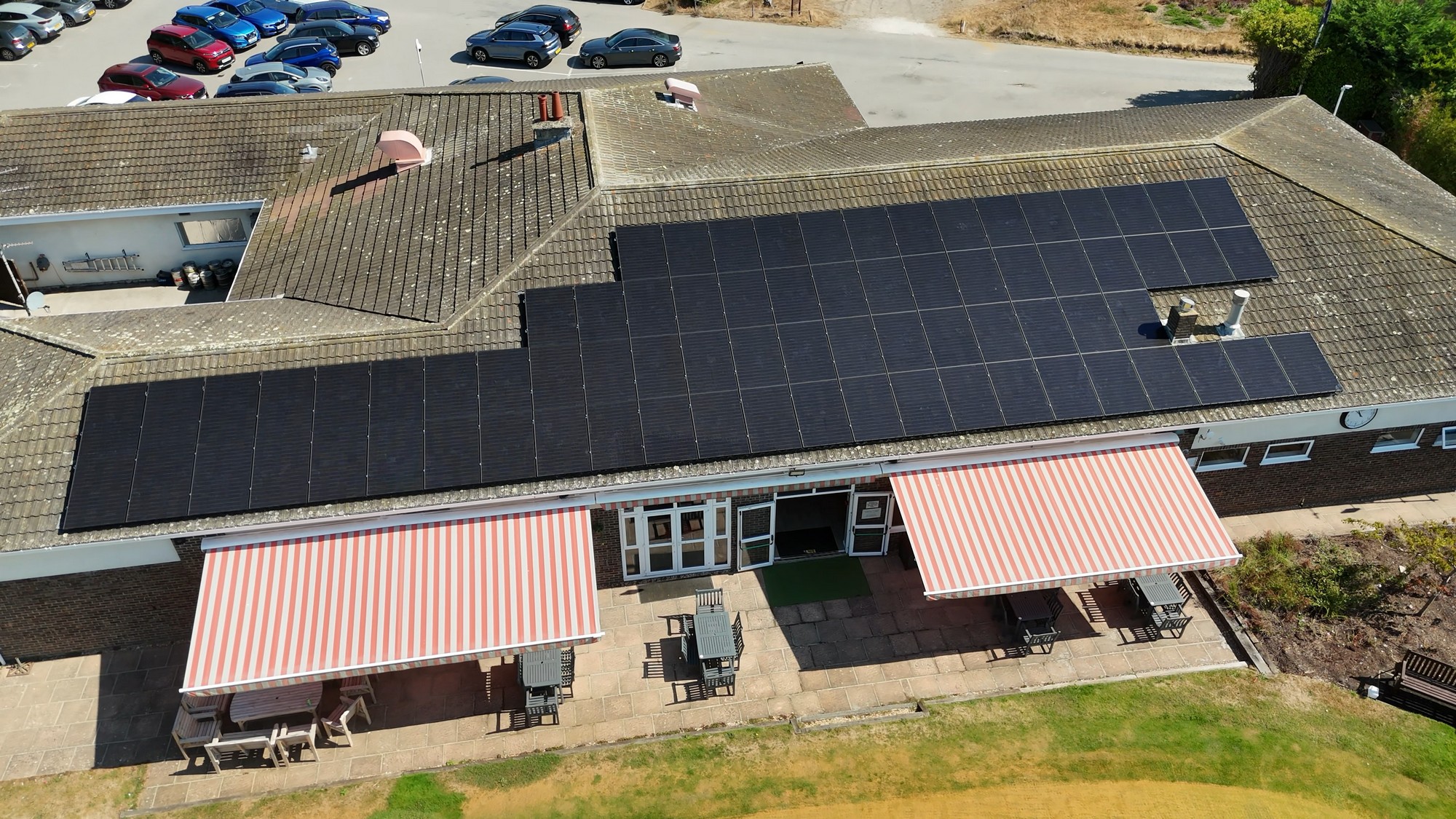
commercial solar panel

What is Included in a Solar Quote?

A solar quote is a comprehensive document that sets out the technical and financial details of a proposed solar energy system. For commercial properties, this tends to be far more detailed than a domestic equivalent, reflecting the scale and complexity of business energy demands.

A well prepared solar quote should include system specifications, equipment details, estimated energy generation, financial forecasts, installation timelines, and warranty information. It should also be tailored to your specific site, taking into account factors such as roof space, orientation, and current electricity usage.

Above all, a quality quote should offer clarity. It should allow you to understand not only what you are paying for, but why it has been designed in a particular way.

Key Things to Look for in a Solar Quote

System Size and Output

One of the first figures you will encounter is the system size, usually measured in kilowatt peak. This indicates the maximum output the system can generate under ideal conditions.

A reliable quote should explain how this size has been calculated based on your energy usage and available space. Systems that are too small may not deliver meaningful savings, while oversized systems can lead to unnecessary expense. Balance is key.

Panel Type and Quality

Not all solar panels are created equal. Differences in efficiency, durability, and manufacturer reputation can significantly affect performance over time.

Your quote should clearly state the make and model of panels being proposed. Look for well established manufacturers with strong performance guarantees. Higher quality panels often provide better long term returns, even if the initial cost is slightly higher.

Inverter Specifications

The inverter plays a vital role in any solar system, converting generated energy into usable electricity for your business.

A detailed quote will specify the inverter type and brand. Whether it is a string inverter or a more advanced system, the choice should suit the scale and layout of your installation. Reliability and warranty coverage are particularly important here, as the inverter is one of the most critical components.

Estimated Energy Production

A credible solar quote should include an estimate of annual energy production. This figure is typically based on location specific data, including sunlight levels across regions such as the South Coast and the Midlands.

Be wary of overly optimistic projections. A trustworthy provider will use realistic assumptions and clearly explain how these figures have been calculated.

Financial Projections and Return on Investment

For most commercial clients, the financial case for solar is paramount. Your quote should include projected savings, payback period, and overall return on investment.

These projections should be grounded in current energy prices and realistic usage patterns. It is also helpful if the quote outlines how rising energy costs could further improve returns over time.

Common Mistakes When Reviewing Solar Quotes

Many businesses focus heavily on price alone, assuming that the lowest quote represents the best value. In reality, this can be misleading.

Lower priced quotes may involve lower quality components, less accurate projections, or limited warranty coverage. Over time, these compromises can reduce system performance and increase maintenance costs.

Another common mistake is overlooking the detail. A vague or overly simplified quote can hide important omissions. If key information is missing or unclear, it is always worth seeking clarification before proceeding.

How to Compare Solar Quotes Effectively

When reviewing multiple quotes, consistency is essential. Ensure that you are comparing like for like systems in terms of size, equipment quality, and projected output.

It can be helpful to focus on long term value rather than upfront cost. A slightly higher initial investment may deliver significantly better returns over the lifespan of the system.

Ask questions where necessary. A reputable provider will be willing to explain their recommendations and provide supporting information. Clarity and openness are often strong indicators of a trustworthy partner.

Why Choosing the Right Commercial Solar Provider Matters

Beyond the figures and specifications, the experience and expertise of your chosen provider play a vital role in the success of your solar project.

A knowledgeable installer will design a system that is tailored to your business needs, ensuring optimal performance and long term reliability. They will also guide you through the process, from initial consultation to final installation and beyond.

Save Energy Commercial works with businesses across England, including the South Coast and the Midlands, delivering carefully considered solar solutions that prioritise efficiency, durability, and value. Their approach is rooted in technical expertise and a clear understanding of commercial energy requirements.

Conclusion

A solar quote is far more than a simple estimate. It is the foundation of your investment in renewable energy, and it deserves careful consideration.

By understanding what to look for, from system size and equipment quality to financial projections and warranties, businesses can approach solar with confidence and clarity.

If you are considering solar for your organisation, taking the time to review your options properly can lead to meaningful long term benefits. Speaking with an experienced provider can help you navigate the process and ensure that your system is designed to perform.

Frequently Asked Questions

What should a solar quote include?

A solar quote should include system specifications, equipment details, estimated energy production, financial projections, installation timelines, and warranty information. It should be tailored to your specific property and energy usage.

How much does a commercial solar system cost in the UK?

Costs can vary depending on system size, equipment quality, and installation complexity. Larger commercial systems require a higher initial investment but often deliver stronger long term returns.

How accurate are solar savings estimates?

Estimates are based on historical data and assumptions about future energy use and pricing. While they provide a useful guide, actual savings may vary slightly over time.

How long does it take to install a commercial solar system?

Installation timelines depend on the size and complexity of the project. Most commercial systems can be completed within a few weeks once all preparations are in place.

Can Solar Panels Charge Your Electric Vehicle at Home

Electric Vehicle Adoption

As electric vehicle adoption continues to grow across the United Kingdom, more homeowners are beginning to think beyond simply owning one. A common and increasingly important question is whether solar panels can be used to charge an electric vehicle at home. On the surface, it seems like the perfect pairing. You generate clean electricity from your roof and use it to power your car, reducing both your energy bills and your carbon footprint.

At Save Energy UK, we regularly speak with homeowners across Dorset who are exploring this exact possibility. The reality is encouraging. Not only can solar panels charge your electric vehicle, but with the right setup, it can also be a highly efficient and cost effective solution over time. That said, understanding how it works and what is required is essential before making any decisions.

How Solar Panels Power an Electric Vehicle at Home

To begin with, it is helpful to understand how solar panels generate electricity and how that energy can be used within your home. Solar panels capture daylight and convert it into usable electricity. This electricity is then used to power your home appliances, and any surplus energy can be redirected or stored.

When it comes to charging an electric vehicle, the process is surprisingly straightforward. During daylight hours, your solar panels generate electricity which is first used within your home. If there is excess energy available, it can then be directed towards your home EV charger. As a result, your electric vehicle can be powered using renewable energy produced on your own property.

In addition, if you have battery storage installed, any unused electricity generated during the day can be stored for later use. This is particularly useful if you prefer to charge your vehicle overnight, as the stored solar energy can then be used instead of relying on the grid.

Is Solar EV Charging Practical in the UK Climate

Naturally, many homeowners in Dorset and across the UK question whether solar panels are effective enough given our weather conditions. While it is true that the UK does not experience constant sunshine, modern solar technology is designed to perform efficiently even in overcast conditions.

Solar panels do not require direct sunlight to function. Instead, they generate electricity from daylight, which means they continue to produce energy even on cloudy days. Although output levels will vary throughout the year, the overall annual generation remains strong enough to make a noticeable difference.

For example, during the summer months, solar panels often generate more electricity than a household needs. This surplus can be used to charge your electric vehicle or stored for later use. In contrast, during winter, output is lower, but it still contributes to reducing your reliance on grid electricity. Therefore, while solar charging may not cover one hundred per cent of your needs year round, it can significantly offset your energy usage.

What Equipment Is Needed for Solar EV Charging

If you are considering charging your electric vehicle with solar panels, it is important to understand the key components involved. A complete system includes several elements working together to maximise efficiency.

Firstly, solar panels are installed on your roof to generate electricity. The size of the system will depend on your energy usage and how much of your electric vehicle charging you wish to cover.

Secondly, an inverter is required to convert the electricity generated by the panels into a usable form for your home. Without this, the energy produced cannot be used effectively.

In addition, a dedicated home ev charger is essential. This allows you to charge your vehicle safely and efficiently. Some advanced chargers can even prioritise solar energy, ensuring that your electric vehicle uses as much renewable power as possible.

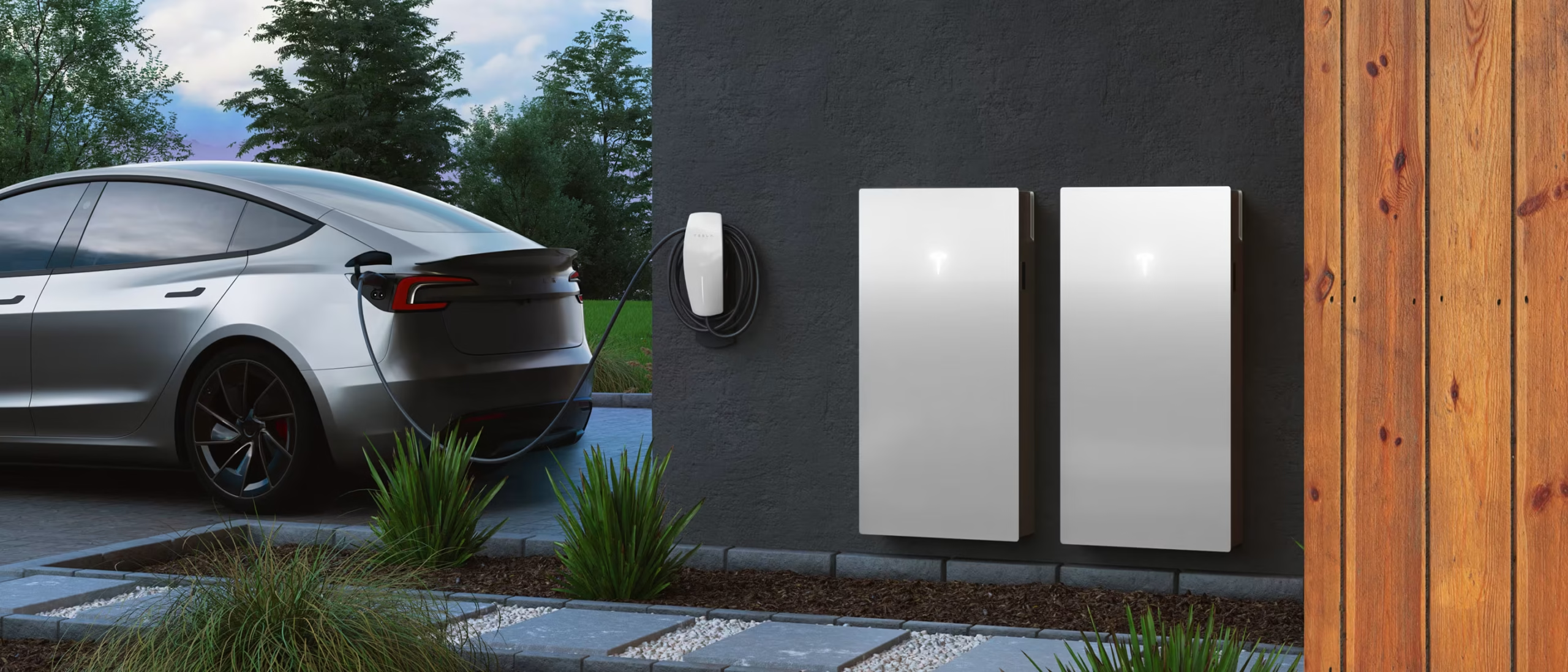
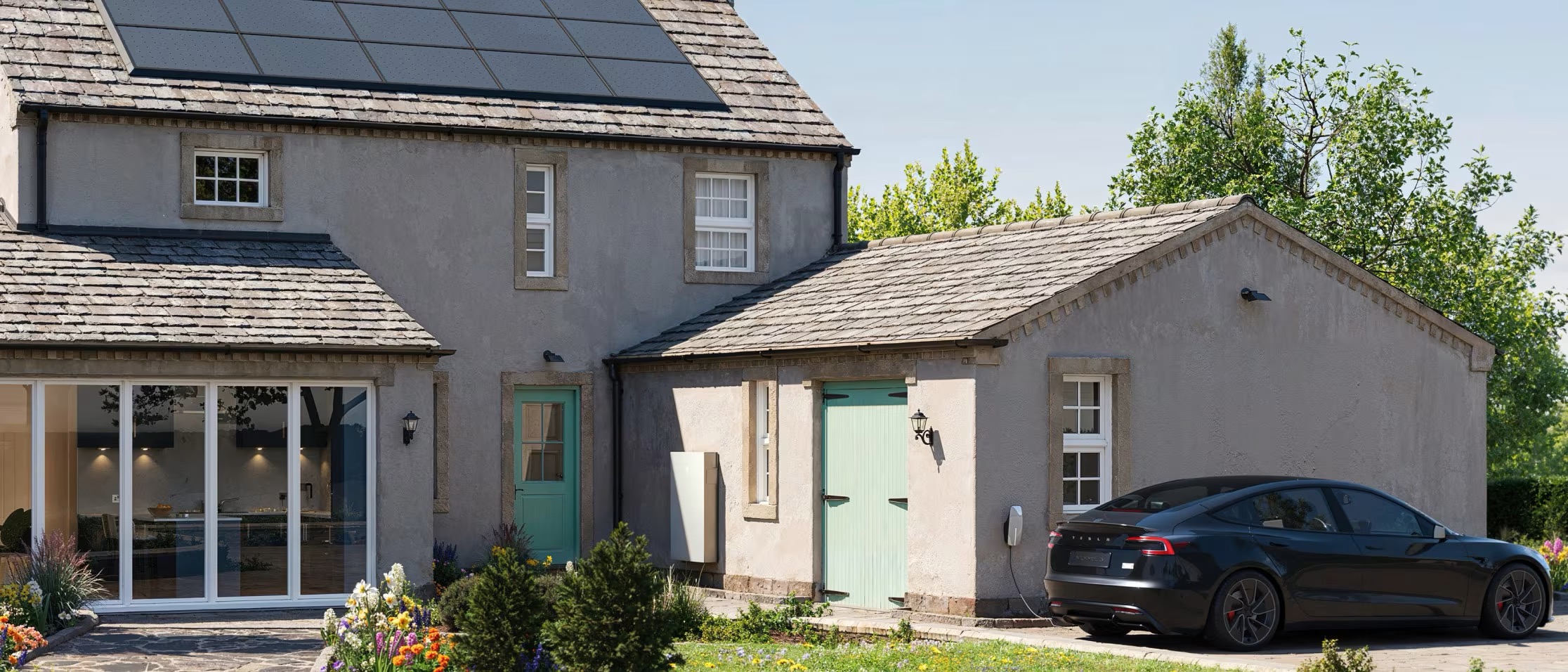
Finally, while not mandatory, battery storage can make a significant difference. Systems such as the Tesla Powerwall allow you to store excess solar energy generated during the day and use it later. This is particularly beneficial for evening or overnight charging and can dramatically improve the overall efficiency of your system.

Costs, Savings, and Long Term Value

When considering solar panels and electric vehicle charging, cost is naturally one of the most important factors. While the initial investment can seem substantial, it is important to look at the long term financial picture.

Installing solar panels, along with optional battery storage and a home EV charger, involves upfront costs. However, these costs are often offset over time through reduced electricity bills. By generating your own energy, you rely less on your energy supplier, which can protect you from rising energy prices.

Charging an electric vehicle using grid electricity can become expensive over time, particularly as energy costs fluctuate. In contrast, using solar energy allows you to significantly reduce these running costs. Over several years, many homeowners find that their system effectively pays for itself.

Furthermore, properties with renewable energy systems are often more attractive to buyers, which can increase the overall value of your home.

Key Benefits of Solar Powered EV Charging

There are several clear advantages to using solar panels to charge your electric vehicle at home. Not only does it make financial sense, but it also supports a more sustainable lifestyle.

One of the most significant benefits is the reduction in running costs. By using energy generated from your own solar panels, you reduce the amount of electricity you need to purchase from the grid.

In addition, solar energy is clean and renewable. Charging your electric vehicle in this way further reduces your environmental impact, making your transport even more sustainable.

Another important benefit is energy independence. By producing and storing your own electricity, you are less affected by changes in energy prices. This provides greater control over your household energy usage.

Finally, installing solar panels alongside an EV charging solution helps future proof your home. As electric vehicles become more common, having an integrated system in place can make your property more appealing in the long term.

Are There Any Limitations

While the advantages are compelling, it is important to approach solar EV charging with realistic expectations. Like any energy system, there are certain limitations to consider.

Solar energy generation varies throughout the year, meaning you may still need to rely on grid electricity during periods of lower output. Additionally, the effectiveness of your system will depend on factors such as roof orientation, available space, and shading.

There is also an initial investment required, which may not suit every budget immediately. However, with careful planning and expert guidance, these challenges can be managed effectively.

solar panel installation in dorset

What This Means for Homeowners in Dorset

For homeowners in Dorset, solar panels offer a particularly attractive opportunity. The region benefits from a good balance of daylight throughout the year, making solar energy a viable and reliable option.

With the right system in place, you can generate your own electricity, charge your electric vehicle using renewable energy, and significantly reduce your reliance on the grid. Over time, this can lead to meaningful savings and a more sustainable way of living.

At Save Energy UK, we specialise in helping homeowners across Dorset design and install systems that are tailored to their specific needs. Whether you are just starting to explore solar panels or looking to integrate EV charging into your home, expert advice can make all the difference.

Frequently Asked Questions

Can solar panels fully charge an electric vehicle

Yes, in many cases they can. However, this depends on the size of your solar panel system, your energy usage, and whether you have battery storage.

Do I need battery storage to charge my electric vehicle

No, but it is highly recommended. Battery storage allows you to use solar energy even when your panels are not actively generating electricity.

Is solar EV charging effective in the UK

Yes, despite the weather, solar panels in the UK can generate enough energy over the course of a year to make EV charging both practical and cost effective.

How much can I save by charging my electric vehicle with solar

Savings will vary depending on your system and usage, but many homeowners see a significant reduction in their electricity bills over time.

Speak to Save Energy UK Today

If you are considering solar panels and want to explore whether they can power your electric vehicle at home, Save Energy UK is here to help. As a trusted local specialist in Dorset, we provide tailored advice, high quality installations, and ongoing support to ensure you get the most from your investment.

Get in touch today to request a free quote, speak with our team, or submit an enquiry through our contact form. Your journey towards cleaner, more affordable energy starts here.

How Much CO₂ Can the Average UK Home Cut with Solar?

Introduction

Across the United Kingdom, homeowners are increasingly asking an important question. How much difference can one household truly make in the fight against climate change? While national policies and global agreements dominate the headlines, the reality is that meaningful change often begins at home.

One of the most effective steps a household can take is installing solar panels. By producing clean electricity directly from sunlight, solar energy allows homes to reduce their reliance on fossil fuel generated power. The result is a measurable reduction in carbon dioxide emissions.

For homeowners in Bournemouth, Poole, Christchurch and across Dorset, solar energy is becoming an increasingly attractive option. Not only can it reduce electricity bills, it can also dramatically shrink the environmental footprint of a home.

But how much carbon can the average household realistically cut by switching to solar power? Let us explore the science, the numbers, and the real environmental impact.

Understanding Carbon Emissions in the Home

Carbon dioxide, often abbreviated as CO₂, is one of the primary greenhouse gases responsible for climate change. It is released whenever fossil fuels such as coal, oil, or natural gas are burned to produce energy.

In the United Kingdom, a large proportion of electricity still comes from gas powered generation. Although the grid is becoming greener each year, conventional electricity still carries a significant carbon footprint.

Homes contribute to carbon emissions in several ways:

• Electricity consumption
• Gas used for heating and hot water
• Household appliances and electronics
• Electric vehicle charging

Every time electricity is drawn from the grid, it carries the emissions associated with how that electricity was generated.

Solar panels change this equation entirely.

The Average Carbon Footprint of a UK Household

To understand the potential impact of solar panels, we first need to consider the average carbon footprint of a home.

Studies estimate that a typical household in the United Kingdom produces a significant amount of carbon emissions each year through energy consumption and daily activities. In terms of electricity alone, solar can make a considerable dent in this figure.

Even modest reductions at the household level can scale into enormous national benefits when millions of homes participate.

For example, if large numbers of UK homes installed rooftop solar systems, millions of tonnes of carbon emissions could be prevented every year.

How Solar Panels Reduce Carbon Emissions

Solar panels generate electricity by converting sunlight into usable power through photovoltaic cells. This process produces no direct carbon emissions.

When your solar panels produce electricity, your home uses that power first. This means you draw less electricity from the national grid.

Each unit of solar electricity replaces power that would otherwise have been generated by fossil fuel power stations.

This is the fundamental mechanism through which solar reduces emissions.

The environmental advantages of solar energy include:

• Electricity generation with no direct emissions
• Reduced reliance on gas powered electricity stations
• Long operational lifespans of twenty five years or more
• Rapid carbon payback after manufacturing

Research suggests that solar panels typically repay the carbon produced during their manufacturing within just a few years of operation. After that point, they provide decades of clean electricity.

How Much CO₂ Can Solar Panels Save Each Year?

The most important question for many homeowners is simple. How much carbon can solar actually reduce?

For a typical UK home with a standard rooftop system, the annual carbon savings are substantial.

A typical solar panel system installed on a UK home can save around 0.7 to 1 tonne of CO₂ every year, depending on system size and household electricity usage.

In some cases, a well sized solar installation can reduce emissions even further.

Other studies suggest an average household solar system can cut over 900 kilograms of CO₂ annually.

To put this into perspective:

• Around one tonne of CO₂ is comparable to driving a petrol car for roughly 3,600 miles
• Over twenty five years, solar panels could prevent 20 to 40 tonnes of carbon emissions from entering the atmosphere

For a single household, this is a remarkable environmental contribution.

What Affects Solar Carbon Savings?

While solar panels deliver impressive carbon reductions, the exact savings will vary between homes.

Several factors influence how much carbon a household can cut.

Roof Orientation

South facing roofs typically produce the most electricity, although east and west facing roofs can still generate significant power.

System Size

Larger solar systems produce more electricity and therefore displace more grid energy.

Household Energy Use

Homes that consume more electricity during the day will benefit from using their solar energy directly.

Location

Although the United Kingdom is not known for tropical sunshine, modern solar panels work effectively even in cloudy conditions.

Homes in Dorset, Bournemouth, Poole and Christchurch receive plenty of daylight throughout the year, making solar a reliable renewable energy source.

How Battery Storage Can Increase Carbon Savings

Solar panels generate electricity during daylight hours. However, households often use the most electricity in the morning and evening.

Battery storage helps bridge this gap.

By storing surplus electricity generated during the day, a battery allows homeowners to use solar energy long after the sun has set.

Advanced systems such as the Qcell battery can dramatically increase the proportion of solar electricity used within the home.

The environmental benefits include:

• Reduced reliance on grid electricity during evenings
• Greater use of renewable energy generated at home
• Improved energy independence

For many households, pairing solar panels with battery storage significantly increases the carbon savings achieved over time.

solar panel installation in dorset

What Do Solar Carbon Savings Look Like in Real Life?

Numbers alone can sometimes feel abstract, so it is helpful to visualise the impact.

If a typical UK solar system saves roughly one tonne of CO₂ per year, that could be equivalent to:

• Planting around forty trees every year
• Avoiding thousands of miles of petrol car travel
• Preventing many tonnes of carbon emissions over the lifespan of the system

Over the course of twenty five years, a household solar installation could prevent the equivalent emissions of several cars driving around the Earth many times.

When multiplied across thousands of homes, the environmental impact becomes enormous.

Why More UK Homes Are Switching to Solar

Solar adoption across the United Kingdom has accelerated in recent years.

Several factors are driving this shift.

First, electricity prices have risen significantly, prompting households to seek greater energy independence.

Second, solar technology has improved dramatically. Panels are now more efficient, longer lasting, and more affordable than ever before.

Third, homeowners are increasingly aware of their environmental impact and want to contribute to a cleaner future.

For homeowners in Dorset and across the South Coast, solar panels offer a practical and meaningful way to reduce both energy costs and carbon emissions.

Why Dorset Homes Are Well Suited to Solar Energy

Many properties in Bournemouth, Poole and Christchurch have favourable roof space for solar panels.

The South Coast also enjoys strong daylight hours compared with many northern regions of the country.

Combined with modern solar technology, this makes Dorset an excellent location for residential solar installations.

Local homeowners are increasingly searching for solar companies near me to explore how renewable energy can transform their homes.

With expert design and installation, solar panels can deliver reliable clean energy for decades.

solar panels for your home

The Long Term Environmental Impact

Solar energy represents one of the most effective ways households can reduce their environmental impact.

Unlike many lifestyle changes, installing solar panels delivers measurable carbon reductions year after year.

Over the lifespan of a typical system, homeowners can prevent tens of tonnes of carbon emissions from entering the atmosphere.

At scale, widespread solar adoption has the potential to transform the UK energy landscape and accelerate the journey towards net zero.

Why Choose Save Energy UK

If you are considering solar panels in Bournemouth, Poole or Christchurch, working with a trusted local installer is essential.

Save Energy UK specialises in designing high quality solar systems tailored to each home. Their team helps homeowners maximise both energy savings and environmental benefits.

From system design to installation and battery integration, they guide customers through every step of the process.

Take the First Step Towards Cleaner Energy

Solar panels offer a rare combination of financial and environmental rewards. They reduce electricity bills, increase energy independence, and dramatically cut household carbon emissions.

For the average UK home, solar panels can prevent close to a tonne of carbon dioxide from entering the atmosphere every single year.

If you would like to discover how much your home could save, contact Save Energy UK today for expert advice and a personalised solar consultation.

A cleaner, more sustainable home may be closer than you think.

Solar Panels vs Heat Pumps: Which Is Better for UK Homes?

Renewable Energy

Energy bills remain a pressing concern for households across the United Kingdom. Even in 2026, many families are searching for meaningful ways to reduce their reliance on volatile energy markets and take greater control of their household spending. Renewable energy for homes has shifted from a niche interest to a serious financial consideration. Two technologies dominate the conversation: solar panels UK and heat pumps UK.

Both promise lower bills, reduced carbon emissions, and greater energy independence. Yet they operate in entirely different ways. One generates electricity from daylight. The other extracts heat from the air to warm your home. The question many homeowners ask is simple. Which is better?

The answer depends upon your property, your budget, and your long term goals. Let us explore the matter carefully and with clarity.

Understanding Solar Panels UK

Solar panels convert daylight into electricity. Even on overcast British days, modern systems generate meaningful power. A typical domestic solar panel installation UK in 2026 costs between £6000 and £9000 for an average three bedroom property, depending on system size and roof orientation.

When paired with solar battery storage, excess electricity generated during the day can be stored for evening use. This significantly increases savings and reduces reliance on the grid.

Solar panels primarily reduce your electricity bill. If your home uses electricity for appliances, lighting, and possibly electric vehicle charging, the impact can be considerable.

Lifespan and Maintenance

Solar panels are remarkably durable. Most systems come with performance warranties of twenty five years or more. Maintenance requirements are minimal. Occasional cleaning and periodic checks are usually sufficient.

Financial Support

Government grants for solar panels have evolved in recent years. While direct national grants are limited, schemes such as ECO4 may provide support for eligible households, particularly those on lower incomes or in less efficient homes. In addition, zero VAT on domestic solar installations continues to make the technology more accessible.

Understanding Heat Pumps UK

Heat pumps operate very differently. Rather than generating electricity, they transfer heat from outside air into your home. The most common system in Britain is the air source heat pump.

In 2026, air source heat pump cost typically ranges from £10000 to £16000 depending on property size and required upgrades. This is a more significant initial investment than solar panels.

Running Costs and Efficiency

Heat pump running costs depend heavily on insulation levels and radiator compatibility. A well insulated home can see substantial savings compared with traditional gas boilers. Poorly insulated properties may require additional upgrades to maximise efficiency.

Heat pumps run on electricity. This means that electricity prices directly influence operating costs. For this reason, many homeowners choose to combine heat pumps with solar panels to offset electricity consumption.

Government Incentives

The Boiler Upgrade Scheme remains one of the most significant incentives available. In 2026, eligible households can receive a grant of £7500 towards the installation of an air source heat pump. This reduces the financial barrier considerably, though the remaining investment is still substantial.

ECO4 scheme support may also apply in certain cases, particularly where improvements to insulation are required.

Upfront Costs Compared

Solar panels UK typically require a lower initial outlay than heat pumps. For many households, this makes solar the more accessible first step.

A typical comparison might look as follows:

Aspect | Solar Panels | Heat Pumps
Initial cost | £6000 to £9000 | £10000 to £16000
Government support | ECO4 eligibility and zero VAT | Boiler Upgrade Scheme £7500 grant
Primary saving | Electricity bills | Heating bills
Disruption level | Low | Moderate

While grants narrow the gap, heat pumps still demand a greater financial commitment and often require radiator upgrades or insulation improvements.

Installation Process and Disruption

Solar panel installation UK is generally straightforward. Panels are mounted on the roof, an inverter is installed, and the system is connected to your consumer unit. Most installations are completed within one to two days.

Heat pump installation is more involved. It may require new pipework, upgraded radiators, or even internal system redesign. Installation can take several days and involves more disruption within the home.

For households seeking a simpler and less intrusive upgrade, solar panels are often the easier choice.

Energy Savings Potential

Solar panels reduce electricity bills immediately. A well sized system can cover a significant portion of a household’s daytime electricity use. When paired with battery storage, savings increase further by reducing peak time grid usage.

Heat pumps reduce heating costs by replacing gas or oil systems with a more efficient electric alternative. However, the savings depend heavily on insulation quality and electricity tariffs.

For properties that already have modern gas boilers and average insulation, the financial difference may not be dramatic in the short term. In contrast, solar panels offer visible electricity savings from the outset.

Running Costs Over Time

Heat pump running costs are closely linked to electricity prices. If electricity tariffs rise, operational costs follow.

Solar panels, by contrast, generate free electricity once installed. There are no fuel costs. Over a twenty five year lifespan, this creates significant cumulative savings.

When considering long term financial resilience, solar panels provide protection against future electricity price volatility.

Property Suitability

Heat pumps perform best in well insulated homes with underfloor heating or large radiators. New build properties are particularly well suited.

Older housing stock, which represents a substantial portion of homes in Dorset and across the South West, may require insulation upgrades before a heat pump can operate efficiently.

Solar panels are more universally adaptable. If your roof has adequate space and reasonable orientation, solar is usually viable. Planning restrictions are minimal in most residential settings.

Maintenance and Longevity

Solar panels demand very little attention. Inverters may require replacement after ten to fifteen years, but panel degradation is slow and predictable.

Heat pumps require more regular servicing, similar to traditional heating systems. While modern units are reliable, they contain moving components that inevitably experience wear over time.

Over decades, simplicity often proves financially advantageous.

Can You Have Both

The most effective renewable strategy is often a combination of technologies. Installing solar panels alongside a heat pump allows homeowners to generate the electricity required to power their heating system.

This hybrid approach can dramatically reduce running costs and carbon emissions. However, it represents a larger overall investment and may not be necessary for every household.

For many UK homeowners, beginning with solar panels provides immediate savings and establishes a foundation for future upgrades.

Which Is Better for UK Homes

There is no universal answer, yet patterns do emerge.

If your priority is reducing electricity bills with minimal disruption and moderate upfront cost, solar panels UK are often the most practical starting point.

If your primary concern is replacing a failing gas boiler and decarbonising your heating system, heat pumps UK may be the appropriate solution, particularly when supported by the Boiler Upgrade Scheme.

For the average British household in 2026, solar panels typically offer faster visible savings, lower installation complexity, and broader property compatibility.

ecoflow

Frequently Asked Questions

Are solar panels worth it in the UK climate

Yes. Modern solar technology performs efficiently even in cloudy conditions. The United Kingdom receives sufficient daylight throughout the year to generate meaningful electricity savings.

What is the average air source heat pump cost in 2026

Most installations range between £10000 and £16000 before grants. The Boiler Upgrade Scheme currently offers £7500 towards eligible installations.

Do solar panels increase property value

Studies suggest that energy efficient homes are increasingly attractive to buyers. Solar installations can enhance an Energy Performance Certificate rating, which may positively influence market appeal.

Can I combine solar battery storage with a heat pump

Yes. Solar battery storage allows you to power your heat pump using electricity generated during the day, reducing reliance on the grid.

Which saves more money long term

Savings depend upon property type and energy usage. For many households, solar panels provide consistent long term electricity savings with lower complexity.

Taking the Next Step with Confidence

Choosing between solar panels and heat pumps should not feel overwhelming. Both technologies represent meaningful progress towards cleaner, more efficient homes.

If you are unsure which solution best suits your property in Dorset, the South West, or elsewhere in the United Kingdom, a professional assessment is invaluable. At Save Energy UK, our advisors take the time to understand your home, your budget, and your ambitions.

A free home assessment can clarify projected savings, available government support, and installation requirements. Whether you are exploring solar panel installation UK, considering solar battery storage, or evaluating heat pumps UK, informed guidance ensures sound decisions.

Rising energy costs need not dictate your future. With thoughtful investment and expert support, your home can become more efficient, more resilient, and more economical for decades to come.

To discuss your options and receive a personalised quotation, speak with the team at Save Energy UK today. Your journey towards lower bills and sustainable living begins with a single conversation.

Are Solar Panels Worth It for Small Homes and Terraced Houses in the UK?

Detached Properties

For many homeowners living in small homes and terraced houses, the same question quietly lingers. Is my property simply too small for solar panels to make financial sense

With energy prices in England remaining unpredictable and household budgets under pressure, solar panels are no longer viewed as a luxury reserved for large detached properties. Increasingly, owners of compact homes are exploring whether a modest roof can still deliver meaningful savings.

The reassuring truth is this. Solar panels can be highly effective for small homes. In many cases they offer an excellent return on investment when designed and installed correctly.

At Save Energy UK, we regularly install systems on terraced and smaller properties across England. Size is rarely the obstacle people imagine it to be.

Are Solar Panels Suitable for Small Homes?

A smaller roof does not mean solar is unsuitable. It simply means the system must be carefully designed to maximise efficiency.

Modern solar panels are far more efficient than those installed a decade ago. Even with fewer panels, a well planned system can generate substantial electricity for everyday household use.

Most small homes in England can accommodate a system between 3 kilowatts and 4 kilowatts depending on roof layout. A 3 kilowatt system may require around eight to ten panels, while a 4 kilowatt system may require ten to twelve panels. Many terraced houses comfortably support this.

The key factors are:

Roof orientation
South facing roofs offer optimal output, though east and west facing roofs can still perform very well

Roof pitch
A pitch between thirty and forty degrees is typically ideal in England

Shading
Limited shading from neighbouring buildings or trees improves generation

Even if roof space is restricted, careful panel placement often achieves impressive results. In truth, most small homes use less electricity than larger properties, which means a smaller system can still offset a significant proportion of usage.

Do Solar Panels Work on Terraced Houses?

Terraced houses often raise specific concerns. Shared walls, narrower rooflines, and potential shading from adjacent properties can seem problematic.

However, terraced houses are among the most common properties for solar installations in England.

Many terraces benefit from uninterrupted roof slopes. While the roof may be narrower, it is often long and clear of obstructions. Installers can configure panels in portrait or landscape arrangements to maximise available space.

Split roof layouts are also manageable. If the front roof faces east and the rear roof faces west, generation can be balanced across the day. This can actually be advantageous, providing electricity in both morning and afternoon peaks.

In conservation areas or listed properties, additional considerations may apply. Yet in most cases across England, solar panels fall under permitted development and do not require planning permission, provided they meet standard height and projection limits.

With professional assessment, terraced housing is rarely a barrier.

Cost Versus Savings in England

The central question remains financial. Are solar panels worth it for small homes when costs are considered carefully

In England, a typical 3 to 4 kilowatt system for a small home may cost between five thousand and seven thousand pounds, depending on equipment quality and installation complexity.

Annual savings depend on usage patterns and electricity tariffs. A well utilised system can save between seven hundred and one thousand pounds per year when combining reduced grid consumption with export payments.

The solar panel payback period for small homes commonly ranges between six and nine years. Given that panels are designed to last twenty five years or more, this leaves many years of reduced energy bills once the system has effectively paid for itself.

It is also worth noting that energy prices have shown consistent volatility. The higher grid prices rise, the more valuable each unit of self generated electricity becomes.

For many small households, the proportion of electricity covered by solar can be surprisingly high. Daytime users working from home often see even greater benefit.

Understanding the Smart Export Guarantee

The Smart Export Guarantee, known as SEG, allows homeowners to receive payment for surplus electricity exported to the grid.

Even a modest system on a small home can produce excess energy during bright periods. Rather than wasting this generation, it is exported and credited.

SEG rates vary by supplier, but they provide an additional income stream that improves overall returns. While export payments alone will not repay a system, they meaningfully shorten the solar panel payback period.

When combined with direct savings from reduced grid reliance, the financial case strengthens considerably.

Looking for a professional solar company in Wiltshire

Battery Storage for Small Homes

Battery storage has transformed the economics of solar panels for small homes.

Without a battery, unused daytime electricity flows back to the grid. With solar battery storage, that electricity is retained for evening use when demand is typically highest.

For small properties, this can be particularly valuable. Storage increases self consumption and reduces reliance on peak rate electricity.

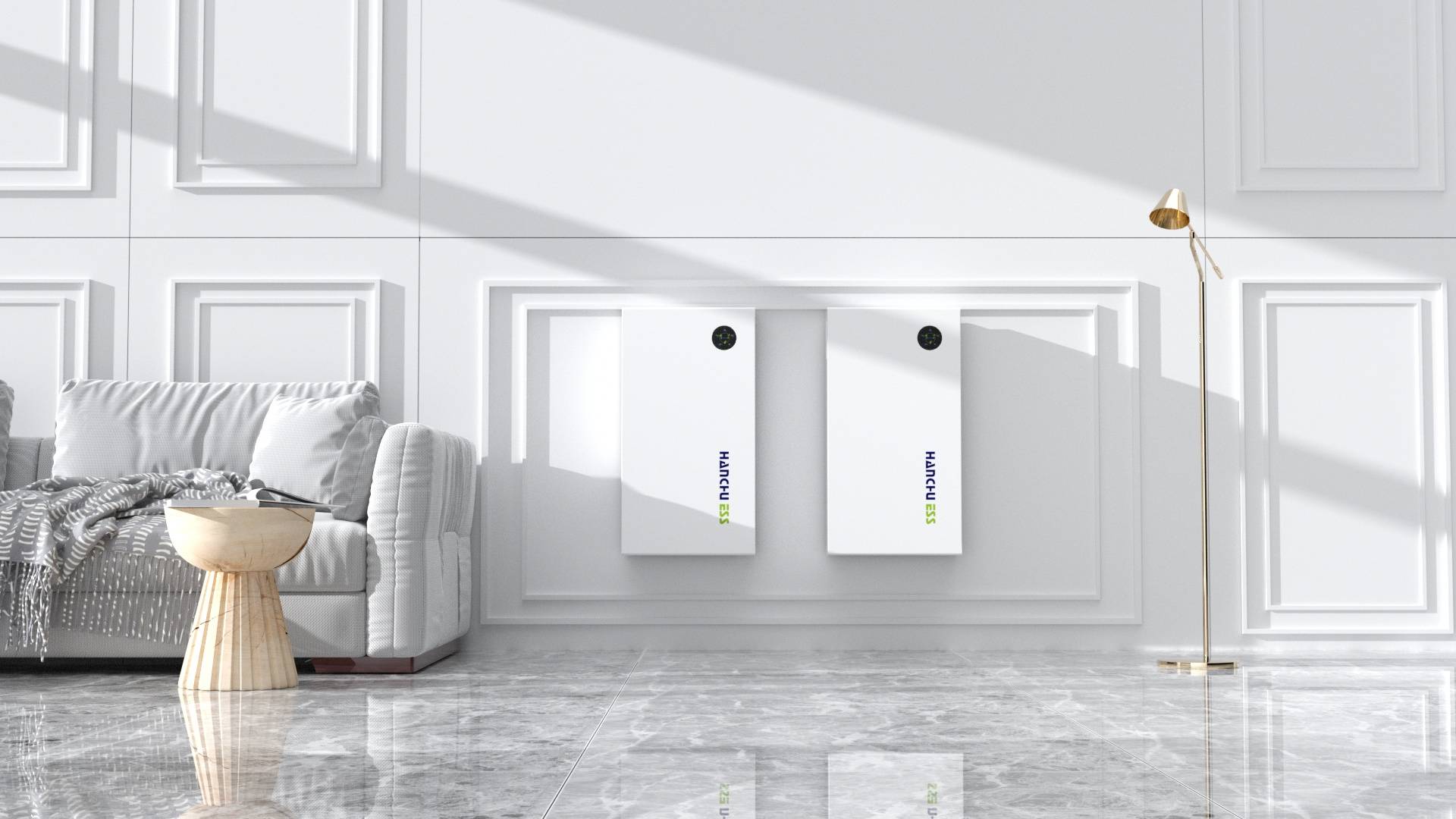
Leading options such as the Tesla Powerwall and Qcell battery systems offer compact designs suitable for garages, utility rooms, or discreet external installation. Their capacity can be matched to household needs without requiring excessive space.

While adding a battery increases upfront cost, it can significantly enhance long term savings and energy independence. For many small homes in England, it also provides reassurance during grid instability.

Planning Permission in England

In most parts of England, solar panels on domestic properties fall within permitted development rights.

Planning permission may be required if:

The property is listed
It lies within a designated conservation area and panels face a public highway
The installation exceeds projection limits

A professional installer such as Save Energy UK will assess these considerations in advance and provide clear guidance.

Trust and Installation Standards

Quality installation is essential. Solar panels represent a long term investment and must be installed to rigorous standards.

Save Energy UK operates in accordance with MCS certification requirements and industry best practice. This ensures eligibility for SEG payments and confirms that systems meet recognised safety and performance benchmarks.

Professional design also ensures that small homes receive systems precisely matched to roof size and energy demand. Oversizing or undersizing can undermine returns.

Are Solar Panels Worth It for Small Homes?

When examined carefully, the answer for many households in England is yes.

Small homes often consume less electricity, meaning a modest system can cover a significant share of demand. Modern panel efficiency, combined with SEG payments and optional battery storage, creates a compelling financial case.

Terraced houses are not excluded from the benefits of renewable energy. In fact, they are increasingly well suited to it.

While every property requires individual assessment, roof size alone should not deter homeowners from exploring solar.

Frequently Asked Questions

Do solar panels work on very small roofs
Yes provided there is sufficient uninterrupted space for several panels. Even smaller arrays can generate meaningful savings.

Are solar panels worth it for terraced houses in England
In many cases they are. Orientation and shading matter more than the property type itself.

How long is the solar panel payback period for small homes
Typically between six and nine years depending on system size, energy usage, and tariff rates.

Is battery storage necessary for small homes
It is not essential but it can significantly increase savings by storing unused electricity for evening use.

Do I need planning permission for solar panels in England
Most domestic installations fall under permitted development, though listed buildings and conservation areas may require additional approval.

Take the Next Step with Confidence

If you live in a small home or terraced house and have wondered whether solar panels are worthwhile, the most reliable way to find out is through a tailored assessment.

At Save Energy UK, we design systems specifically suited to the scale and structure of your property. Our experienced team will evaluate roof space, orientation, shading, and energy usage to provide clear projections of savings and payback.

You may be surprised by what your roof can achieve.

Book your free solar assessment today and discover how much your small home could save with expertly installed solar panels in England.

Is Solar Still Worth It in the UK Without Feed in Tariffs?

Energy Prices

For many homeowners in England, the question of whether solar panels are still worth installing often begins and ends with one phrase feed in tariffs. When the scheme closed in 2019, it created understandable uncertainty. For years, feed in tariffs were presented as the principal financial incentive for domestic solar. Their withdrawal led some to assume that the opportunity had passed.

Yet energy prices have continued to rise. Households across England are paying substantially more for electricity today than they were even five years ago. Against that backdrop, the value of generating your own clean power has never been more compelling.

So is solar still worth it without feed in tariffs? The answer, when examined carefully and with current figures in mind, is a confident yes.

What Were Feed in Tariffs?

Feed in tariffs were introduced by the government in 2010 to encourage the adoption of renewable energy. Under the scheme, homeowners who installed solar panels were paid for every unit of electricity they generated, whether they used it themselves or exported it to the grid.

The system worked in two parts.

First, households received a generation payment for every kilowatt hour produced by their solar panels.

Second, they received an export payment for surplus electricity sent back to the grid.

Crucially, the generation payment was guaranteed for up to twenty years and was index linked. Early adopters secured particularly generous rates, making solar installations financially attractive and highly predictable investments.

However, as the cost of solar technology fell and installation volumes increased, the government gradually reduced the tariff rates before closing the scheme to new applicants in March 2019. The decision reflected a belief that solar had matured and required less direct subsidy.

Why Feed in Tariffs Ended

The end of feed in tariffs did not signal that solar had failed. On the contrary, it marked the success of the technology.

Between 2010 and 2019, the cost of solar panels fell dramatically. Manufacturing efficiencies improved, global supply expanded and installation expertise grew within the United Kingdom. What once required heavy subsidy became increasingly affordable without it.

The government therefore shifted its approach, replacing fixed generation payments with a more market driven export mechanism known as the Smart Export Guarantee.

Yet the lingering perception remains that without feed in tariffs, solar has somehow lost its financial logic. This is a misconception.

Myth Busting Common Concerns

Solar is not worth it anymore

This view assumes that the value of solar lay solely in government payments. In reality, the most significant financial benefit of solar has always been self consumption.

Every unit of electricity you generate and use in your own home is one you do not have to purchase from your supplier. With electricity prices in England remaining high in 2026, the savings from avoided grid electricity are substantial.

As tariffs rise, so too does the value of each unit you generate yourself.

You cannot earn anything from exporting power

While feed in tariffs are no longer available, the Smart Export Guarantee allows homeowners to receive payment for surplus electricity exported to the grid. Rates vary between suppliers, but the principle remains clear you can still be paid for excess energy.

When combined with intelligent usage and battery storage, this creates a modern and flexible income stream.

It takes too long to recover your investment

Payback periods have changed since the early days of feed in tariffs, but they remain attractive. With current installation costs and electricity prices in England, many homeowners achieve payback within seven to ten years.

Given that modern solar panels typically last twenty five years or more, the years beyond payback represent genuine financial gain.

What Replaced Feed in Tariffs?

The Smart Export Guarantee or SEG was introduced in January 2020. Under this scheme, licensed electricity suppliers with a certain number of customers must offer payment for electricity exported to the grid.

Unlike feed in tariffs, SEG does not pay for generation. It pays only for measured exports. Households therefore benefit most when they maximise self consumption and strategically export surplus energy.

This is where solar battery storage has transformed the equation.

The Role of Solar Battery Storage

A battery allows you to store unused daytime electricity for use in the evening when demand is typically higher. Instead of exporting power at a modest rate and buying it back later at a higher retail price, you can use your own stored energy.

In practical terms, this increases the proportion of solar electricity you use yourself, often from around fifty percent to seventy or even eighty percent depending on lifestyle and system design.

Greater self consumption means greater savings and a shorter solar panel payback period.

The Financial Case in England in 2026

To understand whether solar is worth it today, we must examine realistic figures.

Average Installation Costs

In 2026, the cost of solar panels in England for a typical three bedroom home ranges between five thousand and eight thousand pounds depending on system size and roof configuration.

Adding a solar battery storage system may increase the total investment to between nine thousand and twelve thousand pounds.

Prices vary, but they are significantly lower in real terms than they were a decade ago.

A Worked Example

Consider a household in England installing a six kilowatt solar system costing seven thousand pounds.

Annual generation might reach around five thousand kilowatt hours depending on orientation and location.

If the household uses sixty percent of that electricity directly, they avoid purchasing three thousand kilowatt hours from the grid.

At an electricity price of thirty pence per kilowatt hour, this equates to nine hundred pounds in annual savings.

The remaining two thousand kilowatt hours exported under a Smart Export Guarantee rate of fifteen pence per kilowatt hour would generate three hundred pounds.

Total annual financial benefit would therefore be approximately twelve hundred pounds.

At this level of performance, the system could recover its cost in around six years.

Even with more conservative assumptions, payback within eight to nine years is entirely realistic.

Over a twenty five year lifespan, total savings could comfortably exceed twenty five thousand pounds, particularly if electricity prices continue to rise.

Adding a Battery

If the same household added a battery and increased self consumption to eighty percent, avoided grid purchases could rise to four thousand kilowatt hours.

At thirty pence per unit, that represents twelve hundred pounds in direct savings alone, plus reduced but still valuable export income.

In this scenario, the financial case becomes even stronger, particularly for households with evening energy demand.

Wider Benefits Beyond Pure Finance

While feed in tariffs focused attention on income generation, the modern case for solar in England is broader.

Solar panels offer protection against future price volatility. They reduce reliance on imported fossil fuels. They lower household carbon emissions and contribute to national energy security.

In addition, properties with solar installations often appeal to buyers seeking energy efficiency. Though precise uplift varies, improved Energy Performance Certificate ratings can enhance marketability.

Frequently Asked Questions

Are feed in tariffs still available in England?

No. Feed in tariffs closed to new applicants in March 2019. Existing participants continue to receive payments under their original agreements, but new installations qualify instead for the Smart Export Guarantee.

How long do solar panels take to pay for themselves?

In England in 2026, typical payback periods range between seven and ten years depending on system size, electricity usage and whether battery storage is included.

Is the Smart Export Guarantee worth it?

Yes. While it does not offer generation payments like feed in tariffs, it ensures you are paid for surplus electricity exported to the grid. Combined with bill savings, it strengthens the overall financial return.

Do I need a battery without feed in tariffs?

A battery is not essential, but it significantly increases self consumption and can improve overall savings. For households with higher evening demand, it is often a prudent addition.

Does solar add value to my home?

Homes with solar panels may benefit from improved energy ratings and greater buyer appeal, particularly as energy efficiency becomes a priority for purchasers across England.

So Is Solar Still Worth It?

The end of feed in tariffs marked a shift, not a decline.

Today, the economics of solar in England are driven primarily by avoided electricity costs rather than fixed government payments. With energy prices remaining elevated and installation costs comparatively low, the financial argument remains compelling.

Solar is no longer simply a subsidised technology. It is a mature, dependable and increasingly essential component of domestic energy strategy.

For many households, the question is not whether solar is worth it without feed in tariffs, but whether it makes sense to continue paying high grid prices without taking action.

Take the Next Step with Save Energy UK

If you are considering solar panels in England, the most reliable way to understand your potential savings is through a tailored assessment.

Save Energy UK offers a free solar survey and personalised quotation designed around your property, energy usage and future plans. Our experienced team can advise on system size, battery options and finance solutions that suit your circumstances.

The era of feed in tariffs may have passed, but the opportunity to reduce your energy bills, increase your independence and invest in a cleaner future remains firmly within reach.

Book your free solar survey today and discover what solar could achieve for your home.

What Are the Ongoing Maintenance Costs of Solar Panels for UK Homes?

Modern Solar Systems

Solar panels are often praised for their durability, longevity and low running costs. Yet one question continues to surface among homeowners across Dorset and the wider United Kingdom. What are the ongoing maintenance costs of solar panels for UK homes?

The short answer is reassuring. Modern solar systems require very little maintenance. However, as with any long term investment, there are modest costs to consider over time. Understanding these costs clearly allows households to make informed decisions and to appreciate just how financially sound solar energy truly is.

For homeowners in Bournemouth, Poole and Christchurch who are exploring renewable energy, clarity and transparency are essential. Let us examine the true ongoing maintenance costs and how they compare to the long term savings solar can provide.

eco flow

Are Solar Panels Expensive to Maintain?

One of the most persistent myths surrounding solar energy is that panels demand constant attention. In reality, solar systems are engineered to operate independently in the British climate.

There are no moving parts in the panels themselves. This significantly reduces the likelihood of mechanical failure. Rainfall often performs much of the natural cleaning, and modern monitoring systems allow performance to be tracked effortlessly.

For most households, the ongoing maintenance costs of solar panels in the UK are modest and predictable.

At a Glance Cost Summary

Typical maintenance costs for a residential solar system in the United Kingdom may include:

  • Solar panel cleaning if required between fifty and two hundred pounds per visit

  • Optional annual servicing between one hundred and two hundred pounds

  • Inverter replacement after ten to fifteen years between eight hundred and fifteen hundred pounds

  • Bird proofing where necessary between three hundred and six hundred pounds

  • Occasional minor repairs depending on circumstance

These costs are infrequent and must be viewed within the context of twenty five or more years of energy generation.

Solar Panel Cleaning Costs in the UK

In most areas of Dorset, including coastal locations such as Bournemouth and Christchurch, natural rainfall keeps panels relatively clean. However, in certain circumstances professional cleaning may be advisable.

Situations that may require cleaning include:

  • Heavy pollen accumulation

  • Coastal salt residue

  • Bird activity

  • Overhanging trees

The solar panel cleaning cost in the UK typically ranges from fifty to two hundred pounds, depending on roof access and system size. For many homes, cleaning is required only every few years, if at all.

It is worth noting that excessive cleaning is unnecessary and can even be counterproductive. Monitoring performance is far more important than scheduling routine cleaning without cause.

Annual Solar Servicing

Unlike gas boilers, solar panels do not require mandatory annual servicing. Nevertheless, some homeowners choose periodic inspections for reassurance.

A professional solar servicing visit in the UK may cost between one hundred and two hundred pounds. This typically includes:

  • Visual inspection of panels

  • Electrical safety checks

  • Inverter performance review

  • Cabling inspection

Many reputable installers, including Save Energy UK, provide system monitoring that reduces the need for frequent manual inspections.

Inverter Replacement Costs

The inverter is the component most likely to require replacement during the lifespan of a solar system. While panels often carry performance warranties of twenty five years or more, inverters generally last between ten and fifteen years.

The inverter replacement cost in the UK typically falls between eight hundred and fifteen hundred pounds, depending on system size and specification.

Though this may appear significant, it is important to view it in context. Over a fifteen year period, the energy savings from solar panels in Poole or Bournemouth can amount to many thousands of pounds, far outweighing this eventual replacement cost.

Battery Storage Maintenance

Homes that include battery storage such as Tesla solar panels paired with a Qcell battery system benefit from increased energy independence. Battery systems require minimal routine maintenance but may involve long term replacement considerations.

Modern lithium batteries are designed to last ten to fifteen years or more, depending on usage cycles. Most reputable manufacturers provide robust warranties.

Routine maintenance costs are generally negligible, provided the system has been installed correctly and monitored effectively.

For homeowners searching for solar companies near me who offer long term support, installation quality is paramount in minimising future expense.

Bird Proofing and Preventative Measures

In some residential areas, particularly near the coast, birds may nest beneath solar panels. While not universal, this issue can affect system performance or create unwanted noise.

Professional bird proofing solutions usually cost between three hundred and six hundred pounds. Installing preventative mesh at the time of installation can often eliminate the need for later intervention.

A well designed system from experienced installers reduces these risks considerably.

Monitoring Systems and Performance Checks

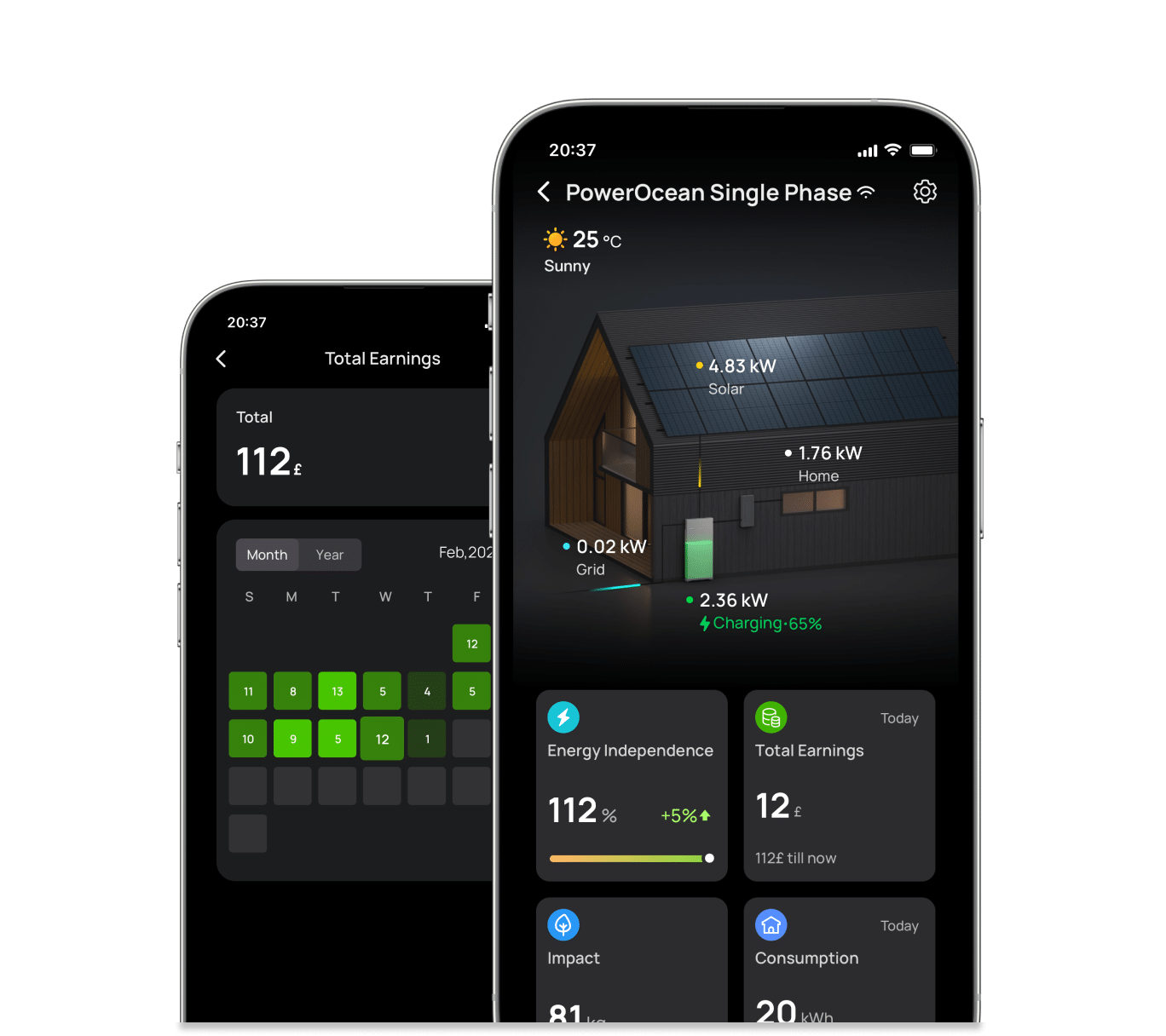
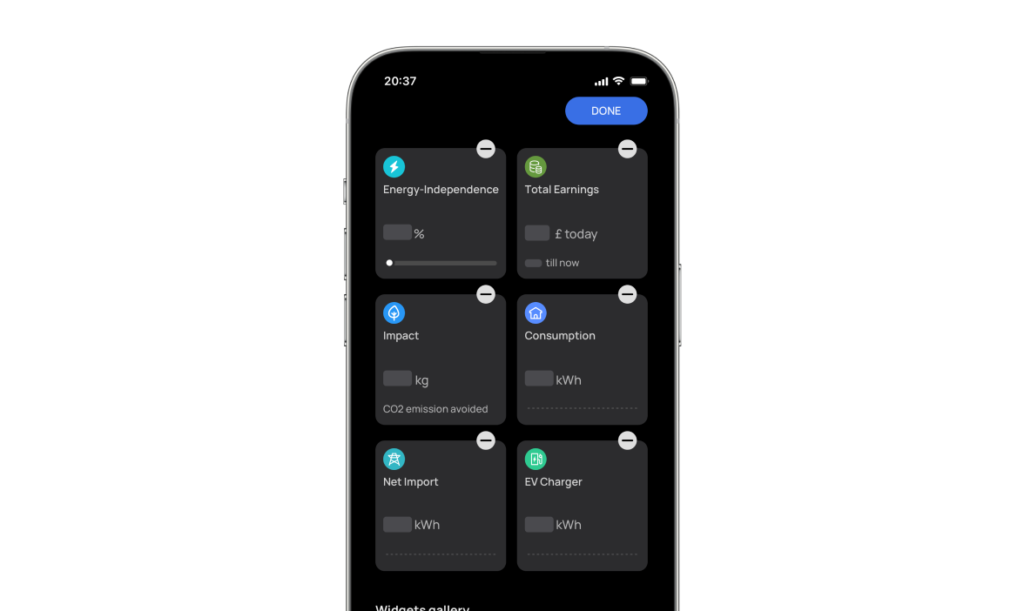
Modern solar installations include smart monitoring technology that allows homeowners to track generation in real time. Many systems offer app based performance data at no additional ongoing cost.

Monitoring ensures that any unusual drop in output is quickly identified. This proactive approach reduces the likelihood of unexpected repair expenses.

Commercial Solar Maintenance Differences

While this article focuses primarily on residential systems, it is worth noting that commercial solar installations may require more structured maintenance schedules due to scale and regulatory requirements.

However, even in commercial solar applications, maintenance costs remain low relative to the energy savings achieved.

Warranty Coverage Explained

A clear understanding of warranties provides further reassurance.

Most high quality solar panels come with:

  • Twenty five year performance warranties

  • Ten to fifteen year product warranties

Inverters typically carry warranties of five to twelve years, with options to extend coverage.

Battery systems such as Tesla solar panels and Qcell battery units also include substantial warranty protection.

When installed by trusted Dorset specialists such as Save Energy UK, homeowners benefit from professional workmanship guarantees alongside manufacturer protection.

Maintenance Costs Versus Energy Savings

The most important perspective is comparative.

A typical home installing solar panels in Bournemouth or Poole may save hundreds of pounds annually on electricity bills. Over twenty five years, these savings can total many thousands.

When balanced against occasional cleaning, a single inverter replacement and minimal servicing, the financial case remains compelling.

Solar energy offers not merely environmental benefit but financial resilience. In an era of rising energy prices, the stability solar provides is invaluable.

How to Reduce Solar Maintenance Costs

Homeowners can further minimise ongoing expenses by:

  • Choosing experienced installers with proven expertise

  • Investing in high quality panels and inverters

  • Installing monitoring systems

  • Addressing minor issues promptly

  • Considering bird proofing during initial installation

The quality of installation plays a decisive role in long term performance.

Frequently Asked Questions

Do solar panels need regular maintenance in the UK?

No. Solar panels require very little maintenance. Occasional cleaning and monitoring are usually sufficient.

How often should solar panels be cleaned?

Only when performance drops due to visible dirt or debris. Many systems function efficiently without routine cleaning.

What is the biggest maintenance cost for solar panels?

Inverter replacement after ten to fifteen years is typically the largest anticipated expense.

A Sound Long Term Investment for Dorset Homes

For homeowners in Bournemouth, Poole and Christchurch, the ongoing maintenance costs of solar panels in the UK are modest, predictable and manageable.

When installed correctly and supported by experienced professionals, solar systems provide decades of dependable performance. They protect households from volatile energy prices, enhance property value and contribute to a more sustainable future.

If you are considering solar panels in Dorset and would like transparent advice tailored to your home, Save Energy UK offers free surveys and expert consultation.

Speak with a local solar specialist today and discover how clean energy can provide both financial confidence and lasting peace of mind.

How Long Does It Take to Install Solar Panels?

Commercial Properties

Installing solar panels is one of the most effective ways to save electricity, reduce energy bills, and invest in long term energy efficiency solutions. For homeowners and businesses across the UK, solar energy has become an increasingly attractive option, but one of the most common questions we hear is simple and entirely reasonable: how long does it actually take to install solar panels?

The short answer is that the physical installation is usually much quicker than people expect. However, the full process involves several carefully managed stages to ensure your system is safe, compliant, and designed to perform efficiently for decades. Below, we explain the complete timeline from first enquiry to final switch on, drawing on our experience installing solar panels on homes and commercial properties throughout the UK.

The Initial Enquiry and Consultation

The process begins with an initial conversation. At this stage, we discuss your property, your energy usage, and what you hope to achieve by switching to solar energy. For homeowners, this often centres on lowering electricity bills and reducing reliance on the grid. For businesses, the focus may be on long term cost control, sustainability targets, and commercial solar return on investment.

This first step usually takes very little time. In most cases, the consultation can be completed within a day or two of your enquiry. It allows us to determine whether solar panels are suitable for your property and what size system may be required.

Site Survey and System Design

Once you decide to proceed, the next stage is the site survey. This is a crucial part of the solar panel installation process. During the survey, we assess roof orientation, roof structure, shading, available space, and electrical infrastructure. For commercial solar installation projects, this stage may also include load assessments and future expansion considerations.

A residential site survey typically takes less than an hour on site. Commercial surveys can take longer depending on the size and complexity of the building.

After the survey, we design a system tailored to your property. This includes selecting suitable solar panels, inverters, and solar batteries if required. System design usually takes a few days, as accuracy at this stage ensures optimal performance and long term reliability.

Planning Permission and UK Compliance

Many homeowners are pleased to learn that solar panels can often be installed under permitted development rights. In these cases, no formal planning application is required, which keeps the timeline moving smoothly.

However, there are situations where planning permission may be needed, such as listed buildings or properties in conservation areas. Commercial solar projects are also more likely to require additional approvals. If planning permission is required, this can add several weeks to the process, depending on local authority timescales.

Alongside planning considerations, all systems must comply with UK regulations. We ensure installations meet MCS certification standards and handle Distribution Network Operator approval where required. This compliance stage typically runs in parallel with system design and does not usually cause delays for standard residential installs.

Scheduling the Installation

Once approvals are in place and equipment has been ordered, installation can be scheduled. For most homes, this happens within a few weeks of the survey, subject to availability and weather conditions.

Commercial solar installation timelines vary more widely. Larger systems may require phased scheduling, access planning, and coordination with on site teams. Even so, careful preparation ensures installation proceeds efficiently once work begins.

Solar Panel Installation on a Home

The installation itself is often surprisingly quick. For a typical residential system, installing solar panels on a home usually takes one to two days.

On the first day, scaffolding is erected if required, mounting systems are installed, and panels are secured to the roof. Electrical wiring is carefully routed and connected to the inverter. If solar batteries are included, these are typically installed indoors, often in a garage or utility space.

The second day, if needed, focuses on final electrical connections, system testing, and ensuring everything operates exactly as it should. In many cases, smaller systems can be completed in a single day.

Commercial Solar Installation Timeframes

Commercial solar projects naturally take longer due to their scale. A small commercial system may take several days, while larger installations can take a few weeks. Factors such as roof size, structural requirements, and operational constraints all influence timing.

Despite the longer installation period, businesses often find the disruption minimal. Work is planned carefully to avoid interfering with daily operations wherever possible. The result is a system capable of delivering significant long term savings and supporting wider energy efficiency solutions.

Solar Batteries and System Commissioning

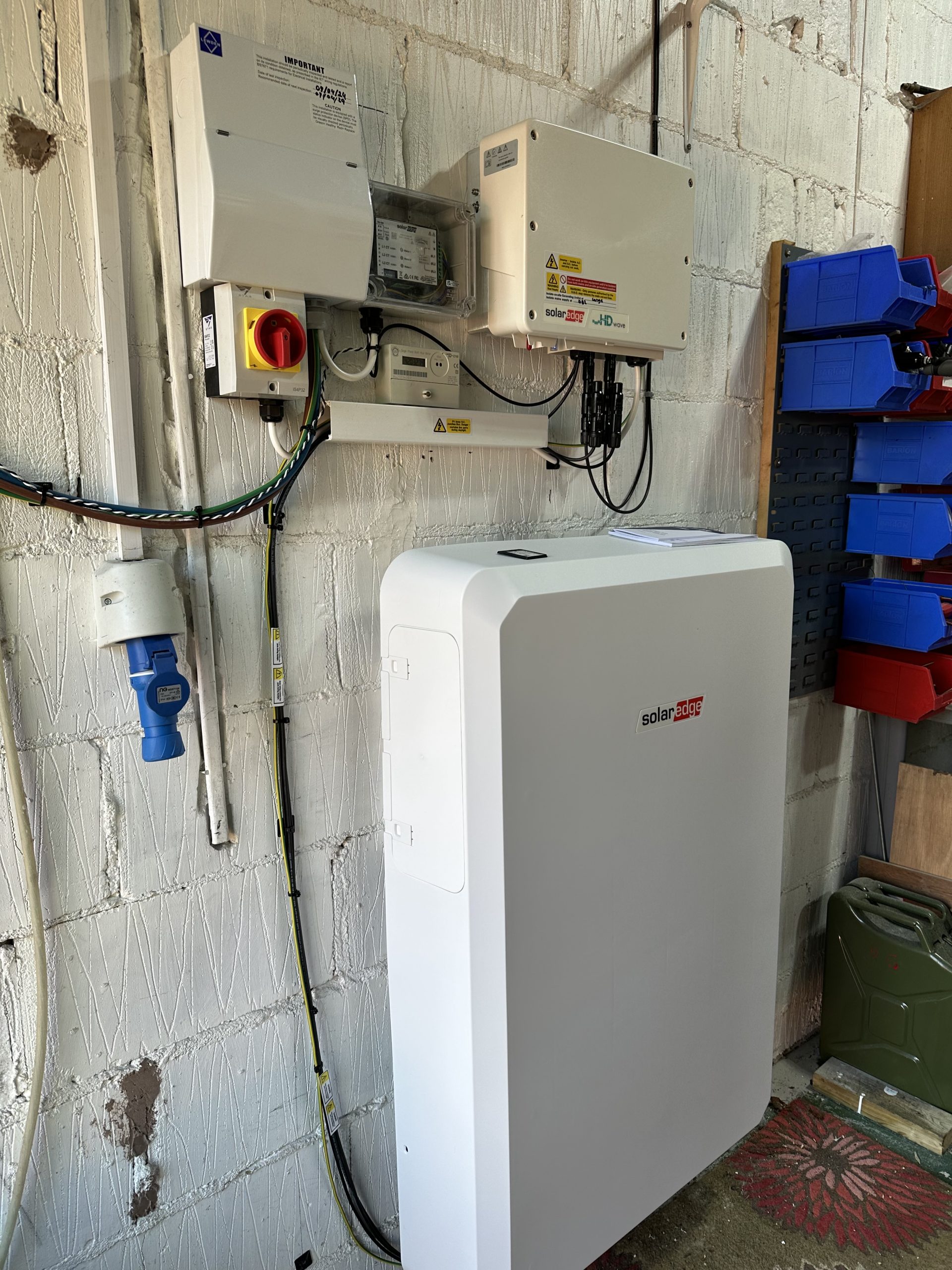
If your system includes solar batteries, installation typically adds very little extra time. Batteries are usually fitted alongside the inverter and integrated into the system during the same visit.

Once installation is complete, the system is commissioned. This involves testing performance, checking safety systems, and ensuring the solar panel installation meets all regulatory standards. Commissioning usually takes a few hours but is an essential step in delivering reliable solar energy UK systems.

Final Checks and Grid Connection

The final stage is connecting your system to the grid and completing any remaining paperwork. In most cases, this happens quickly once installation and commissioning are complete.

After this, your system is officially live. You can begin generating your own electricity, saving electricity from day one, and reducing your dependence on rising energy costs.

How Long Does the Entire Process Take?

From first enquiry to completion, a typical residential solar panel installation usually takes between four and eight weeks. This includes consultation, survey, system design, approvals, installation, and commissioning.

Commercial solar projects can take longer, ranging from a few months for complex systems to shorter timelines for smaller installations. While this may seem lengthy, it is a modest investment of time for a system designed to deliver benefits for twenty five years or more.

Frequently Asked Questions

Will installation disrupt my home or business?

Disruption is minimal for most installations. Residential systems are usually completed within one or two days, and commercial projects are carefully planned to minimise impact on operations.

Does bad weather delay installation?

Poor weather can occasionally cause short delays, particularly during roof work. However, most installations proceed as scheduled with only minor adjustments.

How does solar panel cost affect installation time?

Solar panel cost does not directly affect installation time, but system size and complexity can. Larger systems may take longer to install due to additional equipment and wiring.

Are solar panels worth it for businesses?

Commercial solar systems can offer substantial savings, long term price stability, and improved sustainability credentials. Installation time is short relative to the operational lifespan of the system.

Ready to Get Started?

Installing solar panels is a straightforward process when handled by an experienced team. Whether you are a homeowner exploring solar panels for your property or a business considering commercial solar installation, we guide you through every stage with clarity and care.

If you would like to find out whether solar energy is right for your property, speak to our team today and request a free consultation. We are here to help you make a confident, informed decision about your energy future.

What Size Solar Panel System Does a Dorset Home Need?

Household Electricity

As more homeowners across Dorset look for ways to save electricity and reduce reliance on rising energy prices, solar panels have become one of the most effective and practical energy efficiency solutions available. Yet one of the most common and important questions remains surprisingly simple.

What size solar panel system does a Dorset home actually need?

The answer depends on a combination of factors including household electricity use, roof characteristics, future energy plans and budget. This guide is designed to explain those considerations clearly and calmly, helping Dorset homeowners make informed decisions about solar panels on a home without feeling overwhelmed by technical detail.

Why system size matters

Choosing the correct solar panel system size is essential. A system that is too small may not generate enough electricity to meet household demand, limiting savings and value. A system that is too large may cost more than necessary and produce excess energy that is not fully used.

A well sized solar panel installation should balance generation with consumption, allowing homeowners to make the most of solar energy UK conditions while achieving long term efficiency and reliability.

Understanding household electricity usage

The starting point for sizing any solar panel system is understanding how much electricity a household uses.

Most Dorset homes consume between 3000 and 4500 kilowatt hours of electricity per year. Smaller households or energy efficient homes may fall below this range, while larger family homes or properties with electric heating systems may exceed it.

Electricity usage can be found on annual energy statements or smart meter records. This figure provides a reliable baseline for estimating the size of solar panels required.

As a general guide:

A home using around 3000 kilowatt hours per year may require a system of approximately 3 to 4 kilowatts
A home using around 4000 kilowatt hours per year may require a system of approximately 4 to 5 kilowatts

These figures are indicative rather than exact, but they provide a useful framework when considering solar panels install options.

Roof size orientation and shading

Not every roof is the same and roof characteristics play a significant role in determining system size and performance.

South facing roofs typically produce the most electricity, though east and west facing roofs can still deliver excellent results across the course of the day. Roof pitch also matters, with angles between 30 and 40 degrees generally offering optimal performance in the UK climate.

Shading from trees, neighbouring buildings or chimneys can reduce output, particularly if it affects panels for long periods of the day. In Dorset towns such as Bournemouth, Poole, Christchurch and Dorchester, roof layouts vary widely, making individual assessment essential.

A larger roof area allows for more panels, but this does not mean more panels are always required. The aim is efficiency, not excess.

Dorset sunlight levels and realistic expectations

Dorset benefits from relatively good sunlight compared with many parts of the UK, particularly along the coast. While the UK is not known for year round sunshine, modern solar panels are highly efficient and continue to generate electricity even on cloudy days.

A typical 4 kilowatt system in Dorset can generate approximately 3400 to 3800 kilowatt hours of electricity per year, depending on location and roof conditions. This makes solar panels a reliable and practical solution for local homeowners seeking to reduce energy costs and reliance on the grid.

Seasonal variation is normal, with higher generation in spring and summer and lower output in winter. This is where thoughtful system sizing and energy use planning become important.

Light technical example made simple

To make this clearer, consider a typical three bedroom home in Dorchester using around 3800 kilowatt hours of electricity per year.

A 4 kilowatt solar panel system could generate close to this amount annually. If the household uses more electricity during daylight hours, such as running appliances or working from home, more of that energy can be used directly, increasing savings.

Adding solar batteries allows excess electricity generated during the day to be stored and used later, further improving efficiency and reducing reliance on evening grid electricity.

Future energy needs and lifestyle changes

When considering solar panel cost and system size, it is important to think beyond current usage.

Many Dorset homeowners are planning for electric vehicles, heat pumps or home office setups, all of which increase electricity demand. Installing a slightly larger system now can be more cost effective than upgrading later.

Solar batteries are particularly valuable in these situations, helping households manage increased consumption while maintaining flexibility and resilience.

Cost considerations without complexity

Solar panel installation costs vary depending on system size, roof complexity and whether solar batteries are included. While larger systems cost more initially, they often provide better long term value by increasing energy independence and reducing electricity bills.

Rather than focusing purely on upfront cost, it is more useful to consider overall return on investment, energy savings and future proofing. A well planned system supports both environmental responsibility and financial stability.

Residential focus with clarity

Although solar energy UK solutions also include commercial solar and commercial solar installation for businesses, this guide focuses solely on residential properties. Homeowners benefit most when systems are designed specifically for domestic energy patterns rather than scaled down commercial models.

Residential solar panels on a home should feel unobtrusive, efficient and quietly effective, supporting everyday life without complication.

Frequently asked questions

How many solar panels does a Dorset home usually need

Most Dorset homes require between 8 and 14 panels, depending on panel efficiency and energy usage. Modern panels are more powerful, meaning fewer panels can often achieve the same output as older systems.

Are solar batteries necessary

Solar batteries are not essential but they significantly improve how much solar energy a household can use. They are particularly helpful for homes where energy use is higher in the evening.

Will solar panels still work in winter

Yes. While output is lower in winter due to shorter daylight hours, solar panels continue to generate electricity year round.

Can I install a system larger than I currently need

Yes, and in many cases this is advisable. Planning for future energy needs can make a larger system a sensible long term decision.

A measured and informed approach

Determining the right solar panel system size is not about chasing maximum output or following generic figures. It is about understanding how a home uses energy and how solar technology can support that lifestyle efficiently and sustainably.

Save Energy UK supports Dorset homeowners by providing clear guidance rooted in experience, technical understanding and local knowledge. By approaching solar panel installation thoughtfully, households can make confident decisions that benefit both their finances and the environment.

Solar panels are no longer an experimental technology. They are a proven, dependable way to save electricity and improve energy efficiency in homes across Dorset.

Choosing the right size is simply the first and most important step.

Is Solar Energy a Good Choice for Older Properties in Dorset?

Georgian Townhouses

Dorset is home to a rich variety of older properties, from Georgian townhouses and Victorian terraces to stone cottages and early twentieth century family homes. Many homeowners living in these characterful buildings wonder whether modern technologies such as solar panels are truly compatible with their homes. Questions around appearance, roof suitability, planning permission and solar panel cost are common, and often understandable.

The good news is that solar energy in the UK has evolved considerably. With thoughtful design and expert installation, solar panels on a home can be a practical and highly effective way for Dorset homeowners to save electricity, improve energy efficiency and reduce long term energy costs, even in older properties.

This guide explores whether solar panels are a sensible choice for traditional homes in Dorset, addressing common concerns and explaining how modern solar panel installation can work harmoniously with older buildings.

Understanding Older Properties in Dorset

Older homes are often admired for their craftsmanship and architectural detail, but they were built long before energy efficiency solutions became a priority. Solid walls, older roof structures and traditional materials can sometimes make heat retention more challenging than in modern builds.

However, these same homes often have one key advantage. They frequently feature generous roof spaces with clear exposure to daylight. This can make solar panels install projects particularly effective when planned correctly.

The suitability of solar panels on older properties depends on several factors, including roof orientation, structural condition and the surrounding environment. A professional assessment is always essential, but age alone is rarely a barrier.

Are Solar Panels Suitable for Older Homes?

In most cases, yes. Solar panels can be installed successfully on older properties, provided the roof is structurally sound and receives adequate sunlight.

Key considerations include roof condition, roof angle and orientation, shading from nearby trees or buildings, and the type of roofing material used. Slate and clay tiles, which are common in Dorset, can accommodate solar panel installation when handled by experienced installers who understand traditional materials.

Modern mounting systems are designed to minimise disruption and protect the integrity of the roof. When installed correctly, solar panels do not compromise the structure or weatherproofing of an older home.

Visual Impact and Preserving Character

One of the most common concerns for homeowners is whether solar panels will detract from the appearance of their property. This is particularly important for period homes where visual harmony matters.

Today’s solar panels are far more discreet than earlier designs. Low profile panels, darker finishes and careful placement allow installations to blend in with existing roof lines. In many cases, panels can be positioned on rear roof slopes that are not visible from the street.

With thoughtful design, solar panels on a home can be added without undermining the character that makes older properties so appealing.

Planning Permission, Listed Buildings and Conservation Areas

Dorset has a significant number of conservation areas and listed buildings, so planning considerations are an important part of the decision making process.

For many homes, solar panel installation falls under permitted development rights and does not require planning permission. However, listed buildings and properties within conservation areas may need consent before work begins.

This does not mean solar energy is off limits. It simply means the approach must be sensitive and well planned. Local authorities often support renewable energy improvements when they are designed to respect the building’s historic value.

Working with experienced solar professionals who understand local planning requirements makes the process far smoother and helps ensure applications are successful where permission is needed.

Solar Panel Cost and Long Term Value

Solar panel cost is another key question for homeowners, particularly when budgets must also account for maintenance of an older property.

While the initial investment can seem significant, solar panels offer long term financial benefits. By generating your own electricity, you can significantly reduce reliance on the grid and protect yourself from rising energy prices.

Many homeowners find that solar energy UK systems pay for themselves over time through lower energy bills. When paired with modern energy efficiency solutions such as improved insulation and efficient appliances, the savings can be even greater.

For older properties that often cost more to heat and power, the ability to save electricity consistently can make a meaningful difference year after year.

How Solar Batteries Enhance Older Homes

Solar batteries have transformed the way homeowners use solar energy. Rather than exporting excess electricity to the grid during the day, batteries allow you to store that energy for use in the evening or during periods of low sunlight.

For older properties, this can be particularly beneficial. Solar batteries help smooth energy usage, reduce dependence on external supply and maximise the value of the electricity your panels generate.

They also provide a sense of energy independence, which many homeowners value as energy prices remain unpredictable.

Improving Efficiency Beyond Solar Panels

While solar panels are a powerful tool, they work best as part of a broader approach to energy efficiency. Older homes often benefit from measures such as loft insulation, draught proofing and upgraded heating controls.

Combining solar panel installation with tailored energy efficiency solutions allows homeowners to achieve better comfort while reducing overall energy consumption. This balanced approach ensures that the energy generated is used as effectively as possible.

What About Commercial Solar?

Some older properties in Dorset are mixed use buildings or larger homes that support home based businesses. In these cases, commercial solar and commercial solar installation solutions may be appropriate.

Commercial systems are designed to support higher energy demands and can offer excellent value where daytime electricity use is significant. Even in traditional buildings, carefully designed commercial solar installations can be both practical and visually sympathetic.

A Sustainable Choice for the Future

Solar energy is no longer reserved for modern homes alone. Advances in technology, thoughtful design and professional installation mean that older properties can benefit just as much from renewable energy.

For Dorset homeowners looking to reduce costs, save electricity and invest in a more sustainable future, solar panels represent a sensible and increasingly popular choice.

Frequently Asked Questions

Will solar panels damage my roof?

When installed by experienced professionals, solar panels do not damage roofs. Mounting systems are designed to protect tiles and maintain weatherproofing, even on older roofs.

Are solar panels effective in Dorset’s climate?

Yes. Solar panels work using daylight rather than direct sunshine. Dorset receives enough daylight throughout the year for solar panels to perform efficiently.

Do I need planning permission for solar panels?

Many installations do not require permission, but listed buildings and conservation areas may need consent. This can usually be managed with the right guidance.

Can I install solar panels on a very old property?

In many cases, yes. A structural assessment will confirm suitability, and systems can be adapted to respect the age and design of the building.

Are solar batteries worth it?

For most homeowners, solar batteries significantly increase the value of a solar system by allowing more of the generated energy to be used within the home.

Final Thoughts

Older properties in Dorset present unique challenges, but they also offer unique opportunities. With careful planning and expert support, solar panels can be a highly effective way to reduce energy bills, improve comfort and embrace cleaner energy without compromising character.

If you are considering solar energy for your home and would like clear, friendly advice tailored to your property, Save Energy UK is well placed to help you explore your options and move confidently towards a more efficient future.