| Unit 20, Glenmore Centre, Poole, Dorset BH12 4FB | Mon–Fri 9:00am – 5:00pm
01202 986262 Get a Free Quote

Are Solar Panels Allowed on Listed Buildings, and What Are the Rules?

Renewable Energy

For homeowners living in listed buildings, the idea of installing solar panels often raises an immediate and understandable question. Is it even allowed? With the growing importance of renewable energy and rising energy costs, many owners of historic properties want to do their part without falling foul of planning law or harming the character of their home.

The short answer is that solar panels can be installed on listed buildings in the UK, but they are subject to stricter controls than standard residential properties. Understanding how the rules work is essential before taking the next step.

This guide explains the regulations clearly and calmly, helping homeowners in Dorset and across the UK understand what is possible, what consent is required, and how applications are assessed.

What is a listed building?

A listed building is a property recognised by the UK government as having special architectural or historic interest. These buildings are legally protected to ensure that their character is preserved for future generations.

There are three grades of listing.

Grade I buildings are of exceptional interest and represent a very small percentage of listed properties.

Grade II star buildings are particularly important and of more than special interest.

Grade II buildings are of special interest and make up the majority of listed homes across England.

If your property is listed, it means that any changes affecting its character, both internal and external, are carefully controlled.

Are solar panels allowed on listed buildings in the UK?

Yes, solar panels can be allowed on listed buildings, but they are not automatically approved. Unlike most modern homes, listed buildings do not benefit from permitted development rights when it comes to solar installations.

This means that you will almost always need Listed Building Consent and in some cases planning permission as well. Approval depends on whether the proposed installation preserves the building’s historic character and whether the changes are considered reversible and proportionate.

Local councils are not opposed to renewable energy, even on historic buildings, but they must balance environmental benefits against heritage protection.

Planning permission and Listed Building Consent explained

One of the most common points of confusion is the difference between planning permission and Listed Building Consent.

Planning permission relates to how a development affects the wider area, including visual impact and local amenity.

Listed Building Consent focuses specifically on the building itself and whether the proposed works would alter its historic or architectural significance.

For listed buildings, Listed Building Consent is almost always required for solar panels, even if planning permission is not. Installing panels without consent is a criminal offence, so it is essential to follow the correct process.

How decisions are assessed

Local planning authorities assess applications using national planning policy alongside guidance from Historic England. Each case is judged on its own merits, but there are common considerations.

Councils will look closely at the visibility of the panels, particularly from public viewpoints. Front facing roof slopes are more likely to raise concerns than rear or hidden elevations.

They also assess whether the installation would permanently damage historic materials. Proposals that are reversible and avoid cutting or altering original features are viewed far more favourably.

The overall significance of the building plays a role as well. Higher grade listings are subject to closer scrutiny, although approval is still possible with a sensitive design.

Acceptable solar solutions for listed buildings

While traditional roof mounted panels may be challenging in some cases, there are several options that are often more acceptable.

Rear facing roof installations that are not visible from the street are commonly approved, especially on Grade II properties.

Ground mounted solar panels within the property boundary can be a strong alternative where space allows, as they avoid altering the building fabric altogether.

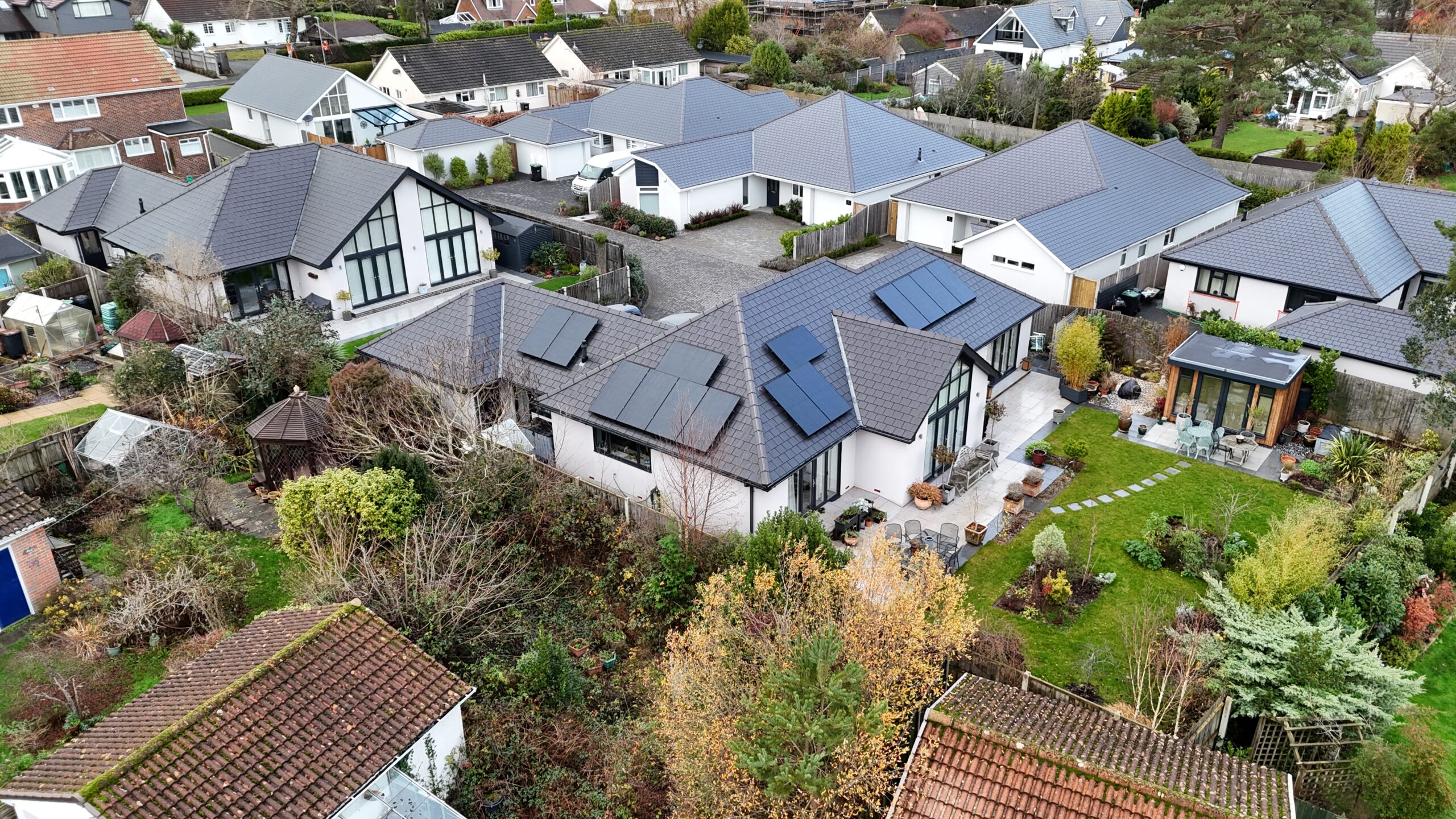
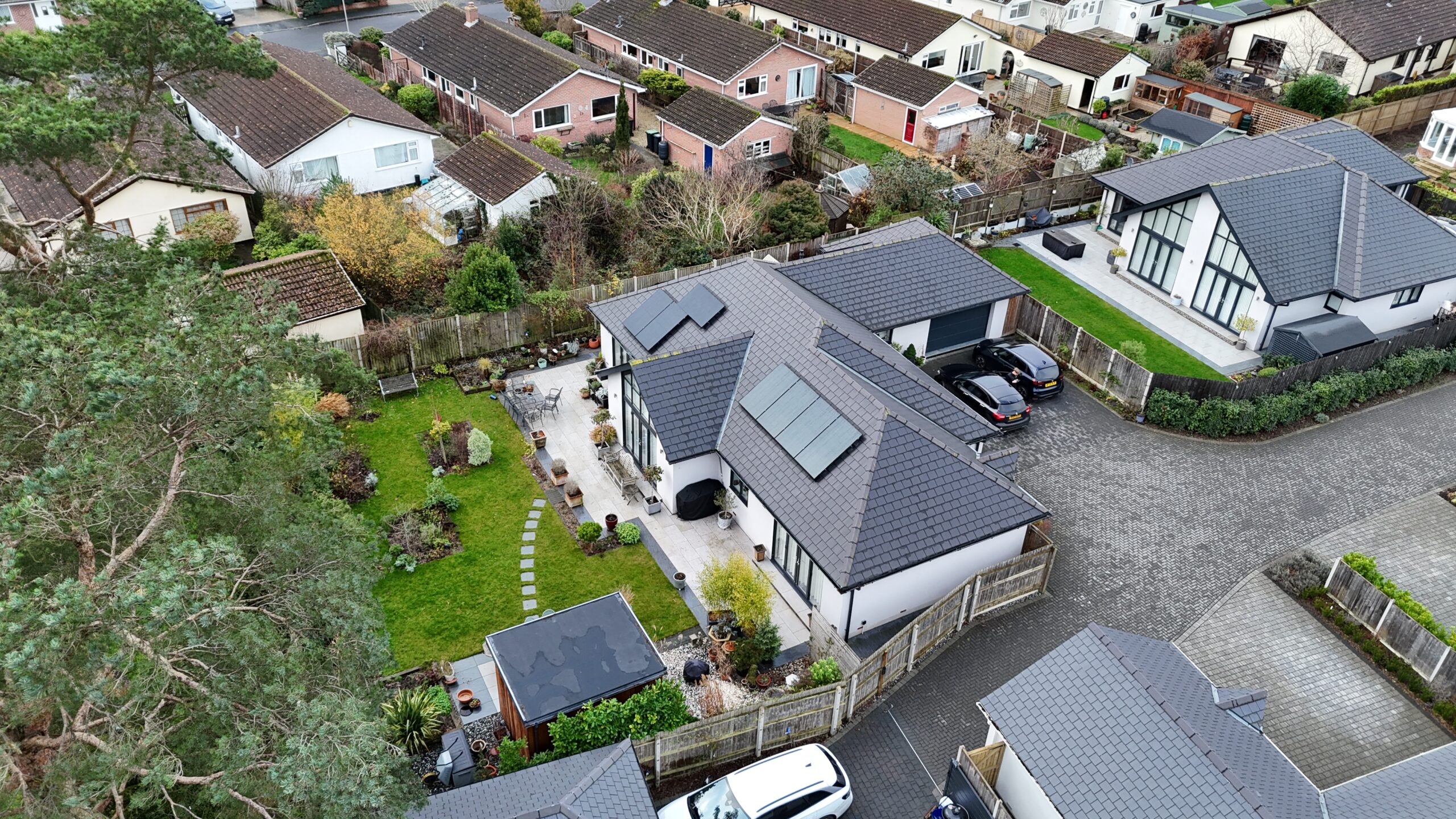
Solar slates and other heritage style systems are increasingly popular. These sit flush with the roof and closely resemble traditional materials, significantly reducing visual impact.

Each solution must still be assessed individually, but careful design dramatically improves the chances of success.

Dorset specific considerations

In Dorset, local authorities are generally supportive of renewable energy, provided heritage assets are respected. Conservation areas, coastal views, and historic streetscapes can all influence decisions.

Early engagement with both a solar specialist and the local council is strongly recommended. Many applications succeed because potential issues are identified and resolved before submission.

Common reasons applications are refused

Refusals usually occur when proposals are visually intrusive, affect prominent elevations, or involve irreversible changes to historic fabric.

Applications are also more likely to fail when insufficient detail is provided. Councils expect clear drawings, heritage statements, and an explanation of why the chosen solution is the least harmful option.

Working with an experienced installer who understands listed building consent can make a significant difference.

Frequently asked questions

Do solar panels increase the risk of refusal on listed buildings?

Not necessarily. Many applications are approved each year, particularly where panels are discreetly positioned or alternative solutions such as solar slates are used.

Can I install solar panels without permission if they are hidden?

No. Listed buildings always require Listed Building Consent, regardless of visibility.

Are solar slates easier to approve than panels?

Often yes, as they integrate more naturally with traditional roofing materials and reduce visual impact.

Does every council interpret the rules differently?

While national policy applies across England, local authorities do have discretion, which is why professional advice and local knowledge are so important.

Final thoughts

Owning a listed building does not mean you have to rule out renewable energy. With the right approach, solar panels and other low carbon solutions can be installed in a way that respects heritage while reducing energy bills and environmental impact.

If you are considering solar panels for a listed building in Dorset or elsewhere in the UK, speaking to an experienced specialist before approaching your local planning authority can save time and uncertainty. Save Energy UK offers clear, practical guidance to help homeowners understand their options and move forward with confidence.

How Much Roof Space Do I Need for a 4kW or 6kW Solar System?

Roof Space

If you are considering solar panels for your home, one of the first practical questions you are likely to ask is how much roof space you actually need. It is a sensible concern. While solar energy is an excellent way to save electricity and improve long term energy efficiency, not every roof is the same, and system size plays a significant role in determining suitability.

In this guide, we will explore how much roof space is typically required for a 4kW or 6kW solar system in the UK, what factors influence those requirements, and how to make an informed decision based on your property. The aim is to give you a clear, realistic understanding without unnecessary technical language.

Understanding Solar System Sizes

Before looking at roof space, it is helpful to understand what 4kW and 6kW solar systems actually mean.

A solar system’s size is measured in kilowatts and refers to its maximum power output under ideal conditions. A 4kW system is one of the most common choices for UK homes and is often suitable for small to medium sized households. A 6kW system is larger and typically chosen by households with higher energy use or those planning to add solar batteries or electric vehicles.

Both systems use solar panels installed on the roof to generate electricity, but the number of panels required and the space they occupy will differ.

Typical Roof Space for a 4kW Solar System

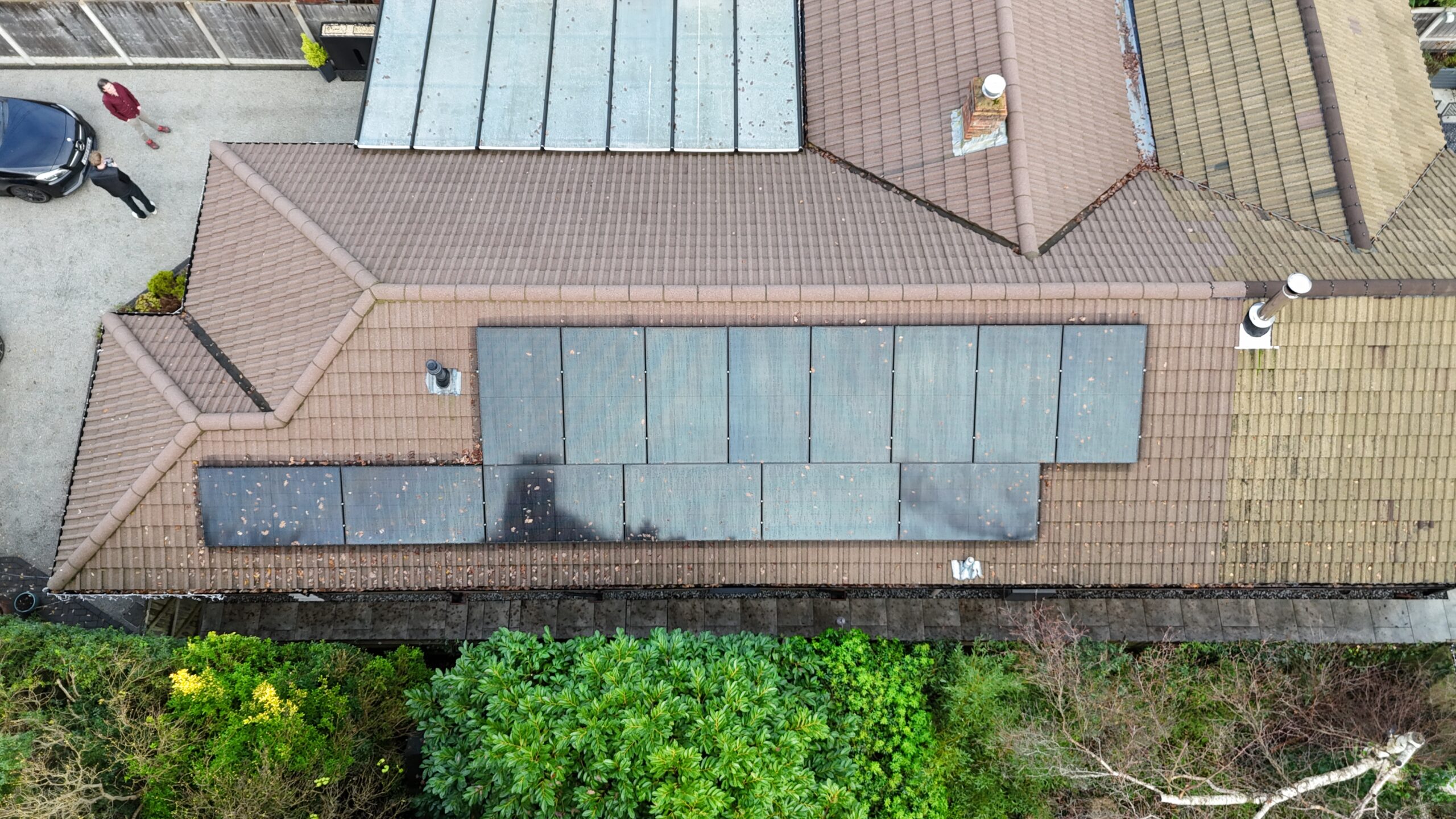
A standard 4kW solar panel installation in the UK usually requires between 10 and 12 solar panels, depending on the wattage of each panel.

Most modern residential solar panels produce between 350 and 420 watts each. Using current averages, a 4kW system will typically need:

Approximately 20 to 25 square metres of usable roof space

This space does not need to be perfectly rectangular, but it does need to be relatively unobstructed. Chimneys, skylights, vents and changes in roof direction can reduce the amount of usable area.

For many detached and semi detached homes in Dorset and across the UK, a 4kW system fits comfortably on a single roof slope.

Typical Roof Space for a 6kW Solar System

A 6kW system requires more panels and therefore more roof space. In most cases, this means around 14 to 18 solar panels.
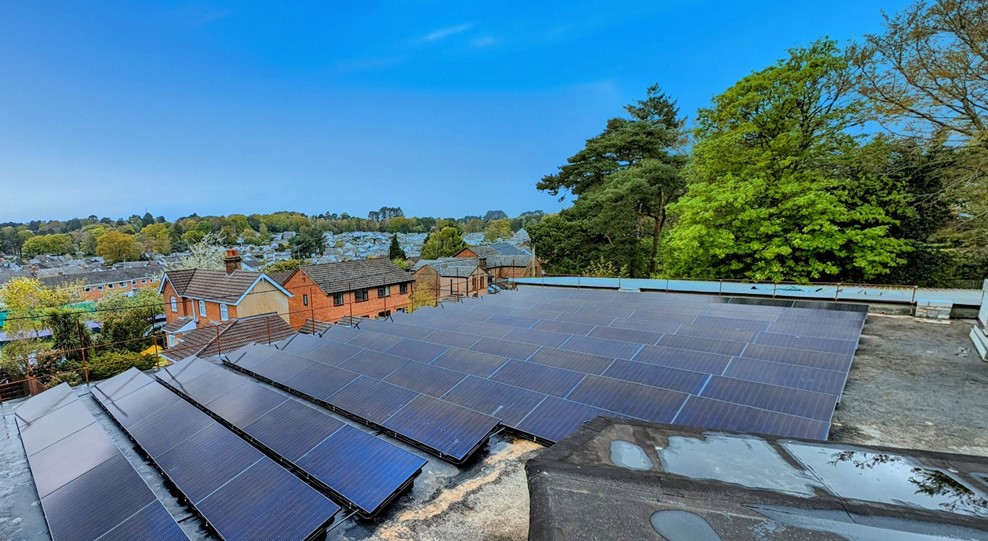
For roof space, you should expect:

Approximately 30 to 40 square metres of usable roof space

This often means using more than one roof slope, particularly on homes with complex roof shapes. While this is still achievable for many properties, it does require a more detailed assessment to ensure optimal performance.
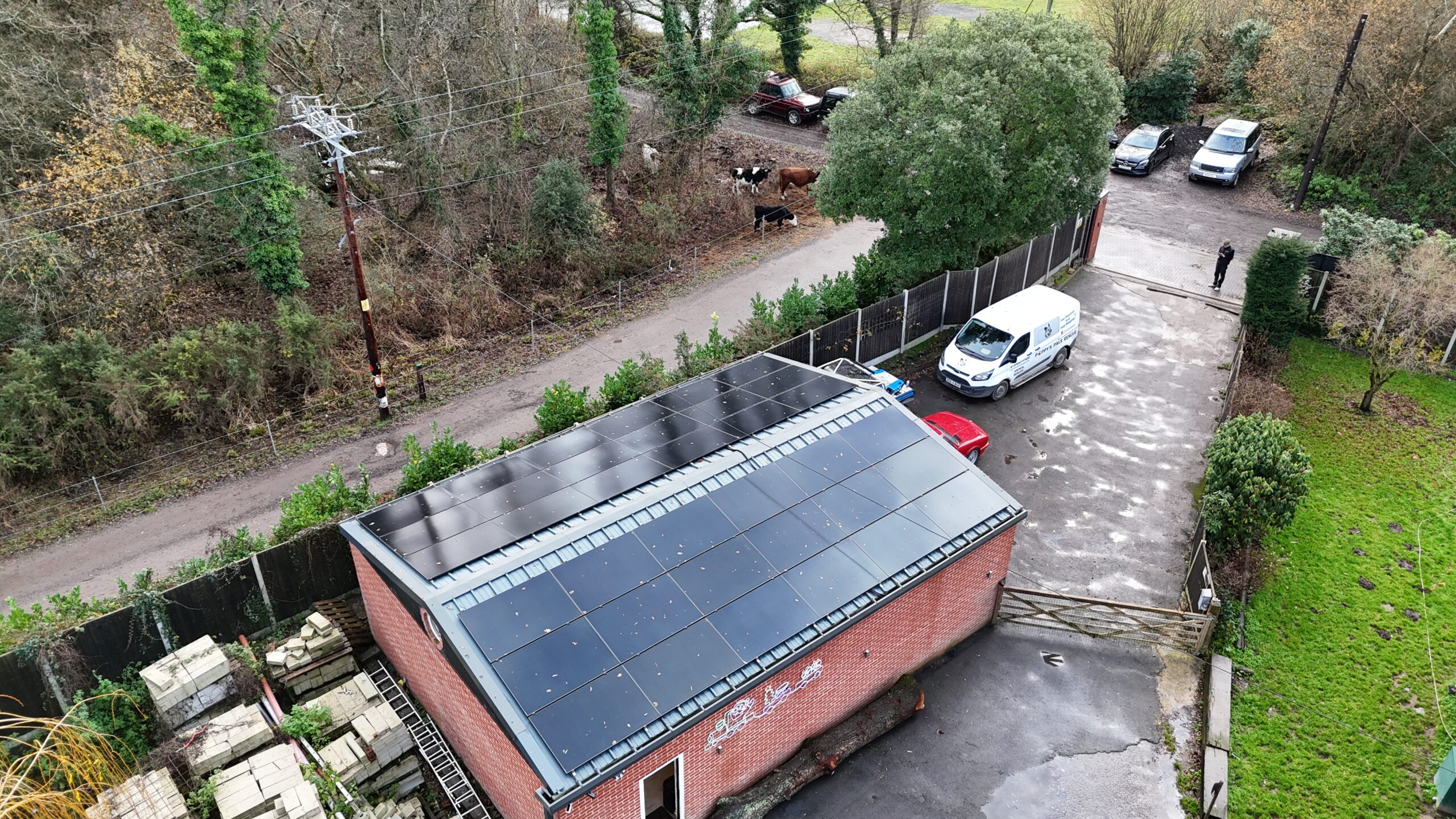
Larger systems are also more sensitive to shading, as even partial obstruction can affect overall output.

Factors That Affect Roof Space Requirements

While the figures above provide a useful guide, several important factors can increase or reduce how much roof space you need.

Panel Efficiency and Wattage

Higher efficiency panels produce more electricity in a smaller area. If roof space is limited, choosing higher wattage panels can allow you to install a 4kW or 6kW system using fewer panels.

This can sometimes increase the upfront solar panel cost, but it may be the best option where space is restricted.

Roof Orientation and Pitch

In the UK, south facing roofs generally provide the highest solar generation, but east and west facing roofs can still perform very well.

A steeper or shallower roof pitch can affect how panels are arranged, which in turn impacts how much space is needed. A well designed layout can often overcome these limitations, but orientation should always be considered early in the process.

Shading and Obstructions

Trees, neighbouring buildings, chimneys and dormer windows can all cast shadows that reduce performance. In some cases, panels need to be spaced differently or avoided in shaded areas, which increases the total roof space required.
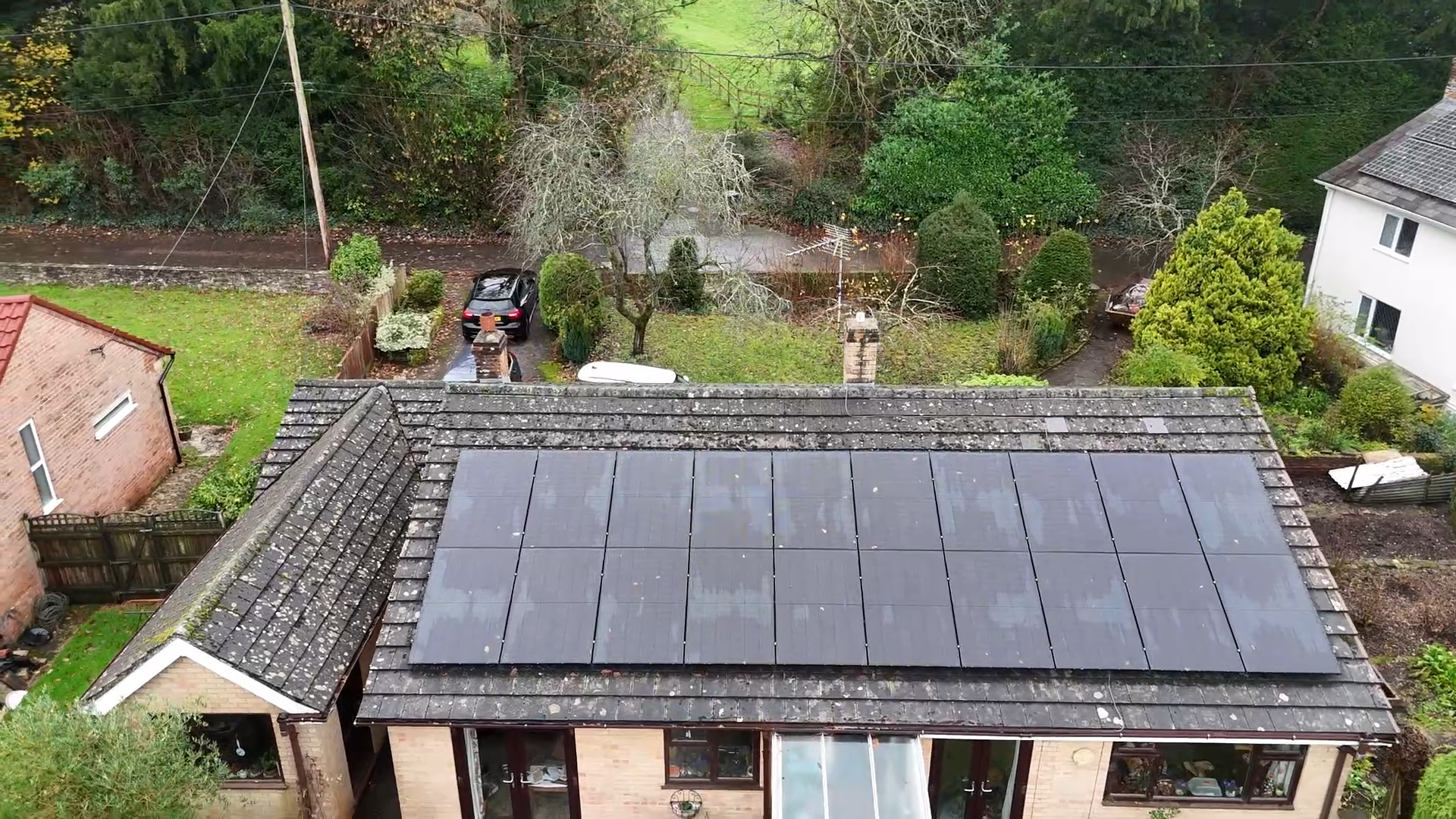
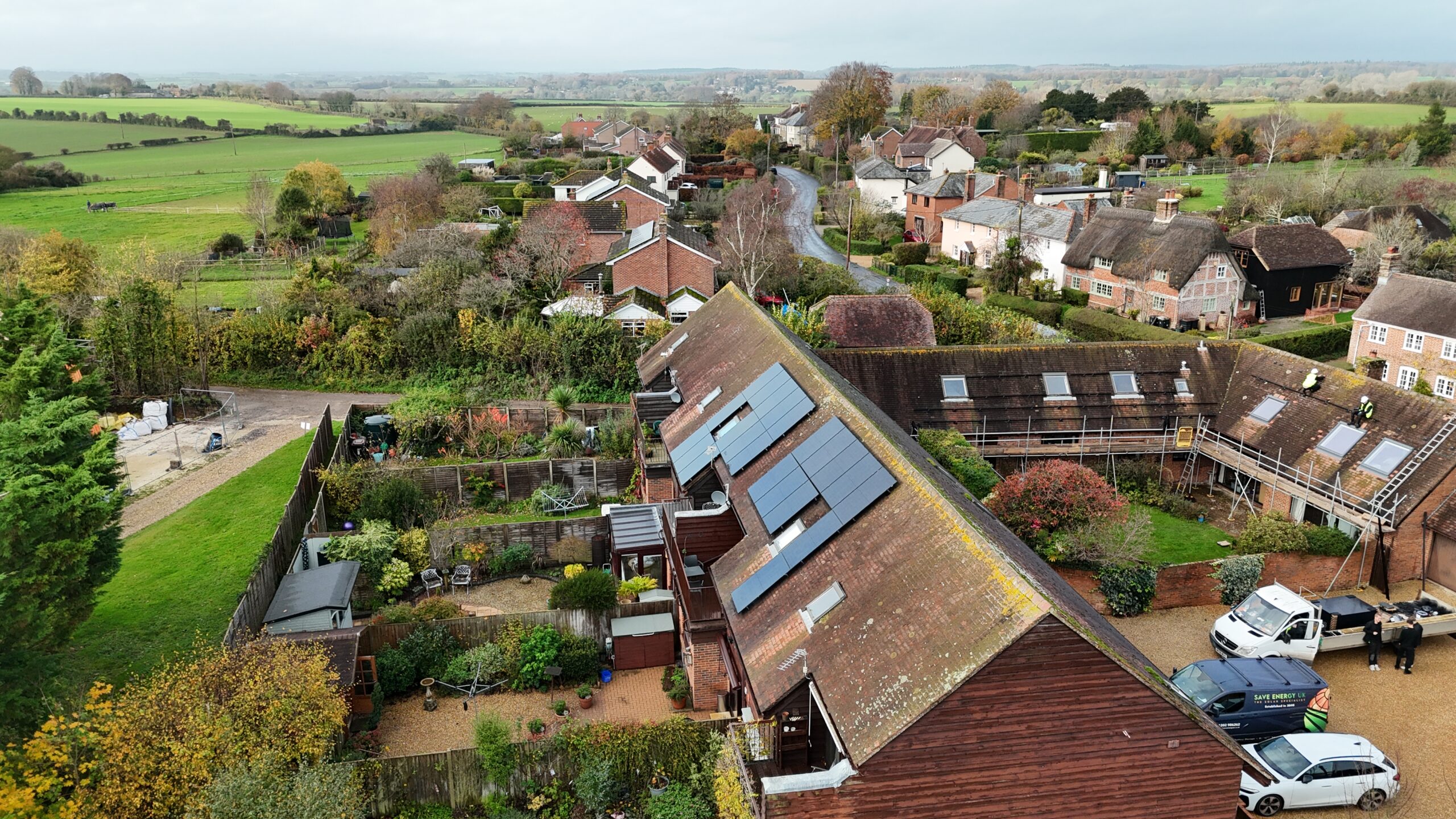
A professional survey will assess shading throughout the year rather than just at one point in time.

Property Type

Detached homes generally offer the most flexibility for solar panels on a home, while terraced properties may have more limited options. That said, many terraced homes can still support a 4kW system, particularly with modern high efficiency panels.

Practical Examples

To put this into context, consider a typical three bedroom semi detached house in Dorset.

If the household uses an average amount of electricity and wants to improve energy efficiency solutions without overinvesting, a 4kW system using around 22 square metres of roof space may be ideal.

For a larger household with higher daytime energy use, or plans to install solar batteries, a 6kW system spread across two roof slopes using around 35 square metres could offer greater long term savings.

In both cases, the exact layout will depend on roof shape and orientation rather than size alone.

Solar Panels, Batteries and Future Planning

When thinking about roof space, it is wise to consider future plans. Adding solar batteries allows you to store excess energy and use it later, helping you save electricity even when the sun is not shining.

A slightly larger system can make more sense if you expect your energy use to increase, for example through electric heating or vehicle charging. Planning ahead can avoid the need for costly changes later.

What About Commercial Solar?

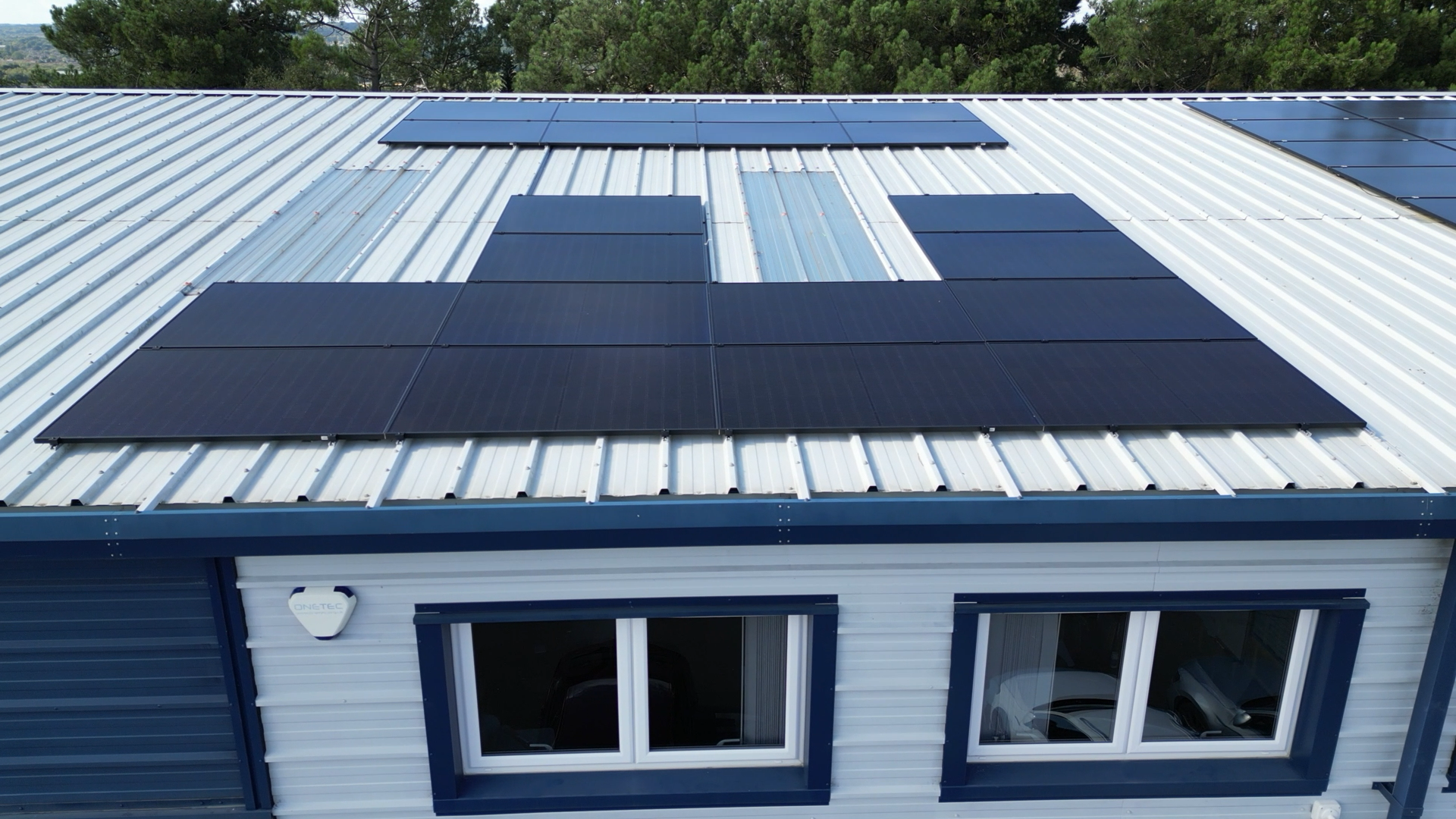
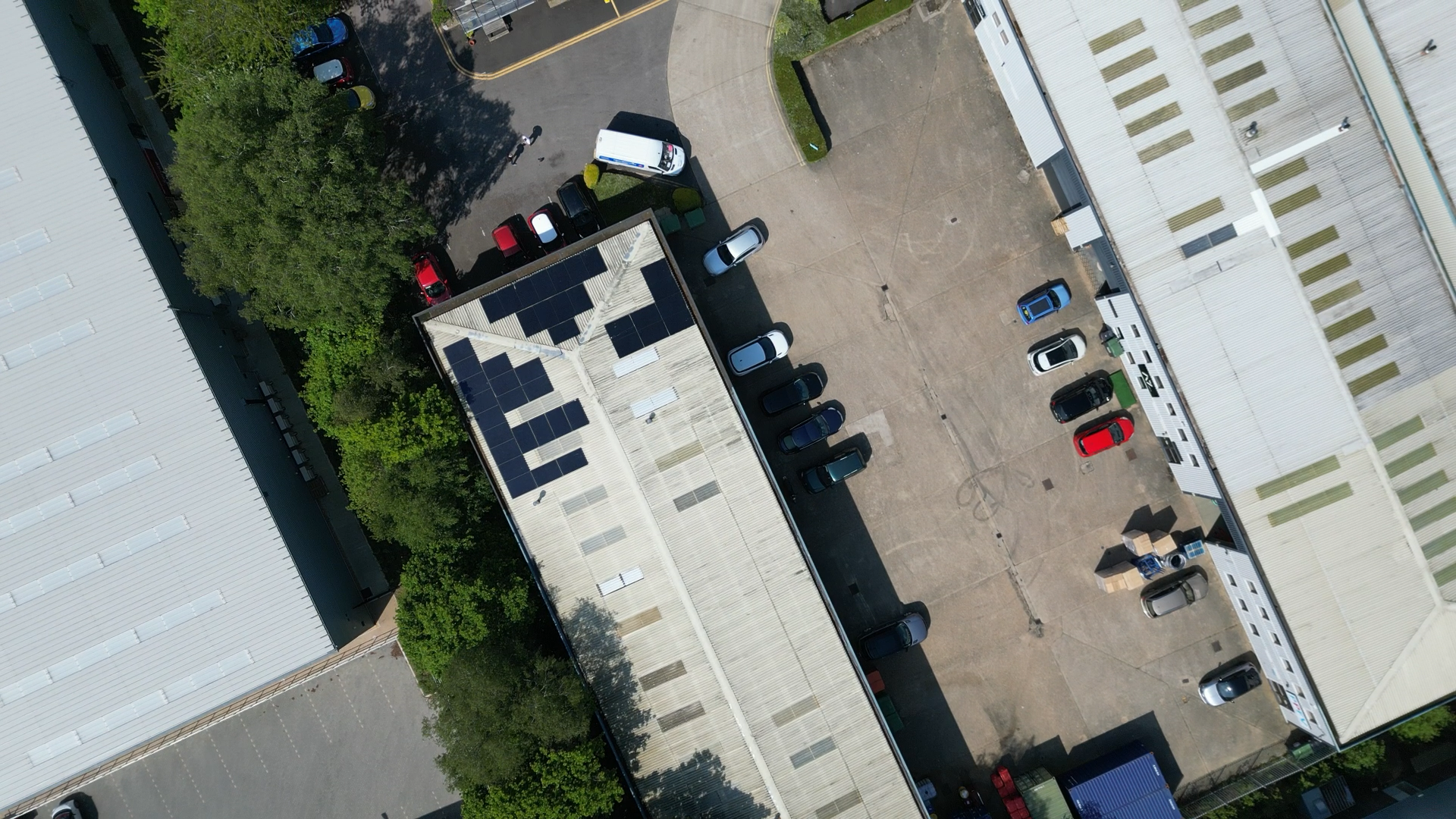
While this guide focuses on residential properties, the same principles apply to commercial solar installation. Businesses typically require far larger systems and roof space, but modern solar energy UK solutions are highly adaptable.

Warehouses, offices and agricultural buildings often provide excellent opportunities for commercial solar, delivering long term cost savings and improved sustainability.

Is Your Roof Suitable?

The best way to determine whether your roof can support a 4kW or 6kW solar panel installation is through a professional assessment. This considers roof size, structure, orientation, shading and your household’s energy use together rather than in isolation.

Frequently Asked Questions

Can a small roof still have solar panels installed?

Yes. High efficiency solar panels can generate significant power even on smaller roofs, making solar panels install possible for many homes that might initially seem unsuitable.

Does a 6kW system always perform better than a 4kW system?

Not necessarily. Performance depends on roof orientation, shading and how much electricity you actually use. A well matched system often delivers better value than a larger one.

Will solar panels damage my roof?

When installed correctly, solar panels protect the roof beneath them and do not cause damage. Professional installation is essential.

Are solar batteries worth it?

Solar batteries can significantly improve how much of your generated energy you use yourself, especially in the evenings. They are particularly valuable for households aiming to maximise energy independence.

Final Thoughts

Understanding how much roof space you need for solar panels is an important step in making an informed decision. While general guidelines are helpful, every home is unique, and the right solution balances space, energy use and long term goals.

If you are exploring solar energy as part of a broader approach to saving electricity and improving efficiency, expert guidance can make all the difference. Save Energy UK offers clear, honest advice and tailored assessments to help homeowners choose the system that truly fits their property and lifestyle.

If you would like to understand what is possible for your roof, a free, no obligation solar assessment can provide clarity and confidence before you take the next step.

Can solar panels power EV chargers at home?

Electric Vehicles

As more households embrace electric vehicles, one question increasingly comes to the forefront: can solar panels power EV chargers at home? The thought of fuelling a car using sunlight alone is undeniably appealing. It promises lower running costs, greater energy independence and a gentler impact on the planet. For many homeowners, it also sparks curiosity about how solar energy can support everyday living and how it fits into the wider picture of energy efficiency solutions in the United Kingdom.

The short answer is yes. Solar panels can absolutely power an EV charger at home. Yet, as with all renewable technologies, the reality is slightly more nuanced. The amount of energy you can generate, the consistency with which you can rely on it and the overall effectiveness of the system will depend on a combination of thoughtful planning, system design and the particular needs of the home.

This guide sets out everything you need to know, from solar panel installation and practical considerations to how solar batteries add flexibility to domestic charging.

How solar panels power an EV charger

Solar panels convert sunlight into electricity. When this electricity is produced on a home, it flows through an inverter which converts direct current into usable alternating current for household circuits, including an EV charger.

Electric vehicle chargers typically require a considerable amount of power. A standard home charger rated at around seven kilowatts will draw far more electricity than most other appliances in the home. While solar panels can generate impressive amounts of energy, the generation rate varies throughout the day and depends heavily on weather and season.

This is where system design becomes important. The goal is not to match the maximum charging rate using solar alone but to produce enough energy over time to meaningfully contribute to the energy the EV uses. When combined with solar batteries, even modest systems can achieve a remarkable level of self sufficiency.

How many solar panels do you need to charge an EV?

The number of solar panels needed depends on several factors, including the vehicle’s daily mileage, the efficiency of the panels and the size of the installation.

A typical electric car uses about three to four miles per kilowatt hour. An average UK daily commute might require between six and ten kilowatt hours of electricity. A well installed domestic solar system of around fourteen to sixteen panels can produce enough electricity across the year to cover at least a significant portion of this demand.

It is worth remembering that solar energy generation varies widely between summer and winter. In the brighter months, solar panels produce far more electricity than the home requires at any one time. In winter, the output declines. This is another reason why solar batteries can be valuable, as they allow surplus energy to be stored and used at times of low generation.

The role of solar batteries in EV charging

Solar batteries are becoming increasingly common in British homes and for good reason. They capture unused solar electricity and store it for later. This allows a homeowner to charge an EV even when the panels are not generating energy, such as during the evening or early morning.

A battery does not need to be enormous to be useful. Even a relatively small unit can contribute enough energy to support overnight charging sessions or top up the car during cloudy periods. Many households choose batteries because they help them save electricity, reduce reliance on grid power and make the most efficient use of their renewable investment.

Solar batteries also allow homeowners to manage energy in a more strategic way. If you combine solar generation with off peak electricity tariffs, it becomes possible to ensure that the car is charged at the lowest possible cost without compromising convenience.

Understanding solar panel cost and installation

Solar panel cost varies depending on the size of the system, the type of panels chosen and the complexity of the installation. The phrase solar panels install may sound straightforward, but it is a process that benefits from professional assessment and careful planning. A typical British home can expect a system to last at least twenty five years, so longevity and reliability matter.

Installers will assess the structure of the roof, its orientation, the available space and the presence of shading from trees or neighbouring buildings. They will also consider how best to integrate the EV charger with the existing electrical supply. A good installer will ensure that the system is tailored not simply to the home but to the lifestyle and energy habits of its residents.

The initial investment in solar panel installation is offset by long term savings on household electricity. Homeowners also gain protection from rising energy prices and are able to rely more on their own generation rather than the grid. Solar energy UK wide has become increasingly accessible, and Government policy continues to recognise the value of renewable systems both for homes and for commercial solar installations.

Can commercial solar benefit EV installers?

Although the focus of this article is homeowners, the rise of commercial solar and commercial solar installation is also highly relevant for EV installers. As businesses shift towards electric fleets, many are investing in solar panels and solar batteries to reduce operational costs. Installers themselves benefit from understanding how renewable technologies integrate with charging infrastructure, as customers increasingly expect informed guidance on energy efficiency solutions.

In both domestic and commercial settings, solar energy is becoming an essential part of long term planning around electric transport.

How weather and seasons affect EV charging from solar

One of the most common questions homeowners ask is whether solar panels still work in winter. The answer is yes. Solar panels do not require direct sunlight. They generate electricity even on cloudy days, although the output is significantly lower than in summer.

During winter, most EV charging will rely partly on grid power. However, the savings made during the brighter months still make solar panels on a home highly worthwhile. Over the course of a full year, the energy produced typically more than offsets the lower winter generation, ensuring a net benefit to the household.

Practical tips for homeowners and EV installers

If you are considering using solar panels to power an EV at home, the following points will help you make an informed decision.

Choose a reputable installer with experience in pairing solar systems with EV chargers.

Think carefully about daily driving habits. A household with low daily mileage may find solar an excellent primary charging solution.

Consider installing solar batteries to smooth out fluctuations between day and night and to store surplus energy.

Request a professional assessment of roof suitability and the expected annual output of the panels.

Review potential savings on electricity and compare them with the solar panel cost to understand long term value.

Frequently asked questions

Can solar panels fully charge an electric vehicle on their own?
Yes, but this depends on system size, battery storage and available sunlight. Many households find that solar contributes a substantial proportion of their charging needs rather than covering them entirely.

Do I need a solar battery to charge an EV using solar panels?
No, but it certainly helps. A battery allows you to charge the vehicle even when the panels are not generating electricity.

Will a seven kilowatt home charger work with solar energy?
Yes. Even if your system does not produce the full seven kilowatts at all times, the charger will automatically draw any shortfall from the grid.

Does solar work on cloudy or cold days?
Yes. Solar panels produce electricity in daylight, even without direct sunlight, though output will be lower.

Can solar cut the cost of running an electric vehicle?
Absolutely. Generating your own electricity helps you save electricity, reduces exposure to rising tariffs and contributes to long term savings.

Is solar energy worthwhile in the United Kingdom?
Very much so. Despite its reputation for cloudy weather, the UK produces enough daylight year round to make both solar panels and solar batteries highly effective.

A friendly word from Save Energy UK

If you are thinking about using solar panels to charge an electric vehicle at home, the best place to begin is with a tailored assessment of your property and energy habits. Every home is different and a well designed system can help you save electricity, reduce running costs and adopt more sustainable habits without compromising convenience.

If you would like expert guidance or wish to understand what a solar system might look like for your home, you are welcome to request a quote from Save Energy UK. There is no pressure and no obligation, simply clear information to help you make the right choice for your property and lifestyle.

Are there risks or downsides to installing solar panels at home

Reducing Energy Bills

For many homeowners across the United Kingdom, the idea of installing solar panels is becoming ever more appealing. The prospect of reducing energy bills, making the home more sustainable, and taking control of long term electricity consumption is understandably attractive. Yet it is equally natural to wonder whether there are risks or downsides to installing solar panels on a home. Any worthwhile investment deserves careful consideration, and solar energy is no exception.

In this guide, we shall explore the potential concerns that homeowners sometimes raise. We shall look at how realistic these issues are, what causes them, and how they can be avoided with responsible planning. By approaching the subject in an open and balanced way, we can gain a much clearer understanding of the real experience of solar panel installation across the UK.

Most importantly, you will find that while solar technology is remarkably safe and dependable, there are practical considerations every homeowner should understand before committing to a system. Knowledge is the key to confidence.

Understanding the common concerns about solar energy in the UK

Solar power has become an established part of modern living. It is widely used in both residential and commercial settings, with many businesses adopting commercial solar and commercial solar installation to reduce carbon emissions and ongoing costs. Even so, the average household still wants reassurance before investing in solar panels and solar batteries. The questions that arise tend to fall into a few clear categories: safety, roof suitability, costs, maintenance, insurance, and long term reliability.

Let us consider each theme individually.

Could solar panels damage a roof

One of the most frequently mentioned concerns is the possibility of damage to the roof during or after solar panel installation. In reality, this risk is extremely small when the work is carried out by a competent and experienced installer.

Solar panels are not attached directly to roofing tiles. They are mounted on secure brackets which are fixed to the rafters beneath. The installer assesses the roof structure, checks for any existing weaknesses, and ensures that the panels are positioned in a way that distributes their weight safely. In most cases, solar panels can actually provide a degree of protection because they shelter the roof from weather exposure.

Problems tend to arise only when panels are fitted to a roof that was already in poor condition or when the installer does not follow correct procedures. This is why a professional survey is essential. When installed properly, solar panels will not harm the roof and can last for decades.

Are there electrical or fire risks

Solar panels are electrical systems, and it is entirely reasonable for homeowners to ask about safety. Concerns often relate to the possibility of overheating or electrical faults.

Modern solar panels are designed with very high safety standards. They include protective components such as automatic shutdown features, thermal safeguards, and secure wiring routes. The greatest risk of electrical faults usually stems from amateur installation, poor quality components, or a lack of proper maintenance. When installed correctly, the risk of fire or electrical failure is extremely low.

The inverter, which converts the generated electricity into a usable form, should be checked periodically. Occasional servicing helps ensure that everything continues to function as intended. As with any electrical equipment, awareness and routine care are all that is needed.

What about the cost of solar panel installation

The cost of solar panels and solar batteries is another common point of concern. The initial outlay can appear substantial, and some homeowners worry that they may not see the return they expect.

The important consideration is not the upfront cost, but the lifetime value of the system. Solar panels typically last for twenty five to thirty years, and even longer with appropriate care. Once installed, the electricity they generate directly reduces the amount you need from the grid. Over time, this can make a meaningful difference to household expenses, especially as energy prices continue to rise.

Solar panel cost also varies depending on the size of the system, whether you include solar batteries, and whether you wish to integrate additional energy efficiency solutions. A well designed system can help you save electricity, increase energy security, and add value to the property. When viewed across its full lifespan, the investment becomes far more persuasive.

Is maintenance difficult or expensive

Maintenance requirements for solar panels are surprisingly modest. Panels have no moving parts, which means there is little that can go wrong mechanically. Most systems require only occasional cleaning to keep them free of dirt or debris. A professional check every one or two years ensures the inverter and wiring remain in good condition.

The majority of reputable installers offer warranties that cover performance and hardware. Many homeowners find that their panels continue to generate electricity well beyond their warranty period with minimal attention. This simplicity is one of the reasons solar energy has gained such strong popularity across both the domestic and commercial sectors.

Can solar panels affect home insurance

Home insurance providers generally have no issue with solar panel installations. Some may require you to inform them of the installation so that your policy reflects the updated value of the property. On rare occasions, a premium may change slightly, but many homeowners see no difference at all.

The most important factor is that the system is installed according to recognised standards. Approved installations are considered safe, and insurers are accustomed to dealing with them. It is simply a matter of keeping your insurance provider informed.

Does solar power work well in the UK climate

Another concern relates to the British weather. Many homeowners wonder whether solar panels can perform effectively given the frequent cloud cover.

Solar panels do not require constant sunshine. They generate electricity from daylight rather than direct sun rays. The United Kingdom receives ample daylight throughout the year to make solar energy UK wide both viable and efficient. While generation is higher in summer than winter, the overall annual output is surprisingly consistent. With the addition of solar batteries, excess energy can be stored for later use, improving the practical value of the system.

Will solar panels affect the appearance of the home

Some homeowners worry that solar panels might look bulky or detract from the appearance of the property. This is largely a matter of personal taste.

Modern panels are far more refined than older models. They have slimmer profiles, neater edges, and a uniform dark colour that blends with many roof types. Some homeowners even find the appearance attractive and modern. If aesthetics are a key concern, your installer can help you choose a panel style that suits your home.

What about shading issues or poor positioning

The performance of solar panels is influenced by the amount of direct light they receive. Heavy shading from trees or nearby buildings can reduce efficiency. This is why the initial survey is so important. Your installer will examine the property, study the orientation of the roof, and identify any potential shading problems.

A good system design can often work around moderate shading by splitting the panels into different strings or including optimisers that improve performance when part of the array is shaded. Even properties that are not ideally positioned can still enjoy meaningful benefits.

The real life experience of most UK homeowners

When weighing risks and downsides, it helps to consider the experiences of the many households and businesses that have already adopted solar. Across both domestic and commercial solar installation, the feedback is overwhelmingly positive. The technology is mature, the components are highly reliable, and the long term savings are well documented.

For most homeowners, the potential risks become far less daunting once they understand them. Solar panels are safe, robust and designed to withstand decades of weather exposure. They require little attention and can significantly improve energy efficiency. Their ability to help households save electricity and reduce reliance on the grid makes them a powerful tool for long term sustainability.

Final thoughts

Installing solar panels on a home is a decision that deserves thoughtful consideration. Yet once the facts are understood, the potential downsides are much less significant than they may first appear. With professional installation, sensible planning and occasional maintenance, solar panels offer a dependable and environmentally sound way to power your home.

If you would like personalised guidance on whether solar energy is right for your property, feel free to reach out. I am always happy to help you explore the best options for your home and your future energy needs.

How Do I Choose Between Roof Mounted and Ground Mounted Solar Panels

Renewable Energy Journey

Choosing the right type of solar panel system for your home or business is one of the most important steps in your renewable energy journey. Many homeowners know they want to save electricity, improve their energy efficiency solutions and cut long term bills, but they are not always sure whether roof mounted or ground mounted solar panels are the better fit. Both options offer excellent benefits and can significantly reduce your reliance on the grid, yet they suit different property types, lifestyles and energy goals.

If you live in Dorset or the surrounding areas including Bournemouth, Poole and Christchurch, you may have already come across Save Energy UK while researching solar panels on a home or commercial solar installation. Save Energy UK has almost two decades of experience and provides trusted solar panel installation for both homeowners and businesses across the region. They offer expert guidance, free home surveys and fully MCS certified workmanship, which makes the decision making process much easier.

To help you confidently choose between roof mounted and ground mounted solar panels, here is a complete, easy to read guide covering the differences, costs, benefits, space requirements and the kind of properties each option is most suitable for.

solar project

What Are Roof Mounted Solar Panels

Roof mounted solar panels are the most common setup in the UK. The panels are installed directly onto the roof surface using a secure mounting system. This type of installation is especially popular in places like Dorset where many homes have good exposure to sunlight throughout the day.

Roof systems work best when the roof is structurally sound, has minimal shading and offers enough space to position the panels at an efficient angle. For many homeowners looking for solar panel installation, this is the simplest and most cost efficient route. It is also ideal if you want to keep your garden space free.

Homeowners searching for terms like solar panels Bournemouth, solar companies near me or solar panels install will very often be directed toward this type of installation because it is widely suitable for most property types.

What Are Ground Mounted Solar Panels

Ground mounted solar panels are installed directly on land within your property rather than on the roof. They are supported by a frame system that keeps the panels at the correct angle to capture the maximum amount of sunlight.

This type of setup is popular in rural areas or on larger plots where the ground space is available and sunlight can be captured without obstruction. Ground mounted systems can be designed in different configurations depending on how much power you want to generate and how much flexibility you need with positioning.

They are also especially appealing to those who may not have suitable roofs. Some roofs are too shaded, too small, poorly angled or not strong enough for a solar panel installation. In these situations, a ground mounted system opens up the possibility of generating solar energy UK wide, even when the building itself is not ideal.

Comparing Roof Mounted and Ground Mounted Solar Panels

When deciding between these two options, it helps to understand the key differences in performance, cost, installation style and overall practicality.

Roof mounted panels typically make use of space that already exists on the property. This means the installation can be simpler and usually more affordable. If your roof is in good condition, faces south or south west and has enough open area, it will likely generate excellent energy for many years.

Ground mounted panels, by contrast, provide more freedom. You can place them exactly where the light is best. You can also adjust the angle easily and expand the array over time. They are often used for commercial solar projects or for properties aiming for higher power output. They may have a slightly higher installation cost because of the additional frame systems and groundwork required, but the flexibility and performance advantages are significant.

If you are searching for phrases like ground mounted solar panels UK or commercial solar installation, you will more often see ground mounted systems suggested, especially for farms, industrial units, smallholdings or properties with large gardens.

Space and Shading Considerations

One of the biggest deciding factors is space. Roof mounted solar panels rely entirely on the roof area you already have. If your roof is small, shaded by trees or neighbouring buildings, or oriented in an inefficient direction, the panels might not perform at their best.

Ground mounted solar panels allow you to choose the sunniest part of your property. This is especially useful if you have open land that receives strong daylight throughout the entire day. Because the panels sit on adjustable frames, they can be set at the ideal angle for sunlight. This often leads to higher efficiency and more predictable energy output.

If your goal is to save electricity consistently throughout the year, placing panels in a totally unshaded area can make a noticeable difference.

Cost Considerations and Long Term Savings

When homeowners search for solar panel cost, the results usually point to several factors rather than a single price. Roof mounted systems typically cost less to install because they use the existing structure of the home. Ground systems require more materials and preparation, which increases the upfront investment.

However, long term savings are not determined only by installation cost. They depend on how much clean energy your system generates over its lifetime. If ground mounting allows for optimal panel positioning and greater output, it may offer better value over time.

Because Save Energy UK specialises in both roof and ground mounted setups, they can assess your home during a free survey and help you understand which system will generate the best long term return.

Battery Compatibility and Energy Storage

Many homeowners now add solar batteries to their system. Batteries allow you to store excess energy for use at night or during peak demand times, which helps you save electricity more effectively.

Both roof mounted and ground mounted solar panels are fully compatible with leading battery systems. Save Energy UK installs Qcell battery options, Tesla solar panels with Powerwall compatibility and other solar batteries suitable for both domestic and commercial properties.

Battery storage is ideal for anyone looking to maximise solar energy UK wide, especially in areas with fluctuating energy prices.

Planning Permission and Building Considerations

Most roof mounted solar panels fall under permitted development in the UK, meaning you usually do not need planning permission as long as the panels meet certain guidelines.

Ground mounted panels sometimes require additional approval depending on their size, height and distance from boundaries. Save Energy UK can guide you through this process during your survey.

If you live in a conservation area, listed building or a site with special restrictions, a roof mounted installation may require approval as well. It is always worth checking early in the process.

Environmental Benefits

Both installation types offer excellent environmental benefits. Solar panels help reduce carbon emissions, lower demand on fossil fuels and support cleaner energy production in the UK. Whether installed on the roof or on the ground, solar panels are one of the most effective energy efficiency solutions a property owner can invest in.

Frequently Asked Questions

Do I need planning permission

Most roof systems do not require planning permission. Ground systems may require approval depending on size and location.

Can I add a battery later

Yes. You can install solar panels now and add a battery at any time in the future.

Which option is best for small roofs

If your roof is too small or shaded, a ground mounted system may be the better choice.

Can solar panels be used on older homes

Yes, as long as the roof is structurally sound. Save Energy UK will assess this during your survey.

Save Energy UK is a leading solar installation company in Dorset with nearly twenty years of experience. They are MCS certified, trusted by homeowners across Bournemouth and the South Coast and known for providing honest advice and excellent customer care. They offer free home surveys, clear explanations and complete systems including panels, inverters, solar batteries and commercial solar solutions.

Their friendly team will help you understand whether roof mounted or ground mounted solar panels will deliver the greatest benefit for your home or business.

A Helpful Way to Move Forward

If you are still unsure which option suits you best, the easiest next step is to arrange a free and friendly survey with Save Energy UK. They will assess your home, check shading and positioning, talk you through solar panel installation options and give you expert personalised advice without any pressure.

Choosing the right system now will help you save electricity, improve your home’s efficiency and enjoy long term energy independence.

How Long Do Solar Panels Last UK Homeowners Before Needing Replacement?

Understanding the Typical Lifespan of Solar Panels in the UK

The lifespan of solar panels is one of the most important considerations for UK homeowners investing in renewable technology. Understanding how long solar panels last, how their performance changes over time and the factors that influence replacement helps households make informed decisions about long term energy efficiency solutions. Although solar technology continues to advance, the fundamentals of lifespan and degradation remain consistent across most modern systems installed throughout the UK.

Most solar panels on a home in the UK are expected to last 25 to 30 years before their performance begins to decline significantly. This does not mean the panels suddenly stop working at the end of this period. Instead, they experience gradual reductions in power output often referred to as solar degradation rate. A well installed system can continue generating useful electricity well beyond the typical warranty period.

Manufacturers commonly offer performance warranties guaranteeing around 80 to 85 percent efficiency after 25 years. This provides a reliable indicator of lifespan expectations under normal conditions. Many panels remain operational for much longer although homeowners will notice a steady decrease in energy production as the system ages.

UK climate conditions also influence longevity. The country’s moderate temperatures and relatively low levels of extreme weather are generally favourable for solar panel lifespan UK wide. High quality systems installed to MCS standards typically endure decades of operation without significant issues.

residential solar panel installation

What Degradation Means for Long Term Performance

Every solar panel experiences slow predictable reductions in output over time. The global average solar degradation rate is estimated between 0.3 and 0.8 percent per year. This means a panel that produces 100 percent of its rated output when new might deliver around 88 to 93 percent after 21+ years.

Several factors influence this rate including
• manufacturing quality
• the type of solar cells used
• environmental exposure
• installation quality
• operational maintenance
• inverter performance

Premium brands such as SunPower and Panasonic are known for lower degradation rates due to higher quality cell construction and protective materials. However many modern monocrystalline panels from various manufacturers also achieve long term performance suitable for UK installations.

Factors That Affect How Long Solar Panels Last

Climate and Environmental Conditions

The UK’s solar energy UK environment is relatively gentle compared with regions experiencing extreme heat or heavy snow loads. Mild temperatures reduce thermal stress on panel materials which helps extend lifespan. Rainfall also assists in naturally clearing dust and debris from panel surfaces improving efficiency.

However coastal regions including parts of Dorset and the South Coast may have increased salt exposure which can accelerate wear on metal components if the system is not appropriately designed for marine environments.

Build Quality and Manufacturing Standards

Solar panels vary in quality depending on the brand manufacturing techniques and materials used. Panels constructed with robust aluminium frames tempered glass and long lasting encapsulation films typically achieve longer operational lifespans. Advanced protective coatings and durable backsheet materials further reduce the risk of microcracks and moisture ingress.

Installation Quality

High quality installation plays a crucial role in determining how long solar panels last UK homeowners. Systems installed according to MCS standards ensure proper mounting electrical safety and environmental protection. Poor installation such as insecure mounting or incorrect wiring can shorten lifespan and increase the likelihood of early failure.

Panel Type

Monocrystalline panels tend to last longer and maintain efficiency more effectively than older polycrystalline models due to their higher purity silicon. While both types continue to be used in residential and commercial solar installation projects monocrystalline technology is now the standard for long term performance.

Inverter Lifespan

Although not part of the panel itself the inverter significantly impacts overall system performance. Most inverters need replacement every 10 to 15 years. If an inverter fails the panels may stop generating electricity even if they remain in good condition. Modern hybrid systems that include solar batteries may use advanced inverter and charging units with varied lifespans depending on usage.

Signs That Solar Panels May Need Replacing

Solar panels rarely fail suddenly. Instead homeowners will notice gradual changes that indicate it may be time to consider replacement. Some of the most common indicators include:

Significant Drops in Energy Output

A consistent and noticeable decline in electricity generation despite favourable weather can signal panel degradation. Monitoring systems or smart meters often reveal long term performance trends.

Physical Damage

Cracks in the glass surface delamination corrosion or warping of the frame all reduce efficiency and may pose safety risks. Damage from falling branches hail or accidental impact is less common in the UK but still possible.

Inverter Performance Issues

If electricity generation appears inconsistent or the system frequently shuts down the inverter may be affecting overall output. While this does not necessarily mean the panels need replacement it can influence the timing if the system is already decades old.

Hotspots or Burn Marks

Localised areas of overheating often appear due to internal faults or shading issues. Hotspots accelerate degradation and can shorten lifespan if not addressed.

Outdated Technology

Some older systems may lack the efficiency and compatibility features of modern solar panels or solar batteries. Although many older panels still function well their reduced output may prompt homeowners to replace them earlier than strictly necessary.

Domestic Versus Commercial Solar Lifespan

Both domestic and commercial solar systems use similar photovoltaic technology though commercial solar installation projects typically use larger scale equipment designed for higher energy demands. Commercial solar systems often benefit from more rigorous maintenance schedules and industrial grade components which can extend operational lifespan.

However residential systems also achieve impressive durability when installed by certified professionals. The overall difference in lifespan between domestic and commercial solar is generally minimal with both achieving multiple decades of reliable operation.

How UK Regulations and Standards Support Longevity

The UK solar industry is regulated to ensure system safety performance and reliability. MCS certification sets clear guidelines for product quality and installation standards. This guarantees that solar panels installation work and associated components meet strict criteria for durability and long term performance.

Homeowners choosing MCS certified installers can expect systems tested and verified to withstand common UK environmental conditions including wind uplift moisture exposure and temperature variations. These standards contribute significantly to the typical solar panel lifespan UK homeowners experience.

The Role of Warranties in Predicting Panel Longevity

Most reputable manufacturers offer two types of warranties
• a product warranty usually lasting 10 to 15 years
• a performance warranty lasting 25 years or more

The performance warranty guarantees that the solar panels UK homeowners install will not fall below a specified output percentage typically around 80 to 85 percent after 25 years. This benchmark is widely used to define the functional lifespan of panels across the industry.

Some premium brands extend product warranties up to 25 years providing additional assurance of long term durability.

Solar Batteries and Their Impact on System Longevity

While solar batteries do not directly influence how long panels last they affect the overall lifespan of the complete solar energy system. Battery storage units have differing lifespans depending on cycle usage depth of discharge and chemistry type. Most lithium batteries last between seven and fifteen years before capacity noticeably drops.

Systems combining solar batteries with panels and inverters may require component replacements at different intervals to maintain optimal output. This staged replacement approach is typical in long term solar energy UK systems both domestically and commercially.

When Should Homeowners Replace Their Solar Panels?

Replacement is usually recommended when energy output falls below practical levels for household consumption. If panels are producing significantly less electricity than required even after inverter checks cleaning and shading assessments replacement may be necessary.

Age is also a factor. Panels approaching or exceeding 30 years may still function but generally operate at reduced efficiency. Many homeowners choose to replace them to take advantage of advances in solar panels efficiency materials and installation standards.

If physical damage corrosion or electrical faults are present replacement may be the safest and most effective option.

Conclusion

Solar panels are a long term investment designed to provide decades of reliable electricity generation for UK households. With typical lifespans of 25 to 30 years and many systems operating well beyond that period they remain a highly durable renewable energy technology. Lifespan varies depending on environmental conditions build quality installation standards and system maintenance but modern solar panels on a home consistently deliver strong performance throughout their operational life.

Understanding the signs of degradation the role of warranties and the impact of associated components like inverters and solar batteries helps homeowners make informed decisions about replacement. As solar energy continues to advance homeowners across the UK can rely on well designed systems to save electricity and support long term energy efficiency solutions for many years.

Get in Touch

If you would like further guidance on solar panel lifespan, system performance or replacement considerations, Save Energy UK can provide clear technical information tailored to your property. Our team can help you understand how different system components age, what to expect from long term energy generation and how UK standards apply to your installation. For any questions or to discuss your specific setup, please feel free to get in touch with Save Energy UK for straightforward expert support.

Are there any tax benefits for homeowners who install solar panels?

Energy Prices

As energy prices continue to rise and more people look for ways to reduce their carbon footprint, many homeowners across Dorset are asking an important question: Are there any tax benefits for installing solar panels?

The short answer is yes. There are real financial advantages available in the United Kingdom for those who decide to invest in solar energy, and understanding them can help you make a more informed decision about your home’s future.

A brighter choice for Dorset homeowners

Solar energy has become one of the most popular ways for homeowners to cut energy costs and live more sustainably. Beyond helping the environment, solar panels can reduce reliance on traditional energy suppliers and make your home more self-sufficient.

But what many people don’t realise is that there are also government-backed tax incentives and schemes that make switching to solar much more affordable. If you live in Bournemouth, Poole, or anywhere across Dorset, these benefits could make solar installation one of the smartest home improvements you ever make.

The main tax benefits and incentives

Zero percent VAT on solar panels

One of the most significant benefits currently available to UK homeowners is the zero percent VAT rate on certain energy-saving materials, including solar panels.

Introduced in April 2022, this measure means that the supply and installation of solar panels on residential properties are completely exempt from VAT until March 2027. In other words, homeowners do not pay any tax on the cost of installation, which can reduce the overall price by as much as 20 percent compared with previous years.

To qualify, the system must be installed by an accredited company and fitted on a domestic or charitable property. This initiative has made solar energy more affordable for thousands of households, allowing more people to take advantage of clean, renewable power.

The Smart Export Guarantee (SEG)

Another valuable benefit is the Smart Export Guarantee, often referred to as the SEG. This government scheme allows homeowners to earn money for the excess electricity their solar panels generate and export back to the national grid.

It works very simply. Your solar system produces electricity, you use what you need, and any surplus energy is automatically sent back to the grid. With the right smart meter in place, your energy supplier then pays you for each unit you export.

Although this isn’t a tax relief in the traditional sense, it is a genuine financial reward that makes owning solar panels even more worthwhile. Over time, SEG payments can make a noticeable difference to your household savings and shorten the payback period of your installation.

Other government support schemes

In addition to VAT relief and the Smart Export Guarantee, there are a number of other support options available to homeowners. Some households may qualify for additional assistance through national initiatives such as the Energy Company Obligation (ECO4) or the Boiler Upgrade Scheme.

These programmes often target homes that are less energy-efficient or households on lower incomes, helping them to reduce emissions and energy costs through renewable technology. While not everyone will be eligible, it is worth checking with a local installer like Save Energy UK to see if you qualify for any grants or funding opportunities.

How these benefits improve your return on investment

Removing VAT from installation costs and earning money through the SEG both play a major role in improving the financial case for solar power. Together, they can reduce the initial cost, generate ongoing income, and bring down the number of years it takes to recover your investment.

Many homeowners in Dorset find that solar panels begin to pay for themselves within six to ten years, depending on factors such as property type, roof orientation, system size, and personal energy use. With solar panels typically lasting twenty to twenty-five years, this means plenty of time to enjoy “free” electricity after reaching your break-even point.

It is also worth noting that the zero percent VAT rate is currently time-limited. The relief is due to run until March 2027, after which VAT is expected to return to a reduced rate of five percent. Acting sooner rather than later could save you a significant amount of money on your installation.

Residential and commercial differences

The tax incentives discussed above are primarily designed for homeowners rather than businesses. The zero percent VAT rate, for example, applies to domestic and charitable properties but not to larger commercial installations.

Similarly, the Smart Export Guarantee is aimed at small-scale producers of renewable energy, which typically means households rather than commercial premises. If you own a business and are considering solar energy, you may still benefit from other types of tax relief or grants, but the schemes will differ from those available to homeowners.

The environmental and long-term advantages

Installing solar panels is about more than just saving money. It represents a commitment to sustainability and a more responsible way of living.

Environmental impact

By generating your own clean energy, you reduce your reliance on fossil fuels and lower your carbon footprint. Over the lifespan of your solar system, this can have a significant positive effect on the environment, helping the UK move closer to its goal of reaching net zero emissions.

Long-term financial security

Solar panels provide more than just immediate savings. They offer long-term stability against rising energy prices, add value to your property, and can make your home more appealing to potential buyers who want lower running costs. With energy prices fluctuating, producing your own electricity is an investment that provides both peace of mind and predictable savings for decades to come.

Conclusion

If you are a homeowner in Dorset thinking about installing solar panels, now is an excellent time to act. The combination of zero percent VAT, the Smart Export Guarantee, and other available support schemes makes solar energy more accessible and financially rewarding than ever before.

When you partner with an experienced and accredited installer such as Save Energy UK, you gain the benefit of expert guidance and a tailored approach to your home’s energy needs. Our team can assess your roof, recommend the most suitable system, and show you exactly how much you could save not only on your energy bills but also through the current tax incentives.

Take the first step toward a greener, more efficient home. Contact Save Energy UK today for a free consultation and discover how solar power can work for you.

How Much Do Solar Panels Cost for a 3 Bed Home in Dorset?

Home in Dorset

If you own a three bedroom home in Dorset, you may have wondered how much solar panels actually cost and whether the investment is worth it. The truth is that solar energy has never been more affordable or more relevant for homeowners who want to save money and reduce their environmental impact.

In this guide, we will walk through the real costs of solar panels for a typical Dorset property, what influences the price, and how much you can expect to save in the long term. By the end, you will have a clear idea of whether now is the right time to make the switch with Save Energy UK.

Typical Costs for Solar Panels in Dorset

For an average three bedroom home, the cost of solar panels in Dorset generally falls between £6,000 and £8,000, depending on the quality of the equipment and the size of the system you choose.

A standard 4 kilowatt system, which is suitable for many mid sized homes, tends to be at the lower end of this range. If your energy use is higher or you want to include a battery storage option, the cost may be a little more.

This price includes the panels themselves, the inverter, and professional installation. Once installed, solar panels start working immediately, turning free sunlight into clean electricity that powers your home and reduces your bills.

While it may seem like a big upfront investment, remember that energy costs continue to rise year after year. Many homeowners in Dorset find that the system pays for itself within about eight to twelve years, after which the energy generated is essentially free.

What Affects the Cost of Solar Panels?

There is no single price for solar panel installation because each home is different. Several factors influence how much you will pay and how efficiently your system will perform.

Roof size and orientation play a big role. A large, south facing roof that receives good sunlight throughout the day will make installation simpler and maximise energy generation. If your roof faces east or west, you can still benefit, but the installer may need to use more panels to reach the same output.

Shading is another consideration. Trees, chimneys, or nearby buildings that cast shadows on your panels can slightly reduce performance. During your consultation, Save Energy UK will assess your property and recommend the ideal layout to get the most from your space.

System size affects both cost and energy savings. A small system might cost less, but it will also generate less electricity. A larger system, such as 5 or 6 kilowatts, will cost more upfront but can lead to much higher long term savings if your household uses more electricity.

Equipment quality and technology matter too. High efficiency panels from leading brands perform better and last longer. For example, monocrystalline panels typically generate more power than polycrystalline alternatives. Including solar battery storage such as a Growatt battery or Tesla Powerwall increases your initial cost but allows you to store excess energy and use it when the sun isn’t shining.

Finally, installation complexity and labour costs vary depending on your property. Homes with easy roof access tend to be quicker and cheaper to install. If scaffolding or roof work is needed, this can add to the overall price.

How Much Can You Save with Solar Panels?

When people ask whether solar panels are worth it in the UK, the answer is almost always yes, especially in sunny areas like Dorset. Even with our mixed British weather, solar panels generate electricity throughout the year.

A well sized solar system can cut hundreds of pounds off your annual electricity bill. For a typical three bedroom home, savings of £600 to £800 per year are achievable. Over 25 years, that could mean £15,000 or more in savings, not including the positive impact on property value.

Thanks to the Smart Export Guarantee, homeowners are also paid for any electricity they export back to the grid. This means that even when you are not using your solar energy, your system continues to generate income.

When you combine these savings with the fact that solar energy helps protect against future price rises, it is clear that the investment pays off in more ways than one.

Choosing the Best Solar Panels and Installers

Choosing the right system and installer makes all the difference. At Save Energy UK, we recommend working only with MCS certified installers who follow strict quality standards.

When comparing quotes, make sure you understand what type of panels you are being offered and what warranties are included. Reputable brands such as Qcell, Tesla, and Growatt provide long warranties and strong performance guarantees, ensuring your investment is protected for decades.

Local expertise also matters. Searching for solar panels Dorset, solar panels Bournemouth, or solar companies near me UK will show that regional installers understand the specific needs of Dorset homes. Roof angles, local weather, and coastal conditions all influence installation, so working with a nearby professional gives you a system built for your environment.

Solar Panel Financing and Payment Options

Not everyone wants to pay for their solar system in one go, and the good news is that there are several solar panel financing options available across the UK.

Some providers offer interest free or low interest loans, allowing you to spread the cost over a few years while still benefiting from lower energy bills right away. Others offer green energy finance packages designed to make sustainable home improvements more accessible.

When discussing finance, it is important to check the total cost, repayment terms, and whether you retain full ownership of your system. Owning your panels outright is generally the best long term option, as you receive all the savings and export payments.

If you prefer to invest upfront, remember that the sooner you install solar panels, the sooner you begin saving. With prices at record lows, now is an ideal time to act.

Are Solar Panels Worth It for Dorset Homes?

For many Dorset homeowners, solar panels are one of the most effective ways to reduce household expenses and increase energy independence. Once installed, your panels quietly generate power year after year with minimal maintenance.

Even during cloudy weather, modern solar technology converts daylight into electricity efficiently. When combined with solar battery storage, you can store unused energy during the day and draw on it in the evening. This means you rely less on the grid and enjoy lower bills around the clock.

If you are planning to stay in your home for the next five to ten years, the long term financial and environmental benefits are undeniable.

Contact Save Energy UK

Save Energy UK has helped hundreds of Dorset homeowners make the switch to clean energy. Our team offers tailored advice, free quotes, and honest recommendations based on your property and budget.

Whether you are exploring residential solar installation UK or simply want to learn more about the costs and savings, we are here to make the process straightforward and stress free.

Get in touch today to arrange your free solar assessment and discover how much you could save with solar panels in Dorset.

Frequently Asked Questions

Is solar worth it in Dorset?
Yes. Dorset receives a healthy amount of sunlight each year, making it an ideal location for solar power. Homeowners typically recover their investment within a decade while enjoying lower energy bills and increased property value.

Do I need planning permission for solar panels?
Most homeowners in the UK do not need planning permission for solar panel installation. However, if you live in a conservation area or own a listed property, it is best to check with your local council first.

Can solar panels power a whole house?
A well sized system can cover most of your electricity needs, especially when combined with a solar battery. During winter or very cloudy days, you may still draw a small amount from the grid, but overall dependence is greatly reduced.

How long do solar panels last in the UK?
Most solar panels last 25 to 30 years or more. They gradually lose a small amount of efficiency each year, but even after two decades they typically operate at 80 to 90 percent of their original output.

What maintenance do solar panels need?
Very little. Solar panels are designed to be self cleaning when it rains, although an occasional professional clean helps maintain peak performance. It is also good practice to have your system inspected every few years to ensure everything is working efficiently.

Is Autumn or Winter a Good Time to Install Solar Panels on the South Coast?

Introduction

Many homeowners believe that solar panels only work well in the summer months when the days are long, bright, and sunny. It is a common misconception that the cooler, darker months make solar energy less effective. However, for homeowners on the South Coast, autumn and winter can actually be an excellent time to install a solar energy system.

At first glance, this idea may seem counterintuitive. After all, who thinks about solar panels when the skies are grey and the air feels crisp? Yet, the truth is that solar panels generate energy from daylight rather than direct heat. Even in the UK’s cooler months, a properly designed system continues to deliver electricity efficiently.

By considering solar installation during autumn or winter, homeowners can take advantage of flexible scheduling, potential cost savings, and a head start on spring energy production. More importantly, you will be investing in your home’s energy independence and contributing to a greener, more sustainable South Coast community.

residential

How Solar Panels Work All Year Round

It’s a common myth that solar panels rely on direct sunshine to function effectively. In reality, photovoltaic (PV) panels work by capturing light from the sun, not heat. Even on cloudy days, the panels continue to generate electricity as long as there is daylight.

The technology behind solar panels allows them to convert photons (light particles) into electrical energy, meaning the amount of energy generated depends on the intensity of light, not the outside temperature. In fact, solar panels often perform better in cooler weather because high heat can slightly reduce their efficiency.

For homeowners in coastal regions like Bournemouth, Poole, and Dorset, this is excellent news. The South Coast receives ample daylight even in the winter months, allowing panels to continue generating a reliable level of electricity. Combined with battery storage, homeowners can capture excess energy during the day and use it in the evenings, reducing their reliance on the grid throughout the year.

Installing solar panels in autumn or winter also means that when the sunnier months arrive, your system will already be in place, fully operational, and ready to capture maximum sunlight immediately.

Why Autumn and Winter Can Be a Smart Time to Install

Many people assume that solar installation is best left for spring or summer, but in practice, there are several advantages to acting sooner.

First, solar installers tend to be less busy during the cooler months. This reduced demand often translates into shorter waiting times and greater flexibility in booking your installation. Rather than competing with homeowners who rush to install solar in spring, you can schedule at your convenience and have the system ready ahead of the busy season.

Second, by completing your installation before spring, you are well-prepared to make the most of the extended daylight hours that follow. Your panels will already be generating power at full capacity when the sun returns, allowing you to enjoy immediate energy savings and potentially sell surplus electricity back to the grid through schemes like the Smart Export Guarantee.

Third, autumn and winter often bring opportunities for attractive financing deals or seasonal promotions from solar companies near you. Taking advantage of these offers can reduce your upfront costs, making solar panel installation even more cost-effective.

Finally, the cooler months can be ideal for physical installation. Roof conditions are often better in autumn before heavy frost or ice, and professional installers are well-equipped to manage work safely and efficiently in moderate weather conditions.

By installing now, you are not waiting until the “perfect time” you are creating the perfect opportunity to be ready for next year’s sunshine.

Myths Versus Facts About Winter Solar Performance

There are several myths about how solar panels perform during winter, but let’s separate fact from fiction.

Myth 1: Solar panels don’t work when it’s cloudy.
Fact: Solar panels generate electricity from daylight, not direct sunlight. Even when the weather is overcast, the panels continue to produce energy, albeit at a slightly reduced rate. The South Coast’s mild and bright winters make it a viable location for consistent generation throughout the year.

Myth 2: Winter solar installations aren’t worth the investment.
Fact: While shorter days do reduce total daily output, the energy savings and environmental benefits remain significant over a full year. Solar systems are designed for long-term performance, so the months of reduced daylight represent only a small fraction of the system’s overall lifespan.

Myth 3: Cold temperatures harm solar panels.
Fact: Quite the opposite. Solar panels actually operate more efficiently in cooler temperatures. Excessive heat can lower voltage output, but crisp, cool air helps maintain optimal efficiency.

In summary, while the winter months may yield less overall energy than summer, the difference is far from dramatic. A well-installed system on the South Coast continues to provide consistent value every season.

Financial and Practical Considerations

One of the biggest questions homeowners ask is: Are solar panels worth it in the UK? The answer is a confident yes especially when you consider the long-term financial and environmental returns.

Solar Panel Cost

The cost of installing solar panels depends on the system size, the quality of components, and whether you include extras such as solar battery storage. While the upfront cost can seem significant, the long-term savings on energy bills often make the investment worthwhile. Many homeowners see their electricity costs drop by as much as 50% or more.

Solar Panel Financing UK

Financing options have made solar panels more accessible than ever. Some homeowners choose low-interest loans or pay-as-you-save plans, allowing them to spread costs over time. Because the savings on energy bills often offset the repayments, solar installation can quickly become a financially neutral or even positive decision.

Solar Battery Storage UK

Battery storage systems are particularly beneficial during the darker months. They allow you to store excess solar energy generated during the day for use later in the evening or when the weather is poor. This maximises your system’s efficiency and reduces reliance on the national grid, keeping your home powered by clean energy even after sunset.

System Longevity

Modern solar panels are designed to last between 25 and 30 years, often with minimal maintenance. Even after this period, most panels continue to function at reduced efficiency rather than failing entirely. This longevity ensures that the system continues to pay for itself many times over.

Installing solar panels during autumn or winter means your home will be ready to capture every ray of spring sunshine the moment it arrives, ensuring maximum return on your investment.

Sustainability and Eco-Conscious Living

Beyond the financial advantages, installing solar panels is a meaningful step toward sustainable living. Every kilowatt of energy generated from solar power is one less kilowatt drawn from fossil fuels.

For South Coast homeowners, the environmental impact is substantial. By generating your own renewable electricity, you can significantly reduce your carbon footprint and contribute to a cleaner environment for future generations.

Adopting solar power also aligns with the growing eco-conscious lifestyle movement. Homeowners are increasingly seeking ways to live more sustainably, and solar energy provides a visible and measurable way to make a difference.

Furthermore, solar energy supports energy independence. Rather than relying solely on national utilities, homeowners with solar and battery systems can generate and manage their own power, creating a sense of autonomy and resilience.

Choosing the Right Solar Company

Finding the right installer is just as important as choosing the right panels. When searching for solar companies near me UK, look for local providers with proven experience across Dorset, Bournemouth, and Poole.

The best solar companies for homes in the UK will offer transparent quotes, expert advice on system design, and clear guidance about the total cost of installation. They should also help you identify the best solar panels for homes UK, based on your property’s roof type, energy consumption, and budget.

Reputable companies will discuss battery storage options, long-term maintenance, and system warranties. They should also be accredited by trusted industry organisations such as MCS (Microgeneration Certification Scheme), ensuring the highest standards of installation and safety.

By partnering with a trusted company like Save Energy UK, you can be confident that your investment will deliver maximum efficiency, reliability, and environmental impact.

Frequently Asked Questions

Are solar panels worth it in the UK?
Yes, absolutely. Solar panels can significantly reduce your energy bills, and with electricity prices continuing to rise, the return on investment has never been better. Even in winter, they provide consistent output that helps cut your overall electricity costs.

How long do solar panels last in the UK?
Most high-quality solar panels last 25 to 30 years, with many continuing to operate beyond this period at slightly lower efficiency. Regular maintenance and cleaning help extend their lifespan and preserve performance.

Can solar panels generate power in winter?
Yes. Solar panels rely on daylight, not heat, to generate power. Even on cloudy or shorter days, panels continue to produce electricity,just at a slightly lower rate.

What are the benefits of solar battery storage?
Solar battery storage allows you to store the electricity you generate during daylight hours for use later in the day or at night. This maximises your self-consumption and reduces reliance on the grid, especially in the darker months.

Conclusion

Autumn and winter are often overlooked seasons for solar panel installation, yet they can be some of the most strategic times to take action. The cooler months offer flexible scheduling, potential financial incentives, and an opportunity to get ahead of the busy spring installation period.

By installing solar panels now, your home will be ready to capture the maximum energy possible when longer days return. You’ll immediately begin reducing your energy costs, lowering your carbon footprint, and improving your home’s energy independence.

Save Energy UK specialises in residential solar installation UK and also provides commercial solar solutions UK for businesses seeking to embrace renewable power. Their expert team covers the entire South Coast, including Bournemouth, Poole, and Dorset, ensuring every project is completed to the highest standard.

If you’re ready to take the next step toward a cleaner, more efficient future, contact Save Energy UK today to schedule a free consultation and discover how solar energy can transform your home.

What Maintenance Do Tesla Solar Panels Require After Installation?

Tesla Solar Panels

For many homeowners and business owners across Dorset and the South Coast, switching to Tesla solar panels represents a major step toward energy independence and sustainability. Tesla’s innovative solar technology has transformed the way properties generate and use clean power, offering sleek design, high performance, and reliable efficiency. However, even with Tesla’s impressive engineering, one of the most common questions asked by customers is: what maintenance do Tesla solar panels require after installation?

The answer is reassuring. Tesla solar panels are designed for long-term durability and minimal upkeep, but like any advanced system, a little care and attention will keep them working at their best. In this guide, Save Energy UK explains everything you need to know about maintaining your Tesla solar system, including cleaning tips, inspection schedules, inverter and Powerwall checks, and how Dorset’s coastal environment can influence maintenance needs.

Tesla Powerwall

Understanding Tesla Solar Panels and Their Design

Tesla solar panels stand out for their sophisticated design and smart technology integration. Each panel is built with high-quality tempered glass and durable components, engineered to withstand decades of exposure to the elements. They are installed flush to your roof, giving a modern, discreet appearance that complements any home.

Tesla systems are also paired with powerful monitoring software that allows you to track performance in real time. Through the Tesla app, you can see how much energy your panels produce, how much your household consumes, and when you are drawing from or storing electricity in your Powerwall battery. This level of visibility not only helps with efficiency but also assists in identifying potential issues before they become serious.

The durability of Tesla panels means they require less physical maintenance compared to older or cheaper systems. However, even the most advanced panels can be affected by dust, debris, bird droppings, and weather conditions, especially in coastal regions such as Dorset, where sea salt and high winds are common. Regular maintenance ensures that the panels continue to operate at maximum efficiency and that your investment delivers the best possible returns.

tesla mobile app

Routine Cleaning: Keeping Your Panels Efficient

The most important part of solar panel maintenance is cleanliness. Dirt buildup can reduce sunlight absorption and lead to a noticeable dip in energy output. While Tesla solar panels have a smooth glass surface designed to shed water and debris naturally, they still benefit from periodic cleaning.

For most homeowners, cleaning two to four times per year is ideal. In coastal areas like Bournemouth, Poole, and along the Dorset coastline, cleaning may be needed slightly more often due to salt residue from the sea air. Rain will wash away some dirt, but stubborn grime or bird droppings often require manual cleaning.

To clean the panels, use soft-bristled brushes or squeegees with mild soapy water. Avoid harsh chemicals or abrasive materials that could scratch the glass. It’s best to clean early in the morning or late in the evening when the panels are cool. If your roof is steep or difficult to access, Save Energy UK can arrange professional maintenance visits to ensure your panels are cleaned safely and effectively.

Tesla Powerwall Hero Image

Inspections and System Monitoring

Routine inspections are another key part of maintenance. Even though Tesla panels are low-maintenance, scheduling a professional inspection every 12 to 18 months is recommended. During these visits, a trained technician checks for loose wiring, corrosion, shading issues, and structural integrity.

Tesla’s smart monitoring system gives you constant insight into your system’s performance. If your solar output suddenly drops or you notice an unexpected alert in the Tesla app, it could indicate a problem such as a faulty connection, inverter issue, or shade interference. By monitoring your system regularly, you can catch small issues early and prevent costly repairs.

Save Energy UK often advises customers to keep an eye on their inverter status lights. Green lights indicate everything is functioning correctly, while flashing or red lights may suggest an error. If this happens, it’s best to contact a certified installer or Tesla-approved maintenance professional.

Maintaining Your Tesla Inverter and Powerwall

Your Tesla inverter and Powerwall battery are the heart of your solar system, converting sunlight into usable energy and storing excess electricity for later use. Although these components are robust, they still require occasional care to ensure long-term reliability.

For the inverter, ensure it is kept clean and well-ventilated. Avoid storing items close to it or blocking airflow. Inverters typically last around 10 to 15 years, and modern Tesla inverters are built for efficiency and quiet operation. If you ever experience performance warnings, Save Energy UK can arrange diagnostics or replacement as part of an ongoing maintenance plan.

The Powerwall battery also needs minimal upkeep, but periodic checks are helpful. The Tesla app will notify you if the battery requires updates or service. Because the Powerwall operates silently, many homeowners forget it’s even there. However, ensuring it runs optimally is crucial for maximising your energy independence. Save Energy UK technicians can verify its calibration, software updates, and capacity performance during regular service visits.

The Impact of Dorset’s Coastal Climate on Solar Maintenance

Living near the coast has many benefits, but it can also influence how solar panels perform. In places like Bournemouth, Poole, and along Dorset’s scenic coastline, the salty air and occasional storms mean panels may need slightly more attention.

Salt deposits can form a thin film on the glass, reducing energy absorption. Over time, this can lower efficiency if not addressed. Routine rinsing or professional cleaning prevents this buildup and protects your panels’ longevity. Coastal winds can also carry sand and debris that may settle on the panels, and strong gusts can occasionally loosen mounts or cabling.

Save Energy UK has extensive experience installing and maintaining solar systems in coastal areas, so the team understands these local factors well. When installing Tesla solar panels, they ensure the system is properly sealed, corrosion-resistant, and designed to handle the unique challenges of the local climate. This local expertise ensures long-term performance and peace of mind for property owners.

Why Professional Maintenance is Worth It

While Tesla solar panels require very little upkeep, professional maintenance services can help extend their lifespan and maintain efficiency. Professionals have the right equipment to safely clean panels and detect hidden issues such as microcracks, potential hot spots, or wiring faults.

A typical maintenance visit includes checking the mounting hardware, verifying electrical output, cleaning panels, and testing the inverter and Powerwall system. Technicians can also review the data from your Tesla app to ensure everything matches the expected performance benchmarks.

For most customers, an annual maintenance visit is sufficient. Save Energy UK offers flexible maintenance packages that include routine inspections, cleaning, and system checks. These services give homeowners confidence that their investment continues to perform efficiently year after year.

Understanding Solar Panel Warranties and Longevity

Tesla solar panels come with excellent warranties, reflecting the brand’s confidence in its technology. Typically, Tesla offers a 25-year performance warranty and a 10-year comprehensive warranty that covers workmanship and installation. To keep these warranties valid, it’s essential to maintain your system according to Tesla’s guidelines.

Neglecting maintenance might not void the warranty outright, but regular inspections and professional care demonstrate responsible ownership. It also means that, in the unlikely event of a claim, your system’s service records support a swift resolution. Save Energy UK helps customers track and document all maintenance work to ensure their warranty protection remains intact.

Cost of Maintaining Tesla Solar Panels

Many homeowners worry that solar panel maintenance will be expensive, but Tesla’s systems are among the most cost-effective to own. Most of the time, maintenance costs are minimal, especially compared to the long-term savings on electricity bills.

Occasional cleaning and inspection costs are a small price to pay for ensuring consistent performance and extended lifespan. Over the years, these simple maintenance routines help keep your return on investment high. When you consider that Tesla solar panels can generate clean electricity for decades, the ongoing costs are relatively low.

Choosing the Right Company for Tesla Solar Maintenance

Choosing a trusted, experienced company for your solar panel maintenance makes all the difference. Save Energy UK has become one of the leading solar companies near you for both residential and commercial solar maintenance across Dorset and the South Coast.

Their local expertise, professional approach, and commitment to sustainable energy make them the go-to team for homeowners and businesses who want peace of mind. Whether you need help with solar panel installation, inverter checks, or Powerwall diagnostics, Save Energy UK ensures your system continues to deliver clean, reliable power for years to come.

If you are researching solar installation near you or comparing the best solar panels for homes in the UK, Save Energy UK can provide transparent guidance, competitive prices, and end-to-end service from installation to long-term care.

Frequently Asked Questions

How often should Tesla solar panels be cleaned?
Most homeowners benefit from cleaning their panels two to four times a year, depending on location and weather. Coastal homes may need more frequent cleaning due to salt buildup.

Do Tesla solar panels need servicing?
They require minimal servicing, but a professional inspection every 12 to 18 months ensures all components work efficiently and safely.

Can I monitor the performance of my Tesla solar panels?
Yes, the Tesla app lets you track real-time performance, energy storage, and consumption data.

Does Dorset’s weather affect solar panel performance?
While coastal weather can introduce salt and debris, regular cleaning and proper installation keep performance strong throughout the year.

Who should I contact for maintenance or support?
Save Energy UK provides expert maintenance services and can help with everything from performance monitoring to Powerwall system checks.

Final Thoughts

Tesla solar panels represent a significant step forward in clean energy technology, combining style, efficiency, and minimal upkeep. When maintained correctly, they can continue producing renewable power for decades, reducing electricity costs and your carbon footprint.

For homeowners and businesses in Dorset, Bournemouth, and beyond, Save Energy UK offers the knowledge and support needed to keep Tesla solar systems performing at their peak. With professional cleaning, expert inspections, and local understanding of coastal conditions, you can be confident your investment will continue powering your property efficiently for years to come.

If you are considering installation, maintenance, or simply want advice on solar panel cost and performance, get in touch with Save Energy UK today to discuss your energy goals and take the next step toward a more sustainable future.