| Unit 20, Glenmore Centre, Poole, Dorset BH12 4FB | Mon–Fri 9:00am – 5:00pm
01202 986262 Get a Free Quote

Solar Panels on Industrial Units in Bournemouth?

Industrial Units

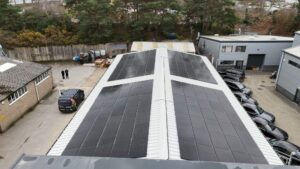
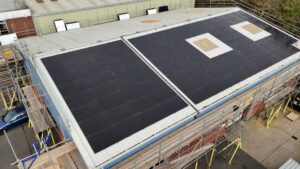
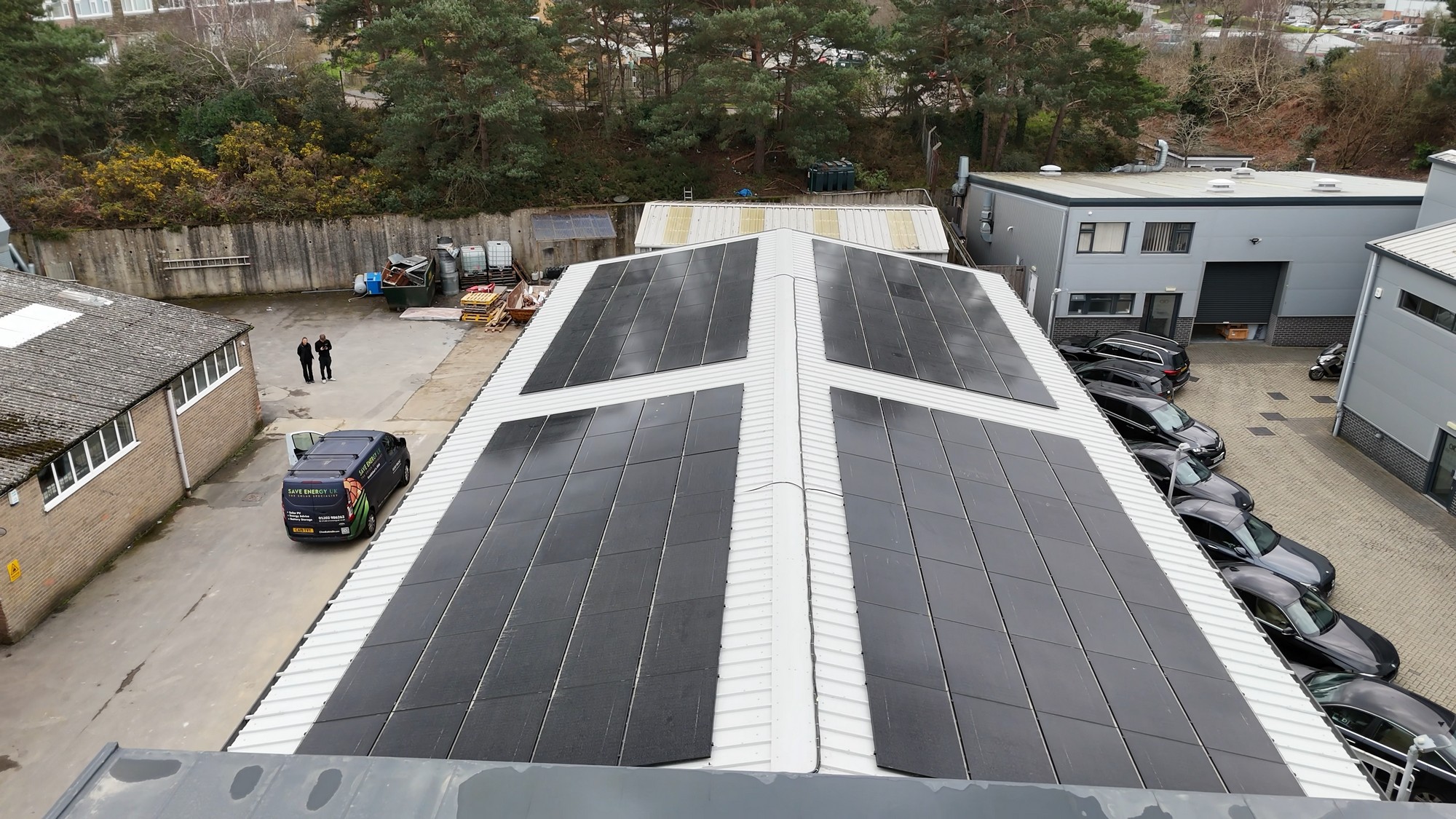
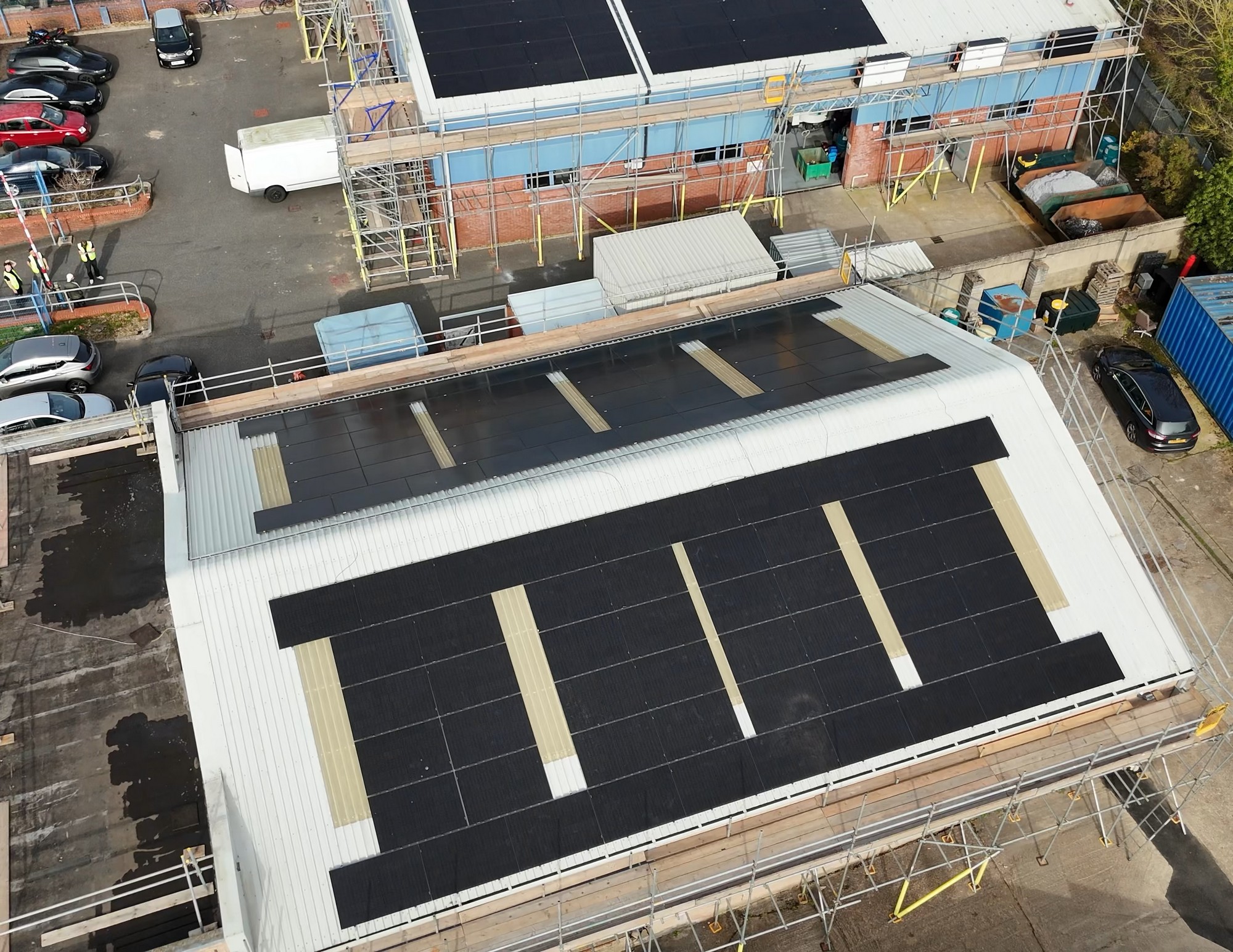
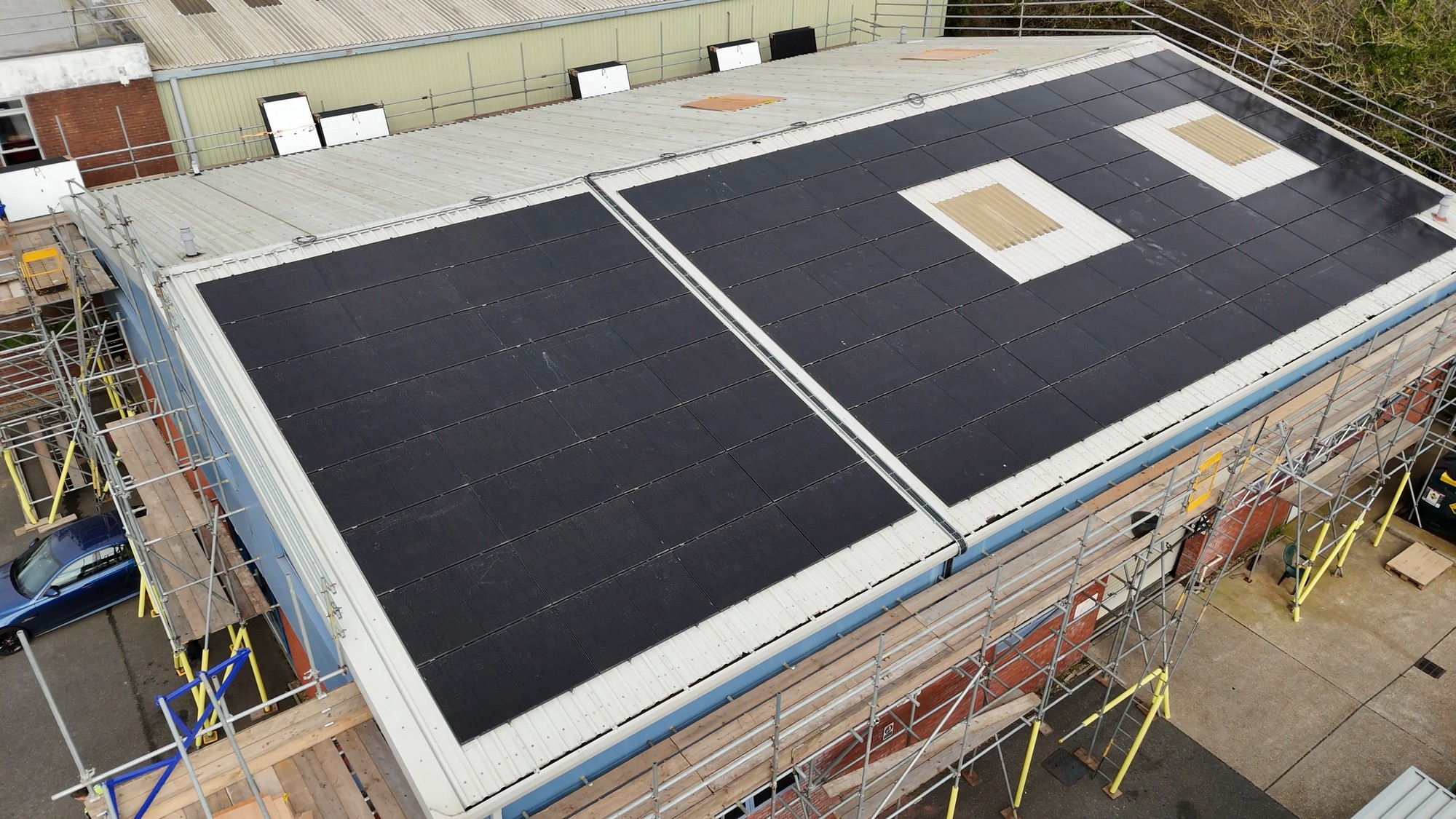
Industrial premises often have one considerable asset sitting unused above the business: a large expanse of roof. Installing solar panels on industrial units in Bournemouth can turn that space into a productive source of electricity, helping companies reduce their dependence on the grid and gain greater control over long term operating costs.

For warehouses, manufacturing facilities, distribution centres and other commercial properties, solar power can represent a sound investment. However, achieving the right result requires more than filling the available roof with panels. The system must reflect the condition of the building, its electricity consumption, operating hours and future energy plans.

Save Energy UK designs and installs commercial solar systems for businesses across Bournemouth, Poole, Christchurch and wider Dorset. A professional survey provides the clearest way to establish whether your industrial unit is suitable and what level of return your proposed system may deliver.


Can Solar Panels Be Installed on an Industrial Unit?

Yes, solar panels can be installed on many industrial units, warehouses and manufacturing facilities. These buildings frequently offer extensive roof space and consume substantial amounts of electricity during daylight hours. This can make them particularly suitable for commercial solar. Before installation, the roof structure, condition, orientation, shading and available electrical infrastructure must all be assessed.

Why Industrial Units Are Well Suited to Commercial Solar Panels

Industrial buildings can offer excellent conditions for solar generation. Their roofs are commonly larger than those found on offices, shops or residential properties. Consequently, they may be able to accommodate a substantial number of panels without taking up valuable operational space at ground level.

Many industrial businesses also use most of their electricity during the day. Machinery, lighting, heating, cooling, ventilation, office equipment and charging facilities can create a steady daytime demand. Solar panels generate electricity during these working hours, allowing the business to use a meaningful proportion of the power directly.

This relationship between generation and consumption is important. Electricity used at the point of generation reduces the amount that the business needs to purchase from its supplier. Therefore, a carefully designed system may help lower operating costs from the moment it becomes active.

The Commercial Benefits of Solar Panels on Industrial Units in Bournemouth

Lower Electricity Costs

Electricity can represent a significant overhead for manufacturers, warehouses and other industrial operators. Generating power on the premises can reduce the amount drawn from the grid.

The precise saving will vary between sites. It depends on the size of the solar array, annual generation, electricity prices and how much of the generated power the business consumes directly. Save Energy UK can assess consumption information and prepare a tailored projection rather than relying on a generic estimate.

Greater Control Over Energy Expenditure

Energy prices can fluctuate, which makes long term budgeting difficult. A commercial solar installation allows a business to generate part of its electricity at the premises. Although no system can remove every element of uncertainty, solar can reduce exposure to changes in grid electricity prices.

This greater degree of control may be particularly valuable for businesses with energy intensive equipment or narrow operating margins.

Productive Use of Existing Roof Space

Installing industrial solar panels allows a business to make productive use of a roof that would otherwise generate no direct financial value. There is usually no need to surrender storage, production or parking space.

A large roof may also provide sufficient room for a system that covers a meaningful proportion of the property’s electricity requirements. However, the available area alone should never determine the system size. The design must also reflect the business’s actual consumption.

Support for Environmental Commitments

Commercial solar panels can help a company reduce the amount of electricity it purchases from conventional grid sources. They may also support environmental policies, tender submissions, carbon reporting and wider sustainability objectives.

Businesses should base any environmental claims on genuine system data. Modern monitoring platforms can record generation and provide useful evidence for internal reporting.

Is Your Industrial Roof Suitable for Solar Panels?

Most industrial roofs require a detailed assessment before an installer can confirm suitability.

Roof Condition and Remaining Life

The existing roof should have sufficient remaining life to support a long term solar installation. If significant repair or replacement work is likely to be required soon, it may be sensible to complete that work before fitting the panels.

This approach can prevent the unnecessary cost and disruption of removing the solar array to undertake roof repairs at a later date.

Structural Capacity

A structural assessment can determine whether the roof can safely carry the panels, mounting equipment and associated loads. The survey must consider the building’s design, construction materials, age and present condition.

Industrial roofs vary considerably. Therefore, assumptions based on appearance or floor area alone are not sufficient.

Orientation and Shading

A southerly aspect can offer strong generation, but it is not the only practical option. Roofs facing east and west may produce electricity across a broader part of the working day, which can suit businesses operating from morning until late afternoon.

Nearby buildings, roof equipment, trees and other obstructions may create shade. A proper survey will account for these features when estimating likely output.

Available Roof Area

Roof lights, ventilation systems, access routes and safety requirements can reduce the area available for panels. The proposed layout must allow for safe installation, maintenance and emergency access where required.

How Is an Industrial Solar System Sized?

A commercial solar system should be designed around evidence rather than guesswork. Electricity bills provide a useful starting point, although half hourly consumption data can offer a much clearer picture of when the business uses power.

An installer can compare this demand with the anticipated solar generation throughout the day and across the seasons. This helps determine an appropriate system size and provides a more reliable estimate of how much electricity the business may use directly.

A larger system is not automatically a better investment. If the array regularly produces far more electricity than the business can consume or store, the financial return may depend heavily on export arrangements. A well considered design aims to balance roof capacity, electricity demand, budget and future plans.

Businesses should also mention anticipated changes during the survey. New machinery, longer operating hours, electric vehicle charging or planned expansion could all influence the most suitable design.

Could Commercial Battery Storage Be Beneficial?

Commercial battery storage allows a business to retain surplus solar electricity for use later. This may be valuable when the premises remain active after solar generation falls or when consumption varies considerably during the day.

A battery may also help a company increase the proportion of its generated electricity used on site. In some circumstances, it can store electricity purchased during cheaper tariff periods for later use, subject to the chosen tariff and system design.

However, battery storage is not essential for every industrial solar installation. A business with consistent daytime consumption may already use most of its solar electricity as it is generated. In that situation, adding a battery may not provide the strongest commercial return.

Save Energy UK can assess both options and explain whether storage is likely to add practical and financial value to the project.

Planning Permission and Grid Connection Requirements

Commercial solar installations require careful attention to planning and electrical network requirements.

Roof mounted panels on commercial premises may fall within permitted development rights when the relevant conditions are met. Nevertheless, listed buildings, conservation areas and properties with particular planning restrictions may require further consideration. Businesses should confirm the position for their specific premises before work begins.

Most commercial installations also require involvement from the local Distribution Network Operator. The application process depends on the proposed system and how it will interact with the electricity network. In some cases, the network operator may place a limit on the amount of electricity that the property can export.

Save Energy UK can consider these requirements as part of the planning and design process. Starting this work early can reduce the risk of avoidable delays. Further information is available in the company’s guide to installing solar panels on commercial property.

What Happens During a Commercial Solar Installation?

The process begins with an initial discussion about the property, its electricity consumption and the objectives behind the investment.

Save Energy UK can then assess the premises and gather the information needed to design an appropriate system. This may include roof measurements, shading, structural considerations, electrical infrastructure and access requirements.

The proposed design should set out the system size, panel layout, expected generation and estimated commercial benefits. It should also explain whether battery storage would be worthwhile and identify any relevant planning or grid connection requirements.

Once the design and quotation have been approved, the installation can be scheduled around the needs of the business. Careful planning can help limit disruption to staff, tenants, deliveries and normal operations.

After commissioning, a monitoring system can allow the business to review generation and understand how the installation is performing.

commercial solar panel installation

Commercial Solar Experience Across Dorset

Save Energy UK has designed and installed commercial solar projects for a range of organisations in Bournemouth and the surrounding area.

Its commercial work includes a 50kW solar PV system for the warehouse and showroom at PC Flooring in Poole. The company has also delivered a 320kW installation for Bowmill Engineering, a precision engineering manufacturer. Another large Dorset project involved 440 solar panels at Dorset Glass in Poole.

In Bournemouth, Save Energy UK installed 31 solar panels with an inverter and battery storage at the Applewood Hotel. The company states that solar now generates 70 per cent of the hotel’s energy. These examples demonstrate how commercial solar design can be adapted to different buildings, consumption profiles and operational priorities. Details of these and other projects are available through Save Energy UK’s commercial solar case studies.

Why Choose Save Energy UK?

Commercial solar requires a considered approach. The installer must understand roof suitability, electricity demand, system design, grid applications, battery storage and long term performance.

Save Energy UK has more than 21 years of experience designing, installing and maintaining solar PV and battery storage systems across Dorset and the wider UK. Its local presence also makes the company well placed to support businesses in Bournemouth, Poole and Christchurch.

Most importantly, the system can be designed around the property rather than selected from a standard package. This gives business owners the opportunity to understand the likely costs, generation and savings before deciding whether to proceed.

Frequently Asked Questions

How much do solar panels for an industrial unit cost?

The cost depends on the number of panels, roof construction, access, electrical work, inverter requirements and any battery storage included. A site survey is necessary before an accurate quotation can be prepared.

How long does a commercial solar installation take?

The timescale varies according to the size and complexity of the system. Planning considerations, structural work and network approval can also affect the schedule. Save Energy UK can provide a clearer programme after assessing the premises.

Can tenants install solar panels on an industrial unit?

A commercial tenant will usually need the property owner’s consent before altering the roof or electrical infrastructure. The lease should also be reviewed to establish responsibility for maintenance, insurance and reinstatement.

Arrange a Survey for Solar Panels on an Industrial Unit in Bournemouth

Installing solar panels on industrial units in Bournemouth can help businesses reduce electricity costs, make better use of existing roof space and support long term environmental goals. However, the value of an installation depends on intelligent design and an accurate understanding of the premises.

Save Energy UK can assess your industrial unit, examine its energy consumption and design a commercial solar system around the needs of your business. The team supports organisations throughout Bournemouth, Poole, Christchurch and wider Dorset.

Contact Save Energy UK today to arrange a free commercial solar survey and request a tailored quotation for your industrial property.

EcoFlow PowerOcean Installation in Bournemouth

Household Budgets

As electricity costs continue to place pressure on household budgets, many homeowners are looking for greater control over the energy they generate and consume. Solar panels can produce valuable renewable electricity during daylight hours. However, without battery storage, any surplus electricity that cannot be used immediately may be exported to the grid.

An EcoFlow PowerOcean installation in Bournemouth can allow you to store suitable surplus solar electricity for use later. This means your home can make better use of the energy generated on the roof, including during the evening or when solar generation is lower.

Save Energy UK designs and installs tailored solar panel and battery storage systems throughout Bournemouth, Poole, Christchurch and the wider Dorset area. If you are considering home battery storage, the team can assess your property, electricity consumption and energy priorities before recommending a suitable solution.

What Is EcoFlow PowerOcean?

EcoFlow PowerOcean is a single phase home battery and hybrid inverter system. It combines solar energy generation, battery storage and intelligent energy management within one integrated system.

The system uses lithium iron phosphate battery technology, commonly known as LFP. Each battery pack provides 5 kWh of capacity, allowing the installation to be configured according to the requirements of the individual home. Additional capacity can be incorporated where appropriate, giving homeowners a flexible system that can respond to changing energy needs.

However, choosing a battery should never involve selecting the largest capacity without careful consideration. The correct configuration will depend upon how much electricity your solar panels generate, when your household uses energy and what you want the system to achieve.

How Does EcoFlow PowerOcean Work with Solar Panels?

Solar panels generate electricity whenever there is sufficient daylight. Your home will use this electricity first, reducing the amount that needs to be imported from the grid.

At times, your panels may generate more electricity than the household requires. EcoFlow PowerOcean can store a suitable proportion of this surplus energy rather than allowing it to be exported immediately. Your home can then use the stored electricity later, perhaps during the evening when the panels are no longer generating as much power.

This relationship between generation and storage can help you use a greater proportion of your own renewable electricity. It may also reduce your reliance on electricity imported from the grid. However, the outcome will depend upon the size of the solar array, the battery capacity and the household’s consumption pattern.

A professional survey allows these factors to be considered together. Save Energy UK can then design a solar battery installation in Bournemouth around the way your household actually uses electricity.

Why Consider Home Battery Storage in Bournemouth?

Many Bournemouth households consume considerable amounts of electricity during the morning and evening. These periods do not always correspond with the strongest hours of solar generation.

Battery storage can help bridge this gap. Instead of losing access to surplus solar electricity once it has been exported, you can retain suitable energy for later use.

This may be particularly useful for households where residents are away during the day but return home in the evening. It can also suit homes with heat pumps, electric vehicles or other equipment that increases electricity consumption.

The precise financial benefit will vary between properties. Electricity tariffs, system size, household consumption and seasonal solar generation will all influence the results. Therefore, any responsible recommendation should begin with an assessment rather than a broad promise about savings.

What Are the Main Benefits of EcoFlow PowerOcean?

Flexible Battery Capacity

Every household has different electricity requirements. A smaller home with modest consumption may need a different battery capacity from a large family property with an electric vehicle and several high consumption appliances.

EcoFlow PowerOcean uses 5 kWh battery packs, allowing the capacity to be selected around your circumstances. This modular arrangement also provides scope for expansion where the system design and equipment configuration permit it.

Intelligent Energy Management

The EcoFlow app and web portal allow homeowners to monitor solar generation, battery storage and household electricity consumption. This gives you a clearer view of where your energy comes from and when your home uses it.

Rather than treating the battery as an isolated piece of equipment, the software helps you understand the performance of the wider energy system. This information can support more informed decisions about when to use electricity and how to make better use of stored energy.

Backup Power

EcoFlow PowerOcean can provide backup power when installed with the necessary equipment and configured appropriately. EcoFlow states that the inverter can supply up to 6 kW of continuous off grid power.

The appliances that can remain operational will depend upon their combined electricity demand, the available battery charge and the design of the installation. Consequently, you should discuss essential circuits and backup priorities during your survey. No battery can support unlimited demand, so careful planning remains essential.

Safety and Durability

EcoFlow PowerOcean uses LFP battery technology and includes a battery management system that monitors factors such as cell health and temperature. Each battery pack also incorporates a fire prevention module and heating pads that help the system operate across varying temperatures.

The equipment carries an IP65 rating, which provides protection against dust and low pressure water jets. This can make indoor or outdoor installation possible, subject to an assessment of the proposed location and all applicable installation requirements.

EcoFlow provides a 15 year warranty and states that the battery technology can deliver more than 6,000 charge cycles. The actual performance and service life of any battery will depend upon its usage, operating conditions and compliance with the manufacturer’s requirements.

Compatibility with Wider Home Energy Technology

EcoFlow PowerOcean can form part of a broader home energy system. Depending upon the chosen configuration, this may include smart energy monitoring and compatible electric vehicle charging equipment, such as the EcoFlow PowerPulse 2.

If you already have solar panels or an electric vehicle charger, Save Energy UK can review the existing equipment and determine whether it can be incorporated into the proposed design. Compatibility should always be confirmed before any equipment is ordered.

Is EcoFlow PowerOcean Suitable for Your Home?

EcoFlow PowerOcean may suit homeowners who want to store surplus solar electricity, reduce grid imports or create a more resilient home energy system. It can be considered as part of a new solar panel installation or as an addition to an existing system where compatibility allows.

However, suitability cannot be established from the size of a property alone. A thorough assessment should consider your electricity bills, daily consumption, roof space, solar generation, electrical infrastructure and available installation space.

Your future plans also matter. For example, you may expect to purchase an electric vehicle, install a heat pump or spend more time working from home. Factoring these changes into the design can help ensure that the system remains appropriate for longer.

What Happens During an EcoFlow PowerOcean Installation?

The process begins with a conversation about what you want to achieve. Some homeowners prioritise using more solar electricity, while others want backup power or greater visibility over their household consumption.

Save Energy UK can then survey your property and review your existing or proposed solar installation. The team will consider your energy usage, electrical system, available space and preferred equipment location.

Once the survey has been completed, Save Energy UK can recommend an appropriate battery capacity and inverter configuration. You will receive a quotation based on the requirements of your home rather than a generic package.

During installation, the engineers will fit and connect the agreed equipment, complete the necessary electrical work and configure the system. They can also explain how to use the EcoFlow app and monitor your energy.

A considered installation is important because the solar panels, inverter, battery and household electrical system must operate together. Correct system design can make the difference between simply owning a battery and having an energy solution that genuinely reflects your needs.

A Local EcoFlow PowerOcean Installation

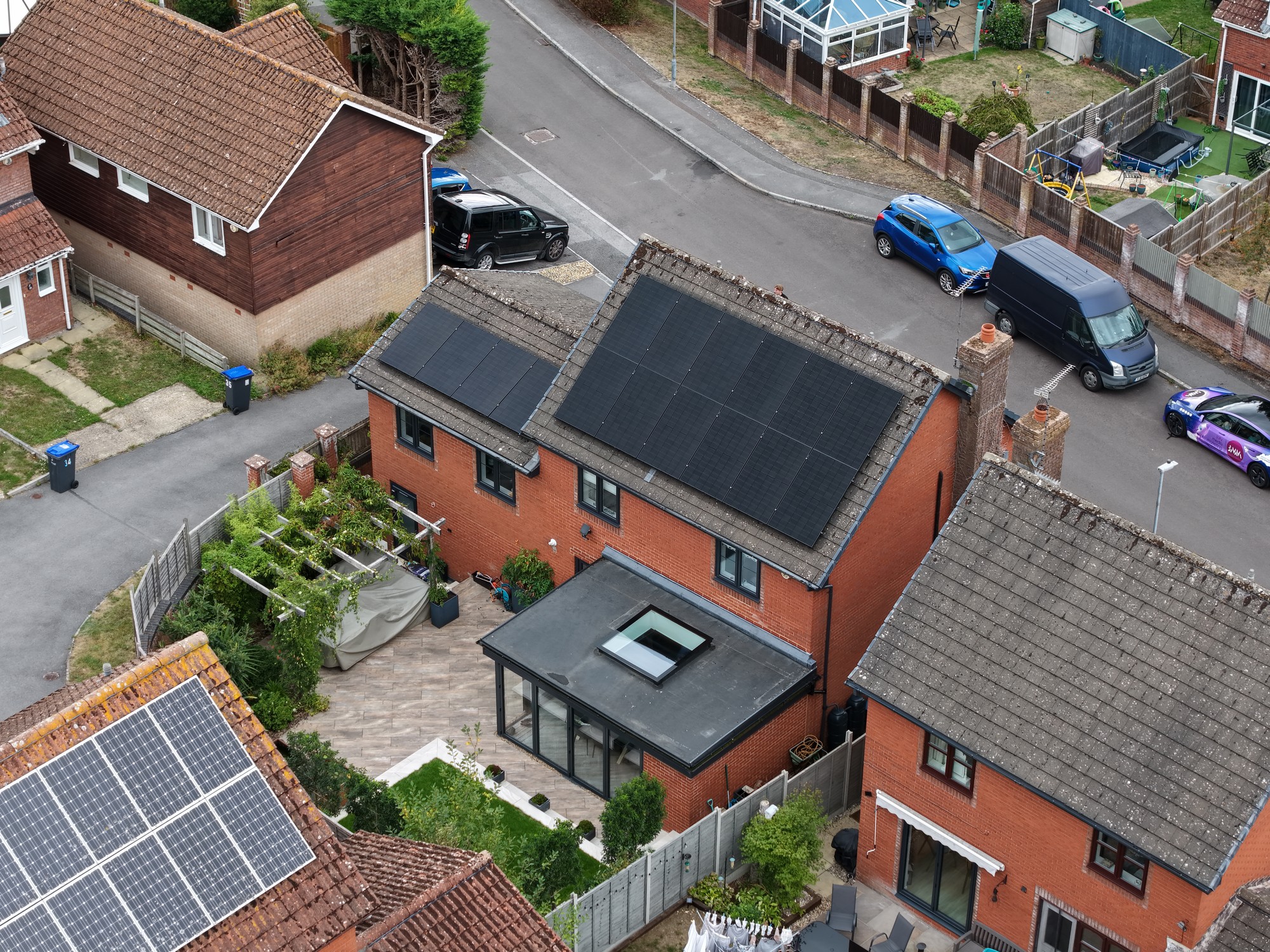
Save Energy UK has completed an EcoFlow PowerOcean project in the BH10 area of Bournemouth for a customer seeking greater control over high electricity costs.

Following an assessment, the team designed a system comprising 17 solar panels rated at 465 W each, three EcoFlow PowerOcean battery packs and a 6 kW hybrid inverter. The installation provided 14.5 kWh of battery storage capacity and also included solar panel bird protection.

This example demonstrates why tailored design matters. The number of panels, battery capacity and inverter were chosen around the property’s requirements. Another Bournemouth home may need a different arrangement, which is why a professional survey should always precede a quotation.
Why Choose Save Energy UK?

Save Energy UK has been designing, installing and maintaining bespoke solar panel and battery storage systems for more than 21 years. The company has completed more than 5,000 installations and supports customers throughout Bournemouth, Poole, Christchurch and Dorset.

Rather than recommending the same package for every property, the team considers how each household generates and consumes electricity. This allows the proposed installation to reflect the customer’s practical requirements, available space and longer term energy plans.

Save Energy UK can also assist whether you are planning a complete solar panel and battery installation or considering battery storage for an existing solar array.

Frequently Asked Questions

How much EcoFlow PowerOcean battery storage will I need?

The appropriate capacity depends upon your solar generation and household electricity consumption. Save Energy UK can review your usage and recommend a suitable configuration after surveying your property.

Can EcoFlow PowerOcean be added to existing solar panels?

It may be possible to add EcoFlow PowerOcean to an existing solar installation. However, the inverter, panels, electrical system and proposed configuration must first be assessed for compatibility.

Can EcoFlow PowerOcean provide electricity during a power cut?

PowerOcean can provide backup power when the correct supporting equipment has been included and the system has been configured accordingly. The available power will depend upon the stored charge and the demand from connected circuits.

Can the system be installed outside?

EcoFlow PowerOcean carries an IP65 rating and may be suitable for an outdoor location. Nevertheless, an installer must assess the proposed position, access, ventilation and applicable requirements before confirming where the equipment should be fitted.

How much could I save with solar battery storage?

Savings vary according to solar generation, battery capacity, electricity consumption and tariff. A survey and personalised system proposal will provide a more meaningful indication than a general estimate.

Arrange an EcoFlow PowerOcean Installation in Bournemouth

A carefully designed solar battery system can help you retain more of the renewable electricity produced by your panels and gain greater control over how your home uses energy.

If you are considering an EcoFlow PowerOcean installation in Bournemouth, contact Save Energy UK. The team can assess your property, discuss your present and future electricity requirements and recommend a system designed around your household.

Arrange your free home survey and request a tailored quotation from Save Energy UK today.

Save Energy UK Supports Amelia’s Rainbow Through Charity Donation

 Supporting Amelia’s Rainbow

Giving back to the local community has always held great importance for Save Energy UK. Each month, the Dorset based company supports a different charity, helping deserving organisations to continue their valuable work and reach more people who need their support.

The latest monthly donation was made to Amelia’s Rainbow, a Dorset charity dedicated to supporting children who are living with serious, chronic, life limiting or terminal illnesses. The charity also provides invaluable support to their families, creating opportunities for them to spend meaningful time together and make precious memories.

This particular donation carried profound personal significance. Amelia’s Rainbow was selected by one of Save Energy UK’s customers in memory of his brother, who sadly passed away ten years ago.

Supporting the Important Work of Amelia’s Rainbow

Amelia’s Rainbow supports hundreds of children and families across Dorset, Bournemouth, Poole and Christchurch. Its work brings comfort, enjoyment and moments of happiness to families who are facing extremely difficult circumstances.

The charity helps children and their loved ones enjoy experiences that may otherwise be difficult to access. Its support includes family days out, toys, games, activities, swimming lessons and dancing lessons. Families can also enjoy holidays together at the charity’s retreat holiday homes.

These experiences offer far more than simple entertainment. They give families the chance to step away from medical appointments, treatments and everyday worries. Most importantly, they allow children, parents and siblings to enjoy valuable time together in a welcoming and supportive environment.

Amelia’s Rainbow was founded by a local family following the loss of their daughter, Amelia, to an aggressive form of childhood cancer in 2010. Since then, the charity has developed into an important source of support for local children and their families.

However, the organisation relies on donations and fundraising to continue providing its services. Contributions from individuals, companies and community groups help Amelia’s Rainbow arrange experiences, provide practical support and give families the opportunity to create lasting memories together.

A Donation with a Personal Meaning

Save Energy UK supports a different charity through its monthly donation initiative. This gives the team an opportunity to recognise a wide range of causes and contribute to the communities in which they live and work.

The decision to support Amelia’s Rainbow was especially meaningful because the charity was chosen by a Save Energy UK customer in memory of his brother. This personal connection added an important dimension to the donation and reflected the genuine relationships that Save Energy UK builds within its community.

Rather than simply selecting a cause at random, the company was able to support an organisation that held deep significance for someone connected to the team. It also helped draw further attention to the vital work Amelia’s Rainbow carries out across Dorset.

Farah Batchelor, Charity Manager at Amelia’s Rainbow, expressed her gratitude for the support:

“A huge thank to Save Energy UK whose sponsorship has helped the Doe family raise a phenomenal amount for us. We support hundreds of local children affected by ill health or disability, and the Save Energy team were really passionate about supporting the community and better lives.”

Her words demonstrate the effect that committed local support can have. Every donation contributes to Amelia’s Rainbow’s ability to help children and families during some of the most challenging periods of their lives.

Coming Together at Iford Golf Club

Save Energy UK’s support continued beyond its monthly charity donation. Steve Randall and Luke Randall attended a charity golf day at Iford Golf Club in aid of Amelia’s Rainbow.

They joined customer Darren Doe, Farah Batchelor and other attendees for an event centred on fundraising, awareness and community support. The golf day brought local organisations and supporters together while providing an opportunity to learn more about Amelia’s Rainbow and the difference it makes to local families.

Charity events such as this play an important role in raising essential funds. They also introduce more people to the cause, helping its message reach individuals and organisations that may wish to offer support in the future.

By attending the golf day, the Save Energy UK team had the opportunity to engage directly with those connected to the charity. The event offered a meaningful reminder of what can be achieved when local people come together behind an important cause.

Luke Randall of Save Energy UK explained why supporting Amelia’s Rainbow meant so much to the team:

“Supporting local charities is something that means a lot to us as a team. Amelia’s Rainbow does such important work for children and families across our local community, and knowing the charity was chosen in memory of a customer’s brother made supporting it particularly meaningful.”

Encouraging Greater Community Support

Save Energy UK hopes its involvement will inspire other local companies and individuals to support organisations such as Amelia’s Rainbow. Charitable involvement can take many forms, and every contribution has value.

A financial donation can help fund the experiences and practical support the charity provides. Fundraising events can bring people together while introducing Amelia’s Rainbow to a wider audience. Sharing information about the charity can also increase awareness and encourage others to contribute.

No gesture is too small when it forms part of a wider community effort. When individuals, families and local organisations offer their time, resources or support, they help charities continue their work and reach more people.

For Amelia’s Rainbow, this collective generosity means more opportunities to support children affected by ill health or disability. It means more family activities, more memorable experiences and more moments of happiness during difficult times.

Continuing to Give Back

Save Energy UK is proud to support local causes throughout the year. Its monthly charity donations provide regular opportunities to recognise different organisations and contribute to the work taking place across the local area.

The donation to Amelia’s Rainbow reflects the importance of listening to the people within the community and supporting causes that carry genuine personal meaning. Through its donation and involvement in the charity golf day, the Save Energy UK team helped raise both funds and awareness for a remarkable local organisation.

Amelia’s Rainbow continues to make a meaningful difference to hundreds of children and families across Dorset, Bournemouth, Poole and Christchurch. However, it can only continue this work with the generosity of its supporters.

Those who would like to help can donate, organise a fundraising activity or raise awareness of the charity’s work. Every contribution, regardless of its size, can help Amelia’s Rainbow continue creating precious memories for local children and their families.

To learn more or make a contribution, please visit www.ameliasrainbow.org/donate.

Commercial Solar Panels for Farms in Dorset

Financial Planning

Farming has always demanded careful financial planning. However, rising electricity costs have made energy expenditure an increasingly pressing concern. Milking equipment, refrigeration, ventilation, lighting, irrigation systems and workshop machinery can all place considerable demands on the grid.

Commercial solar panels give farms an opportunity to generate electricity on site and reduce the amount they need to purchase from an energy supplier. For agricultural businesses with suitable barns, stores or areas of land, solar can turn previously unused space into a productive business asset.

Save Energy UK designs and installs bespoke commercial solar systems throughout Dorset. The company supports farms and rural businesses in Dorchester, Blandford, Bridport, Wimborne, Wareham and the surrounding areas. Every installation begins with a detailed assessment, allowing the proposed system to reflect the site, its electricity consumption and its commercial objectives.

Why Dorset Farms Are Well Suited to Commercial Solar Panels

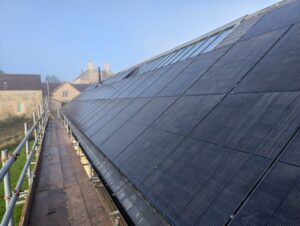
Many farms have sizeable buildings with broad roof areas. Barns, grain stores, livestock buildings and workshops can provide ample space for solar panels without interfering with productive agricultural land.

Farms also tend to use significant amounts of electricity during daylight hours. This can make solar especially valuable because the business may consume much of the electricity as it is generated. Using solar electricity directly on site usually delivers greater value than exporting it to the grid.

Every farm has a different consumption pattern. A dairy farm may use considerable power for milking and cooling. An arable business might experience higher demand during drying, processing or storage. Poultry farms may require continuous lighting, heating and ventilation. Therefore, an effective system must reflect how and when the farm uses electricity.

Save Energy UK conducts a free site survey before recommending a solution. This process helps establish which buildings are suitable, how much electricity the farm consumes and what system size could deliver a worthwhile commercial return.

Reducing Farm Electricity Costs

The principal financial benefit of commercial solar panels comes from reducing reliance on imported electricity. Whenever the panels generate power that the farm uses immediately, the business avoids purchasing that electricity from the grid.

A well designed system can supply energy to:

  • Milking parlours
  • Refrigeration and cold storage
  • Grain drying and handling equipment
  • Pumps and irrigation systems
  • Ventilation and lighting
  • Workshops and machinery
  • Offices and staff facilities
  • Electric vehicle charging points

Solar will not necessarily remove an electricity bill altogether. Nevertheless, it can reduce exposure to future price increases and make energy costs more predictable.

The amount a farm could save depends on its consumption, roof space, system size, electricity tariff and operating hours. Save Energy UK uses current solar design software and site specific information to prepare an accurate proposal rather than relying on a generic estimate.

Choosing the Right Solar Panel System for a Farm

A larger system does not automatically provide a better return. If a farm generates far more electricity than it can use or store, a substantial proportion may be exported at a lower rate than the cost of imported energy.

Consequently, the design should begin with a careful review of the farm’s electricity bills and consumption profile. Seasonal changes also matter. Some farms use more power during winter, while others experience intense demand during harvesting, drying or irrigation periods.

The survey should consider:

  • The annual and seasonal electricity demand
  • Daytime consumption
  • Available roof or ground space
  • Roof orientation and pitch
  • Shading from trees or nearby structures
  • The condition and strength of agricultural buildings
  • The available grid connection
  • Plans for future equipment or business expansion

Save Energy UK does not restrict its commercial installations to one manufacturer. This allows the team to recommend panels, inverters and storage equipment that suit the project rather than forcing every farm into the same package.

Solar Panels for Barns and Agricultural Buildings

Roof mounted solar often provides the most practical option for a working farm. It can make productive use of barns, grain stores and workshops while preserving the surrounding land for agriculture.

However, agricultural roofs require careful assessment. The structure must support the additional load, while the panel layout must account for rooflights, ventilation outlets and safe access. Older roofing materials may also require specialist consideration.

The orientation of the building will influence generation, but a roof does not always need to face directly south. East and west facing installations can produce useful electricity across a broader part of the day. This may suit a farm with sustained morning and afternoon demand.

Some installations qualify as permitted development, provided that they meet the relevant conditions and limits. Larger systems, listed buildings and sensitive sites may require consent or prior approval. The Planning Portal guidance provides an overview, although the local planning authority should confirm the position for each project.

Could Ground Mounted Solar Suit Your Farm?

Ground mounted panels can offer an alternative when roofs are unsuitable or insufficient. They allow the installer to select a favourable orientation and can provide easier access for inspection and maintenance.

However, planning requirements, land classification, visual impact, drainage and grid access all require consideration. The design must also respect the farm’s existing operations and future plans.

A site survey can establish whether roof mounted panels, a ground mounted array or a combination of the two offers the best solution.

Solar Battery Storage for Farms

Solar panels generate electricity during daylight hours, but farm demand does not always follow the same pattern. Battery storage can retain surplus energy for use later in the day or when solar generation falls.

This can benefit farms that operate early in the morning, late in the evening or overnight. A battery may also help a business use a greater proportion of its own solar electricity rather than exporting it immediately.

Save Energy UK offers several storage options. EcoFlow PowerOcean combines a hybrid inverter with modular battery storage and may suit smaller premises or mixed use sites with appropriate requirements. Larger agricultural operations may require a commercial and industrial battery system with substantially greater capacity.

Battery storage is not essential for every farm. If the business already consumes most of its solar generation during the day, adding a battery may not produce the strongest return. Save Energy UK assesses the farm’s usage before advising whether storage offers genuine commercial value.

tesla solar panel installation

Selling Surplus Solar Electricity

A farm may be able to receive payment for eligible electricity exported to the grid through the Smart Export Guarantee.

The scheme applies to eligible businesses as well as households. Exporters need an appropriate meter capable of providing half hourly readings. They must also satisfy the chosen supplier’s eligibility requirements. According to government guidance on the Smart Export Guarantee, suppliers set their own rates and terms, so tariffs can vary.

Export income can strengthen the financial case for solar. However, using generated electricity on the farm will often provide greater value because it offsets electricity purchased at a higher rate. A considered system design should therefore prioritise useful consumption while allowing appropriate surplus generation to earn an export payment.

Grants, Finance and Tax Considerations

Funding programmes for farms change regularly. The Farming Investment Fund has previously supported solar technology through its Improving Farm Productivity grant. However, the latest listed round is closed. Farmers should check the current Farming Investment Fund guidance before assuming that funding remains available.

Save Energy UK can also introduce eligible commercial customers to finance through Smart Ease. Any borrowing decision should be based on affordability, the full cost of finance and the expected return from the solar installation.

Commercial solar expenditure may also qualify for capital allowances. HMRC places solar panels within the special rate pool, while qualifying expenditure may be eligible for the Annual Investment Allowance or another applicable allowance. Treatment depends on the business, ownership arrangement and circumstances. Farmers should seek advice from their accountant before making a decision. HMRC guidance provides further information but does not replace professional tax advice.

What Return Can a Farm Expect?

The return on commercial solar panels depends on the installation cost, electricity generation, on site consumption, export income, maintenance and future energy prices.

A proposal should include estimated annual generation and projected savings based on realistic assumptions. It should also explain how those figures could change. No installer can guarantee future electricity prices or weather conditions.

Save Energy UK has completed solar installations for agricultural businesses in Dorset. Travellers Rest Farm and Manor France Farm, both in the Blandford Forum area, chose the company to create solutions for their substantial operational electricity demands. These projects form part of Save Energy UK’s wider portfolio of commercial solar installations.

A farm should judge the investment using its own survey and quotation rather than assuming that another site’s results will apply to it.

A Practical Installation Process

Agricultural work cannot simply stop while solar panels are installed. Therefore, the project must account for livestock movements, vehicle access, machinery, harvest schedules and other operational requirements.

Save Energy UK begins with a site survey and prepares a clear quotation. Once the design has been agreed, a technical survey confirms the equipment locations, cable routes and final specification. The team then coordinates the installation around the needs of the business before commissioning the system and providing a handover pack.
Solar panels contain no moving components and generally require limited routine attention. Nevertheless, occasional inspection, monitoring and cleaning may help protect performance. The precise warranty will depend on the products selected, so every proposal should state the relevant coverage clearly.

Why Choose Save Energy UK?

Save Energy UK has worked with solar technology since 2005 and has completed thousands of installations. Its commercial service covers system design, solar panels, inverters, battery storage and ongoing support.

The company holds MCS, NAPIT, RECC and CHAS Elite credentials. More importantly, it designs each commercial installation around the property and its energy requirements. This bespoke approach is particularly important for farms because no two agricultural operations use electricity in precisely the same way.

Its Poole based team serves farms throughout Dorset, including Dorchester, Blandford, Bridport, Wimborne and Wareham. Customers receive a free survey, a detailed proposal and the opportunity to ask questions before committing to an installation.

Frequently Asked Questions

Are commercial solar panels suitable for every farm?

Not necessarily. The farm needs suitable roof or ground space, a viable grid connection and sufficient electricity demand. A professional survey will establish whether solar represents a sensible investment.

Do farm solar panels require planning permission?

Some roof mounted systems fall within permitted development rights if they meet the required conditions. Larger arrays, ground mounted systems, listed buildings and sensitive locations may require permission or prior approval.

Can solar panels power a farm during winter?

Solar panels continue generating electricity during winter, although output is lower because daylight hours are shorter. Farms remain connected to the grid unless the system has been designed for another arrangement.

Is battery storage worthwhile for a farm?

It depends on when the farm uses electricity. Storage may prove valuable when significant demand occurs outside daylight hours. Farms with high daytime consumption may already use most of their generation directly.

How long does a commercial solar installation take?

The timescale depends on the system size, structural work, grid approval, planning requirements and site access. Save Energy UK can provide a clearer programme after surveying the farm.

Arrange a Free Commercial Solar Survey

Commercial solar panels for farms in Dorset can reduce reliance on grid electricity and create a valuable long term asset. However, the system must reflect the farm’s buildings, consumption and future plans if it is to deliver a convincing return.

Save Energy UK can assess your property, review your energy requirements and prepare a bespoke commercial solar proposal. To arrange a free site survey and tailored quotation, call 01202 986262, email info@saveenergyuk.co.uk or complete the enquiry form on the Save Energy UK website.

Do Home Batteries Need Replacing More Often Than You Think?

Home Battery Storage

Home battery storage represents a considerable investment. Therefore, it is entirely reasonable to ask how long a battery will last before committing to an installation. Some homeowners worry that they will need to replace the system after only a few years. Fortunately, a high quality modern battery should offer a much longer working life.

Battery technology has developed significantly in recent years. Manufacturers now produce systems with generous warranties, sophisticated management software and durable battery chemistry. With professional design and installation, a home battery can remain a valuable part of your energy system for many years.

However, longevity varies between products and properties. Capacity, charging habits, temperature and household consumption can all influence performance. Choosing the right battery from the outset is consequently more important than simply selecting the largest or least expensive option.

How Long Do Home Batteries Last?

Many modern home batteries can provide around ten to fifteen years of useful service. However, this does not mean that every battery will stop working as soon as it reaches a particular age.

Batteries usually lose capacity gradually. For example, an older system may continue operating correctly but store less electricity than it did when new. This gradual decline differs from a sudden mechanical failure.

Manufacturers often describe battery longevity through two measures. The first is the warranty period. The second is the expected number of charging cycles.

A cycle occurs when a battery uses energy equal to its total capacity. It does not necessarily involve one complete charge followed by one complete discharge. Two separate discharges of 50 per cent would ordinarily amount to one full cycle.

Consequently, the number of years a battery lasts will depend partly on how frequently the household charges and discharges it. A system used intensively every day may complete cycles more quickly than one reserved mainly for occasional backup power.

Does a Long Warranty Guarantee the Battery Lifespan?

A warranty provides valuable protection, but it is not the same as a promise that the battery will retain its original capacity indefinitely. Every battery experiences some natural deterioration.

Manufacturers may warrant a system for a particular number of years, cycles or energy throughput. They may also guarantee that the battery will retain a stated proportion of its original capacity under specified conditions.

Homeowners should therefore read the complete warranty rather than looking only at the number of years advertised. Installation standards, internet connectivity, operating conditions and usage may influence the cover available.

The installer also matters. A professional installer can explain the warranty conditions, commission the system correctly and ensure that its location meets the manufacturer’s requirements.

What Affects the Lifespan of a Home Battery?

Several connected factors determine how well a battery performs as it ages.

Battery chemistry

Many contemporary home batteries use lithium iron phosphate cells. This chemistry has become a popular choice because it offers a long cycle life, good thermal stability and dependable performance.

Both EcoFlow PowerOcean systems use lithium iron phosphate technology. Nevertheless, battery chemistry alone does not guarantee longevity. Cell quality, cooling, management software and system design remain equally important.

Charging and discharging patterns

Repeatedly placing unnecessary strain on a battery can accelerate deterioration. Modern battery management systems help by regulating how deeply the battery charges and discharges.

The system should also match the household’s energy requirements. An undersized battery may work intensively without providing enough useful capacity. Conversely, an excessively large battery could leave the homeowner paying for capacity that they seldom use.

A detailed assessment can establish how much electricity the property consumes and when that consumption occurs. This information allows the installer to recommend a more appropriate capacity.

Temperature and installation position

Extreme temperatures can affect battery performance. Manufacturers consequently specify suitable operating conditions and installation requirements.

The system’s enclosure rating will determine its resistance to water and dust, but this does not make every outdoor position equally suitable. A qualified installer should consider exposure, ventilation, access and the manufacturer’s instructions before selecting a location.

Intelligent battery management

A battery management system monitors important conditions such as cell temperature, charging levels and electrical performance. It can protect the battery against deep discharge, overcharging and overheating.

Smart controls can also decide when to store, use or export electricity. This allows the system to respond more intelligently to solar generation, household demand and electricity tariffs.

EcoFlow PowerOcean and OCEAN 2 Compared

Save Energy Residential supplies advanced EcoFlow home battery systems for households across Dorset and the South Coast.

The original EcoFlow PowerOcean uses 5 kWh lithium iron phosphate battery modules. EcoFlow states that the batteries offer more than 6,000 charging cycles and an official warranty of 15 years. The modular arrangement allows homeowners to begin with a suitable capacity and expand the system if their requirements change. Its battery management system continuously monitors temperature and cell health. EcoFlow provides the current PowerOcean specifications here.

The newer EcoFlow OCEAN 2 develops this approach further. Each battery module has a nominal capacity of 5.02 kWh. One inverter can support as many as six modules, giving a maximum capacity of approximately 30 kWh. EcoFlow states that its cells are engineered for more than 10,000 cycles and that the product carries a 15 year warranty. The system also has an IP66 rating and integrated energy management technology. Full OCEAN 2 information is available from EcoFlow.

These figures suggest that modern home batteries do not necessarily need frequent replacement. However, cycle figures describe cell durability under specified conditions. They do not mean that every system will deliver precisely the same performance in every home.

The right choice between PowerOcean and OCEAN 2 will depend on the property, existing equipment, required capacity and plans for future expansion. Save Energy Residential can assess these considerations before recommending a system.

Can You Install a Home Battery with Solar Panels?

Battery storage and domestic solar panels work particularly well together. Solar panels generate electricity during daylight hours, when a household may not need all of it. A battery can retain surplus generation for use during the evening or at another suitable time.

This can help a household use more of its own renewable electricity. It may also reduce the amount of energy purchased from the National Grid. The actual saving will depend on system size, generation, consumption and the household’s electricity tariff.

Save Energy Residential has demonstrated this principle through genuine installations. At one BH15 property, the company installed a 4.35 kW solar array with 13.6 kWh of battery capacity. The system was designed to support electricity use at night and reduce reliance on the grid. The published forecast estimated 84 per cent energy self sufficiency with battery storage, although results always depend on generation and consumption. You can read the BH15 residential case study for further details.

Can You Have a Home Battery Without Solar Panels?

You can install certain home batteries without solar panels. In this arrangement, the battery charges from the grid rather than from solar generation.

A household on a suitable time based tariff may charge the battery when electricity costs less and use the stored energy during more expensive periods. A compatible backup arrangement may also provide electricity to selected circuits during a power cut.

However, financial savings are not automatic. Tariffs can change, and every charge and discharge involves some energy loss. An installer should examine the property’s consumption pattern and the intended purpose of the system before recommending battery storage without solar panels.

For many homes, combining solar panels and battery storage provides the most complete solution. Nevertheless, a battery only installation can still suit households that cannot install solar panels or intend to add them later.

Do Other Home Batteries Last as Long?

Save Energy Residential also supplies systems such as Tesla Powerwall 3 and Hanchu ESS. These products offer different capacities, warranties, controls and expansion options.

Tesla Powerwall 3, for example, provides 13.5 kWh of nominal battery energy and carries a ten year warranty, subject to Tesla’s terms. Meanwhile, Hanchu ESS offers modular storage options that may suit different household requirements.

No single battery will suit every property. A household with an electric vehicle, heat pump or high evening demand may need a different solution from a smaller home with modest consumption. Therefore, comparison should extend beyond lifespan alone. Usable capacity, power output, compatibility, warranty cover and expansion potential all deserve careful attention.

When Might a Home Battery Need Replacing?

A decline in capacity does not always mean that immediate replacement is necessary. However, homeowners should arrange a professional assessment if they notice:

  1. A substantial reduction in usable storage capacity
  2. The battery charging or discharging unexpectedly
  3. Persistent warning messages or error codes
  4. Unusual heat, noise, smells or visible damage
  5. The system failing to provide expected backup power

Never attempt to open or repair a home battery yourself. Battery systems contain high voltage electrical components and require qualified attention.

Sometimes, the battery may only need a software update, configuration change or repair. In other cases, adding capacity may provide a more appropriate solution than replacing the entire system.

How Much Does Home Battery Storage Cost?

Home battery prices vary considerably. Capacity, inverter requirements, backup equipment, electrical work and installation complexity all influence the final quotation.
For that reason, a generic online price may prove misleading. A lower initial cost does not necessarily represent better value if the battery is unsuitable for the household or offers limited expansion.

A professional survey gives you a clearer understanding of the required capacity, expected usage and available installation options. It also allows projected savings to reflect your actual electricity consumption rather than a general national average.

Frequently Asked Questions

Will a home battery stop working when its warranty ends?

Not necessarily. The end of a warranty does not determine the exact end of the battery’s useful life. A battery may continue operating afterwards, although its available capacity will probably have declined.

How often does a home battery need replacing?

Many modern home batteries are designed to provide around ten to fifteen years of service. Actual longevity depends on the product, installation, environment and usage.

Can I expand my battery instead of replacing it?

Some modular systems allow additional capacity. Compatibility rules apply, so homeowners should seek professional advice before expanding an existing installation.

Is OCEAN 2 more durable than PowerOcean?

EcoFlow states that OCEAN 2 cells are engineered for more than 10,000 cycles, compared with more than 6,000 cycles for PowerOcean. Both systems have a stated 15 year warranty. However, suitability depends on more than cycle life.

Choose a Battery Designed Around Your Home

Modern home batteries do not usually require replacement after only a few years. Established systems now offer durable battery chemistry, intelligent protection and warranties extending well beyond a decade.

However, lasting value begins with the right design. Capacity, location, household demand and future energy plans all influence which system will perform most effectively.

Save Energy Residential has completed more than 5,000 installations and has over 21 years of experience designing, installing and maintaining solar and battery storage systems. If you are considering EcoFlow PowerOcean, OCEAN 2 or another home battery, the team can provide advice tailored to your property.

Contact Save Energy to arrange your free survey and request a free quotation for home battery storage in Dorset, Bournemouth, Poole or elsewhere on the South Coast.

Tesla Powerwall Batteries in Bristol

Energy Costs

Energy costs remain a considerable concern for businesses throughout Bristol and the wider South West. Although commercial solar panels can reduce the amount of electricity purchased from the grid during daylight hours, businesses may not always consume every unit of electricity as it is generated. Without battery storage, that surplus electricity will usually be exported.

Tesla Powerwall batteries offer certain commercial properties an opportunity to retain more of their solar electricity for later use. A correctly designed system can help a business reduce grid reliance, manage its electricity consumption and make fuller use of its renewable energy.

However, commercial energy requirements vary considerably. Powerwall 3 may suit an office, shop, hospitality venue, workshop or other modest commercial property, while a larger warehouse, factory or industrial site may require a dedicated commercial battery system. Therefore, professional system design is essential.

How Does Tesla Powerwall 3 Work?

Tesla Powerwall 3 is an intelligent battery storage system that can store electricity generated by solar panels or drawn from the grid. The stored electricity can then be used when solar generation falls below the level of demand within the property.

During a typical day, solar panels generate electricity whenever sufficient daylight is available. The business consumes this electricity first. When the panels generate more power than the property requires, the surplus can charge the Powerwall rather than being exported immediately.

The business can then use the stored electricity later in the day, during periods of cloud or after the sun has set. This process can increase the proportion of solar electricity consumed on site.

Powerwall 3 includes an integrated solar inverter, which makes it particularly relevant when designing a new solar and battery system. Tesla states that the battery can also be added to an existing solar installation and is compatible with major inverter brands. Tesla explains how Powerwall works alongside solar generation and grid electricity.

Tesla Powerwall 3 Specifications

Each Tesla Powerwall 3 has an energy capacity of 13.5 kWh. It can provide up to 11.04 kW of continuous power, although the available output depends upon local conditions and the final system configuration.

The system includes three solar inputs with Maximum Power Point Trackers and achieves a stated solar to grid efficiency of 97.5 per cent. It can be installed inside or outside, subject to a professional site assessment and compliance with the manufacturer’s installation requirements.

Tesla allows a Powerwall 3 system to include up to four Powerwall units. Powerwall 3 Expansion units can also provide an additional 13.5 kWh of capacity per unit. This flexibility allows an installer to design a system around a property’s electricity consumption and solar generation rather than applying a standard arrangement to every business.

The product carries a ten year warranty. The precise operating limits and energy retention terms depend upon how the battery is used, so businesses should review the current warranty terms as part of the specification process. Tesla’s current United Kingdom warranty provides further details about eligible applications, capacity retention and operating limits. View the official Tesla Powerwall warranty.

Can Tesla Powerwall Be Used in a Commercial Property?

Tesla primarily describes Powerwall as a home battery system. Nevertheless, its capacity and power output may make it suitable for certain smaller commercial properties, provided that the building’s electrical supply and consumption profile are compatible.

Potential applications may include offices, independent shops, restaurants, public houses, salons, clinics, small workshops and community buildings. A business that consumes a moderate amount of electricity during the afternoon and evening may be able to use stored solar energy after generation begins to decline.

Suitability cannot be determined from the building type alone. Two offices of a similar size may have entirely different consumption patterns. One might operate during ordinary daylight hours, while another could use considerable electricity for heating, cooling, computer equipment and extended evening operations.

Many larger commercial premises also have a three phase electrical supply. Powerwall 3 is a single phase product in the United Kingdom, so the site’s electrical arrangement must be examined carefully. A qualified designer can determine whether Powerwall is appropriate or whether a dedicated commercial and industrial storage system would offer a better solution.

Tesla Powerwall Hero Image

How Can Powerwall Benefit a Bristol Business?

Using More Solar Electricity on Site

Commercial solar panels often generate their highest output around the middle of the day. If a business cannot use all of this electricity at the time, a battery can retain part of the surplus.

Using stored electricity later may be more valuable than exporting it immediately, depending upon the business tariff, export arrangements and consumption pattern. However, this should be established through a proper financial assessment rather than assumed.

Reducing Dependence on the Grid

A solar and battery system cannot necessarily make a commercial property completely independent from the grid. Seasonal variation, weather conditions and high electrical loads still influence how much imported electricity the business requires.

Nevertheless, Powerwall can reduce grid dependence by allowing the property to use stored solar electricity when generation is insufficient. Businesses may also be able to charge the battery during less expensive tariff periods and use that electricity when grid prices are higher, where their tariff and system settings allow this.

Managing Electricity Costs

Battery storage can give businesses greater control over when they purchase electricity. This can be particularly useful for organisations with variable tariffs or meaningful demand outside the main solar generation period.

Potential savings depend upon the cost of the system, electricity prices, solar output, export payments, battery use and the amount of stored electricity consumed. A credible proposal should model these factors using the property’s actual data.

No responsible installer can promise an identical financial result for every business. The purpose of commercial system design is to establish what the technology could realistically achieve at a particular site.

Supporting Environmental Objectives

Many organisations in Bristol are seeking practical ways to reduce emissions associated with their operations. Battery storage can support this objective by allowing a business to consume a greater proportion of the renewable electricity generated on its premises.

This may contribute to environmental reporting, procurement requirements and wider sustainability plans. However, any public claim should remain accurate and proportionate to the measurable performance of the system.

Tesla Powerwall

Can Tesla Powerwall Provide Backup Power?

Powerwall can provide backup electricity when installed with the appropriate Tesla Gateway and configured for that purpose. The Gateway detects a grid outage, disconnects the property safely from the grid and allows the battery to support the connected circuits.

For a commercial property, backup design requires careful consideration. It may be neither practical nor necessary to support every electrical load. Instead, a business might prioritise lighting, communications, security equipment, refrigeration, tills or essential computer systems.

The available duration will depend upon the number of batteries, their state of charge and the amount of electricity being consumed. High demand equipment can deplete stored energy rapidly.

Powerwall should not automatically be treated as a substitute for a commercial uninterrupted power supply or generator. Businesses with critical machinery, medical equipment or systems where failure could create serious harm require specialist advice. The manufacturer expressly states that Powerwall is not intended to provide primary or backup power for life support equipment.

How Many Powerwall Batteries Might a Business Need?

The answer depends upon how much energy the business wants to store and how much power it requires at any one time. Battery capacity and power output are related, but they are not interchangeable.

Capacity measures the amount of energy available over time. Power output determines how much electrical demand the battery can support at a particular moment. A business could have sufficient stored energy for several hours but still exceed the system’s output if several powerful appliances operate simultaneously.

An assessment should consider annual consumption, daily load patterns, peak demand, operating hours and seasonal changes. Where available, half hourly electricity data provides a much clearer picture than annual bills alone.

The proposed solar array must also be considered. Installing excessive battery capacity offers limited value if the solar panels seldom produce enough surplus electricity to charge it. Equally, an undersized battery may regularly fill early and leave useful solar generation available for export.

Tesla permits multiple Powerwall 3 units, but the ability to add batteries does not mean that Powerwall is automatically the correct choice for every commercial property. Save Energy UK also designs larger commercial and industrial battery solutions for businesses whose requirements extend beyond Powerwall.

Why Professional Design Matters

A commercial battery installation involves considerably more than choosing a product with an appealing capacity figure. The installer must assess the property’s electrical infrastructure, supply arrangement, roof, solar potential, fire safety requirements, proposed battery position and relationship with the local electricity network.

Grid connection requirements must also be addressed. Depending upon the scale and configuration of the installation, an application may need to be made to the local Distribution Network Operator before the system is connected.

Save Energy UK begins its commercial process with a site survey and a review of the organisation’s requirements. The team then develops a tailored specification, confirms equipment locations and cable routes, manages relevant approvals and coordinates the installation.

tesla mobile app

Tesla Powerwall Installation Across Bristol and the South West

Bristol contains a varied collection of commercial properties, from independent shops and offices to warehouses, hospitality venues and community buildings. Consequently, there is no single solar and battery arrangement that will suit every site.

Save Energy UK designs, installs and maintains bespoke solar and battery systems across the South of the United Kingdom. Established in 2005, the company states that it has completed more than 5,000 installations. Its commercial experience includes systems for offices, warehouses and other business premises.

The company is MCS certified and holds NAPIT, RECC and CHAS accreditations. These credentials reflect recognised standards relating to installation quality, electrical competence, consumer protection and commercial health and safety. You can learn more about commercial solar panel installation and view Save Energy UK’s commercial case studies before arranging an assessment.

Request a Commercial Solar and Battery Quotation

Tesla Powerwall batteries can offer a capable storage solution for certain commercial properties in Bristol. They may help a business use more of its solar electricity, reduce its reliance on the grid and gain greater control over when it imports energy.

However, the value of the system depends upon choosing the right battery for the property. Electricity consumption, peak demand, operating hours, solar generation and electrical infrastructure must all be considered.

If you are considering Tesla Powerwall 3 for a commercial property in Bristol or elsewhere in the South West, contact Save Energy UK. The team can review your energy requirements, assess the premises and recommend a solar and battery system designed around the way your organisation actually uses electricity.

Frequently Asked Questions

Is Tesla Powerwall 3 suitable for every commercial property?

No. It may suit smaller commercial premises with compatible electrical supplies and moderate energy requirements. Larger or more demanding sites may require a dedicated commercial battery storage system.

Can Powerwall 3 be added to existing commercial solar panels?

It can be added to many existing solar installations. However, compatibility, electrical design, available space and grid connection requirements must be checked before installation.

Can a business install more than one Powerwall?

Yes. Tesla states that Powerwall 3 systems can include up to four Powerwall units. The correct quantity should be determined from the property’s consumption, power demand and solar generation.

Will Powerwall keep a business running during a power cut?

A suitably configured system can support connected loads during an outage. The equipment it can operate and the duration of backup will depend upon the system design, available charge and level of demand.

How much could a Bristol business save with Powerwall?

Savings vary according to electricity consumption, tariffs, solar generation, export payments and battery use. Save Energy UK can prepare a tailored assessment using information from the individual property.

Could EcoFlow PowerOcean Help You Rely Less on the Grid?

Energy Independence

For many households, energy independence does not mean disconnecting from the National Grid altogether. Instead, it means purchasing less electricity from an energy supplier and making better use of the renewable energy generated at home.

Solar panels can provide a valuable source of electricity during daylight hours. However, households often generate more solar energy than they can use immediately. Without battery storage, this surplus electricity may be exported to the grid. Later, when the panels are producing less energy, the household may need to purchase electricity from its supplier.

EcoFlow PowerOcean offers a more intelligent approach. By storing surplus solar electricity for later, the system can help you use more of the energy your panels generate. As a result, you may reduce your reliance on the grid, gain greater control over your energy use and protect your household from future electricity price increases.

However, the right result depends upon careful system design. Your electricity consumption, property, solar generation and daily routine must all be considered before installation.

What does relying less on the grid actually mean?

Grid reliance refers to the amount of electricity your household needs to purchase from an energy supplier. Most homes with solar panels remain connected to the National Grid because solar generation changes throughout the day and across the seasons.

Nevertheless, remaining connected does not mean that you must depend upon the grid for all your electricity.

A well designed solar panel and battery storage system can provide a significant proportion of the electricity your household uses. During the day, your solar panels can power appliances directly. Any surplus energy can then charge your battery. When solar generation falls, the battery can release that stored electricity into your home.

Consequently, you can continue using your own solar energy after sunset rather than immediately purchasing electricity from the grid.

The precise reduction will vary between properties. A household that uses most of its electricity in the evening may benefit considerably from battery storage. Meanwhile, a home that already consumes most of its solar energy during the day may experience a different result.

How does EcoFlow PowerOcean work?

EcoFlow PowerOcean combines a hybrid inverter with modular lithium iron phosphate battery storage. The inverter manages the movement of electricity between your solar panels, battery, home and the grid.

When your solar panels generate electricity, the system first considers the needs of your home. If your household is using less electricity than the panels are producing, the surplus energy can charge the battery.

Once solar generation falls below household demand, PowerOcean can release stored electricity. This process allows you to use energy generated earlier in the day during the evening, overnight or at other times when your panels are producing less electricity.

For example, your solar panels might generate surplus energy while you are at work. PowerOcean can store this electricity so that it is available when you return home and begin cooking, using appliances or charging devices.

Without battery storage, much of that surplus electricity could leave your property before you have an opportunity to use it.

Making better use of your solar panels

Installing solar panels is an important step towards reducing your dependence upon conventional electricity. However, solar generation does not always coincide with household demand.

A typical solar system produces most of its electricity during the middle of the day. Many households, by contrast, use more energy in the morning and evening. Battery storage helps bridge this gap.

EcoFlow PowerOcean can increase the proportion of solar electricity that you use within your own property. This is sometimes known as solar self consumption. The higher your self consumption, the less electricity you may need to purchase from the grid.

That does not necessarily mean storing every unit of surplus electricity. Once the battery reaches its chosen charge level, additional solar energy may still be exported. Nevertheless, an appropriately sized battery can substantially improve how effectively your household uses its renewable energy.

Intelligent control through the EcoFlow app

Reducing grid reliance is not simply a question of owning a large battery. You must also understand when energy is being generated, stored and consumed.

The EcoFlow app and Web Portal allow you to monitor solar input, battery storage and household electricity consumption. This information can reveal when your home uses the most energy and whether changing certain habits could improve efficiency.

For instance, you might choose to run a washing machine or dishwasher while solar generation is high. You could then preserve more battery capacity for the evening.

The system can also prioritise the use of solar energy and automatically store surplus electricity for later. EcoFlow states that PowerOcean supports intelligent monitoring, control and dynamic electricity tariffs through its home energy management technology. EcoFlow provides further details about these functions on its official PowerOcean page.

Could a time of use tariff reduce grid reliance further?

A time of use tariff charges different electricity prices at different times. Electricity may cost less overnight and more during periods of high national demand.

When solar generation is insufficient, a compatible home battery may charge from the grid during a cheaper period. The stored electricity can then be used when grid prices are higher.

This does not reduce the physical amount of grid electricity used in every instance because the battery is still charging from the mains. However, it can reduce your reliance upon electricity purchased at peak prices. It may also help you manage energy costs more strategically during winter, when solar generation is naturally lower.

Tariffs, rates and eligibility can change. Therefore, you should compare current options and consider your consumption pattern before deciding whether a time of use tariff is suitable.

Flexible battery capacity for different homes

Every household has a different energy profile. A small home with modest electricity consumption will not have the same storage requirements as a large property with an electric vehicle, heat pump and several occupants.

EcoFlow PowerOcean uses modular battery storage. Each battery module provides 5kWh of capacity, while the system can be expanded up to 45kWh, subject to the chosen configuration and property requirements. This modular design means that homeowners can begin with an appropriate capacity and potentially add further storage if their energy consumption increases. Save Energy UK provides the current PowerOcean system details here.

Expansion may be useful if you later purchase an electric vehicle, install a heat pump, build an extension or begin working from home more frequently.

However, a larger battery is not automatically a better investment. If your solar panels rarely generate enough surplus electricity to fill it, some capacity may remain unused. Equally, a battery that is too small may run out before the household reaches the end of its evening demand.

A professional survey can identify a suitable balance between solar generation, storage capacity and electricity consumption.

Is EcoFlow PowerOcean suitable for homes with high energy usage?

PowerOcean can be particularly valuable for households with substantial or changing electricity requirements.

An electric vehicle can increase household consumption considerably. Smart scheduling may allow the vehicle to charge when solar generation is strong, when stored energy is available or when grid electricity is cheaper.

A heat pump also changes how a property consumes electricity, especially during colder weather. Battery storage may contribute towards this demand, although winter heating requirements can be considerable and should be assessed carefully.

Larger families may benefit because washing machines, dishwashers, computers, televisions and cooking appliances can create sustained demand throughout the day. Similarly, people who work from home may use more solar electricity directly while the panels are generating.

In each case, the aim is not merely to install equipment. It is to design a system that reflects how the property genuinely uses energy.

Can PowerOcean provide electricity during a power cut?

EcoFlow PowerOcean supports backup power when installed with the appropriate equipment and electrical configuration. During an outage, stored energy may continue supplying selected appliances or circuits within the property.

This could help keep essential items operating, such as lighting, refrigeration, internet equipment and certain sockets. However, the extent of the backup depends upon the inverter, battery capacity, remaining charge and electrical demand at the time.

High consumption appliances can deplete a battery quickly. Furthermore, not every solar and battery installation automatically provides power during a grid failure. A standard grid connected solar system usually shuts down during an outage to protect engineers working on the network.

Therefore, backup requirements should form part of the initial system design. Save Energy UK can discuss which circuits matter most to you and establish whether the proposed configuration can support them safely.

Can EcoFlow PowerOcean make a home completely independent?

Complete independence from the grid is possible only in limited circumstances and should not be treated as a guaranteed outcome.

British weather and seasonal daylight have a considerable effect upon solar generation. During summer, a suitable system may produce and store much of the electricity a household requires. During winter, shorter days, lower light levels and greater energy demand can make grid electricity necessary.

Your roof also matters. Its size, orientation, pitch and level of shading will influence the amount of solar electricity available. Meanwhile, the number of occupants and the use of heating, cooking and vehicle charging will affect demand.

For most homeowners, the more realistic objective is to reduce grid reliance rather than eliminate it. Even a partial reduction can provide greater control over energy costs and allow the household to use more renewable electricity.

Why professional system design matters

The performance of an EcoFlow PowerOcean system depends upon much more than battery capacity.

An installer should assess your historic electricity consumption, the times at which you use energy and any planned changes to the property. They should also inspect the roof, identify suitable locations for the equipment and consider the electrical supply.

This information helps determine the appropriate number of solar panels, battery capacity and inverter specification. It also allows the installer to estimate how energy may flow through the property at different times of the year.

Save Energy UK has designed, installed and maintained bespoke solar and battery systems for more than 21 years. Its team serves homeowners across Dorset, the South Coast, the Midlands and the wider United Kingdom. You can also explore its domestic solar installation services and solar battery storage options before arranging a survey.

Could now be the right time to install battery storage?

The installation of qualifying solar panels and electrical storage batteries in residential accommodation currently benefits from temporary zero rated VAT.

According to HMRC guidance, the temporary zero rate applies until 31 March 2027. From 1 April 2027, qualifying installations are scheduled to return to the reduced VAT rate of 5 per cent. The relief can include solar panel installations, batteries fitted alongside renewable generation and qualifying standalone battery installations. Full eligibility information is available from HMRC.

Therefore, households already considering solar panels or battery storage may wish to act before the current relief ends. Planning early also provides time for a professional survey, system design and installation.

Frequently asked questions

Will EcoFlow PowerOcean eliminate my electricity bill?

Not necessarily. Your result will depend upon solar generation, battery capacity, energy consumption, electricity tariff and seasonal conditions. However, a correctly designed system could reduce the amount of electricity you purchase from the grid.

Can PowerOcean charge from the grid?

Yes. This can be useful for households using a suitable time of use tariff. The battery may charge when electricity is cheaper and provide stored energy during more expensive periods.

Can I add more battery capacity later?

PowerOcean has a modular design and supports capacity expansion, subject to system compatibility and installation requirements. It is sensible to discuss future plans with your installer during the initial survey.

Will my solar panels still generate electricity in winter?

Yes, solar panels generate electricity from daylight rather than heat. However, winter generation is normally lower because days are shorter and sunlight is less intense. Grid electricity may therefore remain important during colder months.

Is EcoFlow PowerOcean suitable without solar panels?

A standalone battery can store electricity purchased from the grid, potentially during cheaper tariff periods. However, combining battery storage with solar panels allows you to store renewable electricity generated at your own property.

Take greater control of your home energy

EcoFlow PowerOcean could help you use more of your solar electricity, purchase less energy from the grid and manage household consumption with greater precision. Its modular battery capacity also offers flexibility if your requirements change in the future.

However, successful energy storage begins with a system designed around your property. Save Energy UK can assess your roof, electricity consumption, daily routine and future plans before recommending an appropriate solar and battery configuration.

Contact Save Energy UK to book your home energy survey and discover whether EcoFlow PowerOcean is right for you.

EcoFlow PowerOcean Installation in Dorset

Battery Storage

For businesses across Dorset, the question of energy is becoming increasingly important. Electricity is a considerable operating expense for many commercial premises, while greater reliance on technology means that a dependable supply of power is more important than ever. Solar panels have already allowed many organisations to generate their own electricity, but generation is only part of the equation. The ability to store that energy and use it when it is most valuable can make a solar installation considerably more versatile.

EcoFlow PowerOcean offers businesses an intelligent way to store and manage electricity generated by solar panels. Combining battery storage with an inverter system, PowerOcean is designed around flexibility, scalability and reliability, helping businesses make greater use of the renewable electricity generated at their premises.

For organisations considering an EcoFlow PowerOcean installation in Dorset, Save Energy UK can assess the property, its electricity requirements and its existing or proposed solar installation before recommending an appropriate solution.

What Is EcoFlow PowerOcean?

EcoFlow PowerOcean is a battery and inverter system designed to give property owners greater control over the electricity generated by their solar panels.

Without battery storage, a solar PV system produces electricity whenever sufficient daylight is available. If a business cannot use all of that electricity at the time it is generated, some of the surplus may be exported to the grid.

Battery storage changes this relationship.

Instead of relying solely upon immediate consumption, surplus solar electricity can be stored for use later. A business may therefore be able to use more of the renewable electricity generated on its own premises rather than importing electricity from the grid whenever solar generation falls below demand.

This can be particularly valuable for organisations whose electricity consumption continues beyond the hours of strongest solar generation.

Although EcoFlow PowerOcean can also be suitable for residential properties, its flexibility makes it worthy of consideration for appropriate commercial sites where energy consumption, solar generation and battery storage can be carefully assessed as part of a broader energy strategy.

Why Are Dorset Businesses Investing in Solar Battery Storage?

Commercial energy requirements vary considerably. A small office will have a very different electricity profile from a hotel, workshop, leisure facility or warehouse.

What many businesses have in common, however, is an increasing interest in generating and using more of their own electricity.

Solar panels provide the means to generate renewable electricity on site. Battery storage can make that generation more useful by allowing surplus electricity to be retained until it is required.

For businesses investing in commercial battery storage in Dorset, the objective is therefore not simply to install a battery. It is to create a properly considered energy system that reflects how the premises actually operate.

This is why professional system design is so important.

Save Energy UK can consider factors such as electricity consumption, solar generation, available installation space and the electrical infrastructure of the property when assessing whether EcoFlow PowerOcean is appropriate for a particular commercial site.

How Does EcoFlow PowerOcean Work with Solar Panels?

Solar panels generate electricity during daylight hours, although the amount generated varies according to factors including the weather, season, orientation of the panels and size of the installation.

At certain times, a commercial solar array may generate more electricity than the premises immediately require.

EcoFlow PowerOcean provides a means of storing suitable surplus generation so that the electricity can be used at another time.

For example, a business may generate considerable solar electricity around the middle of the day but experience higher electricity consumption later in the afternoon or evening. Battery storage can help bridge the gap between when electricity is generated and when it is needed.

The precise performance of any system will depend upon the individual property and its consumption patterns, which is why a commercial battery installation should be designed around real energy requirements rather than assumptions.

Making Better Use of Commercial Solar Generation

One of the principal reasons for combining solar panels with battery storage is to increase the proportion of generated electricity that can be used on site.

A business may have a substantial roof area suitable for solar panels, but the value of that generation will partly depend upon when electricity is consumed.

Battery storage introduces considerably greater flexibility.

Instead of treating solar electricity as something that must be consumed at the moment it is produced, businesses can store appropriate surplus generation and make use of it later.

For organisations already operating solar panels, an assessment can determine whether adding battery storage could complement the existing installation.

Businesses planning a new solar project can consider solar generation and battery storage together from the outset, allowing the complete system to be designed with the property’s electricity requirements in mind.

Can EcoFlow PowerOcean Reduce Reliance on the Grid?

One attraction of commercial solar and battery storage is the opportunity to become less dependent upon electricity imported from the grid.

Solar panels can provide electricity while they are generating. A suitable battery system can extend the usefulness of that generation by storing energy for later consumption.

The result can be greater control over where a proportion of the property’s electricity comes from.

However, businesses should be wary of broad promises concerning savings or energy independence. Every commercial property is different, and the suitability of battery storage depends upon its individual circumstances.

A professional assessment should consider the site’s consumption profile, existing electricity supply, solar generation and wider operational requirements before conclusions are reached.

Save Energy UK can provide this assessment as part of the process of considering an EcoFlow PowerOcean installation in Dorset.

Could Battery Storage Improve Business Energy Resilience?

Energy resilience is another important consideration for some organisations.

Modern businesses depend upon electricity for everything from computers and communications to lighting, machinery, heating systems and other essential equipment. Even relatively short interruptions can be disruptive.

EcoFlow PowerOcean is designed to help users gain greater control over stored energy and can form part of a wider approach to energy resilience.

The level of protection available will depend upon the design of the installation and the electrical requirements of the premises. Businesses with particular requirements during power interruptions should therefore discuss these needs during the initial assessment.

Battery storage should never be treated as a universal solution without considering what equipment needs to remain operational and how much electricity that equipment requires.

Which Commercial Properties Could Benefit from PowerOcean?

There is no single type of commercial property for which battery storage is appropriate.

Potential applications can include offices, hospitality businesses, workshops, retail premises, leisure facilities, educational settings and other commercial properties with suitable electricity requirements.

The more important consideration is how the building consumes electricity.

A business with an existing solar installation may wish to retain more of its surplus generation. Another organisation may be planning solar panels and battery storage simultaneously. Some businesses may place particular importance on energy resilience, while others may primarily want greater control over electricity imported from the grid.

A site specific assessment allows these priorities to be considered properly.

Can EcoFlow PowerOcean Be Added to Existing Solar Panels?

Businesses that already have solar panels do not necessarily need to begin again when considering battery storage.

Depending upon the existing system and the electrical configuration of the property, it may be possible to incorporate battery storage into an established solar installation.

Compatibility should always be assessed professionally.

The existing inverter, solar array, electricity consumption and electrical infrastructure all need to be considered before deciding upon the most appropriate approach.

If your business already has solar panels and you are considering an EcoFlow battery installation in Dorset, Save Energy UK can assess the existing system and discuss the options available.

How Is the Right Battery Storage Capacity Determined?

Choosing battery storage should not be reduced to selecting the largest capacity available.

An appropriately designed system should reflect the amount of electricity a property generates, when it generates it and when the business consumes electricity.

Historic electricity consumption can provide valuable insight into these patterns. The size and expected generation of the solar PV installation must also be considered.

For a commercial site, these calculations can be particularly important because electricity demand may fluctuate considerably throughout the working day.

Professional system design helps ensure that the proposed battery solution has been selected for a reason rather than simply on the basis of headline capacity.

What Happens During an EcoFlow PowerOcean Installation?

A professional installation begins before any equipment arrives at the premises.

Save Energy UK can first assess the property and discuss what the business wants to achieve. Existing or proposed solar panels, electricity consumption, electrical infrastructure and potential equipment locations can then be considered.

This information helps determine whether EcoFlow PowerOcean is appropriate and how the system should be configured.

The installation can then be planned around the requirements of the individual premises.

For commercial customers, this considered approach is particularly valuable. An energy system should complement the way a business operates rather than becoming an inconvenience to it.

EcoFlow PowerOcean Installation Across Dorset

Save Energy UK provides solar and battery solutions for customers throughout Dorset.

Businesses considering EcoFlow PowerOcean installation in Dorset can contact the team for advice across Poole, Bournemouth, Christchurch, Wimborne, Ferndown, Dorchester, Wareham, Blandford Forum, Weymouth and surrounding communities.

This local coverage means businesses across the county can explore whether PowerOcean could complement an existing solar installation or form part of a new solar and battery project.

Save Energy UK also works with customers beyond Dorset, including organisations across neighbouring areas of Hampshire, Wiltshire and Somerset.

If you are unsure whether your premises fall within the installation area, simply contact the team to discuss your location and requirements.

Why Choose Save Energy UK for EcoFlow PowerOcean Installation?

Commercial solar battery storage requires more than the installation of individual pieces of equipment.

The solar array, inverter, battery storage, electrical infrastructure and consumption profile of the property all need to work together as a coherent system.

Save Energy UK takes a site specific approach, helping businesses understand which solution is appropriate for their premises rather than treating every commercial property in the same way.

Whether you already have solar panels or are considering a completely new solar and battery installation, the first step is understanding what your business requires.

Get a Free EcoFlow PowerOcean Quote

If you are considering EcoFlow PowerOcean for a commercial property in Dorset, Hampshire, Wiltshire or Somerset, speak to Save Energy UK about your requirements.

The team can assess your premises, existing or proposed solar installation and electricity requirements before discussing an appropriate solution.

Get a free EcoFlow PowerOcean quote from Save Energy UK and discover whether solar battery storage could be the right investment for your commercial property.

Frequently Asked Questions

Is EcoFlow PowerOcean suitable for commercial properties?

EcoFlow PowerOcean may be suitable for certain commercial properties, depending upon their electricity consumption, solar generation, electrical infrastructure and wider energy requirements. A professional site assessment can determine whether it is appropriate for your business.

Can EcoFlow PowerOcean be installed with existing solar panels?

It may be possible to add EcoFlow PowerOcean to an existing solar installation, although compatibility and system configuration must first be assessed. Save Energy UK can review your current solar system and advise on the options available.

How much battery storage does a commercial property need?

There is no universal battery capacity for a commercial property. The appropriate solution depends upon factors including electricity consumption, solar generation and when energy is used throughout the day. A site specific assessment is therefore essential.

Is EcoFlow PowerOcean Suitable for a Large Home?

EcoFlow PowerOcean

For owners of larger homes, choosing a solar battery is rarely as simple as finding a system with enough capacity to keep the lights on in the evening. A substantial property can have considerable electricity demands, particularly when modern technologies such as electric vehicles, heat pumps, air conditioning and electric cooking are added to everyday household consumption.

This is where the EcoFlow PowerOcean becomes particularly interesting.

Designed as a modular home energy storage system, the PowerOcean gives homeowners considerable flexibility over how much electricity they can store. Rather than committing to a fixed amount of battery storage, the system can be configured around the requirements of the property and expanded where appropriate.

For homeowners considering solar panels and battery storage in Dorset and across the South Coast, the important question is whether that flexibility translates into a genuinely suitable system for a large home.

In many cases, the answer is yes.

Why Do Large Homes Need More Battery Storage?

The size of a property does not automatically determine how much electricity it consumes. A large but highly efficient home occupied by two people could use considerably less electricity than a smaller property occupied by a busy family.

Nevertheless, larger homes frequently have greater energy requirements.

There may be more lighting, additional televisions and computers, several refrigeration appliances and a greater number of rooms requiring heating or cooling. A household may also have one or more electric vehicles, a heat pump, air conditioning, an electric range cooker, a hot tub or other equipment with substantial electricity requirements.

These demands become especially important when choosing a solar battery.

The objective should not simply be to install as much battery capacity as possible. Instead, your solar panels, battery storage, inverter and household consumption should be considered together.

A properly specified battery can store surplus solar electricity generated during the day so that it is available when the property needs it. This can help households consume a greater proportion of the renewable electricity they generate themselves rather than exporting it and subsequently importing electricity from the grid.

For a large home, having sufficient capacity to make that strategy practical can be particularly valuable.

What Is the EcoFlow PowerOcean?

The EcoFlow PowerOcean is a modular home battery storage system designed to work alongside solar generation and household electricity consumption.

One of its most significant characteristics is its modular design.

Individual PowerOcean LFP battery modules have a nominal capacity of 5.02 kWh. EcoFlow states that its single phase system can accommodate up to six battery modules with one inverter, providing up to approximately 30 kWh of battery capacity.

For properties with particularly substantial electricity requirements, EcoFlow also offers a three phase configuration. The three phase PowerOcean can support up to 12 battery modules with one inverter. Its inverter range offers AC output options of 6 kW, 8 kW, 10 kW and 12 kW, with a maximum photovoltaic input of 24 kW.

This scalability is one of the reasons PowerOcean deserves consideration for larger homes.

Why Is EcoFlow PowerOcean Well Suited to Large Homes?

Flexible Battery Capacity

Perhaps the clearest advantage is the ability to configure storage around the property.

A household does not necessarily need 30 kWh of battery storage simply because it occupies a large home. Equally, a household with an electric vehicle, heat pump and substantial solar array may find that a relatively small battery does not make the best use of the electricity available from its panels.

PowerOcean allows an installer to approach this more intelligently.

With 5.02 kWh battery modules and the ability to combine multiple modules, capacity can be selected according to actual and anticipated electricity consumption.

This can also be useful when considering future requirements. A homeowner who expects to purchase an electric vehicle or install other electrical technology should take those plans into account when discussing the design of the system.

Suitable for Higher Energy Demands

Battery capacity is only part of the equation. A larger household can also have significant simultaneous power demands.

Imagine an evening when dinner is being prepared using electric appliances, an electric vehicle is charging, the washing machine is running and several other appliances are being used throughout the house.

This is why professional system design matters.

The single phase PowerOcean hybrid inverter provides AC output of up to 6 kW, while the three phase system provides inverter options reaching 12 kW. The appropriate configuration will depend upon the electrical supply, solar installation and requirements of the individual property.

For homeowners with unusually high electricity requirements, Save Energy UK can assess the property and recommend a system configuration based upon how electricity is actually being used.

Built for Long Term Home Energy Storage

Battery longevity is naturally an important consideration when investing in home energy storage.

EcoFlow uses lithium iron phosphate battery chemistry in the PowerOcean and states that its cells are engineered for more than 10,000 cycles. The company also lists a 15 year warranty for both the PowerOcean battery and inverter.

The equipment carries an IP66 rating and is designed for indoor or outdoor installation.

For homeowners planning to use battery storage regularly over many years, these are meaningful considerations.

PowerOcean With Solar Panels

For many households, the greatest appeal of home battery storage is the ability to retain more of the electricity produced by their solar panels.

Without battery storage, surplus solar generation may be exported when the household is unable to use it. Later in the evening, when solar generation has fallen, the property may need to import electricity again.

Battery storage changes that relationship.

Surplus electricity can instead be directed into the battery and used later when household consumption exceeds solar generation.

This can be particularly useful for larger homes because electricity consumption may continue well into the evening.

Rather than considering solar panels and battery storage as separate purchases, Save Energy UK can design them as one integrated home energy system.

That means looking at how much electricity the household consumes, when it consumes it, how much solar electricity the proposed array is likely to generate and how much storage is appropriate.

How Much Battery Storage Does a Large Home Need?

There is no single correct battery capacity for a large property.

Two apparently similar houses can require very different systems.

Before recommending an EcoFlow PowerOcean battery configuration, it is sensible to consider annual electricity consumption, typical daily consumption, evening and overnight demand, the size of the solar array and whether the household uses significant electrical equipment.

Future requirements should also form part of that conversation.

For example, a household currently heated by gas might intend to install a heat pump. Another family may expect to replace two petrol cars with electric vehicles. Someone working permanently from home may have significantly greater daytime electricity consumption than a household that is empty between nine and five.

This is precisely why simply purchasing the largest available battery is not necessarily the right approach.

An oversized battery may offer capacity that the household seldom uses. An undersized system, by contrast, could limit the amount of surplus solar electricity that can be retained for later.

The better solution is to have your energy requirements assessed professionally.

Save Energy UK can examine your household consumption and discuss your plans before recommending an appropriate solar and battery storage configuration.

What About Electric Vehicles and Heat Pumps?

The electrification of the home is making battery capacity increasingly important.

Electric vehicles can add considerable electricity consumption to a household, while heat pumps transfer another significant element of domestic energy use from fossil fuels to electricity.

Neither automatically means that an enormous battery is required.

The timing of electricity consumption matters just as much as the total amount consumed.

For example, an electric vehicle may be charged using solar electricity during periods of strong daytime generation. Alternatively, charging may be scheduled around an appropriate electricity tariff. A heat pump has an entirely different consumption pattern.

The solar array, battery and household loads therefore need to be considered as a complete system.

For larger homes adopting several electrical technologies, the modular nature of PowerOcean provides useful flexibility.

EcoFlow PowerOcean vs Tesla Powerwall 3

Tesla Powerwall 3 is another strong option for homeowners considering premium battery storage.

In the UK, Powerwall 3 provides 13.5 kWh of nominal battery energy. Tesla lists on grid output of up to 11.04 kW depending upon local conditions, while its UK technical documentation confirms that the system can be expanded using additional Powerwall 3 units and Expansion units.

PowerOcean takes a different approach to capacity.

Rather than beginning with a 13.5 kWh battery, EcoFlow uses smaller 5.02 kWh modules. A single phase PowerOcean installation can provide up to approximately 30 kWh with one inverter, while the three phase architecture can accommodate considerably more battery modules.

Neither approach is inherently better for every property.

Tesla Powerwall 3 offers substantial capacity and power within an integrated system and remains an attractive choice for many households. EcoFlow PowerOcean, however, may appeal particularly to homeowners who value more granular capacity choices or who have substantial and potentially changing energy requirements.

The right choice should ultimately be determined by the property rather than the badge on the battery.

Can PowerOcean Reduce Electricity Bills?

A well designed solar and battery installation can reduce the amount of electricity a household needs to purchase from the grid, although the results will vary considerably between properties.

Battery storage can allow a household to retain surplus solar electricity and use it later. Depending upon the electricity tariff and system configuration, batteries can also provide opportunities to manage when electricity is imported from the grid.

However, credible savings calculations should be based upon the individual household.

Claims about enormous universal savings may sound appealing, but electricity consumption, solar generation, tariffs and household behaviour differ too much for a single figure to be meaningful.

Save Energy UK can assess these factors when preparing a quotation, giving you a clearer understanding of how an EcoFlow battery system could perform within your own home.

Is PowerOcean Worth Considering for a Large Property?

For many larger homes, absolutely.

Its modular 5.02 kWh batteries make it possible to tailor capacity more closely to household requirements, while the availability of single phase and three phase configurations gives the system considerable scope for different properties.

The more important question is not simply whether PowerOcean is capable of supporting a large home.

It is whether a particular PowerOcean configuration is right for your large home.

That distinction matters.

A household with modest electricity consumption and no electric vehicle will have very different requirements from a family running two electric cars, a heat pump, air conditioning and numerous high consumption appliances.

Professional specification helps ensure you are paying for the battery capacity you can genuinely use.

Frequently Asked Questions

Is EcoFlow PowerOcean powerful enough for a large house?

Potentially, yes. PowerOcean is available in single phase and three phase configurations and offers modular battery storage. EcoFlow’s three phase inverter options extend to 12 kW AC output, making the range particularly interesting for properties with substantial electricity requirements.

How much capacity does an EcoFlow PowerOcean battery have?

Each PowerOcean LFP battery module has a nominal capacity of 5.02 kWh. Multiple modules can be combined to create a larger storage system.

Can I expand an EcoFlow PowerOcean system?

Yes. Modularity is one of its principal attractions. The single phase configuration supports up to six battery modules with one inverter, while the three phase system supports up to 12 modules with one inverter. The precise configuration should be determined by a qualified installer.

Get a Free Solar and Battery Quote From Save Energy UK

EcoFlow PowerOcean has many of the characteristics that make sense for a large modern home. It offers modular battery storage, single phase and three phase options, LFP battery technology and the ability to build a system around substantial household energy requirements.

Yet the quality of the battery is only half of the equation.

The real value comes from specifying the right system.

If you own a larger home in Dorset, along the South Coast or within Save Energy UK’s wider service area, speak to the team about your electricity consumption, solar potential and future energy plans.

Whether you already have solar panels, are planning a completely new installation or want to prepare your home for an electric vehicle, heat pump or greater future electricity consumption, Save Energy UK can help you determine whether EcoFlow PowerOcean is the right choice.

Contact Save Energy UK today to get a free solar and battery quote and discover the PowerOcean configuration that could work for your home.

How Does EcoFlow Smart Energy Management Work?

EcoFlow Smart Energy Management

As more households invest in solar panels and battery storage, the question is no longer simply how much electricity a home can generate. Increasingly, homeowners want to know how that electricity can be managed intelligently, stored at the right time and used when it offers the greatest benefit.

This is where EcoFlow Smart Energy Management comes into its own. Rather than treating solar panels, battery storage and grid electricity as separate elements, EcoFlow technology can bring them together as part of a coordinated home energy system.

For homeowners in Bournemouth, Poole, Dorset and across the South Coast, this can provide a more sophisticated approach to managing household electricity. Save Energy UK can design and install EcoFlow solutions around the individual requirements of a property, helping homeowners choose a system suited to how they actually use energy.

What Is EcoFlow Smart Energy Management?

EcoFlow Smart Energy Management is designed to give homeowners greater visibility and control over the way electricity moves around their property.

A conventional solar installation generates electricity whenever sufficient daylight is available. Without battery storage, electricity that cannot be used immediately may be exported to the grid. Adding a battery allows some of this surplus energy to be stored, but smart energy management takes the concept further.

An EcoFlow home energy management system can monitor solar generation, battery storage and household consumption, helping to coordinate how available electricity is used.

The objective is straightforward: make better use of the energy available to the property.

For someone considering solar panels or battery storage, this matters because the quality of a home energy system depends upon more than the individual components. The solar array, inverter, battery and household requirements all need to work together effectively.

How Does EcoFlow Smart Energy Management Work?

In a suitably configured installation, EcoFlow Smart Energy Management continually considers what is happening across the home’s energy system.

During daylight hours, solar panels generate electricity. This electricity can be used to meet the immediate requirements of the property. When generation exceeds household demand, surplus electricity can be directed towards battery storage rather than being immediately exported.

Later, when solar generation falls or household demand increases, stored electricity can be used to help power the home. Grid electricity remains available whenever additional energy is required.

This creates an intelligent relationship between four important elements:

  • Solar generation
  • Household consumption
  • Battery storage
  • Grid electricity

The precise behaviour of the system depends upon its configuration, the equipment installed and the household’s requirements.

This is one reason professional system design is so important. A household that uses most of its electricity during the evening may require a different battery configuration from a property with consistently high daytime consumption.

Save Energy UK can assess these requirements and recommend an EcoFlow system designed around the individual property rather than taking a one size fits all approach.

How Do EcoFlow Solar Panels and Battery Storage Work Together?

Solar panels and battery storage complement one another because they address one of the fundamental challenges of domestic solar energy: electricity is not always generated at the same time that it is needed.

Imagine a home in Poole generating substantial solar electricity around midday. If nobody is home and electricity consumption is low, much of that generation may be surplus to immediate requirements.

With an appropriately designed EcoFlow solar battery system, surplus electricity can instead be stored for later use.

When the household becomes busier during the evening, stored energy can then contribute towards lighting, cooking, entertainment and other electrical requirements.

The result is a home that has the potential to consume a greater proportion of the electricity generated by its own solar panels.

Battery capacity is therefore an important consideration. An oversized battery may offer little practical benefit if the household rarely produces or consumes enough electricity to make use of it. Conversely, insufficient storage capacity could limit how much surplus solar electricity can be retained.

For homeowners considering battery storage in Dorset, a professional assessment can help establish an appropriate balance between solar generation, storage capacity and household demand.

Understanding EcoFlow PowerOcean

At the centre of many EcoFlow home energy installations is EcoFlow PowerOcean.

PowerOcean combines battery storage with a hybrid inverter, creating a system designed to manage solar electricity and stored energy within the home.

One of its particularly useful characteristics is its modular approach to battery storage. PowerOcean uses individual 5 kWh battery packs, allowing storage capacity to be configured according to the requirements of the property.

This provides greater flexibility when designing a system.

A smaller household may not require the same storage capacity as a large family home with substantial evening electricity consumption. Equally, somebody planning to purchase an electric vehicle in the future may wish to consider how their electricity requirements could change.

Save Energy UK currently offers EcoFlow PowerOcean installations and can advise on an appropriate configuration following an assessment of the property and its energy consumption.

What Is EcoFlow PowerOcean Plus?

For properties with greater or more complex electricity requirements, EcoFlow PowerOcean Plus provides another option.

PowerOcean Plus is a three phase solution capable of supporting larger solar installations and higher electricity demands. EcoFlow states that the system can accommodate up to 40 kW of solar input and provide up to 29.9 kW AC output.

For the average homeowner, the significance is not necessarily in the technical figures themselves. Rather, PowerOcean Plus demonstrates how smart energy management can be scaled for properties with considerably greater energy requirements.

This could be relevant for larger homes, properties with substantial solar arrays or households where technologies such as electric vehicle charging and heat pumps contribute to higher electricity consumption.

Choosing between PowerOcean and PowerOcean Plus should therefore be based upon the property and its requirements, rather than simply selecting the system with the highest specification.

A professional EcoFlow installer in Dorset can assess the electricity supply, available solar capacity, expected consumption and future plans before recommending the most suitable approach.

Monitoring Your Energy Through EcoFlow

An important part of smart energy management is understanding what is happening within the home.

EcoFlow provides app and web based monitoring that can give homeowners visibility over areas such as solar generation, electricity consumption and battery storage.

Rather than waiting for an electricity bill to understand how much energy has been consumed, homeowners can gain a clearer picture of how their system is performing.

This information can be particularly valuable when identifying patterns.

For example, a homeowner may discover that electricity consumption rises substantially during particular periods of the day. Understanding these habits can make it easier to consider when stored energy should be used and how household consumption might be managed more efficiently.

What Does EcoFlow PowerInsight Do?

EcoFlow PowerInsight adds another layer of interaction with the home energy system.

PowerInsight is a touchscreen smart energy monitor that can display information about household electricity use and interact with compatible EcoFlow and smart home technology.

It provides a convenient way to see what is happening within the energy system without relying solely upon a mobile phone.

For households building a broader smart energy ecosystem, PowerInsight can form part of a more connected approach to energy management.

The practical value is greater visibility. When homeowners can see how electricity is being generated, stored and consumed, they are better placed to understand whether their energy system is operating in the way they expect.

Can EcoFlow Work With Dynamic Electricity Tariffs?

Smart energy management becomes particularly interesting when battery storage is considered alongside modern electricity tariffs.

Some tariffs vary the price of electricity according to the time of day or prevailing market conditions. This can create opportunities for compatible systems to make more strategic decisions about when electricity is obtained from the grid.

EcoFlow offers dynamic tariff functionality designed to help users view pricing information and manage their energy accordingly.

For example, depending upon the tariff and system configuration, it may be advantageous to charge a battery using cheaper grid electricity during certain periods and retain that energy for times when electricity is more expensive.

However, savings should never be regarded as guaranteed.

The financial outcome will depend upon the property’s electricity consumption, solar generation, battery capacity, tariff structure and the way the system is configured.

If tariff optimisation is an important reason for considering battery storage, discussing this with Save Energy UK during the design stage can help ensure that your objectives are properly considered.

Can EcoFlow Manage More Than Solar and Battery Storage?

The EcoFlow ecosystem can extend beyond solar generation and batteries.

Compatible technology can include electric vehicle charging and other smart home equipment, allowing different aspects of household energy consumption to become increasingly connected.

For example, EcoFlow PowerPulse 2 can integrate with PowerOcean and is designed to support intelligent electric vehicle charging. Where suitable, excess solar electricity can be prioritised for EV charging.

This can be particularly appealing to households considering how their energy requirements may change over the coming years.

A homeowner might initially be interested in solar panels in Bournemouth, but later purchase an electric vehicle or install other electrical technology. Thinking about those future requirements during the initial design process can make it easier to create an energy system with sufficient flexibility.

What Are the Benefits of EcoFlow Smart Energy Management?

The principal advantage of smart energy management is greater control over household electricity.

Depending upon the system and how it is configured, potential benefits can include:

  • Making greater use of electricity generated by solar panels
  • Storing surplus solar energy for use later
  • Reducing reliance on imported grid electricity
  • Providing clearer information about household consumption
  • Making intelligent use of compatible electricity tariffs
  • Coordinating solar generation and battery storage
  • Supporting technologies such as electric vehicle charging
  • Providing suitable backup capabilities where correctly configured

For many homeowners, the attraction is not simply installing a battery. It is creating a complete energy system in which the individual components have been selected to work effectively together.

Is EcoFlow Smart Energy Management Right for Your Home?

Whether EcoFlow is suitable for your property depends upon considerably more than the size of your roof.

Before investing in a system, it is sensible to consider your annual electricity consumption, daytime and evening usage, existing or proposed solar panels, battery requirements and electricity tariff.

Future requirements matter too.

If you are considering an electric vehicle, heat pump or another technology that could increase household electricity consumption, this should form part of the conversation when designing your system.

Your electricity supply can also influence which EcoFlow products are appropriate. Larger properties with three phase supplies and substantial energy requirements, for instance, may have different options from a conventional domestic property.

This is why speaking to an experienced installer before choosing equipment can be worthwhile.

Rather than selecting a battery solely according to capacity or price, Save Energy UK can consider how the complete system should operate within your home.

EcoFlow Installation in Bournemouth, Poole and Dorset

If you are researching an EcoFlow installer in Bournemouth, Poole or Dorset, choosing the right equipment is only part of the decision.

System design and installation can have a considerable influence on how effectively solar generation and battery storage work together.

Save Energy UK is based in Poole and provides EcoFlow PowerOcean installations alongside solar and battery solutions for homeowners across Dorset and the wider South Coast.

A professional assessment provides an opportunity to consider your electricity consumption, property, existing equipment and future energy plans before deciding upon a system.

For homeowners considering a new solar installation, the entire system can be approached as one integrated energy solution. For those who already have solar panels, battery storage and smart energy management may offer an opportunity to make more sophisticated use of the electricity being generated.

If you are considering an EcoFlow solar and battery installation on the South Coast, speak to Save Energy UK about the options available for your property and request a no obligation quotation.
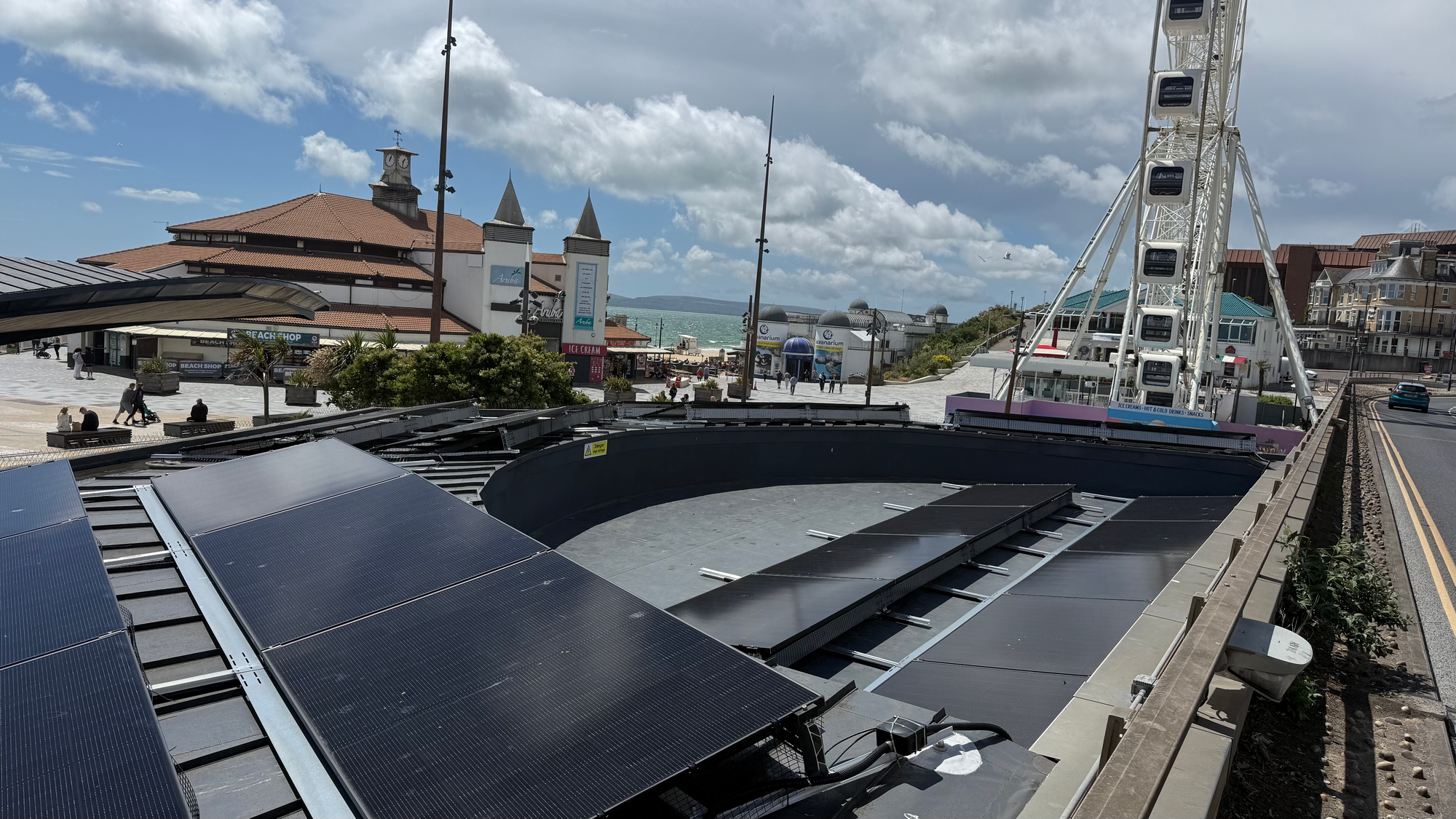
Frequently Asked Questions

What is EcoFlow Smart Energy Management?

EcoFlow Smart Energy Management is an approach to coordinating solar generation, battery storage, household electricity consumption and grid energy. Compatible EcoFlow technology can monitor energy use and help manage when electricity is consumed or stored.

Can EcoFlow automatically manage solar and battery power?

Compatible EcoFlow systems can intelligently manage electricity generated by solar panels and stored within a battery. Exactly how the system operates will depend upon its configuration, installed equipment and household requirements.

Can EcoFlow PowerOcean work with solar panels?

Yes. EcoFlow PowerOcean combines a hybrid inverter with modular battery storage and is designed to operate as part of a home solar energy system. A professional installer can determine an appropriate solar and battery configuration for your property.

Can EcoFlow Smart Energy Management help reduce electricity bills?

It can potentially help households make greater use of their own solar electricity and manage stored energy more intelligently. However, actual savings vary according to solar generation, consumption, battery capacity, electricity tariffs and household behaviour.

Who installs EcoFlow PowerOcean in Bournemouth and Poole?

Save Energy UK provides EcoFlow PowerOcean installation for homeowners in Bournemouth, Poole, Dorset and across the South Coast. If you are considering EcoFlow battery storage, the team can assess your property and recommend a suitable system.

Take Greater Control of Your Home Energy With Save Energy UK

EcoFlow Smart Energy Management changes the way homeowners can think about solar and battery storage. Rather than viewing solar panels, batteries and grid electricity as separate elements, smart management allows them to operate as part of a more coordinated home energy system.

However, intelligent technology still needs intelligent design.
The appropriate solar array, inverter and battery capacity will depend upon your property, electricity consumption and future requirements. Choosing a system around those factors can help you get far more from your investment than simply selecting equipment according to headline specifications.
If you are considering EcoFlow PowerOcean, PowerOcean Plus, solar panels or battery storage in Bournemouth, Poole, Dorset or elsewhere across the South Coast, contact Save Energy UK to discuss your requirements and request a no obligation quotation.