| Unit 20, Glenmore Centre, Poole, Dorset BH12 4FB | Mon–Fri 9:00am – 5:00pm
01202 986262 Get a Free Quote

Tesla Powerwall Batteries in Bristol

Energy Costs

Energy costs remain a considerable concern for businesses throughout Bristol and the wider South West. Although commercial solar panels can reduce the amount of electricity purchased from the grid during daylight hours, businesses may not always consume every unit of electricity as it is generated. Without battery storage, that surplus electricity will usually be exported.

Tesla Powerwall batteries offer certain commercial properties an opportunity to retain more of their solar electricity for later use. A correctly designed system can help a business reduce grid reliance, manage its electricity consumption and make fuller use of its renewable energy.

However, commercial energy requirements vary considerably. Powerwall 3 may suit an office, shop, hospitality venue, workshop or other modest commercial property, while a larger warehouse, factory or industrial site may require a dedicated commercial battery system. Therefore, professional system design is essential.

How Does Tesla Powerwall 3 Work?

Tesla Powerwall 3 is an intelligent battery storage system that can store electricity generated by solar panels or drawn from the grid. The stored electricity can then be used when solar generation falls below the level of demand within the property.

During a typical day, solar panels generate electricity whenever sufficient daylight is available. The business consumes this electricity first. When the panels generate more power than the property requires, the surplus can charge the Powerwall rather than being exported immediately.

The business can then use the stored electricity later in the day, during periods of cloud or after the sun has set. This process can increase the proportion of solar electricity consumed on site.

Powerwall 3 includes an integrated solar inverter, which makes it particularly relevant when designing a new solar and battery system. Tesla states that the battery can also be added to an existing solar installation and is compatible with major inverter brands. Tesla explains how Powerwall works alongside solar generation and grid electricity.

Tesla Powerwall 3 Specifications

Each Tesla Powerwall 3 has an energy capacity of 13.5 kWh. It can provide up to 11.04 kW of continuous power, although the available output depends upon local conditions and the final system configuration.

The system includes three solar inputs with Maximum Power Point Trackers and achieves a stated solar to grid efficiency of 97.5 per cent. It can be installed inside or outside, subject to a professional site assessment and compliance with the manufacturer’s installation requirements.

Tesla allows a Powerwall 3 system to include up to four Powerwall units. Powerwall 3 Expansion units can also provide an additional 13.5 kWh of capacity per unit. This flexibility allows an installer to design a system around a property’s electricity consumption and solar generation rather than applying a standard arrangement to every business.

The product carries a ten year warranty. The precise operating limits and energy retention terms depend upon how the battery is used, so businesses should review the current warranty terms as part of the specification process. Tesla’s current United Kingdom warranty provides further details about eligible applications, capacity retention and operating limits. View the official Tesla Powerwall warranty.

Can Tesla Powerwall Be Used in a Commercial Property?

Tesla primarily describes Powerwall as a home battery system. Nevertheless, its capacity and power output may make it suitable for certain smaller commercial properties, provided that the building’s electrical supply and consumption profile are compatible.

Potential applications may include offices, independent shops, restaurants, public houses, salons, clinics, small workshops and community buildings. A business that consumes a moderate amount of electricity during the afternoon and evening may be able to use stored solar energy after generation begins to decline.

Suitability cannot be determined from the building type alone. Two offices of a similar size may have entirely different consumption patterns. One might operate during ordinary daylight hours, while another could use considerable electricity for heating, cooling, computer equipment and extended evening operations.

Many larger commercial premises also have a three phase electrical supply. Powerwall 3 is a single phase product in the United Kingdom, so the site’s electrical arrangement must be examined carefully. A qualified designer can determine whether Powerwall is appropriate or whether a dedicated commercial and industrial storage system would offer a better solution.

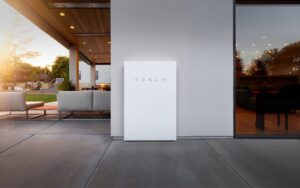
Tesla Powerwall Hero Image

How Can Powerwall Benefit a Bristol Business?

Using More Solar Electricity on Site

Commercial solar panels often generate their highest output around the middle of the day. If a business cannot use all of this electricity at the time, a battery can retain part of the surplus.

Using stored electricity later may be more valuable than exporting it immediately, depending upon the business tariff, export arrangements and consumption pattern. However, this should be established through a proper financial assessment rather than assumed.

Reducing Dependence on the Grid

A solar and battery system cannot necessarily make a commercial property completely independent from the grid. Seasonal variation, weather conditions and high electrical loads still influence how much imported electricity the business requires.

Nevertheless, Powerwall can reduce grid dependence by allowing the property to use stored solar electricity when generation is insufficient. Businesses may also be able to charge the battery during less expensive tariff periods and use that electricity when grid prices are higher, where their tariff and system settings allow this.

Managing Electricity Costs

Battery storage can give businesses greater control over when they purchase electricity. This can be particularly useful for organisations with variable tariffs or meaningful demand outside the main solar generation period.

Potential savings depend upon the cost of the system, electricity prices, solar output, export payments, battery use and the amount of stored electricity consumed. A credible proposal should model these factors using the property’s actual data.

No responsible installer can promise an identical financial result for every business. The purpose of commercial system design is to establish what the technology could realistically achieve at a particular site.

Supporting Environmental Objectives

Many organisations in Bristol are seeking practical ways to reduce emissions associated with their operations. Battery storage can support this objective by allowing a business to consume a greater proportion of the renewable electricity generated on its premises.

This may contribute to environmental reporting, procurement requirements and wider sustainability plans. However, any public claim should remain accurate and proportionate to the measurable performance of the system.

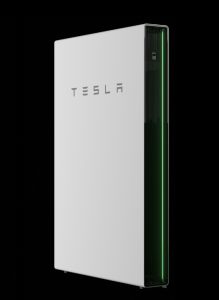
Tesla Powerwall

Can Tesla Powerwall Provide Backup Power?

Powerwall can provide backup electricity when installed with the appropriate Tesla Gateway and configured for that purpose. The Gateway detects a grid outage, disconnects the property safely from the grid and allows the battery to support the connected circuits.

For a commercial property, backup design requires careful consideration. It may be neither practical nor necessary to support every electrical load. Instead, a business might prioritise lighting, communications, security equipment, refrigeration, tills or essential computer systems.

The available duration will depend upon the number of batteries, their state of charge and the amount of electricity being consumed. High demand equipment can deplete stored energy rapidly.

Powerwall should not automatically be treated as a substitute for a commercial uninterrupted power supply or generator. Businesses with critical machinery, medical equipment or systems where failure could create serious harm require specialist advice. The manufacturer expressly states that Powerwall is not intended to provide primary or backup power for life support equipment.

How Many Powerwall Batteries Might a Business Need?

The answer depends upon how much energy the business wants to store and how much power it requires at any one time. Battery capacity and power output are related, but they are not interchangeable.

Capacity measures the amount of energy available over time. Power output determines how much electrical demand the battery can support at a particular moment. A business could have sufficient stored energy for several hours but still exceed the system’s output if several powerful appliances operate simultaneously.

An assessment should consider annual consumption, daily load patterns, peak demand, operating hours and seasonal changes. Where available, half hourly electricity data provides a much clearer picture than annual bills alone.

The proposed solar array must also be considered. Installing excessive battery capacity offers limited value if the solar panels seldom produce enough surplus electricity to charge it. Equally, an undersized battery may regularly fill early and leave useful solar generation available for export.

Tesla permits multiple Powerwall 3 units, but the ability to add batteries does not mean that Powerwall is automatically the correct choice for every commercial property. Save Energy UK also designs larger commercial and industrial battery solutions for businesses whose requirements extend beyond Powerwall.

Why Professional Design Matters

A commercial battery installation involves considerably more than choosing a product with an appealing capacity figure. The installer must assess the property’s electrical infrastructure, supply arrangement, roof, solar potential, fire safety requirements, proposed battery position and relationship with the local electricity network.

Grid connection requirements must also be addressed. Depending upon the scale and configuration of the installation, an application may need to be made to the local Distribution Network Operator before the system is connected.

Save Energy UK begins its commercial process with a site survey and a review of the organisation’s requirements. The team then develops a tailored specification, confirms equipment locations and cable routes, manages relevant approvals and coordinates the installation.

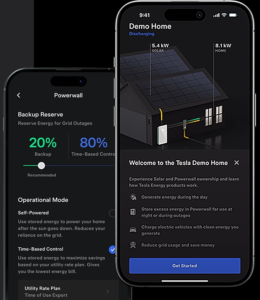
tesla mobile app

Tesla Powerwall Installation Across Bristol and the South West

Bristol contains a varied collection of commercial properties, from independent shops and offices to warehouses, hospitality venues and community buildings. Consequently, there is no single solar and battery arrangement that will suit every site.

Save Energy UK designs, installs and maintains bespoke solar and battery systems across the South of the United Kingdom. Established in 2005, the company states that it has completed more than 5,000 installations. Its commercial experience includes systems for offices, warehouses and other business premises.

The company is MCS certified and holds NAPIT, RECC and CHAS accreditations. These credentials reflect recognised standards relating to installation quality, electrical competence, consumer protection and commercial health and safety. You can learn more about commercial solar panel installation and view Save Energy UK’s commercial case studies before arranging an assessment.

Request a Commercial Solar and Battery Quotation

Tesla Powerwall batteries can offer a capable storage solution for certain commercial properties in Bristol. They may help a business use more of its solar electricity, reduce its reliance on the grid and gain greater control over when it imports energy.

However, the value of the system depends upon choosing the right battery for the property. Electricity consumption, peak demand, operating hours, solar generation and electrical infrastructure must all be considered.

If you are considering Tesla Powerwall 3 for a commercial property in Bristol or elsewhere in the South West, contact Save Energy UK. The team can review your energy requirements, assess the premises and recommend a solar and battery system designed around the way your organisation actually uses electricity.

Frequently Asked Questions

Is Tesla Powerwall 3 suitable for every commercial property?

No. It may suit smaller commercial premises with compatible electrical supplies and moderate energy requirements. Larger or more demanding sites may require a dedicated commercial battery storage system.

Can Powerwall 3 be added to existing commercial solar panels?

It can be added to many existing solar installations. However, compatibility, electrical design, available space and grid connection requirements must be checked before installation.

Can a business install more than one Powerwall?

Yes. Tesla states that Powerwall 3 systems can include up to four Powerwall units. The correct quantity should be determined from the property’s consumption, power demand and solar generation.

Will Powerwall keep a business running during a power cut?

A suitably configured system can support connected loads during an outage. The equipment it can operate and the duration of backup will depend upon the system design, available charge and level of demand.

How much could a Bristol business save with Powerwall?

Savings vary according to electricity consumption, tariffs, solar generation, export payments and battery use. Save Energy UK can prepare a tailored assessment using information from the individual property.

Could EcoFlow PowerOcean Help You Rely Less on the Grid?

Energy Independence

For many households, energy independence does not mean disconnecting from the National Grid altogether. Instead, it means purchasing less electricity from an energy supplier and making better use of the renewable energy generated at home.

Solar panels can provide a valuable source of electricity during daylight hours. However, households often generate more solar energy than they can use immediately. Without battery storage, this surplus electricity may be exported to the grid. Later, when the panels are producing less energy, the household may need to purchase electricity from its supplier.

EcoFlow PowerOcean offers a more intelligent approach. By storing surplus solar electricity for later, the system can help you use more of the energy your panels generate. As a result, you may reduce your reliance on the grid, gain greater control over your energy use and protect your household from future electricity price increases.

However, the right result depends upon careful system design. Your electricity consumption, property, solar generation and daily routine must all be considered before installation.
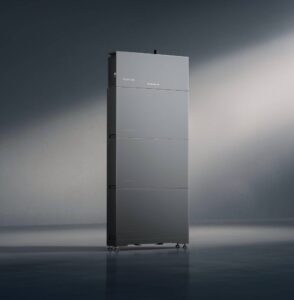
What does relying less on the grid actually mean?

Grid reliance refers to the amount of electricity your household needs to purchase from an energy supplier. Most homes with solar panels remain connected to the National Grid because solar generation changes throughout the day and across the seasons.

Nevertheless, remaining connected does not mean that you must depend upon the grid for all your electricity.

A well designed solar panel and battery storage system can provide a significant proportion of the electricity your household uses. During the day, your solar panels can power appliances directly. Any surplus energy can then charge your battery. When solar generation falls, the battery can release that stored electricity into your home.

Consequently, you can continue using your own solar energy after sunset rather than immediately purchasing electricity from the grid.

The precise reduction will vary between properties. A household that uses most of its electricity in the evening may benefit considerably from battery storage. Meanwhile, a home that already consumes most of its solar energy during the day may experience a different result.

How does EcoFlow PowerOcean work?

EcoFlow PowerOcean combines a hybrid inverter with modular lithium iron phosphate battery storage. The inverter manages the movement of electricity between your solar panels, battery, home and the grid.

When your solar panels generate electricity, the system first considers the needs of your home. If your household is using less electricity than the panels are producing, the surplus energy can charge the battery.

Once solar generation falls below household demand, PowerOcean can release stored electricity. This process allows you to use energy generated earlier in the day during the evening, overnight or at other times when your panels are producing less electricity.

For example, your solar panels might generate surplus energy while you are at work. PowerOcean can store this electricity so that it is available when you return home and begin cooking, using appliances or charging devices.

Without battery storage, much of that surplus electricity could leave your property before you have an opportunity to use it.
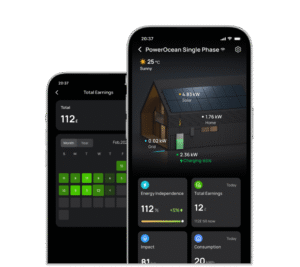
Making better use of your solar panels

Installing solar panels is an important step towards reducing your dependence upon conventional electricity. However, solar generation does not always coincide with household demand.

A typical solar system produces most of its electricity during the middle of the day. Many households, by contrast, use more energy in the morning and evening. Battery storage helps bridge this gap.

EcoFlow PowerOcean can increase the proportion of solar electricity that you use within your own property. This is sometimes known as solar self consumption. The higher your self consumption, the less electricity you may need to purchase from the grid.

That does not necessarily mean storing every unit of surplus electricity. Once the battery reaches its chosen charge level, additional solar energy may still be exported. Nevertheless, an appropriately sized battery can substantially improve how effectively your household uses its renewable energy.

Intelligent control through the EcoFlow app

Reducing grid reliance is not simply a question of owning a large battery. You must also understand when energy is being generated, stored and consumed.

The EcoFlow app and Web Portal allow you to monitor solar input, battery storage and household electricity consumption. This information can reveal when your home uses the most energy and whether changing certain habits could improve efficiency.

For instance, you might choose to run a washing machine or dishwasher while solar generation is high. You could then preserve more battery capacity for the evening.

The system can also prioritise the use of solar energy and automatically store surplus electricity for later. EcoFlow states that PowerOcean supports intelligent monitoring, control and dynamic electricity tariffs through its home energy management technology. EcoFlow provides further details about these functions on its official PowerOcean page.
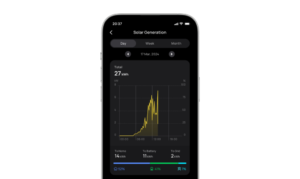
Could a time of use tariff reduce grid reliance further?

A time of use tariff charges different electricity prices at different times. Electricity may cost less overnight and more during periods of high national demand.

When solar generation is insufficient, a compatible home battery may charge from the grid during a cheaper period. The stored electricity can then be used when grid prices are higher.

This does not reduce the physical amount of grid electricity used in every instance because the battery is still charging from the mains. However, it can reduce your reliance upon electricity purchased at peak prices. It may also help you manage energy costs more strategically during winter, when solar generation is naturally lower.

Tariffs, rates and eligibility can change. Therefore, you should compare current options and consider your consumption pattern before deciding whether a time of use tariff is suitable.

Flexible battery capacity for different homes

Every household has a different energy profile. A small home with modest electricity consumption will not have the same storage requirements as a large property with an electric vehicle, heat pump and several occupants.

EcoFlow PowerOcean uses modular battery storage. Each battery module provides 5kWh of capacity, while the system can be expanded up to 45kWh, subject to the chosen configuration and property requirements. This modular design means that homeowners can begin with an appropriate capacity and potentially add further storage if their energy consumption increases. Save Energy UK provides the current PowerOcean system details here.

Expansion may be useful if you later purchase an electric vehicle, install a heat pump, build an extension or begin working from home more frequently.

However, a larger battery is not automatically a better investment. If your solar panels rarely generate enough surplus electricity to fill it, some capacity may remain unused. Equally, a battery that is too small may run out before the household reaches the end of its evening demand.

A professional survey can identify a suitable balance between solar generation, storage capacity and electricity consumption.

Is EcoFlow PowerOcean suitable for homes with high energy usage?

PowerOcean can be particularly valuable for households with substantial or changing electricity requirements.

An electric vehicle can increase household consumption considerably. Smart scheduling may allow the vehicle to charge when solar generation is strong, when stored energy is available or when grid electricity is cheaper.

A heat pump also changes how a property consumes electricity, especially during colder weather. Battery storage may contribute towards this demand, although winter heating requirements can be considerable and should be assessed carefully.

Larger families may benefit because washing machines, dishwashers, computers, televisions and cooking appliances can create sustained demand throughout the day. Similarly, people who work from home may use more solar electricity directly while the panels are generating.

In each case, the aim is not merely to install equipment. It is to design a system that reflects how the property genuinely uses energy.

Can PowerOcean provide electricity during a power cut?

EcoFlow PowerOcean supports backup power when installed with the appropriate equipment and electrical configuration. During an outage, stored energy may continue supplying selected appliances or circuits within the property.

This could help keep essential items operating, such as lighting, refrigeration, internet equipment and certain sockets. However, the extent of the backup depends upon the inverter, battery capacity, remaining charge and electrical demand at the time.

High consumption appliances can deplete a battery quickly. Furthermore, not every solar and battery installation automatically provides power during a grid failure. A standard grid connected solar system usually shuts down during an outage to protect engineers working on the network.

Therefore, backup requirements should form part of the initial system design. Save Energy UK can discuss which circuits matter most to you and establish whether the proposed configuration can support them safely.

Can EcoFlow PowerOcean make a home completely independent?

Complete independence from the grid is possible only in limited circumstances and should not be treated as a guaranteed outcome.

British weather and seasonal daylight have a considerable effect upon solar generation. During summer, a suitable system may produce and store much of the electricity a household requires. During winter, shorter days, lower light levels and greater energy demand can make grid electricity necessary.

Your roof also matters. Its size, orientation, pitch and level of shading will influence the amount of solar electricity available. Meanwhile, the number of occupants and the use of heating, cooking and vehicle charging will affect demand.

For most homeowners, the more realistic objective is to reduce grid reliance rather than eliminate it. Even a partial reduction can provide greater control over energy costs and allow the household to use more renewable electricity.

Why professional system design matters

The performance of an EcoFlow PowerOcean system depends upon much more than battery capacity.

An installer should assess your historic electricity consumption, the times at which you use energy and any planned changes to the property. They should also inspect the roof, identify suitable locations for the equipment and consider the electrical supply.

This information helps determine the appropriate number of solar panels, battery capacity and inverter specification. It also allows the installer to estimate how energy may flow through the property at different times of the year.

Save Energy UK has designed, installed and maintained bespoke solar and battery systems for more than 21 years. Its team serves homeowners across Dorset, the South Coast, the Midlands and the wider United Kingdom. You can also explore its domestic solar installation services and solar battery storage options before arranging a survey.

Could now be the right time to install battery storage?

The installation of qualifying solar panels and electrical storage batteries in residential accommodation currently benefits from temporary zero rated VAT.

According to HMRC guidance, the temporary zero rate applies until 31 March 2027. From 1 April 2027, qualifying installations are scheduled to return to the reduced VAT rate of 5 per cent. The relief can include solar panel installations, batteries fitted alongside renewable generation and qualifying standalone battery installations. Full eligibility information is available from HMRC.

Therefore, households already considering solar panels or battery storage may wish to act before the current relief ends. Planning early also provides time for a professional survey, system design and installation.

Frequently asked questions

Will EcoFlow PowerOcean eliminate my electricity bill?

Not necessarily. Your result will depend upon solar generation, battery capacity, energy consumption, electricity tariff and seasonal conditions. However, a correctly designed system could reduce the amount of electricity you purchase from the grid.

Can PowerOcean charge from the grid?

Yes. This can be useful for households using a suitable time of use tariff. The battery may charge when electricity is cheaper and provide stored energy during more expensive periods.

Can I add more battery capacity later?

PowerOcean has a modular design and supports capacity expansion, subject to system compatibility and installation requirements. It is sensible to discuss future plans with your installer during the initial survey.

Will my solar panels still generate electricity in winter?

Yes, solar panels generate electricity from daylight rather than heat. However, winter generation is normally lower because days are shorter and sunlight is less intense. Grid electricity may therefore remain important during colder months.

Is EcoFlow PowerOcean suitable without solar panels?

A standalone battery can store electricity purchased from the grid, potentially during cheaper tariff periods. However, combining battery storage with solar panels allows you to store renewable electricity generated at your own property.

Take greater control of your home energy

EcoFlow PowerOcean could help you use more of your solar electricity, purchase less energy from the grid and manage household consumption with greater precision. Its modular battery capacity also offers flexibility if your requirements change in the future.

However, successful energy storage begins with a system designed around your property. Save Energy UK can assess your roof, electricity consumption, daily routine and future plans before recommending an appropriate solar and battery configuration.

Contact Save Energy UK to book your home energy survey and discover whether EcoFlow PowerOcean is right for you.

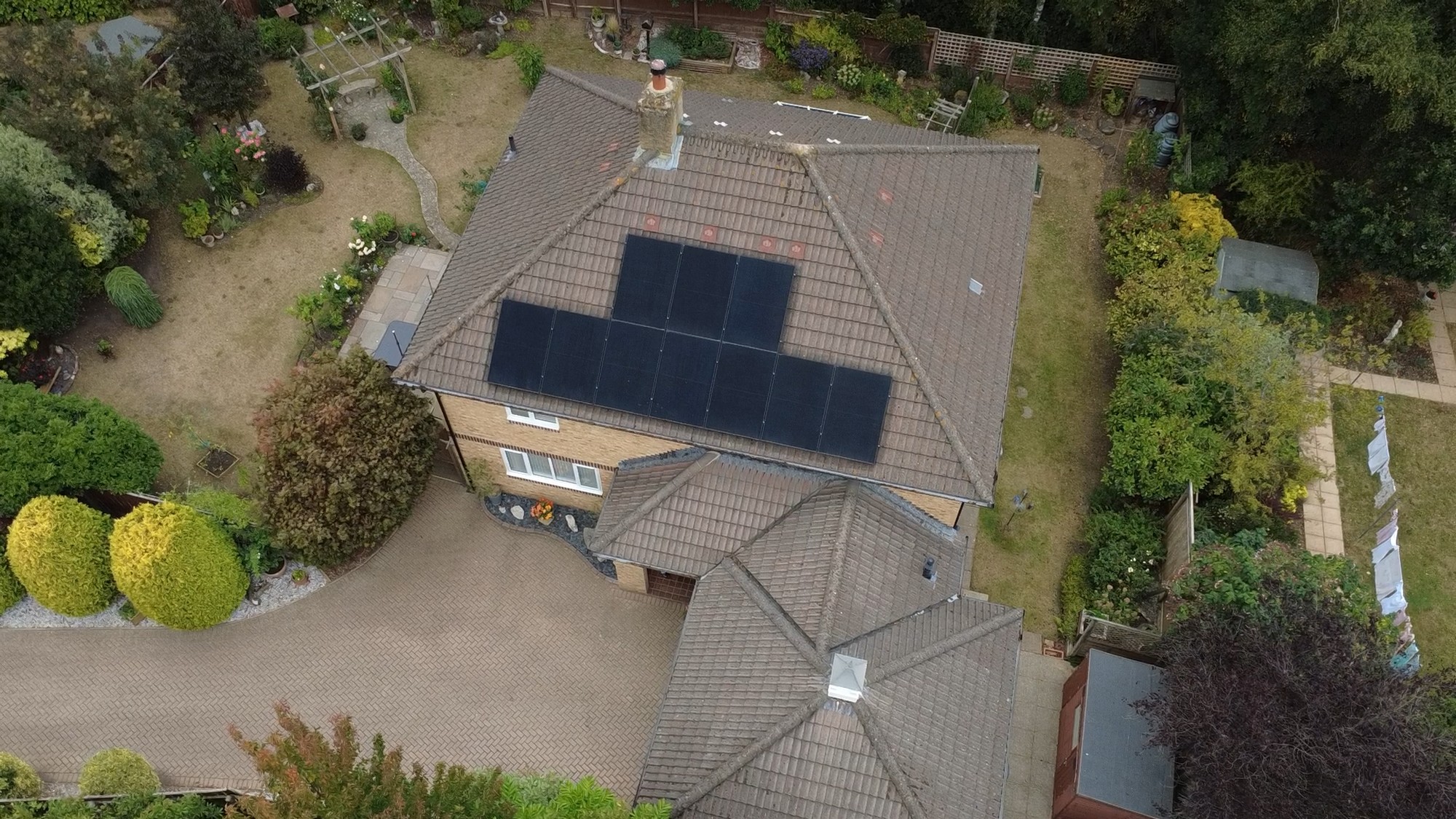
Is EcoFlow PowerOcean Suitable for a Large Home?

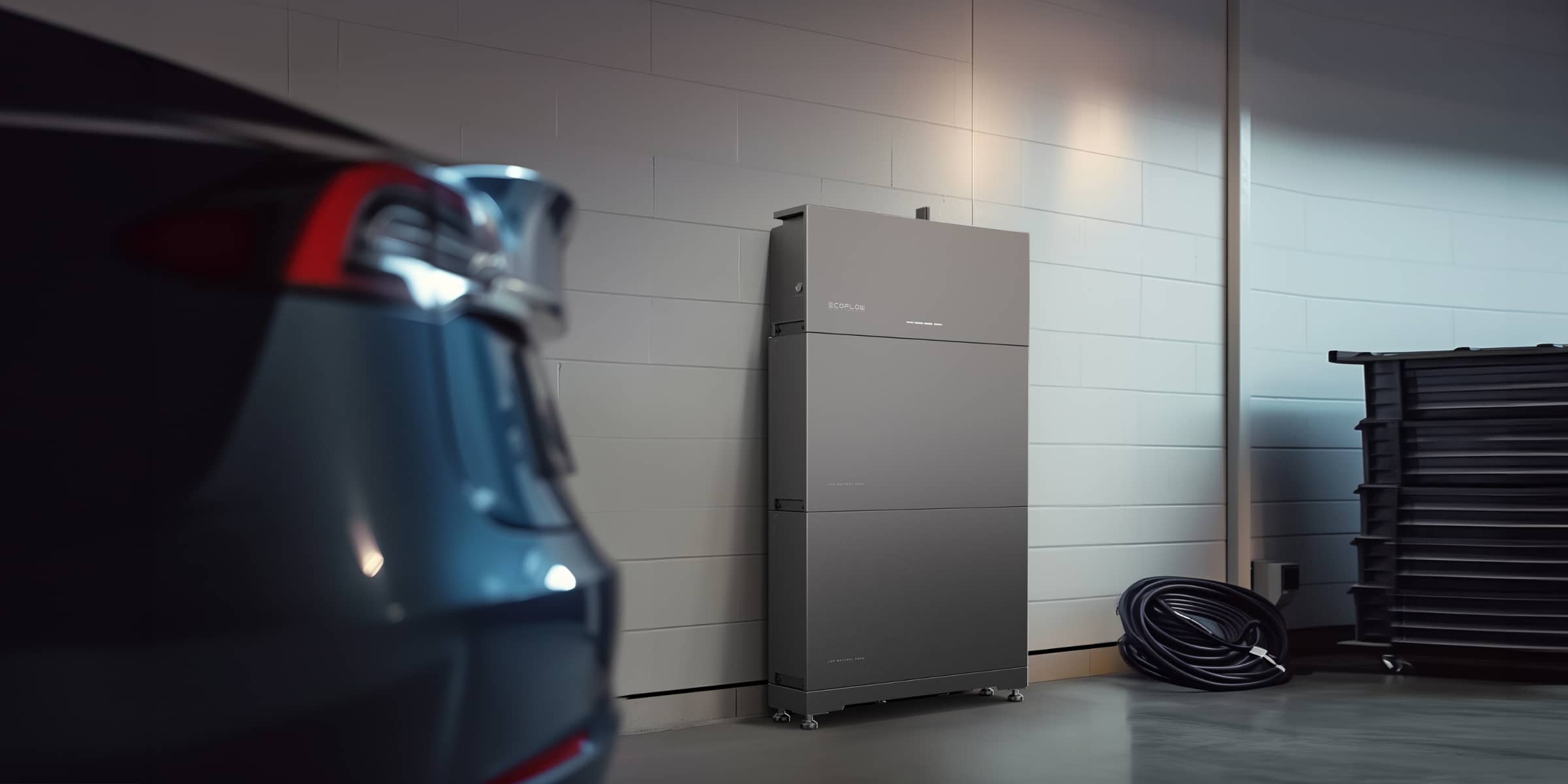
EcoFlow PowerOcean

For owners of larger homes, choosing a solar battery is rarely as simple as finding a system with enough capacity to keep the lights on in the evening. A substantial property can have considerable electricity demands, particularly when modern technologies such as electric vehicles, heat pumps, air conditioning and electric cooking are added to everyday household consumption.
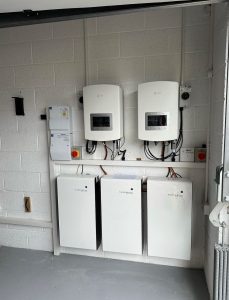
This is where the EcoFlow PowerOcean becomes particularly interesting.

Designed as a modular home energy storage system, the PowerOcean gives homeowners considerable flexibility over how much electricity they can store. Rather than committing to a fixed amount of battery storage, the system can be configured around the requirements of the property and expanded where appropriate.

For homeowners considering solar panels and battery storage in Dorset and across the South Coast, the important question is whether that flexibility translates into a genuinely suitable system for a large home.

In many cases, the answer is yes.

Why Do Large Homes Need More Battery Storage?

The size of a property does not automatically determine how much electricity it consumes. A large but highly efficient home occupied by two people could use considerably less electricity than a smaller property occupied by a busy family.

Nevertheless, larger homes frequently have greater energy requirements.

There may be more lighting, additional televisions and computers, several refrigeration appliances and a greater number of rooms requiring heating or cooling. A household may also have one or more electric vehicles, a heat pump, air conditioning, an electric range cooker, a hot tub or other equipment with substantial electricity requirements.

These demands become especially important when choosing a solar battery.

The objective should not simply be to install as much battery capacity as possible. Instead, your solar panels, battery storage, inverter and household consumption should be considered together.

A properly specified battery can store surplus solar electricity generated during the day so that it is available when the property needs it. This can help households consume a greater proportion of the renewable electricity they generate themselves rather than exporting it and subsequently importing electricity from the grid.

For a large home, having sufficient capacity to make that strategy practical can be particularly valuable.

What Is the EcoFlow PowerOcean?

The EcoFlow PowerOcean is a modular home battery storage system designed to work alongside solar generation and household electricity consumption.

One of its most significant characteristics is its modular design.

Individual PowerOcean LFP battery modules have a nominal capacity of 5.02 kWh. EcoFlow states that its single phase system can accommodate up to six battery modules with one inverter, providing up to approximately 30 kWh of battery capacity.

For properties with particularly substantial electricity requirements, EcoFlow also offers a three phase configuration. The three phase PowerOcean can support up to 12 battery modules with one inverter. Its inverter range offers AC output options of 6 kW, 8 kW, 10 kW and 12 kW, with a maximum photovoltaic input of 24 kW.

This scalability is one of the reasons PowerOcean deserves consideration for larger homes.

Why Is EcoFlow PowerOcean Well Suited to Large Homes?

Flexible Battery Capacity

Perhaps the clearest advantage is the ability to configure storage around the property.

A household does not necessarily need 30 kWh of battery storage simply because it occupies a large home. Equally, a household with an electric vehicle, heat pump and substantial solar array may find that a relatively small battery does not make the best use of the electricity available from its panels.

PowerOcean allows an installer to approach this more intelligently.

With 5.02 kWh battery modules and the ability to combine multiple modules, capacity can be selected according to actual and anticipated electricity consumption.

This can also be useful when considering future requirements. A homeowner who expects to purchase an electric vehicle or install other electrical technology should take those plans into account when discussing the design of the system.

Suitable for Higher Energy Demands

Battery capacity is only part of the equation. A larger household can also have significant simultaneous power demands.

Imagine an evening when dinner is being prepared using electric appliances, an electric vehicle is charging, the washing machine is running and several other appliances are being used throughout the house.

This is why professional system design matters.

The single phase PowerOcean hybrid inverter provides AC output of up to 6 kW, while the three phase system provides inverter options reaching 12 kW. The appropriate configuration will depend upon the electrical supply, solar installation and requirements of the individual property.

For homeowners with unusually high electricity requirements, Save Energy UK can assess the property and recommend a system configuration based upon how electricity is actually being used.

Built for Long Term Home Energy Storage

Battery longevity is naturally an important consideration when investing in home energy storage.

EcoFlow uses lithium iron phosphate battery chemistry in the PowerOcean and states that its cells are engineered for more than 10,000 cycles. The company also lists a 15 year warranty for both the PowerOcean battery and inverter.

The equipment carries an IP66 rating and is designed for indoor or outdoor installation.

For homeowners planning to use battery storage regularly over many years, these are meaningful considerations.

PowerOcean With Solar Panels

For many households, the greatest appeal of home battery storage is the ability to retain more of the electricity produced by their solar panels.

Without battery storage, surplus solar generation may be exported when the household is unable to use it. Later in the evening, when solar generation has fallen, the property may need to import electricity again.

Battery storage changes that relationship.

Surplus electricity can instead be directed into the battery and used later when household consumption exceeds solar generation.

This can be particularly useful for larger homes because electricity consumption may continue well into the evening.

Rather than considering solar panels and battery storage as separate purchases, Save Energy UK can design them as one integrated home energy system.

That means looking at how much electricity the household consumes, when it consumes it, how much solar electricity the proposed array is likely to generate and how much storage is appropriate.

How Much Battery Storage Does a Large Home Need?

There is no single correct battery capacity for a large property.

Two apparently similar houses can require very different systems.

Before recommending an EcoFlow PowerOcean battery configuration, it is sensible to consider annual electricity consumption, typical daily consumption, evening and overnight demand, the size of the solar array and whether the household uses significant electrical equipment.

Future requirements should also form part of that conversation.

For example, a household currently heated by gas might intend to install a heat pump. Another family may expect to replace two petrol cars with electric vehicles. Someone working permanently from home may have significantly greater daytime electricity consumption than a household that is empty between nine and five.

This is precisely why simply purchasing the largest available battery is not necessarily the right approach.

An oversized battery may offer capacity that the household seldom uses. An undersized system, by contrast, could limit the amount of surplus solar electricity that can be retained for later.

The better solution is to have your energy requirements assessed professionally.

Save Energy UK can examine your household consumption and discuss your plans before recommending an appropriate solar and battery storage configuration.

What About Electric Vehicles and Heat Pumps?

The electrification of the home is making battery capacity increasingly important.

Electric vehicles can add considerable electricity consumption to a household, while heat pumps transfer another significant element of domestic energy use from fossil fuels to electricity.

Neither automatically means that an enormous battery is required.

The timing of electricity consumption matters just as much as the total amount consumed.

For example, an electric vehicle may be charged using solar electricity during periods of strong daytime generation. Alternatively, charging may be scheduled around an appropriate electricity tariff. A heat pump has an entirely different consumption pattern.

The solar array, battery and household loads therefore need to be considered as a complete system.

For larger homes adopting several electrical technologies, the modular nature of PowerOcean provides useful flexibility.

EcoFlow PowerOcean vs Tesla Powerwall 3

Tesla Powerwall 3 is another strong option for homeowners considering premium battery storage.

In the UK, Powerwall 3 provides 13.5 kWh of nominal battery energy. Tesla lists on grid output of up to 11.04 kW depending upon local conditions, while its UK technical documentation confirms that the system can be expanded using additional Powerwall 3 units and Expansion units.

PowerOcean takes a different approach to capacity.

Rather than beginning with a 13.5 kWh battery, EcoFlow uses smaller 5.02 kWh modules. A single phase PowerOcean installation can provide up to approximately 30 kWh with one inverter, while the three phase architecture can accommodate considerably more battery modules.

Neither approach is inherently better for every property.

Tesla Powerwall 3 offers substantial capacity and power within an integrated system and remains an attractive choice for many households. EcoFlow PowerOcean, however, may appeal particularly to homeowners who value more granular capacity choices or who have substantial and potentially changing energy requirements.

The right choice should ultimately be determined by the property rather than the badge on the battery.

Can PowerOcean Reduce Electricity Bills?

A well designed solar and battery installation can reduce the amount of electricity a household needs to purchase from the grid, although the results will vary considerably between properties.

Battery storage can allow a household to retain surplus solar electricity and use it later. Depending upon the electricity tariff and system configuration, batteries can also provide opportunities to manage when electricity is imported from the grid.

However, credible savings calculations should be based upon the individual household.

Claims about enormous universal savings may sound appealing, but electricity consumption, solar generation, tariffs and household behaviour differ too much for a single figure to be meaningful.

Save Energy UK can assess these factors when preparing a quotation, giving you a clearer understanding of how an EcoFlow battery system could perform within your own home.

Is PowerOcean Worth Considering for a Large Property?

For many larger homes, absolutely.

Its modular 5.02 kWh batteries make it possible to tailor capacity more closely to household requirements, while the availability of single phase and three phase configurations gives the system considerable scope for different properties.

The more important question is not simply whether PowerOcean is capable of supporting a large home.

It is whether a particular PowerOcean configuration is right for your large home.

That distinction matters.

A household with modest electricity consumption and no electric vehicle will have very different requirements from a family running two electric cars, a heat pump, air conditioning and numerous high consumption appliances.

Professional specification helps ensure you are paying for the battery capacity you can genuinely use.

Frequently Asked Questions

Is EcoFlow PowerOcean powerful enough for a large house?

Potentially, yes. PowerOcean is available in single phase and three phase configurations and offers modular battery storage. EcoFlow’s three phase inverter options extend to 12 kW AC output, making the range particularly interesting for properties with substantial electricity requirements.

How much capacity does an EcoFlow PowerOcean battery have?

Each PowerOcean LFP battery module has a nominal capacity of 5.02 kWh. Multiple modules can be combined to create a larger storage system.

Can I expand an EcoFlow PowerOcean system?

Yes. Modularity is one of its principal attractions. The single phase configuration supports up to six battery modules with one inverter, while the three phase system supports up to 12 modules with one inverter. The precise configuration should be determined by a qualified installer.

Get a Free Solar and Battery Quote From Save Energy UK

EcoFlow PowerOcean has many of the characteristics that make sense for a large modern home. It offers modular battery storage, single phase and three phase options, LFP battery technology and the ability to build a system around substantial household energy requirements.

Yet the quality of the battery is only half of the equation.

The real value comes from specifying the right system.

If you own a larger home in Dorset, along the South Coast or within Save Energy UK’s wider service area, speak to the team about your electricity consumption, solar potential and future energy plans.

Whether you already have solar panels, are planning a completely new installation or want to prepare your home for an electric vehicle, heat pump or greater future electricity consumption, Save Energy UK can help you determine whether EcoFlow PowerOcean is the right choice.

Contact Save Energy UK today to get a free solar and battery quote and discover the PowerOcean configuration that could work for your home.

Install EV Charging Stations: A Smart Move for Businesses

Why Install EV Charging Stations at Your Business?

As the world increasingly shifts towards electric vehicles (EVs), the need for accessible EV charging stations has skyrocketed. For businesses, installing EV charging stations isn’t just an environmental initiative, it’s a savvy financial decision. Whether you’re a property owner or a business owner, this investment offers long-term benefits that can enhance your operations, attract a broader customer base, and boost your corporate sustainability.

In this post, we will explore why EV charging stations are a game-changer for businesses, delve into the technical details of installation, and highlight why Save Energy UK, a Sunsynk approved installer, is the ideal partner for businesses aiming to make this transition. We’ll also cover essential topics such as retrofit solar batteries, energy-saving tips, and advanced solar energy solutions like Tesla Powerwall UK.

The rise in EV adoption has led to a growing demand for convenient and accessible charging infrastructure. By installing EV charging stations at your business, you not only cater to your customers and employees but also help future-proof your business in a market that’s rapidly evolving toward cleaner energy.

Enhance Property Value and Revenue

EV charging stations can significantly increase the appeal of your commercial property. Many businesses have reported a rise in foot traffic and longer dwell times by offering this amenity. In particular, retail spaces, hotels, and restaurants can benefit from the solar panel installations used to power these stations, boosting green credentials and encouraging customer loyalty.

Additionally, businesses can monetise their charging stations. With software that allows for usage monitoring, you can charge customers for the electricity used. Coupling this with energy generated from domestic solar panel installers ensures minimal additional operational costs.


How EV Charging Stations Align with Your Solar Energy Plans

If you’re already exploring solar energy UK options, integrating EV charging stations is a logical next step. By harnessing the power of retrofit solar battery storage systems, businesses can offer EV charging powered by clean energy, reducing reliance on the grid and lowering electricity costs.

Sustainable Energy Meets Profitability

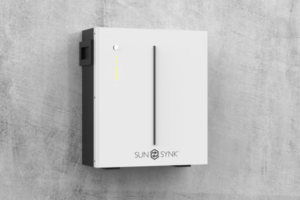
By working with Sunsynk approved installers, businesses can optimise their energy consumption. The Sunsynk inverter systems, for example, allow for better energy management, balancing the electricity demand for EV chargers with other building needs. Moreover, Tesla solar panels are an excellent choice for businesses that wish to combine their solar power setup with EV stations, offering a seamless and efficient energy-saving solution.

Solar panel protection is also essential to ensure that your energy source remains stable. Installing proper protective measures can safeguard against wear and tear, helping businesses maximise the lifespan of their solar panels.

Benefits of Solar-Powered EV Charging Stations

Solar energy is not only sustainable but also cost-effective. Businesses can significantly reduce their energy bills by installing solar panel installations that feed directly into the EV charging stations. Whether you’re using Tesla Powerwall UK or other energy storage solutions, the energy generated during the day can be stored and used later, optimising overall energy consumption.

Long-Term Cost Savings

With the implementation of retrofit solar battery systems, businesses can store excess solar energy generated during off-peak hours and use it during periods of high demand. This reduces reliance on the grid and helps avoid peak electricity rates, ultimately saving your business money. Energy storage solutions like Tesla Powerwall UK make it easier than ever to leverage the power of the sun.

Energy-Saving Tips for Businesses with EV Charging Stations

  1. Optimise Solar Energy Usage: Make sure your EV charging stations are tied into your existing or planned solar energy UK installations. By doing this, you minimize the environmental impact and reduce your energy costs.
  2. Install Energy Management Systems: Use smart charging solutions to monitor electricity use and automatically adjust power distribution across your charging stations.
  3. Incorporate Solar Panel Protection: Solar panels can degrade over time due to weather conditions. Installing solar panel protection can help preserve their efficiency and extend their lifespan.
  4. Utilise Battery Storage: Integrating a retrofit solar battery solution allows businesses to store excess energy for later use, optimising energy consumption during off-peak hours.

The Role of Domestic Solar Panel Installers in EV Charging Solutions

Partnering with domestic solar panel installers is crucial for businesses aiming to install EV charging stations powered by renewable energy. These professionals ensure the installation is optimised to meet the building’s energy needs while maximising sustainability and cost savings.

The Importance of Professional Installation

Improper solar panel installations can lead to inefficiencies and higher long-term costs. That’s why it’s critical to work with trusted domestic solar panel installers who understand the intricacies of setting up a system that works seamlessly with your EV charging stations.

Tesla Powerwall: A Game-Changer for Business Sustainability

The Tesla Powerwall UK is an advanced energy storage solution that businesses can integrate with their solar installations and EV charging stations. It allows you to store excess energy generated by solar panels for use during the night or on cloudy days, ensuring your business remains energy-efficient and sustainable 24/7.

Why Choose Tesla Powerwall?

Tesla Powerwall not only stores energy but also acts as a backup during power outages, ensuring that your business can continue to operate smoothly, even in emergency situations. Combined with solar panel installations, this creates a robust and reliable energy solution for businesses looking to reduce costs and promote sustainability.

Tesla Powerwall
We supply and install Tesla Powerwall batteries to new and existing solar installations

Future-Proof Your Business with EV Charging Stations

Installing EV charging stations is more than a smart investment, it’s a commitment to sustainability, efficiency, and the future of transportation. For businesses that already rely on solar energy, the synergy between solar installations, retrofit solar batteries, and EV charging stations can lead to significant long-term savings and increased property value.

At Save Energy UK, we specialize in providing energy-saving solutions tailored to your business needs. As Sunsynk approved installers, we have the expertise to guide you through the process, from solar panel installations to energy storage and EV charging station setup.

Call us today to explore how you can integrate EV charging stations into your energy-saving plan and future-proof your business for years to come.

6 Must-Have Solutions for Property Owners

Solar Batteries UK

As the UK continues to embrace renewable energy, solar power has become a key player in the quest for sustainability. However, the effectiveness of solar panels can be limited without the right storage solutions. That’s where solar batteries come into play. These devices allow property owners to store excess energy generated during the day for use at night or during cloudy periods, ensuring continuous access to renewable energy and greater energy independence.

In this guide, we will explore six must-have solar battery solutions for property owners in the UK, highlighting how they can benefit your home or business. Whether you’re searching for “solar panels near me” or considering the advantages of a specific brand like Puredrive, this article will provide you with the insights needed to make an informed decision.

Why Solar Batteries Matter for UK Property Owners

Solar energy is an abundant and clean source of power, but without proper storage, much of this energy can go to waste. Solar batteries allow you to store the energy your solar panels generate, enabling you to use it whenever you need it. This not only reduces reliance on the grid but also maximises your return on investment by ensuring that no energy is wasted.

For business and property owners, solar batteries represent a significant opportunity to cut energy costs, reduce carbon footprints, and enhance the value of their property. With energy prices on the rise, investing in solar storage solutions can be a game-changer for your financial and environmental goals.

1. Puredrive Energy Storage Solutions

Puredrive’s UK-Made Lithium-Ion Solar Batteries

When it comes to reliable energy storage, Puredrive is a name that stands out. Based in the UK, Puredrive offers high-performance lithium-ion batteries designed to complement any solar panel setup. These batteries are known for their efficiency, durability, and ease of installation.

Puredrive’s batteries come with smart technology that optimises energy usage, ensuring you get the most out of your solar panels. They are also scalable, meaning you can start with a smaller setup and expand as your energy needs grow. With a sleek design and robust build, Puredrive batteries are ideal for both residential and commercial properties.

Key Benefits:

  • UK-based manufacturing ensures better support and reliability.
  • Scalable systems to grow with your energy needs.
  • Smart technology for optimal energy usage.

A Puredrive lithium-ion battery system installed in a home garage, showcasing sleek design and practicality.

2. Finding the Best “Solar Panels Near Me”

Local Solar Installers and Their Importance

When searching for “solar panels near me,” it’s important to find local installers who understand the unique requirements of your area. Local solar installers are familiar with the regional climate, local regulations, and the best types of panels for your specific needs. They can provide tailored advice and support, ensuring your solar panel and battery system is optimised for maximum efficiency.

By choosing local installers, you also benefit from quicker service and support, which can be crucial when it comes to maintaining and troubleshooting your solar system. Furthermore, many local companies offer competitive pricing and are more likely to provide personalised service compared to larger, national firms.

Key Benefits:

  • Tailored advice for your specific location.
  • Quicker service and support.
  • Competitive pricing and personalised service.

A modern solar panel installation on a residential roof under a clear sky, representing efficient solar energy capture.

3. Advantages of Pairing Solar Batteries with Solar Panels

Maximising Efficiency and Savings

Pairing solar batteries with solar panels is a smart move for any property owner looking to maximise efficiency and savings. While solar panels generate power, batteries store the excess for later use. This setup allows you to reduce your dependency on the grid, particularly during peak hours when electricity rates are higher.

With the UK government’s Smart Export Guarantee (SEG), property owners can also earn money by exporting surplus energy back to the grid. A well-designed system that combines solar panels and batteries can help you take full advantage of this scheme, further enhancing the return on your investment.

Key Benefits:

  • Reduced dependency on the grid.
  • Lower energy bills, especially during peak hours.
  • Potential to earn from surplus energy through SEG.

4. Tesla Powerwall: A High-Tech Solar Battery Option

Cutting-Edge Technology for Your Home or Business

Tesla Powerwall is one of the most well-known solar battery solutions available today. Known for its sleek design and advanced technology, the Powerwall offers a powerful energy storage solution that can be seamlessly integrated into any solar panel system.

With features like real-time energy monitoring, weather prediction integration, and backup power capabilities, the Tesla Powerwall is perfect for those who want to combine style, technology, and sustainability. Its high capacity also makes it suitable for larger properties or those with higher energy demands.

Key Benefits:

  • Advanced technology with real-time monitoring.
  • High capacity for larger energy needs.
  • Backup power during outages.

5. The Importance of Professional Installation

Why Professional Installation Matters for Solar Batteries

When it comes to installing solar batteries, professional installation is key to ensuring safety, efficiency, and longevity. While DIY installations might be tempting, they often lead to issues such as poor performance, voided warranties, or even safety hazards.

Professional installers bring the necessary expertise to correctly integrate your solar batteries with your existing electrical system. They also ensure compliance with local regulations and provide ongoing support, giving you peace of mind that your investment is secure.

Key Benefits:

  • Safe and compliant installation.
  • Optimised performance of your solar battery system.
  • Ongoing support and warranty protection.

6. LG Chem: A Reliable Choice for Solar Storage

Proven Performance and Durability

LG Chem is another leading name in the solar battery market, offering solutions known for their reliability and performance. These batteries are designed to work efficiently in various environments, making them suitable for UK properties.

LG Chem batteries boast a long lifespan and come with warranties that provide added security for your investment. Their compact design makes them easy to install in most properties, and they can be paired with a wide range of solar panel systems.

Key Benefits:

  • Proven performance and reliability.
  • Long lifespan with robust warranties.
  • Compatibility with various solar panel systems.

Conclusion: Take Control of Your Energy Future

Investing in solar batteries is a smart move for any UK property owner looking to reduce energy costs, improve sustainability, and increase property value. Whether you opt for a UK-made solution like Puredrive or a high-tech option like the Tesla Powerwall, there are plenty of choices to suit your needs.

At Save Energy UK, we are committed to helping you find the best solar solutions for your property. With our expert advice and professional installation services, you can rest assured that your solar system will be optimised for maximum efficiency and savings.

Call to Action: Don’t wait to start saving on energy costs and reducing your carbon footprint. Contact Save Energy UK today to learn more about our solar battery solutions and how they can benefit your property. Call us now or visit our website to get started!

Top Considerations When Choosing an EV Charging Station for Your Home

EV Charging Stations

As electric vehicles (EVs) continue to gain popularity in the UK, many homeowners are considering installing EV charging stations at their residences. Save Energy UK, a leading provider of renewable energy solutions, including solar panels, solar batteries, and EV charging stations, understands the importance of making an informed decision when choosing the right EV charging station for your home. This blog will guide you through the top considerations to keep in mind to ensure you make the best choice for your needs.

1. Charging Speed and Power Levels

One of the primary factors to consider when choosing an EV charging station is the charging speed, which is directly related to the power output of the charger. EV chargers are generally categorised into three levels:

  • Level 1: These chargers use a standard 230V household outlet and provide a slow charging rate, typically adding about 4-5 miles of range per hour. They are more suitable for plug-in hybrid vehicles or for situations where overnight charging is sufficient.
  • Level 2: These chargers require a dedicated 240V circuit and can add 15-30 miles of range per hour. They are the most common choice for home charging as they offer a good balance between charging speed and cost.
  • Level 3 (DC Fast Chargers): These are typically not used for home installations due to their high cost and power requirements. They can charge an EV to 80% in around 30 minutes and are more suited for commercial or public charging stations.

For most homeowners, a Level 2 charger is the ideal choice, offering faster charging times and the convenience of being able to fully charge your vehicle overnight.

2. Connector Types and Compatibility

Another crucial consideration is the type of connector used by the EV charging station. The most common connector types in the UK are:

  • Type 1 (SAE J1772): Typically found on older EV models and some imports.
  • Type 2 (Mennekes): The standard for most modern EVs in the UK and Europe. It supports both single-phase and three-phase charging, making it versatile and widely adopted.
  • Combined Charging System (CCS): A combination of Type 2 and DC fast charging, allowing for both AC and DC charging.
  • CHAdeMO: Mainly used for DC fast charging, common in some Japanese car models.

Ensure that the EV charging station you choose is compatible with your vehicle’s connector type. Most modern chargers offer multiple connector options or adapters to cater to different vehicles.

3. Installation Costs and Requirements

Installing an EV charging station at home involves more than just purchasing the unit. Consider the following installation aspects:

  • Electrical Capacity: Ensure your home’s electrical system can support the additional load of the EV charger. You may need an electrical panel upgrade, which can add to the overall cost.
  • Location: Choose a location that is convenient for charging your vehicle and where the installation is feasible. The closer the charger is to your electrical panel, the lower the installation costs.
  • Professional Installation: It is recommended to hire a certified electrician or an authorised installer to ensure the installation is safe and compliant with local regulations.

At Save Energy UK, we provide professional installation services to ensure your EV charging station is set up correctly and efficiently.

4. Smart Features and Connectivity

Modern EV charging stations come with a range of smart features that can enhance your charging experience. Some of these features include:

  • Wi-Fi or Bluetooth Connectivity: Allows you to monitor and control your charger remotely via a smartphone app.
  • Scheduling: Enables you to set specific charging times, taking advantage of off-peak electricity rates.
  • Load Management: Balances the power usage between your EV charger and other appliances to prevent overloading your electrical system.
  • Energy Monitoring: Provides insights into your energy consumption and charging patterns.

Choosing a smart charger with these features can offer greater convenience, efficiency, and potential cost savings.

5. Safety Features

Safety should be a top priority when selecting an EV charging station. Look for chargers that have the following safety features:

  • Overcurrent Protection: Prevents excessive current from damaging your vehicle or home’s electrical system.
  • Ground Fault Protection: Detects ground faults and cuts off power to prevent electric shocks.
  • Surge Protection: Protects against voltage spikes that could damage the charger or your vehicle.
  • Weatherproofing: If your charger will be installed outdoors, ensure it is rated for outdoor use and can withstand the UK’s weather conditions.

Choosing a charger with robust safety features ensures peace of mind and protects your investment.

Cost and Incentives

The cost of an EV charging station can vary widely depending on the features and installation requirements. However, several incentives and grants are available to help offset the cost:

  • OZEV Grant: The Office for Zero Emission Vehicles (OZEV) offers grants to cover up to 75% of the cost of installing a home EV charger, up to a maximum of £350.
  • Local Incentives: Some local authorities offer additional incentives or rebates for EV charger installations.

Check with Save Energy UK for the latest information on available grants and incentives to help reduce your out-of-pocket expenses.

7. Durability and Warranty

Investing in a durable and reliable EV charging station is crucial for long-term satisfaction. Look for chargers from reputable manufacturers that offer robust warranties. A good warranty not only provides peace of mind but also reflects the manufacturer’s confidence in their product’s durability and performance.

8. Aesthetic and Design

While functionality is paramount, the aesthetic and design of the EV charging station can also be a consideration, especially if it will be installed in a visible area. Modern chargers come in a variety of designs, allowing you to choose one that complements your home’s exterior.

9. Brand Reputation and Support

Choosing a charger from a well-known brand with a solid reputation for quality and customer service can make a significant difference. Brands like Tesla, Qcells, GivEnergy, and Sunsynk, available through Save Energy UK, are known for their reliability and performance. Additionally, consider the level of customer support and after-sales service provided by the manufacturer.

10. Future-Proofing

With the rapid advancement in EV technology, it’s wise to choose a charger that is future-proof. Consider a charger that can support higher power levels and newer standards, even if your current vehicle doesn’t require it. This ensures that your charger remains relevant and functional as you upgrade to newer EV models in the future.

Conclusion

Choosing the right EV charging station for your home involves considering multiple factors to ensure you get the best value and performance. By evaluating the charging speed, connector types, installation costs, smart features, safety, cost and incentives, durability, design, brand reputation, and future-proofing, you can make an informed decision that meets your needs and preferences.

Save Energy UK is committed to helping you transition to a greener future with our range of high-quality EV charging stations and professional installation services. Our expert team is here to guide you through the process and ensure you make the best choice for your home. Contact us today to learn more about our products and services, and take the first step towards a more sustainable lifestyle.

The Unsung Heroes of Energy Savings – Loft & Wall Insulation

Introduction

Hello there! It’s always delightful to have you back on our blog. Today, we’re diving into a topic that resonates deeply with our commitment to energy efficiency and sustainability – insulation. At Save Energy UK, we’re known for our expertise in solar energy solutions and our dedication to transforming homes and businesses into energy-efficient havens. However, there’s more to energy saving than just installing the latest solar panels or battery systems. This time, we’re spotlighting the unsung heroes of energy savings: loft and wall insulation.

The Role of Insulation in Energy Efficiency

Insulation plays a pivotal role in the energy efficiency equation. It’s like wrapping your home in a cosy blanket; it helps retain warmth during the colder months and keeps your living spaces cooler during the summer. But why is this important? Well, effective insulation reduces the need for excessive heating or cooling, which in turn, lowers energy consumption and your utility bills. Furthermore, by reducing the demand on your heating and cooling systems, insulation helps prolong their lifespan and reduce maintenance costs.

Loft Insulation: A Closer Look

Let’s start with the attic or loft insulation. The loft is often where most heat is lost in a home – up to a quarter of heat can escape through an uninsulated roof. Installing loft insulation is one of the simplest and most cost-effective ways to boost your home’s energy efficiency. Typically, a layer of insulating material is laid between the joists (the horizontal beams along the floor of your attic) and the rafters. This creates a thermal barrier that reduces heat loss.

The benefits of loft insulation extend beyond just energy savings. It can also help prevent condensation, which can lead to mould and damp issues, ensuring a healthier living environment. Plus, it’s usually a straightforward job that can be completed without disrupting your daily life.

Wall Insulation: Protecting Your Home from the Outside In

Moving on to walls, which can be responsible for up to a third of a home’s heat loss. There are two main types of wall insulation: cavity and solid wall insulation. Cavity wall insulation involves filling the gap between the two layers of your external walls with insulating material, which acts as a barrier to heat flow. If your home has solid walls, external or internal insulation can be applied to improve thermal performance.

Installing wall insulation might seem like a big project, but it’s an investment that pays off in the long run. Not only can it significantly reduce heat loss, leading to lower heating bills, but it can also enhance indoor comfort and reduce noise pollution from outside.

thermal and hidro insulation Inside wall insulation in wooden house, building under construction

Combining Insulation with Other Energy-Saving Solutions

At Save Energy UK, we believe in a holistic approach to energy efficiency. While loft and wall insulation are powerful tools in their own right, they can be combined with other solutions for even greater impact. For example, integrating insulation with our range of solar energy products, like Domestic Solar Panels, Tesla Powerwalls, or Qcells Solar PV, can drastically reduce your reliance on the grid and lower your carbon footprint.

Furthermore, our innovative products like the Solar iBoost can use excess solar energy to heat your water, adding another layer to your home’s energy efficiency. And let’s not forget about protecting your investment – our Solar Panel Bird Protection ensures that your solar panels remain efficient and undamaged by wildlife.

The Save Energy UK Promise

Here at Save Energy UK, we’re not just about selling products; we’re about providing solutions that fit your specific needs and helping you on your journey to a more sustainable and cost-effective home. Our team of experts is dedicated to guiding you through every step of the process, from initial consultation to installation and beyond.

Conclusion

Loft and wall insulation may not be the first things that come to mind when you think of energy savings, but they’re fundamental components of an efficient, comfortable, and sustainable home. By sealing in the warmth, you’re not just saving on your energy bills; you’re also contributing to a greener planet.

Remember, energy efficiency is a journey, not a destination. Whether you’re looking to upgrade your insulation, install solar panels, or explore other energy-saving options, Save Energy UK is here to help. Together, we can make a difference – one home at a time.

Thanks for reading, and here’s to a warmer, more energy-efficient future! If you have any questions or are interested in any of our services, don’t hesitate to get in touch. Let’s make your home a beacon of efficiency and comfort.

The Evolution of Electric Vehicle Charging Technology

By Save Energy UK

In recent years, the global automotive industry has witnessed a seismic shift towards electric vehicles (EVs). This transition is fuelled by a growing awareness of environmental issues and a collective effort to reduce carbon footprints. As a leading provider of solar panel installations, solar battery storage, and energy-saving solutions in the UK, Save Energy UK is at the forefront of supporting this green revolution. One significant aspect of this transition is the evolution of electric vehicle charging technology, which we will explore in this article.

The Early Days of EV Charging

The journey of electric vehicle charging technology began in the late 19th century. Initially, electric vehicles were charged using basic charging systems that were slow and inefficient. These early systems used regular household AC (Alternating Current) outlets, offering a very slow charge – often taking the whole night to recharge a vehicle.

The Introduction of Dedicated EV Charging Points

As electric vehicles gained popularity, the need for faster and more efficient charging solutions became apparent. This led to the development of dedicated EV charging points. These stations, often found in public areas and highways, offered a much faster charging speed compared to household outlets.

The Rise of Level 2 Chargers

Level 2 chargers marked a significant step forward in EV charging technology. These chargers, typically installed at homes or businesses, operate on higher voltage and provide a much faster charge than the basic Level 1 chargers. For instance, while a Level 1 charger could take 8-12 hours to fully charge an EV, a Level 2 charger could do the same in about 3-6 hours.

Fast Charging and DC Chargers

The introduction of DC (Direct Current) fast chargers was a game-changer. These chargers, also known as Level 3 chargers, can charge an EV battery to 80% in just 30 minutes. They are ideal for long-distance travel, allowing EV drivers to recharge quickly and continue their journey with minimal delay.

Smart Charging Solutions

The latest evolution in EV charging technology is smart charging. Smart chargers are connected to the internet and offer a range of benefits. They can be scheduled to charge at off-peak times to take advantage of lower electricity rates, and they provide users with real-time information about their charging status. Smart chargers can also integrate with home energy systems, such as solar panel installations and solar battery storage, to maximise the use of renewable energy.

Wireless Charging and the Future

Looking to the future, wireless EV charging technology is on the horizon. This technology allows an electric vehicle to be charged by simply parking it over a wireless charging pad. This method is still in the developmental stage but holds great promise for further simplifying the EV charging process.

The Role of Companies like Save Energy UK

As a provider of energy solutions, Save Energy UK plays a critical role in supporting the infrastructure for EV charging. By offering solar panel installation and solar battery storage solutions, we enable homeowners and businesses to utilise renewable energy sources, reducing the reliance on fossil fuels and supporting the shift towards electric vehicles.

Conclusion

The evolution of electric vehicle charging technology is a testament to human ingenuity and our commitment to a sustainable future. From basic overnight charging to the potential of wireless charging, the journey has been remarkable. Companies like Save Energy UK are proud to be part of this evolution, providing solutions that not only support this technology but also contribute to a greener, more sustainable world.

Get in Touch With Us

Are you inspired by the advancements in electric vehicle charging technology and interested in integrating these solutions into your life? Save Energy UK is here to help you make the transition to a more sustainable lifestyle seamless and efficient. Discover how you can harness the power of the sun with our state-of-the-art solar panel installations and solar battery storage systems. Our expert team will guide you through every step, ensuring you have the optimal setup to meet your energy needs. Our range of energy-saving solutions is designed to reduce your carbon footprint while saving you money. From energy-efficient lighting to smart home technologies, we offer bespoke solutions tailored to your specific requirements. As specialists in EV car charger installations, we provide a variety of options from basic home chargers to advanced smart chargers. Our team will advise you on the best charger for your needs and handle the installation process from start to finish.

Expert Advice and Support: At Save Energy UK, we believe in empowering our clients with knowledge. Our experts are on hand to answer any questions you may have about renewable energy, electric vehicles, and how to make your home or business more energy efficient.

Top 10 Energy-Saving Tips Every UK Household Should Know

Understanding the Impact of Energy Savings

As energy bills continue to soar across the United Kingdom, homeowners are searching for effective ways to cut costs and conserve energy. With climate change concerns and the cost of living on the rise, energy efficiency has never been more crucial. At Save Energy UK, we understand the importance of reducing your carbon footprint while keeping your home cosy and your bills low. Here are the top 10 energy-saving tips that every UK household should implement to enjoy a more sustainable and cost-effective home.

Before diving into our top tips, it’s important to understand the impact of energy savings. Not only does reducing energy consumption lower your utility bills, but it also decreases the demand for fossil fuels, reducing greenhouse gas emissions and contributing to a cleaner, healthier environment. With energy-saving installations, such as solar panels, solar batteries, solar storage, and car chargers, Save Energy UK is at the forefront of helping households transition to more sustainable energy solutions.

Upgrade to Solar Panels

One of the most effective long-term investments for energy savings is the installation of solar panels. By harnessing the power of the sun, solar panels convert sunlight into electricity, allowing you to generate your own clean energy. This not only slashes your electricity bills but also ensures you’re less dependent on the grid, providing a buffer against energy price fluctuations.

Invest in Solar Batteries

Solar batteries complement your solar panel setup by storing excess energy produced during the day for use at night or during low-light conditions. This means you can maximise the use of your solar-generated electricity and minimise what you need to draw from the grid, leading to even more savings on your energy bill.

Consider Solar Storage Solutions

Solar storage solutions are an extension of solar batteries, where you can integrate smart systems to efficiently manage and distribute the stored energy. By using advanced technology, these systems can predict your energy consumption patterns and ensure that you are using your solar energy in the most cost-effective way.

Install Electric Vehicle (EV) Car Chargers

With the rise of electric vehicles (EVs) as a sustainable alternative to petrol and diesel cars, having an EV car charger at home can offer both convenience and significant energy savings. Charging your car overnight during off-peak electricity times can further reduce your energy costs and carbon footprint.

Insulate Your Home Properly

A well-insulated home reduces the amount of heat that escapes during the winter and keeps your home cooler during the summer. Loft insulation, cavity wall insulation, and double-glazed windows can make a substantial difference in your energy consumption and should be considered a top priority for an energy-efficient home.

Upgrade to Energy-Efficient Appliances

When it’s time to replace appliances, opting for energy-efficient models can lead to significant savings over the lifespan of the product. Look for the Energy Saving Trust Recommended label or appliances rated A+++ on the EU energy label.

Use LED Lighting

Switching to LED lighting is one of the simplest and most cost-effective energy-saving measures. LEDs use a fraction of the electricity compared to traditional incandescent bulbs and last much longer, saving money on both energy bills and replacement costs.

Smart Thermostats and Heating Controls

Smart thermostats and heating controls can make a big difference in managing your energy usage. They allow you to set your heating for when you need it and ensure you’re not wasting energy when you’re out. With smart controls, you can adjust settings from your phone, tablet, or computer, giving you real-time control over your household’s energy consumption.

Draught-Proof Your Home

Draught-proofing is another simple yet effective way to save energy. By sealing gaps around windows and doors, you can prevent cold air from entering and warm air from escaping. This will make your home more comfortable, reduce the need for heating, and thus save energy.

Educate Your Household

Last but not least, educating everyone in your household about the importance of saving energy can make a big difference. Simple actions like turning off lights when leaving a room, reducing water usage, and avoiding standby modes on electronics can collectively lead to substantial energy savings.

Conclusion: Embrace Energy Efficiency with Save Energy UK

Embracing energy efficiency is a win-win for both the environment and your wallet. By following these top 10 tips, UK households can make a significant impact on their energy consumption. Remember, Save Energy UK is here to assist with energy-saving installations and advice. From solar panels to smart heating systems, we provide solutions that not only save energy but also support a sustainable future.

Implementing these energy-saving measures will not only contribute to a more sustainable planet but also lead to a more cost-effective lifestyle. So why not start today? Contact Save Energy UK to find out how we can help your household become more energy-efficient. Together, we can make a difference for both our environment and our energy bills.


The Benefits of Energy-Saving Installations for UK Homes

UK Homeowners

The United Kingdom is embarking on a transformative journey towards sustainable living. At the forefront of this change are energy-saving installations. A major player in the industry, Save Energy UK, sheds light on how UK homeowners can benefit from these revolutionary systems. In this article, we explore the myriad advantages of energy-saving installations, specifically the solar panels that are quickly becoming a staple in homes across Bournemouth and the rest of the country.

Solar Panel Installation 18 400x300

Cost-Efficiency in the Long Run

There’s an adage: “You have to spend money to save money.” The initial investment in solar panels may appear significant, but when you break down the numbers, the savings are substantial. With the ever-rising energy costs in the UK, having a solar panel installation can drastically reduce electricity bills. Over time, as you generate your own power, the cost per unit becomes far less than what energy providers charge.

Boost to Property Value

Properties that have energy-saving installations, particularly solar panels, tend to have a higher market value. With the growing demand for sustainable homes in areas such as Bournemouth, houses with solar installations are a prime catch. Potential buyers appreciate the fact that these homes offer long-term energy savings. Furthermore, a solar installer from Save Energy UK ensures a professional set-up, further elevating the property’s appeal.

Reducing Carbon Footprint

One of the most compelling reasons for many homeowners to switch to solar panels in Bournemouth and across the UK is the environmental impact. Solar panels produce clean, green energy, significantly reducing greenhouse gas emissions. For every household that opts for solar energy, we move one step closer to a greener, more sustainable planet.

Independence from Grid Fluctuations

The energy grid is prone to fluctuations and outages. However, with solar batteries, UK homes can store excess energy generated during sunny days. This stored energy acts as a backup during cloudy days or peak consumption hours, ensuring an uninterrupted power supply. The combination of solar panels and solar batteries provides homeowners a certain level of energy independence.

Government Incentives

The UK government recognises the importance of renewable energy sources and offers various incentives and schemes. Homeowners who invest in solar panel installations and other energy-saving services can avail of tax rebates, grants, and feed-in tariffs. These incentives significantly offset the initial installation costs, making it even more appealing for homeowners.

Solar Panel Installation 5 400x300

Technology Advancements

The solar technology landscape is continually evolving. Companies like Save Energy UK are at the forefront, bringing in state-of-the-art solar panels and batteries to the market. These technological advancements ensure better energy capture, more efficient storage, and overall improved energy-saving services for UK households.

The UK is embarking on a transformative journey towards sustainable living. At the forefront of this change are energy-saving installations.