| Unit 20, Glenmore Centre, Poole, Dorset BH12 4FB | Mon–Fri 9:00am – 5:00pm
01202 986262 Get a Free Quote

How Does EcoFlow Smart Energy Management Work?

EcoFlow Smart Energy Management

As more households invest in solar panels and battery storage, the question is no longer simply how much electricity a home can generate. Increasingly, homeowners want to know how that electricity can be managed intelligently, stored at the right time and used when it offers the greatest benefit.

This is where EcoFlow Smart Energy Management comes into its own. Rather than treating solar panels, battery storage and grid electricity as separate elements, EcoFlow technology can bring them together as part of a coordinated home energy system.

For homeowners in Bournemouth, Poole, Dorset and across the South Coast, this can provide a more sophisticated approach to managing household electricity. Save Energy UK can design and install EcoFlow solutions around the individual requirements of a property, helping homeowners choose a system suited to how they actually use energy.

What Is EcoFlow Smart Energy Management?

EcoFlow Smart Energy Management is designed to give homeowners greater visibility and control over the way electricity moves around their property.

A conventional solar installation generates electricity whenever sufficient daylight is available. Without battery storage, electricity that cannot be used immediately may be exported to the grid. Adding a battery allows some of this surplus energy to be stored, but smart energy management takes the concept further.

An EcoFlow home energy management system can monitor solar generation, battery storage and household consumption, helping to coordinate how available electricity is used.

The objective is straightforward: make better use of the energy available to the property.

For someone considering solar panels or battery storage, this matters because the quality of a home energy system depends upon more than the individual components. The solar array, inverter, battery and household requirements all need to work together effectively.
How Does EcoFlow Smart Energy Management Work?

In a suitably configured installation, EcoFlow Smart Energy Management continually considers what is happening across the home’s energy system.

During daylight hours, solar panels generate electricity. This electricity can be used to meet the immediate requirements of the property. When generation exceeds household demand, surplus electricity can be directed towards battery storage rather than being immediately exported.

Later, when solar generation falls or household demand increases, stored electricity can be used to help power the home. Grid electricity remains available whenever additional energy is required.

This creates an intelligent relationship between four important elements:

  • Solar generation
  • Household consumption
  • Battery storage
  • Grid electricity

The precise behaviour of the system depends upon its configuration, the equipment installed and the household’s requirements.

This is one reason professional system design is so important. A household that uses most of its electricity during the evening may require a different battery configuration from a property with consistently high daytime consumption.

Save Energy UK can assess these requirements and recommend an EcoFlow system designed around the individual property rather than taking a one size fits all approach.

How Do EcoFlow Solar Panels and Battery Storage Work Together?

Solar panels and battery storage complement one another because they address one of the fundamental challenges of domestic solar energy: electricity is not always generated at the same time that it is needed.

Imagine a home in Poole generating substantial solar electricity around midday. If nobody is home and electricity consumption is low, much of that generation may be surplus to immediate requirements.

With an appropriately designed EcoFlow solar battery system, surplus electricity can instead be stored for later use.

When the household becomes busier during the evening, stored energy can then contribute towards lighting, cooking, entertainment and other electrical requirements.

The result is a home that has the potential to consume a greater proportion of the electricity generated by its own solar panels.

Battery capacity is therefore an important consideration. An oversized battery may offer little practical benefit if the household rarely produces or consumes enough electricity to make use of it. Conversely, insufficient storage capacity could limit how much surplus solar electricity can be retained.

For homeowners considering battery storage in Dorset, a professional assessment can help establish an appropriate balance between solar generation, storage capacity and household demand.

Understanding EcoFlow PowerOcean

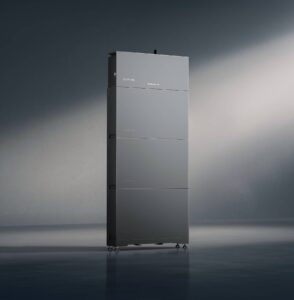
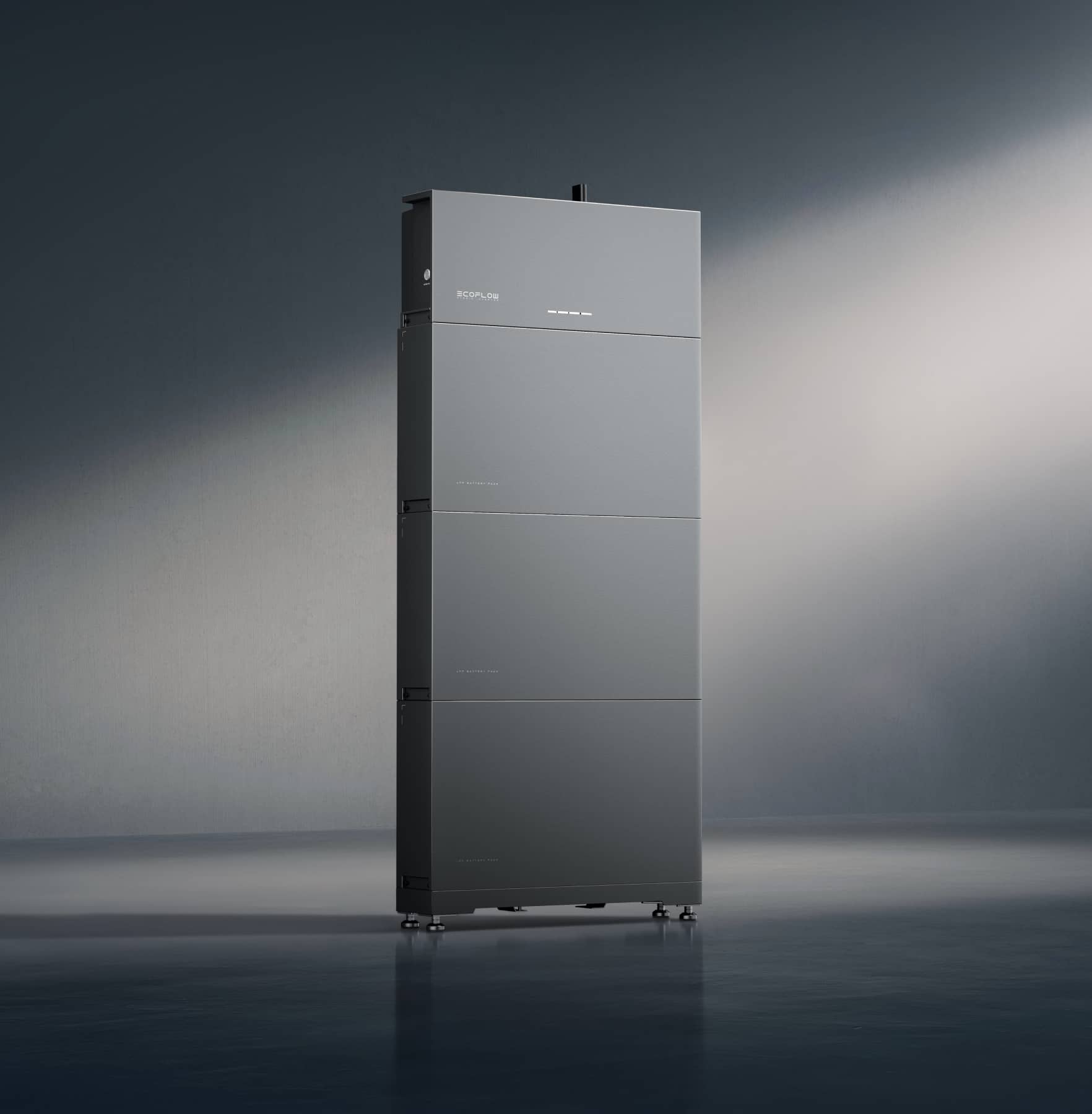
At the centre of many EcoFlow home energy installations is EcoFlow PowerOcean.

PowerOcean combines battery storage with a hybrid inverter, creating a system designed to manage solar electricity and stored energy within the home.

One of its particularly useful characteristics is its modular approach to battery storage. PowerOcean uses individual 5 kWh battery packs, allowing storage capacity to be configured according to the requirements of the property.

This provides greater flexibility when designing a system.

A smaller household may not require the same storage capacity as a large family home with substantial evening electricity consumption. Equally, somebody planning to purchase an electric vehicle in the future may wish to consider how their electricity requirements could change.

Save Energy UK currently offers EcoFlow PowerOcean installations and can advise on an appropriate configuration following an assessment of the property and its energy consumption.

What Is EcoFlow PowerOcean Plus?

For properties with greater or more complex electricity requirements, EcoFlow PowerOcean Plus provides another option.

PowerOcean Plus is a three phase solution capable of supporting larger solar installations and higher electricity demands. EcoFlow states that the system can accommodate up to 40 kW of solar input and provide up to 29.9 kW AC output.

For the average homeowner, the significance is not necessarily in the technical figures themselves. Rather, PowerOcean Plus demonstrates how smart energy management can be scaled for properties with considerably greater energy requirements.

This could be relevant for larger homes, properties with substantial solar arrays or households where technologies such as electric vehicle charging and heat pumps contribute to higher electricity consumption.

Choosing between PowerOcean and PowerOcean Plus should therefore be based upon the property and its requirements, rather than simply selecting the system with the highest specification.

A professional EcoFlow installer in Dorset can assess the electricity supply, available solar capacity, expected consumption and future plans before recommending the most suitable approach.
Monitoring Your Energy Through EcoFlow

An important part of smart energy management is understanding what is happening within the home.

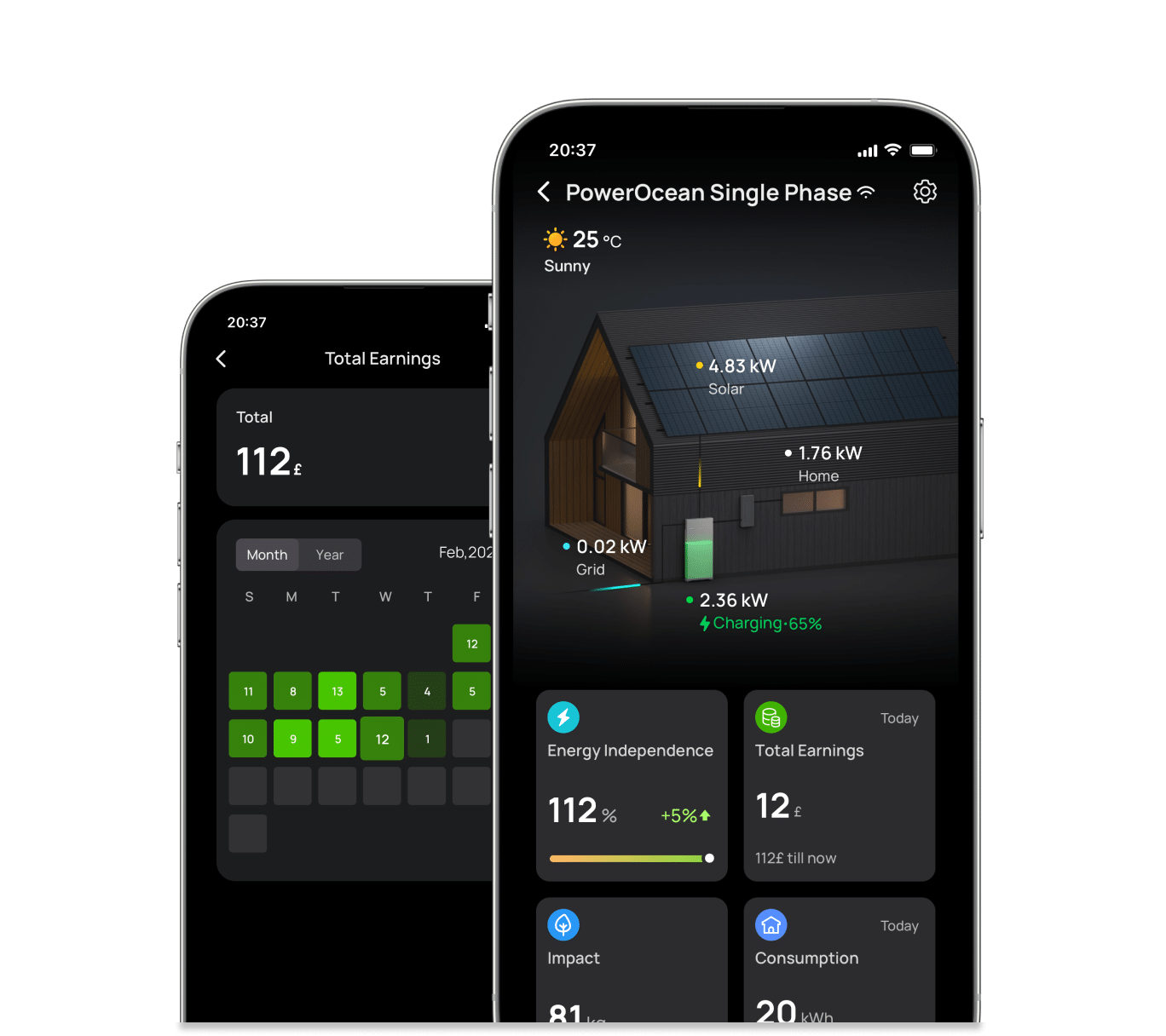
EcoFlow provides app and web based monitoring that can give homeowners visibility over areas such as solar generation, electricity consumption and battery storage.

Rather than waiting for an electricity bill to understand how much energy has been consumed, homeowners can gain a clearer picture of how their system is performing.

This information can be particularly valuable when identifying patterns.

For example, a homeowner may discover that electricity consumption rises substantially during particular periods of the day. Understanding these habits can make it easier to consider when stored energy should be used and how household consumption might be managed more efficiently.

What Does EcoFlow PowerInsight Do?

EcoFlow PowerInsight adds another layer of interaction with the home energy system.

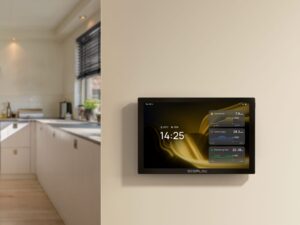
PowerInsight is a touchscreen smart energy monitor that can display information about household electricity use and interact with compatible EcoFlow and smart home technology.

It provides a convenient way to see what is happening within the energy system without relying solely upon a mobile phone.

For households building a broader smart energy ecosystem, PowerInsight can form part of a more connected approach to energy management.

The practical value is greater visibility. When homeowners can see how electricity is being generated, stored and consumed, they are better placed to understand whether their energy system is operating in the way they expect.

Can EcoFlow Work With Dynamic Electricity Tariffs?

Smart energy management becomes particularly interesting when battery storage is considered alongside modern electricity tariffs.

Some tariffs vary the price of electricity according to the time of day or prevailing market conditions. This can create opportunities for compatible systems to make more strategic decisions about when electricity is obtained from the grid.

EcoFlow offers dynamic tariff functionality designed to help users view pricing information and manage their energy accordingly.

For example, depending upon the tariff and system configuration, it may be advantageous to charge a battery using cheaper grid electricity during certain periods and retain that energy for times when electricity is more expensive.

However, savings should never be regarded as guaranteed.

The financial outcome will depend upon the property’s electricity consumption, solar generation, battery capacity, tariff structure and the way the system is configured.

If tariff optimisation is an important reason for considering battery storage, discussing this with Save Energy UK during the design stage can help ensure that your objectives are properly considered.
Can EcoFlow Manage More Than Solar and Battery Storage?

The EcoFlow ecosystem can extend beyond solar generation and batteries.

Compatible technology can include electric vehicle charging and other smart home equipment, allowing different aspects of household energy consumption to become increasingly connected.

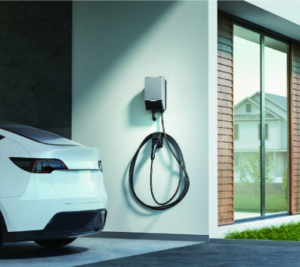
For example, EcoFlow PowerPulse 2 can integrate with PowerOcean and is designed to support intelligent electric vehicle charging. Where suitable, excess solar electricity can be prioritised for EV charging.

This can be particularly appealing to households considering how their energy requirements may change over the coming years.

A homeowner might initially be interested in solar panels in Bournemouth, but later purchase an electric vehicle or install other electrical technology. Thinking about those future requirements during the initial design process can make it easier to create an energy system with sufficient flexibility.

What Are the Benefits of EcoFlow Smart Energy Management?

The principal advantage of smart energy management is greater control over household electricity.

Depending upon the system and how it is configured, potential benefits can include:

  • Making greater use of electricity generated by solar panels
  • Storing surplus solar energy for use later
  • Reducing reliance on imported grid electricity
  • Providing clearer information about household consumption
  • Making intelligent use of compatible electricity tariffs
  • Coordinating solar generation and battery storage
  • Supporting technologies such as electric vehicle charging
  • Providing suitable backup capabilities where correctly configured

For many homeowners, the attraction is not simply installing a battery. It is creating a complete energy system in which the individual components have been selected to work effectively together.

Is EcoFlow Smart Energy Management Right for Your Home?

Whether EcoFlow is suitable for your property depends upon considerably more than the size of your roof.

Before investing in a system, it is sensible to consider your annual electricity consumption, daytime and evening usage, existing or proposed solar panels, battery requirements and electricity tariff.

Future requirements matter too.

If you are considering an electric vehicle, heat pump or another technology that could increase household electricity consumption, this should form part of the conversation when designing your system.

Your electricity supply can also influence which EcoFlow products are appropriate. Larger properties with three phase supplies and substantial energy requirements, for instance, may have different options from a conventional domestic property.

This is why speaking to an experienced installer before choosing equipment can be worthwhile.

Rather than selecting a battery solely according to capacity or price, Save Energy UK can consider how the complete system should operate within your home.

EcoFlow Installation in Bournemouth, Poole and Dorset

If you are researching an EcoFlow installer in Bournemouth, Poole or Dorset, choosing the right equipment is only part of the decision.

System design and installation can have a considerable influence on how effectively solar generation and battery storage work together.

Save Energy UK is based in Poole and provides EcoFlow PowerOcean installations alongside solar and battery solutions for homeowners across Dorset and the wider South Coast.

A professional assessment provides an opportunity to consider your electricity consumption, property, existing equipment and future energy plans before deciding upon a system.

For homeowners considering a new solar installation, the entire system can be approached as one integrated energy solution. For those who already have solar panels, battery storage and smart energy management may offer an opportunity to make more sophisticated use of the electricity being generated.

If you are considering an EcoFlow solar and battery installation on the South Coast, speak to Save Energy UK about the options available for your property and request a no obligation quotation.

Frequently Asked Questions

What is EcoFlow Smart Energy Management?

EcoFlow Smart Energy Management is an approach to coordinating solar generation, battery storage, household electricity consumption and grid energy. Compatible EcoFlow technology can monitor energy use and help manage when electricity is consumed or stored.

Can EcoFlow automatically manage solar and battery power?

Compatible EcoFlow systems can intelligently manage electricity generated by solar panels and stored within a battery. Exactly how the system operates will depend upon its configuration, installed equipment and household requirements.

Can EcoFlow PowerOcean work with solar panels?

Yes. EcoFlow PowerOcean combines a hybrid inverter with modular battery storage and is designed to operate as part of a home solar energy system. A professional installer can determine an appropriate solar and battery configuration for your property.

Can EcoFlow Smart Energy Management help reduce electricity bills?

It can potentially help households make greater use of their own solar electricity and manage stored energy more intelligently. However, actual savings vary according to solar generation, consumption, battery capacity, electricity tariffs and household behaviour.

Who installs EcoFlow PowerOcean in Bournemouth and Poole?

Save Energy UK provides EcoFlow PowerOcean installation for homeowners in Bournemouth, Poole, Dorset and across the South Coast. If you are considering EcoFlow battery storage, the team can assess your property and recommend a suitable system.

Take Greater Control of Your Home Energy With Save Energy UK

EcoFlow Smart Energy Management changes the way homeowners can think about solar and battery storage. Rather than viewing solar panels, batteries and grid electricity as separate elements, smart management allows them to operate as part of a more coordinated home energy system.

However, intelligent technology still needs intelligent design.

The appropriate solar array, inverter and battery capacity will depend upon your property, electricity consumption and future requirements. Choosing a system around those factors can help you get far more from your investment than simply selecting equipment according to headline specifications.

If you are considering EcoFlow PowerOcean, PowerOcean Plus, solar panels or battery storage in Bournemouth, Poole, Dorset or elsewhere across the South Coast, contact Save Energy UK to discuss your requirements and request a no obligation quotation.
What Should Businesses Know Before Installing EcoFlow PowerOcean?

Commercial Battery Storage

For businesses facing substantial electricity costs, investing in solar panels is often only part of the conversation. The next question is increasingly concerned with what happens to the electricity a commercial solar system generates when the building does not immediately need it.

Commercial battery storage offers an answer. Rather than exporting surplus solar electricity immediately, businesses can store energy and use it when demand increases, solar generation falls or electricity from the grid becomes more expensive.

For organisations considering this approach, EcoFlow PowerOcean presents an increasingly compelling option. The system combines solar generation, battery storage, intelligent energy management and backup capabilities within a scalable energy ecosystem. EcoFlow offers three phase configurations capable of supporting up to 60 kWh of battery capacity with one inverter, with further possibilities available through cascading system design.

However, choosing commercial battery storage should never begin with the product alone. Your electricity consumption, operating hours, existing solar installation, premises and future energy requirements should all influence the system you ultimately install.

Save Energy UK works with businesses across the South Coast and southern England to design commercial renewable energy systems around genuine energy requirements. If you are considering an EcoFlow PowerOcean installation, understanding the following points can help you make a more informed investment.

Is EcoFlow PowerOcean Suitable for Your Business?

The first consideration is whether battery storage complements the way your organisation actually consumes electricity.

Commercial buildings can have markedly different energy profiles. An office in Bournemouth may use most of its electricity between nine and five, while a hotel in Southampton could have considerable morning and evening demand. Warehouses, factories, retail premises and hospitality businesses may have different patterns again.

This is why simply choosing the largest available battery is rarely the best approach.

Save Energy UK has previously highlighted the suitability of EcoFlow battery storage for offices, warehouses, manufacturing facilities, retail premises, hotels and educational buildings. However, professional system design remains essential because every organisation has different operating hours, energy demands and plans for growth.

Before requesting an installation, it is therefore sensible to establish when your business consumes electricity, how much it uses and whether significant demand occurs outside the hours when solar panels are producing their strongest output.

Understand Your Commercial Electricity Consumption First

One of the most important stages before installing EcoFlow PowerOcean is analysing your existing electricity consumption.

Annual electricity usage is useful, but it does not tell the entire story.

Two businesses could consume exactly the same amount of electricity over twelve months yet require quite different solar and battery systems because they use that electricity at different times.

A professional commercial energy assessment can examine your consumption profile alongside existing or proposed solar generation. This allows your installer to establish when surplus electricity is likely to be available, when the battery could discharge and what capacity is likely to provide genuine commercial value.

For businesses in Poole, Bournemouth, Southampton, Portsmouth, Bristol, Reading, Brighton and elsewhere across southern England, Save Energy UK can assess these requirements before recommending an appropriate solution.

Rather than purchasing battery capacity on assumption, contact Save Energy UK to discuss your commercial electricity consumption and obtain a system recommendation based upon your actual requirements.

How Does EcoFlow PowerOcean Work with Commercial Solar Panels?

Battery storage becomes particularly valuable when it is considered as part of a wider energy strategy.

During periods of strong solar generation, your panels may produce more electricity than the building needs at that particular moment. Without suitable storage, excess generation may be exported.

A battery allows some of that electricity to be retained for later.

This can be particularly useful for businesses that continue operating into the evening. Save Energy UK notes that commercial battery storage can help sites use stored solar energy beyond daylight hours rather than relying entirely upon grid electricity later in the day.

EcoFlow also provides intelligent energy management functionality that can balance solar generation, battery storage and grid electricity. Its technology supports monitoring and management through its app, web portal and PowerInsight platform.

The commercial objective is therefore not merely to store electricity. It is to decide intelligently when that electricity offers the greatest value to your organisation.

How Much Battery Capacity Does Your Business Need?

Battery sizing deserves careful attention.

EcoFlow’s current three phase OCEAN 2 specification uses modular 5.02 kWh LFP battery units and supports up to 12 battery modules with one inverter, giving a maximum capacity of approximately 60 kWh at that level of configuration. EcoFlow also states that up to five inverters can be cascaded for on grid installations, subject to appropriate system design.

The availability of considerable storage capacity does not mean every business needs it.

The appropriate capacity should reflect factors such as:

  • Your daily and seasonal electricity consumption
  • The size and expected generation of your solar array
  • When electricity demand occurs
  • Your commercial electricity tariff
  • Peak periods of consumption
  • Your required level of backup
  • Available installation space
  • Future expansion
  • Planned EV charging or electrification

Oversizing can mean paying for capacity that your business cannot use effectively. Undersizing could leave valuable surplus solar generation unstored or provide insufficient energy when demand rises.

A tailored assessment is therefore considerably more useful than choosing a battery according to a generic package.

Can EcoFlow PowerOcean Work with an Existing Solar System?

Businesses that already have commercial solar panels may not necessarily need to replace their entire installation when considering battery storage.

EcoFlow states that its OCEAN 2 system can integrate with existing third party solar systems, making storage and backup possible without necessarily replacing the existing solar installation.

However, compatibility should be professionally assessed rather than assumed.

Your existing inverter, electrical infrastructure, solar capacity, grid connection and overall system architecture can influence what is technically appropriate.

If your business already has solar panels, Save Energy UK can assess the existing installation and determine how battery storage could be incorporated effectively.

Consider Peak Demand and Electricity Tariffs

The value of commercial battery storage extends beyond simply saving excess solar electricity.

Depending upon your tariff and system configuration, batteries can also be charged when electricity is less expensive and discharged when grid electricity becomes more costly.

Save Energy UK notes that businesses may use off peak electricity to charge batteries overnight before using stored energy during more expensive daytime periods.

For businesses with significant electricity demand, this ability to shift when grid energy is consumed can become an important part of the financial case.

The potential benefit will depend upon your tariff, consumption profile and system design, which is another reason why generic savings claims should be treated cautiously.

Think About Future Energy Requirements

A commercial solar and battery installation should not only suit your business today.

Consider where your organisation could be in five, ten or fifteen years.

You may introduce electric company vehicles, install workplace EV chargers, expand your premises, add machinery, introduce electric heating or increase operating hours.

EcoFlow PowerOcean has been designed around modular storage. EcoFlow’s three phase system currently supports up to 60 kWh with one inverter and permits cascading for larger configurations.

That scalability can be valuable where energy requirements are expected to develop.

Discussing future plans during the initial consultation allows Save Energy UK to consider them when designing your commercial energy system.

Assess the Practical Installation Requirements

Battery storage also requires careful consideration of the physical premises.

A professional survey can establish suitable equipment locations, cable routes, existing electrical infrastructure and how the battery will integrate with solar generation and the building’s supply.

EcoFlow states that its OCEAN 2 battery and three phase inverter carry an IP66 rating and can be installed indoors or outdoors in appropriate circumstances. Each battery module has a nominal capacity of 5.02 kWh and weighs 46 kg, so location and structural practicality remain genuine considerations.

The suitability of any proposed location should therefore be determined during professional system design rather than decided solely on convenience.

What About Energy Resilience?

For some businesses, the financial argument is only one part of the decision.

A power interruption can affect computers, refrigeration, communications, security equipment, machinery and other essential systems.

EcoFlow OCEAN 2 incorporates backup functionality, although the precise backup performance available to an individual business depends upon system configuration, connected loads and grid conditions. EcoFlow specifies zero millisecond grid to off grid switching under supported conditions for its current three phase system.

If continuity is particularly important to your organisation, this should be discussed during the design process. Your installer needs to understand which loads are critical rather than assuming that every circuit requires identical backup provision.

How Much Does EcoFlow PowerOcean Cost for a Business?

There is no single meaningful installation price that applies to every commercial property.

The overall investment can be influenced by battery capacity, inverter requirements, solar capacity, installation complexity, electrical work, monitoring requirements and the condition of your existing infrastructure.

A small commercial office and a substantial industrial site will naturally require different solutions.

This is why comparing battery prices alone can be misleading. The more useful question is what configuration will produce the strongest commercial case for your organisation.

Save Energy UK can prepare a tailored commercial solar and battery proposal based upon your premises, electricity consumption and objectives rather than relying upon a generic package price.

What Should Businesses Consider When Calculating ROI?

Return on investment should be approached carefully.

Commercial battery storage may create value by increasing the proportion of solar electricity consumed on site, reducing grid dependence and shifting electricity consumption away from more expensive periods.

However, the eventual financial performance of an installation depends upon numerous variables.

These include your electricity tariff, annual consumption, solar generation, battery utilisation, installation cost and how energy prices develop over time.

Businesses should therefore be wary of universal claims about savings or payback periods.

A well prepared commercial proposal should use your organisation’s own energy information wherever possible. This provides a far more credible basis for considering potential savings and long term return.

Why Choose Save Energy UK for Commercial Battery Storage?

Commercial renewable energy requires more than installing panels and batteries.

The system needs to work as a coherent whole.

Save Energy UK designs commercial solar and battery storage solutions around the individual requirements of each organisation. The company’s approach considers existing electricity usage, business objectives and future ambitions rather than relying upon standard packages.

For businesses across Bournemouth, Poole, Christchurch and the wider South Coast, as well as commercial organisations in Southampton, Portsmouth, Winchester, Salisbury, Bristol, Brighton, Reading, Guildford and London, this tailored approach can help ensure investment decisions are grounded in the realities of the site.

If you are considering EcoFlow PowerOcean, speak to Save Energy UK before deciding upon battery capacity or system configuration. A professional assessment can help establish whether the technology is appropriate for your premises and how it should form part of your wider commercial energy strategy.

Frequently Asked Questions

Is EcoFlow PowerOcean suitable for businesses?

It can be suitable for commercial premises, particularly where a business wants to combine solar generation with battery storage, intelligent energy management and greater control over grid electricity consumption. Suitability should nevertheless be established through an assessment of the individual premises and its energy profile.

How much does EcoFlow PowerOcean cost to install?

Commercial installation costs vary according to battery capacity, system configuration, existing infrastructure and the complexity of the project. Businesses should obtain a tailored quotation rather than relying upon a standard online price.

Can EcoFlow PowerOcean be added to existing commercial solar panels?

EcoFlow states that OCEAN 2 can integrate with existing third party solar systems. However, the existing installation should be professionally assessed to establish compatibility and determine the most appropriate system design.

How much commercial battery storage does my business need?

There is no universal capacity. The appropriate size depends upon electricity consumption, solar generation, operating hours, tariffs, peak demand and future energy requirements.

Can commercial battery storage reduce electricity bills?

It can help businesses reduce grid electricity purchases by storing solar generation for later use and, where suitable, shifting grid consumption towards less expensive periods. Actual savings vary considerably between businesses.

Is EcoFlow PowerOcean scalable?

Yes. EcoFlow’s current three phase OCEAN 2 system uses modular 5.02 kWh batteries and supports up to 60 kWh with one inverter. Larger system designs can make use of cascading subject to the technical requirements of the installation.

Is EcoFlow PowerOcean Right for Your Business?

EcoFlow PowerOcean offers businesses an opportunity to take greater control over how electricity is generated, stored and consumed. Its modular battery architecture, intelligent energy management and ability to integrate solar generation and storage make it an option worth considering for organisations investing in their long term energy strategy.

The crucial decision, however, is not simply whether to purchase a battery. It is determining what system will genuinely suit your organisation.

Electricity consumption, solar generation, battery capacity, operating hours, tariffs, installation requirements and future expansion should all be considered before proceeding.

Save Energy UK works with businesses across the South Coast and southern England to develop commercial solar and battery storage systems around individual energy requirements. If your organisation is considering EcoFlow PowerOcean, contact Save Energy UK to arrange an assessment, discuss the options available and request a tailored quotation for your premises.