| Unit 20, Glenmore Centre, Poole, Dorset BH12 4FB | Mon–Fri 9:00am – 5:00pm
01202 986262 Get a Free Quote

Tesla Powerwall Batteries in Bristol

Energy Costs

Energy costs remain a considerable concern for businesses throughout Bristol and the wider South West. Although commercial solar panels can reduce the amount of electricity purchased from the grid during daylight hours, businesses may not always consume every unit of electricity as it is generated. Without battery storage, that surplus electricity will usually be exported.

Tesla Powerwall batteries offer certain commercial properties an opportunity to retain more of their solar electricity for later use. A correctly designed system can help a business reduce grid reliance, manage its electricity consumption and make fuller use of its renewable energy.

However, commercial energy requirements vary considerably. Powerwall 3 may suit an office, shop, hospitality venue, workshop or other modest commercial property, while a larger warehouse, factory or industrial site may require a dedicated commercial battery system. Therefore, professional system design is essential.

How Does Tesla Powerwall 3 Work?

Tesla Powerwall 3 is an intelligent battery storage system that can store electricity generated by solar panels or drawn from the grid. The stored electricity can then be used when solar generation falls below the level of demand within the property.

During a typical day, solar panels generate electricity whenever sufficient daylight is available. The business consumes this electricity first. When the panels generate more power than the property requires, the surplus can charge the Powerwall rather than being exported immediately.

The business can then use the stored electricity later in the day, during periods of cloud or after the sun has set. This process can increase the proportion of solar electricity consumed on site.

Powerwall 3 includes an integrated solar inverter, which makes it particularly relevant when designing a new solar and battery system. Tesla states that the battery can also be added to an existing solar installation and is compatible with major inverter brands. Tesla explains how Powerwall works alongside solar generation and grid electricity.

Tesla Powerwall 3 Specifications

Each Tesla Powerwall 3 has an energy capacity of 13.5 kWh. It can provide up to 11.04 kW of continuous power, although the available output depends upon local conditions and the final system configuration.

The system includes three solar inputs with Maximum Power Point Trackers and achieves a stated solar to grid efficiency of 97.5 per cent. It can be installed inside or outside, subject to a professional site assessment and compliance with the manufacturer’s installation requirements.

Tesla allows a Powerwall 3 system to include up to four Powerwall units. Powerwall 3 Expansion units can also provide an additional 13.5 kWh of capacity per unit. This flexibility allows an installer to design a system around a property’s electricity consumption and solar generation rather than applying a standard arrangement to every business.

The product carries a ten year warranty. The precise operating limits and energy retention terms depend upon how the battery is used, so businesses should review the current warranty terms as part of the specification process. Tesla’s current United Kingdom warranty provides further details about eligible applications, capacity retention and operating limits. View the official Tesla Powerwall warranty.

Can Tesla Powerwall Be Used in a Commercial Property?

Tesla primarily describes Powerwall as a home battery system. Nevertheless, its capacity and power output may make it suitable for certain smaller commercial properties, provided that the building’s electrical supply and consumption profile are compatible.

Potential applications may include offices, independent shops, restaurants, public houses, salons, clinics, small workshops and community buildings. A business that consumes a moderate amount of electricity during the afternoon and evening may be able to use stored solar energy after generation begins to decline.

Suitability cannot be determined from the building type alone. Two offices of a similar size may have entirely different consumption patterns. One might operate during ordinary daylight hours, while another could use considerable electricity for heating, cooling, computer equipment and extended evening operations.

Many larger commercial premises also have a three phase electrical supply. Powerwall 3 is a single phase product in the United Kingdom, so the site’s electrical arrangement must be examined carefully. A qualified designer can determine whether Powerwall is appropriate or whether a dedicated commercial and industrial storage system would offer a better solution.

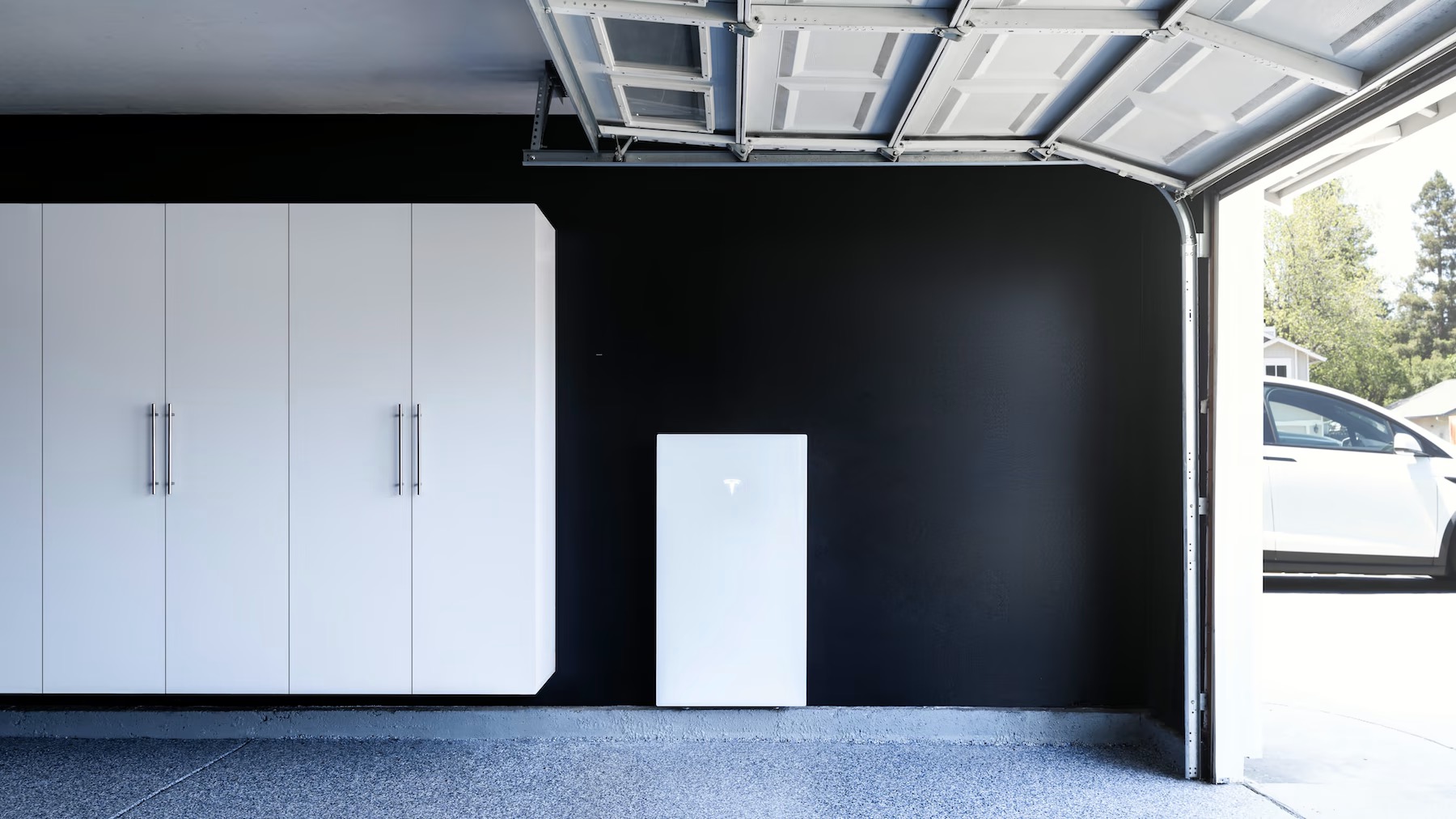
Tesla Powerwall Hero Image

How Can Powerwall Benefit a Bristol Business?

Using More Solar Electricity on Site

Commercial solar panels often generate their highest output around the middle of the day. If a business cannot use all of this electricity at the time, a battery can retain part of the surplus.

Using stored electricity later may be more valuable than exporting it immediately, depending upon the business tariff, export arrangements and consumption pattern. However, this should be established through a proper financial assessment rather than assumed.

Reducing Dependence on the Grid

A solar and battery system cannot necessarily make a commercial property completely independent from the grid. Seasonal variation, weather conditions and high electrical loads still influence how much imported electricity the business requires.

Nevertheless, Powerwall can reduce grid dependence by allowing the property to use stored solar electricity when generation is insufficient. Businesses may also be able to charge the battery during less expensive tariff periods and use that electricity when grid prices are higher, where their tariff and system settings allow this.

Managing Electricity Costs

Battery storage can give businesses greater control over when they purchase electricity. This can be particularly useful for organisations with variable tariffs or meaningful demand outside the main solar generation period.

Potential savings depend upon the cost of the system, electricity prices, solar output, export payments, battery use and the amount of stored electricity consumed. A credible proposal should model these factors using the property’s actual data.

No responsible installer can promise an identical financial result for every business. The purpose of commercial system design is to establish what the technology could realistically achieve at a particular site.

Supporting Environmental Objectives

Many organisations in Bristol are seeking practical ways to reduce emissions associated with their operations. Battery storage can support this objective by allowing a business to consume a greater proportion of the renewable electricity generated on its premises.

This may contribute to environmental reporting, procurement requirements and wider sustainability plans. However, any public claim should remain accurate and proportionate to the measurable performance of the system.

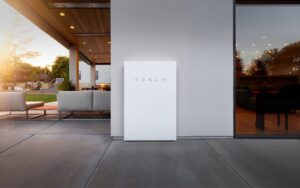
Tesla Powerwall

Can Tesla Powerwall Provide Backup Power?

Powerwall can provide backup electricity when installed with the appropriate Tesla Gateway and configured for that purpose. The Gateway detects a grid outage, disconnects the property safely from the grid and allows the battery to support the connected circuits.

For a commercial property, backup design requires careful consideration. It may be neither practical nor necessary to support every electrical load. Instead, a business might prioritise lighting, communications, security equipment, refrigeration, tills or essential computer systems.

The available duration will depend upon the number of batteries, their state of charge and the amount of electricity being consumed. High demand equipment can deplete stored energy rapidly.

Powerwall should not automatically be treated as a substitute for a commercial uninterrupted power supply or generator. Businesses with critical machinery, medical equipment or systems where failure could create serious harm require specialist advice. The manufacturer expressly states that Powerwall is not intended to provide primary or backup power for life support equipment.

How Many Powerwall Batteries Might a Business Need?

The answer depends upon how much energy the business wants to store and how much power it requires at any one time. Battery capacity and power output are related, but they are not interchangeable.

Capacity measures the amount of energy available over time. Power output determines how much electrical demand the battery can support at a particular moment. A business could have sufficient stored energy for several hours but still exceed the system’s output if several powerful appliances operate simultaneously.

An assessment should consider annual consumption, daily load patterns, peak demand, operating hours and seasonal changes. Where available, half hourly electricity data provides a much clearer picture than annual bills alone.

The proposed solar array must also be considered. Installing excessive battery capacity offers limited value if the solar panels seldom produce enough surplus electricity to charge it. Equally, an undersized battery may regularly fill early and leave useful solar generation available for export.

Tesla permits multiple Powerwall 3 units, but the ability to add batteries does not mean that Powerwall is automatically the correct choice for every commercial property. Save Energy UK also designs larger commercial and industrial battery solutions for businesses whose requirements extend beyond Powerwall.
Why Professional Design Matters

A commercial battery installation involves considerably more than choosing a product with an appealing capacity figure. The installer must assess the property’s electrical infrastructure, supply arrangement, roof, solar potential, fire safety requirements, proposed battery position and relationship with the local electricity network.

Grid connection requirements must also be addressed. Depending upon the scale and configuration of the installation, an application may need to be made to the local Distribution Network Operator before the system is connected.

Save Energy UK begins its commercial process with a site survey and a review of the organisation’s requirements. The team then develops a tailored specification, confirms equipment locations and cable routes, manages relevant approvals and coordinates the installation.

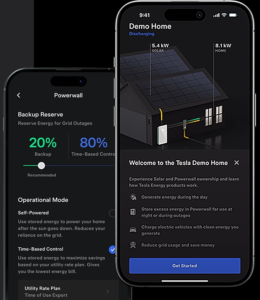
tesla mobile app

Tesla Powerwall Installation Across Bristol and the South West

Bristol contains a varied collection of commercial properties, from independent shops and offices to warehouses, hospitality venues and community buildings. Consequently, there is no single solar and battery arrangement that will suit every site.

Save Energy UK designs, installs and maintains bespoke solar and battery systems across the South of the United Kingdom. Established in 2005, the company states that it has completed more than 5,000 installations. Its commercial experience includes systems for offices, warehouses and other business premises.

The company is MCS certified and holds NAPIT, RECC and CHAS accreditations. These credentials reflect recognised standards relating to installation quality, electrical competence, consumer protection and commercial health and safety. You can learn more about commercial solar panel installation and view Save Energy UK’s commercial case studies before arranging an assessment.

Request a Commercial Solar and Battery Quotation

Tesla Powerwall batteries can offer a capable storage solution for certain commercial properties in Bristol. They may help a business use more of its solar electricity, reduce its reliance on the grid and gain greater control over when it imports energy.

However, the value of the system depends upon choosing the right battery for the property. Electricity consumption, peak demand, operating hours, solar generation and electrical infrastructure must all be considered.

If you are considering Tesla Powerwall 3 for a commercial property in Bristol or elsewhere in the South West, contact Save Energy UK. The team can review your energy requirements, assess the premises and recommend a solar and battery system designed around the way your organisation actually uses electricity.

Frequently Asked Questions

Is Tesla Powerwall 3 suitable for every commercial property?

No. It may suit smaller commercial premises with compatible electrical supplies and moderate energy requirements. Larger or more demanding sites may require a dedicated commercial battery storage system.

Can Powerwall 3 be added to existing commercial solar panels?

It can be added to many existing solar installations. However, compatibility, electrical design, available space and grid connection requirements must be checked before installation.

Can a business install more than one Powerwall?

Yes. Tesla states that Powerwall 3 systems can include up to four Powerwall units. The correct quantity should be determined from the property’s consumption, power demand and solar generation.

Will Powerwall keep a business running during a power cut?

A suitably configured system can support connected loads during an outage. The equipment it can operate and the duration of backup will depend upon the system design, available charge and level of demand.

How much could a Bristol business save with Powerwall?

Savings vary according to electricity consumption, tariffs, solar generation, export payments and battery use. Save Energy UK can prepare a tailored assessment using information from the individual property.
Could EcoFlow PowerOcean Help You Rely Less on the Grid?

Energy Independence

For many households, energy independence does not mean disconnecting from the National Grid altogether. Instead, it means purchasing less electricity from an energy supplier and making better use of the renewable energy generated at home.

Solar panels can provide a valuable source of electricity during daylight hours. However, households often generate more solar energy than they can use immediately. Without battery storage, this surplus electricity may be exported to the grid. Later, when the panels are producing less energy, the household may need to purchase electricity from its supplier.

EcoFlow PowerOcean offers a more intelligent approach. By storing surplus solar electricity for later, the system can help you use more of the energy your panels generate. As a result, you may reduce your reliance on the grid, gain greater control over your energy use and protect your household from future electricity price increases.

However, the right result depends upon careful system design. Your electricity consumption, property, solar generation and daily routine must all be considered before installation.

What does relying less on the grid actually mean?

Grid reliance refers to the amount of electricity your household needs to purchase from an energy supplier. Most homes with solar panels remain connected to the National Grid because solar generation changes throughout the day and across the seasons.

Nevertheless, remaining connected does not mean that you must depend upon the grid for all your electricity.

A well designed solar panel and battery storage system can provide a significant proportion of the electricity your household uses. During the day, your solar panels can power appliances directly. Any surplus energy can then charge your battery. When solar generation falls, the battery can release that stored electricity into your home.

Consequently, you can continue using your own solar energy after sunset rather than immediately purchasing electricity from the grid.

The precise reduction will vary between properties. A household that uses most of its electricity in the evening may benefit considerably from battery storage. Meanwhile, a home that already consumes most of its solar energy during the day may experience a different result.

How does EcoFlow PowerOcean work?

EcoFlow PowerOcean combines a hybrid inverter with modular lithium iron phosphate battery storage. The inverter manages the movement of electricity between your solar panels, battery, home and the grid.

When your solar panels generate electricity, the system first considers the needs of your home. If your household is using less electricity than the panels are producing, the surplus energy can charge the battery.

Once solar generation falls below household demand, PowerOcean can release stored electricity. This process allows you to use energy generated earlier in the day during the evening, overnight or at other times when your panels are producing less electricity.

For example, your solar panels might generate surplus energy while you are at work. PowerOcean can store this electricity so that it is available when you return home and begin cooking, using appliances or charging devices.

Without battery storage, much of that surplus electricity could leave your property before you have an opportunity to use it.

Making better use of your solar panels

Installing solar panels is an important step towards reducing your dependence upon conventional electricity. However, solar generation does not always coincide with household demand.

A typical solar system produces most of its electricity during the middle of the day. Many households, by contrast, use more energy in the morning and evening. Battery storage helps bridge this gap.

EcoFlow PowerOcean can increase the proportion of solar electricity that you use within your own property. This is sometimes known as solar self consumption. The higher your self consumption, the less electricity you may need to purchase from the grid.

That does not necessarily mean storing every unit of surplus electricity. Once the battery reaches its chosen charge level, additional solar energy may still be exported. Nevertheless, an appropriately sized battery can substantially improve how effectively your household uses its renewable energy.

Intelligent control through the EcoFlow app

Reducing grid reliance is not simply a question of owning a large battery. You must also understand when energy is being generated, stored and consumed.

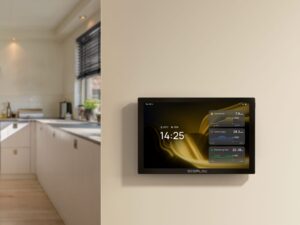
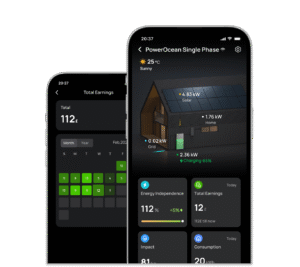
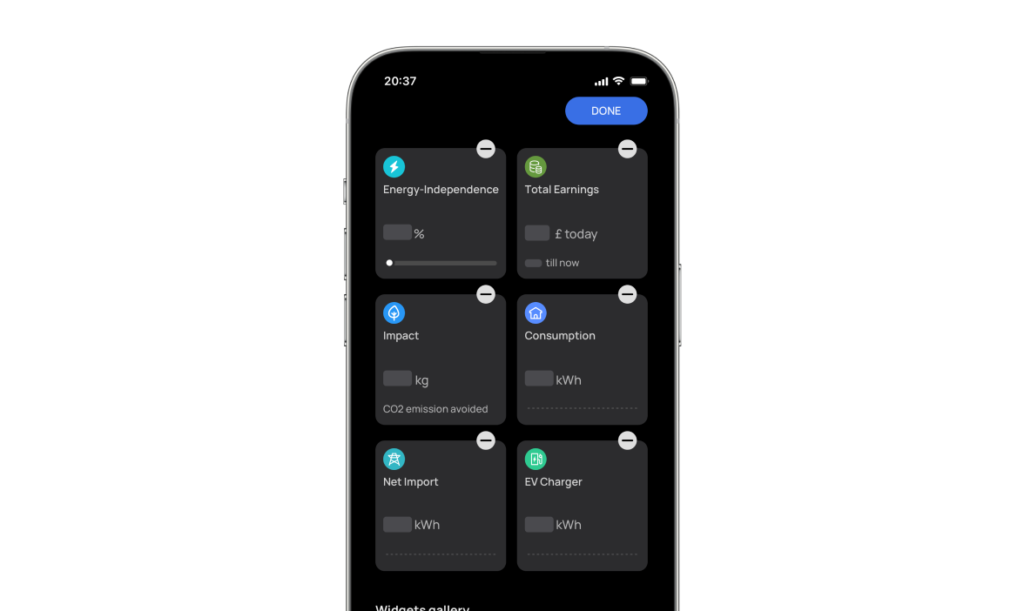
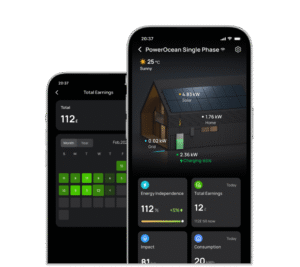
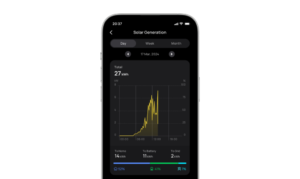
The EcoFlow app and Web Portal allow you to monitor solar input, battery storage and household electricity consumption. This information can reveal when your home uses the most energy and whether changing certain habits could improve efficiency.

For instance, you might choose to run a washing machine or dishwasher while solar generation is high. You could then preserve more battery capacity for the evening.

The system can also prioritise the use of solar energy and automatically store surplus electricity for later. EcoFlow states that PowerOcean supports intelligent monitoring, control and dynamic electricity tariffs through its home energy management technology. EcoFlow provides further details about these functions on its official PowerOcean page.

Could a time of use tariff reduce grid reliance further?

A time of use tariff charges different electricity prices at different times. Electricity may cost less overnight and more during periods of high national demand.

When solar generation is insufficient, a compatible home battery may charge from the grid during a cheaper period. The stored electricity can then be used when grid prices are higher.

This does not reduce the physical amount of grid electricity used in every instance because the battery is still charging from the mains. However, it can reduce your reliance upon electricity purchased at peak prices. It may also help you manage energy costs more strategically during winter, when solar generation is naturally lower.

Tariffs, rates and eligibility can change. Therefore, you should compare current options and consider your consumption pattern before deciding whether a time of use tariff is suitable.

Flexible battery capacity for different homes

Every household has a different energy profile. A small home with modest electricity consumption will not have the same storage requirements as a large property with an electric vehicle, heat pump and several occupants.

EcoFlow PowerOcean uses modular battery storage. Each battery module provides 5kWh of capacity, while the system can be expanded up to 45kWh, subject to the chosen configuration and property requirements. This modular design means that homeowners can begin with an appropriate capacity and potentially add further storage if their energy consumption increases. Save Energy UK provides the current PowerOcean system details here.

Expansion may be useful if you later purchase an electric vehicle, install a heat pump, build an extension or begin working from home more frequently.

However, a larger battery is not automatically a better investment. If your solar panels rarely generate enough surplus electricity to fill it, some capacity may remain unused. Equally, a battery that is too small may run out before the household reaches the end of its evening demand.

A professional survey can identify a suitable balance between solar generation, storage capacity and electricity consumption.

Is EcoFlow PowerOcean suitable for homes with high energy usage?

PowerOcean can be particularly valuable for households with substantial or changing electricity requirements.

An electric vehicle can increase household consumption considerably. Smart scheduling may allow the vehicle to charge when solar generation is strong, when stored energy is available or when grid electricity is cheaper.

A heat pump also changes how a property consumes electricity, especially during colder weather. Battery storage may contribute towards this demand, although winter heating requirements can be considerable and should be assessed carefully.

Larger families may benefit because washing machines, dishwashers, computers, televisions and cooking appliances can create sustained demand throughout the day. Similarly, people who work from home may use more solar electricity directly while the panels are generating.

In each case, the aim is not merely to install equipment. It is to design a system that reflects how the property genuinely uses energy.

Can PowerOcean provide electricity during a power cut?

EcoFlow PowerOcean supports backup power when installed with the appropriate equipment and electrical configuration. During an outage, stored energy may continue supplying selected appliances or circuits within the property.

This could help keep essential items operating, such as lighting, refrigeration, internet equipment and certain sockets. However, the extent of the backup depends upon the inverter, battery capacity, remaining charge and electrical demand at the time.

High consumption appliances can deplete a battery quickly. Furthermore, not every solar and battery installation automatically provides power during a grid failure. A standard grid connected solar system usually shuts down during an outage to protect engineers working on the network.

Therefore, backup requirements should form part of the initial system design. Save Energy UK can discuss which circuits matter most to you and establish whether the proposed configuration can support them safely.

Can EcoFlow PowerOcean make a home completely independent?

Complete independence from the grid is possible only in limited circumstances and should not be treated as a guaranteed outcome.

British weather and seasonal daylight have a considerable effect upon solar generation. During summer, a suitable system may produce and store much of the electricity a household requires. During winter, shorter days, lower light levels and greater energy demand can make grid electricity necessary.

Your roof also matters. Its size, orientation, pitch and level of shading will influence the amount of solar electricity available. Meanwhile, the number of occupants and the use of heating, cooking and vehicle charging will affect demand.

For most homeowners, the more realistic objective is to reduce grid reliance rather than eliminate it. Even a partial reduction can provide greater control over energy costs and allow the household to use more renewable electricity.

Why professional system design matters

The performance of an EcoFlow PowerOcean system depends upon much more than battery capacity.

An installer should assess your historic electricity consumption, the times at which you use energy and any planned changes to the property. They should also inspect the roof, identify suitable locations for the equipment and consider the electrical supply.

This information helps determine the appropriate number of solar panels, battery capacity and inverter specification. It also allows the installer to estimate how energy may flow through the property at different times of the year.

Save Energy UK has designed, installed and maintained bespoke solar and battery systems for more than 21 years. Its team serves homeowners across Dorset, the South Coast, the Midlands and the wider United Kingdom. You can also explore its domestic solar installation services and solar battery storage options before arranging a survey.

Could now be the right time to install battery storage?

The installation of qualifying solar panels and electrical storage batteries in residential accommodation currently benefits from temporary zero rated VAT.

According to HMRC guidance, the temporary zero rate applies until 31 March 2027. From 1 April 2027, qualifying installations are scheduled to return to the reduced VAT rate of 5 per cent. The relief can include solar panel installations, batteries fitted alongside renewable generation and qualifying standalone battery installations. Full eligibility information is available from HMRC.

Therefore, households already considering solar panels or battery storage may wish to act before the current relief ends. Planning early also provides time for a professional survey, system design and installation.

Frequently asked questions

Will EcoFlow PowerOcean eliminate my electricity bill?

Not necessarily. Your result will depend upon solar generation, battery capacity, energy consumption, electricity tariff and seasonal conditions. However, a correctly designed system could reduce the amount of electricity you purchase from the grid.

Can PowerOcean charge from the grid?

Yes. This can be useful for households using a suitable time of use tariff. The battery may charge when electricity is cheaper and provide stored energy during more expensive periods.

Can I add more battery capacity later?

PowerOcean has a modular design and supports capacity expansion, subject to system compatibility and installation requirements. It is sensible to discuss future plans with your installer during the initial survey.

Will my solar panels still generate electricity in winter?

Yes, solar panels generate electricity from daylight rather than heat. However, winter generation is normally lower because days are shorter and sunlight is less intense. Grid electricity may therefore remain important during colder months.

Is EcoFlow PowerOcean suitable without solar panels?

A standalone battery can store electricity purchased from the grid, potentially during cheaper tariff periods. However, combining battery storage with solar panels allows you to store renewable electricity generated at your own property.

Take greater control of your home energy

EcoFlow PowerOcean could help you use more of your solar electricity, purchase less energy from the grid and manage household consumption with greater precision. Its modular battery capacity also offers flexibility if your requirements change in the future.

However, successful energy storage begins with a system designed around your property. Save Energy UK can assess your roof, electricity consumption, daily routine and future plans before recommending an appropriate solar and battery configuration.

Contact Save Energy UK to book your home energy survey and discover whether EcoFlow PowerOcean is right for you.

EcoFlow PowerOcean Installation in Dorset

Battery Storage

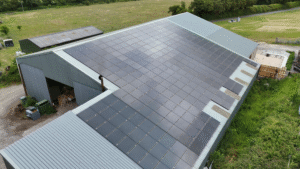
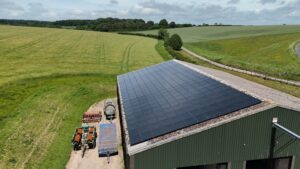
For businesses across Dorset, the question of energy is becoming increasingly important. Electricity is a considerable operating expense for many commercial premises, while greater reliance on technology means that a dependable supply of power is more important than ever. Solar panels have already allowed many organisations to generate their own electricity, but generation is only part of the equation. The ability to store that energy and use it when it is most valuable can make a solar installation considerably more versatile.

EcoFlow PowerOcean offers businesses an intelligent way to store and manage electricity generated by solar panels. Combining battery storage with an inverter system, PowerOcean is designed around flexibility, scalability and reliability, helping businesses make greater use of the renewable electricity generated at their premises.

For organisations considering an EcoFlow PowerOcean installation in Dorset, Save Energy UK can assess the property, its electricity requirements and its existing or proposed solar installation before recommending an appropriate solution.

What Is EcoFlow PowerOcean?

EcoFlow PowerOcean is a battery and inverter system designed to give property owners greater control over the electricity generated by their solar panels.

Without battery storage, a solar PV system produces electricity whenever sufficient daylight is available. If a business cannot use all of that electricity at the time it is generated, some of the surplus may be exported to the grid.

Battery storage changes this relationship.

Instead of relying solely upon immediate consumption, surplus solar electricity can be stored for use later. A business may therefore be able to use more of the renewable electricity generated on its own premises rather than importing electricity from the grid whenever solar generation falls below demand.

This can be particularly valuable for organisations whose electricity consumption continues beyond the hours of strongest solar generation.

Although EcoFlow PowerOcean can also be suitable for residential properties, its flexibility makes it worthy of consideration for appropriate commercial sites where energy consumption, solar generation and battery storage can be carefully assessed as part of a broader energy strategy.

Why Are Dorset Businesses Investing in Solar Battery Storage?

Commercial energy requirements vary considerably. A small office will have a very different electricity profile from a hotel, workshop, leisure facility or warehouse.

What many businesses have in common, however, is an increasing interest in generating and using more of their own electricity.

Solar panels provide the means to generate renewable electricity on site. Battery storage can make that generation more useful by allowing surplus electricity to be retained until it is required.

For businesses investing in commercial battery storage in Dorset, the objective is therefore not simply to install a battery. It is to create a properly considered energy system that reflects how the premises actually operate.

This is why professional system design is so important.

Save Energy UK can consider factors such as electricity consumption, solar generation, available installation space and the electrical infrastructure of the property when assessing whether EcoFlow PowerOcean is appropriate for a particular commercial site.

How Does EcoFlow PowerOcean Work with Solar Panels?

Solar panels generate electricity during daylight hours, although the amount generated varies according to factors including the weather, season, orientation of the panels and size of the installation.

At certain times, a commercial solar array may generate more electricity than the premises immediately require.

EcoFlow PowerOcean provides a means of storing suitable surplus generation so that the electricity can be used at another time.

For example, a business may generate considerable solar electricity around the middle of the day but experience higher electricity consumption later in the afternoon or evening. Battery storage can help bridge the gap between when electricity is generated and when it is needed.

The precise performance of any system will depend upon the individual property and its consumption patterns, which is why a commercial battery installation should be designed around real energy requirements rather than assumptions.

Making Better Use of Commercial Solar Generation

One of the principal reasons for combining solar panels with battery storage is to increase the proportion of generated electricity that can be used on site.

A business may have a substantial roof area suitable for solar panels, but the value of that generation will partly depend upon when electricity is consumed.

Battery storage introduces considerably greater flexibility.

Instead of treating solar electricity as something that must be consumed at the moment it is produced, businesses can store appropriate surplus generation and make use of it later.

For organisations already operating solar panels, an assessment can determine whether adding battery storage could complement the existing installation.

Businesses planning a new solar project can consider solar generation and battery storage together from the outset, allowing the complete system to be designed with the property’s electricity requirements in mind.

Can EcoFlow PowerOcean Reduce Reliance on the Grid?

One attraction of commercial solar and battery storage is the opportunity to become less dependent upon electricity imported from the grid.

Solar panels can provide electricity while they are generating. A suitable battery system can extend the usefulness of that generation by storing energy for later consumption.

The result can be greater control over where a proportion of the property’s electricity comes from.

However, businesses should be wary of broad promises concerning savings or energy independence. Every commercial property is different, and the suitability of battery storage depends upon its individual circumstances.

A professional assessment should consider the site’s consumption profile, existing electricity supply, solar generation and wider operational requirements before conclusions are reached.

Save Energy UK can provide this assessment as part of the process of considering an EcoFlow PowerOcean installation in Dorset.

Could Battery Storage Improve Business Energy Resilience?

Energy resilience is another important consideration for some organisations.

Modern businesses depend upon electricity for everything from computers and communications to lighting, machinery, heating systems and other essential equipment. Even relatively short interruptions can be disruptive.

EcoFlow PowerOcean is designed to help users gain greater control over stored energy and can form part of a wider approach to energy resilience.

The level of protection available will depend upon the design of the installation and the electrical requirements of the premises. Businesses with particular requirements during power interruptions should therefore discuss these needs during the initial assessment.

Battery storage should never be treated as a universal solution without considering what equipment needs to remain operational and how much electricity that equipment requires.

Which Commercial Properties Could Benefit from PowerOcean?

There is no single type of commercial property for which battery storage is appropriate.

Potential applications can include offices, hospitality businesses, workshops, retail premises, leisure facilities, educational settings and other commercial properties with suitable electricity requirements.

The more important consideration is how the building consumes electricity.

A business with an existing solar installation may wish to retain more of its surplus generation. Another organisation may be planning solar panels and battery storage simultaneously. Some businesses may place particular importance on energy resilience, while others may primarily want greater control over electricity imported from the grid.

A site specific assessment allows these priorities to be considered properly.

Can EcoFlow PowerOcean Be Added to Existing Solar Panels?

Businesses that already have solar panels do not necessarily need to begin again when considering battery storage.

Depending upon the existing system and the electrical configuration of the property, it may be possible to incorporate battery storage into an established solar installation.

Compatibility should always be assessed professionally.

The existing inverter, solar array, electricity consumption and electrical infrastructure all need to be considered before deciding upon the most appropriate approach.

If your business already has solar panels and you are considering an EcoFlow battery installation in Dorset, Save Energy UK can assess the existing system and discuss the options available.

How Is the Right Battery Storage Capacity Determined?

Choosing battery storage should not be reduced to selecting the largest capacity available.

An appropriately designed system should reflect the amount of electricity a property generates, when it generates it and when the business consumes electricity.

Historic electricity consumption can provide valuable insight into these patterns. The size and expected generation of the solar PV installation must also be considered.

For a commercial site, these calculations can be particularly important because electricity demand may fluctuate considerably throughout the working day.

Professional system design helps ensure that the proposed battery solution has been selected for a reason rather than simply on the basis of headline capacity.

What Happens During an EcoFlow PowerOcean Installation?

A professional installation begins before any equipment arrives at the premises.

Save Energy UK can first assess the property and discuss what the business wants to achieve. Existing or proposed solar panels, electricity consumption, electrical infrastructure and potential equipment locations can then be considered.

This information helps determine whether EcoFlow PowerOcean is appropriate and how the system should be configured.

The installation can then be planned around the requirements of the individual premises.

For commercial customers, this considered approach is particularly valuable. An energy system should complement the way a business operates rather than becoming an inconvenience to it.

EcoFlow PowerOcean Installation Across Dorset

Save Energy UK provides solar and battery solutions for customers throughout Dorset.

Businesses considering EcoFlow PowerOcean installation in Dorset can contact the team for advice across Poole, Bournemouth, Christchurch, Wimborne, Ferndown, Dorchester, Wareham, Blandford Forum, Weymouth and surrounding communities.

This local coverage means businesses across the county can explore whether PowerOcean could complement an existing solar installation or form part of a new solar and battery project.

Save Energy UK also works with customers beyond Dorset, including organisations across neighbouring areas of Hampshire, Wiltshire and Somerset.

If you are unsure whether your premises fall within the installation area, simply contact the team to discuss your location and requirements.

Why Choose Save Energy UK for EcoFlow PowerOcean Installation?

Commercial solar battery storage requires more than the installation of individual pieces of equipment.

The solar array, inverter, battery storage, electrical infrastructure and consumption profile of the property all need to work together as a coherent system.

Save Energy UK takes a site specific approach, helping businesses understand which solution is appropriate for their premises rather than treating every commercial property in the same way.

Whether you already have solar panels or are considering a completely new solar and battery installation, the first step is understanding what your business requires.

Get a Free EcoFlow PowerOcean Quote

If you are considering EcoFlow PowerOcean for a commercial property in Dorset, Hampshire, Wiltshire or Somerset, speak to Save Energy UK about your requirements.

The team can assess your premises, existing or proposed solar installation and electricity requirements before discussing an appropriate solution.

Get a free EcoFlow PowerOcean quote from Save Energy UK and discover whether solar battery storage could be the right investment for your commercial property.
Frequently Asked Questions

Is EcoFlow PowerOcean suitable for commercial properties?

EcoFlow PowerOcean may be suitable for certain commercial properties, depending upon their electricity consumption, solar generation, electrical infrastructure and wider energy requirements. A professional site assessment can determine whether it is appropriate for your business.

Can EcoFlow PowerOcean be installed with existing solar panels?

It may be possible to add EcoFlow PowerOcean to an existing solar installation, although compatibility and system configuration must first be assessed. Save Energy UK can review your current solar system and advise on the options available.

How much battery storage does a commercial property need?

There is no universal battery capacity for a commercial property. The appropriate solution depends upon factors including electricity consumption, solar generation and when energy is used throughout the day. A site specific assessment is therefore essential.
Is EcoFlow PowerOcean Suitable for a Large Home?

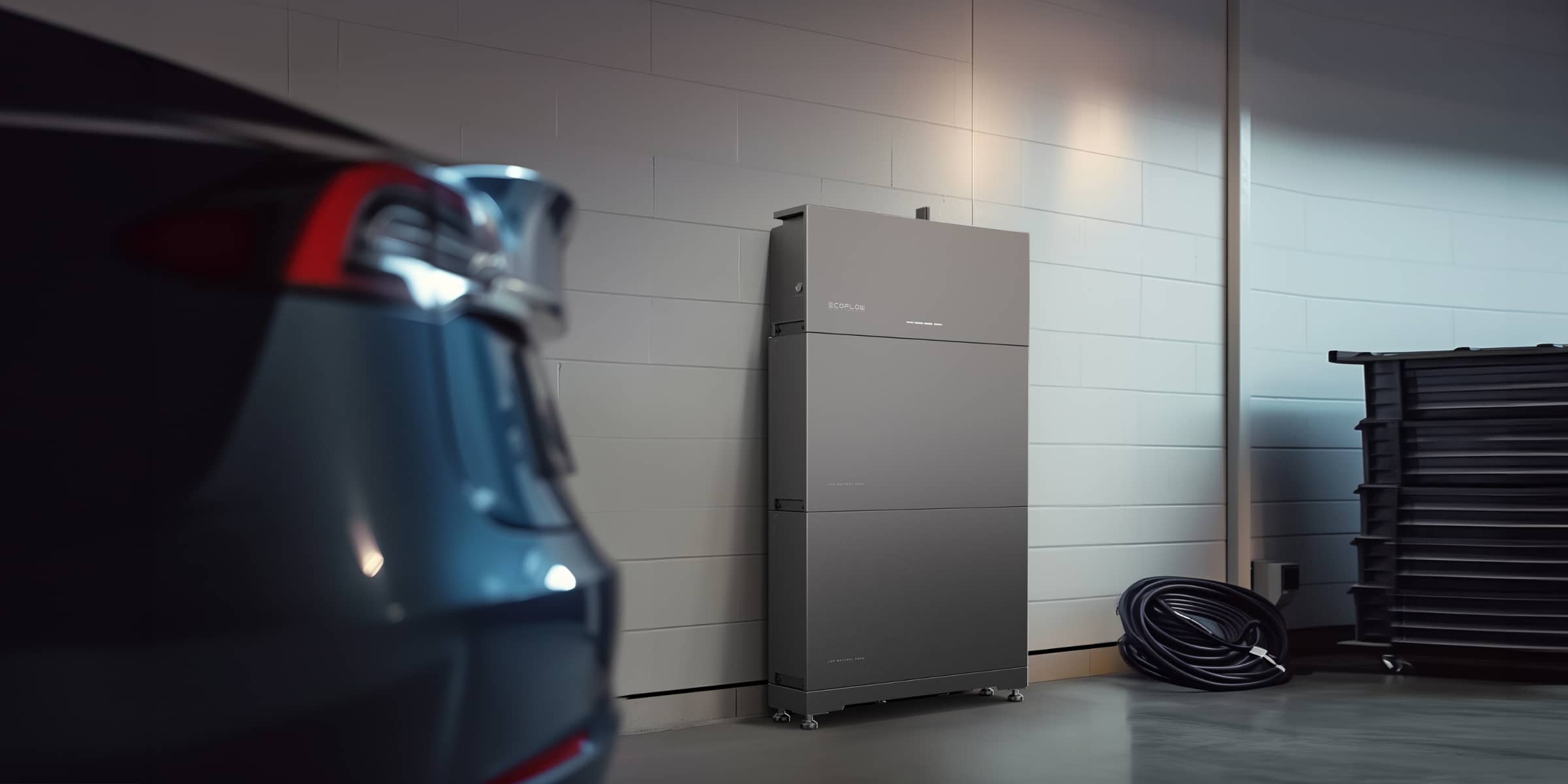
EcoFlow PowerOcean

For owners of larger homes, choosing a solar battery is rarely as simple as finding a system with enough capacity to keep the lights on in the evening. A substantial property can have considerable electricity demands, particularly when modern technologies such as electric vehicles, heat pumps, air conditioning and electric cooking are added to everyday household consumption.

This is where the EcoFlow PowerOcean becomes particularly interesting.

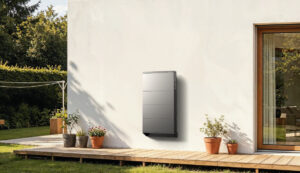
Designed as a modular home energy storage system, the PowerOcean gives homeowners considerable flexibility over how much electricity they can store. Rather than committing to a fixed amount of battery storage, the system can be configured around the requirements of the property and expanded where appropriate.

For homeowners considering solar panels and battery storage in Dorset and across the South Coast, the important question is whether that flexibility translates into a genuinely suitable system for a large home.

In many cases, the answer is yes.

Why Do Large Homes Need More Battery Storage?

The size of a property does not automatically determine how much electricity it consumes. A large but highly efficient home occupied by two people could use considerably less electricity than a smaller property occupied by a busy family.

Nevertheless, larger homes frequently have greater energy requirements.

There may be more lighting, additional televisions and computers, several refrigeration appliances and a greater number of rooms requiring heating or cooling. A household may also have one or more electric vehicles, a heat pump, air conditioning, an electric range cooker, a hot tub or other equipment with substantial electricity requirements.

These demands become especially important when choosing a solar battery.

The objective should not simply be to install as much battery capacity as possible. Instead, your solar panels, battery storage, inverter and household consumption should be considered together.

A properly specified battery can store surplus solar electricity generated during the day so that it is available when the property needs it. This can help households consume a greater proportion of the renewable electricity they generate themselves rather than exporting it and subsequently importing electricity from the grid.

For a large home, having sufficient capacity to make that strategy practical can be particularly valuable.

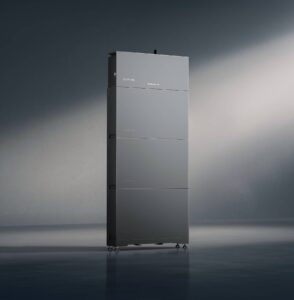
What Is the EcoFlow PowerOcean?

The EcoFlow PowerOcean is a modular home battery storage system designed to work alongside solar generation and household electricity consumption.

One of its most significant characteristics is its modular design.

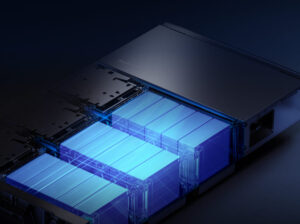
Individual PowerOcean LFP battery modules have a nominal capacity of 5.02 kWh. EcoFlow states that its single phase system can accommodate up to six battery modules with one inverter, providing up to approximately 30 kWh of battery capacity.

For properties with particularly substantial electricity requirements, EcoFlow also offers a three phase configuration. The three phase PowerOcean can support up to 12 battery modules with one inverter. Its inverter range offers AC output options of 6 kW, 8 kW, 10 kW and 12 kW, with a maximum photovoltaic input of 24 kW.

This scalability is one of the reasons PowerOcean deserves consideration for larger homes.

Why Is EcoFlow PowerOcean Well Suited to Large Homes?

Flexible Battery Capacity

Perhaps the clearest advantage is the ability to configure storage around the property.
A household does not necessarily need 30 kWh of battery storage simply because it occupies a large home. Equally, a household with an electric vehicle, heat pump and substantial solar array may find that a relatively small battery does not make the best use of the electricity available from its panels.

PowerOcean allows an installer to approach this more intelligently.

With 5.02 kWh battery modules and the ability to combine multiple modules, capacity can be selected according to actual and anticipated electricity consumption.

This can also be useful when considering future requirements. A homeowner who expects to purchase an electric vehicle or install other electrical technology should take those plans into account when discussing the design of the system.

Suitable for Higher Energy Demands

Battery capacity is only part of the equation. A larger household can also have significant simultaneous power demands.

Imagine an evening when dinner is being prepared using electric appliances, an electric vehicle is charging, the washing machine is running and several other appliances are being used throughout the house.

This is why professional system design matters.

The single phase PowerOcean hybrid inverter provides AC output of up to 6 kW, while the three phase system provides inverter options reaching 12 kW. The appropriate configuration will depend upon the electrical supply, solar installation and requirements of the individual property.
For homeowners with unusually high electricity requirements, Save Energy UK can assess the property and recommend a system configuration based upon how electricity is actually being used.

Built for Long Term Home Energy Storage

Battery longevity is naturally an important consideration when investing in home energy storage.

EcoFlow uses lithium iron phosphate battery chemistry in the PowerOcean and states that its cells are engineered for more than 10,000 cycles. The company also lists a 15 year warranty for both the PowerOcean battery and inverter.

The equipment carries an IP66 rating and is designed for indoor or outdoor installation.

For homeowners planning to use battery storage regularly over many years, these are meaningful considerations.

PowerOcean With Solar Panels

For many households, the greatest appeal of home battery storage is the ability to retain more of the electricity produced by their solar panels.

Without battery storage, surplus solar generation may be exported when the household is unable to use it. Later in the evening, when solar generation has fallen, the property may need to import electricity again.

Battery storage changes that relationship.

Surplus electricity can instead be directed into the battery and used later when household consumption exceeds solar generation.

This can be particularly useful for larger homes because electricity consumption may continue well into the evening.

Rather than considering solar panels and battery storage as separate purchases, Save Energy UK can design them as one integrated home energy system.

That means looking at how much electricity the household consumes, when it consumes it, how much solar electricity the proposed array is likely to generate and how much storage is appropriate.

How Much Battery Storage Does a Large Home Need?

There is no single correct battery capacity for a large property.
Two apparently similar houses can require very different systems.

Before recommending an EcoFlow PowerOcean battery configuration, it is sensible to consider annual electricity consumption, typical daily consumption, evening and overnight demand, the size of the solar array and whether the household uses significant electrical equipment.

Future requirements should also form part of that conversation.

For example, a household currently heated by gas might intend to install a heat pump. Another family may expect to replace two petrol cars with electric vehicles. Someone working permanently from home may have significantly greater daytime electricity consumption than a household that is empty between nine and five.

This is precisely why simply purchasing the largest available battery is not necessarily the right approach.

An oversized battery may offer capacity that the household seldom uses. An undersized system, by contrast, could limit the amount of surplus solar electricity that can be retained for later.

The better solution is to have your energy requirements assessed professionally.

Save Energy UK can examine your household consumption and discuss your plans before recommending an appropriate solar and battery storage configuration.

What About Electric Vehicles and Heat Pumps?

The electrification of the home is making battery capacity increasingly important.

Electric vehicles can add considerable electricity consumption to a household, while heat pumps transfer another significant element of domestic energy use from fossil fuels to electricity.

Neither automatically means that an enormous battery is required.

The timing of electricity consumption matters just as much as the total amount consumed.

For example, an electric vehicle may be charged using solar electricity during periods of strong daytime generation. Alternatively, charging may be scheduled around an appropriate electricity tariff. A heat pump has an entirely different consumption pattern.

The solar array, battery and household loads therefore need to be considered as a complete system.

For larger homes adopting several electrical technologies, the modular nature of PowerOcean provides useful flexibility.

EcoFlow PowerOcean vs Tesla Powerwall 3

Tesla Powerwall 3 is another strong option for homeowners considering premium battery storage.

In the UK, Powerwall 3 provides 13.5 kWh of nominal battery energy. Tesla lists on grid output of up to 11.04 kW depending upon local conditions, while its UK technical documentation confirms that the system can be expanded using additional Powerwall 3 units and Expansion units.

PowerOcean takes a different approach to capacity.

Rather than beginning with a 13.5 kWh battery, EcoFlow uses smaller 5.02 kWh modules. A single phase PowerOcean installation can provide up to approximately 30 kWh with one inverter, while the three phase architecture can accommodate considerably more battery modules.

Neither approach is inherently better for every property.
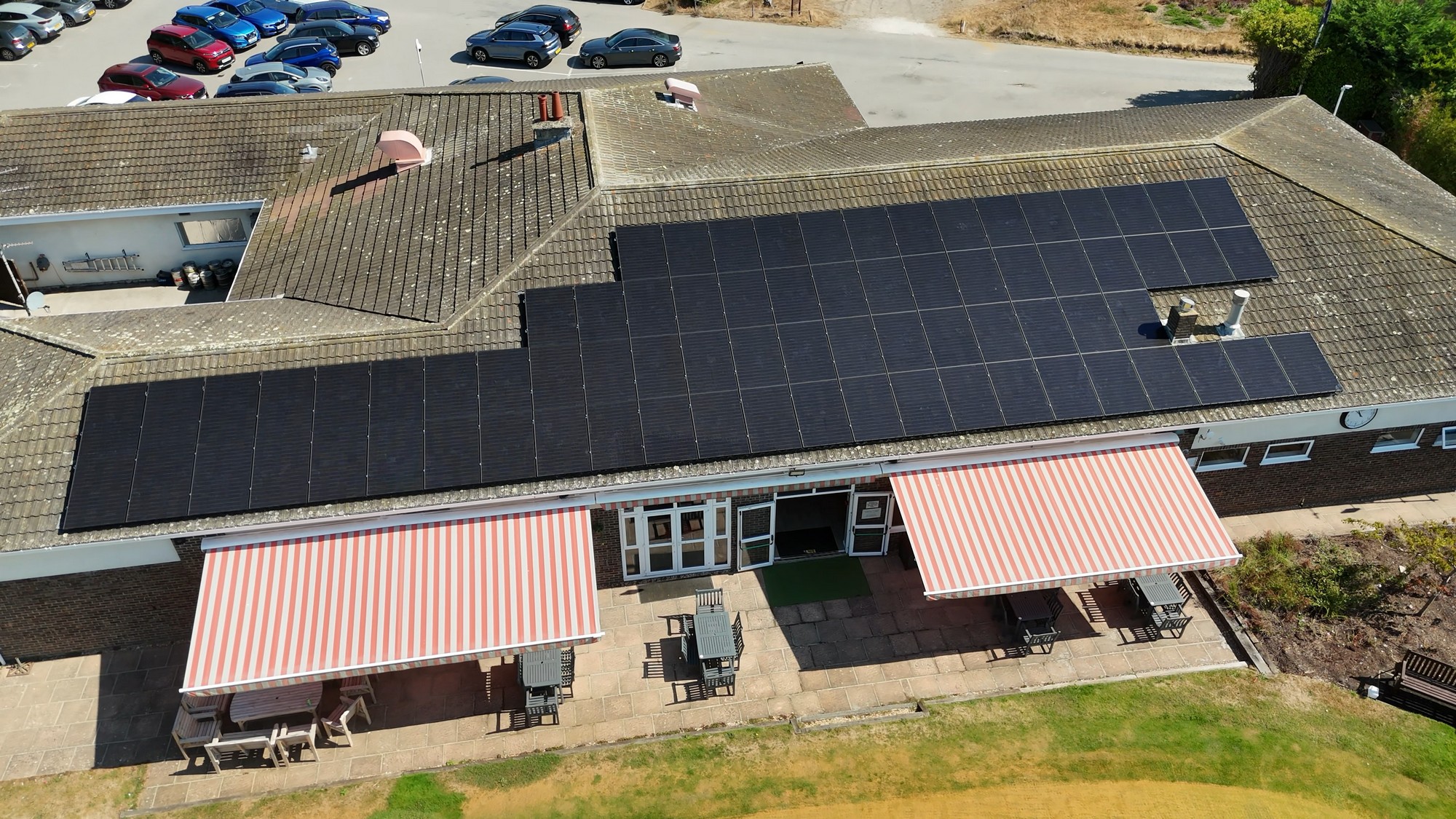
Tesla Powerwall 3 offers substantial capacity and power within an integrated system and remains an attractive choice for many households. EcoFlow PowerOcean, however, may appeal particularly to homeowners who value more granular capacity choices or who have substantial and potentially changing energy requirements.

The right choice should ultimately be determined by the property rather than the badge on the battery.
Can PowerOcean Reduce Electricity Bills?

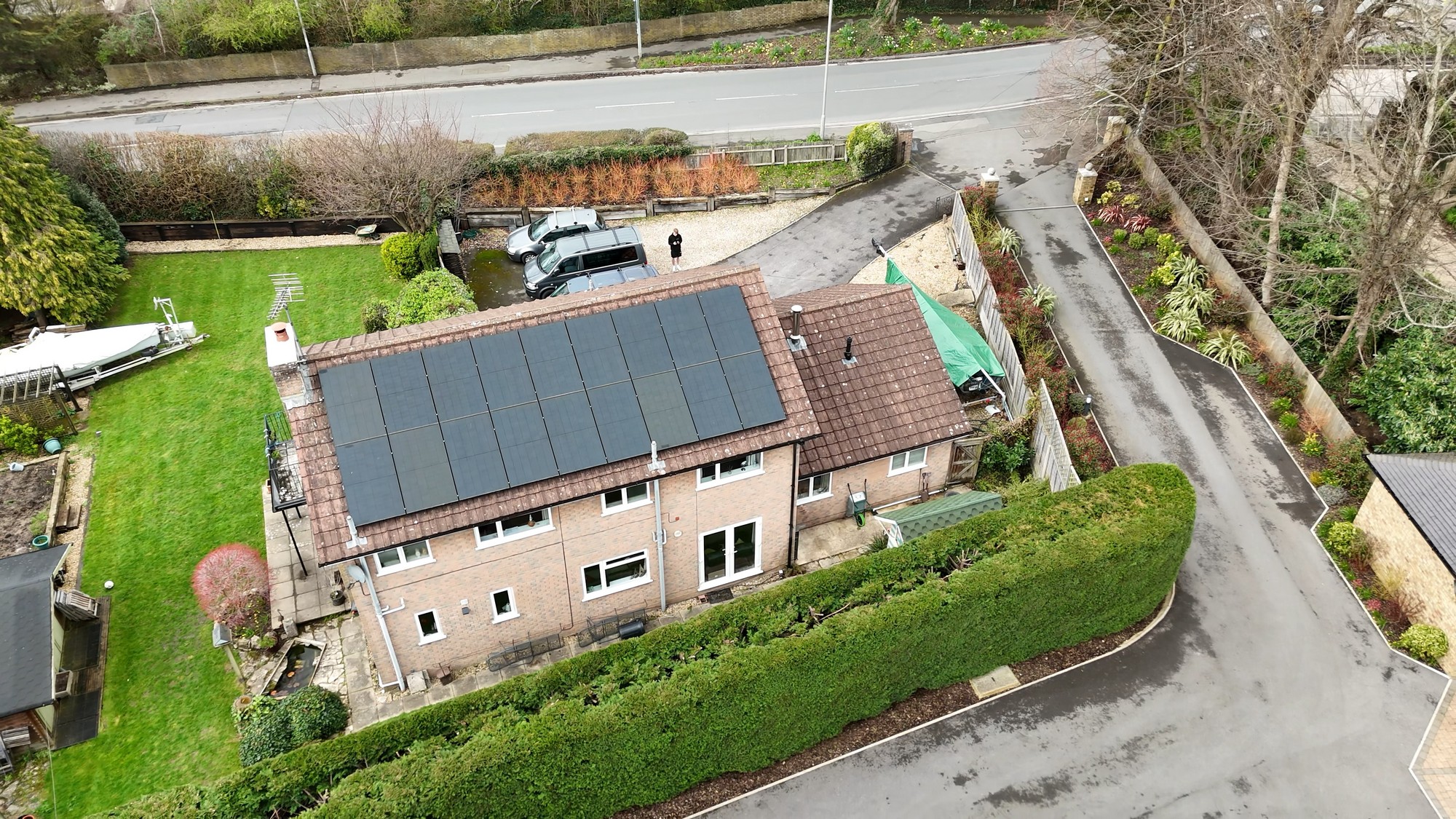
A well designed solar and battery installation can reduce the amount of electricity a household needs to purchase from the grid, although the results will vary considerably between properties.
Battery storage can allow a household to retain surplus solar electricity and use it later. Depending upon the electricity tariff and system configuration, batteries can also provide opportunities to manage when electricity is imported from the grid.

However, credible savings calculations should be based upon the individual household.

Claims about enormous universal savings may sound appealing, but electricity consumption, solar generation, tariffs and household behaviour differ too much for a single figure to be meaningful.

Save Energy UK can assess these factors when preparing a quotation, giving you a clearer understanding of how an EcoFlow battery system could perform within your own home.

Is PowerOcean Worth Considering for a Large Property?

For many larger homes, absolutely.

Its modular 5.02 kWh batteries make it possible to tailor capacity more closely to household requirements, while the availability of single phase and three phase configurations gives the system considerable scope for different properties.

The more important question is not simply whether PowerOcean is capable of supporting a large home.

It is whether a particular PowerOcean configuration is right for your large home.

That distinction matters.

A household with modest electricity consumption and no electric vehicle will have very different requirements from a family running two electric cars, a heat pump, air conditioning and numerous high consumption appliances.

Professional specification helps ensure you are paying for the battery capacity you can genuinely use.

Frequently Asked Questions

Is EcoFlow PowerOcean powerful enough for a large house?

Potentially, yes. PowerOcean is available in single phase and three phase configurations and offers modular battery storage. EcoFlow’s three phase inverter options extend to 12 kW AC output, making the range particularly interesting for properties with substantial electricity requirements.

How much capacity does an EcoFlow PowerOcean battery have?

Each PowerOcean LFP battery module has a nominal capacity of 5.02 kWh. Multiple modules can be combined to create a larger storage system.

Can I expand an EcoFlow PowerOcean system?

Yes. Modularity is one of its principal attractions. The single phase configuration supports up to six battery modules with one inverter, while the three phase system supports up to 12 modules with one inverter. The precise configuration should be determined by a qualified installer.

Get a Free Solar and Battery Quote From Save Energy UK

EcoFlow PowerOcean has many of the characteristics that make sense for a large modern home. It offers modular battery storage, single phase and three phase options, LFP battery technology and the ability to build a system around substantial household energy requirements.

Yet the quality of the battery is only half of the equation.

The real value comes from specifying the right system.

If you own a larger home in Dorset, along the South Coast or within Save Energy UK’s wider service area, speak to the team about your electricity consumption, solar potential and future energy plans.

Whether you already have solar panels, are planning a completely new installation or want to prepare your home for an electric vehicle, heat pump or greater future electricity consumption, Save Energy UK can help you determine whether EcoFlow PowerOcean is the right choice.

Contact Save Energy UK today to get a free solar and battery quote and discover the PowerOcean configuration that could work for your home.