| Unit 20, Glenmore Centre, Poole, Dorset BH12 4FB | Mon–Fri 9:00am – 5:00pm
01202 986262 Get a Free Quote

Tesla Powerwall Batteries in Bristol

Energy Costs

Energy costs remain a considerable concern for businesses throughout Bristol and the wider South West. Although commercial solar panels can reduce the amount of electricity purchased from the grid during daylight hours, businesses may not always consume every unit of electricity as it is generated. Without battery storage, that surplus electricity will usually be exported.

Tesla Powerwall batteries offer certain commercial properties an opportunity to retain more of their solar electricity for later use. A correctly designed system can help a business reduce grid reliance, manage its electricity consumption and make fuller use of its renewable energy.

However, commercial energy requirements vary considerably. Powerwall 3 may suit an office, shop, hospitality venue, workshop or other modest commercial property, while a larger warehouse, factory or industrial site may require a dedicated commercial battery system. Therefore, professional system design is essential.

How Does Tesla Powerwall 3 Work?

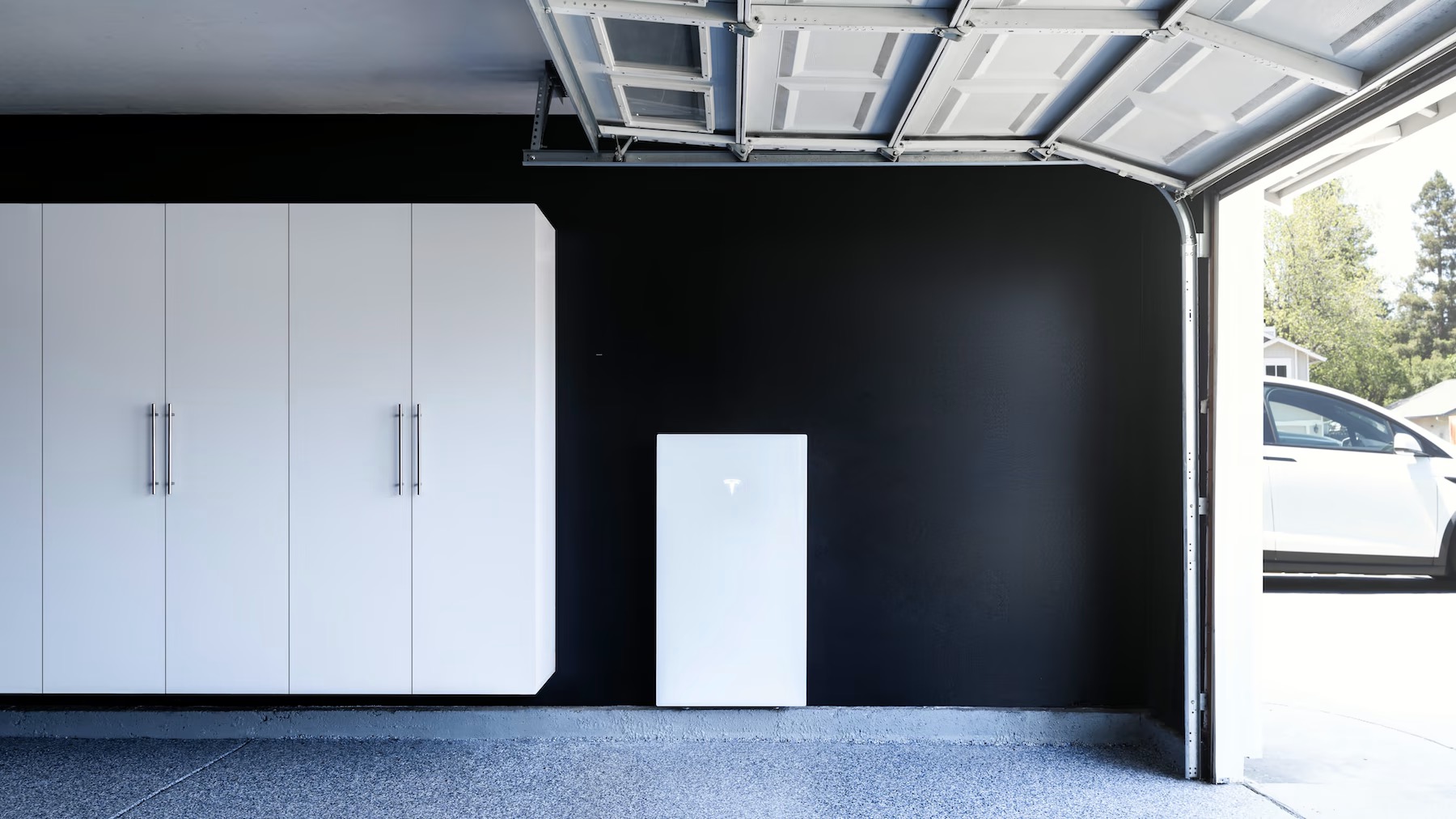
Tesla Powerwall 3 is an intelligent battery storage system that can store electricity generated by solar panels or drawn from the grid. The stored electricity can then be used when solar generation falls below the level of demand within the property.

During a typical day, solar panels generate electricity whenever sufficient daylight is available. The business consumes this electricity first. When the panels generate more power than the property requires, the surplus can charge the Powerwall rather than being exported immediately.

The business can then use the stored electricity later in the day, during periods of cloud or after the sun has set. This process can increase the proportion of solar electricity consumed on site.

Powerwall 3 includes an integrated solar inverter, which makes it particularly relevant when designing a new solar and battery system. Tesla states that the battery can also be added to an existing solar installation and is compatible with major inverter brands. Tesla explains how Powerwall works alongside solar generation and grid electricity.

Tesla Powerwall 3 Specifications

Each Tesla Powerwall 3 has an energy capacity of 13.5 kWh. It can provide up to 11.04 kW of continuous power, although the available output depends upon local conditions and the final system configuration.

The system includes three solar inputs with Maximum Power Point Trackers and achieves a stated solar to grid efficiency of 97.5 per cent. It can be installed inside or outside, subject to a professional site assessment and compliance with the manufacturer’s installation requirements.

Tesla allows a Powerwall 3 system to include up to four Powerwall units. Powerwall 3 Expansion units can also provide an additional 13.5 kWh of capacity per unit. This flexibility allows an installer to design a system around a property’s electricity consumption and solar generation rather than applying a standard arrangement to every business.

The product carries a ten year warranty. The precise operating limits and energy retention terms depend upon how the battery is used, so businesses should review the current warranty terms as part of the specification process. Tesla’s current United Kingdom warranty provides further details about eligible applications, capacity retention and operating limits. View the official Tesla Powerwall warranty.

Can Tesla Powerwall Be Used in a Commercial Property?

Tesla primarily describes Powerwall as a home battery system. Nevertheless, its capacity and power output may make it suitable for certain smaller commercial properties, provided that the building’s electrical supply and consumption profile are compatible.

Potential applications may include offices, independent shops, restaurants, public houses, salons, clinics, small workshops and community buildings. A business that consumes a moderate amount of electricity during the afternoon and evening may be able to use stored solar energy after generation begins to decline.

Suitability cannot be determined from the building type alone. Two offices of a similar size may have entirely different consumption patterns. One might operate during ordinary daylight hours, while another could use considerable electricity for heating, cooling, computer equipment and extended evening operations.

Many larger commercial premises also have a three phase electrical supply. Powerwall 3 is a single phase product in the United Kingdom, so the site’s electrical arrangement must be examined carefully. A qualified designer can determine whether Powerwall is appropriate or whether a dedicated commercial and industrial storage system would offer a better solution.

Tesla Powerwall Hero Image

How Can Powerwall Benefit a Bristol Business?

Using More Solar Electricity on Site

Commercial solar panels often generate their highest output around the middle of the day. If a business cannot use all of this electricity at the time, a battery can retain part of the surplus.

Using stored electricity later may be more valuable than exporting it immediately, depending upon the business tariff, export arrangements and consumption pattern. However, this should be established through a proper financial assessment rather than assumed.

Reducing Dependence on the Grid

A solar and battery system cannot necessarily make a commercial property completely independent from the grid. Seasonal variation, weather conditions and high electrical loads still influence how much imported electricity the business requires.

Nevertheless, Powerwall can reduce grid dependence by allowing the property to use stored solar electricity when generation is insufficient. Businesses may also be able to charge the battery during less expensive tariff periods and use that electricity when grid prices are higher, where their tariff and system settings allow this.

Managing Electricity Costs

Battery storage can give businesses greater control over when they purchase electricity. This can be particularly useful for organisations with variable tariffs or meaningful demand outside the main solar generation period.

Potential savings depend upon the cost of the system, electricity prices, solar output, export payments, battery use and the amount of stored electricity consumed. A credible proposal should model these factors using the property’s actual data.

No responsible installer can promise an identical financial result for every business. The purpose of commercial system design is to establish what the technology could realistically achieve at a particular site.

Supporting Environmental Objectives

Many organisations in Bristol are seeking practical ways to reduce emissions associated with their operations. Battery storage can support this objective by allowing a business to consume a greater proportion of the renewable electricity generated on its premises.

This may contribute to environmental reporting, procurement requirements and wider sustainability plans. However, any public claim should remain accurate and proportionate to the measurable performance of the system.

Tesla Powerwall

Can Tesla Powerwall Provide Backup Power?

Powerwall can provide backup electricity when installed with the appropriate Tesla Gateway and configured for that purpose. The Gateway detects a grid outage, disconnects the property safely from the grid and allows the battery to support the connected circuits.

For a commercial property, backup design requires careful consideration. It may be neither practical nor necessary to support every electrical load. Instead, a business might prioritise lighting, communications, security equipment, refrigeration, tills or essential computer systems.

The available duration will depend upon the number of batteries, their state of charge and the amount of electricity being consumed. High demand equipment can deplete stored energy rapidly.

Powerwall should not automatically be treated as a substitute for a commercial uninterrupted power supply or generator. Businesses with critical machinery, medical equipment or systems where failure could create serious harm require specialist advice. The manufacturer expressly states that Powerwall is not intended to provide primary or backup power for life support equipment.

How Many Powerwall Batteries Might a Business Need?

The answer depends upon how much energy the business wants to store and how much power it requires at any one time. Battery capacity and power output are related, but they are not interchangeable.

Capacity measures the amount of energy available over time. Power output determines how much electrical demand the battery can support at a particular moment. A business could have sufficient stored energy for several hours but still exceed the system’s output if several powerful appliances operate simultaneously.

An assessment should consider annual consumption, daily load patterns, peak demand, operating hours and seasonal changes. Where available, half hourly electricity data provides a much clearer picture than annual bills alone.

The proposed solar array must also be considered. Installing excessive battery capacity offers limited value if the solar panels seldom produce enough surplus electricity to charge it. Equally, an undersized battery may regularly fill early and leave useful solar generation available for export.

Tesla permits multiple Powerwall 3 units, but the ability to add batteries does not mean that Powerwall is automatically the correct choice for every commercial property. Save Energy UK also designs larger commercial and industrial battery solutions for businesses whose requirements extend beyond Powerwall.

Why Professional Design Matters

A commercial battery installation involves considerably more than choosing a product with an appealing capacity figure. The installer must assess the property’s electrical infrastructure, supply arrangement, roof, solar potential, fire safety requirements, proposed battery position and relationship with the local electricity network.

Grid connection requirements must also be addressed. Depending upon the scale and configuration of the installation, an application may need to be made to the local Distribution Network Operator before the system is connected.

Save Energy UK begins its commercial process with a site survey and a review of the organisation’s requirements. The team then develops a tailored specification, confirms equipment locations and cable routes, manages relevant approvals and coordinates the installation.

tesla mobile app

Tesla Powerwall Installation Across Bristol and the South West

Bristol contains a varied collection of commercial properties, from independent shops and offices to warehouses, hospitality venues and community buildings. Consequently, there is no single solar and battery arrangement that will suit every site.

Save Energy UK designs, installs and maintains bespoke solar and battery systems across the South of the United Kingdom. Established in 2005, the company states that it has completed more than 5,000 installations. Its commercial experience includes systems for offices, warehouses and other business premises.

The company is MCS certified and holds NAPIT, RECC and CHAS accreditations. These credentials reflect recognised standards relating to installation quality, electrical competence, consumer protection and commercial health and safety. You can learn more about commercial solar panel installation and view Save Energy UK’s commercial case studies before arranging an assessment.

Request a Commercial Solar and Battery Quotation

Tesla Powerwall batteries can offer a capable storage solution for certain commercial properties in Bristol. They may help a business use more of its solar electricity, reduce its reliance on the grid and gain greater control over when it imports energy.

However, the value of the system depends upon choosing the right battery for the property. Electricity consumption, peak demand, operating hours, solar generation and electrical infrastructure must all be considered.

If you are considering Tesla Powerwall 3 for a commercial property in Bristol or elsewhere in the South West, contact Save Energy UK. The team can review your energy requirements, assess the premises and recommend a solar and battery system designed around the way your organisation actually uses electricity.

Frequently Asked Questions

Is Tesla Powerwall 3 suitable for every commercial property?

No. It may suit smaller commercial premises with compatible electrical supplies and moderate energy requirements. Larger or more demanding sites may require a dedicated commercial battery storage system.

Can Powerwall 3 be added to existing commercial solar panels?

It can be added to many existing solar installations. However, compatibility, electrical design, available space and grid connection requirements must be checked before installation.

Can a business install more than one Powerwall?

Yes. Tesla states that Powerwall 3 systems can include up to four Powerwall units. The correct quantity should be determined from the property’s consumption, power demand and solar generation.

Will Powerwall keep a business running during a power cut?

A suitably configured system can support connected loads during an outage. The equipment it can operate and the duration of backup will depend upon the system design, available charge and level of demand.

How much could a Bristol business save with Powerwall?

Savings vary according to electricity consumption, tariffs, solar generation, export payments and battery use. Save Energy UK can prepare a tailored assessment using information from the individual property.

EcoFlow PowerOcean Installation in Dorset

Battery Storage

For businesses across Dorset, the question of energy is becoming increasingly important. Electricity is a considerable operating expense for many commercial premises, while greater reliance on technology means that a dependable supply of power is more important than ever. Solar panels have already allowed many organisations to generate their own electricity, but generation is only part of the equation. The ability to store that energy and use it when it is most valuable can make a solar installation considerably more versatile.

EcoFlow PowerOcean offers businesses an intelligent way to store and manage electricity generated by solar panels. Combining battery storage with an inverter system, PowerOcean is designed around flexibility, scalability and reliability, helping businesses make greater use of the renewable electricity generated at their premises.

For organisations considering an EcoFlow PowerOcean installation in Dorset, Save Energy UK can assess the property, its electricity requirements and its existing or proposed solar installation before recommending an appropriate solution.

What Is EcoFlow PowerOcean?

EcoFlow PowerOcean is a battery and inverter system designed to give property owners greater control over the electricity generated by their solar panels.

Without battery storage, a solar PV system produces electricity whenever sufficient daylight is available. If a business cannot use all of that electricity at the time it is generated, some of the surplus may be exported to the grid.

Battery storage changes this relationship.

Instead of relying solely upon immediate consumption, surplus solar electricity can be stored for use later. A business may therefore be able to use more of the renewable electricity generated on its own premises rather than importing electricity from the grid whenever solar generation falls below demand.

This can be particularly valuable for organisations whose electricity consumption continues beyond the hours of strongest solar generation.

Although EcoFlow PowerOcean can also be suitable for residential properties, its flexibility makes it worthy of consideration for appropriate commercial sites where energy consumption, solar generation and battery storage can be carefully assessed as part of a broader energy strategy.

Why Are Dorset Businesses Investing in Solar Battery Storage?

Commercial energy requirements vary considerably. A small office will have a very different electricity profile from a hotel, workshop, leisure facility or warehouse.

What many businesses have in common, however, is an increasing interest in generating and using more of their own electricity.

Solar panels provide the means to generate renewable electricity on site. Battery storage can make that generation more useful by allowing surplus electricity to be retained until it is required.

For businesses investing in commercial battery storage in Dorset, the objective is therefore not simply to install a battery. It is to create a properly considered energy system that reflects how the premises actually operate.

This is why professional system design is so important.

Save Energy UK can consider factors such as electricity consumption, solar generation, available installation space and the electrical infrastructure of the property when assessing whether EcoFlow PowerOcean is appropriate for a particular commercial site.

How Does EcoFlow PowerOcean Work with Solar Panels?

Solar panels generate electricity during daylight hours, although the amount generated varies according to factors including the weather, season, orientation of the panels and size of the installation.

At certain times, a commercial solar array may generate more electricity than the premises immediately require.

EcoFlow PowerOcean provides a means of storing suitable surplus generation so that the electricity can be used at another time.

For example, a business may generate considerable solar electricity around the middle of the day but experience higher electricity consumption later in the afternoon or evening. Battery storage can help bridge the gap between when electricity is generated and when it is needed.

The precise performance of any system will depend upon the individual property and its consumption patterns, which is why a commercial battery installation should be designed around real energy requirements rather than assumptions.

Making Better Use of Commercial Solar Generation

One of the principal reasons for combining solar panels with battery storage is to increase the proportion of generated electricity that can be used on site.

A business may have a substantial roof area suitable for solar panels, but the value of that generation will partly depend upon when electricity is consumed.

Battery storage introduces considerably greater flexibility.

Instead of treating solar electricity as something that must be consumed at the moment it is produced, businesses can store appropriate surplus generation and make use of it later.

For organisations already operating solar panels, an assessment can determine whether adding battery storage could complement the existing installation.

Businesses planning a new solar project can consider solar generation and battery storage together from the outset, allowing the complete system to be designed with the property’s electricity requirements in mind.

Can EcoFlow PowerOcean Reduce Reliance on the Grid?

One attraction of commercial solar and battery storage is the opportunity to become less dependent upon electricity imported from the grid.

Solar panels can provide electricity while they are generating. A suitable battery system can extend the usefulness of that generation by storing energy for later consumption.

The result can be greater control over where a proportion of the property’s electricity comes from.

However, businesses should be wary of broad promises concerning savings or energy independence. Every commercial property is different, and the suitability of battery storage depends upon its individual circumstances.

A professional assessment should consider the site’s consumption profile, existing electricity supply, solar generation and wider operational requirements before conclusions are reached.

Save Energy UK can provide this assessment as part of the process of considering an EcoFlow PowerOcean installation in Dorset.

Could Battery Storage Improve Business Energy Resilience?

Energy resilience is another important consideration for some organisations.

Modern businesses depend upon electricity for everything from computers and communications to lighting, machinery, heating systems and other essential equipment. Even relatively short interruptions can be disruptive.

EcoFlow PowerOcean is designed to help users gain greater control over stored energy and can form part of a wider approach to energy resilience.

The level of protection available will depend upon the design of the installation and the electrical requirements of the premises. Businesses with particular requirements during power interruptions should therefore discuss these needs during the initial assessment.

Battery storage should never be treated as a universal solution without considering what equipment needs to remain operational and how much electricity that equipment requires.

Which Commercial Properties Could Benefit from PowerOcean?

There is no single type of commercial property for which battery storage is appropriate.

Potential applications can include offices, hospitality businesses, workshops, retail premises, leisure facilities, educational settings and other commercial properties with suitable electricity requirements.

The more important consideration is how the building consumes electricity.

A business with an existing solar installation may wish to retain more of its surplus generation. Another organisation may be planning solar panels and battery storage simultaneously. Some businesses may place particular importance on energy resilience, while others may primarily want greater control over electricity imported from the grid.

A site specific assessment allows these priorities to be considered properly.

Can EcoFlow PowerOcean Be Added to Existing Solar Panels?

Businesses that already have solar panels do not necessarily need to begin again when considering battery storage.

Depending upon the existing system and the electrical configuration of the property, it may be possible to incorporate battery storage into an established solar installation.

Compatibility should always be assessed professionally.

The existing inverter, solar array, electricity consumption and electrical infrastructure all need to be considered before deciding upon the most appropriate approach.

If your business already has solar panels and you are considering an EcoFlow battery installation in Dorset, Save Energy UK can assess the existing system and discuss the options available.

How Is the Right Battery Storage Capacity Determined?

Choosing battery storage should not be reduced to selecting the largest capacity available.

An appropriately designed system should reflect the amount of electricity a property generates, when it generates it and when the business consumes electricity.

Historic electricity consumption can provide valuable insight into these patterns. The size and expected generation of the solar PV installation must also be considered.

For a commercial site, these calculations can be particularly important because electricity demand may fluctuate considerably throughout the working day.

Professional system design helps ensure that the proposed battery solution has been selected for a reason rather than simply on the basis of headline capacity.

What Happens During an EcoFlow PowerOcean Installation?

A professional installation begins before any equipment arrives at the premises.

Save Energy UK can first assess the property and discuss what the business wants to achieve. Existing or proposed solar panels, electricity consumption, electrical infrastructure and potential equipment locations can then be considered.

This information helps determine whether EcoFlow PowerOcean is appropriate and how the system should be configured.

The installation can then be planned around the requirements of the individual premises.

For commercial customers, this considered approach is particularly valuable. An energy system should complement the way a business operates rather than becoming an inconvenience to it.

EcoFlow PowerOcean Installation Across Dorset

Save Energy UK provides solar and battery solutions for customers throughout Dorset.

Businesses considering EcoFlow PowerOcean installation in Dorset can contact the team for advice across Poole, Bournemouth, Christchurch, Wimborne, Ferndown, Dorchester, Wareham, Blandford Forum, Weymouth and surrounding communities.

This local coverage means businesses across the county can explore whether PowerOcean could complement an existing solar installation or form part of a new solar and battery project.

Save Energy UK also works with customers beyond Dorset, including organisations across neighbouring areas of Hampshire, Wiltshire and Somerset.

If you are unsure whether your premises fall within the installation area, simply contact the team to discuss your location and requirements.

Why Choose Save Energy UK for EcoFlow PowerOcean Installation?

Commercial solar battery storage requires more than the installation of individual pieces of equipment.

The solar array, inverter, battery storage, electrical infrastructure and consumption profile of the property all need to work together as a coherent system.

Save Energy UK takes a site specific approach, helping businesses understand which solution is appropriate for their premises rather than treating every commercial property in the same way.

Whether you already have solar panels or are considering a completely new solar and battery installation, the first step is understanding what your business requires.

Get a Free EcoFlow PowerOcean Quote

If you are considering EcoFlow PowerOcean for a commercial property in Dorset, Hampshire, Wiltshire or Somerset, speak to Save Energy UK about your requirements.

The team can assess your premises, existing or proposed solar installation and electricity requirements before discussing an appropriate solution.

Get a free EcoFlow PowerOcean quote from Save Energy UK and discover whether solar battery storage could be the right investment for your commercial property.

Frequently Asked Questions

Is EcoFlow PowerOcean suitable for commercial properties?

EcoFlow PowerOcean may be suitable for certain commercial properties, depending upon their electricity consumption, solar generation, electrical infrastructure and wider energy requirements. A professional site assessment can determine whether it is appropriate for your business.

Can EcoFlow PowerOcean be installed with existing solar panels?

It may be possible to add EcoFlow PowerOcean to an existing solar installation, although compatibility and system configuration must first be assessed. Save Energy UK can review your current solar system and advise on the options available.

How much battery storage does a commercial property need?

There is no universal battery capacity for a commercial property. The appropriate solution depends upon factors including electricity consumption, solar generation and when energy is used throughout the day. A site specific assessment is therefore essential.

What Should Businesses Know Before Installing EcoFlow PowerOcean?

Commercial Battery Storage

For businesses facing substantial electricity costs, investing in solar panels is often only part of the conversation. The next question is increasingly concerned with what happens to the electricity a commercial solar system generates when the building does not immediately need it.

Commercial battery storage offers an answer. Rather than exporting surplus solar electricity immediately, businesses can store energy and use it when demand increases, solar generation falls or electricity from the grid becomes more expensive.

For organisations considering this approach, EcoFlow PowerOcean presents an increasingly compelling option. The system combines solar generation, battery storage, intelligent energy management and backup capabilities within a scalable energy ecosystem. EcoFlow offers three phase configurations capable of supporting up to 60 kWh of battery capacity with one inverter, with further possibilities available through cascading system design.

However, choosing commercial battery storage should never begin with the product alone. Your electricity consumption, operating hours, existing solar installation, premises and future energy requirements should all influence the system you ultimately install.

Save Energy UK works with businesses across the South Coast and southern England to design commercial renewable energy systems around genuine energy requirements. If you are considering an EcoFlow PowerOcean installation, understanding the following points can help you make a more informed investment.

Is EcoFlow PowerOcean Suitable for Your Business?

The first consideration is whether battery storage complements the way your organisation actually consumes electricity.

Commercial buildings can have markedly different energy profiles. An office in Bournemouth may use most of its electricity between nine and five, while a hotel in Southampton could have considerable morning and evening demand. Warehouses, factories, retail premises and hospitality businesses may have different patterns again.

This is why simply choosing the largest available battery is rarely the best approach.

Save Energy UK has previously highlighted the suitability of EcoFlow battery storage for offices, warehouses, manufacturing facilities, retail premises, hotels and educational buildings. However, professional system design remains essential because every organisation has different operating hours, energy demands and plans for growth.

Before requesting an installation, it is therefore sensible to establish when your business consumes electricity, how much it uses and whether significant demand occurs outside the hours when solar panels are producing their strongest output.

Understand Your Commercial Electricity Consumption First

One of the most important stages before installing EcoFlow PowerOcean is analysing your existing electricity consumption.

Annual electricity usage is useful, but it does not tell the entire story.

Two businesses could consume exactly the same amount of electricity over twelve months yet require quite different solar and battery systems because they use that electricity at different times.

A professional commercial energy assessment can examine your consumption profile alongside existing or proposed solar generation. This allows your installer to establish when surplus electricity is likely to be available, when the battery could discharge and what capacity is likely to provide genuine commercial value.

For businesses in Poole, Bournemouth, Southampton, Portsmouth, Bristol, Reading, Brighton and elsewhere across southern England, Save Energy UK can assess these requirements before recommending an appropriate solution.

Rather than purchasing battery capacity on assumption, contact Save Energy UK to discuss your commercial electricity consumption and obtain a system recommendation based upon your actual requirements.

How Does EcoFlow PowerOcean Work with Commercial Solar Panels?

Battery storage becomes particularly valuable when it is considered as part of a wider energy strategy.

During periods of strong solar generation, your panels may produce more electricity than the building needs at that particular moment. Without suitable storage, excess generation may be exported.

A battery allows some of that electricity to be retained for later.

This can be particularly useful for businesses that continue operating into the evening. Save Energy UK notes that commercial battery storage can help sites use stored solar energy beyond daylight hours rather than relying entirely upon grid electricity later in the day.

EcoFlow also provides intelligent energy management functionality that can balance solar generation, battery storage and grid electricity. Its technology supports monitoring and management through its app, web portal and PowerInsight platform.

The commercial objective is therefore not merely to store electricity. It is to decide intelligently when that electricity offers the greatest value to your organisation.

How Much Battery Capacity Does Your Business Need?

Battery sizing deserves careful attention.

EcoFlow’s current three phase OCEAN 2 specification uses modular 5.02 kWh LFP battery units and supports up to 12 battery modules with one inverter, giving a maximum capacity of approximately 60 kWh at that level of configuration. EcoFlow also states that up to five inverters can be cascaded for on grid installations, subject to appropriate system design.

The availability of considerable storage capacity does not mean every business needs it.

The appropriate capacity should reflect factors such as:

  • Your daily and seasonal electricity consumption
  • The size and expected generation of your solar array
  • When electricity demand occurs
  • Your commercial electricity tariff
  • Peak periods of consumption
  • Your required level of backup
  • Available installation space
  • Future expansion
  • Planned EV charging or electrification

Oversizing can mean paying for capacity that your business cannot use effectively. Undersizing could leave valuable surplus solar generation unstored or provide insufficient energy when demand rises.

A tailored assessment is therefore considerably more useful than choosing a battery according to a generic package.

Can EcoFlow PowerOcean Work with an Existing Solar System?

Businesses that already have commercial solar panels may not necessarily need to replace their entire installation when considering battery storage.

EcoFlow states that its OCEAN 2 system can integrate with existing third party solar systems, making storage and backup possible without necessarily replacing the existing solar installation.

However, compatibility should be professionally assessed rather than assumed.

Your existing inverter, electrical infrastructure, solar capacity, grid connection and overall system architecture can influence what is technically appropriate.

If your business already has solar panels, Save Energy UK can assess the existing installation and determine how battery storage could be incorporated effectively.

Consider Peak Demand and Electricity Tariffs

The value of commercial battery storage extends beyond simply saving excess solar electricity.

Depending upon your tariff and system configuration, batteries can also be charged when electricity is less expensive and discharged when grid electricity becomes more costly.

Save Energy UK notes that businesses may use off peak electricity to charge batteries overnight before using stored energy during more expensive daytime periods.

For businesses with significant electricity demand, this ability to shift when grid energy is consumed can become an important part of the financial case.

The potential benefit will depend upon your tariff, consumption profile and system design, which is another reason why generic savings claims should be treated cautiously.

Think About Future Energy Requirements

A commercial solar and battery installation should not only suit your business today.

Consider where your organisation could be in five, ten or fifteen years.

You may introduce electric company vehicles, install workplace EV chargers, expand your premises, add machinery, introduce electric heating or increase operating hours.

EcoFlow PowerOcean has been designed around modular storage. EcoFlow’s three phase system currently supports up to 60 kWh with one inverter and permits cascading for larger configurations.

That scalability can be valuable where energy requirements are expected to develop.

Discussing future plans during the initial consultation allows Save Energy UK to consider them when designing your commercial energy system.

Assess the Practical Installation Requirements

Battery storage also requires careful consideration of the physical premises.

A professional survey can establish suitable equipment locations, cable routes, existing electrical infrastructure and how the battery will integrate with solar generation and the building’s supply.

EcoFlow states that its OCEAN 2 battery and three phase inverter carry an IP66 rating and can be installed indoors or outdoors in appropriate circumstances. Each battery module has a nominal capacity of 5.02 kWh and weighs 46 kg, so location and structural practicality remain genuine considerations.

The suitability of any proposed location should therefore be determined during professional system design rather than decided solely on convenience.

What About Energy Resilience?

For some businesses, the financial argument is only one part of the decision.

A power interruption can affect computers, refrigeration, communications, security equipment, machinery and other essential systems.

EcoFlow OCEAN 2 incorporates backup functionality, although the precise backup performance available to an individual business depends upon system configuration, connected loads and grid conditions. EcoFlow specifies zero millisecond grid to off grid switching under supported conditions for its current three phase system.

If continuity is particularly important to your organisation, this should be discussed during the design process. Your installer needs to understand which loads are critical rather than assuming that every circuit requires identical backup provision.

How Much Does EcoFlow PowerOcean Cost for a Business?

There is no single meaningful installation price that applies to every commercial property.

The overall investment can be influenced by battery capacity, inverter requirements, solar capacity, installation complexity, electrical work, monitoring requirements and the condition of your existing infrastructure.

A small commercial office and a substantial industrial site will naturally require different solutions.

This is why comparing battery prices alone can be misleading. The more useful question is what configuration will produce the strongest commercial case for your organisation.

Save Energy UK can prepare a tailored commercial solar and battery proposal based upon your premises, electricity consumption and objectives rather than relying upon a generic package price.

What Should Businesses Consider When Calculating ROI?

Return on investment should be approached carefully.

Commercial battery storage may create value by increasing the proportion of solar electricity consumed on site, reducing grid dependence and shifting electricity consumption away from more expensive periods.

However, the eventual financial performance of an installation depends upon numerous variables.

These include your electricity tariff, annual consumption, solar generation, battery utilisation, installation cost and how energy prices develop over time.

Businesses should therefore be wary of universal claims about savings or payback periods.

A well prepared commercial proposal should use your organisation’s own energy information wherever possible. This provides a far more credible basis for considering potential savings and long term return.

Why Choose Save Energy UK for Commercial Battery Storage?

Commercial renewable energy requires more than installing panels and batteries.

The system needs to work as a coherent whole.

Save Energy UK designs commercial solar and battery storage solutions around the individual requirements of each organisation. The company’s approach considers existing electricity usage, business objectives and future ambitions rather than relying upon standard packages.

For businesses across Bournemouth, Poole, Christchurch and the wider South Coast, as well as commercial organisations in Southampton, Portsmouth, Winchester, Salisbury, Bristol, Brighton, Reading, Guildford and London, this tailored approach can help ensure investment decisions are grounded in the realities of the site.

If you are considering EcoFlow PowerOcean, speak to Save Energy UK before deciding upon battery capacity or system configuration. A professional assessment can help establish whether the technology is appropriate for your premises and how it should form part of your wider commercial energy strategy.

Frequently Asked Questions

Is EcoFlow PowerOcean suitable for businesses?

It can be suitable for commercial premises, particularly where a business wants to combine solar generation with battery storage, intelligent energy management and greater control over grid electricity consumption. Suitability should nevertheless be established through an assessment of the individual premises and its energy profile.

How much does EcoFlow PowerOcean cost to install?

Commercial installation costs vary according to battery capacity, system configuration, existing infrastructure and the complexity of the project. Businesses should obtain a tailored quotation rather than relying upon a standard online price.

Can EcoFlow PowerOcean be added to existing commercial solar panels?

EcoFlow states that OCEAN 2 can integrate with existing third party solar systems. However, the existing installation should be professionally assessed to establish compatibility and determine the most appropriate system design.

How much commercial battery storage does my business need?

There is no universal capacity. The appropriate size depends upon electricity consumption, solar generation, operating hours, tariffs, peak demand and future energy requirements.

Can commercial battery storage reduce electricity bills?

It can help businesses reduce grid electricity purchases by storing solar generation for later use and, where suitable, shifting grid consumption towards less expensive periods. Actual savings vary considerably between businesses.

Is EcoFlow PowerOcean scalable?

Yes. EcoFlow’s current three phase OCEAN 2 system uses modular 5.02 kWh batteries and supports up to 60 kWh with one inverter. Larger system designs can make use of cascading subject to the technical requirements of the installation.

Is EcoFlow PowerOcean Right for Your Business?

EcoFlow PowerOcean offers businesses an opportunity to take greater control over how electricity is generated, stored and consumed. Its modular battery architecture, intelligent energy management and ability to integrate solar generation and storage make it an option worth considering for organisations investing in their long term energy strategy.

The crucial decision, however, is not simply whether to purchase a battery. It is determining what system will genuinely suit your organisation.

Electricity consumption, solar generation, battery capacity, operating hours, tariffs, installation requirements and future expansion should all be considered before proceeding.

Save Energy UK works with businesses across the South Coast and southern England to develop commercial solar and battery storage systems around individual energy requirements. If your organisation is considering EcoFlow PowerOcean, contact Save Energy UK to arrange an assessment, discuss the options available and request a tailored quotation for your premises.
Are Commercial Solar Installations Disruptive to Daily Operations?

How Disruptive are Commercial Solar Installations?

For many business owners, the prospect of investing in commercial solar installations brings one important question to the forefront. Will the installation process disrupt everyday operations?

It is a reasonable concern. Whether you operate from an office, warehouse, retail premises, industrial unit or commercial property, keeping your business running smoothly is always the priority. The encouraging news is that experienced installers carefully plan modern commercial solar installations to minimise disruption. With the right installer, most businesses are able to continue operating throughout the majority of the project with very little impact on staff, customers or productivity.

At Save Energy UK, every commercial solar project begins with meticulous planning to ensure that your renewable energy investment fits around your business rather than interrupting it.

The short answer

Experienced installers generally complete commercial solar installations without disrupting daily operations. They carry out most of the work on the roof and schedule any necessary electrical connections at convenient times to minimise interruptions.

Every building is unique, but experienced installers work closely with business owners to ensure the installation programme causes as little inconvenience as possible.


Careful planning makes all the difference

Successful commercial solar installations begin long before the first solar panel arrives on site.

An experienced installer will undertake a detailed survey of the property, assessing everything from roof structure and electrical infrastructure to access points and safety requirements. This planning stage allows the installation team to develop a clear programme of works that fits around your business.

Rather than arriving on site without preparation, experienced installers organise every stage well in advance, allowing business owners to understand exactly what will happen and when.

This level of planning significantly reduces unexpected delays and helps ensure normal operations continue wherever possible.

Most of the work takes place outside

One of the reasons commercial solar installations are far less disruptive than many businesses expect is because the majority of the installation takes place on the roof.

Installation teams spend much of their time fitting mounting systems, securing solar panels and completing external cabling. This means employees can often continue working inside the building with little awareness that work is taking place overhead.

Noise levels are generally modest and are often no greater than those associated with routine building maintenance.

For many businesses, daily operations continue almost entirely uninterrupted during this phase.

Professional scheduling reduces inconvenience

Every business operates differently. Some welcome work during standard office hours, while others prefer installations to be completed during quieter periods.

A professional commercial solar installer understands this and will discuss scheduling before work begins.

Depending on the nature of the premises, the installation team can often schedule certain activities during quieter trading periods, outside normal working hours or during planned maintenance windows.

This flexibility helps reduce disruption and ensures that essential business functions remain operational throughout the project.


Will the electricity need to be switched off?

This is one of the most common concerns among business owners.

The answer is that installers usually need a short period to complete the electrical connections safely. However, they plan these brief shutdowns well in advance to minimise disruption.

Rather than unexpected power interruptions, businesses receive clear communication about when the connection work will take place.

In In many cases, installers complete the electrical shutdown within a relatively short period before restoring normal power. By carefully coordinating this stage, they keep disruption to an absolute minimum

Safety remains the highest priority

Commercial solar installations involve working at height and connecting equipment to electrical systems. For this reason, health and safety procedures are followed throughout every project.

Qualified installers establish secure working areas, use appropriate access equipment and ensure staff and visitors remain safe while work is taking place.

These measures are designed not only to protect the installation team but also to allow businesses to continue operating safely during the project.

Professional planning means safety and productivity go hand in hand.

How long do commercial solar installations take?

Every project is different, but many commercial solar installations are completed far more quickly than business owners expect.

Smaller commercial systems may take only a few days to install, while larger and more complex projects naturally require longer.

Several factors influence installation times, including:

  • The size of the solar system.
  • The complexity of the roof.
  • Access arrangements.
  • Electrical infrastructure.
  • Weather conditions.
  • Any additional battery storage or monitoring equipment.

Despite these variables, experienced installers work efficiently to complete projects within agreed timescales.

Communication keeps projects running smoothly

Good communication is often the difference between a smooth installation and a stressful experience.

Throughout the project, businesses should receive regular updates explaining what work is taking place and what to expect next.

Knowing when contractors will be on site, when equipment will be delivered and when electrical works are scheduled allows managers to plan accordingly.

This transparency removes uncertainty and helps businesses continue operating with confidence.

Commercial solar installations are designed around your business

One of the biggest misconceptions is that businesses must stop operating while solar panels are installed.

In reality, professional installers understand that downtime costs money.

Experienced installers make every effort to ensure staff can continue working, customers can continue visiting the premises and business activities can carry on as normal wherever possible.

From delivery logistics to scaffold positioning and electrical commissioning, the installation team carefully coordinates every aspect of the project.

The goal is simple. Deliver a high quality renewable energy system while allowing the business to function with minimal interruption.

The long term benefits far outweigh the short term inconvenience

Even where minor disruption is unavoidable, it is important to consider the lasting advantages commercial solar installations provide.

Businesses benefit from reduced electricity costs, greater protection against rising energy prices and improved sustainability credentials.

Generating renewable electricity on site also helps reduce reliance on the National Grid while lowering carbon emissions.

For many organisations, commercial solar demonstrates a long term commitment to environmental responsibility, something increasingly valued by customers, employees and stakeholders alike.

Businesses quickly move beyond the installation period as they begin enjoying substantial savings year after year.

Why Trust Save Energy UK?

Save Energy UK has extensive experience delivering high quality commercial solar installations for businesses across Dorset and the surrounding areas.

Every project begins with a detailed consultation, allowing the team to understand your business, your premises and your operational requirements before any work begins.

From the initial survey through to final commissioning, the Save Energy UK team carefully plans every installation to minimise disruption while delivering exceptional workmanship and long term performance.

By combining technical expertise, quality products and outstanding customer service, Save Energy UK helps businesses invest confidently in renewable energy while protecting day to day operations throughout the installation process.

Conclusion

Commercial solar installations are far less disruptive than many businesses initially imagine.

With careful planning, experienced installers and clear communication, most of the work takes place externally, allowing businesses to continue operating with minimal interruption. Experienced installers plan all essential electrical work in advance and complete it efficiently to keep downtime to an absolute minimum.

For businesses across Dorset, commercial solar represents an investment not only in lower energy bills but also in greater energy independence, improved sustainability and long term financial resilience.

If you are considering commercial solar installations for your business, speaking with an experienced specialist is the best place to start. Save Energy UK can assess your property, explain your options and design a system that works around your business while helping you reduce energy costs for years to come.

Commercial Solar and EV Fleet Charging: A Growing Business Opportunity

Modern Businesses

Energy has become one of the most significant operational costs facing modern businesses. At the same time, organisations across Dorset are under increasing pressure to reduce carbon emissions, improve sustainability credentials and prepare for a future that is rapidly becoming electric.

The rise of electric vehicle fleets represents a major shift in the way businesses operate. Whether managing delivery vans, company cars, service vehicles or logistics fleets, many organisations are now exploring how they can support vehicle charging without exposing themselves to rising electricity prices.

This is where commercial solar presents a compelling opportunity.

By generating clean electricity on site and using it to power electric vehicle charging infrastructure, businesses can reduce their dependence on the grid, gain greater control over energy costs and strengthen their environmental credentials. What was once viewed as a sustainability initiative is now increasingly regarded as a strategic business investment.

Across Bournemouth, Poole, Christchurch, Dorchester and Weymouth, forward thinking organisations are already recognising the advantages of combining commercial solar installations with workplace EV charging facilities.

broadstone commercial

Why EV Fleet Charging Is Becoming Essential for Modern Businesses

The transition towards electric vehicles is no longer a distant prospect. It is happening now.

Businesses throughout the United Kingdom are increasingly replacing petrol and diesel vehicles with electric alternatives as part of wider sustainability strategies and long term cost reduction plans. Government policy, advances in vehicle technology and growing environmental awareness have all accelerated this shift.

For organisations operating multiple vehicles, the implications are particularly significant. Fleet electrification offers opportunities to reduce fuel costs, lower emissions and future proof operations. However, the success of this transition often depends on access to reliable and cost effective charging infrastructure.

Public charging networks continue to expand, yet many businesses are recognising that relying solely on external charging facilities may not offer the convenience, flexibility or financial control required for daily operations.

Installing workplace charging facilities provides a practical solution. Vehicles can be charged while parked at business premises, reducing downtime and improving efficiency. When combined with commercial solar generation, these benefits become even more attractive.

Rather than purchasing all charging electricity from the grid, organisations can generate a substantial proportion of their energy requirements on site. This creates a more resilient and cost effective energy strategy that supports both operational performance and sustainability objectives.

For businesses throughout Dorset, where renewable energy adoption continues to grow, commercial solar and EV charging represent a natural partnership that aligns with both economic and environmental priorities.

How Commercial Solar Panels Can Power EV Fleet Charging

Commercial solar systems convert sunlight into usable electricity through photovoltaic technology. Once generated, this electricity can be used immediately within the business premises, reducing the need to import power from the national grid.

One of the most effective applications of this renewable energy is electric vehicle charging.

Many commercial vehicles spend considerable periods parked during the day. Delivery fleets may return between routes, service vehicles may remain at depots and company cars are often parked during working hours. These periods coincide with the times when solar panels typically generate the greatest amount of electricity.

This creates an ideal opportunity to use self generated renewable energy for vehicle charging.

Instead of purchasing electricity at commercial tariffs, businesses can utilise solar generated power to charge vehicles directly. This helps lower charging costs while improving the overall return on investment from both the solar installation and the EV charging infrastructure.

The addition of commercial battery storage further enhances these benefits. Excess energy generated during peak sunlight hours can be stored and used later in the day, ensuring that renewable energy continues to support charging requirements even when solar generation decreases.

For organisations seeking greater energy independence, this integrated approach offers a practical pathway towards lower operating costs and improved sustainability performance.

The Financial Benefits of Combining Commercial Solar with EV Charging

For many organisations, the decision to invest in renewable energy is driven not only by environmental considerations but also by financial performance. Commercial solar and EV charging can work together to create significant long term value.

Reduced Energy Bills

Electricity costs remain a concern for businesses across Dorset. Charging multiple electric vehicles directly from the grid can become a substantial operational expense, particularly as fleets grow.

By generating electricity on site through commercial solar panels, businesses can reduce the amount of energy they need to purchase. Every unit of solar electricity used to charge vehicles is energy that does not need to be bought from an external supplier.

Protection Against Rising Energy Costs

Energy markets can be unpredictable. Commercial solar provides a level of protection against future electricity price increases by enabling businesses to generate a proportion of their own power.

This greater control over energy consumption can improve budgeting accuracy and support long term financial planning.

Improved Return on Investment

When solar generation is used to power both buildings and vehicle charging infrastructure, businesses can maximise the utilisation of every kilowatt hour produced.

This increases the overall value derived from the solar installation and can contribute to a stronger return on investment over time.

Potential Government Support

Businesses considering commercial solar or EV charging should explore any available grants, tax incentives or support schemes that may be relevant at the time of installation.

While eligibility and availability can change, these initiatives may further improve the financial case for investing in renewable energy technologies.

The Role of Battery Storage in Commercial EV Charging

Battery storage has become an increasingly important component of modern commercial energy systems.

While solar panels generate electricity during daylight hours, business energy demands do not always align perfectly with solar production. Battery storage helps bridge this gap.

Excess electricity generated during sunny periods can be stored and used later when required. This allows businesses to maximise the value of their renewable energy production and reduce reliance on imported electricity.

For organisations operating electric vehicle fleets, battery storage can provide several advantages.

Enhanced Charging Flexibility

Stored energy can be used to support charging outside peak solar production hours, allowing vehicles to be charged when required rather than only when the sun is shining.

Reduced Peak Demand Charges

Battery systems can help manage periods of high electricity demand by supplying stored energy instead of drawing additional power from the grid.

Greater Energy Resilience

Businesses gain increased control over their energy supply, creating a more resilient infrastructure that supports day to day operations.

Advanced battery technologies, including solutions such as Tesla Powerwall and Qcells Battery systems where appropriate, continue to improve the efficiency and flexibility of commercial renewable energy installations.

Sustainability and ESG Benefits

Environmental responsibility has become a central consideration for many organisations.

Customers, investors, suppliers and employees increasingly expect businesses to demonstrate genuine commitment to sustainability.

Commercial solar and EV fleet charging can support these objectives in several meaningful ways.

Reduced Carbon Emissions

Generating renewable electricity on site and using it to power electric vehicles can significantly reduce emissions associated with transport and energy consumption.

Improved ESG Performance

Environmental, Social and Governance reporting is becoming increasingly important across many sectors. Renewable energy investments can support wider ESG objectives and demonstrate measurable progress towards sustainability targets.

Enhanced Corporate Reputation

Businesses that invest in clean energy technologies often strengthen their reputation among customers, stakeholders and employees.

Visible commitments to sustainability can help organisations differentiate themselves within competitive markets.

Supporting Net Zero Ambitions

Many businesses have established ambitious carbon reduction goals. Commercial solar and EV charging provide practical tools that can help turn those ambitions into measurable action.

Commercial Solar and EV Charging Opportunities in Dorset

Dorset is particularly well positioned to benefit from commercial solar and EV charging technologies.

Businesses throughout Bournemouth, Poole, Christchurch, Dorchester and Weymouth are increasingly seeking ways to reduce energy expenditure while meeting environmental expectations.

The county benefits from a strong business community, growing renewable energy adoption and increasing demand for sustainable transport infrastructure.

Commercial property owners with large roof spaces have significant opportunities to generate renewable electricity on site. Fleet operators can reduce charging costs while improving operational efficiency. Industrial facilities can strengthen their energy resilience and reduce long term exposure to energy market volatility.

As electric vehicle adoption continues to increase, organisations that invest early may gain a competitive advantage through lower operating costs and stronger sustainability credentials.

Future Trends in Commercial Solar and Fleet Electrification

The relationship between renewable energy and transport is expected to strengthen significantly during the coming years.

Several developments are likely to shape the future of commercial energy management.

Smart Charging Technology

Advanced charging systems are becoming increasingly intelligent, allowing businesses to optimise charging schedules based on energy production and electricity prices.

Artificial Intelligence and Energy Management

Modern energy management platforms can analyse consumption patterns and automatically optimise how energy is generated, stored and used.

Larger Battery Storage Systems

Continued improvements in battery technology are expected to increase storage capacity while improving efficiency and affordability.

Vehicle to Grid Technology

Future systems may allow electric vehicles to return energy to buildings or the wider electricity network, creating additional flexibility and value.

Continued Fleet Electrification

As more businesses transition to electric vehicles, demand for workplace charging and renewable energy generation is likely to continue growing.

Why Trust Save Energy UK?

At Save Energy UK, we understand that every business has unique energy requirements.

Our team provides expert guidance on commercial solar installations, battery storage systems and EV charging solutions tailored to individual operational needs.

We focus on delivering practical renewable energy systems that help businesses reduce costs, improve sustainability performance and maximise long term value.

From initial consultation through to installation and ongoing support, our commitment is to provide reliable solutions backed by professional expertise and exceptional customer service.

By helping organisations across Dorset embrace renewable energy technologies, we support businesses in building a more sustainable and financially resilient future.

Conclusion

Commercial solar and EV fleet charging are no longer separate investments. Together, they represent a powerful opportunity for businesses seeking to reduce costs, strengthen sustainability performance and prepare for the future of transport.

By generating renewable electricity on site, storing excess energy and using it to power electric vehicle fleets, organisations can gain greater control over energy expenditure while reducing their environmental impact.

Across Bournemouth, Poole, Christchurch, Dorchester and Weymouth, forward thinking businesses are already recognising the advantages of this integrated approach.

If you are considering commercial solar panels, battery storage or EV charging infrastructure, contact Save Energy UK today to discover how a tailored renewable energy solution could support your organisation’s long term success.

FAQs

Can solar panels power electric vehicle fleet charging?

Yes. Commercial solar panels can generate electricity that is used directly to charge electric vehicles during daylight hours. When combined with battery storage, businesses can also store excess energy for later use, helping to maximise the value of the solar installation.

Is commercial solar worth it for businesses with electric vehicles?

For many organisations, commercial solar can provide significant long term benefits. Generating electricity on site can reduce reliance on grid supplied power and help control charging costs as electric vehicle fleets expand.

What are the benefits of workplace EV charging?

Workplace EV charging provides convenience for employees and fleet operators while supporting sustainability goals. It can also improve operational efficiency by ensuring vehicles remain charged and ready for use.

Can battery storage improve EV charging performance?

Battery storage allows businesses to capture excess solar energy and use it when demand is highest. This can help reduce peak electricity costs and provide greater flexibility for charging electric vehicles.

How does commercial solar help reduce energy costs?

Commercial solar systems generate electricity from sunlight, reducing the amount of power a business needs to purchase from the grid. Over time, this can contribute to substantial reductions in operational energy expenditure.

Is Commercial Solar Only for Large Corporations?

Solar Farms

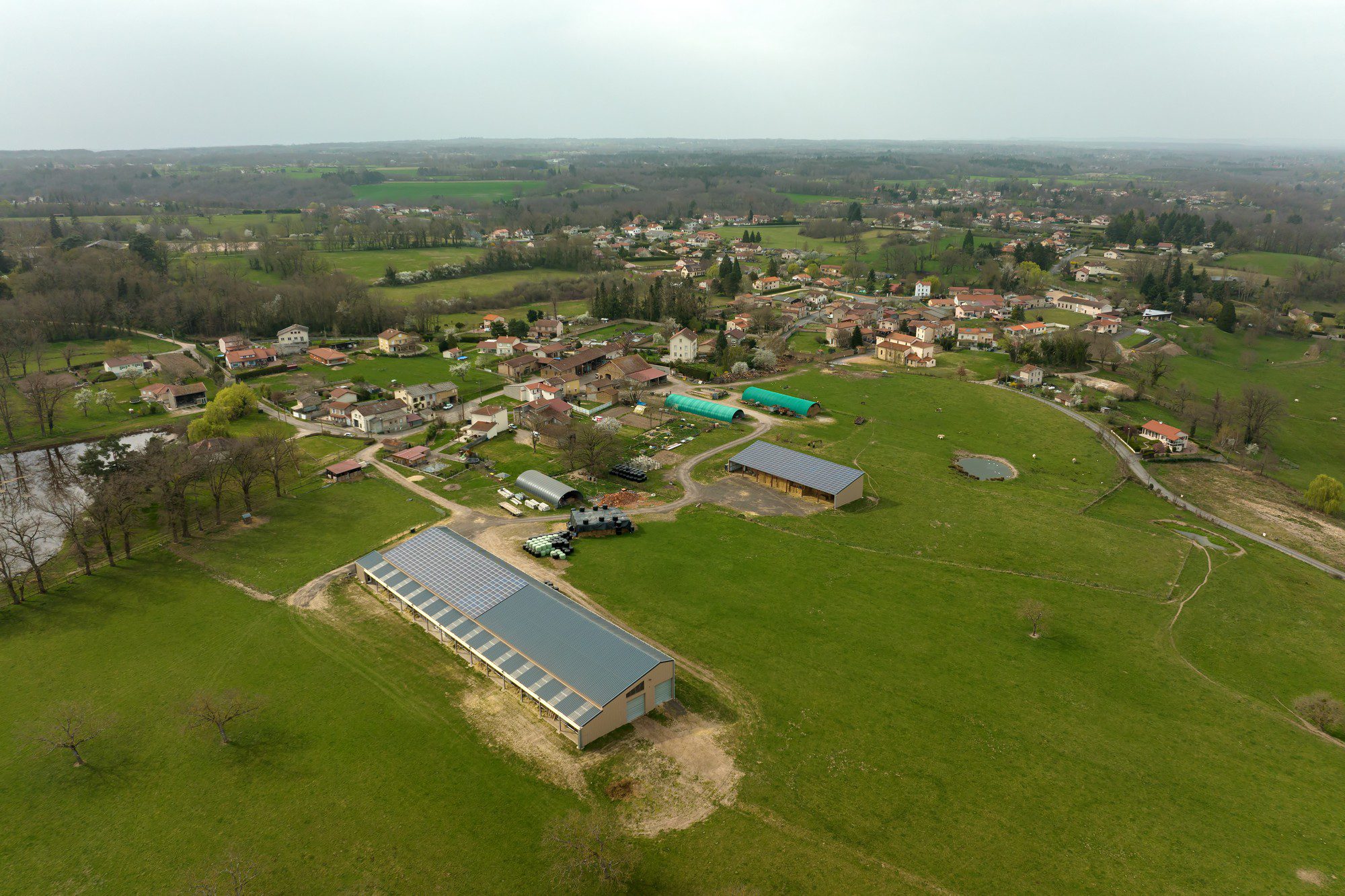
For many years, commercial solar was viewed as something reserved for multinational companies with vast premises and equally vast budgets. Images of sprawling solar farms and enormous warehouse rooftops covered in panels helped create the impression that solar energy was beyond the reach of smaller organisations.

Today, however, that perception is increasingly outdated.

Advances in technology, falling equipment costs and rising energy prices have transformed the commercial solar market. Businesses of all sizes are now exploring renewable energy as a practical way to reduce operating costs, improve sustainability and gain greater control over their energy consumption.

Whether you run a small office in Bournemouth, a retail unit in Poole, a farm in rural Dorset or a manufacturing facility in Christchurch, commercial solar may be far more accessible than you think.

No, commercial solar is not only for large corporations. Modern commercial solar systems can be designed for businesses of almost any size, from small offices and shops to schools, farms and industrial facilities. Falling installation costs, attractive returns on investment and flexible finance options have made commercial solar a viable solution for organisations across Dorset and the wider United Kingdom.

broadstone commercial

Why Many Businesses Think Commercial Solar Is Only for Large Corporations

The belief that commercial solar is reserved for large organisations stems from the early days of solar adoption.

Historically, solar technology was considerably more expensive than it is today. Installation costs were often prohibitive for smaller businesses, and the technology itself was less efficient. As a result, large corporations with significant capital resources were among the first to invest.

There is also a misconception that businesses require enormous roofs or extensive land holdings to generate meaningful savings. While larger installations naturally produce more electricity, smaller systems can still deliver substantial financial and environmental benefits.

The reality is that commercial solar has evolved significantly over the past decade, opening the door to a much broader range of organisations.

The Evolution of Commercial Solar in the UK

The commercial solar sector has matured rapidly throughout the United Kingdom.

Solar panel efficiency has improved considerably, allowing businesses to generate more electricity from a smaller installation footprint. At the same time, installation costs have fallen dramatically, making renewable energy increasingly accessible.

Energy prices have also become a major factor in driving adoption. Many organisations have experienced significant increases in operational costs due to fluctuating electricity prices. Commercial solar offers an opportunity to reduce reliance on the grid while creating greater financial certainty.

As environmental considerations become increasingly important, businesses are also recognising the value of demonstrating a commitment to sustainability. Customers, investors and stakeholders are placing greater emphasis on responsible business practices, and renewable energy plays an important role in achieving those objectives.

pro drainage commercial

Can Small and Medium Sized Businesses Benefit from Commercial Solar?

Absolutely.

Small and medium sized enterprises often stand to gain significantly from commercial solar installations because energy costs typically represent a notable portion of their overheads.

Benefits include:

  • Lower electricity bills
  • Reduced exposure to rising energy prices
  • Improved cash flow over time
  • Enhanced environmental credentials
  • Potential increases in property value
  • Greater energy independence

A modest office building, independent retailer or local hospitality venue may not require a large scale installation to achieve meaningful savings.

Commercial solar systems are designed around actual energy consumption, available roof space and business objectives. This means installations can be tailored to suit the specific needs of each organisation.

What Types of Businesses Are Suitable for Commercial Solar?

One of the greatest strengths of commercial solar is its versatility.

Many different sectors can benefit, including:

Offices

Office buildings often consume significant amounts of electricity during daylight hours when solar panels are generating power most effectively.

Retail Premises

Shops and retail units can offset a large proportion of their daytime electricity usage through commercial solar panels.

Warehouses

Large roof areas make warehouses particularly well suited to solar installations.

Farms

Agricultural businesses frequently have extensive roof space and substantial energy demands, making solar a highly attractive investment.

Manufacturing Facilities

Manufacturers can reduce operational costs while supporting sustainability objectives.

Schools and Educational Buildings

Educational institutions often seek long term cost savings and environmental leadership, making commercial solar a natural fit.

Hotels and Hospitality Venues

Hotels, restaurants and leisure facilities often operate throughout the day and can make excellent use of solar generated electricity.

How Much Roof Space Is Actually Needed?

Many businesses assume they lack sufficient space for a commercial solar installation.

In reality, modern solar technology is remarkably flexible.

The amount of roof space required depends on factors such as:

  • Current electricity usage
  • Desired level of energy generation
  • Roof orientation
  • Roof condition
  • Available sunlight exposure

Even relatively modest commercial premises can often accommodate a system capable of generating meaningful savings.

A professional assessment can determine the most effective configuration based on your building and energy requirements.

Understanding Commercial Solar Costs and Return on Investment

The cost of commercial solar installation varies according to system size, site requirements and energy objectives.

While every project is unique, many businesses achieve a return on investment within a relatively attractive timeframe.

Key factors influencing return include:

  • Electricity usage patterns
  • Energy prices
  • System size
  • Available incentives
  • Battery storage integration

Unlike many business expenditures, solar panels continue generating value year after year. Once installed, they can provide decades of electricity generation with relatively low maintenance requirements.

For many Dorset businesses, the long term savings can significantly outweigh the initial investment.

Financing Options Available to Businesses

A common misconception is that businesses must pay the entire installation cost upfront.

In practice, several financing options may be available.

These can include:

  • Asset finance
  • Commercial loans
  • Leasing arrangements
  • Power purchase agreements
  • Bespoke commercial funding solutions

Such options can help organisations begin benefiting from solar energy while preserving working capital.

A tailored financial assessment can identify the most suitable approach based on individual business circumstances.

The Role of Commercial Battery Storage

Battery storage is becoming an increasingly important component of commercial renewable energy systems.

While solar panels generate electricity during daylight hours, batteries allow businesses to store excess energy for later use.

This can significantly improve self consumption rates and increase overall savings.

Solutions such as the Tesla Powerwall and advanced Qcells Battery systems are helping businesses maximise the value of their renewable energy investment.

Benefits of commercial battery storage include:

  • Greater energy independence
  • Reduced grid reliance
  • Improved resilience
  • Enhanced return on investment
  • Better utilisation of solar generated electricity

As battery technology continues to improve, storage is becoming an increasingly attractive addition to commercial solar installations.

Common Myths About Commercial Solar

Myth One: It Is Only for Large Corporations

This is perhaps the most persistent misconception. Businesses of many sizes are successfully adopting commercial solar across the UK.

Myth Two: The Installation Cost Is Too High

Costs have reduced significantly over the past decade, while financing options have expanded.

Myth Three: Solar Panels Do Not Work in Britain

Modern solar technology performs effectively throughout the UK, including Dorset.

Myth Four: Solar Requires Constant Maintenance

Commercial solar systems are generally low maintenance and highly reliable.

Myth Five: Savings Are Minimal

Many businesses achieve substantial long term reductions in electricity expenditure.

Commercial Solar Success Opportunities for Dorset Businesses

Businesses across Dorset are uniquely positioned to benefit from renewable energy investment.

Whether considering Solar Panels Bournemouth, Solar Panels Poole or Solar Panels Christchurch, local organisations face many of the same challenges, including rising energy costs and increasing sustainability expectations.

Commercial solar offers a practical solution to both.

From agricultural enterprises in rural Dorset to hospitality venues along the coast, businesses are discovering that renewable energy can provide measurable financial and environmental advantages.

As energy markets continue to evolve, organisations that invest in solar today may place themselves in a stronger position for the future.

Why Trust Save Energy UK?

Choosing the right commercial solar partner is just as important as choosing the right technology.

Save Energy UK provides tailored renewable energy solutions designed around the unique requirements of each client.

Businesses choose Save Energy UK because of:

  • Extensive industry knowledge
  • Professional installation standards
  • Bespoke commercial solar designs
  • Expertise in battery storage solutions
  • Commitment to customer satisfaction
  • Strong understanding of local Dorset requirements

Every project begins with a detailed assessment to ensure businesses receive a solution that aligns with their operational objectives and long term goals.

Frequently Asked Questions

Is commercial solar suitable for small businesses?

Yes. Commercial solar systems can be tailored to businesses of virtually any size.

How long do commercial solar panels last?

Most commercial solar panels are designed to operate effectively for 25 years or more.

Can solar panels reduce business energy bills?

Yes. Many businesses experience significant reductions in electricity costs after installation.

Do solar panels work during winter?

Yes. Solar panels continue generating electricity throughout the year, although output naturally varies with weather conditions and daylight hours.

Conclusion

Commercial solar is no longer the exclusive domain of large corporations. Advances in technology, falling costs and growing energy demands have made solar power a practical and financially attractive solution for organisations of all sizes.

Whether you operate a small office, a retail premises, a farm, a warehouse or a larger commercial facility, solar energy has the potential to reduce operating costs, improve sustainability and strengthen long term resilience.

If you are considering commercial solar for your business, contact Save Energy UK today for a free consultation and site assessment. Our team can help you explore the most effective solution for your property, energy usage and future ambitions.

What Happens If a Commercial Solar System Generates Excess Energy?

Renewable Energy

As more businesses across Dorset and Bournemouth invest in renewable energy, one question arises time and again. What actually happens when a commercial solar system produces more energy than a business can use?

At first glance, it might seem like a problem. After all, unused electricity sounds like wasted potential. In reality, excess solar panel energy can be one of the most valuable aspects of a commercial solar system when managed correctly.

This guide explores how excess energy works, what your options are, and how businesses can turn surplus solar generation into a financial and operational advantage.

Understanding Excess Energy in a Commercial Solar System

A commercial solar system is designed to generate electricity during daylight hours, often producing the most energy when the sun is at its strongest. For many businesses, this peak generation does not always align perfectly with energy usage.

Excess energy occurs when:

  • Your solar panels produce more electricity than your business consumes at that moment
  • Operations are reduced, such as during weekends or holidays
  • Energy efficiency improvements lower overall demand

Rather than going to waste, this surplus solar panel energy can be redirected in several beneficial ways.

Exporting Excess Solar Panel Energy to the Grid

One of the most common outcomes for excess energy is exporting it back to the National Grid.

In the United Kingdom, this is supported through the Smart Export Guarantee, often referred to as SEG. This scheme allows businesses to receive payment for the electricity they export.

How the Smart Export Guarantee Works

Under SEG:

  • Your energy supplier pays you for each unit of electricity exported
  • Rates vary depending on the supplier and contract
  • Payments are typically measured using a smart meter

For Dorset businesses, this means your commercial solar system can continue to deliver value even when your building is not actively using electricity.

Financial Benefits of Exporting Energy

Exporting excess solar panel energy can:

  • Create an additional revenue stream
  • Improve the return on investment of your system
  • Offset the overall cost of installation

While export rates are generally lower than the cost of buying electricity, they still provide a meaningful financial contribution over time.

Storing Excess Energy with Battery Systems

Another increasingly popular option is storing surplus energy using commercial battery storage systems.

Rather than sending excess electricity to the grid immediately, battery storage allows you to retain that energy for later use.

Why Battery Storage Makes Sense for Businesses

For many companies in Bournemouth and Dorset, battery storage offers several advantages:

  • Energy independence
    Stored energy can be used during evenings or periods of low sunlight
  • Reduced reliance on the grid
    Lower exposure to rising energy prices
  • Improved efficiency
    Maximises the use of your own solar panel energy
  • Backup power
    Provides resilience during power outages

Using Excess Energy On Site

In some cases, the most efficient solution is simply to increase on site usage of your solar panel energy.

This might involve:

  • Shifting energy intensive tasks to daylight hours
  • Charging electric vehicles during the day
  • Running machinery or systems when solar generation is highest

Businesses that align their operations with solar production can significantly improve overall efficiency and savings.

commercial solar panel

Maximising the Value of Excess Energy

A well designed commercial solar system should not only generate electricity but also ensure that excess energy is used as effectively as possible.

Here are some key strategies used by forward thinking businesses:

1. Smart Energy Management Systems

Modern systems can automatically:

  • Monitor generation and consumption
  • Redirect energy where it is needed most
  • Optimise storage and export decisions

2. Load Shifting

By adjusting when energy is used, businesses can:

  • Reduce waste
  • Increase self consumption
  • Lower reliance on exported energy

3. Scalable Battery Solutions

Battery storage can be expanded over time, allowing businesses to adapt as energy needs change.

The Financial Impact of Excess Energy

One of the most compelling reasons to invest in a commercial solar system is the long term financial benefit.

Key Financial Advantages

  • Lower electricity bills
  • Income from exported energy
  • Protection against rising energy costs
  • Increased property value

According to industry data, businesses in the United Kingdom can reduce their electricity costs by a significant margin through solar adoption, particularly when combined with battery storage.

The ability to monetise excess energy further strengthens the business case.

Environmental Benefits

Beyond financial gains, managing excess solar panel energy effectively contributes to sustainability goals.

By exporting clean energy or using stored solar power, businesses can:

  • Reduce carbon emissions
  • Lower reliance on fossil fuels
  • Support the transition to a greener energy grid

For companies in Dorset and Bournemouth, this also enhances brand reputation and demonstrates a commitment to environmental responsibility.

commercial solar installation dorset

Is Excess Energy a Problem or an Opportunity?

It is easy to assume that generating too much electricity could be inefficient. In reality, excess energy is a clear sign that your commercial solar system is performing well.

With the right setup, surplus energy becomes:

  • A source of income
  • A tool for energy independence
  • A way to future proof your business

The key lies in how that energy is managed.

Why Work with Save Energy UK?

Choosing the right partner is essential when installing a commercial solar system.

Save Energy UK works with businesses across Dorset and Bournemouth to design tailored solar solutions that maximise both performance and return on investment.

Their approach includes:

  • Careful system sizing to balance generation and demand
  • Integration of battery storage where appropriate
  • Guidance on export schemes such as SEG
  • Ongoing support to ensure optimal performance

By focusing on long term value rather than short term gains, Save Energy UK helps businesses make the most of every unit of solar panel energy produced.

Conclusion

Excess energy from a commercial solar system is not something to worry about. It is an opportunity.

Whether you choose to export it to the grid, store it for later use, or optimise your operations to consume more of it, surplus solar energy can deliver real financial and environmental benefits.

For businesses in Dorset and Bournemouth, investing in commercial solar is not just about reducing bills. It is about taking control of energy usage, improving sustainability, and unlocking long term value.

If you are considering a commercial solar system or want to make better use of the energy you generate, Save Energy UK is ready to help.

Call to Action

Get in touch with Save Energy UK today to discuss your commercial solar needs. Whether you are exploring installation or looking to enhance an existing system with battery storage, their team can provide expert guidance tailored to your business.

Request a quote or book a consultation and start making the most of your solar panel energy.

How Do Large Scale Solar Systems Distribute Energy Across a Site?

Long Term Solution

As energy costs continue to rise and sustainability becomes a central concern for businesses across Dorset, many organisations are turning to large scale solar systems as a long term solution. While the concept of generating electricity from sunlight is widely understood, the way that energy is distributed across a commercial site is often less clear.

Understanding how a large scale solar system works, particularly how it distributes energy efficiently, can help businesses make informed decisions about their energy strategy. From warehouses in Poole to industrial units in Bournemouth and commercial premises in Christchurch, the principles remain consistent, yet the impact can be transformative.

What Is a Large Scale Solar System

A large scale solar system is designed to generate substantial amounts of electricity for commercial or industrial use. Unlike residential systems, these installations are tailored to meet higher energy demands and often include advanced components such as battery storage and intelligent energy management systems.

For businesses in Dorset, this means the ability to produce clean electricity on site, reduce reliance on the national grid, and gain greater control over energy consumption.

How Energy Is Generated on Site

At the heart of any solar installation are photovoltaic panels. These panels capture sunlight and convert it into direct current electricity. On a commercial site, hundreds or even thousands of panels may be installed across rooftops or open land to maximise generation.

The amount of electricity produced depends on several factors, including system size, orientation, and local weather conditions. In the United Kingdom, solar power remains highly effective despite the climate, with modern systems capable of generating significant output throughout the year.

The Role of Inverters in Energy Conversion

Once electricity is generated, it cannot yet be used by most commercial equipment. This is where inverters play a crucial role. They convert direct current into alternating current, which is the form of electricity used across business premises.

In larger systems, multiple inverters are often used to manage different sections of the installation. This improves efficiency and ensures that if one part of the system underperforms, the rest can continue operating effectively.

Distributing Energy Across the Site

After conversion, electricity is fed into the site’s internal distribution network. This is where the real intelligence of a large scale solar system becomes apparent.

Energy is directed to where it is needed most, whether that is machinery, lighting, office equipment, or specialised industrial processes. Advanced systems prioritise on site consumption, ensuring that the electricity generated is used as efficiently as possible before any surplus is exported.
For example, a manufacturing facility in Bournemouth might use solar energy during peak production hours, significantly reducing its reliance on grid electricity during the most expensive periods of the day.

Integrating Battery Storage for Greater Control

Battery storage is becoming an increasingly important component of commercial solar systems. Solutions such as Tesla and Growatt batteries allow businesses to store excess energy generated during the day and use it later when demand is higher or sunlight is limited.

This is particularly valuable for sites that operate beyond daylight hours. A logistics centre in Poole, for instance, may continue running into the evening, drawing on stored solar energy rather than purchasing electricity at higher evening tariffs.

Battery storage also provides resilience. In the event of fluctuations in supply or rising energy costs, businesses can rely more heavily on their own stored power.

Grid Connection and Exporting Excess Energy

Even with efficient on site use and battery storage, there are times when a solar system generates more electricity than a business requires. In these cases, the excess energy can be exported back to the national grid.
Through schemes available in the United Kingdom, businesses may receive payment for this exported energy, creating an additional financial benefit. This not only improves the return on investment but also contributes to a more sustainable national energy system.

solar energy solutions

Load Balancing and Energy Efficiency

One of the most sophisticated aspects of a large scale solar system is load balancing. This refers to the ability to match energy supply with demand across different parts of a site.

Smart energy management systems monitor usage in real time and adjust distribution accordingly. If one area of a site requires more power, energy can be redirected without disruption. This ensures optimal efficiency and minimises waste.

According to UK energy data, businesses that implement intelligent energy management alongside solar generation can reduce overall energy costs by a significant margin. This is particularly relevant in energy intensive sectors such as manufacturing, logistics, and food production.

Real World Applications Across Dorset

Across Dorset and surrounding areas, large scale solar systems are already delivering measurable results.
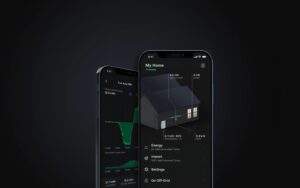
A commercial warehouse in Christchurch might use solar panels to power lighting and automated systems throughout the day, while storing excess energy for evening operations. Meanwhile, an industrial facility in Bournemouth could integrate solar with battery storage to stabilise energy costs and protect against market volatility.
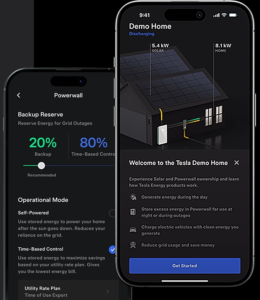
These examples demonstrate that solar is not simply an environmental choice, but a strategic business decision.

commercial solar panel

Why Businesses Are Choosing Solar

There are several compelling reasons why commercial organisations are investing in large scale solar systems.

Reducing operational costs is often the primary driver. By generating electricity on site, businesses can significantly lower their energy bills and protect themselves from future price increases.

Sustainability is another key factor. With increasing pressure to reduce carbon emissions, solar energy provides a practical and visible way to meet environmental targets.

Finally, energy independence offers long term security. By relying less on external suppliers, businesses gain greater control over their operations and financial planning.

Supporting Your Solar Journey

For businesses in Dorset, navigating the transition to solar energy can seem complex. From system design to installation and ongoing optimisation, each stage requires careful planning and expertise.

Save Energy UK works closely with commercial clients to develop tailored solutions that meet specific energy needs. Whether you are exploring solar for the first time or looking to expand an existing system, having the right guidance can make all the difference.

Frequently Asked Questions

How does a large scale solar system supply power across a site

A large scale solar system generates electricity through panels, converts it using inverters, and distributes it through the site’s electrical network, prioritising on site usage before exporting any surplus.

Can solar energy be stored for later use

Yes, battery storage systems such as Tesla and Growatt allow businesses to store excess energy and use it when needed, improving efficiency and reducing reliance on the grid.

Is solar energy reliable in the United Kingdom

Modern solar systems are highly efficient and can generate significant electricity even in the UK climate, particularly when combined with battery storage and smart energy management.

What are the financial benefits of commercial solar

Businesses can reduce energy bills, earn from exporting excess energy, and protect themselves from rising electricity costs over time.

What Factors Reduce the Performance of Commercial Solar Panels

Introduction

For businesses across Dorset, the South Coast, and the Midlands, investing in commercial solar panels is a smart move towards reducing energy costs and improving sustainability. However, like any system, solar panels do not always operate at peak performance. A range of factors can affect their efficiency, sometimes significantly, if not properly managed.

Understanding what reduces the performance of commercial solar panels is essential for protecting your investment and ensuring long term returns. In this guide, we explore the key issues that can impact performance and, more importantly, what can be done to prevent them.

Shading and Obstructions

One of the most common causes of reduced solar panel performance is shading. Even partial shading from nearby buildings, trees, or rooftop equipment can have a disproportionate impact on energy output.

Solar panels are typically connected in strings, meaning that if one panel is shaded, it can reduce the performance of the entire system. Studies suggest that shading can reduce output by as much as 20 to 50 percent, depending on severity.

To minimise this risk, professional system design is crucial. Panels should be positioned to maximise sun exposure throughout the day. In some cases, technologies such as optimisers or microinverters can help mitigate the impact of shading.

Dirt, Debris, and Lack of Cleaning

Over time, solar panels accumulate dirt, dust, bird droppings, and other debris. This layer can block sunlight and reduce the system’s ability to generate electricity.

Research indicates that dirty panels can lose between 5 and 25 percent of their efficiency, depending on environmental conditions. In coastal regions such as the South Coast, salt deposits can further exacerbate the issue.

Regular cleaning is therefore essential. While rainfall can help to some extent, it is rarely sufficient for commercial systems. Scheduled maintenance ensures panels remain clean and operating efficiently.

Weather and Environmental Conditions

The British climate presents its own challenges for solar panel performance. While solar panels do not require direct sunlight to function, prolonged periods of cloud cover will naturally reduce output.

Temperature also plays a role. Contrary to common belief, excessive heat can decrease efficiency. Most panels operate optimally at around 25 degrees Celsius, with performance declining as temperatures rise beyond this point.

Additionally, factors such as heavy rainfall, snow, and high winds can temporarily affect performance or even cause physical damage if systems are not properly installed.

A well designed system takes local environmental conditions into account, ensuring durability and consistent performance throughout the year.

Poor System Design and Installation

The quality of the initial design and installation has a profound impact on long term performance. Poorly positioned panels, incorrect tilt angles, or substandard components can all limit efficiency from the outset.

In some cases, systems are undersized or incorrectly configured, preventing businesses from achieving their full energy saving potential. According to industry data, poorly designed systems can result in efficiency losses of 10 to 30 percent.

Working with experienced professionals ensures that every aspect of the system is optimised, from panel placement to electrical configuration.

Learn more about our commercial solar services.

Panel Degradation Over Time

All solar panels experience gradual degradation. On average, panels lose around 0.5 percent of their efficiency each year. Over a 25 year lifespan, this can equate to a reduction of approximately 10 to 15 percent in overall performance.

While this decline is inevitable, high quality panels degrade more slowly and maintain better performance over time. Investing in reputable products and ensuring proper installation can significantly reduce the rate of degradation.

Routine monitoring can also help identify underperforming panels early, allowing for timely intervention.

broadstone commercial

Electrical and Inverter Issues

The inverter is a critical component of any solar system, converting the electricity generated by panels into usable power. If the inverter fails or operates inefficiently, the entire system’s performance is affected.

Inverters typically have a shorter lifespan than panels, often lasting between 10 and 15 years. Faulty wiring, loose connections, or electrical imbalances can also lead to reduced output.

Regular system checks and timely replacement of ageing components are essential to maintaining optimal performance.

Lack of Maintenance

Perhaps the most overlooked factor is simple neglect. Without regular maintenance, minor issues can escalate into significant performance losses.

A well maintained system can operate at near optimal efficiency for decades, while a neglected one may suffer from compounding issues such as dirt build up, undetected faults, and reduced output.

Professional maintenance services typically include cleaning, performance monitoring, and system inspections, all of which are vital for long term reliability.

The Importance of Proactive Management

Businesses that actively manage their solar systems consistently achieve better returns. Monitoring performance data allows for early detection of issues, while scheduled maintenance ensures that systems continue to operate efficiently.

In many cases, proactive management can recover lost efficiency and extend the lifespan of the system, delivering greater value over time.

Frequently Asked Questions

How much efficiency can commercial solar panels lose over time?

Most solar panels lose around 0.5 percent efficiency per year. Over 25 years, this typically results in a total reduction of 10 to 15 percent.

Do commercial solar panels need regular cleaning?

Yes, especially in areas with high levels of dust, pollution, or coastal salt. Regular cleaning can improve efficiency by up to 20 percent.

Can shading really affect the entire system?

Yes, in traditional string systems, shading on one panel can reduce the performance of the entire string.

How often should a commercial solar system be maintained?

It is recommended to have a professional inspection at least once a year, along with periodic cleaning depending on environmental conditions.

What is the lifespan of a commercial solar inverter?

Most inverters last between 10 and 15 years and may need replacing during the system’s lifetime.

Conclusion

Commercial solar panels remain one of the most effective ways for businesses to reduce energy costs and carbon emissions. However, their performance is not immune to external and internal factors.

From shading and dirt to system design and maintenance, each element plays a role in determining overall efficiency. By understanding these factors and taking proactive steps to address them, businesses across Dorset, the South Coast, and the Midlands can ensure their systems perform at their best for years to come.

Get Expert Help from Save Energy UK

If you want to maximise the performance of your commercial solar panels, expert guidance makes all the difference. At Save Energy UK, we specialise in designing, installing, and maintaining high performance solar systems tailored to your business needs.

Do not let avoidable issues reduce your return on investment. Get in touch today to request a quote or book a consultation and discover how we can help your business generate smarter, more efficient energy.

Is Commercial Solar the Easiest Way to Reduce Scope 2 Emissions?

Scope 2 Emissions

For many businesses across Dorset, sustainability is no longer a distant ambition. It has become an immediate priority shaped by rising energy costs, increasing environmental expectations, and a growing awareness of corporate responsibility. Among the many terms that surface in these discussions, Scope 2 emissions are often mentioned yet not always fully understood.

At the same time, commercial solar continues to gain attention as a practical solution. This raises a simple but important question. Is commercial solar truly the easiest way to reduce Scope 2 emissions, or is the reality more nuanced?

What Are Scope 2 Emissions?

Scope 2 emissions refer to the indirect greenhouse gas emissions that result from the generation of purchased electricity, steam, heating, or cooling consumed by a business. In simpler terms, they represent the emissions created elsewhere in order to power your operations.

If your business relies on electricity from the grid, the emissions associated with generating that electricity fall into this category. Even if your premises appear clean and efficient, the environmental impact is still present, only shifted upstream to the power station.

Understanding Scope 2 emissions is essential because, for many businesses, they account for a significant portion of their overall carbon footprint. Offices, warehouses, manufacturing facilities, and hospitality venues all depend heavily on electricity, making this area one of the most accessible opportunities for meaningful change.

Why Businesses in Dorset Should Care

Dorset presents a unique environment for businesses. It combines a strong local economy with a deep connection to the natural landscape. This balance creates both an opportunity and a responsibility.

Energy prices across the United Kingdom have remained volatile in recent years, placing pressure on operating costs. For Dorset businesses, particularly those with larger premises or energy intensive operations, electricity bills can represent a substantial and unpredictable expense.

At the same time, there is growing expectation from customers, partners, and regulators that businesses will take visible steps towards sustainability. Demonstrating a commitment to reducing emissions is no longer simply a matter of reputation. It increasingly influences purchasing decisions, investment opportunities, and long term resilience.

Reducing Scope 2 emissions therefore addresses two pressing concerns at once. It can help stabilise energy costs while also contributing to wider environmental goals.

How Commercial Solar Reduces Scope 2 Emissions

Commercial solar works by generating electricity directly on site using photovoltaic panels. Instead of drawing all power from the grid, a business produces its own renewable energy from sunlight.

This has a direct impact on Scope 2 emissions. Because solar energy is generated without burning fossil fuels, the electricity produced carries effectively zero associated emissions. Every unit of solar electricity used on site reduces the need to purchase grid electricity and therefore lowers the emissions attributed to your business.

The effect can be significant. For organisations with suitable roof space or land, solar installations can supply a meaningful proportion of daily energy demand. In some cases, they can even generate surplus energy during peak daylight hours.

Battery storage can further enhance this benefit. By storing excess solar energy for use later in the day, businesses can reduce reliance on the grid even when the sun is not shining. This leads to a more consistent reduction in Scope 2 emissions throughout the working day.

Maintenance requirements for solar systems are relatively low, which adds to their appeal. Once installed, they tend to operate quietly and efficiently with minimal intervention, making them a practical long term solution.

Funding and finance options also play a role in accessibility. Many businesses are able to spread the cost of installation over time, aligning payments with the savings generated through reduced energy bills.

commercial solar panel

Other Ways to Reduce Scope 2 Emissions

While commercial solar is often highlighted as a leading solution, it is not the only approach available. Businesses can take several steps to reduce their Scope 2 emissions, each with its own advantages.

Switching to a renewable energy tariff is one of the simplest measures. By choosing a supplier that provides electricity from renewable sources, a business can lower the emissions associated with its purchased energy. However, this does not reduce overall energy consumption or provide protection against future price increases in the same way that on site generation can.

Improving energy efficiency is another important strategy. Upgrading lighting systems, optimising heating and cooling, and investing in energy efficient equipment can all reduce electricity usage. This approach addresses the root cause by lowering demand, although it may require ongoing monitoring and periodic upgrades.

Power purchase agreements can also be considered. These involve buying electricity directly from renewable energy projects. While they can support the transition to cleaner energy, they are often more complex to arrange and may not be suitable for smaller businesses.

Each of these options contributes to reducing Scope 2 emissions, yet they differ in terms of control, cost, and long term impact.

Is Solar the Easiest Option?

The question of whether commercial solar is the easiest option depends on how ease is defined. If ease refers to simplicity of concept, solar is straightforward. It involves generating clean electricity on site and using it to power your operations.

If ease is measured in terms of implementation, there are factors to consider. Installation requires an initial assessment of the site, planning, and investment. Not every building will be equally suitable, although many commercial properties in Dorset offer favourable conditions.

However, when viewed over the longer term, solar often becomes one of the more manageable solutions. Once installed, it operates with minimal oversight. It reduces exposure to fluctuating energy prices and delivers consistent environmental benefits without requiring ongoing behavioural changes from staff.

In comparison, measures such as energy efficiency improvements may require continuous attention and adjustments. Renewable tariffs, while simple to adopt, do not provide the same level of independence or cost control.

Solar therefore occupies an interesting position. It may not be the easiest step to initiate, but it is often one of the easiest to live with once in place.

A Balanced Perspective for Dorset Businesses

For businesses in Dorset, the decision to adopt commercial solar should be considered within a broader strategy. Reducing Scope 2 emissions is not about choosing a single solution in isolation. It is about combining approaches in a way that aligns with operational needs and long term goals.

Solar can form a central pillar of this strategy. It offers a tangible and visible commitment to sustainability while also delivering practical benefits. When paired with energy efficiency measures and thoughtful energy management, it can significantly reduce both emissions and costs.

The local context also matters. Dorset enjoys a reasonable level of sunlight throughout the year, making solar a viable option for many sites. The presence of supportive infrastructure and expertise further strengthens its appeal.

Conclusion

Reducing Scope 2 emissions is an important step for any business seeking to operate more sustainably. It addresses the environmental impact of electricity use while also offering opportunities for greater energy independence.

Commercial solar stands out as a compelling option. It provides a direct and measurable way to cut emissions by generating clean energy on site. Although it requires initial planning and investment, its long term simplicity and reliability make it an attractive choice for many Dorset businesses.

That said, it is not the only path available. A thoughtful combination of renewable sourcing, efficiency improvements, and energy management will often deliver the best results.

For those considering their next step, it may be worth exploring how solar could fit into a wider strategy. A conversation or site assessment can provide valuable insight into what is possible and what would make the most sense for your specific circumstances.