Over 20 years as your solar system specialists
"We pride ourselves on good products, good pricing and good backup service"
Tel: 01202 986262
Supporting  

What’s the Difference Between AC Coupled and DC Coupled Batteries for Home Solar?

DC Coupled Batteries

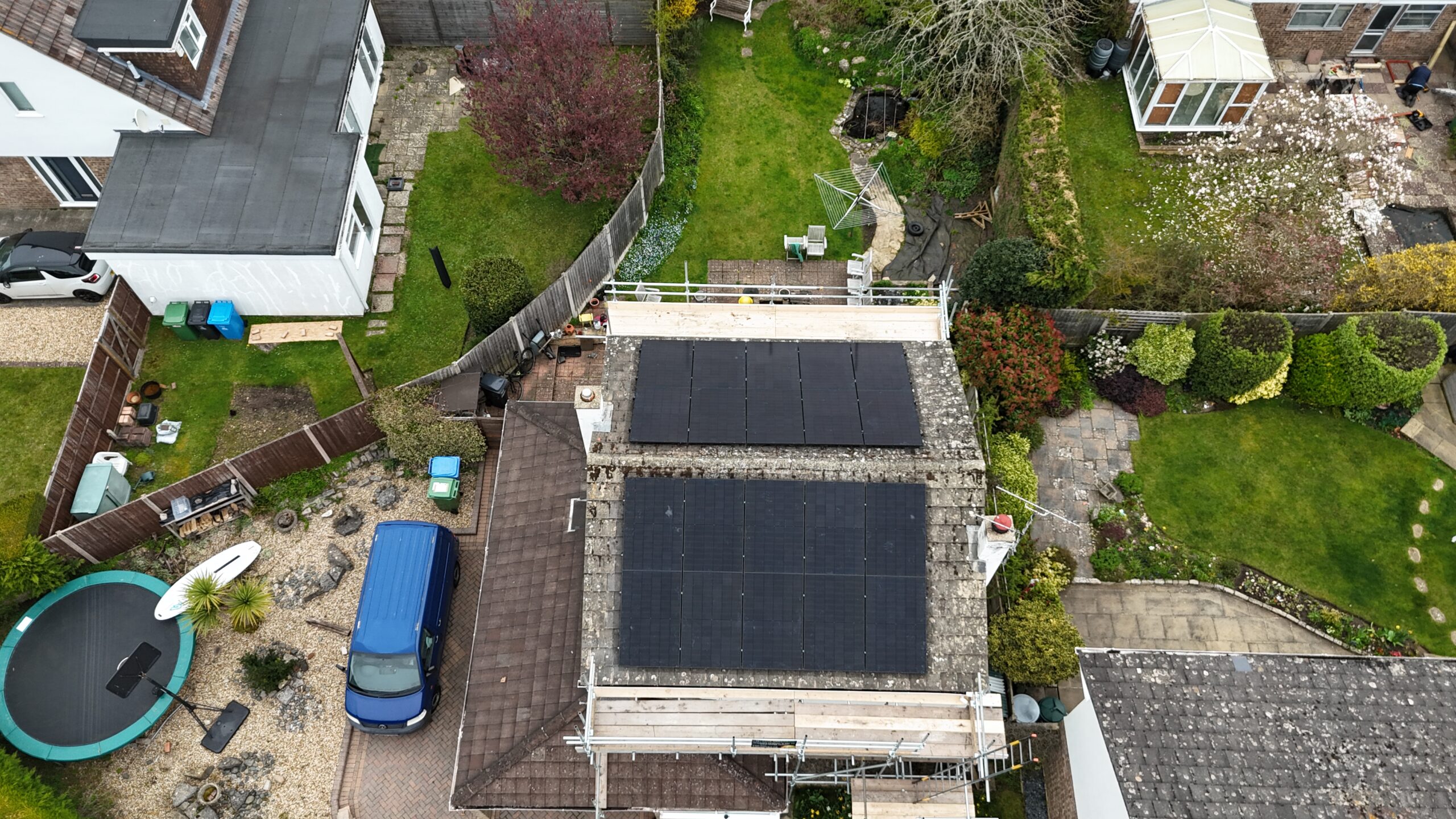
As more homeowners across Dorset and the South Coast look for ways to save electricity and improve long term energy efficiency, solar batteries have become an increasingly important part of the conversation. If you already have solar panels on a home, or you are planning a new solar panels install, you may have come across two common options for battery storage. These are AC coupled batteries and DC coupled batteries.

While the terms can sound technical, the difference between them is easier to understand than many people expect. Choosing the right option can affect performance, efficiency, installation cost and how well your system supports your home in the years ahead. This guide explains the differences clearly and carefully, with enough technical depth to be useful, but without unnecessary jargon.
eco flow

Understanding how solar energy and batteries work together

Solar panels generate electricity in the form of direct current, often referred to as DC. Homes and businesses use alternating current, known as AC. An inverter is needed to convert the electricity into a usable form for everyday appliances.

A solar battery stores excess energy generated during the day so it can be used later in the evening or during periods of low sunlight. The key difference between AC coupled and DC coupled batteries lies in where and how this energy conversion takes place.

What is an AC coupled battery system?

An AC coupled battery connects to your home on the AC side of the system. In simple terms, the electricity generated by your solar panels is first converted from DC to AC by the solar inverter. If there is surplus energy, it is then converted back into DC by the battery inverter so it can be stored. When the battery supplies power to your home, the energy is converted once again into AC.

This may sound inefficient at first, but modern systems are well engineered and losses are usually modest.

AC coupled batteries are often chosen for homes that already have solar panels installed. They can be added without replacing the existing inverter, which makes them a flexible option for retrofitting battery storage.
When AC coupled batteries work best

AC coupled systems are particularly well suited to homeowners who want to upgrade an existing solar panel installation. They also suit properties where future expansion is likely, as additional batteries can often be added more easily.

They are commonly used in both domestic and commercial solar projects across the UK, especially where flexibility and compatibility are priorities.

What is a DC coupled battery system?

A DC coupled battery connects directly to the solar panels before the inverter. This means that electricity from the panels is stored in the battery as DC power without being converted first. When the energy is needed in the home, it passes through a single inverter to become AC.

Because there are fewer conversion steps, DC coupled batteries are generally more efficient at storing energy. This can result in slightly higher usable output over time.

DC coupled systems are most commonly installed as part of a new solar panels installation, where the battery and inverter are designed to work together from the outset.

When DC coupled batteries work best

DC coupled batteries are an excellent choice for new installations where efficiency is a key concern. They are often favoured by homeowners who want a clean and integrated system with strong long term performance.

They can also be well suited to larger systems and some commercial solar installation projects, particularly where maximum energy capture is important.
Comparing AC coupled and DC coupled batteries

To decide which option is right for your home, it helps to compare the two approaches across a few important areas.

Efficiency

DC coupled systems are generally more efficient because electricity is converted fewer times. Over the lifespan of a battery, this can add up to meaningful savings.

AC coupled systems involve more conversions, but modern inverters are highly efficient, so the difference is often smaller than expected in real world use.

Installation and compatibility

AC coupled batteries are easier to add to existing systems. If you already have solar panels on a home and do not want to replace your inverter, this option can be more practical.

DC coupled batteries are usually installed alongside new solar panels and often require a compatible hybrid inverter. This makes them less flexible for retrofits but very effective for new builds.

Cost considerations

Solar panel cost and battery pricing depend on many factors, including system size and property layout. AC coupled batteries can sometimes be more expensive overall due to additional hardware, but installation may be simpler.

DC coupled systems can offer better value in new installations, as components are designed to work together. Over time, improved efficiency can also support better returns.

Future proofing

If you expect to expand your system later, such as adding more solar panels or increasing battery capacity, AC coupled systems often offer greater flexibility.

DC coupled systems can still be expanded, but this usually needs careful planning at the design stage.

Which battery type is best for homes in Dorset and the South Coast?

There is no single answer that suits every property. Homes with existing solar panels often benefit from AC coupled batteries due to ease of installation. New solar energy UK installations may lean towards DC coupled systems for efficiency and simplicity.

Local factors such as roof space, electricity usage patterns and long term energy goals all play a role. Working with an experienced installer who understands both domestic and commercial solar systems can help ensure the right choice is made.

How solar batteries support energy efficiency solutions

Solar batteries allow households to use more of the energy they generate, rather than exporting it back to the grid. This supports wider energy efficiency solutions and reduces reliance on rising electricity prices.

Whether paired with AC or DC coupling, solar batteries are a powerful way to save electricity and make better use of solar panels installed on your property.
Frequently asked questions

How long do solar batteries last?

Most modern solar batteries last between ten and fifteen years. Performance depends on usage patterns, system design and battery quality.

Can I add a battery to my existing solar panels?

Yes. In many cases an AC coupled battery can be added to an existing solar panel installation without major changes.

Are solar batteries worth the cost?

For many homeowners, solar batteries improve energy independence and reduce long term electricity bills. The value depends on how much solar energy you generate and use.

Final thoughts

Understanding the difference between AC coupled and DC coupled batteries helps you make a confident decision about your solar investment. Both options can play an important role in improving efficiency, reducing energy costs and supporting a more sustainable home.

If you would like friendly, expert advice tailored to your property in Dorset or along the South Coast, speaking with a local specialist can help you choose the right solar battery solution for your needs.

Are Solar Panels Allowed on Listed Buildings, and What Are the Rules?

Renewable Energy

For homeowners living in listed buildings, the idea of installing solar panels often raises an immediate and understandable question. Is it even allowed? With the growing importance of renewable energy and rising energy costs, many owners of historic properties want to do their part without falling foul of planning law or harming the character of their home.

The short answer is that solar panels can be installed on listed buildings in the UK, but they are subject to stricter controls than standard residential properties. Understanding how the rules work is essential before taking the next step.

This guide explains the regulations clearly and calmly, helping homeowners in Dorset and across the UK understand what is possible, what consent is required, and how applications are assessed.

What is a listed building?

A listed building is a property recognised by the UK government as having special architectural or historic interest. These buildings are legally protected to ensure that their character is preserved for future generations.

There are three grades of listing.

Grade I buildings are of exceptional interest and represent a very small percentage of listed properties.

Grade II star buildings are particularly important and of more than special interest.

Grade II buildings are of special interest and make up the majority of listed homes across England.

If your property is listed, it means that any changes affecting its character, both internal and external, are carefully controlled.

Are solar panels allowed on listed buildings in the UK?

Yes, solar panels can be allowed on listed buildings, but they are not automatically approved. Unlike most modern homes, listed buildings do not benefit from permitted development rights when it comes to solar installations.

This means that you will almost always need Listed Building Consent and in some cases planning permission as well. Approval depends on whether the proposed installation preserves the building’s historic character and whether the changes are considered reversible and proportionate.

Local councils are not opposed to renewable energy, even on historic buildings, but they must balance environmental benefits against heritage protection.

Planning permission and Listed Building Consent explained

One of the most common points of confusion is the difference between planning permission and Listed Building Consent.

Planning permission relates to how a development affects the wider area, including visual impact and local amenity.

Listed Building Consent focuses specifically on the building itself and whether the proposed works would alter its historic or architectural significance.

For listed buildings, Listed Building Consent is almost always required for solar panels, even if planning permission is not. Installing panels without consent is a criminal offence, so it is essential to follow the correct process.

How decisions are assessed

Local planning authorities assess applications using national planning policy alongside guidance from Historic England. Each case is judged on its own merits, but there are common considerations.

Councils will look closely at the visibility of the panels, particularly from public viewpoints. Front facing roof slopes are more likely to raise concerns than rear or hidden elevations.

They also assess whether the installation would permanently damage historic materials. Proposals that are reversible and avoid cutting or altering original features are viewed far more favourably.

The overall significance of the building plays a role as well. Higher grade listings are subject to closer scrutiny, although approval is still possible with a sensitive design.

Acceptable solar solutions for listed buildings

While traditional roof mounted panels may be challenging in some cases, there are several options that are often more acceptable.

Rear facing roof installations that are not visible from the street are commonly approved, especially on Grade II properties.

Ground mounted solar panels within the property boundary can be a strong alternative where space allows, as they avoid altering the building fabric altogether.

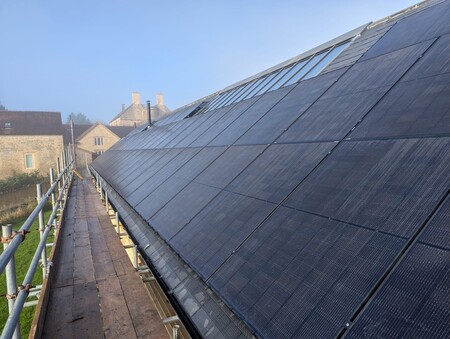
Solar slates and other heritage style systems are increasingly popular. These sit flush with the roof and closely resemble traditional materials, significantly reducing visual impact.

Each solution must still be assessed individually, but careful design dramatically improves the chances of success.

Dorset specific considerations

In Dorset, local authorities are generally supportive of renewable energy, provided heritage assets are respected. Conservation areas, coastal views, and historic streetscapes can all influence decisions.

Early engagement with both a solar specialist and the local council is strongly recommended. Many applications succeed because potential issues are identified and resolved before submission.

Common reasons applications are refused

Refusals usually occur when proposals are visually intrusive, affect prominent elevations, or involve irreversible changes to historic fabric.

Applications are also more likely to fail when insufficient detail is provided. Councils expect clear drawings, heritage statements, and an explanation of why the chosen solution is the least harmful option.

Working with an experienced installer who understands listed building consent can make a significant difference.

Frequently asked questions

Do solar panels increase the risk of refusal on listed buildings?

Not necessarily. Many applications are approved each year, particularly where panels are discreetly positioned or alternative solutions such as solar slates are used.

Can I install solar panels without permission if they are hidden?

No. Listed buildings always require Listed Building Consent, regardless of visibility.

Are solar slates easier to approve than panels?

Often yes, as they integrate more naturally with traditional roofing materials and reduce visual impact.

Does every council interpret the rules differently?

While national policy applies across England, local authorities do have discretion, which is why professional advice and local knowledge are so important.

Final thoughts

Owning a listed building does not mean you have to rule out renewable energy. With the right approach, solar panels and other low carbon solutions can be installed in a way that respects heritage while reducing energy bills and environmental impact.

If you are considering solar panels for a listed building in Dorset or elsewhere in the UK, speaking to an experienced specialist before approaching your local planning authority can save time and uncertainty. Save Energy UK offers clear, practical guidance to help homeowners understand their options and move forward with confidence.

How Much Roof Space Do I Need for a 4kW or 6kW Solar System?

Roof Space

If you are considering solar panels for your home, one of the first practical questions you are likely to ask is how much roof space you actually need. It is a sensible concern. While solar energy is an excellent way to save electricity and improve long term energy efficiency, not every roof is the same, and system size plays a significant role in determining suitability.

In this guide, we will explore how much roof space is typically required for a 4kW or 6kW solar system in the UK, what factors influence those requirements, and how to make an informed decision based on your property. The aim is to give you a clear, realistic understanding without unnecessary technical language.

Understanding Solar System Sizes

Before looking at roof space, it is helpful to understand what 4kW and 6kW solar systems actually mean.

A solar system’s size is measured in kilowatts and refers to its maximum power output under ideal conditions. A 4kW system is one of the most common choices for UK homes and is often suitable for small to medium sized households. A 6kW system is larger and typically chosen by households with higher energy use or those planning to add solar batteries or electric vehicles.

Both systems use solar panels installed on the roof to generate electricity, but the number of panels required and the space they occupy will differ.

Typical Roof Space for a 4kW Solar System

A standard 4kW solar panel installation in the UK usually requires between 10 and 12 solar panels, depending on the wattage of each panel.

Most modern residential solar panels produce between 350 and 420 watts each. Using current averages, a 4kW system will typically need:

Approximately 20 to 25 square metres of usable roof space

This space does not need to be perfectly rectangular, but it does need to be relatively unobstructed. Chimneys, skylights, vents and changes in roof direction can reduce the amount of usable area.

For many detached and semi detached homes in Dorset and across the UK, a 4kW system fits comfortably on a single roof slope.

Typical Roof Space for a 6kW Solar System

A 6kW system requires more panels and therefore more roof space. In most cases, this means around 14 to 18 solar panels.

For roof space, you should expect:

Approximately 30 to 40 square metres of usable roof space

This often means using more than one roof slope, particularly on homes with complex roof shapes. While this is still achievable for many properties, it does require a more detailed assessment to ensure optimal performance.

Larger systems are also more sensitive to shading, as even partial obstruction can affect overall output.

Factors That Affect Roof Space Requirements

While the figures above provide a useful guide, several important factors can increase or reduce how much roof space you need.

Panel Efficiency and Wattage

Higher efficiency panels produce more electricity in a smaller area. If roof space is limited, choosing higher wattage panels can allow you to install a 4kW or 6kW system using fewer panels.

This can sometimes increase the upfront solar panel cost, but it may be the best option where space is restricted.

Roof Orientation and Pitch

In the UK, south facing roofs generally provide the highest solar generation, but east and west facing roofs can still perform very well.

A steeper or shallower roof pitch can affect how panels are arranged, which in turn impacts how much space is needed. A well designed layout can often overcome these limitations, but orientation should always be considered early in the process.

Shading and Obstructions

Trees, neighbouring buildings, chimneys and dormer windows can all cast shadows that reduce performance. In some cases, panels need to be spaced differently or avoided in shaded areas, which increases the total roof space required.

A professional survey will assess shading throughout the year rather than just at one point in time.

Property Type

Detached homes generally offer the most flexibility for solar panels on a home, while terraced properties may have more limited options. That said, many terraced homes can still support a 4kW system, particularly with modern high efficiency panels.

Practical Examples

To put this into context, consider a typical three bedroom semi detached house in Dorset.

If the household uses an average amount of electricity and wants to improve energy efficiency solutions without overinvesting, a 4kW system using around 22 square metres of roof space may be ideal.

For a larger household with higher daytime energy use, or plans to install solar batteries, a 6kW system spread across two roof slopes using around 35 square metres could offer greater long term savings.

In both cases, the exact layout will depend on roof shape and orientation rather than size alone.

Solar Panels, Batteries and Future Planning

When thinking about roof space, it is wise to consider future plans. Adding solar batteries allows you to store excess energy and use it later, helping you save electricity even when the sun is not shining.

A slightly larger system can make more sense if you expect your energy use to increase, for example through electric heating or vehicle charging. Planning ahead can avoid the need for costly changes later.

What About Commercial Solar?

While this guide focuses on residential properties, the same principles apply to commercial solar installation. Businesses typically require far larger systems and roof space, but modern solar energy UK solutions are highly adaptable.

Warehouses, offices and agricultural buildings often provide excellent opportunities for commercial solar, delivering long term cost savings and improved sustainability.

Is Your Roof Suitable?

The best way to determine whether your roof can support a 4kW or 6kW solar panel installation is through a professional assessment. This considers roof size, structure, orientation, shading and your household’s energy use together rather than in isolation.

Frequently Asked Questions

Can a small roof still have solar panels installed?

Yes. High efficiency solar panels can generate significant power even on smaller roofs, making solar panels install possible for many homes that might initially seem unsuitable.

Does a 6kW system always perform better than a 4kW system?

Not necessarily. Performance depends on roof orientation, shading and how much electricity you actually use. A well matched system often delivers better value than a larger one.

Will solar panels damage my roof?

When installed correctly, solar panels protect the roof beneath them and do not cause damage. Professional installation is essential.

Are solar batteries worth it?

Solar batteries can significantly improve how much of your generated energy you use yourself, especially in the evenings. They are particularly valuable for households aiming to maximise energy independence.

Final Thoughts

Understanding how much roof space you need for solar panels is an important step in making an informed decision. While general guidelines are helpful, every home is unique, and the right solution balances space, energy use and long term goals.

If you are exploring solar energy as part of a broader approach to saving electricity and improving efficiency, expert guidance can make all the difference. Save Energy UK offers clear, honest advice and tailored assessments to help homeowners choose the system that truly fits their property and lifestyle.

If you would like to understand what is possible for your roof, a free, no obligation solar assessment can provide clarity and confidence before you take the next step.

Is it better to invest in a larger solar system or add a battery first?

Reliance on the Grid

As more homeowners across the South Coast look for ways to save electricity and reduce their reliance on the grid, solar energy has become an increasingly attractive solution. Yet once the decision to install solar panels has been made, another important question often follows. Is it better to invest in a larger solar system from the outset, or to add a solar battery first?

At Save Energy UK, we are asked this question frequently. The answer is not always straightforward, as it depends on how your household uses energy, your long term goals, and your budget. In this article, we explore both options in detail to help you make an informed and confident decision.

Understanding how solar panels work on a home

Solar panels on a home generate electricity during daylight hours, converting sunlight into usable energy for your household. Any electricity you use at the time it is generated reduces what you need to buy from the grid. If your system produces more energy than you use, the surplus is exported.

This simple principle underpins the decision between installing more panels or adding solar batteries. It all comes down to when you use electricity and how much of your solar energy you want to keep for yourself.

What does investing in a larger solar system mean?

A larger solar system typically involves installing more solar panels or higher output panels at the point of installation. This increases the amount of electricity your system can generate across the day.

The advantages of a larger solar panel installation

For households with higher daytime energy use, a larger solar panels install can be highly effective. If someone works from home, runs appliances during the day, or has an electric vehicle charging while the sun is shining, additional panels can significantly reduce reliance on the grid.

A larger system can also offer excellent long term value. Solar panel cost per unit of energy generated often decreases as system size increases, meaning you may achieve better overall efficiency from your investment. Over the lifespan of the system, this can translate into meaningful savings.

Another benefit is future proofing. Installing a larger system now can accommodate growing energy needs, such as heat pumps or electric vehicles, without needing further panel installation later.

The limitations to consider

The main limitation is that excess energy generated during the day is often exported rather than used. While export payments exist, they are usually lower than the cost of buying electricity back in the evening. If most of your energy use happens after sunset, a larger system alone may not deliver the full benefit you expect.

Roof space and orientation also matter. Not every home can accommodate additional panels, and shading or roof layout can limit how much capacity it makes sense to install.

What does adding a solar battery first involve?

Solar batteries store surplus electricity generated during the day, allowing you to use it later in the evening or at night. Rather than exporting excess energy to the grid, you keep it within your home.

The benefits of solar batteries

For many households, energy use peaks in the early morning and evening. Cooking, lighting, heating controls and entertainment systems all draw power at times when solar panels are no longer producing energy. A battery allows you to save electricity generated earlier and use it when you need it most.

This can significantly increase self consumption, meaning more of your solar energy is used directly by your household. With energy prices remaining unpredictable, this added control can be reassuring.

Solar batteries also provide flexibility. They can be added to many existing systems, allowing homeowners to upgrade gradually rather than making all decisions at once. Well known battery solutions from manufacturers such as Tesla, Growatt, Panasonic and Qcells offer reliable performance and intelligent energy management.

The considerations to weigh up

Solar batteries represent a higher upfront cost per unit of stored energy compared to solar panels. While they enhance efficiency and independence, the payback period can be longer depending on usage patterns and battery size.

It is also important to ensure that your existing solar panel installation produces enough surplus energy to charge the battery effectively. Without sufficient generation, a battery may not reach its full potential.

Which option is better for South Coast homeowners?

There is no universal answer, but patterns do emerge.

If your household uses most of its electricity during the day, a larger solar system is often the most sensible first step. You maximise direct usage of solar energy and reduce grid dependence immediately.

If your energy use is concentrated in the evenings, solar batteries can deliver greater practical benefit by shifting solar energy to when it is most valuable.

In many cases, a balanced approach works best. A well sized solar panel installation paired with the option to add a battery later offers flexibility and long term resilience. At Save Energy UK, we often design systems with this progression in mind.

A note on commercial solar

While this article focuses on homeowners, it is worth noting that similar principles apply in commercial solar installation. Businesses with high daytime energy use often benefit from larger systems, while those operating beyond daylight hours may see greater value from energy storage. For homeowners, however, the priorities tend to centre on lifestyle and comfort rather than operating hours.

Making the right choice for your home

Choosing between a larger solar system and a battery is ultimately about understanding your own energy habits. Reviewing when and how you use electricity is the most valuable starting point. From there, the right energy efficiency solutions become much clearer.

A thoughtful solar panel installation should not be rushed. It should be designed around your home, your future plans, and your desire for greater energy independence.

Frequently asked questions

Is it cheaper to add more solar panels or a battery?

Generally, adding solar panels offers a lower cost per unit of energy generated. Batteries provide greater control but come with a higher upfront investment.

Can I add a battery later if I start with solar panels?

Yes. Many homeowners choose to install solar panels first and add solar batteries later as budgets allow or energy needs change.

Final thoughts

Both options have clear merits, and neither is inherently right or wrong. The best solution is the one that aligns with how you live now and how you plan to live in the future.

If you would like tailored advice on solar energy UK solutions, we are always happy to help. A simple conversation can often clarify which path will deliver the greatest benefit for your home, your budget, and your peace of mind.

Celebrating a Successful 2025

Merry Christmas & Happy New Year from Save Energy UK

As 2025 comes to a close, all of us at Save Energy UK are reflecting on a year full of growth, achievements, and milestones in the world of solar energy. It’s been an exceptional year for our Dorset-based solar company, and we couldn’t have done it without the support of our customers, partners and amazing team.

This year, we proudly surpassed £4 million in residential solar sales alone, helping hundreds of homeowners across Dorset and the South of England switch to solar panels and renewable energy solutions. From new solar system installations to upgrades and battery storage solutions, it’s been a year of making homes more energy-efficient and sustainable.

Referral Programme

Our referral programme has continued to grow, with customers recommending Save Energy UK to friends and family, helping even more people benefit from the advantages of solar energy. We were thrilled to celebrate our recent referral giveaway, rewarding our loyal customers for spreading the word about clean, renewable energy solutions.

2025 has also been a year of expansion for our team. With new experts joining Save Energy UK, we’ve been able to increase the number of successful solar installations across Dorset and surrounding areas, delivering tailored solutions for every home and business. This expansion has strengthened our ability to provide exceptional service, from initial consultation to installation and ongoing support.

July marked a very special milestone, 20 years of trading! Over the past two decades, Save Energy UK has grown from a small local business into one of the South’s most trusted solar companies, completing thousands of solar panel installations and helping households and businesses reduce their energy bills and carbon footprint. Reaching this landmark is a proud moment for everyone involved in the company.

Partnerships

This year has also seen us strengthen our incredible partnerships. We are proud to work alongside Gold Boilercare, Broadstone Business Centre, and all our amazing suppliers and partners who make delivering high-quality solar systems possible. These relationships are essential in helping us continue to provide reliable, efficient, and innovative solar solutions to our customers.

To celebrate all the hard work and achievements of 2025, the team came together for a festive work party in Ashley Cross. The evening was full of great company, delicious food, drinks, and even karaoke, with a live saxophonist providing the soundtrack to a truly memorable night. It was the perfect way to reflect on a year of successes and enjoy some well-earned fun before the holidays.

Merry Christmas and a Happy New Year

As we look ahead to 2026, our goals are ambitious. We’re committed to continuing our growth, expanding our services, and helping even more homeowners and businesses embrace renewable energy solutions. Our team is ready to take it up a notch, delivering high-quality solar systems and expert advice to make going solar simple, affordable, and efficient.

From all of us at Save Energy UK, we want to take this opportunity to wish you a Merry Christmas and a Happy New Year! Thank you for supporting us throughout 2025. We look forward to helping even more homes and businesses make the switch to solar energy in 2026 and beyond. Here’s to a bright, sustainable, and energy-efficient New Year!

What regulations and DNO approvals are needed for commercial battery storage in the UK?

Distribution Network Operators

As energy costs continue to rise and grid constraints become more pronounced, commercial battery storage is increasingly viewed as a practical and strategic solution for UK businesses. Whether paired with commercial solar installations or deployed as a standalone system, battery storage can help organisations save electricity, improve resilience, and support wider energy efficiency solutions.

However, installing battery storage in the UK is not simply a technical exercise. It is governed by a framework of regulations, grid connection rules, and safety standards, many of which are overseen by Distribution Network Operators, commonly referred to as DNOs. Understanding these requirements is essential for avoiding delays, ensuring compliance, and protecting long term investment.

Executive summary

Commercial battery storage in the UK requires careful consideration of DNO approval processes, grid connection regulations such as G99 and G100, planning requirements, and fire safety standards. Businesses must engage early with their local DNO, understand the technical classification of their system, and allow sufficient time for approvals. Failure to do so can result in costly delays or non compliance. When approached correctly, battery storage can play a vital role in commercial solar strategies and broader solar energy UK initiatives.

What is commercial battery storage

Commercial battery storage systems store electricity for later use, either generated on site through solar panels or imported from the grid during off peak periods. For businesses investing in commercial solar installation, batteries allow excess generation to be stored rather than exported, improving self consumption and reducing reliance on the grid.

Although residential systems such as solar panels on a home are typically small and subject to simplified rules, commercial installations are larger, more complex, and therefore subject to more rigorous regulatory oversight.

The role of Distribution Network Operators

Distribution Network Operators manage the local electricity networks across the UK. Any commercial battery storage system that connects to the grid must be assessed and approved by the relevant DNO to ensure network safety and stability.

DNO approval is required because battery systems can both import and export electricity. This bi directional flow affects voltage levels, fault currents, and network capacity. Even systems installed primarily to save electricity on site must be reviewed.

Each region of the UK has its own DNO, and while the regulations are national, application processes and timelines can vary.

G99 regulations explained

G99 is the primary engineering recommendation governing the connection of generation equipment to the electricity network. This includes commercial solar, commercial solar installation, and battery storage systems capable of exporting power.

Most commercial battery storage systems fall under G99 rather than the simpler G98 process used for small domestic installations. Under G99, approval must be granted before installation begins.

A G99 application typically requires detailed technical information including inverter specifications, protection settings, export capacity, and system schematics. The DNO will assess whether the local network can accommodate the system without reinforcement.

Approval times can range from several weeks to several months depending on system size and network constraints.

G100 and export limitation schemes

G100 applies where export from a site is limited through technical controls. This is common where a business wishes to install solar batteries but restrict export to avoid network upgrades.

An export limitation scheme must be robust, failsafe, and independently verified. The DNO must be satisfied that export limits cannot be exceeded even in fault conditions.

While G100 can make some projects viable, it adds complexity and must be designed carefully. Poorly implemented schemes are a common cause of rejection or delay.

Planning permission considerations

In many cases, commercial battery storage does not require full planning permission, particularly if installed internally or within existing plant rooms. However, there are exceptions.

External battery containers, installations in conservation areas, listed buildings, or sites with visual or noise impacts may require planning approval from the local authority.

Early consultation with planning officers is advisable, especially for larger systems or those installed alongside commercial solar panels.

Fire safety and compliance standards

Fire safety is a critical consideration for battery storage. While there is currently no single battery specific law in the UK, compliance is governed through a combination of standards, guidance, and general safety legislation.

Relevant frameworks include the Regulatory Reform Fire Safety Order, British Standards relating to electrical installations, and emerging guidance such as PAS 63100 for fire safety in battery energy storage systems.

Risk assessments, appropriate spacing, ventilation, and emergency procedures must all be addressed. Insurers increasingly expect clear evidence of compliance before offering cover.

Integration with solar energy systems

Battery storage is often installed as part of a wider solar energy UK strategy. For businesses already considering solar panels install or reviewing solar panel cost, batteries can significantly improve the financial and operational performance of a system.

Although residential solar panel installation is simpler, commercial solar systems require careful coordination between generation, storage, and grid connection approvals. This makes early technical design and regulatory engagement essential.

Common compliance mistakes

Many delays and additional costs arise from avoidable errors. Common issues include submitting incomplete G99 applications, underestimating DNO timelines, assuming export is not relevant, or failing to address fire safety at an early stage.

Another frequent mistake is treating battery storage as an afterthought to a solar installation, rather than as a regulated asset in its own right.

Approval timelines and expectations

Businesses should allow several months from initial design to final approval, particularly for larger systems. DNO studies, reinforcement requirements, and planning considerations can all extend project timelines.

Early engagement and realistic scheduling are key to successful delivery.

Frequently asked questions

Do all commercial battery systems need DNO approval?

Yes. Any system connected to the grid requires assessment, even if export is limited.

Is battery storage treated the same as solar generation?

From a grid perspective, batteries are classed as generation because they can export electricity.

Can export be avoided entirely?

Export can be limited but must be approved and technically enforced under G100.

Are the rules the same across the UK?

The regulations are national, but each DNO applies them locally, which can affect timescales.

Final thoughts

Commercial battery storage offers clear benefits for businesses seeking to improve energy efficiency solutions, reduce costs, and strengthen energy resilience. Yet these benefits can only be realised through careful compliance with UK regulations and DNO requirements.

For organisations exploring solar batteries as part of a commercial solar strategy, expert guidance can help navigate approvals, avoid delays, and ensure systems are designed correctly from the outset.

If you would like clear, practical advice on battery storage compliance or integrating storage with commercial solar installation, Save Energy UK can provide informed guidance tailored to your site and objectives.

Referral Giveaway Winners!

We recently had the pleasure of visiting two of our wonderful customers, Derek and Angela, to hand over their £1,000 referral giveaway cheque and it was a visit we truly enjoyed.

Derek and Angela kindly recommended Save Energy UK to their neighbours, earning them entries into our referral giveaway. After spinning the wheel, they were announced as our lucky winners! It’s always exciting to see our customers rewarded for spreading the word, and even more so when the prize is going towards something meaningful.

They’ve told us the £1,000 will be put towards building a summerhouse they’ve been wanting for some time, which we absolutely love hearing. Knowing our referral rewards are helping customers bring personal projects to life makes this giveaway even more special.

Referrals like this genuinely mean a lot to us. As a local business, recommendations from our customers help us grow, reach more households, and continue delivering high-quality solar solutions across the South of the UK. We’re incredibly grateful to Derek and Angela for their support and trust in Save Energy UK.

Stay tuned… exciting news for 2026!

We’ll be launching a brand-new referral giveaway next year, giving even more customers the chance to win. If you’re thinking about referring friends, family, or neighbours, remember — the more referrals you make, the more entries you’ll receive.

More details coming soon.

What Battery Capacity kWh Should I Choose for My Commercial Site?

Battery Capacity

Choosing the right battery capacity for a commercial site is one of the most important decisions a business can make when investing in energy storage. A battery that is too small may fail to deliver meaningful savings or operational resilience. One that is too large may tie up unnecessary capital without providing proportional benefits.

For organisations exploring commercial solar and battery storage, understanding how battery capacity works is essential. At Save Energy UK, this question is one we regularly help businesses across the UK navigate, from light industrial units on the South Coast to large commercial premises in Dorset and beyond.

This guide explains how battery capacity is measured, what factors influence the correct size, and how commercial sites can make informed decisions based on real energy usage rather than assumptions.

What Does Battery Capacity kWh Mean in a Commercial Context?

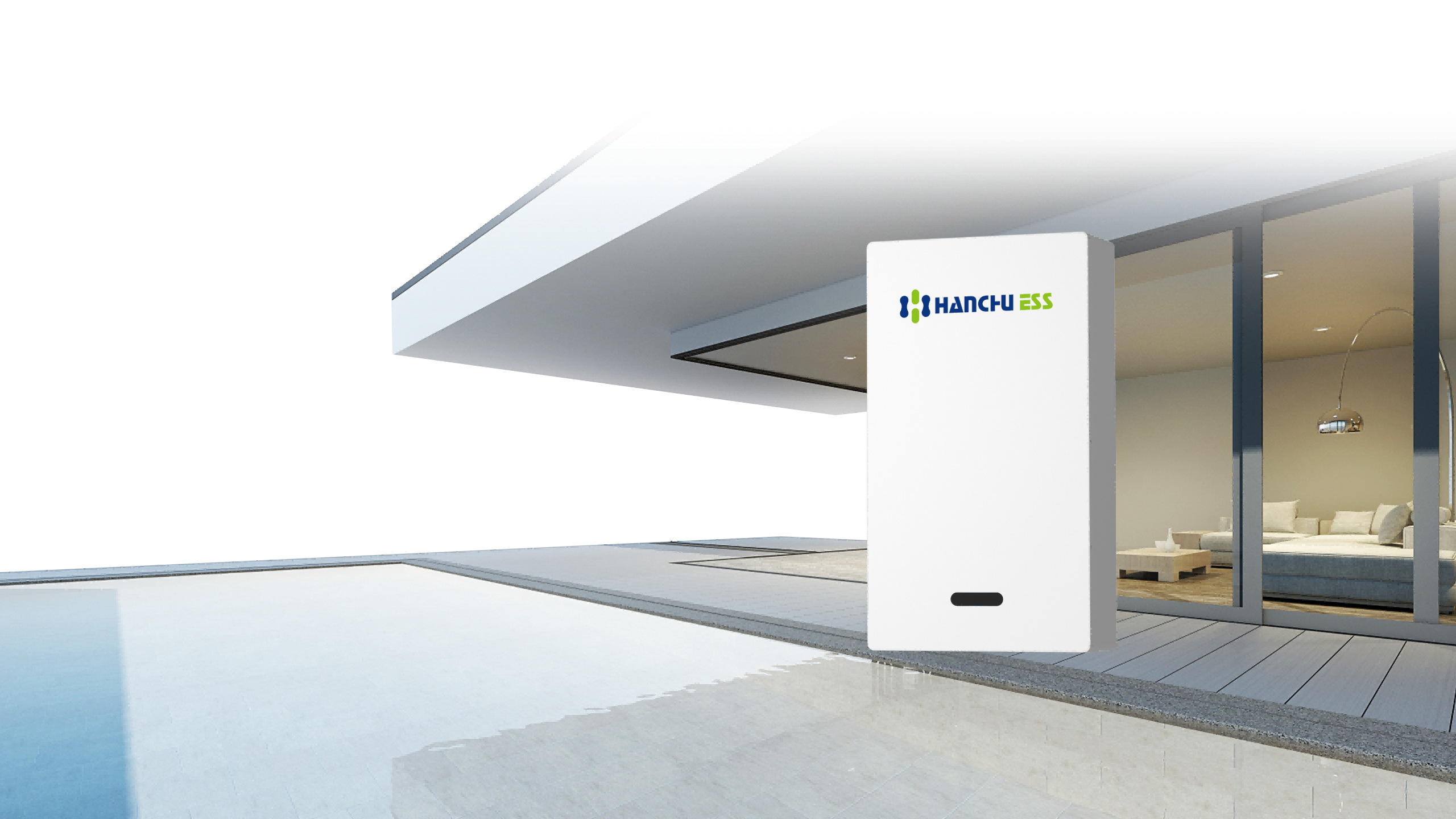
Battery capacity is measured in kilowatt hours. This figure represents how much electrical energy a battery can store and later discharge. In simple terms, one kilowatt hour equals one kilowatt of power used continuously for one hour.

For commercial sites, battery capacity determines how long stored energy can support operations. A 100 kWh battery could supply a 50 kW load for two hours or a 25 kW load for four hours. The right capacity depends not only on how much electricity a site uses, but when and how it is used.

Unlike residential systems, where energy use is relatively predictable, commercial energy demand often fluctuates significantly throughout the day. Offices, warehouses, retail spaces and manufacturing facilities all exhibit different load profiles. Understanding these patterns is the foundation of correct battery sizing.

Why Battery Size Matters for Commercial Solar Systems

Commercial solar installations generate electricity during daylight hours. Without battery storage, excess solar energy is exported to the grid, often at a lower value than the cost of importing electricity later.

Solar batteries allow businesses to store surplus solar energy and use it when it is most valuable. This might be during peak tariff periods, early mornings, evenings or during operational surges. The battery capacity determines how much of this energy can be retained and reused.

A correctly sized battery helps businesses save electricity, reduce reliance on the grid, and improve overall energy efficiency solutions. It also plays a role in resilience, particularly for sites that experience grid instability or require continuity of power.

Key Factors That Determine the Right Battery Capacity

There is no universal answer to how many kilowatt hours a commercial site needs. The correct capacity is always site specific. Several factors must be assessed together.
Daily Energy Consumption

The starting point is total daily electricity usage, measured in kilowatt hours. This data is typically taken from half hourly meter readings or smart meter exports.

A site using 1,000 kWh per day will have very different storage requirements from one using 200 kWh per day. However, total usage alone does not determine battery size.

Load Profile and Peak Demand

Load profile refers to how energy use changes throughout the day. Many commercial sites experience sharp peaks in demand, often during business hours or production cycles.

A battery can be used to reduce peak demand by supplying power during these high usage periods. This can help manage capacity charges and improve grid efficiency. The higher and longer the peak, the more battery capacity is required to make a meaningful impact.

Operating Hours

A warehouse running two shifts will have very different requirements from an office operating nine to five. Sites with extended hours often benefit from larger batteries, particularly when paired with commercial solar installations.

Battery capacity must align with the hours when energy is needed most, not simply when it is generated.

Relationship Between Solar Generation and Demand

The size of the solar array and its generation profile also influence battery sizing. A site with a large commercial solar installation may generate significant surplus energy during the day.

If this surplus is consistently exported, a larger battery may be justified. If solar generation closely matches demand, a smaller battery may be sufficient.

This balance is central to optimising solar panel installation for commercial use.

Future Growth and Electrification

Battery systems should not be sized only for current conditions. Businesses often expand operations, add electric vehicle charging, or upgrade equipment.

Planning for future energy demand helps avoid undersized systems that become restrictive within a few years. Save Energy UK regularly advises clients to consider projected growth when selecting solar batteries.

Typical Battery Sizes for Commercial Sites

While every site is unique, there are broad ranges that are commonly seen in commercial solar projects.

Small commercial premises such as offices or retail units may use batteries between 30 and 100 kWh.

Medium sized sites including warehouses and light manufacturing often require between 100 and 500 kWh.

Large industrial facilities may deploy systems exceeding 1,000 kWh, sometimes modularly expanded over time.

These figures are indicative only. Proper sizing always relies on detailed analysis rather than general estimates.

Common Mistakes When Choosing Battery Capacity

One of the most common mistakes businesses make is choosing a battery based on budget alone rather than operational value. While solar panel cost and battery pricing are important considerations, undersizing can limit savings and performance.

Another frequent error is basing capacity on average daily usage without considering peak demand. A battery that covers average consumption may be ineffective during critical high load periods.

Some businesses also overestimate the benefits of extremely large batteries without sufficient solar generation or demand flexibility. In these cases, stored energy may go unused for long periods.

A professional energy assessment helps avoid these pitfalls by aligning technical design with real world usage.

pro drainage commercial

How Battery Capacity Supports Energy Efficiency Solutions

Battery storage is not only about solar. It forms part of a broader approach to energy efficiency solutions.

By storing energy when it is abundant and using it when it is scarce or expensive, batteries help smooth demand on the grid. This reduces strain on infrastructure and supports the wider goals of solar energy in the UK.

For commercial sites, batteries can work alongside energy efficiency measures such as LED lighting, building management systems and load optimisation to deliver measurable improvements in performance.

The Role of Professional Energy Assessments

Selecting the right battery capacity requires more than a rule of thumb. Accurate sizing depends on high resolution consumption data, tariff analysis and system modelling.

Save Energy UK works with businesses across the UK, including Dorset and the South Coast, to assess energy usage patterns and design systems that match operational needs.
These assessments ensure that commercial solar installation and battery storage work together effectively, supporting both financial and environmental objectives.

FAQs About Commercial Battery Capacity

How long does a commercial battery last?

Battery lifespan depends on usage patterns, depth of discharge and technology type. Most commercial systems are designed to operate effectively for many years when correctly specified.

Can battery capacity be increased later?

Many commercial battery systems are modular. Additional capacity can often be added as energy needs grow, provided this is planned at the design stage.

Do batteries work without solar panels?

Yes. Batteries can store grid electricity and discharge it during peak periods. However, pairing batteries with solar panels generally delivers the greatest benefit.

Is battery storage suitable for all commercial sites?

Most sites can benefit in some way, but the level of benefit varies. Detailed analysis is essential to determine whether battery storage is appropriate and how it should be sized.

Choosing the Right Battery Capacity With Confidence

Battery capacity is not a one size fits all decision. It is a strategic choice that should be informed by data, operational priorities and long term planning.

By understanding how energy is used across a commercial site, and how solar batteries integrate with commercial solar systems, businesses can make informed decisions that support efficiency and resilience.

At Save Energy UK, the focus is always on helping organisations understand their energy profile and select solutions that are proportionate, effective and grounded in real usage. For commercial sites across the UK, from regional hubs to the South Coast, this approach ensures battery storage delivers genuine value rather than theoretical benefits.

Can solar battery storage help my business avoid peak electricity charges and demand penalties

Commercial Operations

The cost of electricity has become one of the most pressing concerns for businesses across the United Kingdom. From small independent retailers to larger commercial operations, the rising expense of energy has forced many leaders to reconsider how they consume and manage power. One of the main frustrations is the inconsistency of electricity pricing. Energy used during peak times is far more expensive than electricity consumed during quieter periods. Some companies also face demand penalties, where high usage during specific intervals triggers additional charges from the supplier.

Solar battery storage has emerged as a powerful and increasingly accessible tool for solving these problems. While solar panels have long been associated with saving electricity and reducing carbon emissions, the combination of commercial solar installation with battery storage allows businesses to exercise far more control over both their energy costs and their overall efficiency. This is true for organisations across the country, including those located on the South Coast, in Dorset, and throughout the Midlands.

In this article we will explore how solar batteries work, why they are becoming vital for managing peak demand, and how they support businesses in lowering their expenses through thoughtful energy efficiency solutions. We will also consider the role of solar panel installation, the influence of solar panel cost, and the broader benefits of solar energy in the United Kingdom.

Understanding peak electricity charges and demand penalties

Electricity suppliers adjust their rates throughout the day based on demand. When national usage is high, the cost of generating and distributing electricity increases. This leads to peak pricing periods, during which businesses pay noticeably more for the same amount of energy.

For many companies these peak periods often coincide with their busiest operational hours. Manufacturers powering machinery, hospitality venues preparing for evening service, office buildings relying on heating, cooling, lighting and computer equipment, all contribute to a sharp increase in energy demand. When a business places a high burden on the grid at once, it can also trigger demand penalties which further inflate monthly bills.

These additional charges make energy management an essential consideration for any organisation seeking stability and long term financial efficiency.

How solar battery storage helps avoid peak charges

Solar batteries store excess energy produced by a business’s solar panels during daylight hours. Instead of sending unused electricity back to the grid, the system retains it for later use. This allows companies to power their operations during periods when electricity from the grid would normally be at its most expensive.

When peak times arrive, the battery releases stored power to support the building’s needs. As a result the business relies far less on grid electricity when prices are highest. This simple adjustment can create substantial savings each month, particularly for organisations with predictable patterns of energy usage.
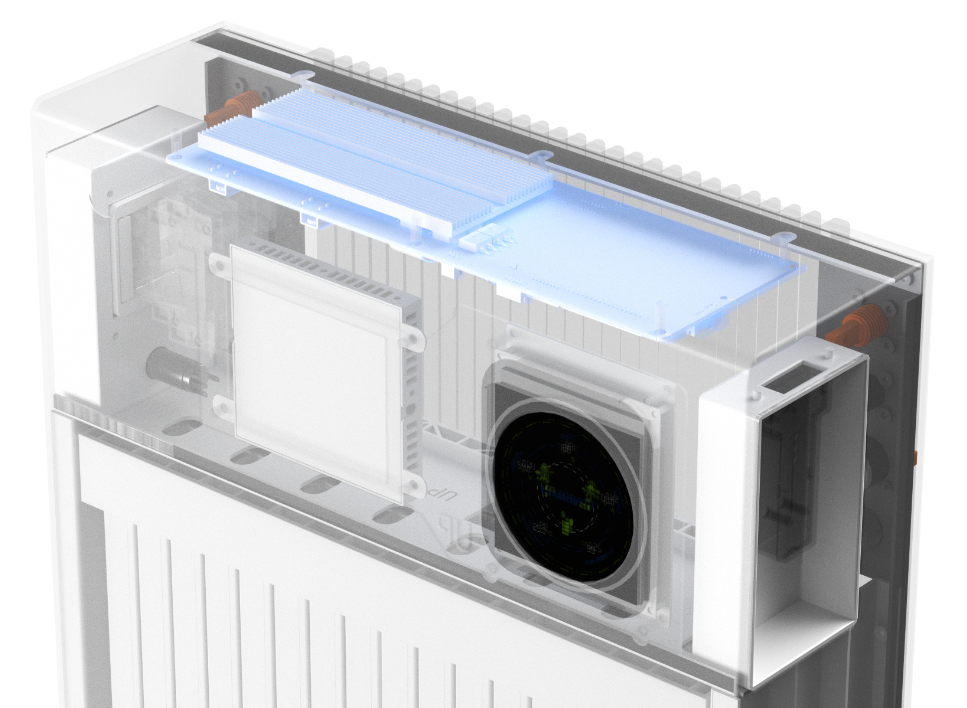
For companies on the South Coast or in Dorset, where daylight levels are generally favourable for solar energy, this becomes even more effective. Similarly, businesses across the Midlands benefit from a central location with consistent solar performance throughout the year. In each case solar batteries offer a clear route towards avoiding avoidable charges.

Strengthening energy independence and stability

Solar battery storage does more than reduce costs during peak periods. It also offers smoother and more stable energy management throughout the day. Instead of drawing power in sudden spikes, which often result in demand penalties, a battery allows energy loads to be balanced more gently.
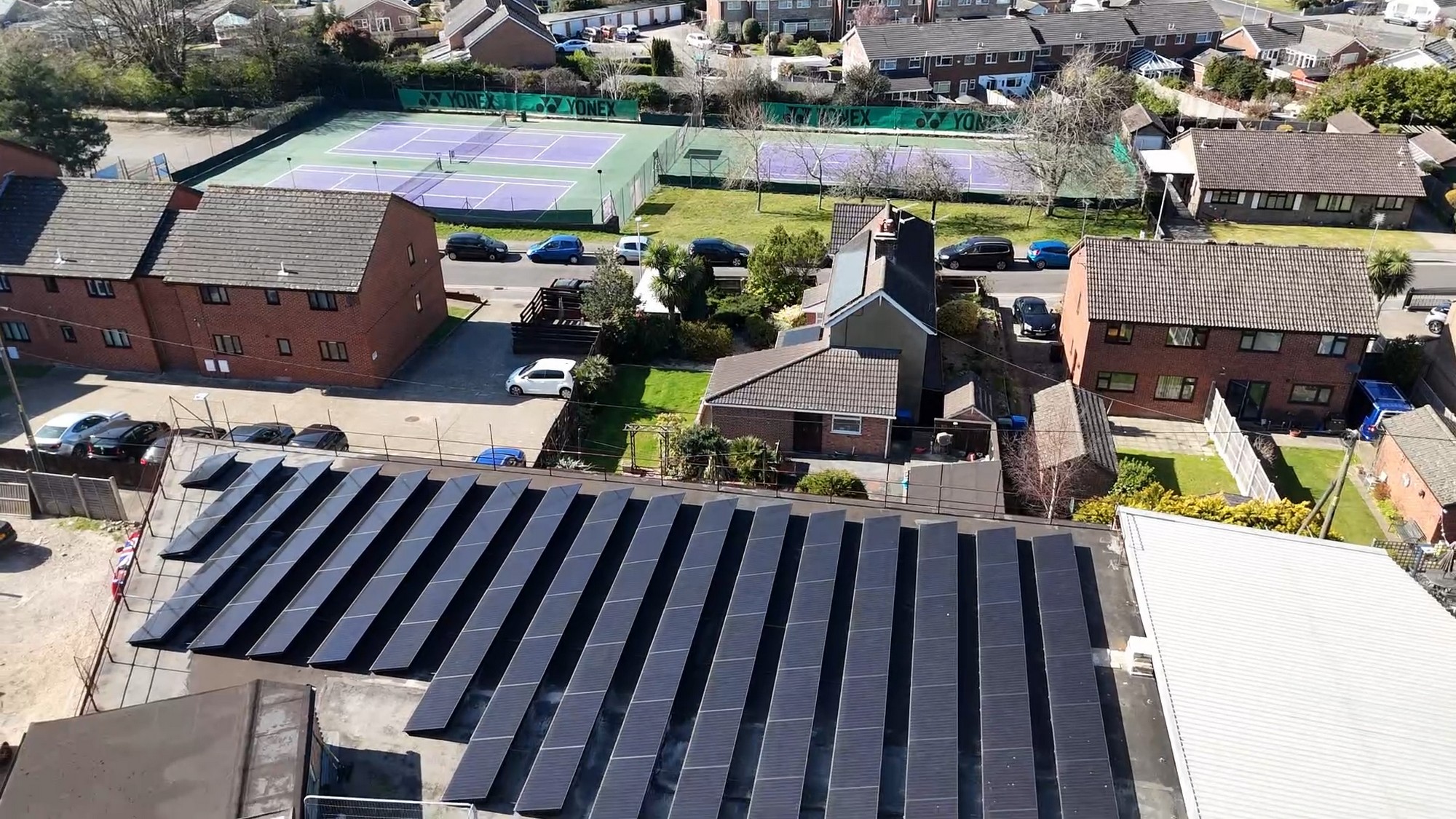
This is particularly valuable for businesses with equipment that consumes large amounts of electricity when first switched on. Tools, machinery, air conditioning units and heating systems can all create expensive surges in demand. With a battery in place the system can supply stored electricity at the moment of highest strain, preventing those brief but costly spikes.
In this sense solar batteries serve as a buffer, protecting organisations from unpredictable fluctuations while supporting long term energy management. This combination of consistency and independence is a key component of modern energy efficiency solutions.
How solar panels and battery storage work together

Many companies begin their energy journey by considering the installation of solar panels. These systems are well known for reducing reliance on the grid, lowering monthly costs and improving environmental performance. Although solar panels are frequently discussed in the context of a home, their value to businesses is equally strong.

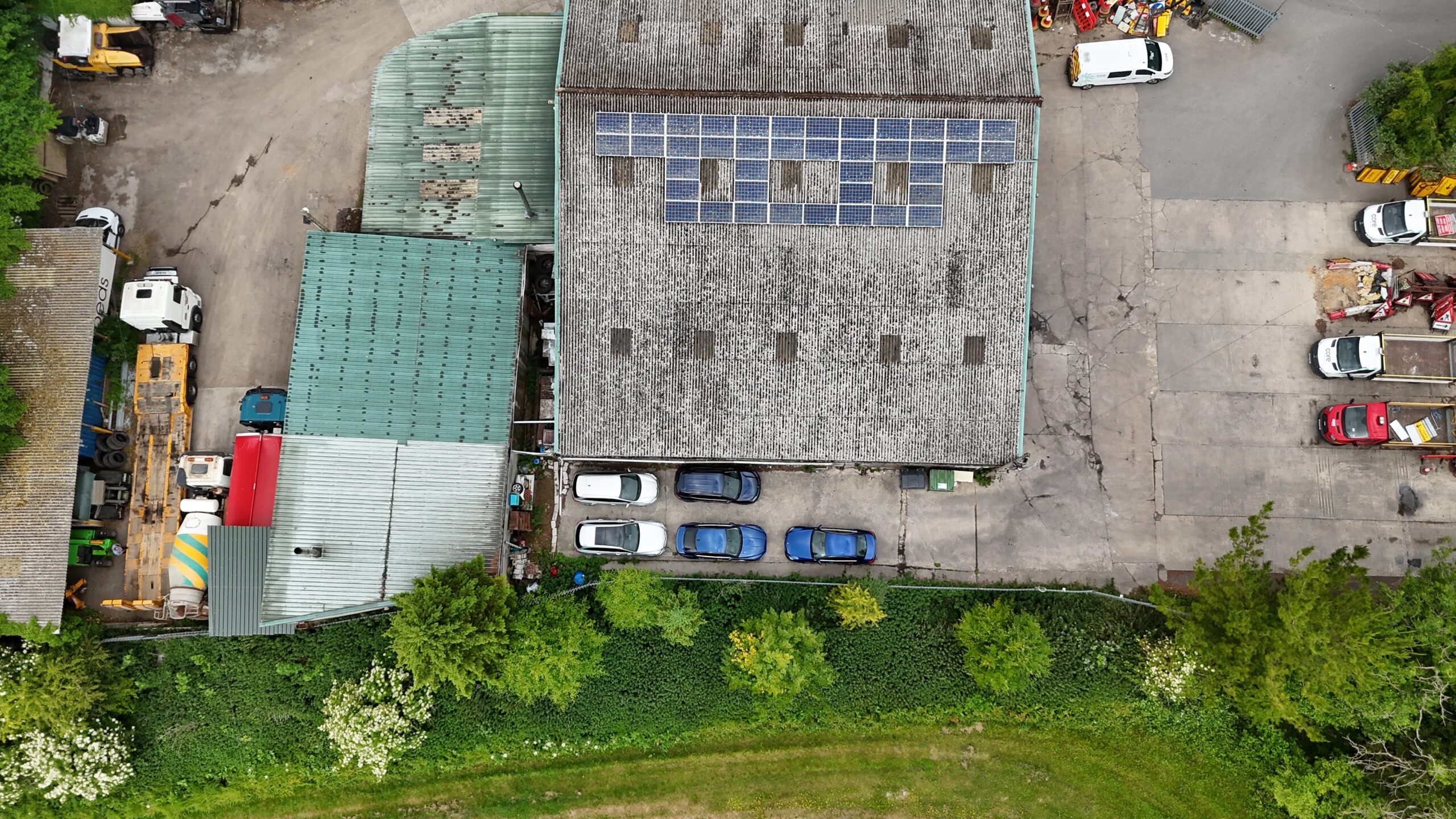
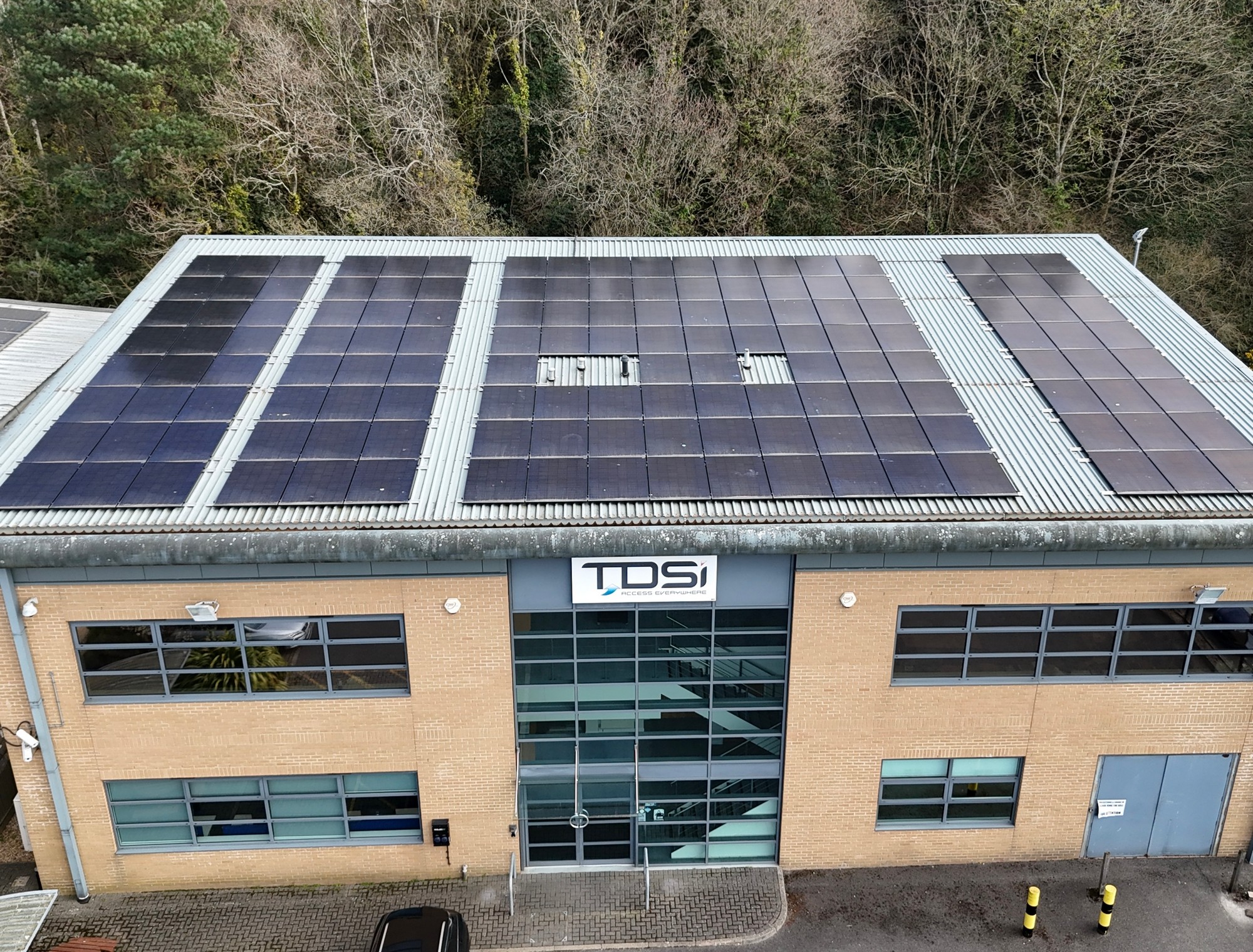
A commercial solar installation is designed to match the scale and needs of a business property. Panels convert sunlight into electricity which can then be used immediately. However, because demand does not always perfectly align with production, excess energy is often wasted or exported for a minimal return.

When solar batteries are added to the system, the business gains the ability to store this unused energy and then dispatch it at the most advantageous time. Together, solar panels and batteries provide an integrated solution that strengthens both sustainability and financial efficiency.

Even organisations that have previously installed solar panels can explore the option of retrofitting solar batteries. In many cases it is straightforward and offers immediate benefits.

Considering the cost of solar panel installation

When evaluating solar panels and solar battery storage, it is natural for a business to consider the associated costs. Solar panel cost varies depending on the size of the installation, the quality of the equipment and the requirements of the property. However, costs have fallen considerably in recent years, making solar energy UK systems more accessible than ever.

Over time many businesses find that the system effectively pays for itself through avoided grid charges, reduced peak costs and overall energy savings.

Solar battery storage, though an additional element, enhances this investment by allowing an organisation to maximise the value of the electricity it produces. Rather than relying on the grid during expensive times, the business uses energy it has already generated at no extra cost.

This approach strengthens the financial case for renewable energy, especially for businesses conscious of rising operational expenses.

Why businesses on the South Coast are embracing solar energy

Across the South Coast, including Dorset, many businesses operate in sectors that benefit directly from predictable, controlled energy management. Hospitality, tourism, retail and manufacturing all rely on stable electricity supplies and predictable costs. Solar energy combined with battery storage provides a reliable way to save electricity, manage peak usage and plan budgets with greater confidence.

The interest in renewable energy is not solely a matter of environmental responsibility. Many business owners view solar batteries as part of a broader strategy for improved competitiveness, resilience and financial certainty.

Supporting broader energy efficiency and sustainability goals

Solar batteries play an important role in helping organisations meet sustainability objectives. By ensuring that solar energy is used as efficiently as possible, the business will reduce its reliance on fossil fuel based electricity. This contributes to lower carbon emissions and supports both corporate responsibility and environmental stewardship.

Moreover, solar batteries can be integrated with other energy efficiency solutions such as smart monitoring tools and load management systems. These technologies help businesses track their consumption in real time, identify areas of inefficiency and implement long term improvements.

This holistic view of energy management is becoming a defining characteristic of successful modern businesses. Those who take proactive steps now will be prepared for changes in energy regulation, fluctuating grid prices and evolving customer expectations.

A practical and effective way to avoid peak electricity charges

Solar battery storage offers businesses a clear and compelling method for avoiding peak electricity charges and demand penalties. This approach also improves stability, reduces the risk of demand spikes and supports broader sustainability goals.

For organisations across the South Coast, in Dorset and within the Midlands, the advantages of commercial solar and solar batteries are becoming impossible to ignore. At a time when electricity prices continue to rise, adopting a thoughtful, intelligent approach to energy management is not only beneficial but increasingly essential.

If you would like to find out how solar batteries and commercial solar installation could help your business save electricity, reduce costs and improve efficiency, contact Save Energy UK for expert guidance and support.

Is it cheaper to charge a commercial battery from solar only or from the grid at off peak rates

Commercial Energy

Commercial energy costs continue to rise and businesses across the UK are looking for reliable ways to reduce their long term electricity bills. Commercial solar and commercial battery storage have become two of the most powerful tools for reducing operational energy expenditure, enabling companies to take greater control of how and when they use electricity. One question appears more frequently than almost any other: is it cheaper to charge a commercial battery purely from solar generation, or is it more cost effective to charge it from the grid during off peak hours

Although this sounds like a straightforward comparison, the answer depends on several interconnected elements. The cost of electricity, the efficiency of the battery system, the size and orientation of the solar array, the business’s operating hours, and the structure of its tariff all play a part. In this article, we explore each of these considerations in depth to help you understand which approach delivers the greatest return on investment.

How commercial battery systems work

Before comparing solar charging with off peak charging, it is important to understand the role of a commercial battery in day to day business operations. A commercial battery stores electricity for use at a later time. It works alongside a commercial solar installation or the grid, allowing a business to:

  • Reduce reliance on peak time electricity

  • Store surplus energy generated during sunny periods

  • Avoid wasting solar energy that would otherwise be exported

  • Smooth the power supply for equipment sensitive to fluctuations

  • Lower overall energy bills by controlling when electricity is drawn

Modern commercial battery systems are highly efficient, with very low losses during charging and discharging. This makes them an excellent partner for a well designed commercial solar system.

Charging a commercial battery using solar energy only

Charging a commercial battery solely through solar generation is often seen as the purest and most sustainable method. After all, sunlight is free and the energy produced by the panels costs nothing once the initial installation has been completed.

The advantages

Zero fuel cost

The most significant benefit is that solar energy itself has no direct cost. Once the commercial solar installation is in place, the business pays nothing for the electricity generated. Charging the battery using solar alone therefore results in an exceptionally low marginal cost per kilowatt hour.

Reduced dependence on the grid

Solar charging allows a business to minimise the amount of electricity it purchases from the grid. During sunny periods, a well sized commercial solar system can produce more than enough energy to power daily operations while still filling the battery.

Improved environmental impact

Charging from solar only is a strong choice for businesses wanting to demonstrate environmental responsibility. For organisations with carbon reduction targets or sustainability goals, solar charging is the most attractive method.

Compatible with peak time avoidance

Solar charging can help a business avoid drawing electricity from the grid during expensive periods. If the battery is charged during the day, it can be discharged during evening peak windows when grid electricity is at its most expensive.

The challenges

Seasonal variability

The UK’s climate means that sunlight levels vary throughout the year. During winter, commercial solar generation is significantly lower, leading to reduced charging capacity. This means that during colder months, solar alone may not keep the battery sufficiently charged.

Dependence on system size

A business must have a sufficiently sized solar array to generate enough surplus to charge the battery. Many commercial properties simply do not have the available roof or ground space for a large system.

Some businesses receive payments for exporting solar electricity to the grid. Using all solar generation for battery charging instead means giving up export income. This is often a sensible trade off, but it must be considered carefully.

south coast wine festival

Charging a commercial battery with grid electricity at off peak rates

Off peak charging has become highly attractive for many businesses, particularly those on time of use tariffs. These tariffs offer significantly cheaper electricity during periods of lower national demand, often late at night.

The advantages

Predictable energy availability

Unlike solar generation, which depends on weather conditions, the grid offers consistent and predictable supply. This means a business can charge its commercial battery reliably every day, regardless of season or climate.

Reduced energy cost during off peak hours

Off peak electricity can be considerably cheaper than daytime or peak time rates. For businesses on the right tariff, the savings can be substantial. When the battery is charged overnight and discharged during peak hours, the financial advantage can be significant.

Ideal for high energy businesses

Factories, workshops, and other energy intensive organisations benefit from the ability to guarantee a full battery before operations begin the next day.

The challenges

It still costs money

Even at off peak rates, electricity drawn from the grid has a direct cost. Although it may be cheaper than daytime electricity, it is still more expensive than sunlight, which has no fuel cost.

Potential constraints on tariffs

Some energy suppliers impose limits on how much off peak electricity can be used at discounted rates. Others change tariffs frequently, making forecasting more difficult.

Reduced environmental benefit

Although off peak electricity tends to be cleaner than peak time energy because more renewable generation is present on the grid at night, it is still not as environmentally friendly as charging exclusively from solar.

Which is cheaper overall

The answer depends entirely on the specific conditions of the site, the business’s daily load profile, and the design of the commercial solar system.

Solar only charging is usually the cheapest when:

  • The commercial solar installation is large enough to generate a consistent daily surplus

  • The business has high electricity consumption during the day

  • The organisation has sustainability targets or wishes to reduce carbon emissions

  • Export payments are low or non essential

  • The site has good solar exposure throughout the year

Off peak grid charging is often cheaper when:

  • The business operates predominantly in the early morning or evening

  • The solar array is too small to meet daytime demand and charge the battery

  • Winter demand exceeds winter generation

  • The company is on a highly favourable off peak tariff

  • Reliability and predictability of stored energy are crucial

The most cost effective approach for UK commercial sites

For most businesses, the most economical strategy is a hybrid of the two methods.

A blended charging strategy

By prioritising solar charging when conditions allow and relying on off peak grid charging during winter or periods of cloud cover, businesses achieve:

  • Maximum reduction in electricity costs

  • Greater control over when power is drawn

  • Improved resilience during high demand periods

  • Better utilisation of the commercial solar installation

  • Lower long term operational expenditure

This balanced approach is particularly effective for businesses in regions such as Dorset and the South Coast where sunlight is relatively generous in summer but more limited during winter months.

Why commercial solar and battery storage provide long term savings

Regardless of the charging method, commercial solar combined with commercial battery storage leads to:

  • Lower annual electricity bills

  • Protection against rising energy prices

  • More efficient use of generated power

  • Reduced reliance on peak grid electricity

  • Better energy security

  • Stronger environmental credentials

The key lies in designing a system correctly from the beginning. A battery that is too small cannot store enough energy to be effective, while one that is too large may not provide a justifiable return. The solar array must be sized carefully to support both operational load and battery charging.

Save Energy UK specialises in designing systems that balance these factors, ensuring every commercial client receives the highest possible return on their investment.

commercial solar panel

Request a Quote

So is it cheaper to charge a commercial battery from solar only or from the grid at off peak rates

Solar charging is the least expensive on a per kilowatt hour basis, because sunlight has no associated cost. However, off peak charging provides reliability and consistency that solar alone cannot always deliver, particularly during the darker months. For many UK businesses, especially those seeking resilience, predictability, and maximum long term savings, the most cost efficient solution is a combination of both.

Whether your business is located in Dorset, the South Coast, or anywhere else in the UK, commercial solar and commercial battery storage remain some of the strongest tools available for reducing operational energy expenditure.

If you would like tailored advice, a detailed quotation, or a full assessment of your site, Save Energy UK is ready to help you plan a future of stable, predictable, and dramatically lower energy costs.