Over 20 years as your solar system specialists
"We pride ourselves on good products, good pricing and good backup service"
Tel: 01202 986262
Supporting  

Is Solar Battery Storage Worth It If We Both Work During The Day?

Introduction

For many working couples in the UK, the idea of switching to solar energy is appealing. Lower bills, cleaner energy and a more sustainable home all sound great. But there’s one question that often comes up. If both of you are out during the day, when the sun is shining, is it still worth investing in solar panels? And more importantly, should you consider adding a solar battery storage system?

This is a common dilemma for homeowners in places like Bournemouth, Poole, Christchurch and across Dorset. After all, most solar energy is generated during daylight hours, which means you might not be home to use it. In this article, we’ll take a closer look at whether solar battery storage is worth it for working households, using the latest UK energy data to explore the real costs, savings and long-term benefits.

Understanding Residential Solar Power in the UK

Solar energy has grown rapidly across the UK in recent years. More homeowners than ever are choosing to generate their own power, reducing their reliance on the national grid and cutting energy bills. The average three to four kilowatt solar panel system in the UK can cover a significant portion of a typical household’s electricity needs.

According to recent data, the average cost of a solar panel installation is around £7,200 to £7,700. This varies depending on roof size, location and the quality of the panels you choose. When you add a solar battery storage system, the total investment can rise to between £16,000 and £18,000 for a full package. It’s not a small outlay, but the potential savings over time can be substantial.

Most modern solar panels last for at least twenty five years and come with long performance warranties. Over their lifetime, they can save thousands of pounds in energy costs. For many homeowners, this makes them a solid long-term investment, particularly as energy prices continue to rise.

However, for people who spend most of the day away from home, the question becomes how much of that solar energy can actually be used directly. This is where battery storage changes everything.

Why a Solar Battery Makes Sense When You’re Out During The Day

Solar panels produce electricity when the sun is shining, usually between 9am and 5pm. If you are at work during those hours, your home is using very little power. That means much of the electricity your panels generate is either exported to the grid for a small payment or simply not used efficiently.

A solar battery solves this problem by storing the energy your panels create during the day so that you can use it later in the evening when you return home. Instead of drawing expensive electricity from the grid, you use your own stored solar power to run your lights, appliances, heating or entertainment systems.

This means your home remains powered by solar energy long after the sun goes down, helping you to make the most of every unit of electricity your system produces. It also reduces your exposure to rising energy prices and gives you more control over your household’s power consumption.

Another benefit is the sense of independence that comes with it. With a good-sized battery, you can run your home even during peak grid demand or temporary power outages. For many families, that reliability and peace of mind are just as valuable as the financial savings.

The Cost and Savings of Solar Battery Storage

A high-quality solar battery system in the UK currently costs between £3,000 and £10,000 depending on the brand and capacity. Many homeowners who already have solar panels are choosing to add a battery later, with the average price sitting around £8,000.

Modern lithium-ion batteries typically last ten to fifteen years. Combined with the government’s zero percent VAT incentive on residential installations, batteries are now more affordable than ever.

In terms of savings, a home with solar panels alone might reduce electricity bills by around £350 to £400 a year. When a battery is added, that figure can more than double. Some UK households are now saving between £700 and £900 annually because they can use much more of their own solar energy rather than exporting it for a low tariff.

For couples who work during the day, the value of a battery becomes even clearer. Without one, much of your solar energy would be wasted or sold to the grid for a few pence per kilowatt hour. With one, you keep that energy and use it later, effectively buying back your own power at a much better rate. Over time, that difference adds up significantly.

While it’s true that batteries add to the upfront cost, their ability to increase self-consumption and reduce grid reliance means they often shorten the payback period of a solar system.

The Smart Export Guarantee and Other UK Incentives

In the UK, the Smart Export Guarantee (SEG) allows households with solar panels to earn money by exporting excess electricity back to the grid. However, the rate paid by energy suppliers for this exported energy is often quite low compared to what you pay to buy it back.

With a solar battery, you can store more of your own energy and only export when it makes sense financially. Some homeowners even choose time-of-use tariffs that let them store cheap overnight electricity in their battery and use it during peak hours, further improving their savings.

Financing options for solar panels and battery storage are also expanding. Many installers, including Save Energy UK, now offer flexible payment plans that make it easier for families to spread the cost of installation.

Solar Panels and Battery Storage in Dorset and the South Coast

If you live in Bournemouth, Poole, Christchurch or elsewhere in Dorset, you’re in one of the best regions in the UK for residential solar energy. The South Coast enjoys a relatively high number of sunny days each year, meaning your panels can generate strong returns.

Working with a local installer such as Save Energy UK has several advantages. Local teams understand the regional building regulations, roof structures and typical shading conditions. They can design a system that suits your home and daily routine, ensuring that both your panels and battery deliver maximum value.

Save Energy UK provides complete solar panel installation and battery storage services across Dorset and neighbouring areas. Whether you are installing solar for the first time or upgrading an existing system, our experts can advise you on system sizing, energy storage capacity and the best way to take advantage of the Smart Export Guarantee.

What About Commercial Solar?

Although this article focuses on homeowners, it’s worth noting that businesses are also embracing solar energy. Commercial properties tend to use most of their electricity during the day, making solar panels extremely effective. However, for residential customers who are away during daylight hours, battery storage plays a crucial role in unlocking the full value of their investment.

So, Is Solar Battery Storage Worth It If You Work All Day?

For most working households, the answer is yes. While solar panels alone already offer strong benefits, combining them with a battery allows you to make full use of the energy your system produces, even when you’re not home.

A battery helps you save more, rely less on the grid and take control of your energy future. With electricity costs expected to remain high in the coming years, this is one investment that continues to pay back in both comfort and confidence.

If you’d like to explore whether solar panels and battery storage are right for your home, contact Save Energy UK today. Our friendly team can assess your property, analyse your energy use and provide a clear quote that fits your budget and lifestyle.

Frequently Asked Questions

Do I need a solar battery if I’m out during the day?
If you are away from home for most of the day, a solar battery helps you make the most of your system. It stores the energy you generate so that you can use it when you return home in the evening.

How long do solar panels last in the UK?
Most modern solar panels last for around twenty five years, and many continue to perform well even beyond that with minimal maintenance.

Are solar panels still worth it in 2025?
Yes, absolutely. With rising electricity prices, improved technology and government incentives, solar remains one of the smartest long-term home investments available.

How much does solar panel installation cost?
The cost varies depending on system size, but most UK homeowners pay between £7,000 and £8,000 for a typical installation. Adding a battery increases the total cost but also improves savings.

Can I finance solar panels in the UK?
Yes. Save Energy UK offers a range of financing options that make it easier for homeowners to spread the cost of installation and start saving straight away.

Is Autumn or Winter a Good Time to Install Solar Panels on the South Coast?

Introduction

Many homeowners believe that solar panels only work well in the summer months when the days are long, bright, and sunny. It is a common misconception that the cooler, darker months make solar energy less effective. However, for homeowners on the South Coast, autumn and winter can actually be an excellent time to install a solar energy system.

At first glance, this idea may seem counterintuitive. After all, who thinks about solar panels when the skies are grey and the air feels crisp? Yet, the truth is that solar panels generate energy from daylight rather than direct heat. Even in the UK’s cooler months, a properly designed system continues to deliver electricity efficiently.

By considering solar installation during autumn or winter, homeowners can take advantage of flexible scheduling, potential cost savings, and a head start on spring energy production. More importantly, you will be investing in your home’s energy independence and contributing to a greener, more sustainable South Coast community.

residential

How Solar Panels Work All Year Round

It’s a common myth that solar panels rely on direct sunshine to function effectively. In reality, photovoltaic (PV) panels work by capturing light from the sun, not heat. Even on cloudy days, the panels continue to generate electricity as long as there is daylight.

The technology behind solar panels allows them to convert photons (light particles) into electrical energy, meaning the amount of energy generated depends on the intensity of light, not the outside temperature. In fact, solar panels often perform better in cooler weather because high heat can slightly reduce their efficiency.

For homeowners in coastal regions like Bournemouth, Poole, and Dorset, this is excellent news. The South Coast receives ample daylight even in the winter months, allowing panels to continue generating a reliable level of electricity. Combined with battery storage, homeowners can capture excess energy during the day and use it in the evenings, reducing their reliance on the grid throughout the year.

Installing solar panels in autumn or winter also means that when the sunnier months arrive, your system will already be in place, fully operational, and ready to capture maximum sunlight immediately.

Why Autumn and Winter Can Be a Smart Time to Install

Many people assume that solar installation is best left for spring or summer, but in practice, there are several advantages to acting sooner.

First, solar installers tend to be less busy during the cooler months. This reduced demand often translates into shorter waiting times and greater flexibility in booking your installation. Rather than competing with homeowners who rush to install solar in spring, you can schedule at your convenience and have the system ready ahead of the busy season.

Second, by completing your installation before spring, you are well-prepared to make the most of the extended daylight hours that follow. Your panels will already be generating power at full capacity when the sun returns, allowing you to enjoy immediate energy savings and potentially sell surplus electricity back to the grid through schemes like the Smart Export Guarantee.

Third, autumn and winter often bring opportunities for attractive financing deals or seasonal promotions from solar companies near you. Taking advantage of these offers can reduce your upfront costs, making solar panel installation even more cost-effective.

Finally, the cooler months can be ideal for physical installation. Roof conditions are often better in autumn before heavy frost or ice, and professional installers are well-equipped to manage work safely and efficiently in moderate weather conditions.

By installing now, you are not waiting until the “perfect time” you are creating the perfect opportunity to be ready for next year’s sunshine.

Myths Versus Facts About Winter Solar Performance

There are several myths about how solar panels perform during winter, but let’s separate fact from fiction.

Myth 1: Solar panels don’t work when it’s cloudy.
Fact: Solar panels generate electricity from daylight, not direct sunlight. Even when the weather is overcast, the panels continue to produce energy, albeit at a slightly reduced rate. The South Coast’s mild and bright winters make it a viable location for consistent generation throughout the year.

Myth 2: Winter solar installations aren’t worth the investment.
Fact: While shorter days do reduce total daily output, the energy savings and environmental benefits remain significant over a full year. Solar systems are designed for long-term performance, so the months of reduced daylight represent only a small fraction of the system’s overall lifespan.

Myth 3: Cold temperatures harm solar panels.
Fact: Quite the opposite. Solar panels actually operate more efficiently in cooler temperatures. Excessive heat can lower voltage output, but crisp, cool air helps maintain optimal efficiency.

In summary, while the winter months may yield less overall energy than summer, the difference is far from dramatic. A well-installed system on the South Coast continues to provide consistent value every season.

Financial and Practical Considerations

One of the biggest questions homeowners ask is: Are solar panels worth it in the UK? The answer is a confident yes especially when you consider the long-term financial and environmental returns.

Solar Panel Cost

The cost of installing solar panels depends on the system size, the quality of components, and whether you include extras such as solar battery storage. While the upfront cost can seem significant, the long-term savings on energy bills often make the investment worthwhile. Many homeowners see their electricity costs drop by as much as 50% or more.

Solar Panel Financing UK

Financing options have made solar panels more accessible than ever. Some homeowners choose low-interest loans or pay-as-you-save plans, allowing them to spread costs over time. Because the savings on energy bills often offset the repayments, solar installation can quickly become a financially neutral or even positive decision.

Solar Battery Storage UK

Battery storage systems are particularly beneficial during the darker months. They allow you to store excess solar energy generated during the day for use later in the evening or when the weather is poor. This maximises your system’s efficiency and reduces reliance on the national grid, keeping your home powered by clean energy even after sunset.

System Longevity

Modern solar panels are designed to last between 25 and 30 years, often with minimal maintenance. Even after this period, most panels continue to function at reduced efficiency rather than failing entirely. This longevity ensures that the system continues to pay for itself many times over.

Installing solar panels during autumn or winter means your home will be ready to capture every ray of spring sunshine the moment it arrives, ensuring maximum return on your investment.

Sustainability and Eco-Conscious Living

Beyond the financial advantages, installing solar panels is a meaningful step toward sustainable living. Every kilowatt of energy generated from solar power is one less kilowatt drawn from fossil fuels.

For South Coast homeowners, the environmental impact is substantial. By generating your own renewable electricity, you can significantly reduce your carbon footprint and contribute to a cleaner environment for future generations.

Adopting solar power also aligns with the growing eco-conscious lifestyle movement. Homeowners are increasingly seeking ways to live more sustainably, and solar energy provides a visible and measurable way to make a difference.

Furthermore, solar energy supports energy independence. Rather than relying solely on national utilities, homeowners with solar and battery systems can generate and manage their own power, creating a sense of autonomy and resilience.

Choosing the Right Solar Company

Finding the right installer is just as important as choosing the right panels. When searching for solar companies near me UK, look for local providers with proven experience across Dorset, Bournemouth, and Poole.

The best solar companies for homes in the UK will offer transparent quotes, expert advice on system design, and clear guidance about the total cost of installation. They should also help you identify the best solar panels for homes UK, based on your property’s roof type, energy consumption, and budget.

Reputable companies will discuss battery storage options, long-term maintenance, and system warranties. They should also be accredited by trusted industry organisations such as MCS (Microgeneration Certification Scheme), ensuring the highest standards of installation and safety.

By partnering with a trusted company like Save Energy UK, you can be confident that your investment will deliver maximum efficiency, reliability, and environmental impact.

Frequently Asked Questions

Are solar panels worth it in the UK?
Yes, absolutely. Solar panels can significantly reduce your energy bills, and with electricity prices continuing to rise, the return on investment has never been better. Even in winter, they provide consistent output that helps cut your overall electricity costs.

How long do solar panels last in the UK?
Most high-quality solar panels last 25 to 30 years, with many continuing to operate beyond this period at slightly lower efficiency. Regular maintenance and cleaning help extend their lifespan and preserve performance.

Can solar panels generate power in winter?
Yes. Solar panels rely on daylight, not heat, to generate power. Even on cloudy or shorter days, panels continue to produce electricity — just at a slightly lower rate.

What are the benefits of solar battery storage?
Solar battery storage allows you to store the electricity you generate during daylight hours for use later in the day or at night. This maximises your self-consumption and reduces reliance on the grid, especially in the darker months.

Conclusion

Autumn and winter are often overlooked seasons for solar panel installation, yet they can be some of the most strategic times to take action. The cooler months offer flexible scheduling, potential financial incentives, and an opportunity to get ahead of the busy spring installation period.

By installing solar panels now, your home will be ready to capture the maximum energy possible when longer days return. You’ll immediately begin reducing your energy costs, lowering your carbon footprint, and improving your home’s energy independence.

Save Energy UK specialises in residential solar installation UK and also provides commercial solar solutions UK for businesses seeking to embrace renewable power. Their expert team covers the entire South Coast, including Bournemouth, Poole, and Dorset, ensuring every project is completed to the highest standard.

If you’re ready to take the next step toward a cleaner, more efficient future, contact Save Energy UK today to schedule a free consultation and discover how solar energy can transform your home.

What Maintenance Do Tesla Solar Panels Require After Installation?

Tesla Solar Panels

For many homeowners and business owners across Dorset and the South Coast, switching to Tesla solar panels represents a major step toward energy independence and sustainability. Tesla’s innovative solar technology has transformed the way properties generate and use clean power, offering sleek design, high performance, and reliable efficiency. However, even with Tesla’s impressive engineering, one of the most common questions asked by customers is: what maintenance do Tesla solar panels require after installation?

The answer is reassuring. Tesla solar panels are designed for long-term durability and minimal upkeep, but like any advanced system, a little care and attention will keep them working at their best. In this guide, Save Energy UK explains everything you need to know about maintaining your Tesla solar system, including cleaning tips, inspection schedules, inverter and Powerwall checks, and how Dorset’s coastal environment can influence maintenance needs.

Tesla Powerwall

Understanding Tesla Solar Panels and Their Design

Tesla solar panels stand out for their sophisticated design and smart technology integration. Each panel is built with high-quality tempered glass and durable components, engineered to withstand decades of exposure to the elements. They are installed flush to your roof, giving a modern, discreet appearance that complements any home.

Tesla systems are also paired with powerful monitoring software that allows you to track performance in real time. Through the Tesla app, you can see how much energy your panels produce, how much your household consumes, and when you are drawing from or storing electricity in your Powerwall battery. This level of visibility not only helps with efficiency but also assists in identifying potential issues before they become serious.

The durability of Tesla panels means they require less physical maintenance compared to older or cheaper systems. However, even the most advanced panels can be affected by dust, debris, bird droppings, and weather conditions, especially in coastal regions such as Dorset, where sea salt and high winds are common. Regular maintenance ensures that the panels continue to operate at maximum efficiency and that your investment delivers the best possible returns.

tesla mobile app

Routine Cleaning: Keeping Your Panels Efficient

The most important part of solar panel maintenance is cleanliness. Dirt buildup can reduce sunlight absorption and lead to a noticeable dip in energy output. While Tesla solar panels have a smooth glass surface designed to shed water and debris naturally, they still benefit from periodic cleaning.

For most homeowners, cleaning two to four times per year is ideal. In coastal areas like Bournemouth, Poole, and along the Dorset coastline, cleaning may be needed slightly more often due to salt residue from the sea air. Rain will wash away some dirt, but stubborn grime or bird droppings often require manual cleaning.

To clean the panels, use soft-bristled brushes or squeegees with mild soapy water. Avoid harsh chemicals or abrasive materials that could scratch the glass. It’s best to clean early in the morning or late in the evening when the panels are cool. If your roof is steep or difficult to access, Save Energy UK can arrange professional maintenance visits to ensure your panels are cleaned safely and effectively.

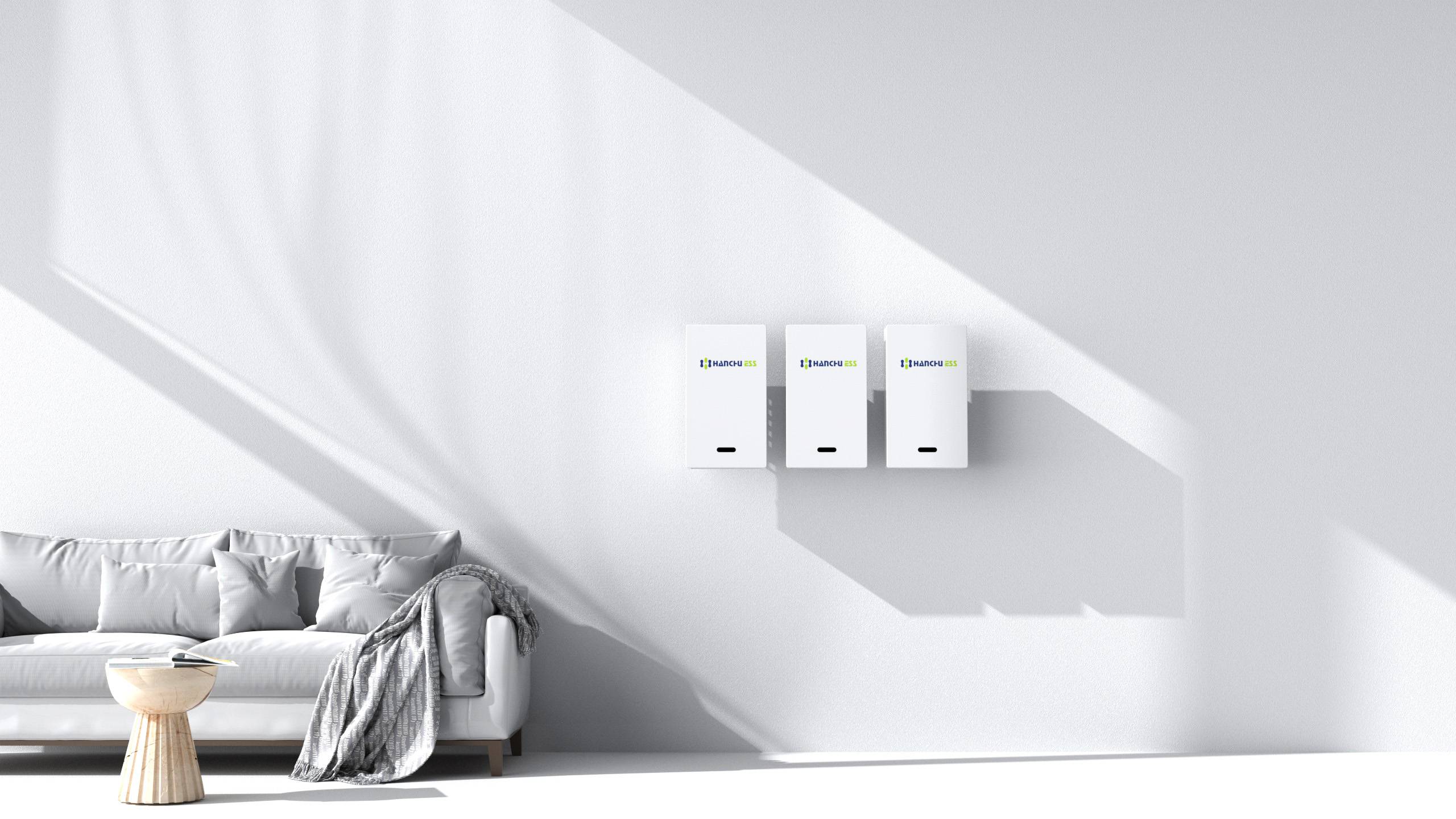
Tesla Powerwall Hero Image

Inspections and System Monitoring

Routine inspections are another key part of maintenance. Even though Tesla panels are low-maintenance, scheduling a professional inspection every 12 to 18 months is recommended. During these visits, a trained technician checks for loose wiring, corrosion, shading issues, and structural integrity.

Tesla’s smart monitoring system gives you constant insight into your system’s performance. If your solar output suddenly drops or you notice an unexpected alert in the Tesla app, it could indicate a problem such as a faulty connection, inverter issue, or shade interference. By monitoring your system regularly, you can catch small issues early and prevent costly repairs.

Save Energy UK often advises customers to keep an eye on their inverter status lights. Green lights indicate everything is functioning correctly, while flashing or red lights may suggest an error. If this happens, it’s best to contact a certified installer or Tesla-approved maintenance professional.

Maintaining Your Tesla Inverter and Powerwall

Your Tesla inverter and Powerwall battery are the heart of your solar system, converting sunlight into usable energy and storing excess electricity for later use. Although these components are robust, they still require occasional care to ensure long-term reliability.

For the inverter, ensure it is kept clean and well-ventilated. Avoid storing items close to it or blocking airflow. Inverters typically last around 10 to 15 years, and modern Tesla inverters are built for efficiency and quiet operation. If you ever experience performance warnings, Save Energy UK can arrange diagnostics or replacement as part of an ongoing maintenance plan.

The Powerwall battery also needs minimal upkeep, but periodic checks are helpful. The Tesla app will notify you if the battery requires updates or service. Because the Powerwall operates silently, many homeowners forget it’s even there. However, ensuring it runs optimally is crucial for maximising your energy independence. Save Energy UK technicians can verify its calibration, software updates, and capacity performance during regular service visits.

The Impact of Dorset’s Coastal Climate on Solar Maintenance

Living near the coast has many benefits, but it can also influence how solar panels perform. In places like Bournemouth, Poole, and along Dorset’s scenic coastline, the salty air and occasional storms mean panels may need slightly more attention.

Salt deposits can form a thin film on the glass, reducing energy absorption. Over time, this can lower efficiency if not addressed. Routine rinsing or professional cleaning prevents this buildup and protects your panels’ longevity. Coastal winds can also carry sand and debris that may settle on the panels, and strong gusts can occasionally loosen mounts or cabling.

Save Energy UK has extensive experience installing and maintaining solar systems in coastal areas, so the team understands these local factors well. When installing Tesla solar panels, they ensure the system is properly sealed, corrosion-resistant, and designed to handle the unique challenges of the local climate. This local expertise ensures long-term performance and peace of mind for property owners.

Why Professional Maintenance is Worth It

While Tesla solar panels require very little upkeep, professional maintenance services can help extend their lifespan and maintain efficiency. Professionals have the right equipment to safely clean panels and detect hidden issues such as microcracks, potential hot spots, or wiring faults.

A typical maintenance visit includes checking the mounting hardware, verifying electrical output, cleaning panels, and testing the inverter and Powerwall system. Technicians can also review the data from your Tesla app to ensure everything matches the expected performance benchmarks.

For most customers, an annual maintenance visit is sufficient. Save Energy UK offers flexible maintenance packages that include routine inspections, cleaning, and system checks. These services give homeowners confidence that their investment continues to perform efficiently year after year.

Understanding Solar Panel Warranties and Longevity

Tesla solar panels come with excellent warranties, reflecting the brand’s confidence in its technology. Typically, Tesla offers a 25-year performance warranty and a 10-year comprehensive warranty that covers workmanship and installation. To keep these warranties valid, it’s essential to maintain your system according to Tesla’s guidelines.

Neglecting maintenance might not void the warranty outright, but regular inspections and professional care demonstrate responsible ownership. It also means that, in the unlikely event of a claim, your system’s service records support a swift resolution. Save Energy UK helps customers track and document all maintenance work to ensure their warranty protection remains intact.

Cost of Maintaining Tesla Solar Panels

Many homeowners worry that solar panel maintenance will be expensive, but Tesla’s systems are among the most cost-effective to own. Most of the time, maintenance costs are minimal, especially compared to the long-term savings on electricity bills.

Occasional cleaning and inspection costs are a small price to pay for ensuring consistent performance and extended lifespan. Over the years, these simple maintenance routines help keep your return on investment high. When you consider that Tesla solar panels can generate clean electricity for decades, the ongoing costs are relatively low.

Choosing the Right Company for Tesla Solar Maintenance

Choosing a trusted, experienced company for your solar panel maintenance makes all the difference. Save Energy UK has become one of the leading solar companies near you for both residential and commercial solar maintenance across Dorset and the South Coast.

Their local expertise, professional approach, and commitment to sustainable energy make them the go-to team for homeowners and businesses who want peace of mind. Whether you need help with solar panel installation, inverter checks, or Powerwall diagnostics, Save Energy UK ensures your system continues to deliver clean, reliable power for years to come.

If you are researching solar installation near you or comparing the best solar panels for homes in the UK, Save Energy UK can provide transparent guidance, competitive prices, and end-to-end service from installation to long-term care.

Frequently Asked Questions

How often should Tesla solar panels be cleaned?
Most homeowners benefit from cleaning their panels two to four times a year, depending on location and weather. Coastal homes may need more frequent cleaning due to salt buildup.

Do Tesla solar panels need servicing?
They require minimal servicing, but a professional inspection every 12 to 18 months ensures all components work efficiently and safely.

Can I monitor the performance of my Tesla solar panels?
Yes, the Tesla app lets you track real-time performance, energy storage, and consumption data.

Does Dorset’s weather affect solar panel performance?
While coastal weather can introduce salt and debris, regular cleaning and proper installation keep performance strong throughout the year.

Who should I contact for maintenance or support?
Save Energy UK provides expert maintenance services and can help with everything from performance monitoring to Powerwall system checks.

Final Thoughts

Tesla solar panels represent a significant step forward in clean energy technology, combining style, efficiency, and minimal upkeep. When maintained correctly, they can continue producing renewable power for decades, reducing electricity costs and your carbon footprint.

For homeowners and businesses in Dorset, Bournemouth, and beyond, Save Energy UK offers the knowledge and support needed to keep Tesla solar systems performing at their peak. With professional cleaning, expert inspections, and local understanding of coastal conditions, you can be confident your investment will continue powering your property efficiently for years to come.

If you are considering installation, maintenance, or simply want advice on solar panel cost and performance, get in touch with Save Energy UK today to discuss your energy goals and take the next step toward a more sustainable future.

What Factors Affect the Price of Solar Panels in Bournemouth

Solar Energy

Switching to solar energy is one of the most effective ways to cut energy costs and reduce your home or business’s carbon footprint. Across Bournemouth, Poole, and Christchurch, more property owners are turning to solar panels to take control of their electricity bills and future-proof their energy supply. However, the question most people have before getting started is simple: how much do solar panels cost, and what affects that price?

The truth is that there isn’t a one-size-fits-all answer. The price of solar panels depends on several key factors, from the type of property you own to the amount of power you need and the quality of equipment you choose. Understanding these elements will help you make an informed decision and find the best value for your investment.

solar panel installation dorset

1. System Size and Energy Output Needs

The first and most significant factor influencing cost is the size of the solar panel system you need. Every home or business uses a different amount of energy, and your system must be designed to match that demand. A smaller home that only needs a few kilowatts of power will require fewer panels than a large property or a business running several electrical systems at once.

In the UK, the average household solar panel system is around four kilowatts, costing between £5,000 and £6,000 when installed by a reputable company. Larger installations, particularly those for commercial solar projects, can cost more due to the number of panels and the additional wiring, equipment, and labour involved. While the upfront price rises with system size, so does the return a bigger system can generate more energy and bring greater long-term savings.

If you’re unsure what system size you need, it’s best to have a professional survey carried out. At Save Energy UK, our experts can assess your property and help determine the right balance between cost, efficiency, and expected energy output.

2. Roof Type, Layout, and Installation Complexity

Your roof plays a bigger role in solar pricing than you might expect. The materials, angle, and accessibility of your roof can all affect how easy or difficult the installation will be. For instance, a flat or gently sloped roof with easy access is generally simpler and quicker to work on than a steep roof or one made of delicate materials like slate.

If your roof has several obstructions such as dormer windows, skylights, chimneys, or satellite dishes the layout of the panels will need to be planned carefully to avoid shading and maximise energy generation. Extra planning or scaffolding may add to the installation time and cost.

Older or fragile roofs might also require reinforcement or repair before solar panels can be installed safely. Though this can add to the initial expense, it’s a worthwhile investment to ensure your solar system performs safely and efficiently for decades.

A professional installer will always carry out a site survey before providing a quote. This allows them to identify any complexities early on and provide a transparent, accurate estimate.

3. Equipment Quality and Technology

Another major factor that affects price is the quality of the solar panels and components themselves. Not all systems are built the same, and the performance, durability, and warranty terms can vary significantly between brands.

High-efficiency panels, such as Tesla solar panels, often cost more upfront but generate more energy from the same amount of sunlight. This means you’ll need fewer panels to achieve the same output, and you’ll see better results over the lifespan of the system. Likewise, investing in a Qcell battery or another form of energy storage will increase your costs initially but allows you to store excess energy and use it later, reducing reliance on the grid.

It’s also worth considering the inverter the component that converts the DC electricity generated by your panels into usable AC electricity for your home or business. Cheaper inverters may save money upfront but could be less efficient or need replacing sooner.

While premium equipment raises the installation cost, it often delivers better performance and reliability, which leads to lower energy bills and reduced maintenance expenses in the long run.

If you’d like a breakdown of the equipment options available, Save Energy UK can provide a side-by-side comparison of systems, helping you choose the best value for your budget and energy goals.

4. Local Environment and Sunlight Exposure

Bournemouth, Poole, and Christchurch benefit from being among the sunniest areas in the UK. This makes solar panels in this region a particularly smart investment, as they can capture more sunlight and generate more power than in many northern parts of the country.

However, local conditions still play a role in system performance and cost. Factors such as roof orientation, nearby trees or buildings casting shadows, and your home’s elevation can all affect how much energy your panels produce. Installers use specialist software to model sunlight exposure and calculate the ideal panel placement for maximum efficiency.

Even though the south coast enjoys strong solar potential, no two properties are identical. A professional site survey ensures your system is designed to make the most of the available light throughout the year, which directly influences both cost and potential savings.

5. Labour, Installers, and Local Market Rates

Labour and installation costs can vary between regions and companies. In areas like Bournemouth and Poole, where there are several established solar companies near me, competition often helps keep prices fair and transparent. However, the experience and reputation of your installer also play a key role in determining value.

A highly qualified installation team may charge slightly more, but their work is likely to meet higher safety and quality standards. They’ll also be more familiar with local regulations, grid connections, and building requirements. Choosing an installer based solely on price can lead to issues later, such as poor wiring, leaks, or reduced efficiency.

It’s always worth comparing quotes from local solar companies, ensuring you check credentials, warranties, and reviews before committing. At Save Energy UK, all our installations are carried out by certified engineers with years of experience fitting both residential and commercial solar systems across Dorset.

commercial solar panel

6. Incentives, Grants, and VAT Exemptions

Government incentives and tax policies can make a real difference to the total cost of going solar. Currently, homeowners benefit from zero percent VAT on solar panels, installation, and related equipment. This reduction alone can save hundreds of pounds on an average system.

You may also qualify for the Smart Export Guarantee (SEG), which allows you to earn money by selling unused electricity back to the grid. Though the rates vary between energy providers, it’s a valuable way to improve the overall return on your investment.

Local and national schemes sometimes provide additional grants or financing support, particularly for households upgrading to renewable technologies. Because these incentives change from time to time, it’s important to check the latest eligibility criteria. Save Energy UK can guide you through the available options and ensure you make the most of any current support.

7. Maintenance, Performance, and Longevity

While solar panels are generally low maintenance, there are still ongoing considerations that affect long-term cost. Over time, panels can gather dust or debris, especially in coastal areas like Bournemouth and Poole, which can slightly reduce efficiency. Occasional cleaning and inspections help keep them performing at their best.

Inverters and batteries also have limited lifespans, usually around ten to fifteen years, and may need replacing during the system’s lifetime. Investing in quality components and a comprehensive warranty can minimise future expenses and provide peace of mind.

Most modern solar panels come with warranties of up to 25 years and degrade very slowly typically losing less than one percent of their efficiency each year. This means that even after two decades, you can still expect your system to generate around 80 to 90 percent of its original capacity.

commercial solar installation dorset

Example Pricing and Payback Periods in Bournemouth and Poole

Bringing all of these factors together gives a clearer picture of what to expect financially. For an average-sized home, the cost of solar panels in Bournemouth or Poole usually ranges between £5,000 and £6,000 for a four-kilowatt system. Smaller systems can start from around £4,000, while larger or more complex installations especially those including battery storage can exceed £10,000.

The payback period typically ranges between seven and twelve years, depending on how much electricity you use, your system’s efficiency, and any incentives you qualify for. Given that most systems last 25 years or more, that means more than a decade of virtually free power once your investment has paid off.

To get an accurate idea of your potential savings, you can request a free quote and assessment. Save Energy UK provides a clear breakdown of costs, estimated generation, and long-term return for properties across Dorset.

Final Thoughts

When it comes to solar panels in Bournemouth and Poole, the total cost depends on far more than just the number of panels on your roof. From the type of equipment you choose to the design of your property and the amount of sunlight your location receives, every detail makes a difference.

The good news is that with zero percent VAT, government incentives, and increasing energy prices, the financial case for solar has never been stronger. Whether you’re a homeowner in Christchurch or a business looking for a commercial solar solution in Poole, investing in solar energy today means securing long-term savings and sustainability for the future.

If you’re ready to explore how solar could work for you, get in touch with Save Energy UK. Our local experts can help design a system that fits your home, your energy goals, and your budget. Request your free quote today and start making the switch to cleaner, smarter energy.

Is Commercial Solar Suitable for Small Companies?

Solar Isn’t Just for the Big Players Anymore

If you run a small business, you’ve probably looked at your energy bills recently and thought something has to change. With electricity prices still high and sustainability becoming more important to customers, solar energy is no longer just a nice idea; it’s a smart business move. But one of the biggest questions I hear from small business owners is this:
“Is commercial solar really for me, or is it only worth it for large companies?”

The short answer? It’s absolutely suitable for small businesses, and in many cases, the benefits are even greater. Let’s break it down.

Years ago, solar panels were mostly seen on big warehouses, supermarkets, or corporate buildings. Large companies had the budget, the space, and the motivation to go green for PR reasons.

But the technology has moved on massively. Solar panels are now more efficient, more affordable, and more adaptable than ever. Whether you own a small shop in Bournemouth, a café in Poole, or a local garage in Christchurch, solar power can make a genuine difference to your bottom line.

At Save Energy UK, we’ve seen a huge rise in smaller businesses taking advantage of commercial solar not just to save on bills, but to become more energy independent and future-proof against rising costs.

commercial solar panel

The Cost Factor and Why It’s More Affordable Than You Think

The first concern most business owners have is cost. It’s a fair question. Installing solar panels is an investment, and no one wants to overspend.

The good news is that solar panel installation costs have dropped dramatically in the last decade by as much as 60 to 70 percent. On top of that, small businesses can claim tax benefits and incentives to help offset the cost.

The Smart Export Guarantee (SEG) allows you to sell any unused electricity back to the grid, turning your rooftop into a mini power station that actually earns you money. Meanwhile, schemes like the Enhanced Capital Allowance (ECA) mean you can claim back a portion of your solar investment as a tax deduction.

Put simply, small businesses now have access to the same advantages that once only made sense for large corporations.

Space Isn’t a Problem

You don’t need acres of roof space to go solar. Modern commercial solar panels, including advanced options like Tesla solar panels and Qcell battery systems, are compact, efficient, and scalable. That means you can start small and expand your setup later if your business grows or your energy needs increase.

Even a modest installation can generate a meaningful amount of electricity. For many small offices, cafés, or workshops, that can cover a large portion of daily energy use, especially during daylight hours when your business is most active.

Commercial Solar Dorset - Supply and Installation services

Understanding the ROI for Small Businesses

Let’s talk about what really matters: the return on investment.

Most small businesses that install solar panels in the UK start to see a return within five to seven years, depending on system size and energy usage. After that, the energy you generate is essentially free. Considering that most panels last 25 years or more, you’re looking at roughly two decades of drastically reduced energy bills after the system has paid for itself.

When paired with solar battery storage, such as the Qcell battery or Tesla’s energy systems, you can store excess energy generated during the day and use it in the evenings. This means you rely less on the National Grid and protect yourself from future energy price spikes.

Government Incentives and Environmental Benefits

Aside from the financial perks, there’s a clear environmental and reputational benefit. Customers increasingly want to buy from businesses that care about sustainability.

By switching to solar panels for businesses, you’re showing that you’re proactive about reducing your carbon footprint. That’s something your clients, suppliers, and even staff will respect.

Plus, with the UK government’s net-zero goals, adopting renewable energy early gives your business a head start. Future incentives are likely to reward early adopters, and by acting now, you’re putting your business ahead of the curve.

The Role of Battery Storage and EV Chargers

If you really want to maximise your solar setup, pairing your system with battery storage and EV chargers is the way to go.

A solar battery system lets you store surplus electricity during the day and use it later, even when the sun isn’t shining. That’s especially useful for small businesses that operate after daylight hours, such as restaurants, salons, or small manufacturing units.

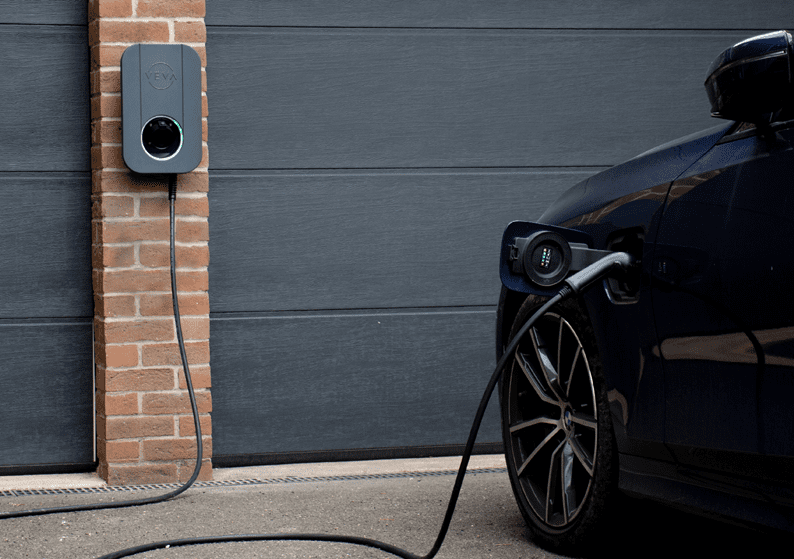
Adding EV chargers makes your business even more forward-thinking. Whether it’s to power your own company vehicles or to offer charging points for customers and employees, it’s another way to demonstrate your commitment to sustainability. It also adds convenience and a little extra revenue potential if you choose to make them publicly available.

At Save Energy UK, we design integrated systems that include solar panels, battery storage, and EV charging solutions. Everything works seamlessly together to reduce your bills and keep your energy use as efficient as possible.

Local Solar Expertise and Why It Matters

If you’ve searched for solar companies near me, you’ve probably noticed there’s no shortage of options. But working with a trusted local provider like Save Energy UK has major advantages.

We’re based right here on the South Coast and have completed installations across Bournemouth, Poole, Christchurch, and beyond. That means we understand the local climate, energy regulations, and building types, things that big national firms often overlook.

Plus, we offer end-to-end support: from initial consultation and design to installation and aftercare. No call centres, no subcontractors, just real people who care about helping your business save money and go greener.

Small Business Success in Action

Here’s an example. One of our recent clients, a small family-run printing business in Poole, installed a modest ten-panel commercial solar system with battery storage.

Within the first year, they cut their electricity bills by nearly 50 percent. During summer, they even export energy back to the grid through the Smart Export Guarantee, effectively turning a cost centre into a source of income.

That’s not unusual. We’ve seen similar results from cafés, workshops, and even small office spaces. Solar is no longer about size; it’s about smart use of space, energy, and investment.

Why Now Is the Time to Act

Every year you wait is another year of paying more than you need to for energy.

With energy prices unlikely to fall dramatically and technology only improving, there’s never been a better time for small businesses to invest in commercial solar panels. The sooner you install, the sooner you start saving and earning from your own clean energy generation.

At Save Energy UK, we can help you explore different options, from Tesla solar panels and Qcell battery systems to EV chargers and energy-efficient upgrades tailored to your property.

Let’s Make Your Business Energy Independent

If you’re a small business owner in Bournemouth, Poole, Christchurch or anywhere across the South Coast, and you’ve been wondering whether solar is right for you, the answer is yes.

No matter the size of your business, you can reduce your bills, lower your carbon footprint, and take control of your energy future.

Get in touch with Save Energy UK today for a free, no-obligation consultation. We’ll help you design a solar solution that suits your space, budget, and goals, and show you just how much you can save.

The Big Sustainability Expo & Awards 2025

About the Event

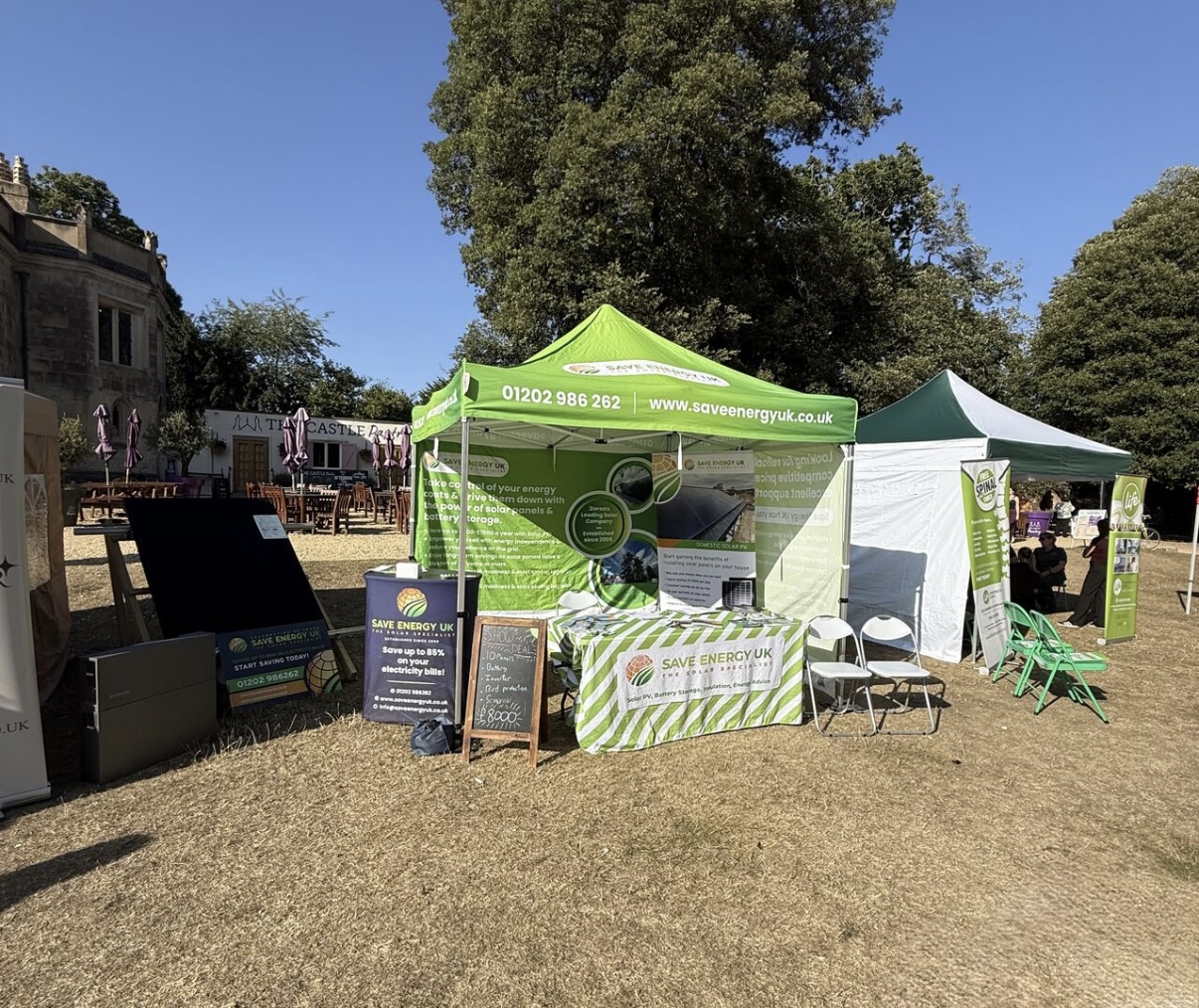
Save Energy UK will be attending The Big Sustainability Expo & Awards 2025 on 9th October 2025 at the Hilton Southampton Utilita Bowl, from 10.00 am to 3.30 pm. The Expo is one of the South’s most established sustainability events, bringing together businesses, organisations, and individuals who are passionate about building a more sustainable future.

The Big Sustainability Expo

What to Expect

The event offers free entry and parking, making it easy for anyone to attend. With up to 100 exhibitors, the Expo will showcase a wide variety of sustainability products, technologies, and services designed to make both homes and businesses greener and more efficient. Visitors can also enjoy a packed programme in the speaker theatre, where industry experts will discuss key environmental topics, present the latest innovations, and share practical advice.

Why It Matters

The Big Sustainability Expo is more than a trade show – it is a place where ideas, people, and solutions come together. It attracts professionals from across different sectors, as well as community groups, educators, and householders who are interested in sustainability. The mix of exhibitors and speakers creates a unique opportunity to exchange knowledge, discover practical solutions, and explore what the future of sustainability looks like.

Come and Visit Us

We are pleased to be part of this year’s event and look forward to meeting attendees, exploring new ideas, and contributing to the conversations that will help shape a cleaner, greener future. If you are planning to attend, make sure to come and find us on the day – we would be delighted to meet you, share our insights, and be part of the discussions that make the Expo such an important date in the calendar.

We are stand 13A and George Wesley as well as David Gussman will be attending on behalf of Save Energy UK.

How Does a Qcell Battery Work with Solar Panels to Store Extra Energy?

Introduction

Across Dorset, more homeowners are switching to solar panels to cut their energy bills and do their part for the environment. From Bournemouth and Poole to Christchurch, Dorchester, and Weymouth, people are realising that harnessing the power of the sun is one of the smartest long term investments you can make for your home.

But while solar panels are excellent at generating clean energy, there is one common question. What happens to all the extra power you create during the day when your household does not need it? The answer is simple. You can store it with a Qcell battery.

At Save Energy UK, we specialise in helping families across the South Coast make the most of their solar panels by pairing them with high quality energy storage systems. Let’s explore how a Qcell battery works, why it is becoming such a popular choice, and what it could mean for your home in Dorset.

What is a Qcell Battery?

A Qcell battery is a home energy storage system that works alongside your solar panels. Its job is to capture any electricity your panels generate that you are not using straight away. Without a battery, that surplus energy is typically exported back to the grid. While you might receive a small credit from your energy supplier, it is far less valuable than using that power yourself.

The Qcell battery acts like an energy savings account. Imagine putting money away during the day when you do not need it, and then being able to spend it later in the evening. Instead of buying expensive electricity from the grid, you simply draw on the energy you have already stored.

Qcell batteries are designed with reliability in mind. They are built using advanced lithium ion technology, meaning they are compact, efficient, and long lasting. Homeowners across Dorset trust them because they offer a balance of affordability, performance, and durability that makes sense for the typical family home.

How Qcell Batteries Work with Solar Panels

The process of how Qcell batteries operate alongside solar panels is straightforward, but it is also very clever. Here is a closer look at the cycle:

  1. Solar generation: Your panels generate electricity whenever daylight is available. Even on cloudy Dorset days, panels still produce energy.

  2. Immediate usage: The electricity first powers your home appliances, lights, and devices in real time.

  3. Excess energy diverted: If there is more energy being produced than used, the Qcell battery steps in and stores it.

  4. Stored energy released: Later in the evening or on a grey winter day, the battery automatically releases that stored electricity back into your home.

The system does all this automatically, without you needing to flick a switch. Qcell batteries also include smart energy management features, which optimise how power is stored and used. This ensures your home always gets the best balance between efficiency and savings.

The Benefits of a Qcell Battery in Dorset

There are plenty of reasons why Dorset homeowners are choosing Qcell batteries. Let’s explore the main benefits in more detail.

Lower energy bills
By using more of your own solar energy instead of sending it back to the grid, you cut down on how much electricity you need to buy. With energy costs climbing in the UK, this saving adds up quickly.

Energy independence
Relying less on the grid means you are not as vulnerable to sudden price spikes or supply issues. A Qcell battery gives you more control and peace of mind.

Eco friendly living
Every unit of solar energy you store and use is one less unit of fossil fuel based electricity that needs to be generated. For eco conscious families in Bournemouth, Poole, and beyond, this makes a real difference to your carbon footprint.

Local impact
Many coastal towns in Dorset are increasingly focused on sustainability. By installing a Qcell battery, you are part of a growing movement toward cleaner living in your community.

How Much Energy Can a Qcell Battery Store?

Qcell batteries come in different sizes to suit different households. The capacity you need depends on the size of your solar panel system and your energy habits.

For example, a typical family home in Dorset might install a battery that can store enough energy to cover most of their evening usage. This could mean running appliances like the oven, washing machine, television, and multiple phone chargers without touching the grid.

On a bright summer day, your solar panels will likely generate more electricity than your family needs while you are at work or school. Instead of wasting that energy, the Qcell battery locks it away for later. By the time evening comes, your home can be powered almost entirely by the sun, even though it has set hours ago.

Even in winter, when daylight hours are shorter, a Qcell battery still helps. It ensures that whatever energy your panels manage to generate is not lost but used as efficiently as possible.

Why Choose Qcell Over Relying on the Grid Alone?

Some homeowners wonder if it is really worth investing in a battery when the grid is always there as a backup. The answer comes down to value, security, and sustainability.
Protection from rising costs
Energy prices have been unpredictable in recent years, with bills reaching record highs. Having a Qcell battery means you can protect yourself from these swings by using more of your own energy.

Peace of mind during power cuts
Although power cuts are not an everyday issue, they do happen, especially in stormy coastal areas. With a Qcell battery, you have stored energy ready to go, keeping essentials running when you need them most.

Smarter usage
Without a battery, you are forced to use solar energy as it is produced. With a Qcell system, you decide when you benefit from that energy. This flexibility is a huge advantage for busy households in Dorset where evenings often see the highest demand.

ecoflow

Is a Qcell Battery Right for My Dorset Home?

For most homes that already have solar panels, the answer is yes. A Qcell battery is a practical way to get more value from your investment.

They are particularly useful for:

  • Larger families who use a lot of electricity in the evenings.

  • Households with high energy appliances like electric cars, home offices, or heating systems.

  • Anyone who wants to lower their reliance on the grid and enjoy more predictable bills.

  • Environmentally conscious homeowners who want to make the most of renewable energy.

The Dorset climate is ideal for solar energy. While we are not always blessed with endless sunshine, the region gets enough daylight to make solar panels and storage worthwhile. Even on grey days, panels produce electricity, and with a Qcell battery, every bit of that energy is put to good use.

Your Local Solar and Battery Experts

At Save Energy UK, we are proud to be one of the leading providers of solar and energy storage systems in Dorset. We cover Bournemouth, Poole, Christchurch, Dorchester, Weymouth, and the surrounding areas.

Our team is passionate about renewable energy and committed to making the switch as smooth as possible for our customers. From the first consultation to installation and aftercare, we provide clear advice and reliable service.

We believe in tailoring every system to the needs of each home. Whether you need a compact battery for a small household or a larger solution for a busy family, we will design the perfect setup. With Save Energy UK, you can be confident you are making a smart investment in both your home and the planet.

Call to Action

A Qcell battery is more than just a piece of equipment. It is the key to unlocking the full potential of your solar panels. By storing excess energy and making it available whenever you need it, you can enjoy lower bills, more independence from the grid, and a greener lifestyle.

If you are based in Dorset and want to explore how a Qcell battery could work for your home, Save Energy UK is here to help. Get in touch with our friendly team today and start your journey toward smarter, cleaner, and more affordable energy.

How Will the UK’s Clean Power Action Plan Affect Commercial Solar Projects?

Introduction

The UK has made some bold promises when it comes to tackling climate change, with net zero targets now shaping almost every corner of energy policy. One of the latest strategies driving this effort is the government’s Clean Power Action Plan. For businesses, this is not just another headline about the environment. It could directly affect the way you source and manage your energy for years to come.

If you are a business owner or property manager thinking about installing solar panels, understanding the direction of government policy is essential. The Clean Power Action Plan is designed to accelerate the UK’s shift to renewable energy, and commercial solar projects will play a central role in achieving that. The big question is: how will it affect your business, your costs, and your opportunities?

What is the Clean Power Action Plan?

The Clean Power Action Plan is part of the UK’s roadmap to reduce reliance on fossil fuels and build a more secure, affordable, and green energy system. It sets out the government’s ambition to decarbonise the power sector by 2035, meaning that within just over a decade, most of the electricity used across the country will come from low carbon sources.

While this might sound like a lofty goal, the plan outlines practical measures to get there. These include scaling up renewable energy projects, investing in grid improvements, supporting new technologies, and encouraging businesses to play their part in the energy transition.

For companies, this means that solar energy is not a “nice to have” anymore. It is being pushed to the forefront of UK energy policy, and the government is signalling its intent to support those who adopt it sooner rather than later.

Why Businesses Should Pay Attention

This plan is not just about climate commitments — it has real world implications for commercial operations. Businesses should take notice for several reasons:

1. Rising energy costs
Energy prices have been volatile over the last few years, leaving many companies struggling with unpredictable bills. The Action Plan aims to stabilise energy markets in the long term by increasing reliance on renewables. For businesses, generating your own electricity through solar can help protect against this volatility, making your future costs more predictable.

2. Competitive advantage
Sustainability is no longer something that only big corporations care about. Customers, investors, and even suppliers are looking closely at environmental performance. A company that invests in renewable energy today is signalling that it takes sustainability seriously, which can become a valuable selling point.

3. Compliance and regulation
As the government pushes harder for clean power, new regulations will inevitably follow. Businesses that act early will be in a stronger position to adapt without disruption, while those that delay may find themselves scrambling to keep up later.

Potential Incentives and Funding Opportunities

One of the most exciting aspects of the Clean Power Action Plan is the potential for financial support. Solar panels require upfront investment, but government policy is leaning towards making this easier for businesses.

Grants and subsidies
These may take the form of partial funding towards installation or schemes to offset costs for businesses willing to invest in renewable technologies.

Tax relief and allowances
Energy saving equipment often qualifies for enhanced capital allowances, which can reduce your overall tax bill. Future policy could expand on this, making solar even more attractive financially.

Green finance and low interest loans
Banks and lenders are under increasing pressure to support sustainable investments. The government’s focus on clean energy may lead to new green finance initiatives, offering businesses more accessible ways to fund solar projects.

The key point is this: while solar is already a strong long-term investment, the Clean Power Action Plan may shorten the payback period by offering additional financial help.

solar panel installation in dorset

Grid Access and Infrastructure

Even if a business wants to install solar panels, connecting them to the grid has not always been straightforward. Limited capacity, slow approvals, and outdated systems have sometimes made the process frustrating.

The Clean Power Action Plan includes commitments to modernise the energy grid. This will not happen overnight, but over the coming years, businesses should find it easier to get connected. That means:

  • Faster approvals for grid connections.

  • More reliable infrastructure capable of handling increased renewable energy supply.

  • Reduced risk of bottlenecks that delay solar projects.

For larger commercial projects, this is especially significant. A smoother connection process makes the whole investment more practical and ensures that businesses can use or sell the energy they generate with fewer barriers.

Sustainability Targets and Reputation

The UK’s target of reaching net zero by 2050 places responsibility on every sector, and businesses will be expected to show how they are cutting emissions. The Clean Power Action Plan accelerates this by focusing on the power sector — an area where commercial solar can have a major impact.

By installing solar, companies reduce their reliance on fossil fuels and contribute directly to national climate goals. But beyond compliance, there is also a branding opportunity. A company that can point to its own solar array is sending a visible message about its commitment to sustainability. This can improve reputation with customers, strengthen bids for contracts, and even attract eco-conscious employees.

In other words, solar is not just about saving money. It is about building trust and credibility in a marketplace where environmental responsibility is increasingly important.

solar energy solutions

The Benefits for Businesses

When we talk about commercial solar, the benefits are wide ranging and practical:

  • Lower energy bills: By producing your own electricity, you cut down on what you buy from the grid. Over time, the savings can be substantial.

  • Energy security: With more control over your energy supply, you are less vulnerable to market swings or supply disruptions.

  • Long term savings: While the initial cost may feel high, solar panels are designed to last for decades with minimal maintenance. The return on investment continues long after the system has paid for itself.

  • Greener reputation: Businesses are increasingly judged on their environmental footprint. Solar makes a clear statement that you are doing your part.

  • Future proofing: By acting now, you get ahead of regulations that will only become stricter over time. Early adopters avoid the rush and enjoy first mover advantages.

Each of these benefits works together to make solar one of the most sensible investments a business can make today.

The Challenges to Consider

It is important to be realistic too. Commercial solar does come with challenges, and businesses should plan for them:

  • Initial investment: Even with financial support, the upfront cost can be significant. Careful budgeting is essential.

  • Space requirements: Not every building is suited to solar panels. Roof size, structure, and orientation all play a role.

  • Regulatory adaptation: While future policies are likely to support solar, navigating changes can require time and attention.

The good news is that these challenges are not insurmountable. With the right planning and expert guidance, most businesses can overcome them and unlock the long-term rewards.

How Save Energy UK Can Help

Making the leap to solar is not just about buying panels and getting them installed. It is about designing a system that works for your business, fits your budget, and meets your long-term energy needs.

Save Energy UK specialises in helping businesses navigate this process from start to finish. That includes:

  • Assessing whether your property is suitable for solar.

  • Exploring available grants, tax incentives, and financing options.

  • Designing a solar system that matches your energy usage.

  • Managing the installation and ensuring everything runs smoothly.

  • Providing ongoing support so your system continues to deliver savings.

We know that every company is unique. That is why our advice is tailored, practical, and focused on helping you achieve real results.

Conclusion

The UK’s Clean Power Action Plan is more than just another government strategy. It is a roadmap for the future of energy, and commercial solar sits at the heart of it. For businesses, this represents both an opportunity and a responsibility.

Investing in solar now can cut costs, strengthen your brand, and prepare you for the regulatory changes that are on the horizon. While there are challenges to overcome, the benefits are clear, and the support available is growing.

At Save Energy UK, we are here to guide you every step of the way. If you want to future proof your business, reduce your energy bills, and make a positive impact on the environment, now is the time to act.

Contact us today and find out how commercial solar can power your business into a cleaner, brighter future.

Maintenance & Warranties for Commercial Solar Panels

Introduction

For many businesses across Dorset, Bournemouth, Poole and the wider UK, commercial solar panels have become one of the most reliable ways to reduce energy costs, cut carbon emissions and secure a more sustainable future. But while solar technology is designed to last for decades, it is not a completely “fit and forget” investment. Just like any other business asset, solar panels need ongoing care and protection to deliver the best results.

Two factors are particularly important when it comes to safeguarding your system: regular maintenance and strong warranties. At Save Energy UK, we work closely with businesses to ensure their panels continue performing at their highest capacity, while also providing guidance on warranty protection for complete peace of mind.

Why Maintenance Matters for Commercial Solar Panels

Solar panels are built to withstand the elements, but over time small issues can build up and lead to reduced efficiency. Routine maintenance is the best way to keep your system running smoothly and ensure it delivers consistent returns.

Regular maintenance allows businesses to get the very best out of their panels. For example, a thin layer of dust, bird droppings or even sea salt from coastal air can reduce the energy output of solar panels by a surprising amount. By scheduling professional cleaning and inspections, you make sure your panels are generating as much electricity as possible.

Maintenance also prevents small issues from becoming costly problems. Something as simple as a loose connection or a worn cable can, if left unchecked, lead to expensive repairs and unwanted downtime. An annual inspection gives you the reassurance that your system is safe, compliant with UK regulations, and ready to perform for the long haul.

Another benefit is asset protection. With regular servicing, the lifespan of your panels and their associated equipment, such as inverters and cabling, can be significantly extended. This means you are not only maintaining efficiency but also protecting your initial investment for many years to come.

tesla solar panels

What Warranties Offer to Businesses

Alongside maintenance, warranties give businesses a financial safety net and confidence that their solar panels will deliver as promised. Understanding what is covered is essential when making such a large investment.

Most solar panels come with a product warranty that protects against defects in materials or workmanship. This typically lasts between 10 and 25 years, depending on the manufacturer, and ensures that any faults caused during manufacturing will be repaired or replaced.

There is also a performance warranty, which is one of the most important assurances for businesses. This type of warranty guarantees that your panels will continue to produce a set percentage of their rated power output, usually around 80 to 85 per cent, even after 25 years of operation. If the panels fall short, the manufacturer must step in.

Inverters, which are the brains of the system, often have shorter warranties than the panels themselves. These usually last between 5 and 15 years, so businesses should plan for replacement during the system’s lifetime. Finally, the installation warranty covers the workmanship of the installer. This tends to run for one to five years and ensures that the system has been fitted correctly and safely.

Strong warranties not only protect your finances if something goes wrong, they also reflect the confidence manufacturers and installers have in their products and services.

commercial solar panel

How Maintenance and Warranties Work Together

Maintenance and warranties should not be seen as separate considerations. In fact, they work hand-in-hand to give you complete confidence in your solar investment.

Many warranties require proof of regular maintenance to remain valid. If you neglect servicing, you may find that a future claim is rejected. By keeping accurate records of inspections and cleaning, you demonstrate that the system has been properly cared for.

From a financial perspective, the combination of maintenance and warranties provides maximum protection. Maintenance helps prevent problems before they happen, while warranties cover you if a fault occurs despite best efforts. Together they ensure that your solar panels continue to deliver reliable returns and support your business goals well into the future.

Frequently Asked Questions

How often should commercial solar panels be serviced?
Most businesses benefit from a professional service once a year, but sites near the coast, busy roads or industrial areas may need more frequent cleaning to deal with salt, dust and pollution.

Will neglecting maintenance affect my warranty?
Yes. Many warranty agreements clearly state that panels must be maintained regularly. Without this, there is a real risk of losing warranty protection.

What if my panels produce less energy than expected?
Performance warranties are designed for this situation. If output falls below the guaranteed percentage, the manufacturer is responsible for repair or replacement.

Do inverters need more attention than panels?
Yes, inverters usually have shorter lifespans and can sometimes require replacement within 10 to 15 years. Regular inspections help to identify issues before they disrupt your energy supply.

Can Save Energy UK support both maintenance and warranties?
Yes, we offer tailored maintenance packages across Dorset and provide ongoing guidance to help businesses understand and use their warranty cover when needed.

A Practical Checklist for Businesses

  • Book a professional solar service at least once a year.

  • Keep detailed records of all inspections and cleaning to protect your warranty.

  • Review your warranty paperwork so you understand what is and is not covered.

  • Monitor your energy generation through your system’s dashboard to spot any dips in performance.

  • Partner with a trusted local provider like Save Energy UK for reliable support.

Conclusion

Commercial solar panels represent a long-term investment that can deliver decades of savings and environmental benefits. To get the most out of them, businesses in Dorset, Bournemouth, Poole and beyond must combine proactive maintenance with comprehensive warranties.

At Save Energy UK, we make it simple. Our expert team ensures your panels stay in peak condition and we provide the knowledge and support you need to take full advantage of your warranty cover. The result is a system that performs reliably, delivers predictable returns and gives your business the confidence to plan for the future.

Want to know more about how to protect your solar investment? Learn more about our maintenance and warranty plans today with Save Energy UK.

How Many Solar Panels Does a Commercial Building Need

Commercial Buildings

Commercial buildings across the UK are facing rising energy bills and increased pressure to demonstrate greener practices. Solar energy has become one of the most effective ways for businesses to reduce long term costs while also improving their sustainability profile. The question most decision makers ask at the very beginning is straightforward: how many solar panels does a commercial building actually need?

The answer is never the same for every business. There are many different factors that determine the size of a system, from how much energy the property consumes to how suitable the roof space is. Below we explore the main considerations in detail, look at typical ranges for different building types, and explain why a professional assessment is the best way to reach an accurate figure.

What Determines the Number of Panels

The number of solar panels a commercial property requires is shaped by several key factors. While it is easy to assume that roof space is the only limitation, the reality is more complex.

Energy consumption is always the starting point. A company that runs heavy machinery, climate control systems, and round the clock lighting will naturally need far more panels than a small office where staff mainly use computers and light appliances. Businesses should look closely at their annual energy bills to understand how many kilowatt hours they use over the course of a year.

Roof size and orientation also play a major role. A large, south facing roof with a clear angle and no shading from nearby buildings or trees will allow more panels to be installed and will generate greater efficiency. In contrast, a roof that faces east or west may still work well but will need careful planning to achieve the desired output.

Panel efficiency is another important factor. Not all panels are equal. Some of the latest models can produce far more electricity than older or cheaper products, which means fewer are needed to achieve the same level of energy generation. Choosing high quality panels can make the system more compact without reducing performance.

Operating hours should not be overlooked either. Companies that run mainly during daylight hours, such as retail shops or schools, can make direct use of the electricity as it is generated. Businesses that operate at night may need to add battery storage to maximise the benefit.

eco flow

Typical Ranges for Different Properties

Every commercial property is unique, but it is possible to provide a sense of scale by looking at typical ranges.

Small offices often have relatively low energy use. A two storey office with a handful of employees using computers, lighting, and basic heating or cooling may only need between 20 and 40 panels. This is often enough to make a meaningful dent in their energy bills while keeping the installation straightforward.

Retail units such as shops, cafes, and restaurants generally consume more power. Lighting, refrigeration, cooking equipment, and air conditioning all add up. Depending on the size and energy profile of the business, these properties may need between 50 and 100 panels to offset a significant portion of their usage.

Warehouses and factories sit at the other end of the scale. Large spaces with high ceilings, powerful lighting, and heavy machinery can consume vast amounts of electricity. It is not unusual for such properties to require several hundred panels spread across expansive roof areas. For some larger industrial sites, the number may even reach into the thousands.

Schools and community centres often fall somewhere in between. Their requirements depend on how many classrooms or halls need power, how many computers are in use, and whether sports facilities or kitchens add to the load. For many, the number of panels ranges from 80 to 200.

These figures are not absolute rules but they illustrate just how much variation exists depending on the type of property and the way it is used.

solar storage

Example Scenarios

To make this more tangible, it is helpful to consider a couple of simple scenarios.

Imagine a medium sized warehouse that uses around 100,000 kilowatt hours of electricity each year. A modern solar panel might generate roughly 400 watts. To cover the annual demand of this building, it could require somewhere between 250 and 300 panels, depending on how efficient those panels are and how suitable the roof is.

Now picture a small office building that consumes 20,000 kilowatt hours a year. Using the same type of panels, the system might only need around 50 to 60 units. This is still a sizeable installation but far more manageable and often achievable on a modest roof.

These examples demonstrate why businesses should not rely on rough estimates alone. Actual requirements can change significantly based on site conditions and the specific panels chosen.

Financial Considerations

Investing in a commercial solar system is a major decision, but it is one that pays off in the long term. The initial cost will depend on the number of panels, the type selected, the complexity of the installation, and whether extras such as battery storage are included.

In many cases, businesses achieve a payback period of between six and ten years. After that point, the system continues to generate electricity at very low cost for many years, providing an excellent return on investment.

There are also grants and incentives available that can reduce the upfront cost. Schemes change over time, but many businesses benefit from tax advantages or government backed support for renewable energy. In addition, producing your own power reduces exposure to unpredictable energy price rises, which has become a major concern in recent years.

When comparing the cost of installation against the savings, it is also important to factor in the potential boost to corporate image. Clients, customers, and partners increasingly expect businesses to show their commitment to sustainability, and solar energy is a visible and effective way to do this.

The Role of Modern Technology

The solar industry has advanced rapidly. Modern panels are far more efficient than those available even a decade ago, and new technologies make it easier to tailor systems to commercial needs.

Tesla solar panels and Qcell batteries, for example, offer excellent efficiency and the ability to store surplus electricity for later use. This is particularly valuable for businesses that may not use all their power during the day. With storage, excess energy produced in the afternoon can be used in the evening, reducing reliance on the grid even further.

Monitoring systems also allow businesses to track performance in real time. Managers can see exactly how much energy is being produced and how it is being used, making it easier to manage consumption and identify opportunities for further savings.

Why a Professional Assessment Matters

While rough figures and examples can provide guidance, only a professional assessment can give a truly accurate answer to how many solar panels a commercial building will need.

During an assessment, specialists look at every detail of the property. They examine the roof structure, orientation, shading, and available space. They review past energy bills to understand usage patterns, and they take into account business goals, whether that is maximising savings, reducing carbon output, or both.

The end result is a tailored proposal that sets out how many panels are needed, where they should be placed, how much energy they will generate, and what financial returns can be expected. This removes uncertainty and ensures that the system will deliver the performance the business requires.

The Benefits of Choosing a Local Provider

Selecting a local expert brings additional benefits. A company such as Save Energy UK has a deep understanding of the needs of businesses in Dorset and across the South Coast. They are familiar with the planning considerations, local climate, and the types of buildings in the region.

Working with a local provider also means easier access to ongoing support. Solar panels are low maintenance, but occasional servicing and inspections ensure the system continues to perform at its best. Having a nearby partner makes this process far simpler and provides reassurance that help is never far away.

Building a relationship with a trusted local firm also adds value. Businesses know they can pick up the phone, arrange a site visit, or speak to someone face to face whenever they need advice.

Conclusion

There is no universal answer to the question of how many solar panels a commercial building needs. The figure depends on energy use, roof space, panel efficiency, and the goals of the business. A small office might only need a few dozen panels, while a large warehouse could require several hundred or more.

If your business is based in Bournemouth, Poole, Christchurch or the surrounding area, Save Energy UK can provide the expert advice and professional installation you need. Get in touch today to arrange an assessment and discover how solar panels could transform your energy future.