Over 20 years as your solar system specialists
"We pride ourselves on good products, good pricing and good backup service"
Tel: 01202 986262
Supporting  

Celebrating 20 Years of Excellence

Save Energy UK Marks a Major Milestone

2025 is shaping up to be a record-breaking year for Save Energy UK—and what better way to celebrate than with a 20-year anniversary event that brought together friends, clients, colleagues, and partners across three incredible venues.

From our headquarters to the vibrant atmosphere of The Cow in Ashley Cross, the celebrations were a fitting tribute to two decades of dedication, growth, and community impact.

Two Decades of Innovation and Service

Since our founding in 2005, Save Energy UK has been on a mission to make energy-efficient living accessible, affordable, and high quality for homeowners and businesses alike. Over the years, we’ve grown from a small local operation to one of the South’s most trusted names in home energy solutions.

And 2025 is already shaping up to be our most exciting year yet—with record-breaking installations and a steadily growing reputation for quality, professionalism, and customer satisfaction.

A Night to Remember

The celebration kicked off at our very own building, where guests were welcomed with drinks, a look back at our journey, and the chance to meet the faces behind the brand. From there, we moved on to The Cow in Ashley Cross, where the evening took on a more relaxed and festive tone.

The atmosphere was buzzing as old friends reconnected, new relationships were formed, and everyone raised a glass to the successes of the past—and the opportunities of the future.

Trusted, Reviewed, and Recommended

We’re incredibly proud of what we’ve built over the past 20 years. Our success isn’t just about numbers—it’s about people. And the proof is in the feedback:

  • Over 600 excellent reviews

  • An outstanding 9.98/10 average rating on Checkatrade

We don’t take this lightly. Every install, every consultation, every interaction matters—and we’re committed to delivering the same high-quality service our customers have come to expect.

Looking Forward

While this event was a time to reflect and celebrate, it was also a launchpad for what’s next. We’re continuing to innovate, expand our services, and push the boundaries of what’s possible in energy-efficient living.

Here’s to the next 20 years!

How Much is a Government Grant for Solar Panels?

A 2025 Guide for Homeowners and Commercial Properties in Dorset

With energy prices continuing to rise and the demand for clean energy solutions growing, many homeowners and businesses across the South Coast — particularly in areas like Bournemouth, Poole, and Christchurch — are seriously considering solar panel installations. One of the most common and important questions is: how much financial support can I get from the government to install solar panels?

In the UK, there isn’t a single universal grant that covers the cost of solar panels. However, several schemes are available in 2025 that can help reduce the cost substantially, especially for qualifying households and commercial properties. These include national programs like the Energy Company Obligation (ECO4), the Smart Export Guarantee (SEG), and in some cases, regional council-level support. Whether you’re looking into standard solar panels, advanced systems like Tesla solar panels, or integrated battery storage options such as Qcell batteries, understanding how these incentives work could help you make an informed and financially savvy decision.

UK Government Support for Solar Panels in 2025

When people ask about a “solar panel grant,” they are usually referring to schemes that either reduce the upfront cost or provide long-term savings. These incentives are designed to encourage the uptake of renewable energy while helping residents cut down on carbon emissions and energy bills. Below are the main types of support currently available across the UK, many of which apply specifically to residents and businesses in Dorset.

ECO4 Scheme (Energy Company Obligation)

The ECO4 scheme, which runs through March 2026, is aimed at improving energy efficiency in low-income households. While its main focus is on insulation and heating upgrades, it does support solar panel installation as part of a broader package of energy improvements. This means if your home qualifies for ECO4, solar panels might be included at little or no cost to you.

To be eligible, you typically need to be receiving government benefits such as Universal Credit, Housing Benefit, or Pension Credit. Your property must also have a relatively low Energy Performance Certificate (EPC) rating, usually D or below. If you’re a homeowner or a private tenant living in such a property, you could qualify for full or partial funding.

In Dorset and surrounding areas, local authorities work with approved installers to deliver ECO4 funding, so it’s worth checking with Bournemouth, Christchurch and Poole (BCP) Council or Dorset Council to see what’s currently available. Savings under ECO4 can range from £5,000 to £12,000 depending on your home’s needs and the scope of improvements.

Smart Export Guarantee (SEG)

The Smart Export Guarantee allows solar panel owners to earn money by selling excess electricity back to the National Grid. While not a grant in the traditional sense, this incentive plays a key role in offsetting the cost of a solar installation over time. Under SEG, energy suppliers pay homeowners for each kilowatt-hour (kWh) of unused electricity exported.

To qualify for SEG, your solar system must be installed by an MCS-certified installer and connected to a licensed SEG provider. You’ll also need a smart meter capable of measuring export. Tariff rates vary depending on the energy company, ranging from as little as 1p per kWh to upwards of 15p per kWh. Over the course of a year, many homeowners earn back £100 to £400 or more, while commercial systems with higher capacity can see even greater returns.

Local Council and Regional Funding

While national schemes form the backbone of a government grant, there are also region-specific opportunities that vary by council. Some councils offer additional retrofit programs or partnerships with installers to help residents fund solar and other energy upgrades.

In Bournemouth, Poole, and Christchurch, these schemes change regularly and may be offered through joint efforts with housing associations, community energy projects, or Local Enterprise Partnerships (LEPs). For example, some Dorset LEPs support commercial sustainability efforts, including partial funding for solar energy installations for businesses looking to reduce carbon emissions.

Homeowners should contact BCP Council and Dorset Council directly or speak to a trusted local installer like Save Energy UK, who will often be aware of live funding opportunities.

How Much Could You Actually Save?

The amount of financial help you can receive for solar panels varies widely depending on eligibility, scheme type, system size, and location. Below is a general idea of what each support route may contribute:

  • ECO4 Scheme: Between £5,000 and £12,000 in funding for eligible households

  • SEG Earnings: Between £100 and £400 per year for homeowners, potentially more for commercial systems

  • Local Grants or Council Contributions: Up to £5,000 in some cases

  • Commercial Grants or Tax Relief: Up to 25–40% of system cost via capital allowances or regional programs

For example, if your solar panel system costs £6,500 and you qualify for ECO4 and SEG, you might only end up paying £1,500 to £2,000 out of pocket after all benefits are applied.

What About Tesla Solar Panels and Qcell Batteries?

Many people wonder whether premium systems like Tesla solar panels or advanced battery storage like Qcell are eligible under these funding options. The short answer is yes — but with conditions.

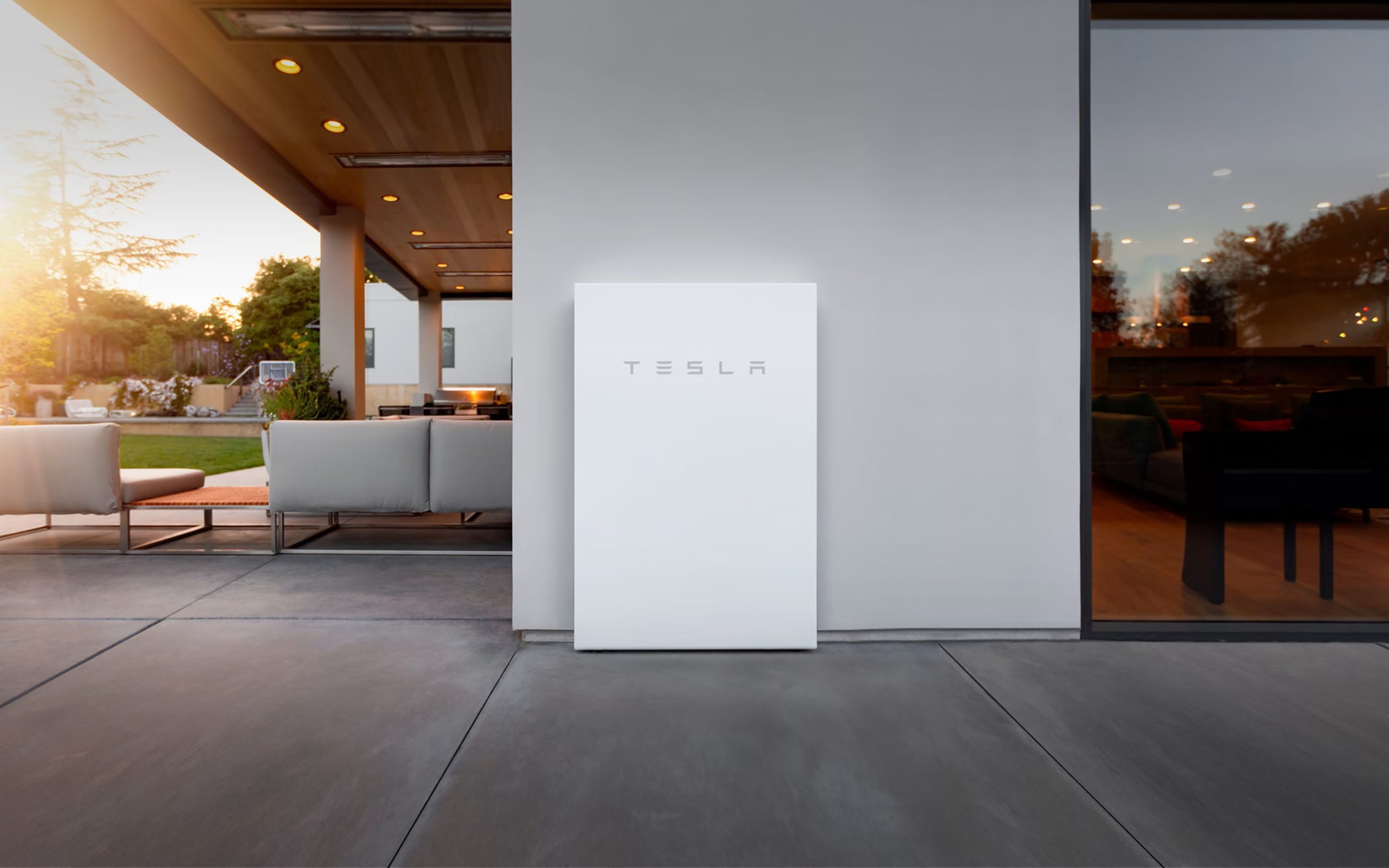
While schemes like ECO4 don’t specifically mention brands, they do require the use of certified, efficient equipment. Tesla solar panels and Powerwalls, as well as Qcell batteries, are commonly included in high-performance installations and meet all technical criteria. However, approval depends on whether your chosen installer is certified and whether the system forms part of a broader home energy improvement plan.

It’s also worth noting that adding battery storage can increase your SEG earnings, as you’re better able to control when electricity is used or exported. For commercial solar systems, battery integration may further improve the business case by helping to avoid peak tariffs and reducing reliance on the grid.

Homeowners vs Commercial Property Owners

While homeowners are eligible for schemes like ECO4 and SEG, commercial property owners may benefit from a different set of incentives. Businesses are often able to write off the cost of their solar systems through capital allowances, gain VAT exemptions on energy-saving materials, or access a sustainability government grant from LEPs.

In some cases, energy savings achieved through solar can even be used to meet Corporate Social Responsibility (CSR) targets or net-zero commitments — adding reputational value on top of financial return. For businesses on the South Coast, particularly in energy-intensive sectors, commercial solar can deliver payback periods of just 3–6 years depending on the size of the installation and available support.

Solar Panel Demand in Bournemouth, Poole and Christchurch

There’s growing local interest in renewable energy across Dorset, with more residents and businesses in Bournemouth, Poole, and Christchurch installing solar each year. Many local solar companies, including Save Energy UK, report significant year-on-year increases in demand, driven by both environmental concerns and the desire to reduce energy bills.

This increase in demand has also encouraged local councils to take action, offering improved access to funding and running information campaigns to help people make the switch. As a result, homeowners in these towns may be particularly well-placed to benefit from the available schemes, especially if they act while support is still available.

Frequently Asked Questions

Can I still get a grant if I already have solar panels?
You typically cannot receive a grant to add more panels, but you may still be eligible for battery storage incentives or SEG payments.

Do government schemes cover battery storage like Qcell or Tesla Powerwall?
yes — particularly when storage is installed as part of a larger home energy retrofit under ECO4 or as part of a smart commercial system.

Are Tesla solar panels covered by UK grants?
They are not specifically excluded. As long as they are installed by certified professionals and meet energy efficiency standards, they may qualify as part of a funding-approved project.

What support is available for commercial properties?
Businesses can access SEG, capital allowances, low-interest green loans, and regional grants. The actual support available depends on the location, business type, and project size.

What if I don’t qualify for ECO4?
You can still benefit from the SEG scheme, VAT reductions, and potentially a government grant. Financing options are also available through reputable installers.

Take the Next Step with Save Energy UK

Government grants and incentives in 2025 make installing solar panels more accessible than ever before — but these schemes won’t be around forever. With rising electricity prices and increasing demand, now is the perfect time to explore your solar options.

Save Energy UK works with homeowners and businesses across Bournemouth, Poole, Christchurch, and the wider Dorset area to design, install, and optimise solar systems.

As certified installers of Tesla solar panels and Qcell battery solutions, they can help you find the right system — and the best way to fund it.

Contact Save Energy UK today for a free consultation and quote. Your journey to clean, affordable energy starts here.

Havant Borough Council’s Strategy

Havant Rugby Football Club

The rugby football club as operated in Havant for 74 years. Due to rising electricity costs, as a result of the development of the clubhouse as the main source of revenue, the organisation needed to find a reliable energy solution. Gordon Brember, Head of Facilities, took the time to share the organisation’s experience of why a sustainable investment was important for business.

The Club’s Investment

Although the club has installed various interventions over time, solar panel installation became the best solution to “take away the pain of the price increases”, according to Gordon.

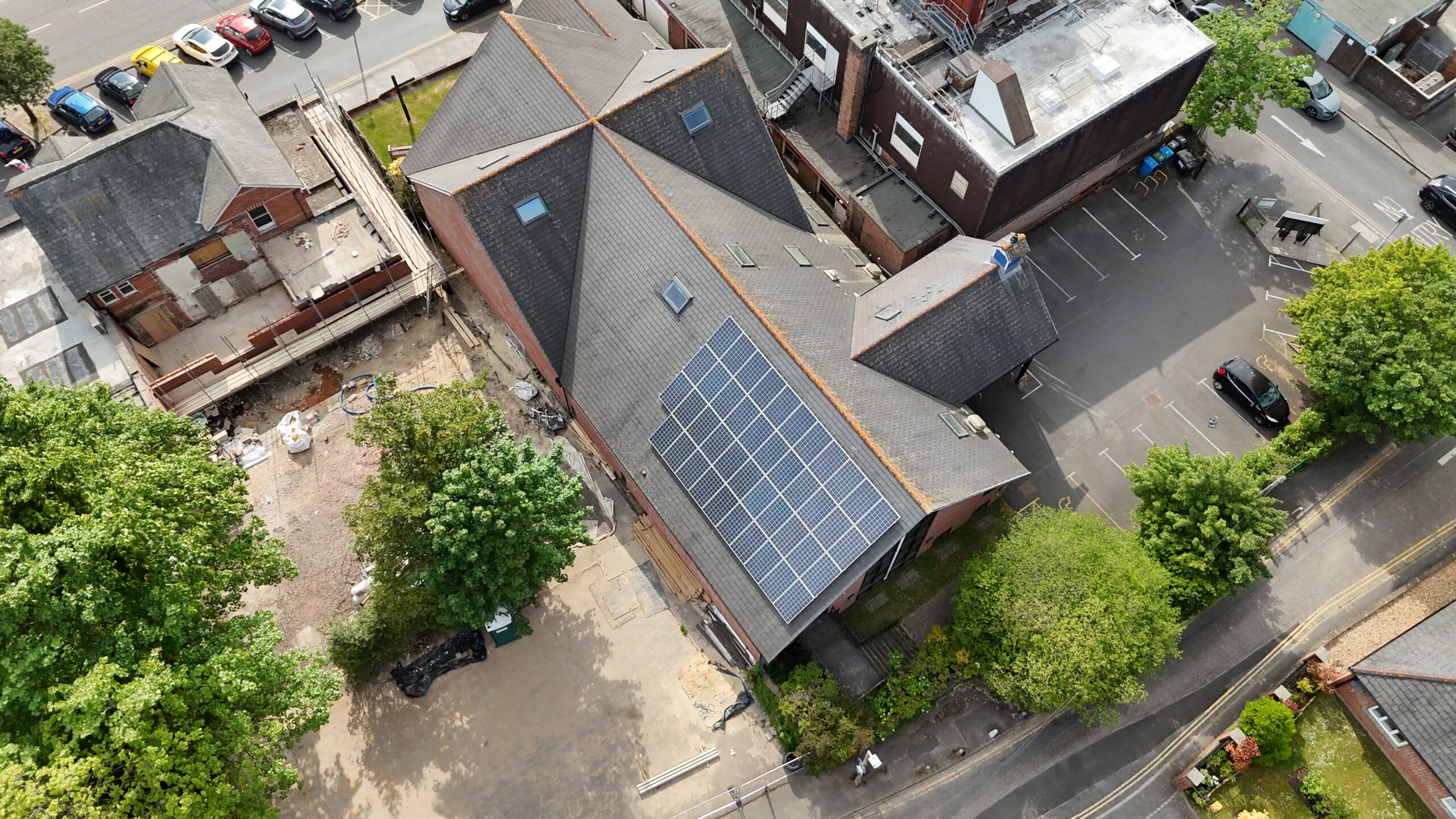
The full installation of solar panels and battery storage was just under £25k, working closely with Save Energy UK to ensure the best package was chosen. A total of 56 solar panels have been installed on the grandstand roof at the club.

The Savings

The longer term investment is what the club is aiming for, recognising that the initial energy costs saved will pay off the higher purchase loan that was secured with the support of Save Energy UK. With a number of rising costs, like many other organisations in hospitality, Gordon shared that releasing the capital funding to finance the installation would have been a challenge.

The costs saved will pay off the loan and contribute to the organisation running over a 5-year period. Following the initial 5 years, the expectation is to see an estimated 20% savings on electricity costs.

The Club’s Advice to Others

“Do your homework and build a prediction model. We looked at our hourly usage in detail.”

“We are a hospitality business that supports a rugby club in essence. Hospitality has many challenges and we have to keep improvements to stand still.” Gordon added, “Installation of Solar PV and savings plays a role in the overall business.”

Residential Solar Panels Payback Calculator

How Much Will You Save?

Thinking about getting solar panels for your home? You’re not alone. With energy bills climbing and a growing focus on greener living, homeowners across the South Coast are turning to solar. But one question always pops up: how much will I actually save? That’s where a residential solar panels payback calculator comes in.

Let’s break down what it is, how it works, and whether solar panels (and batteries) are really worth it for you.

What Is a Solar Panel Payback Calculator?

A solar panel payback calculator is a handy tool that helps you figure out how long it will take to recover the upfront cost of your solar system through energy savings. In simple terms, it tells you when your solar panels will have “paid for themselves.”

It usually asks for a few details like:

  • Your location

  • Energy usage (how many kWh you use per year)

  • Panel system size and cost

  • Any battery storage (like a Sunsynk battery or Duracell solar battery)

  • Tariff rates (buying and selling electricity)

  • Local government incentives

It then gives you an estimated payback period—often shown in years.

Are Residential Solar Panels Worth It?

Short answer: for many South Coast homeowners, yes—especially if you plan to stay in your home for at least 5–10 years. Solar panels cut down your electricity bills and let you sell excess energy back to the grid. Add a battery system into the mix, and you’ll store unused power for evening use, boosting your savings even more.

Here’s what affects how “worth it” they really are.

What Affects Solar Payback Time?

1. Installation Cost

The average residential solar panel system costs between £5,000–£8,000 in the UK, depending on system size. If you add a Sunsynk battery installation or a Duracell solar battery, the total might rise to £10,000–£14,000.

2. Your Energy Usage

The more electricity you use during the day, the more you’ll benefit from solar. If you’re out all day, a battery helps by storing energy for the evening.

3. Location

Living on the South Coast? Lucky you—this region enjoys higher-than-average sunshine levels in the UK. More sun = more energy = faster payback.

4. Smart Export Guarantee (SEG)

SEG lets you earn money for feeding unused electricity back to the grid. It’s not loads (around 5–15p per kWh), but every penny helps!

5. Incentives

While the big solar incentives ended in the UK, some local councils or companies offer deals. It’s worth a quick search or chat with your solar battery installers near me.

How to Use a Payback Calculator: Step-by-Step Example

Let’s walk through a basic example.

  1. System cost: £8,000

  2. Annual electricity savings: £900

  3. Export earnings via SEG: £150

  4. Total annual savings: £1,050

  5. Payback period: £8,000 ÷ £1,050 = 7.6 years

That’s just an estimate—but it gives you a ballpark idea. And with prices rising, your savings could grow over time.

How Solar Batteries Change the Game

If you’re serious about maximising savings, look into adding a Sunsynk solar panel system with a Sunsynk battery or a Duracell solar battery. Batteries store extra electricity so you can use it later, instead of buying from the grid at higher evening rates.

Why It’s Worth Considering:

  • Use more of your own energy = fewer grid imports

  • Protection against blackouts

  • Helps reduce your carbon footprint

  • Potentially shortens your payback period by up to 2 years

A Sunsynk installer can explain which battery size fits your setup and how much more efficient your system will become. Look for trusted solar battery installers who understand both the tech and local conditions.

default

How Much Can You Actually Save?

Here’s a rough look at what savings could look like over time:

Years Without Battery With Battery
5 £4,000–£5,000 £5,000–£6,500
10 £8,500–£10,000 £11,000–£13,000
20 £18,000–£22,000 £24,000+

Note: These numbers depend on your usage, system size, and export rates—but the general idea is clear: solar saves you money, and batteries boost those savings even more.

Tips to Reduce Payback Time

  • Get multiple quotes: Prices vary, and some installers offer better long-term support.

  • Choose the right installer: Find a certified Sunsynk installer or trusted solar battery installer near you.

  • Pair with a battery: Duracell solar batteries and Sunsynk battery installation options are widely available.

  • Use more solar during the day: Time your high-usage activities (like washing machines or EV charging) for daylight hours.

  • Monitor your system: Many systems offer apps to help you see real-time performance and adjust usage.

So, How Much Will You Save?

With the right setup, most homeowners on the South Coast can expect to pay off their solar panels in 6–10 years—even faster with a battery. After that, you’re essentially enjoying free electricity (and possibly income) for the next decade or more.

If you’ve ever asked, “Are residential solar panels worth it?”—the answer might be a resounding yes, especially when you add Sunsynk or Duracell battery storage.

Try a solar panel payback calculator today and find out exactly how much you could save. Or speak to a local solar battery installer to get a tailored quote that suits your home and energy needs.

Get in Touch with Save Energy UK Today

Ready to take the next step toward lower energy bills and a greener future? Whether you’re curious about solar panel installation, battery storage options like Sunsynk or Duracell, or just want honest advice, Save Energy UK is here to help. Our friendly team of experts are on hand to answer your questions, guide you through the best solutions for your home, and provide a free, no-obligation quote.

Can You Get Free Residential Solar Panels in 2025?

Introduction

Residential Solar technology has become increasingly appealing to homeowners across the UK, especially along the South Coast, as energy prices rise and environmental concerns grow. In 2025, the question on many minds is: Can you genuinely get free solar panels for your home? The short answer is: yes—for certain households under specific government schemes and subsidies. But “free” often comes with eligibility conditions and trade-offs. This article will help you understand what options are truly cost-free, what qualifies as “free” but with strings attached, and how Save Energy UK can guide you through the process.

What Does “Free” Solar Panels Mean?

When industry or marketing materials advertise “free solar panels,” they’re typically referring to one or more of the following:

  1. Fully funded installations through national schemes such as ECO4 or local Warm Homes grants.

  2. 0% VAT on residential solar hardware and installation, which effectively discounts the final bill.

  3. Smart Export Guarantee (SEG) payments that generate passive income from surplus electricity.

  4. Private or charity-funded schemes offering fully funded installs to highly targeted demographics.

  5. Lease or Power Purchase Agreements (PPAs)—no upfront cost, but you pay for energy usage.

It’s important to note that while the upfront installation might cost you nothing, you may still face conditions like eligibility checks, long-term maintenance responsibilities, or revenue-sharing agreements.

National UK Schemes in 2025

1. ECO4

The Energy Company Obligation continues through March 2026, targeting low-income households in inefficient properties (EPC grades D–G). Eligible homes may receive full funding for residential solar panels, insulation, or heat pumps, paid directly by Ofgem-registered installers via obligated energy suppliers MoneySavingExpert.com+15eco4.co.uk+15CRG Direct Solar+15elmhurstenergy.co.uk+13CRG Direct Solar+13evergy.co.uk+13evergy.co.uk+2The Renewable Energy Hub+2Homebuilding+2. ECO4 is one of the few sources of genuinely free solar for qualifying homeowners or tenants with sufficient benefits or low income.

2. Smart Export Guarantee (SEG)

This government-mandated initiative ensures energy suppliers offer payments for surplus energy exported to the grid. While it doesn’t reduce installation costs, it can generate an annual return of roughly £80–£170 for typical installations Warm Home Plan.

3. 0% VAT on Installations

Backed until March 2027, this tax relief eliminates the usual 5% VAT on solar panel kits and installations—reducing costs by £300 to £1,000 on average .

4. Warm Homes: Local Grant

From April 2025, this £500 million fund is distributed via local authorities to install energy-saving measures and solar PV in low-income households with EPC D–G ratings. Each eligible home can receive up to £30,000, split between insulation and low-carbon technology—absolutely no cost to the homeowner elmhurstenergy.co.uk+7GOV.UK+7Consumer Rights+7.

Regional & Private Development Schemes

LA Flex

Local Authority Flexibility (LA Flex) allows councils to extend ECO4-style support to households that don’t meet national criteria. Eligibility, income caps, and EPC thresholds vary by council Energy Saving Trust+15eco4.co.uk+15ecowiseinstallations.co.uk+15.

Solar Together Group Buying

Active in regions such as Hampshire and West Sussex, this offers group purchasing across select areas. Homeowners commit to installation after securing bulk pricing—while some cost remains, it is substantially lower Shine Solar+2Homebuilding+2CRG Direct Solar+2.

Private Grants (e.g., Solar Panel Funding)

Companies like Solar Panel Funding offer fully funded solar options for very specific groups—typically single parents with chronic health conditions, incomes under £10,000, and high energy burdens The Renewable Energy Hub+2Wikipedia+2Moneyweek+2.

residential solar panels

Eligibility Criteria

Scheme Eligibility Summary
ECO4 Low-income households (benefits or income <£31k), EPC D–G, owned or rented (with permission) Sustainable Energy Engineering Limited+4chahalenergy.co.uk+4Energy Saving Trust+4
SEG / 0% VAT All homeowners qualify; SEG requires microgeneration registration
Warm Homes Local Grant Income <£36k or means-tested benefits, EPC D–G, in participating council areas, starting April 2025
LA Flex Varies by council; designed for those marginally missing ECO4 thresholds
Solar Together Homeowners in launching council zones
Private Grants Strictly targeted demographics (e.g., single parents under certain income)

If You Don’t Qualify—Alternatives

  • Solar leases/PPA: No upfront cost, but you pay for the electricity generated.

  • Green loans/mortgages: Available from some banks or installers, often around 0–6% interest.

  • Installer payments plans: Many offer interest-free or low-rate financing.

  • Group buys (Solar Together): Discounted rates via bulk purchasing.

  • Pay-in-full: If affordable, you can buy the system outright and benefit from VAT and SEG incentives.

Pros & Cons of “Free” Solar

Pros

  • No upfront cost for qualified applicants

  • Future-proof budgeting: Income from SEG helps offset bills

  • VAT exemption benefits everyone

  • Lower energy bills and reduced carbon emissions

  • Increased property value due to installed PV

Cons

residential solar panel installation

How Save Energy UK Helps

Save Energy UK operates as both a service provider and publisher, supporting South Coast homeowners through:

  1. Eligibility checks for ECO4, Warm Homes grants, LA Flex, and private schemes

  2. End-to-end facilitation with council and energy supplier coordination

  3. Installer vetting, ensuring MCS certification and reliable workmanship

  4. Ongoing guidance via blog, tools, calculators, and up-to-date content

  5. Simple quoting and application handling—no hassle for homeowners

Conclusion

While the term “free solar panels” in 2025 holds substantive truth for many, it’s contingent on meeting specific eligibility conditions and acting quickly to take advantage of time-limited schemes. For everyone else, alternative routes—like VAT exemption, SEG, financing, and group buys—still make solar installation attractive and often affordable.

Interested in residential solar panels? Whether you’re eligible for full funding or exploring cost-effective options, request a free home assessment or quote from Save Energy UK today. We’ll help you navigate grants, PV options, and installation seamlessly.

How Fast Residential Solar Panels Pay for Themselves

Solar Payback

As the cost of living continues to rise and energy prices remain unpredictable, more and more homeowners on the South Coast are turning to solar energy as a long-term solution. One of the most common questions people ask is: “How long will it take for solar panels on my home to pay for themselves?” This guide breaks it down clearly and concisely, so you can decide if residential solar installation is right for you.
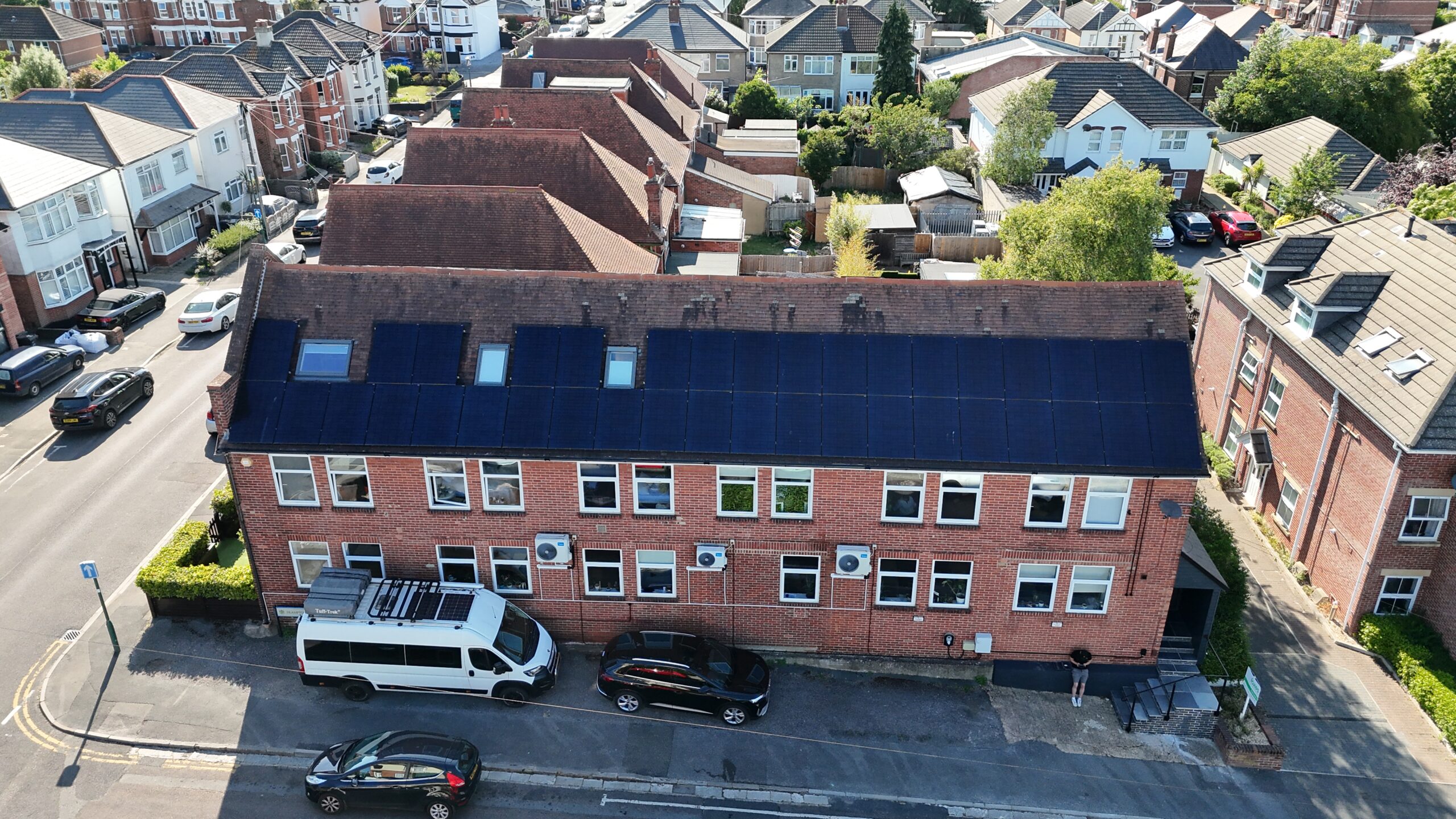
The solar payback period is the time it takes for the financial savings generated by your solar panels to cover the cost of purchasing and installing them. After this period, any additional savings are essentially profit — and with systems lasting 25 years or more, the long-term returns can be substantial.
How Is the Payback Period Calculated?

Several key factors influence the payback calculation:

1. Upfront Costs

Typical installation costs for a 4kW residential system range from £5,000–£7,000. On the South Coast, with its higher-than-average sun exposure compared to the rest of the UK, you might need slightly fewer panels to achieve the same output.

2. Energy Bill Savings

Solar panels reduce your reliance on the grid, slashing your electricity bills. In the South Coast region, a well-positioned 4kW system can generate around 3,800–4,200 kWh annually, leading to £600–£900 in yearly savings, depending on your tariff.

3. Government Incentives

UK homeowners benefit from:

  • Smart Export Guarantee (SEG): Earn money by selling unused solar electricity back to the grid.

  • 0% VAT on solar installations: Running until March 2027, this significantly reduces upfront costs.

4. Local Electricity Rates

South Coast homeowners, especially in Hampshire, Dorset, and West Sussex, often pay higher per-unit energy prices due to regional distribution charges — making solar even more financially attractive.

residential

What Affects Your Solar Payback Period?

Several factors can speed up or slow down your return on investment:

Location & Sunlight

The South Coast enjoys more sunshine than much of the UK — especially in areas like bournemouth, Brighton, Portsmouth, and the Isle of Wight. More sun = more savings.

Roof Orientation & Condition

South-facing roofs with minimal shade and a good pitch (30–40°) perform best. If your roof needs repairs or reinforcement, it can increase initial costs.

System Size & Efficiency

Higher-efficiency panels cost more upfront but may shorten the payback period due to better energy production.

Financing Options

  • Outright purchase: Best long-term value.

  • Solar panel loans or payment plans: Spread the cost but add interest, which may extend your payback timeline by 2–4 years.

residential solar panels

Realistic Examples from the South Coast

Example 1: Semi-Detached in Southampton

  • 4kW system, £6,200 installed

  • Generates ~4,000 kWh/year

  • Saves ~£850/year (incl. SEG payments)

  • Payback: ~7.3 years

Example 2: Detached Home in Poole with Loan Financing

  • 6kW system, £9,000 installed

  • 5-year loan at 4.5% APR

  • Saves ~£1,100/year

  • Payback: ~9–10 years (accounting for interest)

How Solar Compares to Other Home Improvements

Home Improvement Average Payback Period
Solar Panel Installation 6–10 years
Wall Insulation 12–15 years
EV Charger Installation 8–12 years
Loft Insulation 2–4 years

While insulation provides quicker returns, solar panels offer one of the best long-term ROI options, especially with energy costs trending upwards.

residential solar panel installation

Is Solar Worth It for South Coast Homeowners?

Absolutely — especially if you plan to stay in your home for at least 7–10 years. The South Coast’s favourable solar conditions and rising energy costs mean your system could start turning a profit well before it reaches the halfway point of its lifespan. Add in government incentives, zero VAT, and the environmental benefits, and solar becomes a smart and future-proof investment.

Sustainable Investment

Investing in solar panels on your home is no longer just a niche decision for eco-warriors — it’s now one of the smartest financial and environmental choices a UK homeowner can make. On the South Coast, where sunlight is more abundant than in many other regions of the UK, the benefits are amplified. You’ll not only slash your energy bills but also gain protection against rising electricity prices, all while reducing your carbon footprint.

The average payback period of 6–10 years means that for over half of your system’s 25+ year lifespan, your panels are essentially making you money. Combine that with government incentives like the Smart Export Guarantee and 0% VAT, and it’s clear that the financial case is stronger than ever.

Whether you’re in Brighton, Bournemouth, Portsmouth, or anywhere in between, solar panels are a future-proof way to increase your home’s efficiency, value, and sustainability. If you’ve been on the fence, now is the perfect time to act.

Start Your Solar Journey Today

Ready to take the next step towards cleaner energy and long-term savings?

We’re here to help you every step of the way. Whether you want a rough cost estimate, advice on your roof’s suitability, or a detailed proposal tailored to your home, our friendly solar experts can guide you through your options with zero pressure and full transparency.

Reach out today for a free, no-obligation solar assessment, and discover how fast solar panels could pay for themselves on your property.

Call us, drop us a message, or fill out our quick online form — and let’s bring sunshine to your savings!

How Long Do Residential Solar Panels Last?

Why Solar is the Smart Move for UK Homeowners

Imagine this — every time the sun shines, your roof is generating free electricity. No more sky-high energy bills. No more worrying about energy price hikes. This is the reality for thousands of UK homeowners investing in solar energy solutions. But one of the most common questions we get at Save Energy UK is:

“How long do solar panels on a home actually last?”

It’s a fair question. When you’re investing in solar panel installations, energy-saving solutions like the Growatt battery, or premium systems like the Tesla Powerwall UK, you want to know that your investment is going to last.

This guide dives deep into the lifespan of residential solar panels, the factors that affect their longevity, and how you can maximise your system’s performance — keeping your home powered by clean, renewable energy for decades to come.

How Long Do Solar Panels on a Home Last?

The Simple Answer: 25-30 Years (or More!)

Most solar panels on a home come with warranties ranging from 25 to 30 years, which is a strong indicator of their expected lifespan. However, panels don’t suddenly stop working when the warranty ends. Instead, their efficiency gradually decreases over time.

According to the National Renewable Energy Laboratory (NREL), most solar panels degrade at a rate of about 0.5% to 0.8% per year. This means that after 25 years, your panels are likely still producing 80-87% of their original output.

Real-Life Example:

One of our customers in Dorset installed solar panels back in 2001. Over two decades later, their system is still producing around 83% of the energy it did when it was new — and they’ve saved tens of thousands of pounds on electricity.

residential solar panels

What Causes Solar Panels to Degrade?

Solar panels are incredibly durable but, like anything, they experience wear and tear over time. Here’s what affects their longevity:

1. Weather Exposure

  • UV rays slowly degrade materials

  • High winds can loosen mounts

  • Heavy snow and hail (rare in most parts of the UK) can cause physical stress

2. Thermal Cycling

Constant heating and cooling cause materials to expand and contract, which can lead to microcracks.

3. Poor Installation

Choosing experienced residential solar panels installers is crucial. Poor workmanship can lead to wiring faults, moisture ingress, and premature failure.

4. Low-Quality Panels

Top brands like Tesla solar panels or those with proven track records tend to last longer and degrade slower than cheap alternatives.

solar panels for your home

How Can You Protect and Extend the Life of Your Solar Panels?

Solar Panel Protection Tips:

1. Regular Maintenance

  • Annual inspections by qualified installers

  • Check for dirt, debris, and bird droppings

  • Clean panels if covered (though rain does most of the job in the UK!)

2. Monitor Your System

Use apps connected to your inverter (like Growatt’s monitoring or Tesla Powerwall UK software) to track performance. A sudden drop could indicate a fault.

3. Professional Installers

Trust Save Energy UK — as one of the leading residential solar panels installers, we ensure correct positioning, wiring, and installation standards for maximum longevity.

4. Add Battery Storage

Pairing panels with a Growatt battery or Tesla Powerwall UK not only maximises usage of your generated energy but also reduces the stress on the grid and increases system efficiency.

solar panels for your home

What Happens After 25-30 Years?

Do Panels Stop Working?

Absolutely not. Solar panels will still produce electricity; they just won’t be as efficient as when new. Many panels last 40 years or more, still generating power, just at a lower output.

A Common Scenario:

A panel with an 85% output after 30 years might still comfortably meet a household’s needs — especially when combined with smart energy-saving solutions like battery storage and upgraded inverters.

Are There Any Upgrades or Improvements?

Yes! Technology keeps advancing. In 10–15 years, you may choose to:

  • Upgrade to higher-efficiency panels (like Tesla solar panels)

  • Add additional panels as energy needs grow

  • Install or upgrade battery storage (e.g., from Growatt to Tesla Powerwall UK)

  • Integrate smart home systems to further reduce consumption

Energy Saving Tips for Maximising Your Solar Investment

Quick Wins for Homeowners:

  • Use appliances during daylight: Run your dishwasher, washing machine, and other heavy-use items when the sun is shining.

  • Invest in smart plugs: Automate energy-hungry devices to operate during peak solar hours.

  • Battery storage: Capture excess energy for use at night — crucial for maximising self-consumption.

  • Energy-efficient upgrades: LED lighting, modern heating controls, and insulation reduce overall demand.

  • Stay on top of monitoring: React quickly to any system faults to avoid prolonged downtime.

residential solar panel installation

What About Solar Panel Warranties?

Understanding Warranty Types

  • Performance Warranty: Guarantees a certain output level (usually 80–85% after 25–30 years).

  • Product Warranty: Covers defects in materials/workmanship (commonly 10–25 years).

Top-tier brands like Tesla and Growatt often offer industry-leading warranties — a sign of confidence in their durability.

Addressing Common Concerns

“What if I Move House?”

Solar panels add value to your property. A study by Solar Energy UK revealed that homes with solar installations sell faster and at higher prices.

“What If Technology Improves?”

It will — but that doesn’t mean your current system becomes obsolete. Panels installed today are highly efficient and durable. Adding batteries or upgrading inverters can extend the usefulness of existing panels.

“Are They Worth It in Cloudy Britain?”

Absolutely. Solar energy UK works surprisingly well even in cloudy weather. Germany, with less sun than much of the UK, leads Europe in solar adoption. The key is daylight — not direct sunshine.

Conclusion: The Bottom Line for Homeowners

How long do solar panels on a home last? The answer is simple — 25 to 30 years with excellent performance, and often 40 years or more with reduced but meaningful output. That’s decades of:

  • Reduced energy bills

  • Lower carbon footprint

  • Greater energy independence

By choosing trusted installers like Save Energy UK, pairing your system with smart energy-saving solutions, and following simple solar panel protection strategies, you’ll be making a smart investment that lasts.

solar storage

Ready to Start Saving?

Contact Save Energy UK today for a free consultation! Whether you’re curious about residential solar panels, battery storage solutions, or just want some practical energy saving tips, we’re here to help you power your home — sustainably, affordably, and reliably.

How the Dura5 Battery and Tesla Solar Power Are Transforming South Coast Businesses

Revolutionising Commercial Energy

In a time where rising energy costs and climate change dominate conversations, South Coast businesses are turning to smarter, more sustainable solutions. Solar energy, combined with advanced energy storage like the Duracell Dura5 battery and the Tesla Powerwall UK, is transforming the way businesses manage power.

Whether you’re a homeowner, a commercial property owner, or managing an industrial site in Dorset, harnessing renewable energy is no longer just a trend — it’s a necessity for future-proofing your operations, reducing costs, and contributing to a greener planet.

This guide explores how combining solar energy UK solutions with cutting-edge battery storage — including the Duracell solar battery and Tesla products — is the smartest investment for energy resilience, cost savings, and environmental impact.

Why Energy Storage is Crucial for Businesses in Dorset

Overcome Rising Energy Costs

Businesses on the South Coast are experiencing an average increase in energy prices by 30% over the last few years. With a Duracell home battery or Tesla Powerwall, you can store excess energy generated during the day and use it during peak tariff hours — slashing your energy bills significantly.

Secure Energy Independence

Solar panels paired with the Duracell Dura5 battery mean you’re less reliant on the grid. With Dorset’s growing solar potential, especially during summer months, businesses can maximise solar generation and minimise dependence on fossil-fuel-based electricity.

Avoid Grid Instability

Power cuts and energy shortages are becoming more frequent. Commercial-grade storage like the Dura5 battery or Tesla’s solar solutions ensures your business stays operational even during outages.

solar energy solutions

Dura5 Battery Review: Is It Worth the Investment?

The Duracell Dura5 has been making waves in the commercial and residential solar world. But how does it stack up?

Key Features of the Dura5 Battery:

  • 5kWh capacity — scalable for larger needs

  • Seamless integration with solar panels

  • Smart energy management via app control

  • Long lifespan with over 6,000 charge cycles

  • Compact, weatherproof design — perfect for Dorset’s coastal conditions

Dura5 Battery Review from Experts:

  • Rated highly for reliability and performance in solar panel installations

  • Faster payback periods when combined with energy-saving solutions

  • Particularly praised for durability in the UK’s variable climate

Pairing the Duracell solar battery with Tesla solar systems offers unmatched flexibility for businesses looking to store and manage energy efficiently.

Tesla Solar Panels and Tesla Powerwall UK: The Perfect Match

Tesla Solar Panels:

Tesla’s sleek, high-efficiency solar panels are designed for maximum output with minimal visual impact — ideal for commercial rooftops or residential properties.

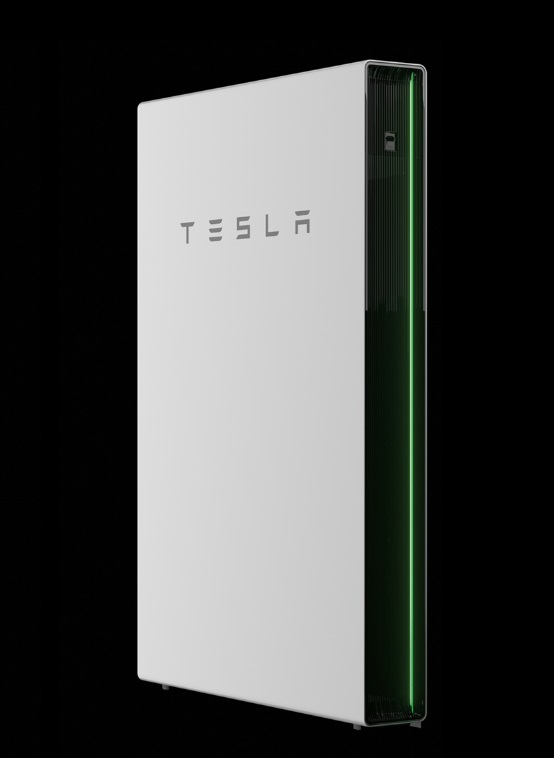
Tesla Powerwall UK:

When the sun goes down, the Tesla Powerwall steps in. Offering:

  • 13.5 kWh of usable capacity

  • Seamless transition during grid outages

  • Intelligent load shifting for the lowest energy costs

Why Pair Tesla with the Dura5?

Some Dorset businesses opt to integrate both the Duracell Dura5 battery and Tesla Powerwall, offering scalable storage and added resilience. This hybrid approach ensures:

  • Greater energy security

  • Flexibility between day/night usage

  • Full optimisation of energy saving tips like time-of-use shifting

Maximising Your Solar Investment: Solar Panel Protection & Maintenance

To protect your investment:

  • Install solar panel protection systems to guard against debris, weather damage, and bird nesting.

  • Regular maintenance ensures optimal efficiency, especially along the windy and salty air of the South Coast.

Partnering with trusted domestic solar panel installers like Save Energy UK means your system stays efficient for decades.

Energy Saving Solutions: Beyond Solar

In addition to solar energy UK services, Dorset businesses can also benefit from:

  • EV charging stations powered by solar

  • Smart thermostats and automated energy controls

  • Upgraded insulation and LED conversions

  • Comprehensive energy-saving tips tailored to commercial needs

Case Study: Dorset Retailer Cuts Costs by 70%

A retail chain based in Bournemouth recently installed:

  • A 40kW Tesla solar panel system

  • 2 x Duracell Dura5 batteries

  • 1 Tesla Powerwall

Results after 12 months:

  • £12,000+ saved on electricity bills

  • Zero downtime during 3 local power outages

  • Carbon footprint reduced by 65%

This highlights the real-world impact of combining solar with cutting-edge battery storage.

energy in dorset

Secure Your Energy Future Today

The future of energy is clean, local, and reliable. For Dorset businesses and homeowners, combining solar panel installations with powerful batteries like the Duracell Dura5 and Tesla Powerwall UK is more than just smart — it’s essential.

At Save Energy UK, we provide tailored solar energy UK solutions with full installation, maintenance, and ongoing support. Whether you’re looking to power your home or business, our team of certified installers is ready to help.

Call us today for a free consultation! Discover how we can help you unlock energy independence, reduce costs, and embrace a sustainable future.

How to Power Your Business Sustainably with Qcells and Tesla Panels

Commercial Solar Installation

As businesses across Dorset face increasing energy costs and growing pressure to reduce their carbon footprint, commercial solar installation has become a smart and sustainable solution. At Save Energy UK, we specialise in guiding businesses through the transition to clean energy, using premium technologies like Qcells solar panels, Qcells batteries, and Tesla solar systems.

In this post, we’ll explore how these advanced products can future-proof your commercial property, reduce energy bills, and elevate your sustainability credentials.

Why Commercial Solar Makes Sense for Dorset Businesses

The shift to renewable energy isn’t just about saving the planet — it’s about securing your bottom line.

  • Lower Operational Costs: Solar power drastically cuts monthly utility bills. Dorset businesses benefit from abundant daylight, making solar a particularly effective investment.

  • Government Incentives: Schemes like the Smart Export Guarantee (SEG) allow you to earn money for surplus energy sent back to the grid.

  • Sustainability Goals: Companies that go solar demonstrate their commitment to corporate social responsibility, appealing to eco-conscious customers and investors.

According to the Carbon Trust, UK businesses could save up to 20% on their energy bills by implementing energy efficiency measures like solar.

solar panels

Qcells: A Global Leader in Commercial Solar Technology

When it comes to quality and performance, Qcells is one of the most trusted names in the solar industry. Here’s why businesses in Dorset are choosing Qcells solar panels and batteries:

Cutting-Edge Technology

Qcells panels use Q.ANTUM DUO technology, which increases efficiency even in low light. Perfect for Dorset’s occasionally cloudy skies.

Battery Storage for 24/7 Power

Pairing your solar panels with a Qcells battery allows you to store excess energy for use at night or during power cuts.

  • Popular Models: Q.HOME+ ESS HYB-G3 and the Q.HOME CORE H5

  • Battery Capacity: Ranges from 6.6kWh to over 20kWh

These systems consistently receive high marks in solar battery reviews, praised for their durability, smart energy management, and quiet operation.

solar panel installation

Performance Guarantee

Qcells offers 25-year product and performance warranties — a testament to the brand’s confidence in its products.

Tesla Solar: Smart, Sleek, and Sustainable

Another market leader, Tesla, offers cutting-edge solutions with sleek design and seamless integration:

Tesla Powerwall 2

  • Storage Capacity: 13.5kWh per unit

  • Features: Real-time energy monitoring, backup power during outages, and app-based controls

  • Scalability: Easily expandable for large commercial needs

Tesla’s battery is consistently ranked in top solar battery comparison charts for its intuitive technology and long-lasting performance.

Tesla Solar Inverters

Tesla’s solar inverters work efficiently with both Tesla and Qcells panels, offering high efficiency (up to 97.5%) and reliable grid connectivity.

tesla solar panels

Qcells vs. Tesla: A Solar Battery Comparison

Feature Qcells Battery Tesla Powerwall 2
Capacity 6.6–20kWh+ 13.5kWh
Warranty 10–25 years 10 years
Remote Monitoring Yes Yes
Integration with Smart Homes Moderate Excellent
Price Range Competitive Premium

Installation Process for Dorset Businesses

At Save Energy UK, we ensure a smooth and stress-free installation process:

  1. Site Survey – We evaluate your building’s roof space, orientation, and electrical infrastructure.

  2. Custom System Design – Our engineers design a system that suits your energy needs and budget.

  3. Installation – We handle all permits, grid connections, and setup using certified installers.

  4. Ongoing Support – Post-installation monitoring and maintenance packages are available.

Financial ROI: What Dorset Businesses Can Expect

Investing in a commercial solar system pays for itself within 5–7 years in most cases.

  • Annual Savings: £2,000–£10,000 depending on system size

  • Tax Benefits: Claim capital allowances and reduce taxable profits

  • Increased Property Value: Solar-equipped properties are more attractive to tenants and buyers

commercial solar panel

Real-World Example: Dorset-Based Business Goes Solar

One local business in Bournemouth recently installed a 50kW Qcells system paired with Tesla Powerwalls. In the first year alone, they reduced their energy bills by 60% and received over £1,200 from SEG payments.

Why Choose Save Energy UK?

With years of experience serving Dorset and the surrounding areas, we understand the unique needs of local businesses.

  • Authorised Qcells and Tesla Installer

  • Local Expertise with National Standards

  • Bespoke Design for Commercial Needs

  • Reliable Aftercare and Support

Whether you need a Qcells solar battery, a Tesla Powerwall, or a full installation from start to finish, Save Energy UK is your trusted partner.

commercial solar panel

Conclusion: Power Your Business with Confidence

Commercial solar installation isn’t just a trend — it’s a long-term investment in energy independence, financial stability, and environmental responsibility. With cutting-edge options like Qcells batteries, Qcells solar panels, and Tesla Powerwalls, Dorset businesses can power forward sustainably.

Ready to make the switch?

Call Save Energy UK today or visit our website to book a free commercial energy consultation.

The Social Impact of Commercial Solar Panel Installations in the South Coast

The Power of Solar Panel Installations

As the climate crisis accelerates and energy bills soar, the move towards renewable energy sources like solar power has never been more urgent. But beyond environmental and economic advantages, there’s another dimension worth exploring—the social impact of solar energy. For businesses and communities across Dorset and the South Coast, solar panel installations isn’t just a savvy financial move—it’s a step towards social responsibility, empowerment, and long-term resilience.

When people ask, “What is the social impact of solar energy?”, the answer extends far beyond reduced carbon footprints. The social impacts of solar energy include:

  • Increased energy independence

  • Job creation and skills development

  • Enhanced community engagement

  • Reduction in fuel poverty

  • Better public health outcomes

These solar energy social benefits contribute to stronger, more connected, and more sustainable communities.

solar panel

Boosting Local Economies Through Clean Technology

Save Energy UK Ltd plays a vital role in stimulating local economies by enabling businesses to adopt commercial solar panel installations. Dorset has seen a rise in hybrid solar PV and solar panel installations and wind hybrid system setups, thanks to government incentives and rising eco-awareness.

According to a study by Solar Energy UK, over 13,000 people are now employed in the solar industry nationwide—a number expected to double by 2030. Many of these jobs are in installation, maintenance, and system design. In areas like Poole and Bournemouth, local employment has surged with the deployment of hybrid solar solutions UK.

Tackling Energy Poverty with Technology

One of the most significant social impacts of solar panels is their ability to alleviate fuel poverty. By lowering operational costs for commercial properties—especially housing associations, community centres, and schools—savings can be redirected to services that benefit vulnerable residents.

Save Energy UK installs systems like the Duracell Dura5, a highly efficient Duracell home battery that stores surplus energy for use when the sun isn’t shining. These battery systems are game-changers for managing energy demand and promoting energy equality.

Duracell Dura5 Review Summary:
The Dura5 is a high-capacity, long-life lithium battery praised for its efficiency and seamless integration with existing PV systems. Customers appreciate its smart technology and robust design—ideal for both homes and businesses.

Duracell Dura5

Community Empowerment and Engagement

Solar panel installations and wind hybrid systems on commercial buildings like local halls, gyms, and shops provides not only energy independence but also a tangible symbol of sustainability. These installations often spark educational opportunities, fostering a culture of environmental stewardship among residents.

In 2024, a partnership between Save Energy UK and a local Dorset secondary school led to the installation of a hybrid PV solar system. Not only did this reduce school energy costs by 60%, but it also became a teaching resource for science classes, demonstrating the real-world application of renewable technologies.

Environmental Health and Social Wellbeing

Solar energy directly contributes to cleaner air, which benefits public health. A report by Public Health England found that areas with lower air pollution saw a measurable decrease in respiratory diseases and hospital admissions.

By replacing fossil fuel energy sources, hybrid solar wind systems help cut down harmful emissions, making the South Coast a healthier place to live and work. These benefits are especially impactful for vulnerable groups like children and the elderly.

Socially Responsible Business Leadership

Forward-thinking businesses in Dorset understand that saving energy UK isn’t just about reducing overheads—it’s about leadership. Companies that embrace solar energy social impact are seen as responsible, ethical, and future-focused. They attract eco-conscious customers, foster community trust, and often qualify for green certifications and incentives.

By installing hybrid solar panels, businesses not only benefit themselves but also help build a legacy of sustainability and care.

Why Choose Save Energy UK?

Save Energy UK Ltd specialises in hybrid solar solutions UK, combining solar PV and wind technologies with smart battery systems like the Duracell Dura5. Our team is deeply rooted in Dorset, with extensive knowledge of local building codes, weather patterns, and energy needs.

Our commercial solar solutions are tailored for:

  • Schools and colleges

  • Hospitality venues

  • Office buildings

  • Agricultural sites

  • Retail parks

We pride ourselves on delivering reliable, cost-effective, and community-focused solar systems that not only power buildings but empower people.

Lighting the Way to a Better Future: Solar Panel Installations

The social impact of solar energy reaches far beyond kilowatts and energy savings. From job creation and health improvements to educational empowerment and climate resilience, the solar power social impact is transforming the South Coast for the better.

Whether you’re a business owner, property manager, or community leader, investing in solar means investing in your community’s future.

Don’t just reduce your bills—help build a better world.

Call Save Energy UK Ltd today to explore our commercial solar panel packages, including the advanced Duracell home battery and hybrid solar PV systems.

Serving all of Dorset and the South Coast.